Hidden Lessons from Harry Potter Stories
The wizarding world of Harry Potter feels like pure escapism on the surface — magic spells, flying broomsticks, and battles between good and evil. Yet beneath all that fantasy lies something more grounded.
The stories work because they’re built on recognizable human truths, the kind that stick with readers long after they’ve closed the books. These aren’t the obvious moral lessons plastered on posters in elementary school classrooms.
They’re quieter realizations about friendship, failure, and what it actually takes to grow up.
Friendship isn’t always comfortable
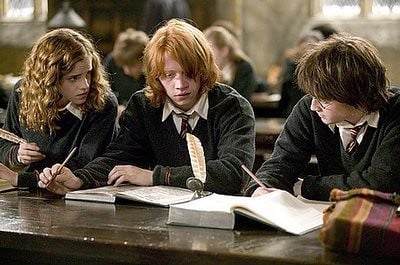
Harry, Ron, and Hermione fight constantly. They misunderstand each other, hurt feelings, and sometimes go weeks without speaking.
The friendship survives anyway. Real friendship looks nothing like the sanitized version sold in greeting cards.
It’s messy and disappointing and requires you to forgive people who should know better. The trio’s bond strengthens precisely because they work through the uncomfortable parts instead of pretending they don’t exist.
Adults don’t have all the answers
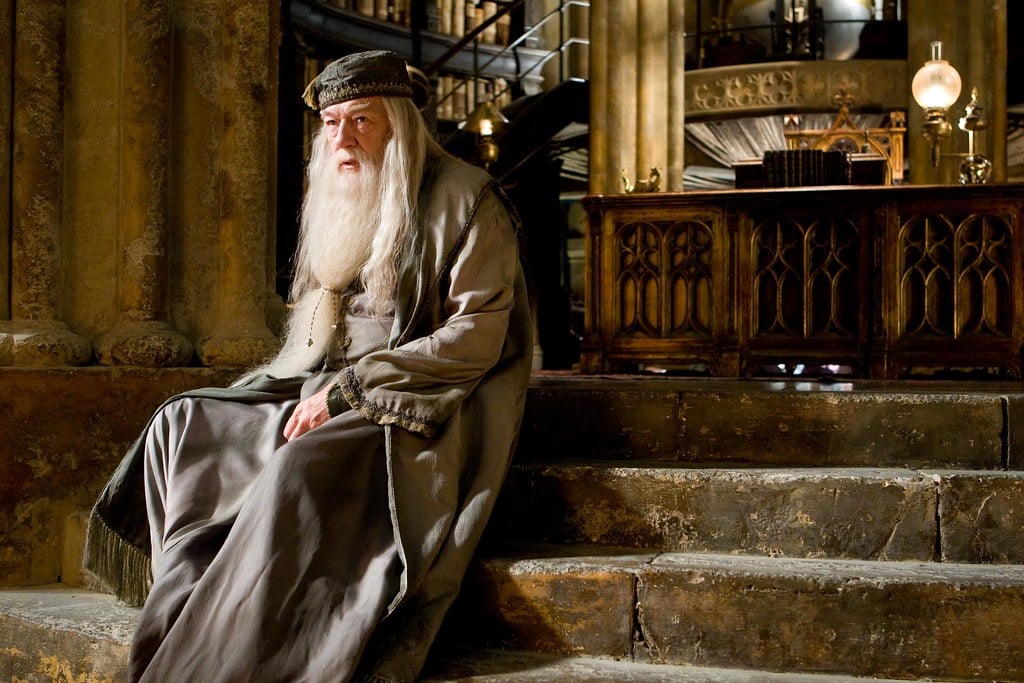
Dumbledore, the wisest wizard of his generation, spends seven books making questionable decisions and withholding crucial information from a teenager whose life depends on it. (And that’s before you factor in his murky past involving dark magic experiments and family tragedy — choices that haunted him for decades and influenced nearly every major decision he made as headmaster.)
The other adults aren’t much better. Even so. Teachers lie, parents make mistakes, and the people you trust most will sometimes let you down in spectacular fashion.
This isn’t cynicism — it’s preparation. Understanding that adults are flawed humans doing their best with incomplete information makes disappointment less devastating.
And it makes the good decisions, when they come, feel earned rather than expected.
Death changes everyone left behind

Grief moves through the Harry Potter series like water through fabric. It soaks into everything and changes the texture permanently.
Sirius dies, and Harry becomes reckless with anger. Dobby dies, and something shifts in how the characters understand sacrifice. Each loss reshapes the people who remain.
The books never suggest that grief is something to “get over” or that time heals all wounds. Instead, they show how death becomes part of the landscape of living — present but not paralyzing, painful but not pointless. Harry carries his parents with him not by forgetting the hurt of their absence, but by letting their love inform his choices. Grief becomes a strange form of guidance.
Power corrupts, but it starts small
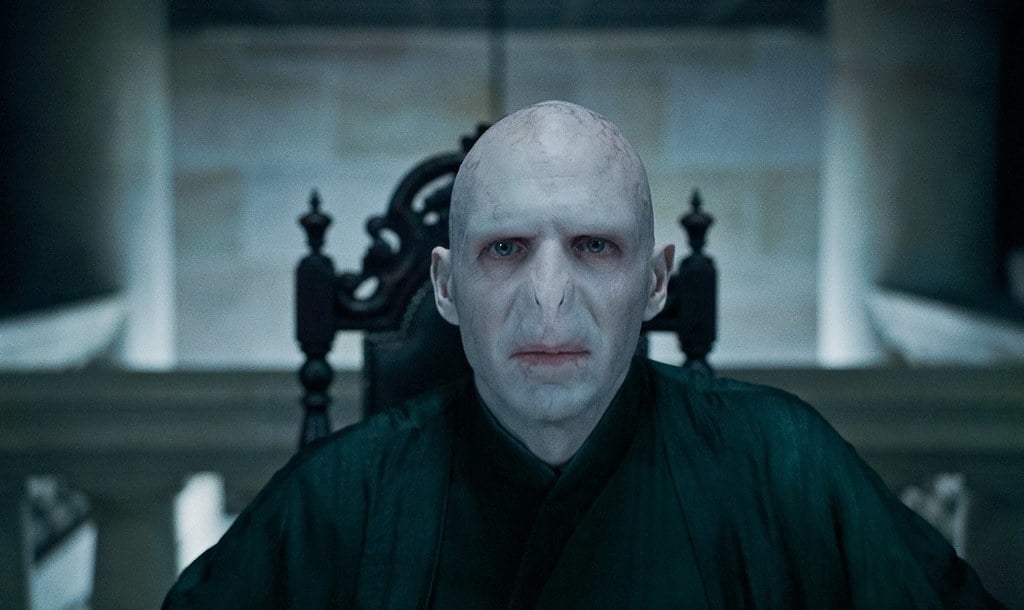
Voldemort didn’t wake up one morning and decide to become a genocidal maniac. His transformation happened through a series of small compromises and justified cruelties.
Tom Riddle was brilliant, charismatic, and convinced that rules didn’t apply to him. The same pattern shows up in smaller characters throughout the series.
Cornelius Fudge becomes tyrannical because he’s terrified of losing his position. Umbridge abuses her authority because she genuinely believes she’s restoring order.
Power doesn’t corrupt by making people evil — it corrupts by making their worst impulses seem reasonable.
Bravery looks different than expected
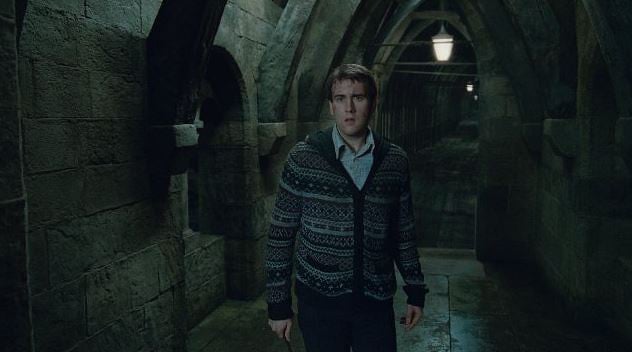
The most courageous moments in the series happen quietly, without an audience to applaud them. Neville stands up to his friends (and gets petrified for his trouble, though that consequence arrives later and isn’t visible when he makes the choice to speak up).
Luna continues being herself despite years of bullying and social isolation. Mrs. Weasley faces her deepest fear — losing her children — and keeps fighting anyway.
Bravery isn’t the absence of fear. It’s not even acting in spite of fear, though that’s closer. Real courage is doing what needs to be done when everything inside you wants to run, and then getting up the next day and doing it again.
The flashy heroics get remembered, but the quiet persistence is what actually changes things.
Your past doesn’t define your future
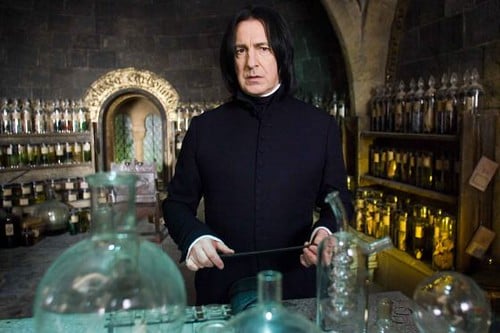
Snape spent his adult life trying to atone for choices he made as a young man. Harry could have become bitter and cruel after years of abuse and neglect.
Draco could have followed his father’s path without question. None of them were prisoners of their circumstances, though those circumstances certainly mattered.
People can choose differently, even when that choice is harder than continuing down the expected path. The books don’t pretend that change is easy or that good intentions are enough — but they insist that change is possible.
Prejudice thrives on willful ignorance
The wizarding world’s hatred of Muggles, house-elves, and other magical creatures isn’t based on actual evidence. It’s based on comfortable assumptions that no one bothers to examine.
Most wizards have never had a real conversation with a Muggle, but they’re certain of their superiority anyway. Prejudice works by convincing people that their limited perspective represents universal truth.
It’s easier to maintain false beliefs when you never encounter information that might challenge them. The characters who overcome their biases do so by spending time with the people they were taught to dismiss — and discovering that their assumptions were wrong.
Institutions can be both protective and harmful

Hogwarts is simultaneously the safest and most dangerous place in the wizarding world. Students receive an excellent education and form lifelong bonds, but they also face life-threatening situations on a regular basis.
The Ministry of Magic maintains order but also perpetuates injustice. Institutions aren’t inherently good or evil — they’re tools that reflect the values and priorities of the people running them.
The same system that protects some people will inevitably fail others. Understanding this complexity is crucial for anyone who wants to improve things rather than simply tear them down.
Love requires action, not just feeling

Lily Potter’s love for Harry creates literal magical protection, but that protection only works because she chose to die for him. Love without sacrifice is just sentiment.
The series is full of characters who claim to care about others but refuse to act on that caring when it becomes inconvenient. Real love — the kind that matters — involves making hard choices and accepting difficult consequences.
It’s not enough to feel affection for someone. Love is a verb, not just an emotion.
Small choices compound over time

Harry’s decision to save Ginny in the Chamber of Secrets seems unrelated to his ability to resist Voldemort years later, but it isn’t. Each choice to help rather than abandon someone, to tell the truth rather than lie, to stand up rather than hide, builds the character that will matter when everything is on the line.
People become who they are through daily decisions that feel insignificant at the time. The moment of crisis just reveals what was already there.
Heroes aren’t born in dramatic moments — they’re built through years of choosing to do the right thing when no one is watching.
Knowledge isn’t the same as wisdom

Hermione knows more than almost anyone about magic, history, and academic subjects, but she struggles with emotional intelligence and practical judgment. Dumbledore has vast knowledge and experience, but his wisdom is compromised by guilt and secrecy.
Information is easy to acquire, but understanding how to use it well takes time and experience. The smartest characters in the series aren’t necessarily the wisest ones, and the wisest characters often make their knowledge less useful by hoarding it or applying it poorly.
True wisdom involves knowing not just what to think, but when to act and when to wait.
Forgiveness benefits the forgiver

Harry’s decision to forgive doesn’t erase the harm that others have caused him, and it doesn’t require him to forget what happened. But it does free him from carrying anger that was poisoning his own life.
Forgiveness is often misunderstood as weakness or as something owed to people who have hurt others. The Harry Potter series suggests something different — that forgiveness is a gift people give themselves, a way of refusing to let someone else’s choices continue damaging their own peace.
It’s practical wisdom disguised as moral teaching.
Growing up means accepting complexity

The wizarding world that seemed magical and simple in the early books reveals itself to be as complicated and flawed as the Muggle world Harry was trying to escape. Good people do terrible things, bad people have understandable reasons for their choices, and most situations don’t have clean resolutions.
Maturity isn’t about finding the right answers — it’s about learning to live with ambiguity and make decisions anyway. The characters who grow throughout the series are the ones who stop expecting the world to be fair and start working to make it better, one imperfect choice at a time.
The magic was always about connection

Spells and potions capture the imagination, but the real magic in the Harry Potter series comes from relationships — the bonds between friends, the love between family members, the trust between mentors and students. These connections give characters strength when everything else fails.
Magic becomes a metaphor for the inexplicable ways that people can change each other’s lives through care, sacrifice, and simple presence. The most powerful magic in the series isn’t something that can be learned from textbooks.
It’s something that happens when people choose to show up for each other, again and again, even when it’s difficult. Even when it hurts.
What remains after the last page

The Harry Potter stories endure because they trust readers to handle complicated truths about growing up, making mistakes, and learning to live with the consequences of both. The lessons aren’t handed out like prizes — they emerge from watching characters struggle with the same fundamental questions that real people face every day.
How do you stay good in a world that isn’t? How do you love people who disappoint you? How do you find courage when courage is the last thing you feel? The answers aren’t simple, and they’re not the same for everyone.
But the books suggest that asking the questions is enough to get started, and that getting started is often enough.
More from Go2Tutors!

- The Romanov Crown Jewels and Their Tragic Fate
- 13 Historical Mysteries That Science Still Can’t Solve
- Famous Hoaxes That Fooled the World for Years
- 15 Child Stars with Tragic Adult Lives
- 16 Famous Jewelry Pieces in History
Like Go2Tutors’s content? Follow us on MSN.



