Hidden Stories Behind Iconic American Lighthouses
Lighthouses have guided sailors through treacherous waters for centuries, but behind their beams lie tales of tragedy, heroism, and mystery that most visitors never hear about. These towering sentinels weren’t just navigation aids—they were homes to families who endured isolation, battled the elements, and sometimes paid the ultimate price.
From keepers who refused to abandon their posts during hurricanes to structures that became final resting places for the dead, American lighthouses hold secrets far more compelling than their architectural beauty suggests. Here is a list of 12 hidden stories behind iconic American lighthouses.
St. Augustine Lighthouse
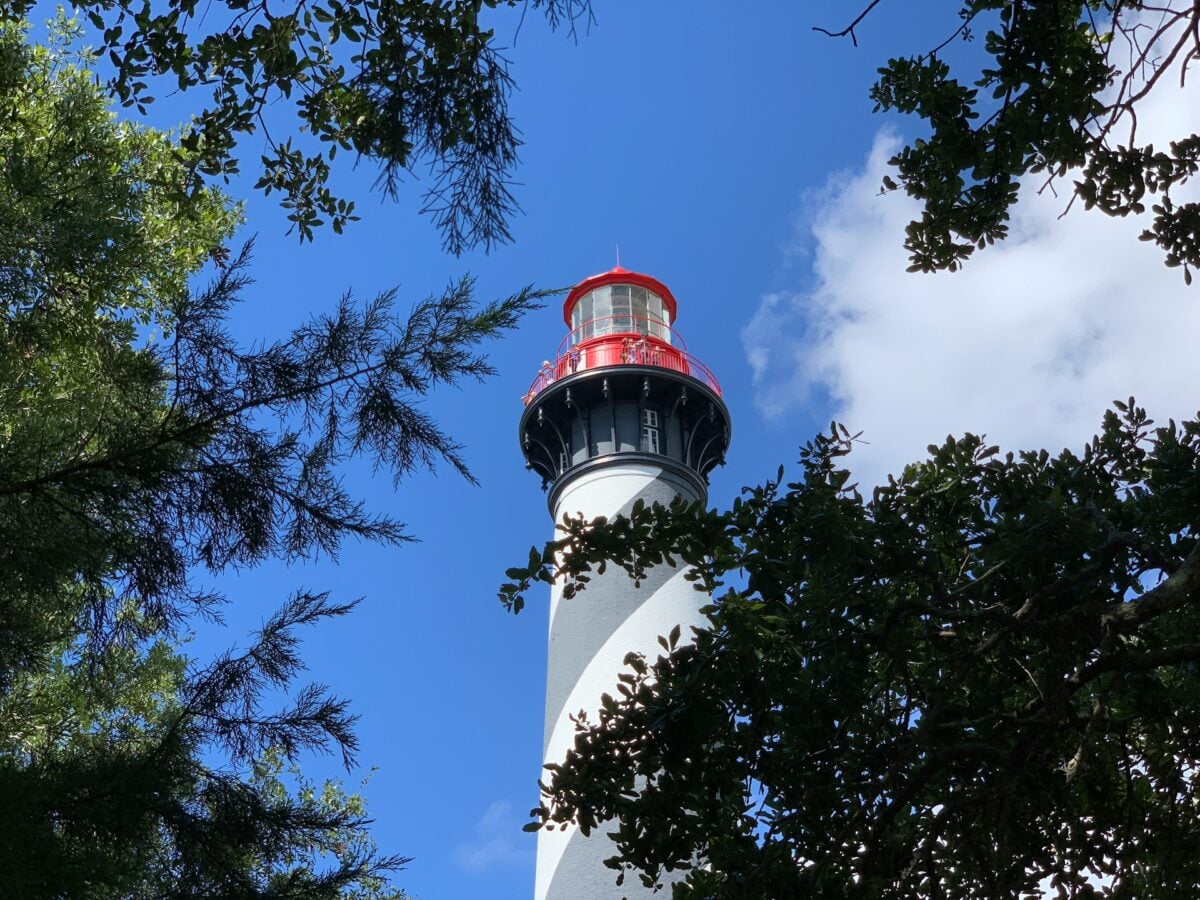
Florida’s oldest lighthouse wasn’t always the striped tower tourists climb today. The original structure dated back to the 1500s as a Spanish watchtower, long before it officially became America’s first lighthouse in 1824.
What most visitors don’t know is that during the Civil War, Confederate sympathizers deliberately sabotaged the lighthouse by removing and burying its Fresnel lens to prevent Union ships from using it for navigation. Union forces eventually recovered the lens and restored the beacon, but the story of this maritime sabotage rarely makes it into standard tour narratives.
Tillamook Rock: The Lighthouse That Became a Tomb

Off the Oregon coast sits Terrible Tilly, a lighthouse so notorious that construction claimed lives before the foundation was even poured. The first surveyor, master mason John Trewavas, was swept into the sea by a wave in 1879 and never recovered.
Just days before the lighthouse opened in 1881, the ship Lupatia wrecked nearby despite the crew’s frantic attempts to signal with lanterns and a bonfire—all sixteen sailors drowned. After the lighthouse was decommissioned in 1957, it was converted into the Eternity at Sea Columbarium in 1980, storing cremated remains until the state revoked its license in 1999.
About thirty urns still remain inside, their occupants dubbed ‘honorary lighthouse keepers’ by the former operators.
Like Go2Tutors’s content? Follow us on MSN.
Minot’s Ledge: The ‘I Love You’ Light

This Massachusetts lighthouse has the most romantic flash pattern in America—1-4-3, matching the letters in ‘I love you.’ But its origin story is pure tragedy.
The first tower, built on iron stilts in 1850, collapsed during a vicious nor’easter on April 17, 1851, killing assistant keepers Joseph Wilson and Joseph Antoine who rang the alarm bell frantically as the structure gave way around midnight. A message in a bottle found two days later read: ‘The beacon cannot last any longer. She is shaking a good three feet each way as I write.
God bless you all.’ The replacement tower, completed in 1860, took five years to build and required workers to be secured with lifelines as waves constantly swept them off the rocks.
Barbara Mabrity: The Keeper Who Survived Disaster

Barbara Mabrity became keeper of the Key West Lighthouse in 1832 after her husband Michael died of yellow fever. On October 10, 1846, the Great Havana Hurricane struck Key West with such force that it buried the town under five feet of water and destroyed all but eight of the 600 homes.
The lighthouse collapsed into the surf, killing fourteen people who had sought refuge inside—including seven members of Barbara’s own family. Somehow, Barbara survived and continued serving as keeper when the replacement lighthouse was completed in 1848, maintaining her post until she was fired at age 82 for making pro-Confederate statements during the Civil War.
The Army of Two

During the War of 1812, sisters Rebecca and Abigail Bates were alone at the Scituate Lighthouse in Massachusetts when they spotted a British warship launching boats filled with soldiers headed for the unsuspecting town. With no time to warn residents, the quick-thinking teenagers grabbed a fife and drum from the lighthouse and played as loudly as they could from behind nearby sand dunes.
The British soldiers, convinced the Scituate militia had discovered their plan, retreated back to their ship in haste. The sisters earned the nickname ‘The American Army of Two’ for their cleverness, yet their act of wartime heroism is rarely mentioned in Revolutionary War histories.
Like Go2Tutors’s content? Follow us on MSN.
Point Reyes: Where Fog Rules All

California’s Point Reyes Lighthouse holds the distinction of being the windiest location on the Pacific Coast and the second foggiest place on the entire North American continent. Keepers had to descend 308 grueling steps carved into the cliff just to reach the lighthouse from their quarters above, then climb back up multiple times daily.
The station was so notorious for isolation and punishing conditions that some keepers’ wives reportedly went mad from the loneliness. Construction was delayed for fifteen years starting in 1855 because the Lighthouse Board refused to pay the landowner’s asking price—during that time, fourteen ships wrecked on the rocks that could have been prevented.
Spectacle Reef: The Great Lakes Engineering Marvel

Built between 1870 and 1874 in the treacherous waters of Lake Huron, Spectacle Reef Lighthouse became the most expensive lighthouse ever constructed on the Great Lakes. Workers could only build during warm months, battling brutal storms that swept away tools, supplies, and sometimes the workers themselves.
The foundation required drilling three-foot-long wrought iron bolts directly into the underwater rock, and a cofferdam had to be constructed just to create a dry workspace. Each stone block was carefully cut on shore in Quincy, Massachusetts, and shipped to the site where they were assembled like a massive puzzle.
The entire project took four years of seasonal work, yet the lighthouse still stands as a testament to 19th-century engineering determination.
The Lighthouse That Drove Men Mad

Keepers at Tillamook Rock reported hearing ghostly moans and whispers echoing through the stair cylinder leading to the lantern room. One keeper, James Gibbs, documented finding a hidden library room he’d never noticed before, filled with books about other lighthouse keepers who experienced similar paranormal encounters.
The isolation and relentless pounding of storms created such psychological strain that Native Americans believed the rock was cursed by their gods and inhabited by evil spirits, refusing to approach it. Supplies were often delayed for weeks during storms, and the only communication with the mainland was through an underwater telegraph cable that frequently severed during gales.
The keepers who served at Terrible Tilly considered it the loneliest job in the world.
Like Go2Tutors’s content? Follow us on MSN.
Boston Light: America’s First and Last

Built in 1716, Boston Light is the oldest lighthouse site in North America and holds another unique distinction—it was the last lighthouse in the United States to be automated, maintaining a human keeper until 1998. Congress specifically authorized the station to remain staffed even after automation as a tribute to lighthouse heritage.
When Dr. Sally Snowman retired as keeper in 2023 after serving since 2003, the tradition of a full-time resident keeper finally ended after 215 years. The lighthouse has survived British attempts to destroy it during the Revolutionary War, multiple reconstructions, and centuries of storms, standing as a living monument to America’s maritime history.
The Lighthouse with a Presidential Connection
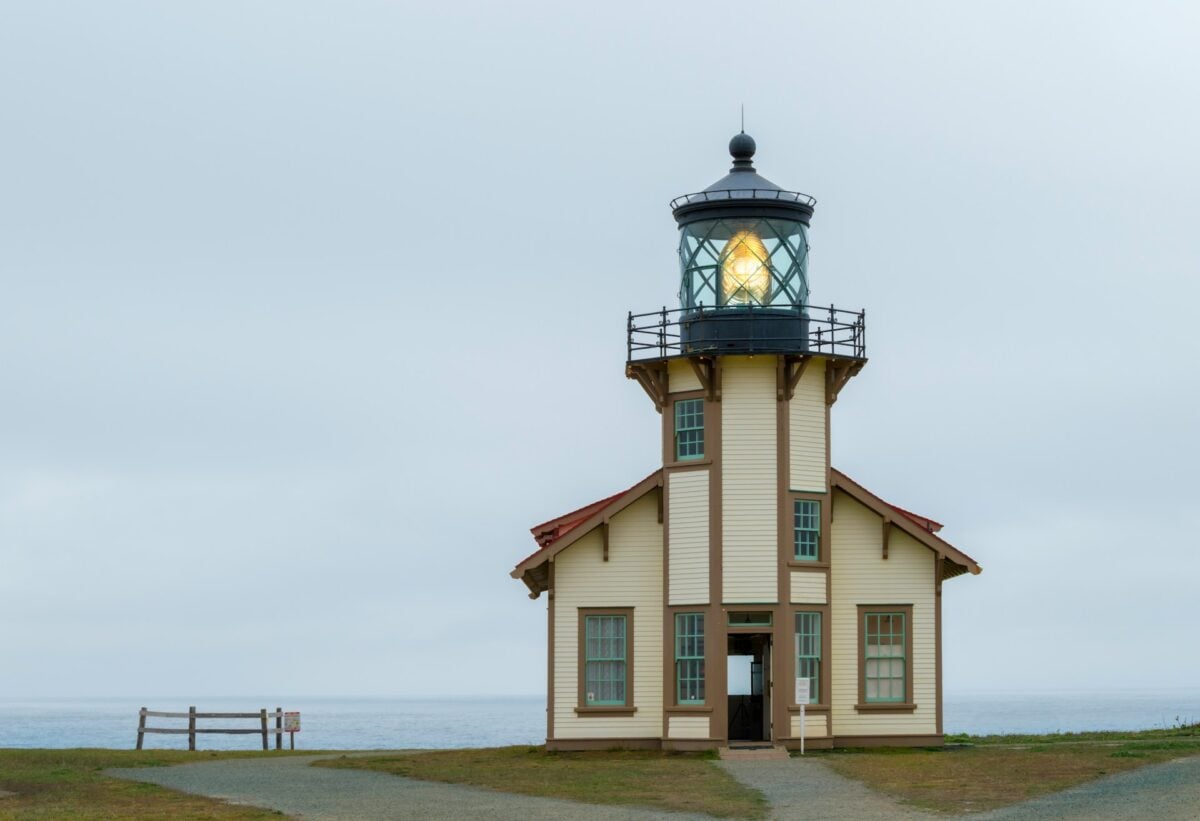
Cape Elizabeth’s Two Lights in Maine experienced a bizarre incident on June 6, 1865, when a tornado struck the lighthouse station. Keeper James Mariner and his family barely escaped as the twisting winds damaged the structures and scattered debris across the grounds.
This was the same lighthouse station where Keeper Clifton Morong’s wife Shirley later wrote about the thrilling experience of storm watching from their perch high above the Atlantic. The keepers’ families often balanced their lighthouse duties with growing gardens for food, as supply deliveries were unreliable.
These lighthouses served as entire communities unto themselves, with children playing in the shadows of the towers and families celebrating holidays while maintaining the eternal vigil of the beacon.
The Construction Site Death at Bass Harbor
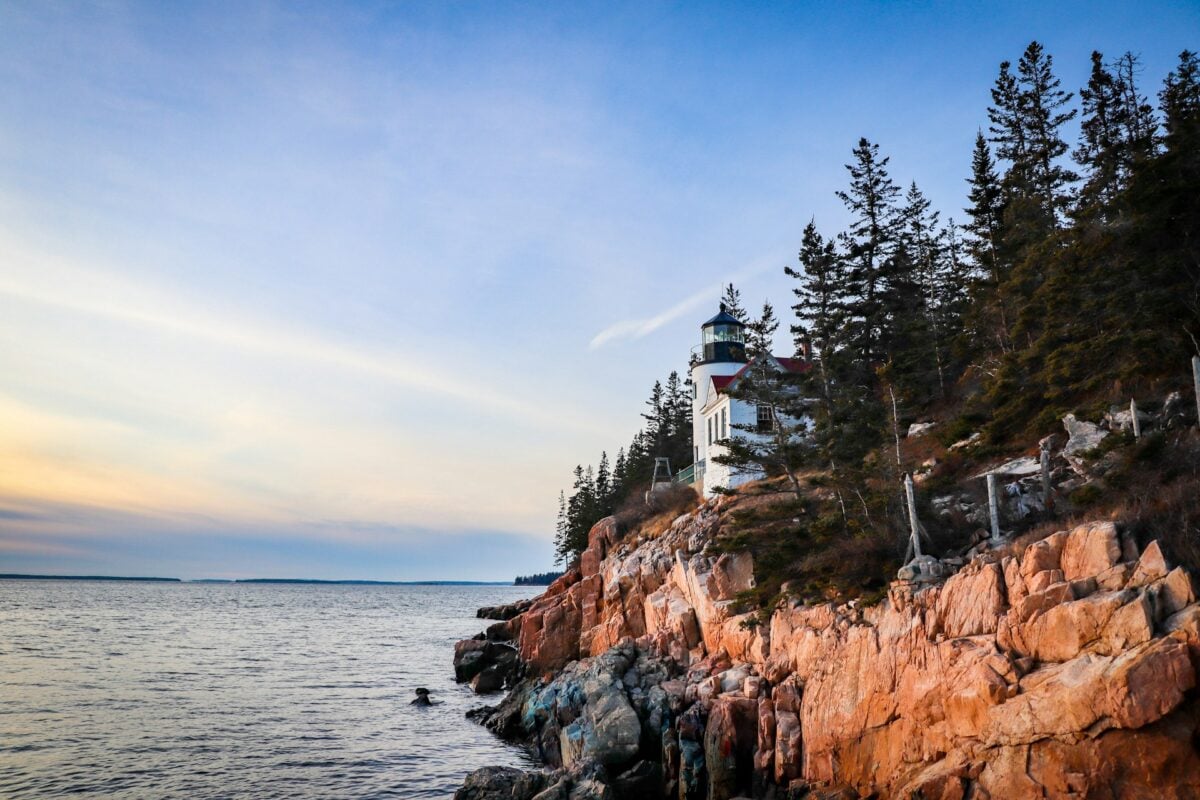
During the construction of Bass Harbor Light in Maine in 1858, one worker suddenly vanished without explanation. His coworkers discovered a bloodied axe hidden near the construction site, but the worker’s body was never found.
Local legend suggests he was murdered by a fellow worker after an argument, and his body was sealed inside the foundation walls or keeper’s house before the cement dried. The mystery was never solved, and no one was held accountable.
Since then, numerous keepers and visitors have reported paranormal activity at the lighthouse—unexplained illnesses, mysterious deaths near the beacon, and sightings of apparitions. Ten tragic deaths have been documented in the area, an unusually high number for a lighthouse station.
Like Go2Tutors’s content? Follow us on MSN.
The October 1934 Superstorm

On October 21, 1934, a tempest of unprecedented fury struck the Pacific Northwest, and Terrible Tilly took the worst beating of its operational life. Winds exceeded 100 mph, and waves surged completely over the 133-foot tower, shattering the first-order Fresnel lens inside the lantern room.
Boulders ripped from the seafloor crashed through the lantern room windows, destroying equipment and flooding the living quarters. Iron bolts anchored three feet deep in solid rock were torn out by the force of the waves.
The keepers, trapped inside with no way to call for help after the telegraph cable severed, cobbled together a makeshift transmitter from spare parts to finally contact the mainland. The damage was so severe that repairs took months, and the incident contributed to the lighthouse eventually becoming the most expensive to operate in United States history.
Where Past Meets Present

These hidden stories remind us that lighthouses were more than engineering achievements—they were outposts of human endurance where ordinary people faced extraordinary circumstances. The keepers who climbed those endless stairs through hurricanes, the families who raised children in isolation, and the workers who risked their lives building towers on impossible rocks all contributed to keeping America’s shipping lanes safe.
Today, as automated beacons flash their patterns across the waves, the spirits of these stories linger in the salt air, waiting for visitors willing to look beyond the postcard views and discover the remarkable human drama that unfolded within these walls.
More from Go2Tutors!

- 16 Historical Figures Who Were Nothing Like You Think
- 12 Things Sold in the 80s That Are Now Illegal
- 15 VHS Tapes That Could Be Worth Thousands
- 17 Historical “What Ifs” That Would Have Changed Everything
- 18 TV Shows That Vanished Without a Finale
Like Go2Tutors’s content? Follow us on MSN.