18 Things the Founding Fathers Got Wrong
The men who designed America possessed a rare combination of vision and pragmatism that created something remarkable. They also made some spectacular miscalculations.
History has a way of revealing the blind spots even brilliant minds can develop when shaped by their times. Some of their mistakes were products of 18th-century thinking that simply couldn’t anticipate the modern world.
Others were compromises that seemed clever at the time but created problems that still plague the nation today.
Slavery

The founders knew slavery was morally indefensible. They wrote about it in private letters.
They debated it behind closed doors. Then they chose political expediency over justice and kicked the problem down the road for future generations to solve.
The cost of that decision was catastrophic. A civil war that killed over 600,000 Americans.
Another century of Jim Crow laws and systemic oppression. The effects still ripple through American society today, creating divisions the founders could have prevented if they’d possessed the courage to match their principles.
The Electoral College
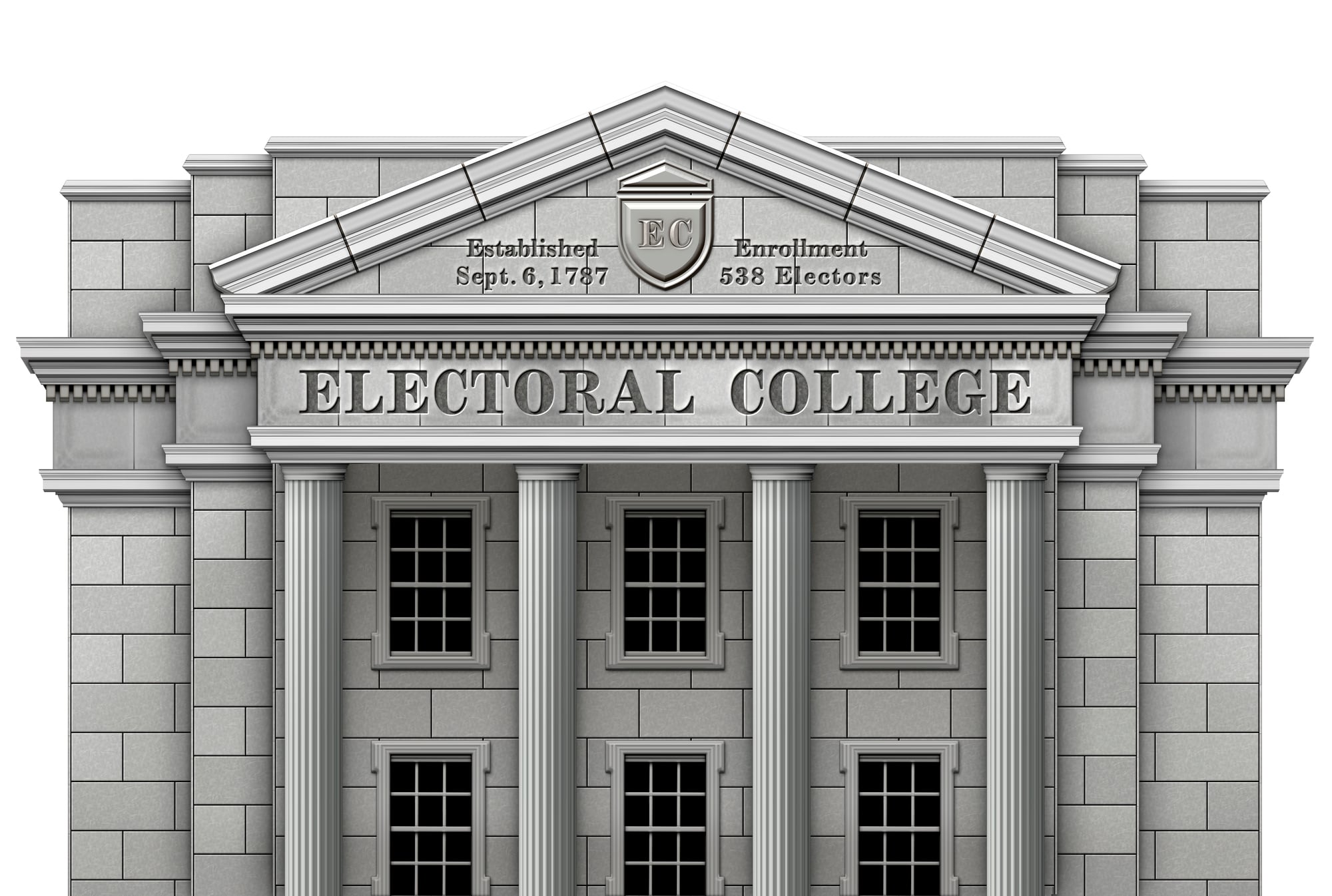
Picture a Rube Goldberg machine designed to pick a president, and you’ve got the Electoral College. The founders created this byzantine system because they didn’t trust direct democracy (and wanted to protect the influence of smaller states), but what they actually built was a mechanism that regularly produces outcomes most Americans didn’t vote for.
The system has handed the presidency to the candidate who lost the popular vote three times in American history: 1824 (John Quincy Adams), 2000 (George W. Bush), and 2016 (Donald Trump). It concentrates campaign attention on a handful of swing states while ignoring the rest of the country.
And every four years, Americans have to pretend this makes sense while the rest of the world watches in confusion.
Political Parties

Washington warned against the “baneful effects” of political parties in his farewell address. Hamilton called them the “most fatal disease” of popular government.
Jefferson initially opposed them as threats to republican virtue. Then they all helped create them anyway.
The founders designed a system assuming leaders would rise above partisan loyalty and vote based on merit and principle. Instead, they created a structure that practically guaranteed the formation of opposing factions that would treat governance as tribal warfare.
The irony is that some of the same men warning against parties were simultaneously building the first ones behind closed doors.
Women’s Rights

Here’s where the “all men are created equal” language becomes uncomfortably literal. The founders simply didn’t consider women as political beings deserving of equal rights.
This wasn’t an oversight or a compromise—it was a deliberate exclusion that reflected the social norms of their time but created a massive blind spot in their vision of equality.
Abigail Adams famously told her husband John to “remember the ladies” when creating the new government. He laughed it off as a joke.
That dismissive attitude became embedded in the Constitution, requiring decades of struggle and a constitutional amendment to correct. The founders’ inability to extend their revolutionary ideals to half the population revealed the limits of their supposedly universal principles.
The Senate
The Senate gives Wyoming the same representation as California. That means a voter in Wyoming has roughly 68 times more influence in the Senate than a voter in California.
The founders intended this as a compromise to protect smaller states, but they created a system that fundamentally violates the principle of equal representation.
This wasn’t just a small miscalculation. The founders assumed the population differences between states would remain relatively modest.
They couldn’t envision a nation where some states would have 68 times more people than others, turning their carefully crafted compromise into a system that gives disproportionate power to increasingly empty land.
The Second Amendment
Twenty-seven words that have generated more constitutional controversy than probably any other passage in American law. The founders wrote the Second Amendment with 18th-century warfare in mind—muskets, militias, and the possibility of foreign invasion or domestic tyranny.
They couldn’t anticipate modern firearms, urban crime, or mass shootings. The amendment that made sense when the most advanced weapon was a single-shot musket creates endless debate in an era of semi-automatic weapons.
The founders left enough ambiguity in those 27 words to fuel constitutional arguments for centuries.
Term Limits

The Romans understood that power corrupts and built term limits into their system for certain offices. The founders, despite their classical education, decided to trust that elections would provide sufficient turnover.
They were wrong.
Career politicians weren’t supposed to exist in the American system. The founders envisioned citizen-legislators who would serve briefly and return to private life.
Instead, they created a system that incentivizes office-holders to focus on re-election above all else, turning governance into a permanent campaign and creating the professional political class the founders never intended.
The Vice Presidency

The original system gave the vice presidency to whoever came in second in the presidential election. This meant the president and vice president could be from opposing parties—and often personal enemies.
It took exactly one generation for this arrangement to become obviously unworkable.
Even after the 12th Amendment fixed the most glaring problems, the founders left the vice president with almost no constitutional duties except waiting for the president to die.
They created an office that’s simultaneously too important to eliminate and too powerless to be effective. Most vice presidents spend their terms in constitutional limbo, trying to stay relevant while avoiding stepping on the president’s authority.
Impeachment

The founders made impeachment difficult enough to prevent partisan abuse but not clear enough to prevent partisan confusion. “High crimes and misdemeanors” sounds specific until you try to define it in practice.
They also made removal from office require a two-thirds Senate majority, which means impeachment becomes nearly impossible if the president’s party controls more than one-third of the Senate.
This wasn’t necessarily wrong in principle, but it creates a situation where the most serious constitutional remedy becomes a largely symbolic gesture rather than a meaningful check on presidential power.
The National Debt

Hamilton convinced the other founders that a moderate national debt would be beneficial—it would give wealthy creditors a stake in the government’s success and provide financial flexibility in emergencies. He didn’t anticipate that politicians would discover they could buy votes with borrowed money and leave the bill for future generations.
The founders assumed that responsible leaders would use debt sparingly and pay it down during prosperous times. They built no meaningful constraints on deficit spending into the Constitution, trusting future generations to exercise fiscal discipline.
That trust turned out to be misplaced.
States’ Rights

The founders tried to balance federal and state power by creating a system of divided sovereignty. What they actually created was centuries of confusion about who has authority over what, leading to everything from the Civil War to modern battles over healthcare, education, and environmental policy.
The 10th Amendment reserves unspecified powers to the states, but doesn’t define what those powers are.
This ambiguity was probably intentional—a compromise to get the Constitution ratified—but it created a permanent source of constitutional conflict that still ties up courts and creates governance headaches today.
The Supreme Court

The founders created a Supreme Court but said almost nothing about how it should work. They didn’t specify how many justices it should have, how long they should serve, or exactly what powers they should exercise.
Most importantly, they didn’t clearly establish the court’s power of judicial review—the ability to declare laws unconstitutional.
John Marshall essentially invented judicial review in Marbury v. Madison, claiming a power the Constitution doesn’t explicitly grant.
The founders might have intended this, but they left it ambiguous enough that the court had to assert its own authority through constitutional interpretation rather than clear constitutional text.
Prohibition Powers

The founders gave Congress the power to regulate interstate commerce but didn’t anticipate how expansively future generations would interpret those words. They also didn’t include any explicit power to prohibit substances, which led to the constitutional gymnastics required to ban alcohol (and the 18th Amendment’s eventual repeal).
The Commerce Clause has been stretched to justify federal involvement in everything from civil rights to healthcare to environmental protection.
Sometimes this expansion of federal power serves important purposes, but it goes far beyond what the founders intended when they wrote about regulating trade between states.
Gerrymandering
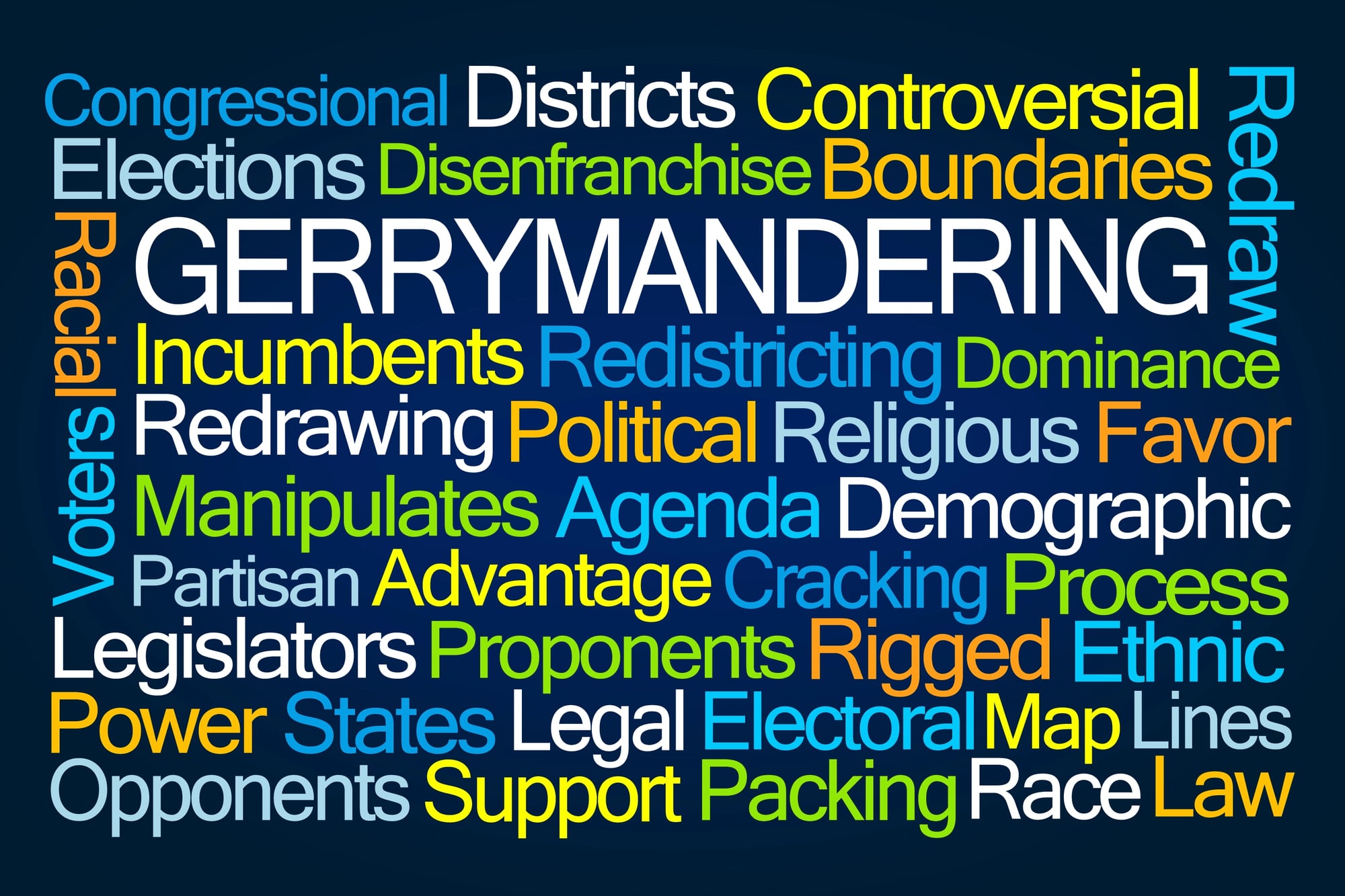
The founders left the mechanics of drawing congressional districts to the states, assuming that local control would produce fair representation. They didn’t anticipate that politicians would discover they could manipulate district boundaries to choose their voters rather than letting voters choose them.
Gerrymandering has turned many congressional districts into safe seats where the real election happens in the primary, not the general election.
This pushes candidates toward the ideological extremes rather than the center, contributing to political polarization the founders never intended. They created a system that was supposed to produce representative government but can be gamed to produce the opposite.
Presidential Pardons

The founders gave presidents unlimited pardon power as a check against overly harsh justice and a way to promote national reconciliation. They assumed presidents would use this power judiciously and in the public interest.
They didn’t consider that presidents might use pardons to protect themselves, their families, or their political allies.
The pardon power has no constitutional constraints except that it can’t be used for impeachment cases and only applies to federal crimes.
Presidents can issue pardons for any reason or no reason at all, including to obstruct justice or reward loyalty. The founders created a power they assumed would be used nobly but provided no safeguards against its abuse.
Religion And Government
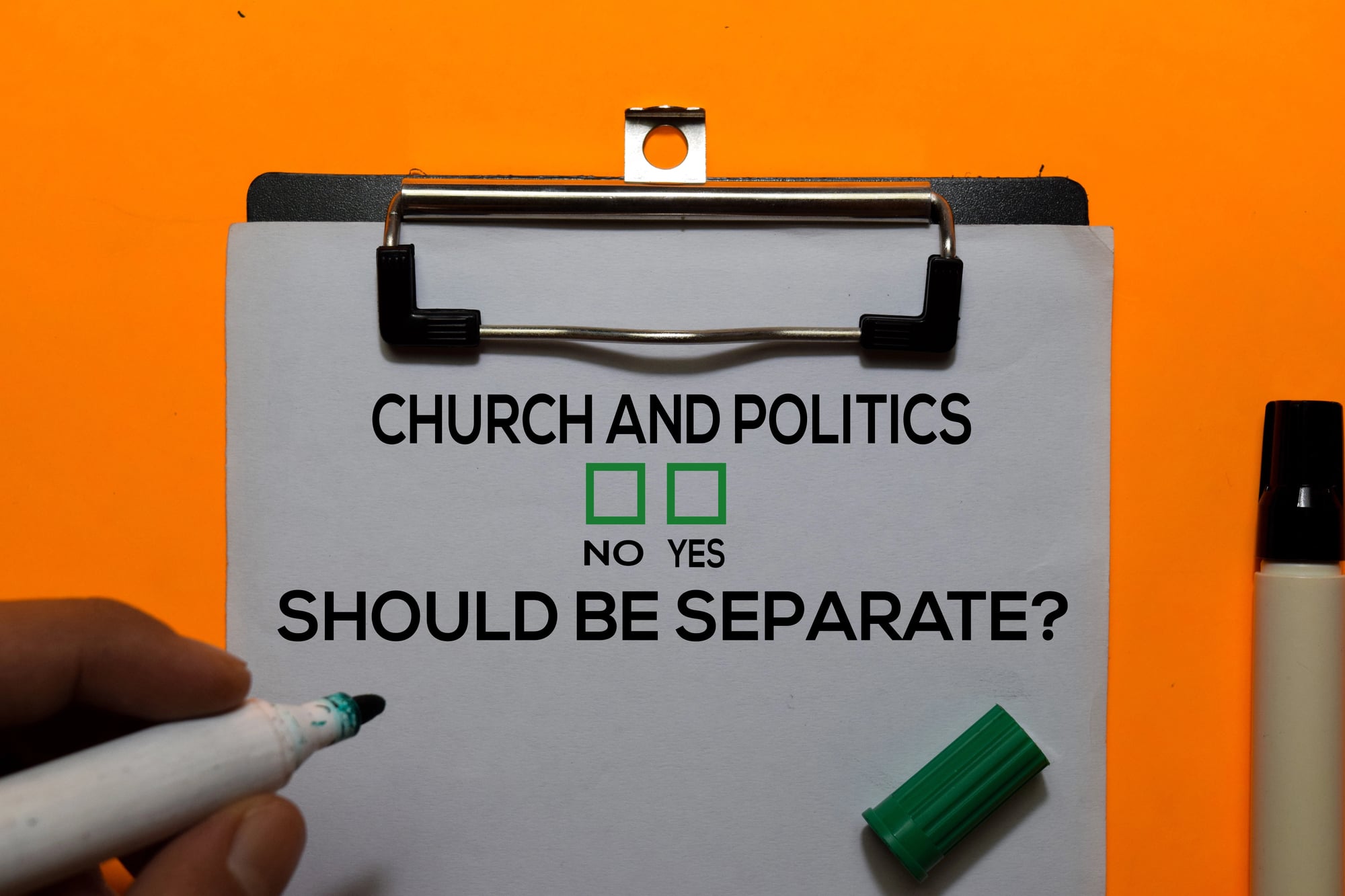
The First Amendment prohibits Congress from making laws “respecting an establishment of religion” but doesn’t define what that means in practice. The founders wanted to prevent an official state church like England had, but they left the boundaries between church and state frustratingly vague.
Some founders were devout Christians who saw religion as essential to public virtue. Others were deists who wanted to minimize religion’s role in government.
The compromise language they produced has generated centuries of litigation over everything from prayer in schools to religious displays on public property.
The founders avoided a fight in their generation by creating one that would last for all subsequent generations.
Amendments
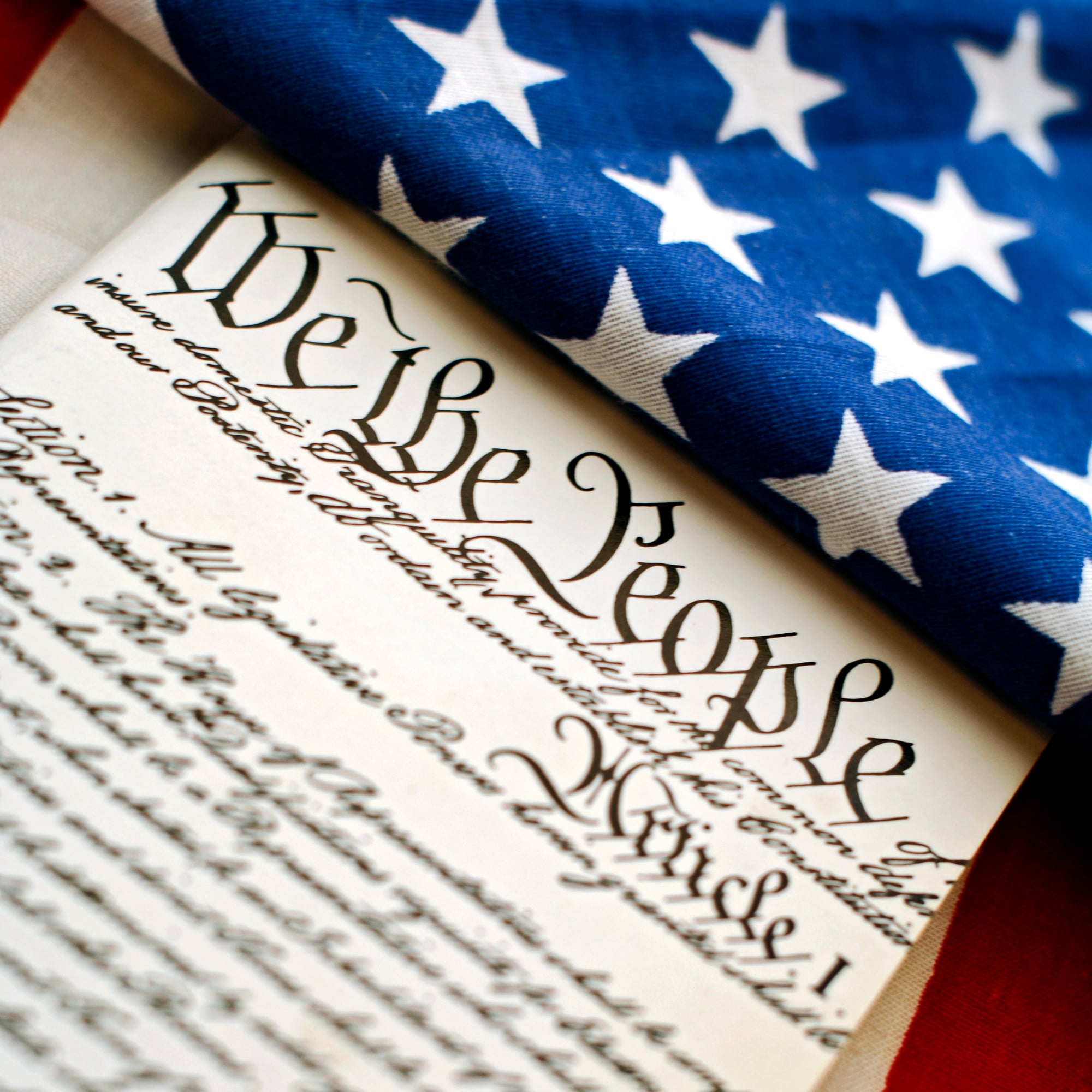
The founders made the Constitution amendable but difficult to amend. They required a two-thirds majority in both houses of Congress and ratification by three-fourths of the states.
This high bar was intended to prevent hasty changes, but it also makes the Constitution nearly impossible to update even when there’s broad consensus for change.
The Constitution has been amended 17 times since the Bill of Rights was ratified in 1791 (amendments 11–27), with the most recent being the 27th Amendment (1992). Including the Bill of Rights, the Constitution has 27 total amendments.
Many amendments that have overwhelming public support—like the Equal Rights Amendment or term limits for Congress—can’t clear the high hurdles the founders established. They created a document that was supposed to be a living framework but made it so hard to change that it sometimes feels more like a historical artifact.
Federal Capital

The founders created a federal district to house the national government, assuming this would keep the capital free from undue state influence. What they actually created was a city full of American citizens who have no voting representation in Congress.
Washington D.C. has more residents than Wyoming or Vermont but no senators and only a non-voting delegate in the House.
The founders were so focused on preventing state interference with federal operations that they created a new form of taxation without representation in the capital of a nation that was supposedly founded to oppose exactly that principle.
Standing Army

The founders feared standing armies as threats to liberty and assumed the nation could rely on citizen militias for defense. They wrote civilian control of the military into the Constitution but didn’t anticipate that America would become a global power requiring a permanent military establishment.
The United States now maintains military bases around the world and spends more on defense than the next ten countries combined.
This isn’t necessarily wrong, but it represents a complete reversal of the founders’ vision of America as a nation that would avoid foreign entanglements and maintain only minimal military forces during peacetime.
The Weight Of Idealism

Democracy is like a vintage car—beautiful, groundbreaking for its time, but requiring constant maintenance to keep running. The founders built something revolutionary that inspired the world, but they also built it with 18th-century tools and 18th-century assumptions.
Some of their mistakes were inevitable products of their era. Others were compromises they knew were imperfect but hoped future generations would fix.
The remarkable thing isn’t that they got some things wrong—it’s that they got so much right while creating a framework flexible enough to be corrected over time.
Their greatest achievement might be designing a system that could survive and evolve beyond their own limitations, even when those limitations created problems that took centuries to resolve.
More from Go2Tutors!

- The Romanov Crown Jewels and Their Tragic Fate
- 13 Historical Mysteries That Science Still Can’t Solve
- Famous Hoaxes That Fooled the World for Years
- 15 Child Stars with Tragic Adult Lives
- 16 Famous Jewelry Pieces in History
Like Go2Tutors’s content? Follow us on MSN.