Historic Prisons You Can Tour
Prisons are places most people hope to never see from the inside, but some of the world’s most infamous lockups have opened their doors to curious visitors. These aren’t your typical tourist attractions with gift shops and photo ops, though many do have those things now.
They’re real facilities where people spent years behind bars, some for terrible crimes and others for reasons that seem absurd today. Walking through these places gives you a strange feeling that’s hard to shake, knowing that real people suffered, plotted escapes, and lived out their sentences in the very cells you’re standing in.
Ready to explore some of the most fascinating former prisons that now welcome visitors? Here are the historic lockups you can actually tour today.
Alcatraz Island
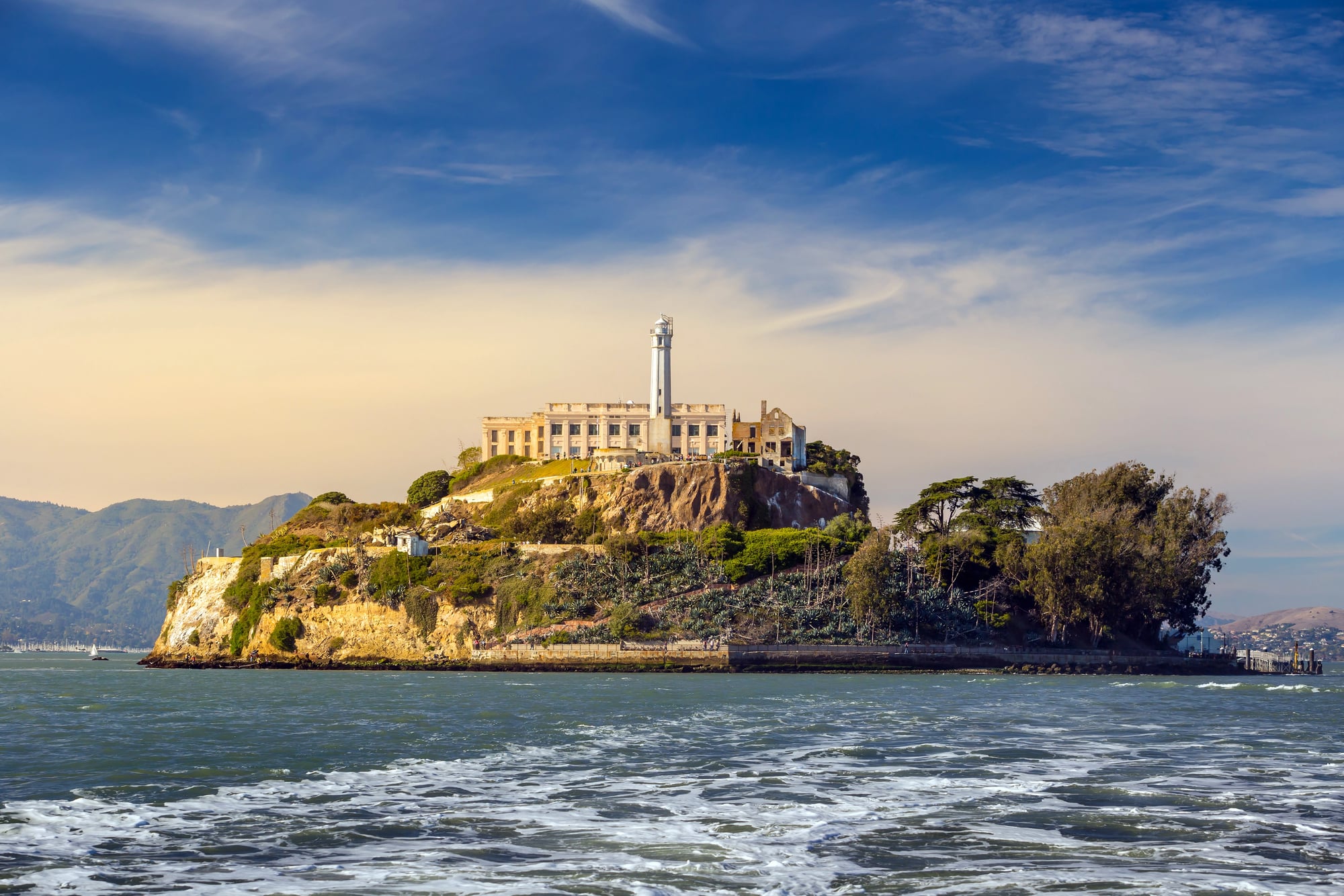
The former federal prison in San Francisco Bay held some of America’s most dangerous criminals from 1934 to 1963. Alcatraz housed notorious inmates like Al Capone, George ‘Machine Gun’ Kelly, and Robert Stroud, the ‘Birdman of Alcatraz’.
The prison sat on an island surrounded by cold, rough waters that made escape nearly impossible, though several inmates tried anyway. Tours now take visitors through the cellblocks, dining hall, and exercise yard while audio guides share stories from former guards and prisoners.
The ferry ride to the island offers stunning views of San Francisco, creating an odd contrast with the grim history waiting on the other side.
Eastern State Penitentiary

This Philadelphia prison opened in 1829 and pioneered the concept of solitary confinement as rehabilitation. The building’s design influenced more than 300 prisons worldwide, with its wagon-wheel layout and individual cells that kept inmates isolated.
Al Capone spent time here too, and his cell was furnished much more comfortably than others, complete with rugs and nice furniture. The prison closed in 1971 and now operates as a museum where visitors can see the crumbling cellblocks in a state of ‘preserved ruin’.
Halloween brings a haunted house attraction that’s consistently rated one of America’s scariest.
Robben Island

Located off the coast of Cape Town, South Africa, this prison held political prisoners during apartheid, including Nelson Mandela for 18 of his 27 years in prison. The tours are often led by former inmates who can share firsthand accounts of life in the prison.
Visitors see Mandela’s tiny cell, the limestone quarry where prisoners did hard labor, and the communal areas where inmates secretly educated each other. The island also served as a leper colony and military base before becoming a prison, adding layers to its complex history.
Getting there requires a ferry ride that can be rough when the weather’s bad, so anyone prone to seasickness should plan accordingly.
The Tower Of London
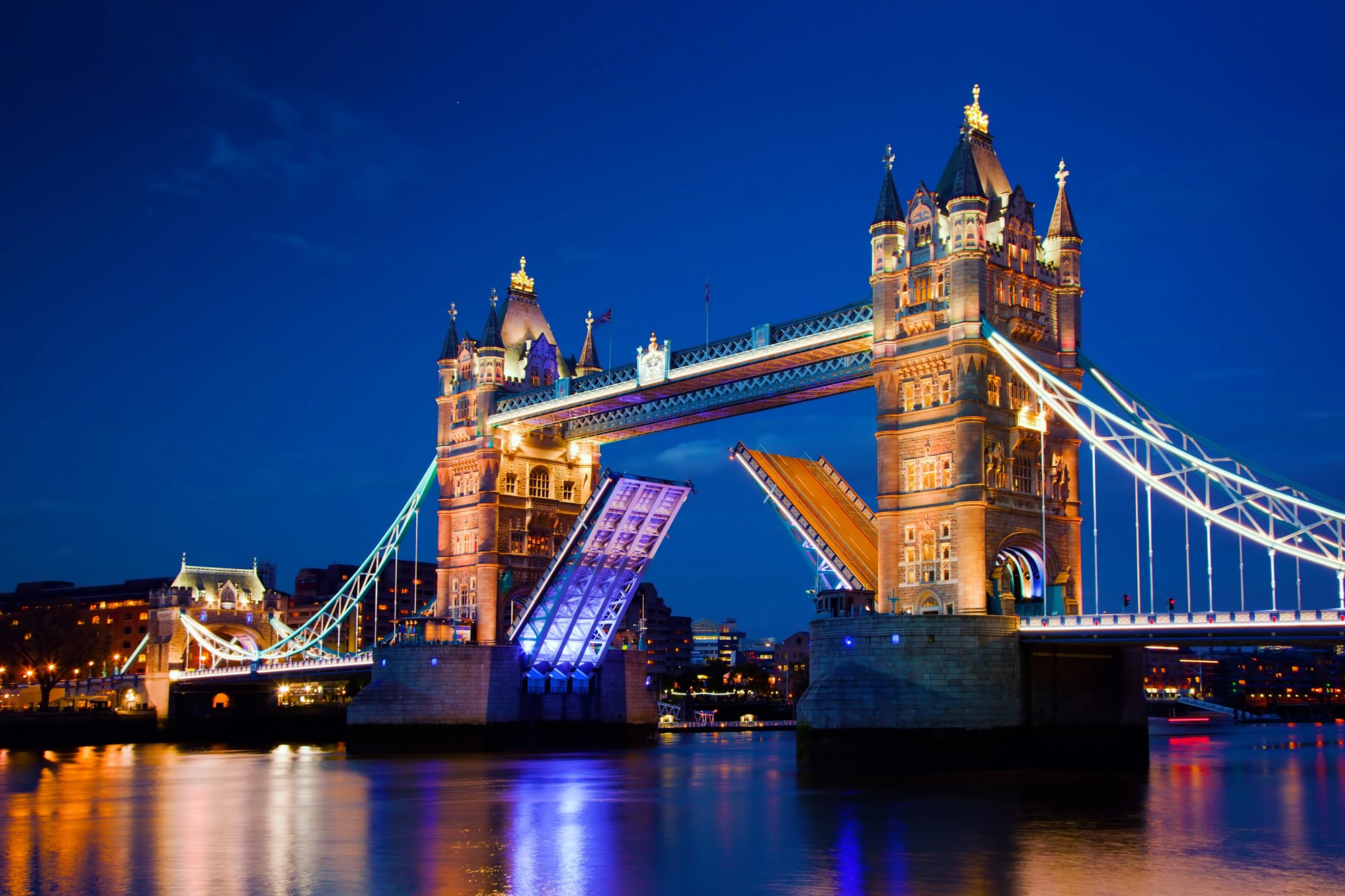
While technically a castle and royal palace, the Tower served as a prison for over 850 years and held some of England’s most famous prisoners. Anne Boleyn, Lady Jane Grey, and Guy Fawkes all spent time locked up here before their executions.
The Crown Jewels are stored here now, drawing millions of visitors who also explore the torture devices and execution sites. Yeoman Warders, also called Beefeaters, lead tours and share gruesome stories about the prisoners who never left alive.
The Tower sits right on the Thames River in central London, making it easy to combine with other sightseeing.
Port Arthur
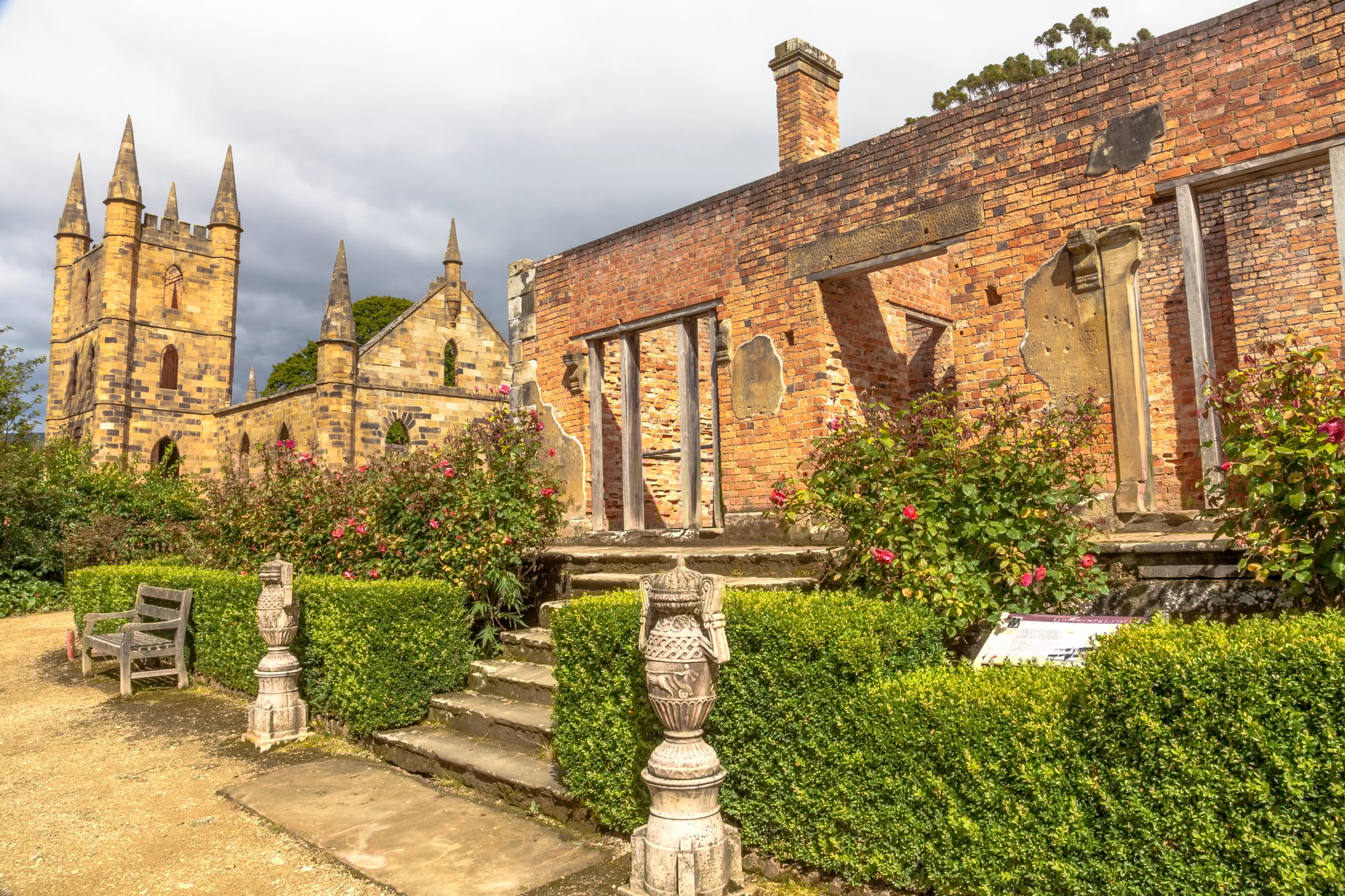
This former penal colony in Tasmania, Australia, held the British Empire’s hardest criminals during the 1800s. Prisoners were sent here as a punishment worse than execution, forced to do brutal labor in isolation from the rest of the world.
The site includes the main prison building, a church, guard tower, and separate prison for boys as young as nine who were convicted of petty theft. Ghost tours run at night for those who want an extra dose of creepiness in the already eerie ruins.
The surrounding landscape is beautiful, which makes the harsh prison history feel even more unsettling.
Devil’s Island
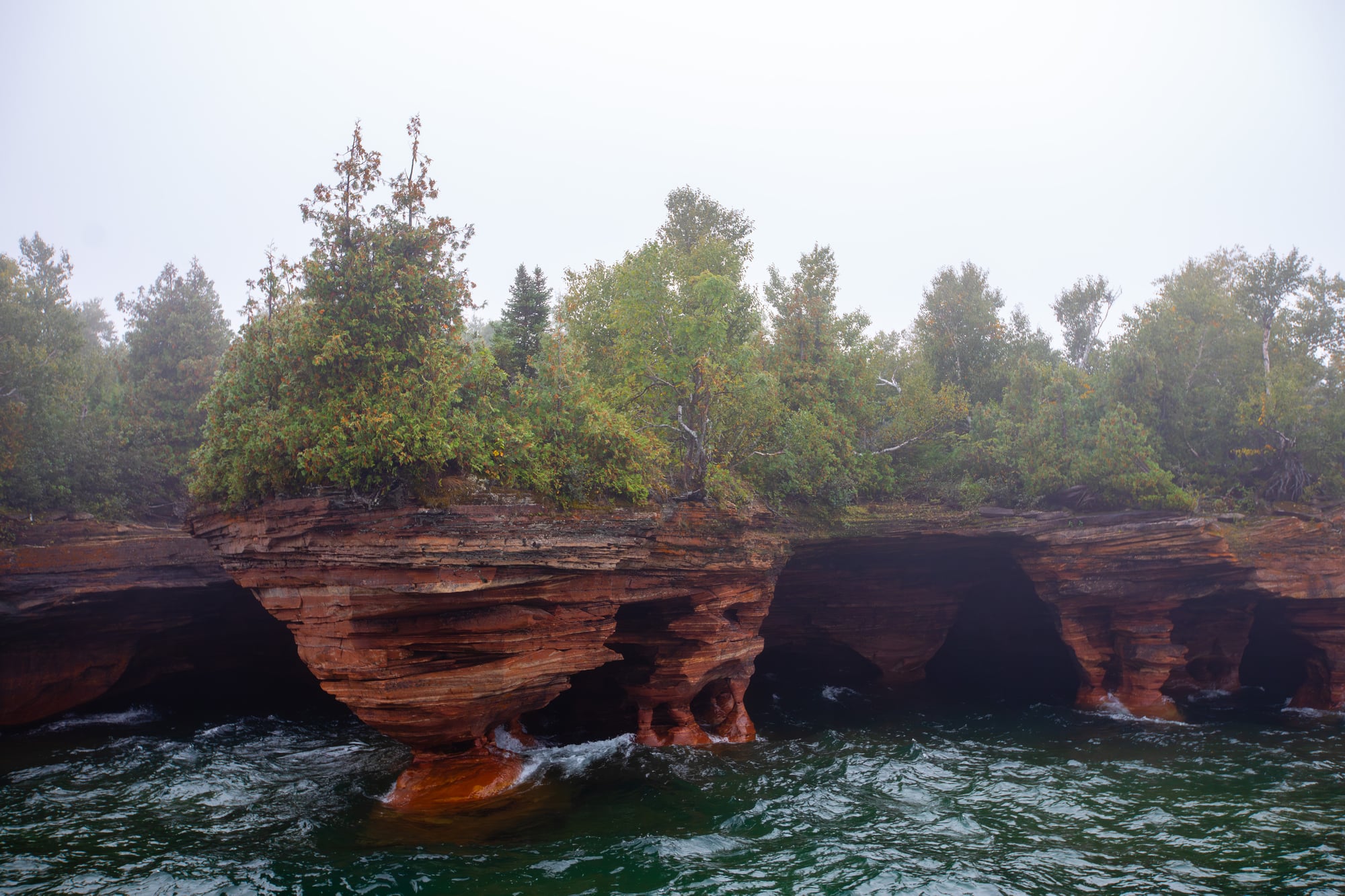
Off the coast of French Guiana, this infamous prison colony operated from 1852 to 1953 and had a death rate so high that being sent there was essentially a death sentence. Henri Charrière wrote about his imprisonment and escape attempts here in the book ‘Papillon’, though historians debate how much of his story was true.
The tropical heat, disease, and harsh treatment killed thousands of prisoners over the years. Tours show the remains of the prison buildings now being reclaimed by jungle vegetation.
Getting there requires a boat trip and some physical fitness to navigate the island’s terrain.
Kilmainham Gaol

This Dublin prison held Irish revolutionaries who fought for independence from British rule, making it a significant site in Irish history. The leaders of the 1916 Easter Rising were executed here, turning them into martyrs for the independence cause.
The prison’s design was modern for its time when it opened in 1796, with large central halls that let guards watch many cells at once. Guided tours explain Ireland’s struggle for independence through the stories of prisoners held here.
The stone chapel where Joseph Plunkett married his fiancée hours before his execution is particularly moving.
Hoa Lo Prison
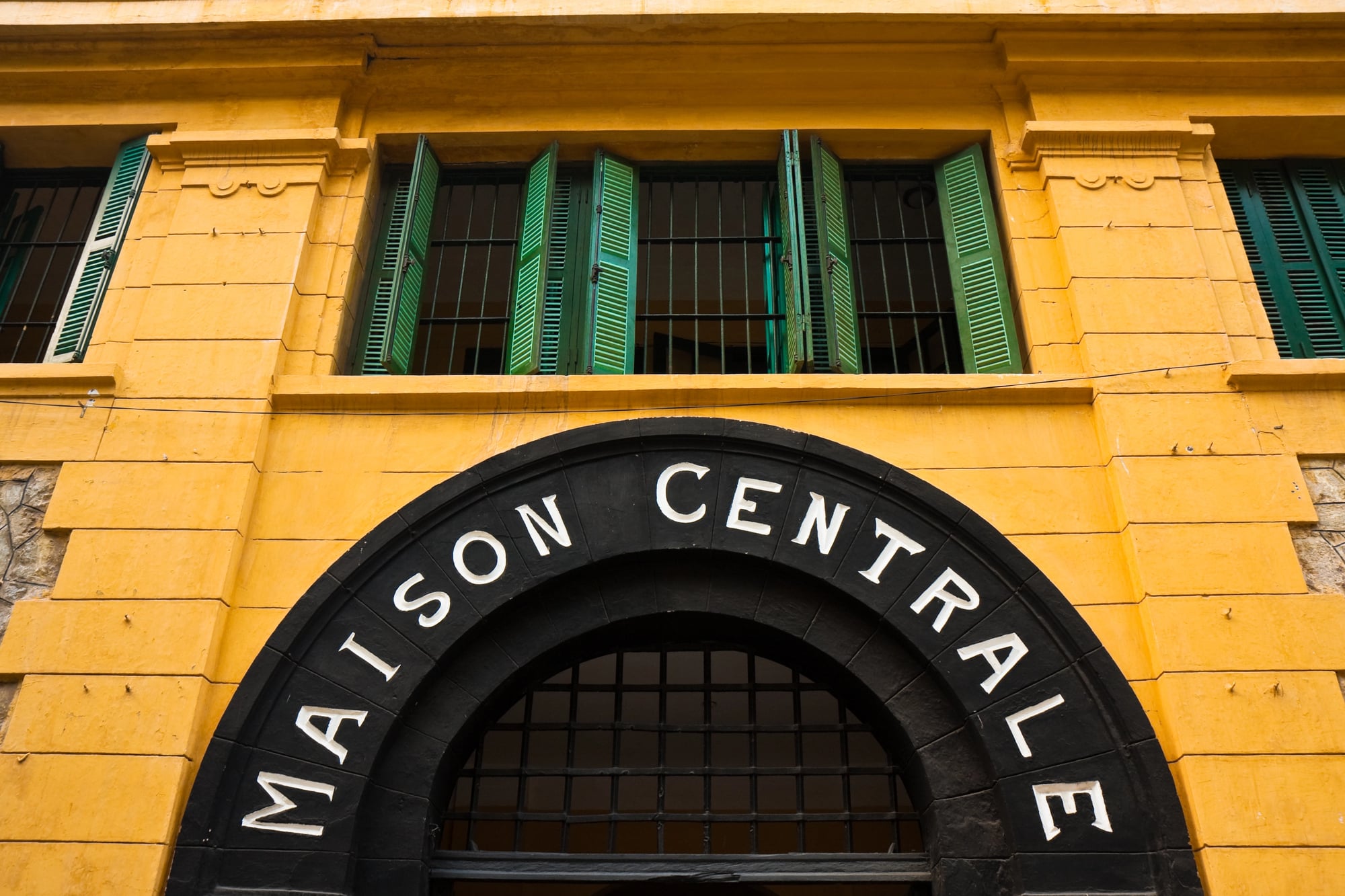
Known to American prisoners of war as the ‘Hanoi Hilton’, this French-built prison in Vietnam held Vietnamese revolutionaries and later American POWs during the Vietnam War. Senator John McCain was imprisoned here after his plane was shot down, along with many other American pilots.
The original prison was mostly demolished in the 1990s, but a section remains as a museum. Exhibits show the harsh conditions Vietnamese prisoners faced under French colonial rule, while a smaller section addresses the American POW experience.
The contrast between the Vietnamese and American narratives presented in the museum is interesting to observe.
Fremantle Prison
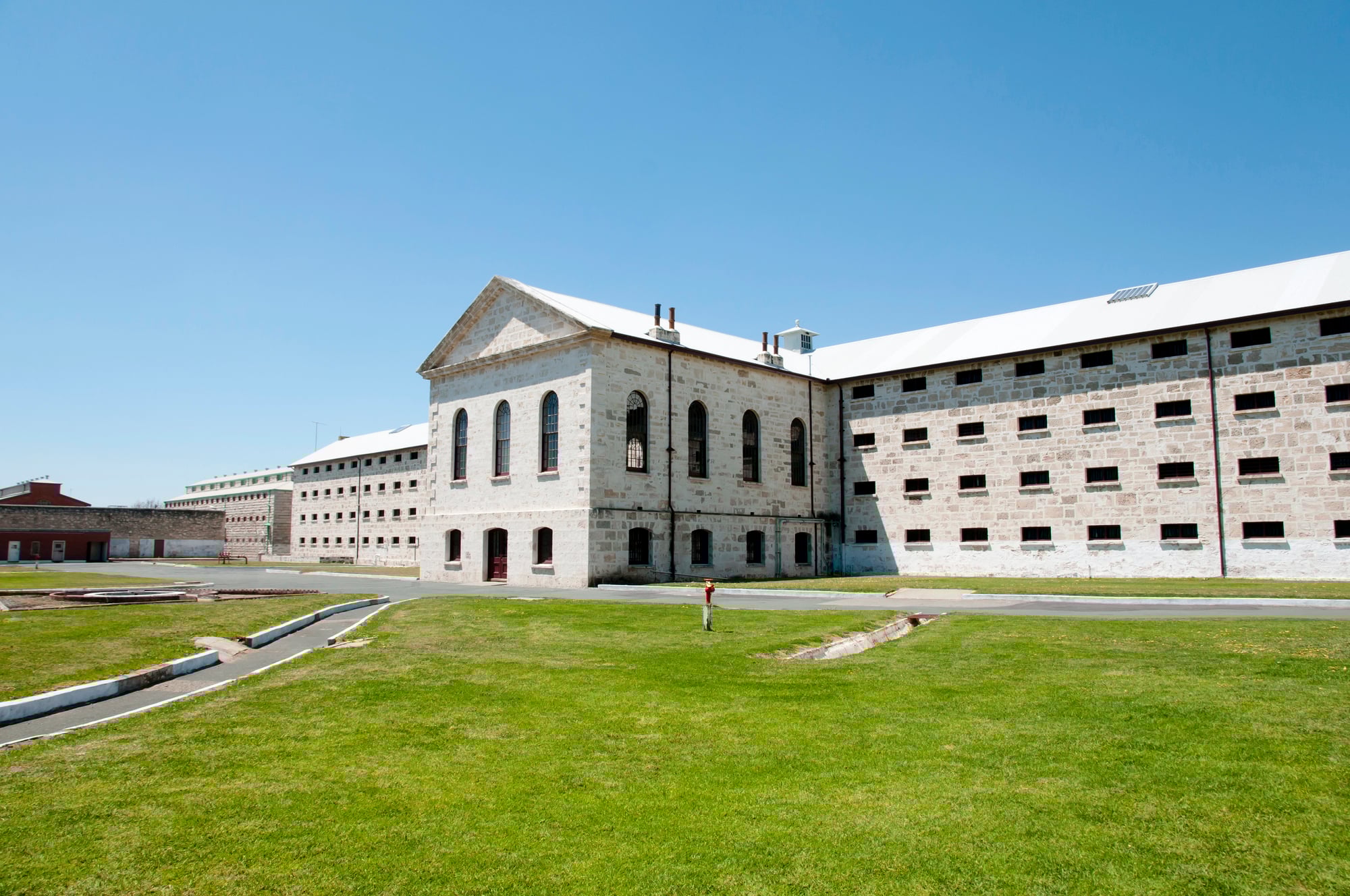
Australia’s only World War I prisoner of war camp also served as a maximum-security prison until 1991, making it one of the longest-operating prisons in the country. The prison held everyone from British convicts in the 1850s to local criminals in the 1980s.
Tours include the main cellblock, gallows, women’s prison, and an extensive tunnel system dug by prisoners for water. Some tours go deep into the tunnels by boat, which is a unique experience you won’t find at other prison museums.
The prison is a UNESCO World Heritage site now, recognized for its architectural and historical significance.
Château D’If

This island fortress off Marseille, France, became famous as the setting for ‘The Count of Monte Cristo’, though it held real prisoners too. The prison operated from 1580 to 1914 and held political and religious prisoners in terrible conditions.
Wealthier prisoners could pay for better cells with windows and furniture, while poor inmates got dark cells below sea level. Tours let visitors explore the different cell types and see where Alexandre Dumas claimed his fictional character was imprisoned.
The boat ride from Marseille’s old port takes about 20 minutes and offers great views of the city.
Old Melbourne Gaol

This Australian prison operated from 1842 to 1929 and is most famous for holding Ned Kelly, Australia’s legendary outlaw, before his execution. The gaol conducted 133 hangings, and visitors can see the gallows and death masks made of executed prisoners.
Night tours by candlelight recreate the eerie atmosphere prisoners would have experienced. The museum includes exhibits on crime, punishment, and the justice system’s evolution in Australia.
The building’s bluestone construction and cramped cells show how brutal prison conditions were in the 1800s.
Seodaemun Prison

This prison in Seoul, South Korea, was built by Japanese occupiers in 1908 and used to torture and execute Korean independence activists. The prison symbolizes Korea’s resistance against colonial rule and the suffering endured during that period.
Seven execution chambers, torture rooms, and solitary confinement cells are preserved as they were. The museum presents a sobering look at the methods used to suppress Korean independence movements.
Some exhibits can be disturbing, showing the brutal reality of political imprisonment under occupation.
Patarei Prison
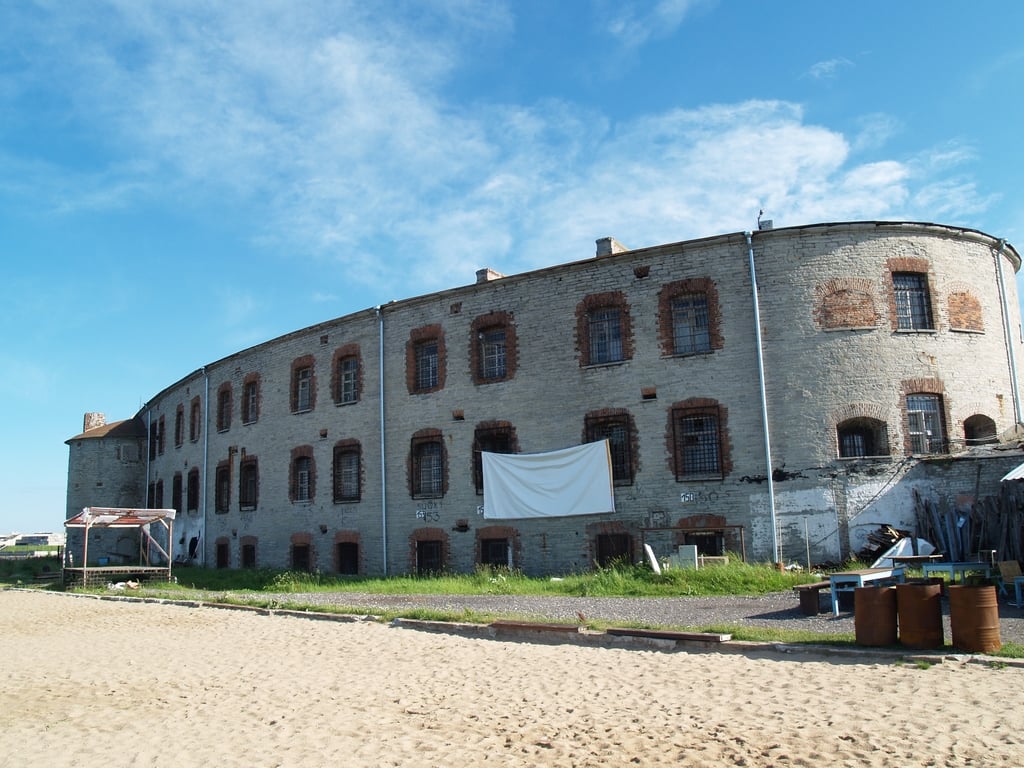
Located in Tallinn, Estonia, this sea fortress turned prison operated from 1919 to 2004 under various regimes including Soviet occupation. The massive building sits right on the waterfront and held political prisoners, criminals, and enemies of the state over the decades.
Much of the prison remains in its decayed state, with peeling paint, rusted bars, and graffiti from former inmates still visible. Tours are self-guided, letting visitors explore the eerie corridors at their own pace.
The lack of restoration gives it a more authentic and somewhat unsettling atmosphere than more polished prison museums.
Constitution Hill

This Johannesburg complex served as a prison and military fort for over 100 years before closing in 1983. Both Mahatma Gandhi and Nelson Mandela were imprisoned here at different times in history.
The site now includes South Africa’s Constitutional Court, built partially using bricks from the old prison. Tours cover the Old Fort, Number Four prison where black prisoners were held, and the Women’s Gaol.
The combination of brutal prison history and the modern constitutional court creates a powerful narrative about justice and transformation.
Spike Island
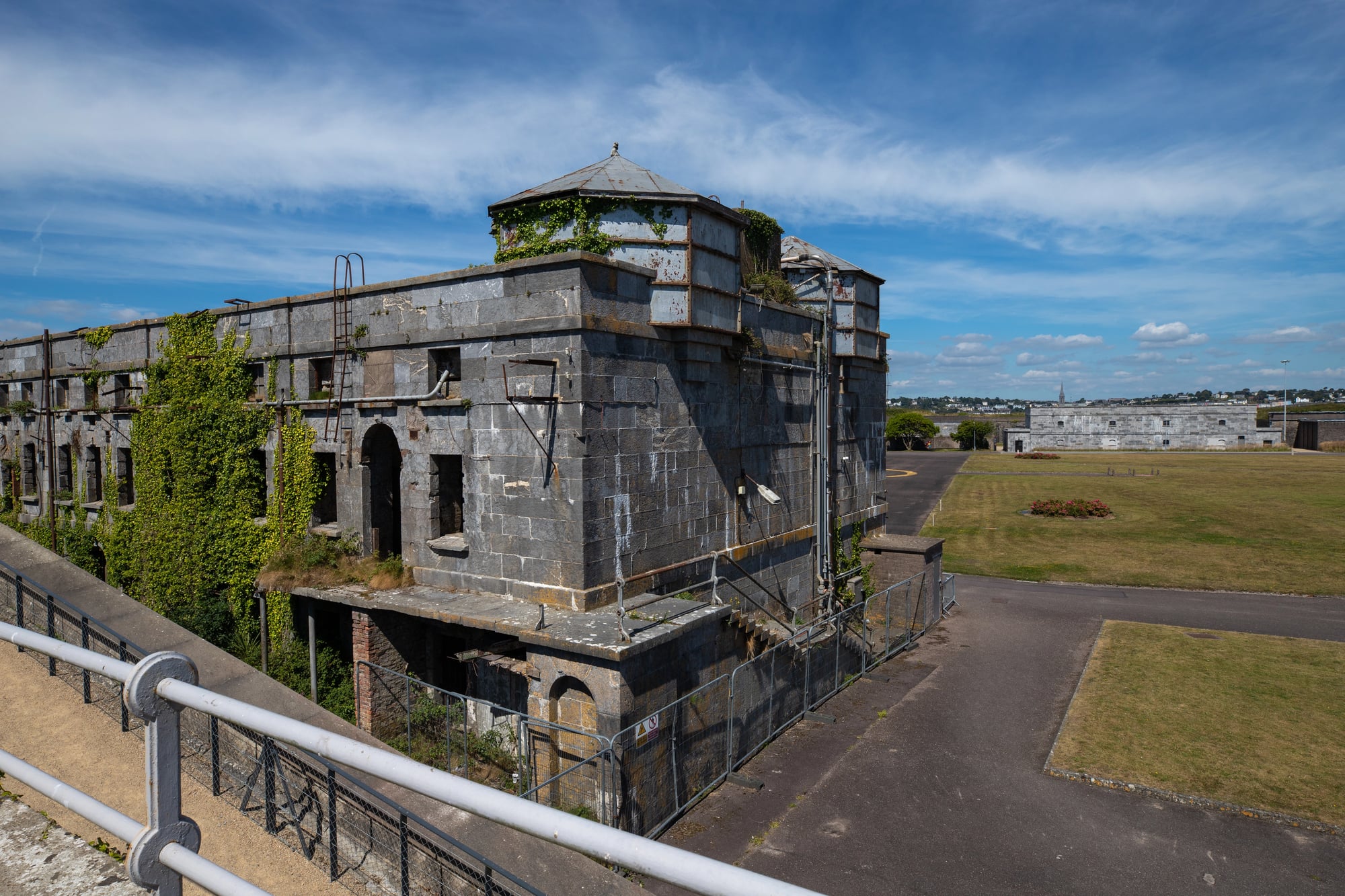
Off to Cork Harbour you’ll find Ireland’s version of Alcatraz, once locking up both rebels and common offenders from the 1840s until 1985. Though built strong, its real reputation came from brutal living conditions behind towering stone walls – no way out really.
When famine hit hard, cells swelled with those caught taking bread or scraps just to live. Because it wore many hats over centuries, today’s visitors learn how monks first lived there, then soldiers, later inmates.
Over on Cobh, ferries leave every so often, ten minutes across water to reach the island – same port the Titanic sailed from last.
Cellular Jail
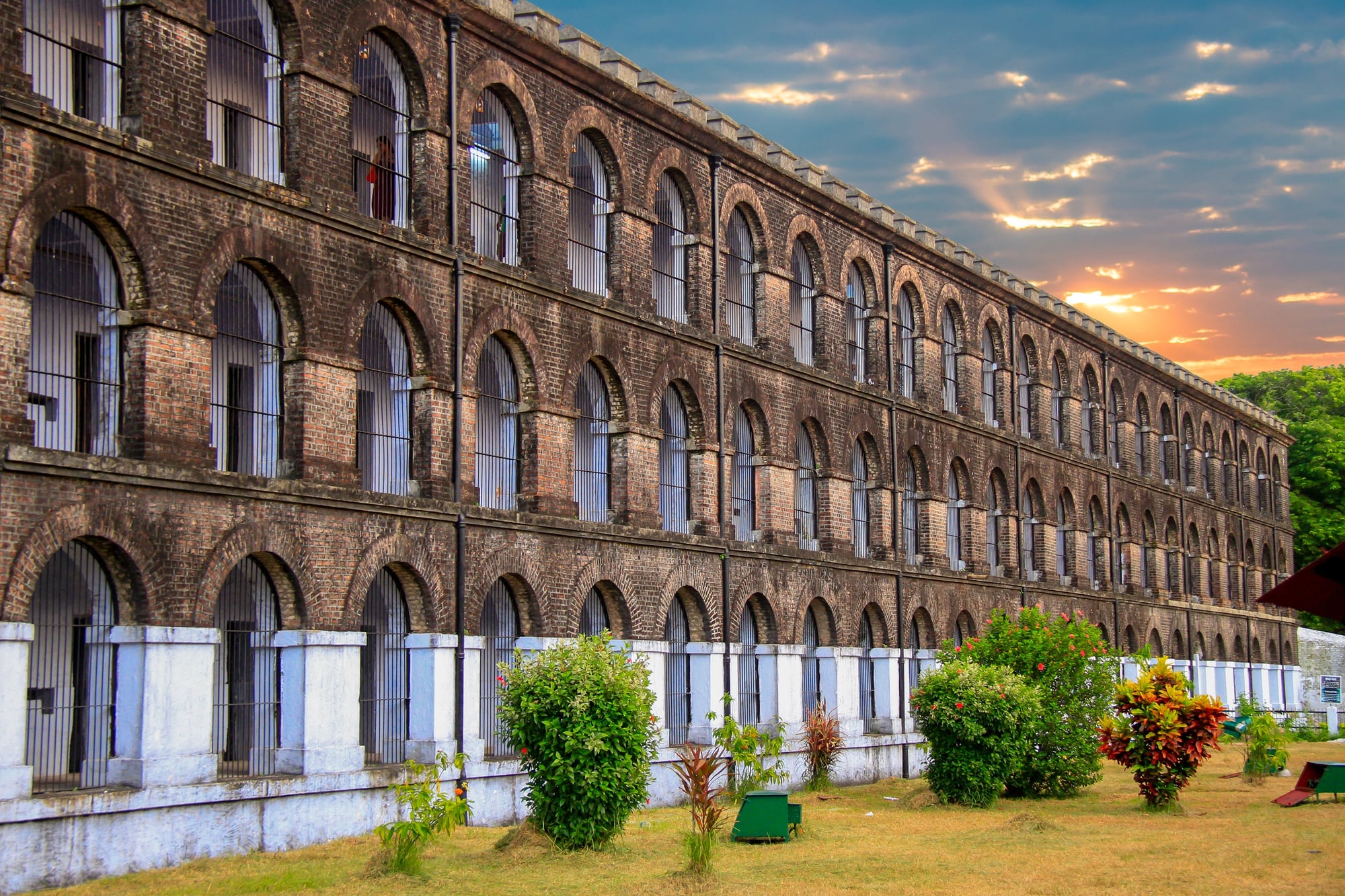
Far from the mainland, this old prison sits on an island chain once ruled by Britain. Built long ago, it held those who fought against colonial rule.
Seven arms stretched out from a middle point where guards could see everything at once. One watcher saw every hallway without moving.
People who wanted freedom faced pain inside these walls. Some never left alive.
Now just three sections still stand after time and weather took their toll. When night comes, voices and lights share what happened here.
Stories rise in darkness so others might remember.
Behind The Bars Today

Once locked down tight, old jails now open doors to learning, sparking thought about past choices. Not just bricks and iron – these spots hold voices rising up from fights for rights, shifts in law.
Step inside, move slow, sense echoes where time stands still, unlike flat pages found on shelves. Truth lives here more than drama, showing how people lived when cut off from the world.
What sticks isn’t praise for rule breakers nor softening pain – it’s clarity on events sealed in stone, connections now clear once you look.
More from Go2Tutors!

- The Romanov Crown Jewels and Their Tragic Fate
- 13 Historical Mysteries That Science Still Can’t Solve
- Famous Hoaxes That Fooled the World for Years
- 15 Child Stars with Tragic Adult Lives
- 16 Famous Jewelry Pieces in History
Like Go2Tutors’s content? Follow us on MSN.