16 US Presidents and the Medical Problems They Had
The presidency is one of the most physically and mentally demanding jobs in the world, and history has never been short of leaders who carried serious health burdens into the Oval Office.
Some were upfront about their conditions. Others kept them hidden from the public for years — sometimes for good reason, sometimes not.
Either way, the medical histories of US presidents offer a window into how illness, pain, and physical limitation shaped some of the most consequential decisions in American history.
George Washington — Severe Dental Disease and Recurring Infections
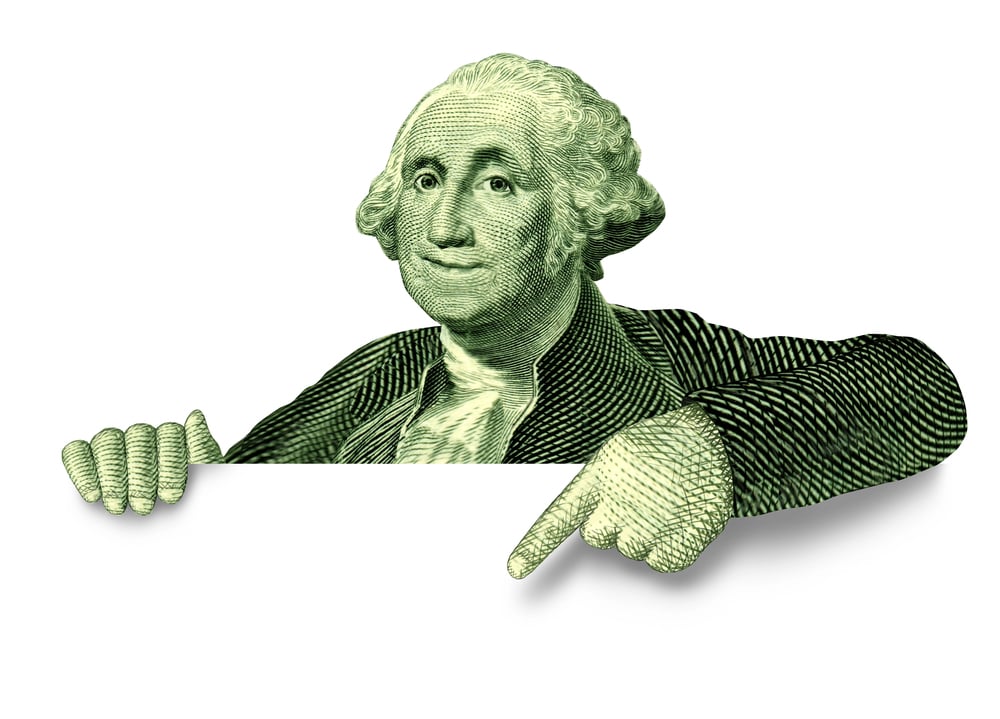
Washington spent most of his adult life in pain from his teeth. By the time he was inaugurated, he had only one natural tooth remaining.
His famous portraits often show a strange puffiness in his face, the result of ill-fitting dentures that caused constant discomfort. Those dentures, contrary to popular myth, were not made of wood — they were constructed from ivory, animal teeth, and even human teeth.
He also suffered from recurring respiratory infections throughout his life. The illness that killed him in 1799 was likely acute epiglottitis or bacterial throat infection, worsened by aggressive bloodletting treatments that drained nearly half his blood in a single day.
John Adams — Heart Condition and Tremors

Adams lived to 90, making him one of the longest-lived presidents, but he wasn’t exactly healthy. He developed visible tremors in his hands and lips in his later years, which some historians believe were early signs of Parkinson’s disease.
He also suffered from what contemporaries described as heart disease, and his eyesight deteriorated significantly in old age. His longevity was remarkable given the medical standards of the time, but he was not a well man for much of his later presidency.
Abraham Lincoln — Marfan Syndrome and Depression

Lincoln stood 6’4″ with unusually long limbs, a narrow chest, and large hands — physical characteristics consistent with Marfan syndrome, a genetic disorder affecting connective tissue. Genetic testing has never been conclusively performed, but medical historians have made a strong case for the diagnosis. Beyond the physical, Lincoln lived with severe depression, which he called “the hypos.”
He wrote openly about suicidal thoughts in his younger years, and those around him frequently noted episodes of profound sadness that lasted weeks. He carried this while leading the country through its bloodiest conflict.
Grover Cleveland — Secret Oral Cancer Surgery

In 1893, Cleveland underwent surgery to remove a cancerous tumor from the roof of his mouth — and he did it in total secrecy. The operation took place aboard a private yacht to avoid public scrutiny, and the administration kept it hidden for over two decades.
The reasoning was partly political: the country was in the middle of an economic crisis, and officials feared news of a seriously ill president would worsen the panic. The tumor was successfully removed, but the deception remained one of the most significant cover-ups in presidential medical history.
William Howard Taft — Obesity and Sleep Apnea
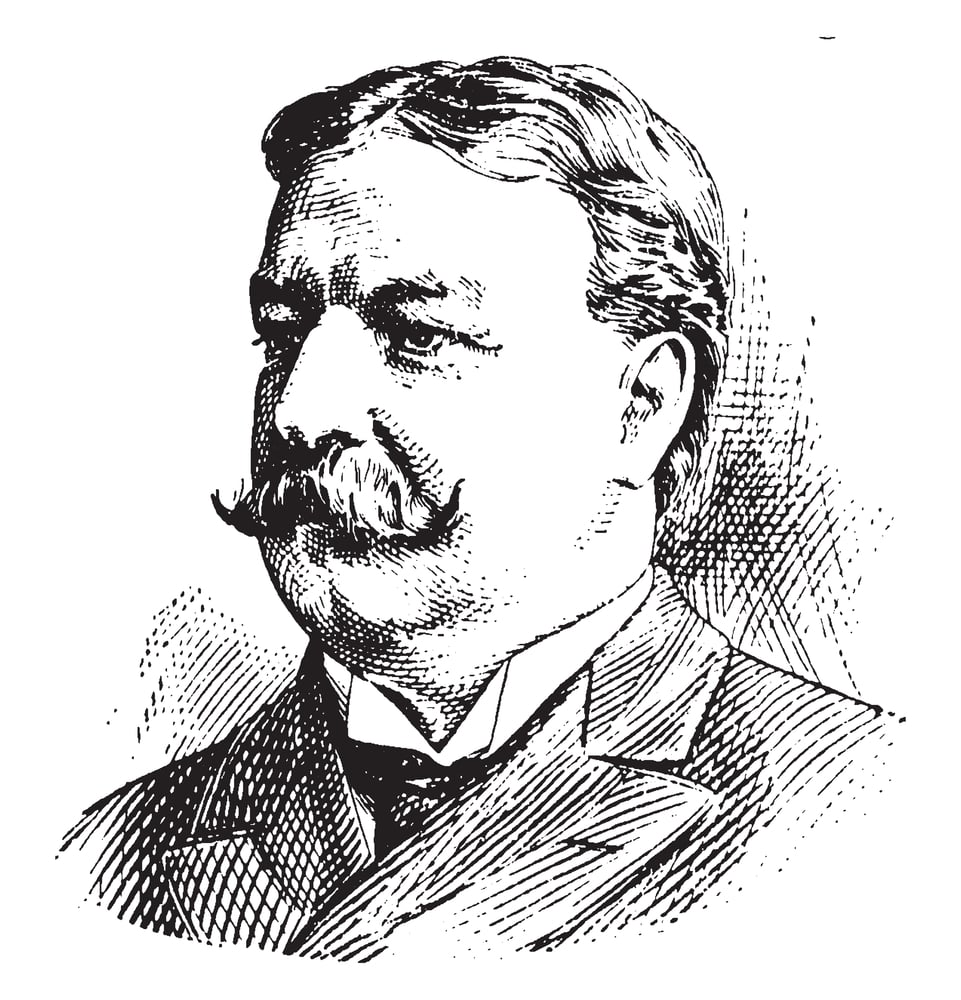
Taft weighed around 340 pounds at his heaviest and is often cited as the heaviest president in US history. His weight contributed to serious health complications, including what modern physicians believe was severe obstructive sleep apnea.
Historical accounts describe him falling asleep mid-conversation, during meetings, and at public events — a hallmark symptom of untreated sleep apnea. After leaving office, he lost over 70 pounds and lived significantly longer than his peak-weight years might have suggested.
Woodrow Wilson — Stroke and Hidden Incapacitation
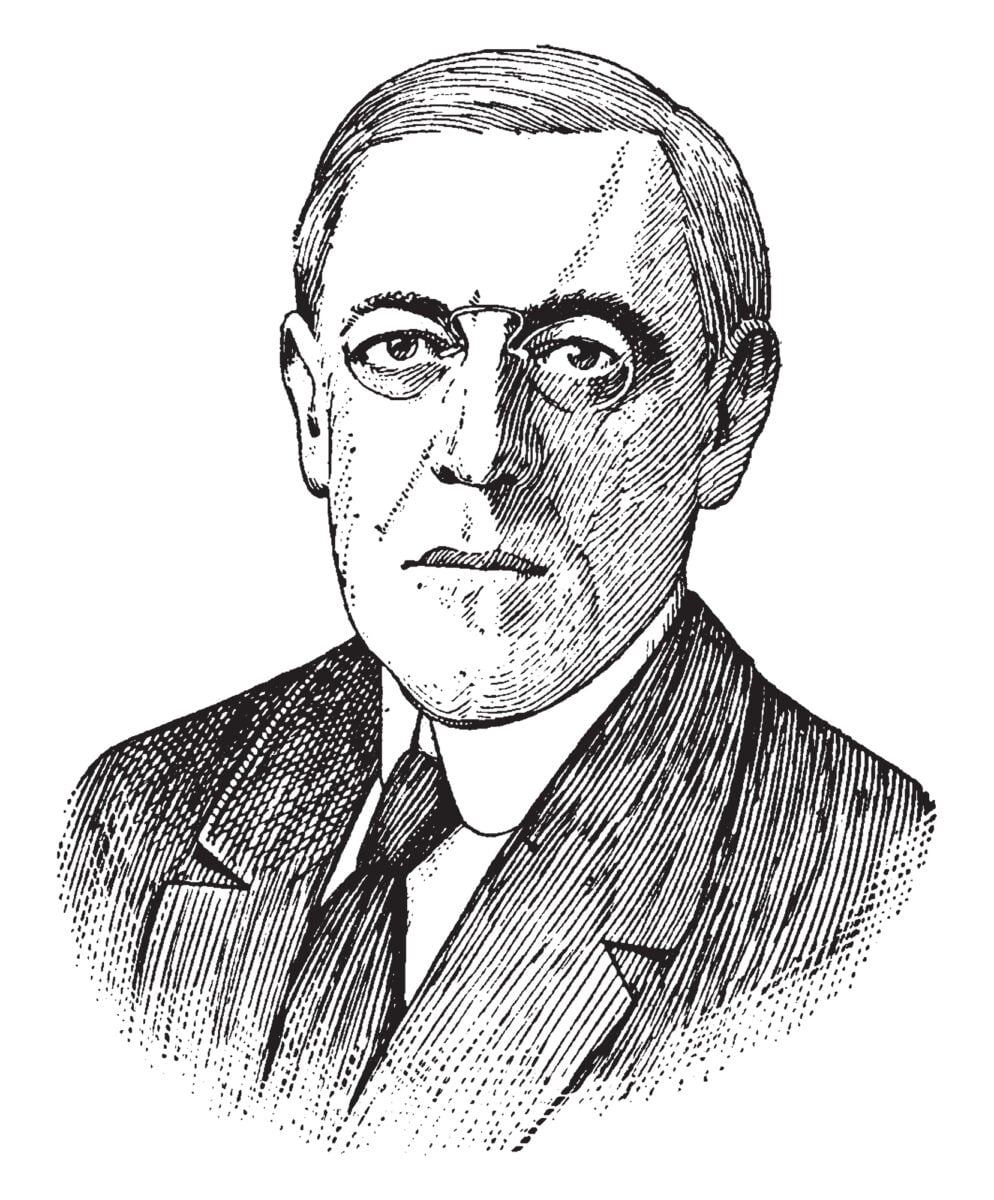
Wilson suffered a massive stroke in October 1919 while on a grueling national tour to build public support for the League of Nations. The stroke left him partially paralyzed and largely incapacitated for the final 17 months of his presidency.
What followed was one of the most unusual episodes in presidential history: his wife, Edith Wilson, effectively managed access to him and filtered information from his cabinet, leading some historians to describe her as the first female president in all but name. The American public was not told the full extent of his condition.
Franklin D. Roosevelt — Polio and Hypertension
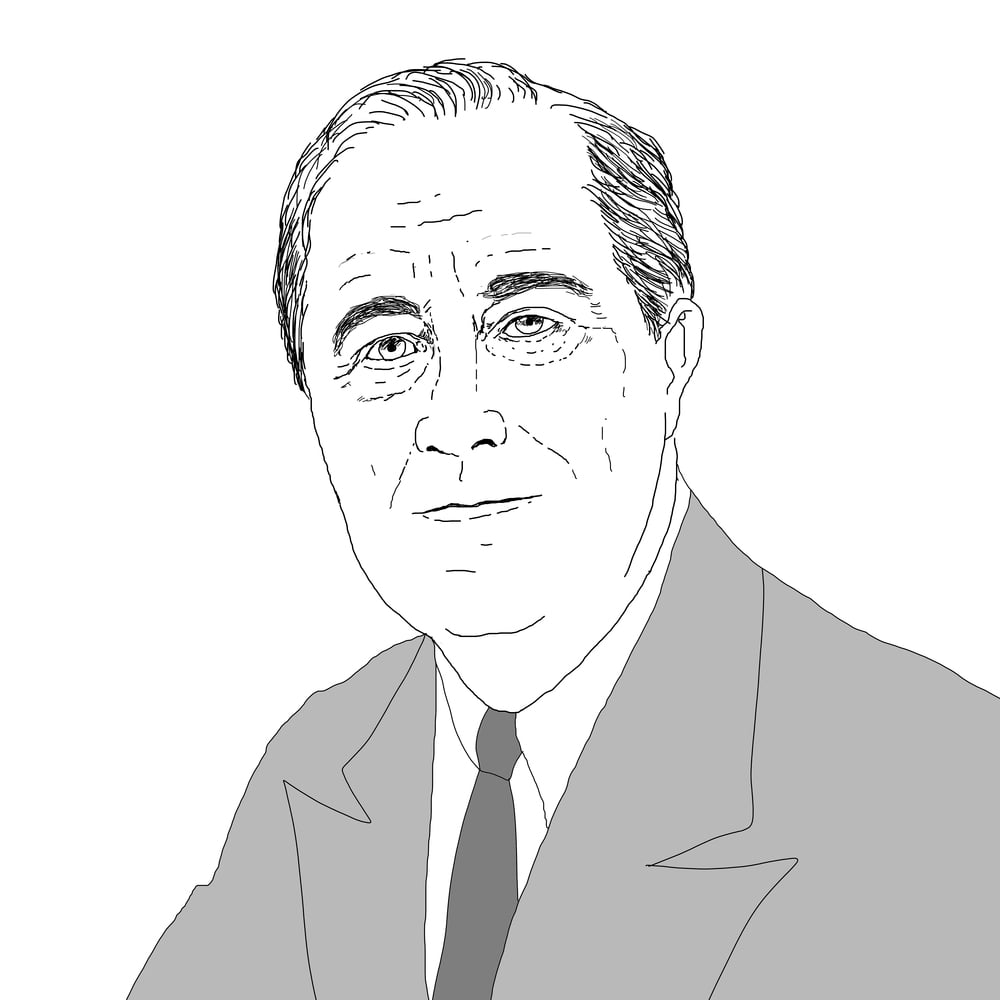
Roosevelt contracted polio in 1921 at age 39, which left him permanently unable to walk without assistance. He went to extraordinary lengths to conceal the extent of his disability from the public — the press largely cooperated, rarely photographing him in a wheelchair.
By the time he ran for his fourth term in 1944, his health had declined sharply. He was suffering from severe hypertension, heart disease, and significant weight loss.
His blood pressure in the months before his death was dangerously high. He died of a cerebral hemorrhage in April 1945, just weeks before Germany’s surrender.
John F. Kennedy — Addison’s Disease and Chronic Back Pain

Kennedy projected youth and vitality, but his actual health was complicated. He had Addison’s disease, a disorder of the adrenal glands that requires ongoing hormone treatment, and he was heavily medicated throughout his presidency.
His chronic back pain — rooted in a wartime injury and multiple failed surgeries — was severe enough that he sometimes needed crutches when out of public view. He also dealt with colitis and various infections.
The full extent of his medical treatment, including injections administered by a controversial physician, wasn’t publicly known until years after his assassination.
Lyndon B. Johnson — Heart Disease and Psychological Strain
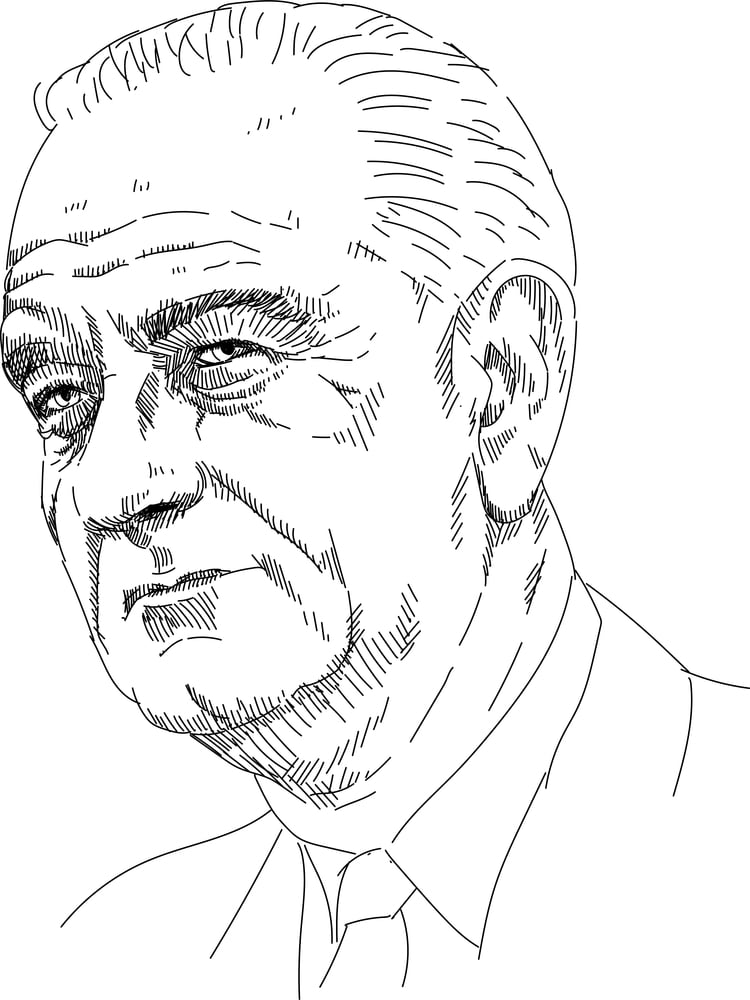
Johnson had his first major heart attack in 1955, a decade before he became president, and it was serious enough to raise real questions about whether he’d survive. He made a full recovery but remained deeply anxious about his heart throughout his life.
Beyond the physical, Johnson’s mental health deteriorated significantly under the pressure of the Vietnam War. Biographers describe what sounds like severe anxiety, paranoia, and episodic depression during his later years in office — a man consumed by a war he could neither win nor leave.
Richard Nixon — Phlebitis and Psychiatric History
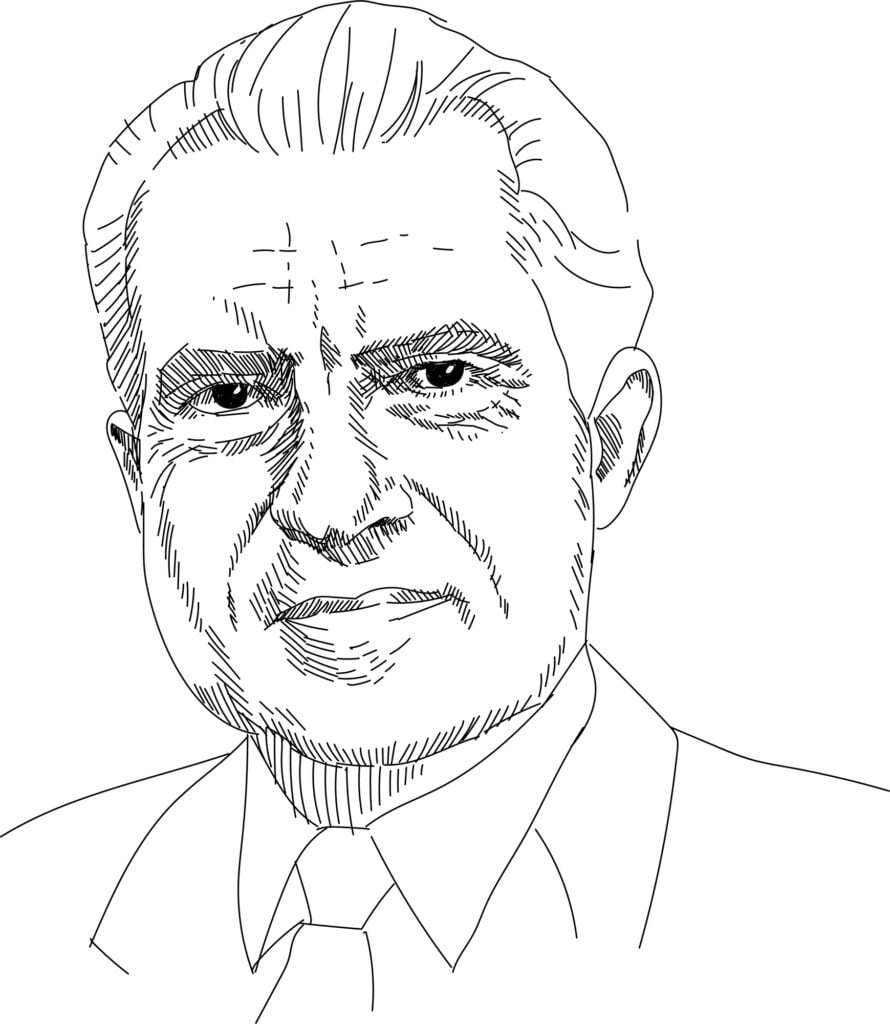
After leaving office, Nixon developed phlebitis — a dangerous blood clot in his leg — that nearly killed him. He required emergency surgery in 1974, just months after his resignation. But the more historically significant health question around Nixon concerns his mental state while in office.
Multiple aides and biographers have described behavior consistent with severe depression and alcohol dependency during the later Watergate period. There were genuine concerns among his inner circle about his psychological stability during the final months of his presidency.
Ronald Reagan — Alzheimer’s Disease

Reagan was diagnosed with Alzheimer’s disease in 1994, five years after leaving office. But questions about cognitive decline during his second term have circulated for decades. Some of his former aides and physicians have suggested that early signs were visible while he was still president, though others dispute this.
His son Ron Reagan, in a memoir, described noticing troubling changes during the 1984 campaign. Reagan himself wrote a heartfelt public letter announcing his diagnosis, and the condition progressed significantly over the following years before his death in 2004.
George H.W. Bush — Graves’ Disease and Atrial Fibrillation

Bush was diagnosed with Graves’ disease in 1991 — an autoimmune disorder that causes the thyroid to overproduce hormones. Unusually, his wife Barbara was diagnosed with the same condition around the same time, leading to speculation about possible environmental exposure at the Naval Observatory.
He also experienced a well-publicized health incident in 1992 when he vomited and fainted at a state dinner in Japan, broadcast live on television. The episode was likely related to a stomach illness, but the image stuck.
Bill Clinton — Heart Disease
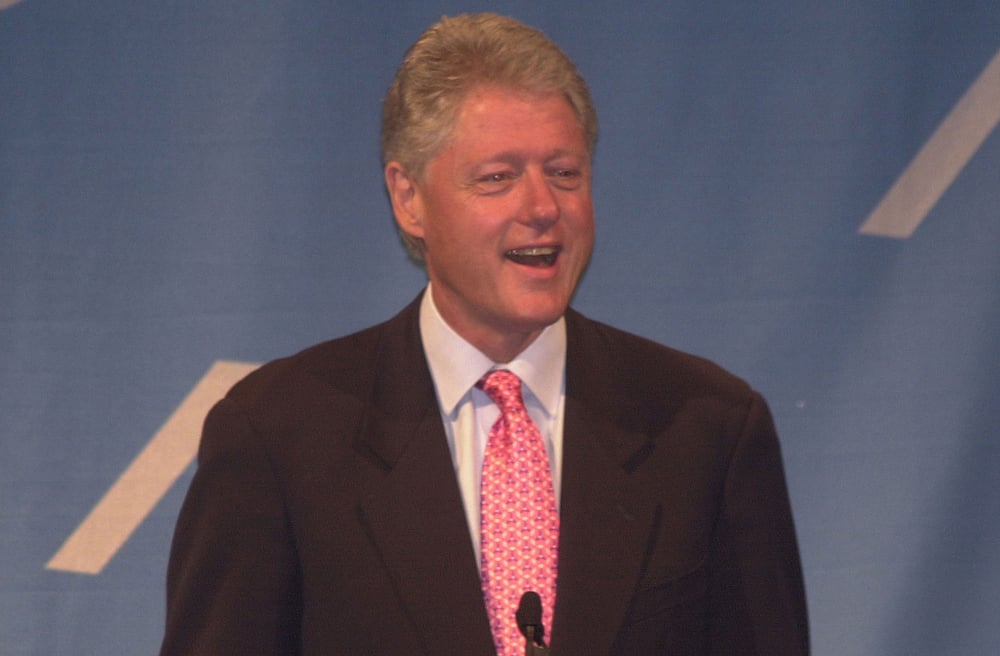
Clinton left the White House in relatively good health, but in 2004 he underwent quadruple bypass surgery after experiencing chest pain and shortness of breath. Doctors found that multiple arteries were significantly blocked.
He later underwent additional procedures to address complications. Clinton, a longtime fast food enthusiast who gradually shifted toward a plant-based diet after his surgery, has spoken publicly about the experience and the lifestyle changes that followed.
His heart disease was likely developing for years before symptoms appeared.
George W. Bush — Atrial Fibrillation Scare and Skin Lesions
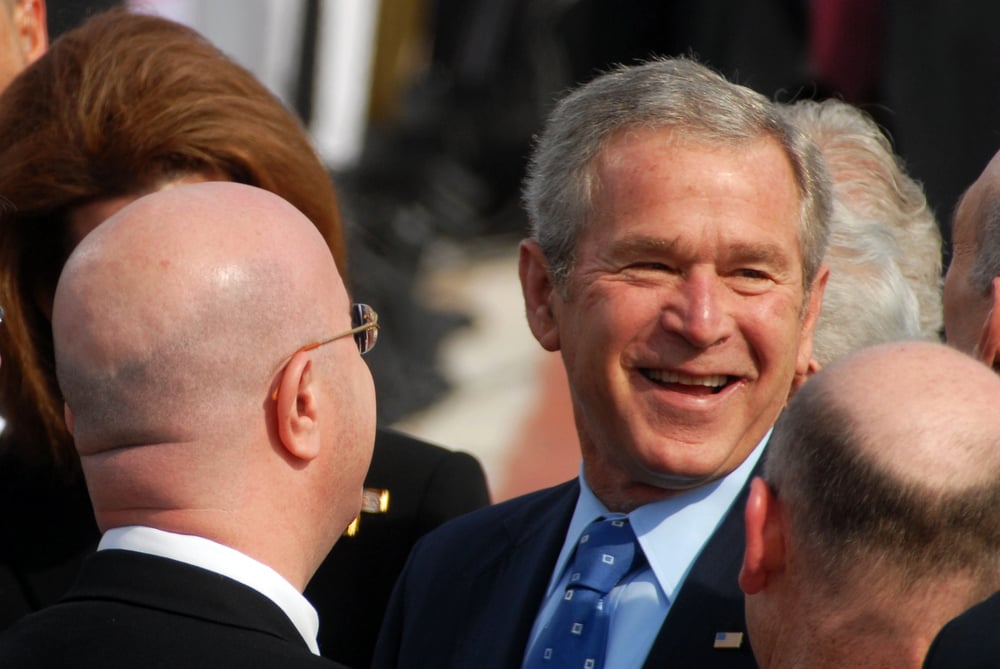
Bush had a brief fainting episode in 2002, attributed at the time to choking on a pretzel while watching football. More seriously, doctors discovered an atrial fibrillation episode during a routine exam.
He also had several skin lesions removed during his presidency, though none were cancerous. Bush was, by most accounts, one of the more physically fit presidents of modern times — a committed runner who completed multiple marathons — which likely kept more serious conditions at bay.
Barack Obama — Cig and Stress

Obama was a long-term smoker who repeatedly tried to quit during and before his presidency. He was candid about the struggle, and his wife Michelle reportedly made him promise to stop before running for president.
By all public accounts, he did manage to quit during his time in office. Beyond the cigs, routine checkups during his presidency flagged high LDL cholesterol, which he managed through diet and exercise.
He represented, on balance, one of the healthier presidents in recent history — but the nicotine history remained a long-term risk factor.
Donald Trump — Heart Disease Risk and COVID-19

Trump’s 2018 physical revealed a coronary calcium score indicating significant heart disease risk, and his physician at the time recommended a more aggressive approach to diet and exercise. He was also prescribed a cholesterol-lowering medication.
In October 2020, Trump contracted COVID-19 and was hospitalized at Walter Reed National Military Medical Center for several days, receiving treatments that were not yet widely available to the general public. The administration was initially opaque about the severity of his condition, though reporting afterward suggested it was more serious than initially disclosed.
The Weight of Office

Holding office won’t make you sick, yet it hardly ever keeps you well. Pressure piles up.
Eyes watch every move. Days blur into sleepless stretches – each draining something quiet.
Seeing these stories side by side shifts focus: not frailty, but how deep suffering got tucked behind duty. Leadership gets measured by choices years later.
Yet those choices came from bodies worn down, minds strained, sickness swallowed whole before sunrise. Public silence cloaked private battles no headline could hold.
More from Go2Tutors!

- The Romanov Crown Jewels and Their Tragic Fate
- 13 Historical Mysteries That Science Still Can’t Solve
- Famous Hoaxes That Fooled the World for Years
- 15 Child Stars with Tragic Adult Lives
- 16 Famous Jewelry Pieces in History
Like Go2Tutors’s content? Follow us on MSN.



