27 Treaties That Collapsed Because One Side Broke the Deal
Agreements between nations — or between nations and the people already living inside them — carry a particular kind of weight. They’re supposed to mean something.
Signed, witnessed, sometimes traded for land or peace or the promise of survival, they represent the formal acknowledgment that two parties made a deal and both understood the terms. And yet, throughout history, the ink had barely dried before one side decided the deal no longer suited them.
What follows are 27 cases where a treaty existed, both parties knew it existed, and one side broke it anyway — sometimes quietly, sometimes catastrophically, sometimes with the audacity to claim the other side had it coming.
Treaty of Fort Laramie (1868)

The United States government promised the Lakota Sioux permanent ownership of the Black Hills. Then gold was discovered there in 1874, and the promise evaporated inside of two years.
The U.S. sent George Custer to confirm the gold deposits, settlers flooded in, and by 1877 Congress had simply seized the land — no renegotiation, no consent, just gone.
Treaty of Guadalupe Hidalgo (1848)
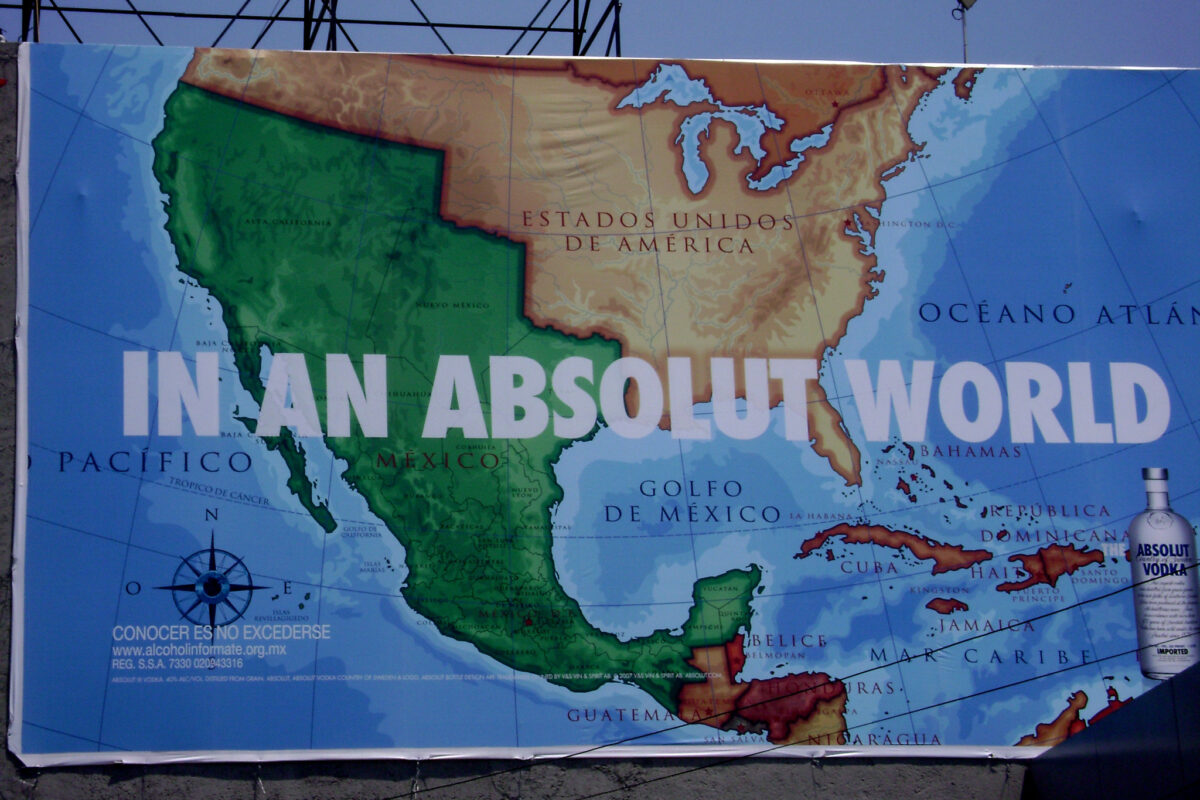
This treaty ended the Mexican-American War and promised Mexican citizens remaining in ceded territories full property rights and U.S. citizenship. What followed — slowly, then all at once — was a systematic dispossession of land through fraudulent legal proceedings, squatter pressure, and courts that conveniently couldn’t find the original Spanish land grants valid.
The promise of property protection became a slow-motion eviction.
Munich Agreement (1938)

Britain and France handed Hitler the Sudetenland and called it peace. Hitler called it a down payment.
Within six months he had taken the rest of Czechoslovakia, which wasn’t part of the agreement at all — and which France and Britain watched happen without meaningful response, having already spent their diplomatic credibility on the deal that made it possible.
Molotov-Ribbentrop Pact (1939)

Nazi Germany and the Soviet Union agreed not to attack each other and carved up Eastern Europe between them like a shared meal. Germany broke it in June 1941 with Operation Barbarossa — one of the largest military invasions in history — and Stalin was so genuinely surprised that Soviet forces initially couldn’t get authorization to return fire.
So much for non-aggression.
Treaty of Waitangi (1840)
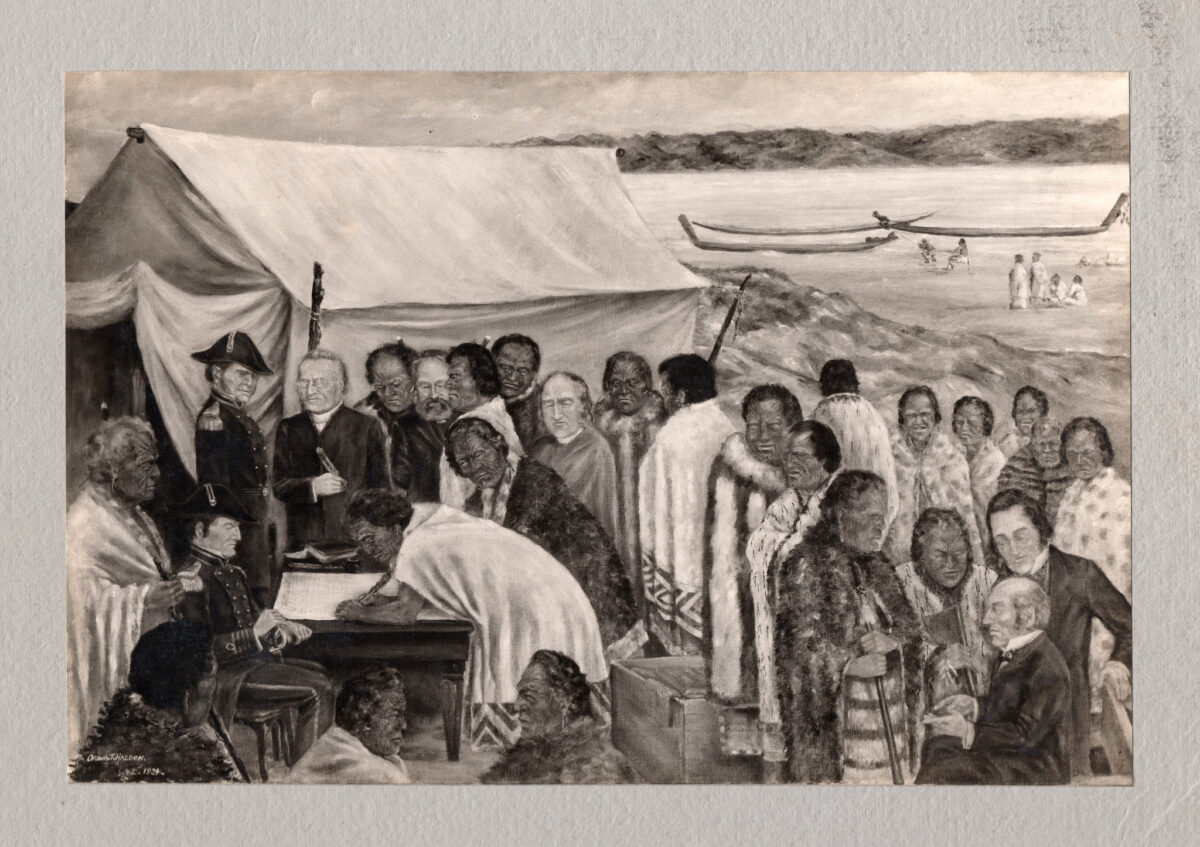
The British Crown signed this treaty with Māori chiefs in New Zealand, promising protection of Māori land and sovereignty. What the English text said and what the Māori translation implied were meaningfully different — and the Crown leaned into that ambiguity whenever convenient, gradually stripping land through sales that ranged from questionable to outright coercive.
The treaty existed on paper for generations while being ignored in practice.
Jay Treaty (1794)

Britain agreed to withdraw from forts it still occupied on American soil — a clear leftover from the Revolutionary War — and both sides settled various trade disputes. Britain dragged its feet on evacuation, continued impressing American sailors into the Royal Navy anyway, and the underlying tensions eventually fed directly into the War of 1812.
To be fair, “we’ll get around to it” was apparently British foreign policy for decades.
Treaty of Versailles (1919)
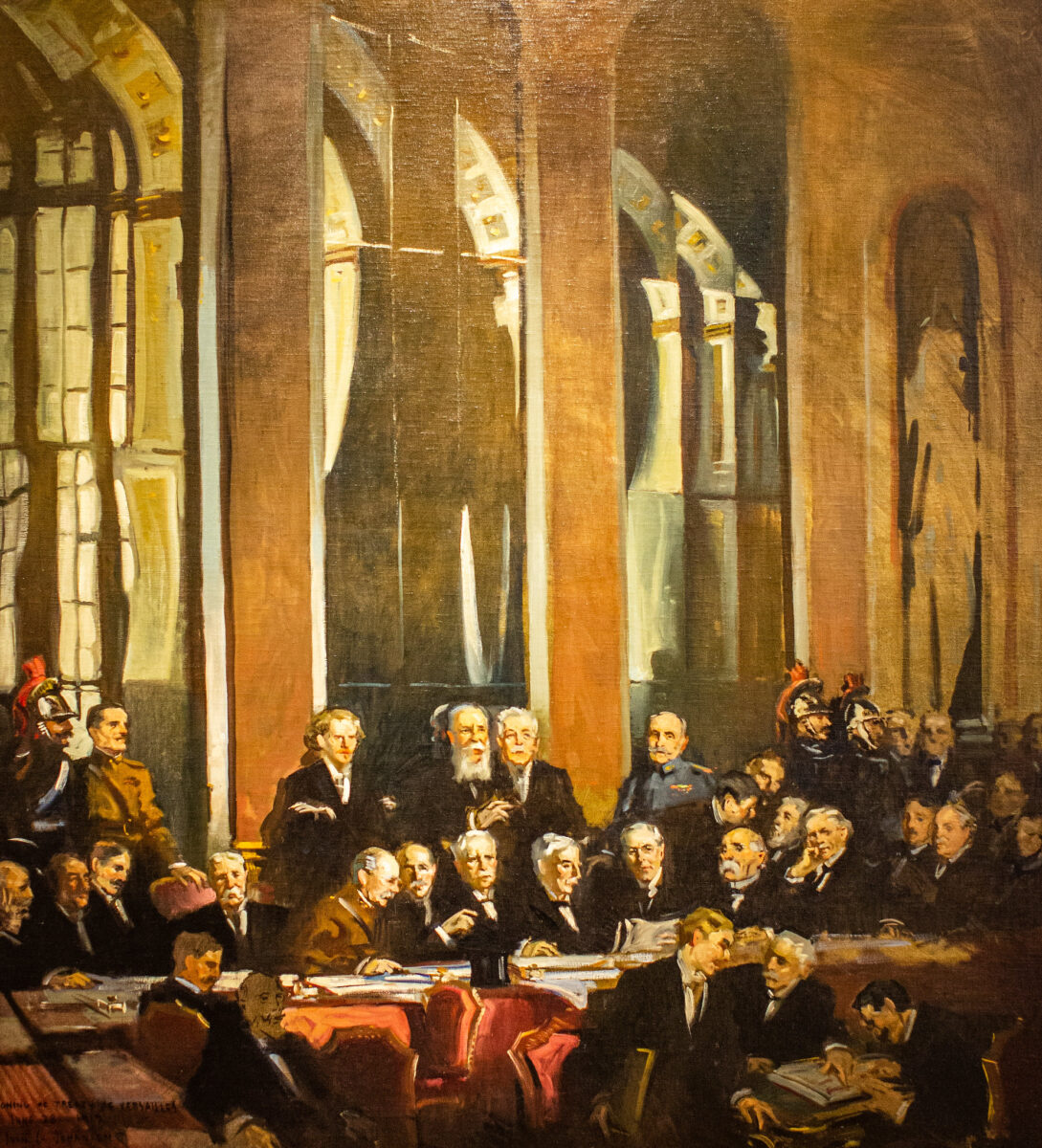
Germany accepted the terms. Then spent the next twenty years arguing about whether those terms were binding, legitimate, or bearable — and found a political movement more than willing to declare them all three things: null.
The reparations, the territorial losses, the military restrictions — each clause became a grievance, and the grievance became a platform, and the platform became the Second World War.
INF Treaty (1987)
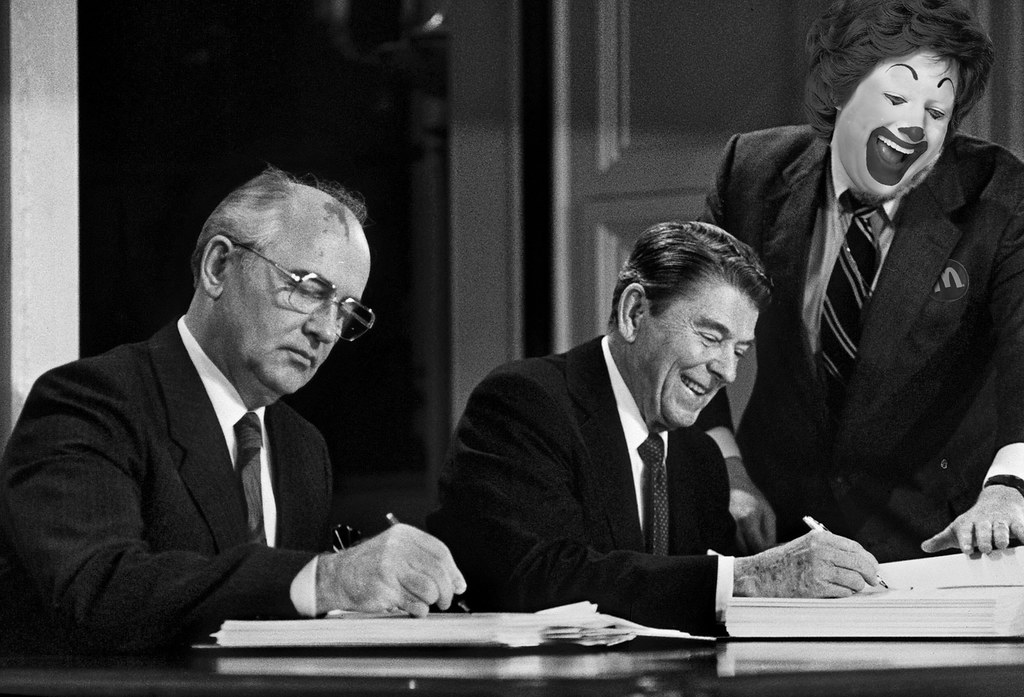
The United States and Soviet Union — and later Russia — agreed to eliminate an entire class of nuclear missiles. Russia began developing and deploying the SSC-8 cruise missile, which violated the treaty’s range restrictions, and did so for years while officially denying it.
The U.S. withdrew from the treaty in 2019, citing Russian noncompliance, which is a diplomatic way of saying one side had already left.
Treaty of Dancing Rabbit Creek (1830)
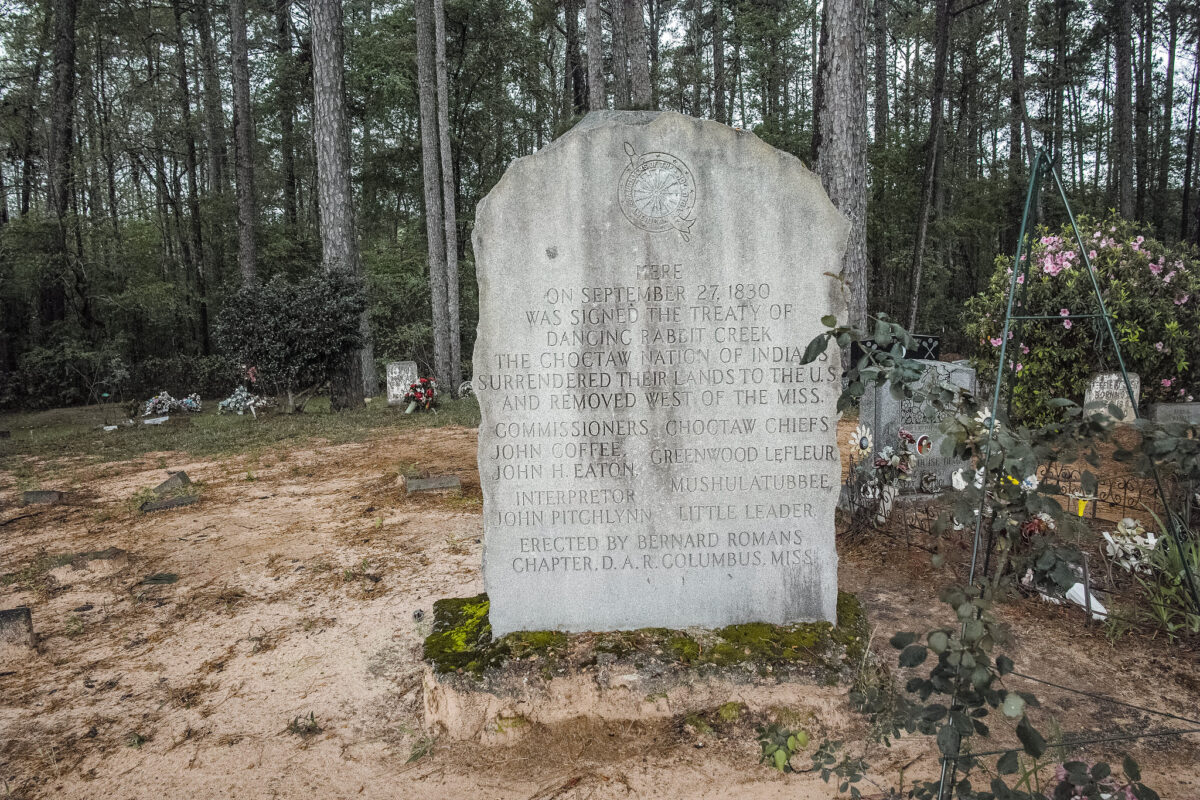
The Choctaw Nation ceded vast territory in Mississippi under pressure and were promised protected lands in present-day Oklahoma, plus citizenship rights for those who stayed. The citizenship provisions were ignored almost immediately, and the removal process — already coerced — was executed with such indifference to Choctaw welfare that thousands died during the journey west.
The agreement was honored in the breach from the beginning.
Peace of Augsburg (1555)

This agreement let German princes choose between Catholicism and Lutheranism for their territories — a pragmatic fix to religious wars that had been tearing the Holy Roman Empire apart. It held for a while, but the clause that required ecclesiastical rulers who converted to give up their offices was violated repeatedly, each violation building pressure, until the whole arrangement collapsed into the Thirty Years’ War in 1618.
Camp David Accords (1978)

Egypt and Israel reached a framework for peace — one that included broader regional agreements and a resolution to the Palestinian question that was never implemented. The bilateral peace between Egypt and Israel held, but the side agreement about Palestinian autonomy was treated as aspirational rather than binding, quietly set aside, and never seriously revisited by either party in the years that followed.
Treaty of Fort Jackson (1814)

Andrew Jackson imposed this treaty on the Creek Nation after the Battle of Horseshoe Bend — taking 23 million acres, much of it from Creek people who had actually fought alongside the U.S. Even those loyal allies lost land.
The treaty set a template Jackson would repeat: negotiate, take land, define compliance as whatever benefited American expansion, and move on.
Intermediate-Range Nuclear Forces Treaty (1987) — Chinese Proxy Violations

While this entry overlaps technically with the INF, what’s distinct here is Russia’s use of proxy testing — developing compliant-looking systems that exceeded treaty limits in real-world deployment configuration. It’s the kind of violation that requires a government to be both committed to breaking a deal and sophisticated enough to make the paperwork look clean.
Turns out, one of those things is harder than the other.
Treaty of Nanking (1842)

Britain forced this treaty on China after the First Opium War, extracting Hong Kong and trade concessions — and China, having lost, signed. But the treaty’s promise of equal diplomatic standing and fair enforcement of trade terms was something Britain never actually intended to honor; subsequent years brought more military pressure, more extracted concessions, and a series of follow-on agreements that kept moving the goal.
The treaty was less an agreement than an opening offer.
Treaty of New Echota (1835)

A faction of Cherokee leaders — not the recognized governing body of the Cherokee Nation — signed away Cherokee lands in Georgia for territory in Oklahoma. The majority of the Cherokee, including their principal chief John Ross, opposed it and petitioned Congress to reject it. The U.S. ratified it anyway, and the forced removal that followed became the Trail of Tears. The treaty was fraudulent by any reasonable standard, and the U.S. enforced it regardless.
Sino-British Joint Declaration (1984)

Britain and China agreed that Hong Kong would retain its legal system, civil liberties, and a high degree of autonomy until 2047. China began eroding those commitments well before the halfway point — restricting candidates, reinterpreting the Basic Law, and ultimately imposing a national security law in 2020 that effectively ended the “one country, two systems” arrangement decades ahead of schedule.
The declaration, China now insists, is a historical document with no binding force. Britain disagrees. Neither position changes what happened.
Treaty of Medicine Lodge (1867)

Several Plains tribes, including the Kiowa, Comanche, and Southern Cheyenne, ceded territory and agreed to move to reservations in exchange for food, supplies, and the right to continue hunting on traditional lands. The supplies were inconsistent, the hunting rights were gradually restricted, and American buffalo hunters — with implicit government approval — proceeded to slaughter the herds the entire arrangement depended on.
The treaty’s economic foundation was dismantled from underneath it.
Rush-Bagot Agreement (1817)
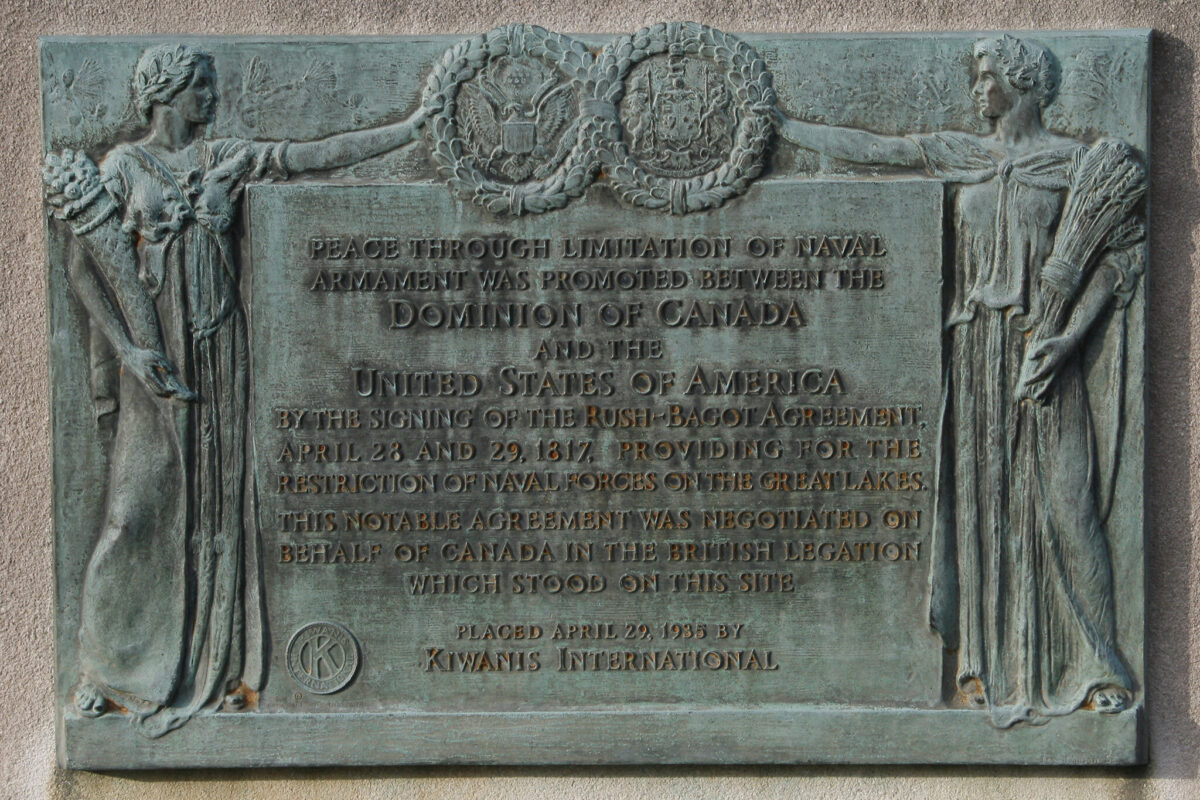
The U.S. and Britain agreed to demilitarize the Great Lakes after the War of 1812. It mostly held — but during the American Civil War, Britain allowed Confederate agents to operate from Canadian territory and launch raids across the border, which the U.S. argued violated the spirit of the agreement.
Britain eventually apologized for the Alabama claims, but the underlying violations had already funded Confederate naval operations.
Treaty of Brest-Litovsk (1918)
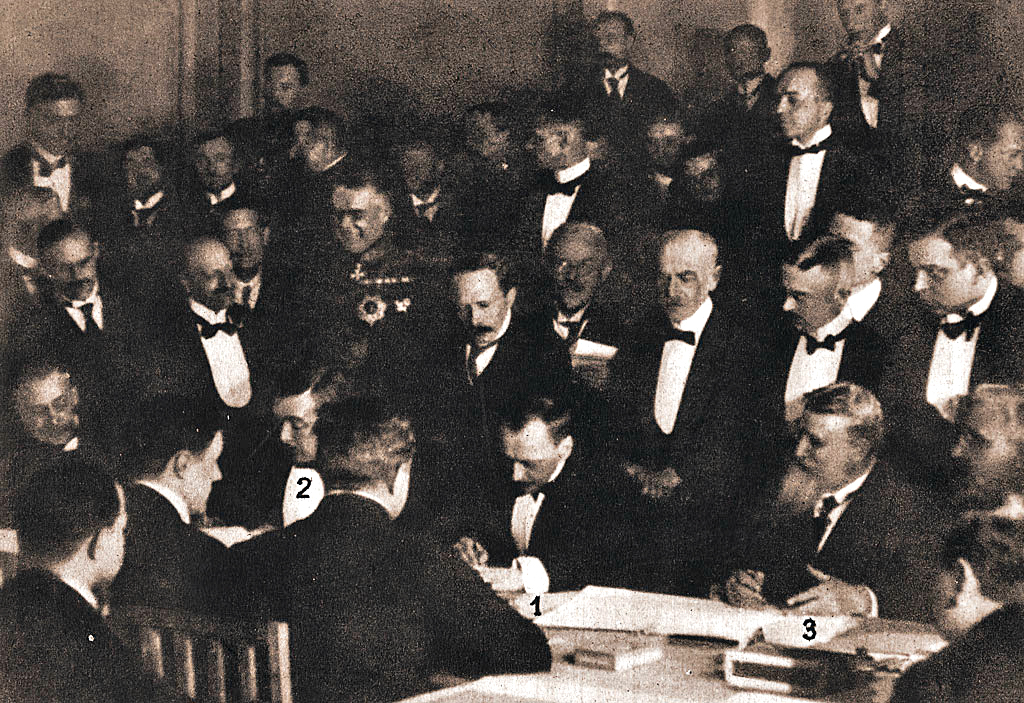
Russia exited World War I by signing away enormous territory to Germany — Ukraine, Finland, the Baltic states, and more. Germany then lost the larger war, and the treaty was annulled by the Armistice of November 1918.
Germany had taken the gains and reaped none of the consequences, at least for a few months, which is one way to treat a treaty: as a temporary arrangement until circumstances change.
Open Skies Treaty (2002)

Thirty-four nations agreed to allow unarmed surveillance flights over each other’s territory — a transparency measure designed to reduce military miscalculation. Russia began denying overflight rights to sensitive regions, including Kaliningrad and areas near Abkhazia, while continuing to conduct its own flights over American territory. The U.S. withdrew in 2020. Russia withdrew in 2021. A treaty built entirely on mutual compliance collapsed the moment one side decided compliance was optional.
Treaty of Paris (1783)

Britain recognized American independence and agreed to withdraw its troops. It also agreed to compensate Loyalists whose property had been seized and to allow British merchants to collect pre-war debts.
The American states largely ignored the Loyalist and debt provisions, Britain used that noncompliance to justify keeping its frontier forts, and the two sides spent the next decade using each other’s violations as cover for their own. Everybody broke this one.
Anglo-Irish Treaty (1921)

This treaty created the Irish Free State and partitioned the island — a compromise that satisfied almost nobody and infuriated enough people to spark a civil war within a year. The Irish Republican Army rejected the treaty, anti-treaty forces took up arms against the new Free State government, and the political divisions it created lasted generations.
The British held to the partition; the Irish fought each other over whether accepting it was betrayal or pragmatism.
Treaty of Tordesillas (1494)
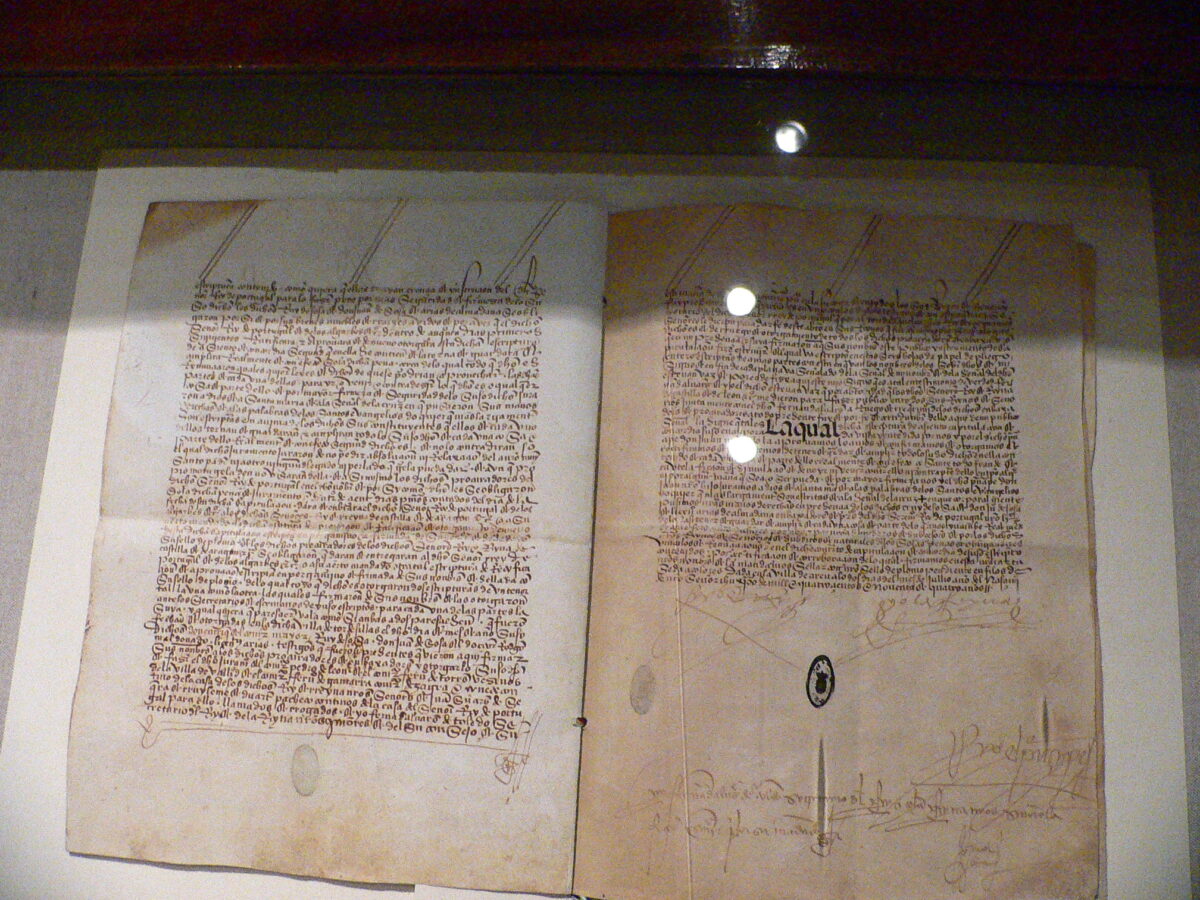
Spain and Portugal divided the non-European world between them along a line in the Atlantic — everything west to Spain, everything east to Portugal. Other European powers simply ignored it entirely.
France, England, and the Netherlands never agreed to the terms and colonized wherever they wanted, while Spain and Portugal spent decades insisting the arrangement was binding on nations that had never signed it. The treaty was geopolitically ambitious and practically meaningless outside Iberia.
Helsinki Accords (1975)
The Soviet Union signed onto human rights commitments as part of a broader security agreement with Western nations. Those commitments were treated as propaganda cover rather than policy — dissidents were persecuted, emigration was restricted, and the internal freedoms the accords referenced remained theoretical.
The Soviet government signed a document about human rights while imprisoning people for demanding them.
Treaty of Ghent (1814)
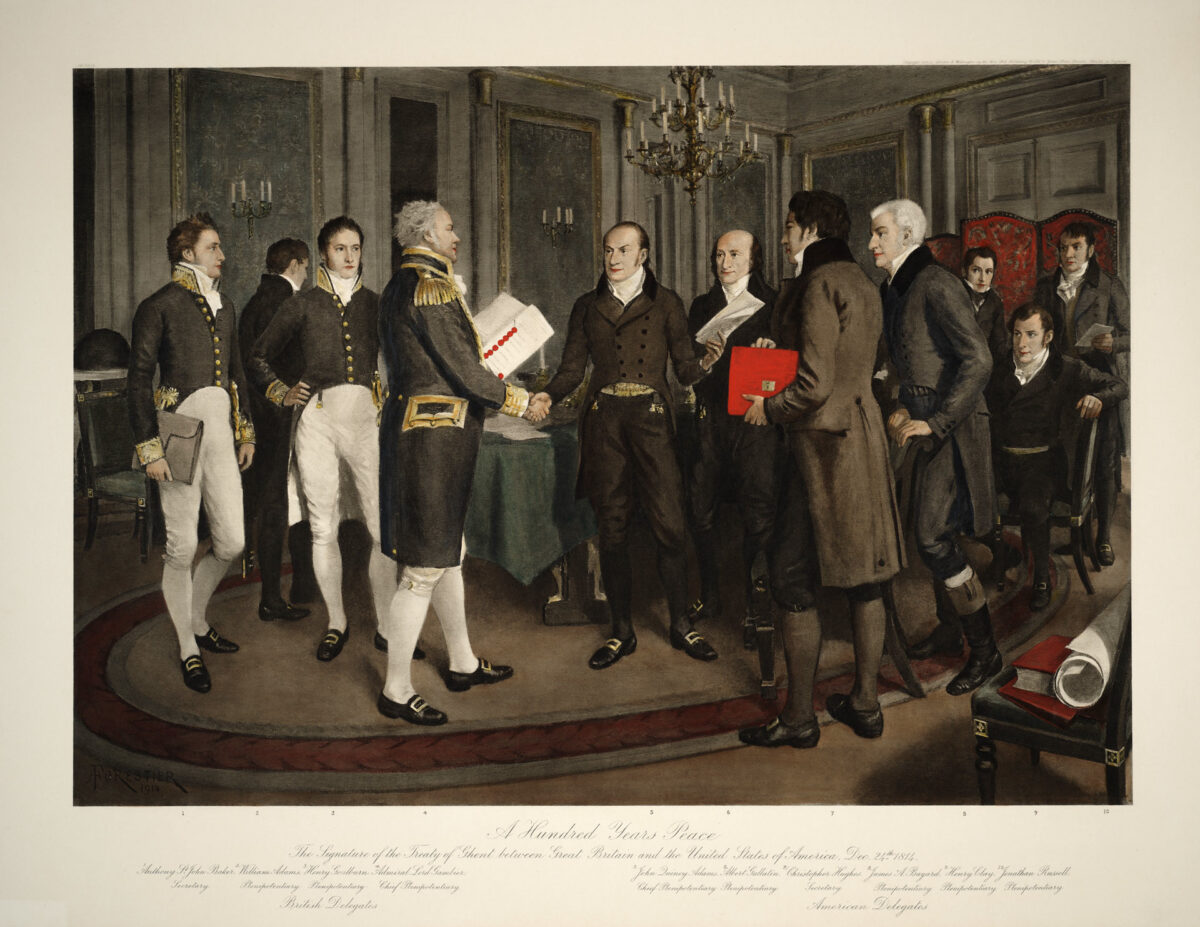
This treaty ended the War of 1812 and required both sides to restore captured territory and cease hostilities. Britain had also agreed in earlier negotiations to stop arming Native American tribes fighting against U.S. expansion — a promise it abandoned almost immediately as strategic circumstances shifted.
The Native tribes who had allied with Britain found themselves without the support they’d been promised, facing American expansion with no diplomatic backing and no recourse.
Dayton Agreement (1995)

The accords that ended the Bosnian War established a federal structure for Bosnia and Herzegovina with built-in ethnic power-sharing. Republika Srpska’s leadership has spent decades undermining those structures — contesting the authority of joint institutions, threatening secession, and rehabilitating wartime figures the agreement was partly designed to marginalize.
The framework exists. The compliance has been selective, performative, and increasingly thin.
Intermediate Nuclear Forces Treaty — Final Collapse

By 2019, both the U.S. and Russia had formally abandoned the INF Treaty — but the story ends earlier than the paperwork suggests. Russia had been violating it since at least 2014, the U.S. had been documenting those violations for years, and the official withdrawal was more acknowledgment than action.
Some treaties don’t end in a dramatic breach; they just slowly stop being real while everyone involved continues using the word “treaty.”
What Paper Promises Actually Cost
There’s a pattern here that’s hard to ignore once you’ve seen it enough times: the side that breaks a treaty almost always does so incrementally, then claims the other party’s objections are overreach. Small violations become precedents. Precedents become policy.
And by the time the breach is obvious enough to name out loud, the original agreement has been hollowed out so thoroughly that there’s nothing left to save. The real damage isn’t just the broken deal — it’s the people, nations, or communities who planned their futures around the assumption that a signed agreement meant something.
That assumption has been proven wrong often enough that its persistence feels less like optimism and more like stubbornness. Maybe that stubbornness is necessary.
A world where no one bothers signing agreements because no one believes they’ll hold is considerably worse than the one we already have.
More from Go2Tutors!

- The Romanov Crown Jewels and Their Tragic Fate
- 13 Historical Mysteries That Science Still Can’t Solve
- Famous Hoaxes That Fooled the World for Years
- 15 Child Stars with Tragic Adult Lives
- 16 Famous Jewelry Pieces in History
Like Go2Tutors’s content? Follow us on MSN.