How a Single Typo Changed the Outcome of a Major Historical Event
History is supposed to be written by the victors, but sometimes it’s rewritten by a missing letter, a misplaced word, or a figure that got garbled in translation or transcription. The idea that a typo — the kind of mundane clerical error you’d fix with a backspace — could redirect armies, ignite wars, or topple governments sounds almost too absurd to take seriously.
And yet the historical record is stubbornly full of exactly these moments: instances where a single written error cascaded outward in ways nobody anticipated, because the person who made it had no idea what they’d just done. These aren’t cautionary tales about carelessness, exactly. They’re something stranger — a reminder that the machinery of history is far more fragile than it ever lets on.
The Comma That Sentenced a Man to Death
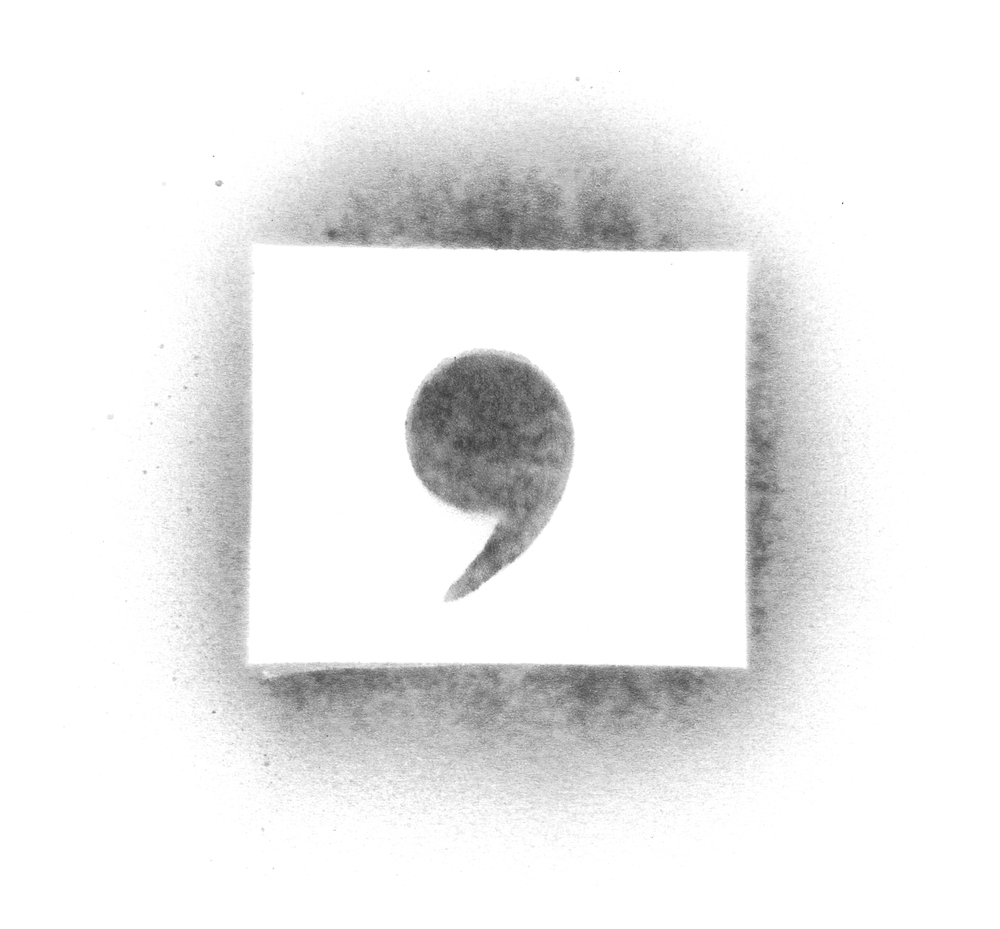
A misplaced comma once separated a man from his life. In a 19th-century Russian case, a death sentence written as “Pardon impossible, to be executed” was allegedly repunctuated by the Tsar to read “Pardon, impossible to execute” — reversing the ruling entirely.
The story may have been embellished across retellings, but the legal principle it illustrates is real and documented: punctuation errors in official documents have produced irreversible consequences throughout legal history.
The NASA Mars Orbiter and the Unit Conversion Error

This one is almost too painful to look at directly. In 1999, the Mars Climate Orbiter — a spacecraft that had traveled roughly 416 million miles — was lost because one engineering team was working in metric units while another was using imperial, and the mismatch was never caught.
The navigation data fed into the spacecraft’s trajectory calculations was wrong by a factor significant enough to send it skimming too close to Mars’s atmosphere, where it either burned up or bounced off into space. A $327 million mission, ended by a unit label nobody bothered to standardize.
The “War of Jenkins’ Ear” and a Misread Diplomatic Dispatch
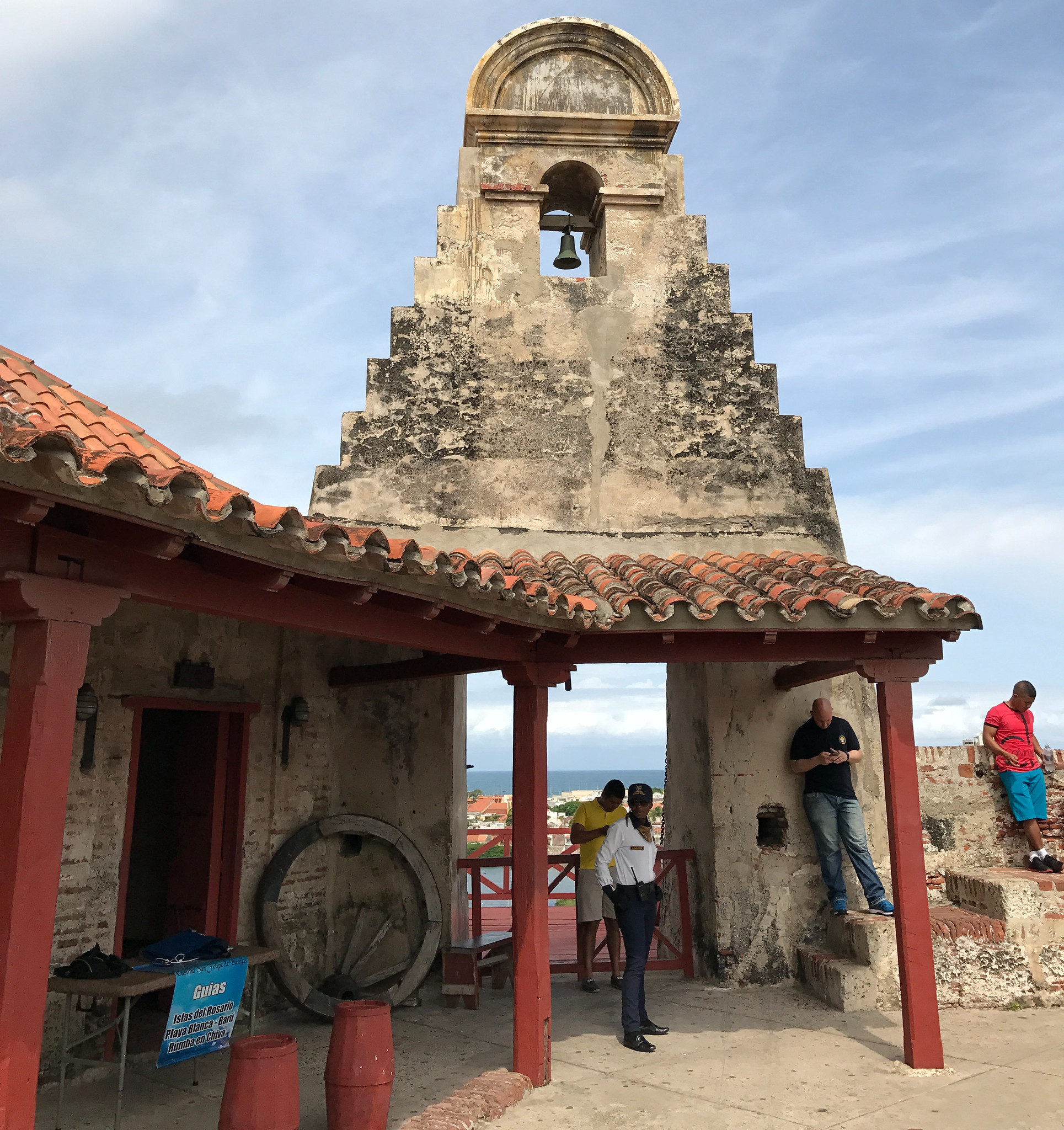
The War of Jenkins’ Ear, which began in 1739 between Britain and Spain, had roots tangled enough in misread dispatches and diplomatic mistranslation that historians still argue about which specific miscommunication lit the fuse. What is documented is that a series of poorly transcribed diplomatic exchanges inflamed existing tensions to a point where war became politically unavoidable — and what began as a dispute over trade rights eventually merged into the War of Austrian Succession, drawing in most of Europe.
A cleaner paper trail might not have prevented the conflict, but the garbled official record certainly made de-escalation impossible. Typos don’t always start wars, but they can very effectively close the exits.
The Mariner 1 Spacecraft Failure
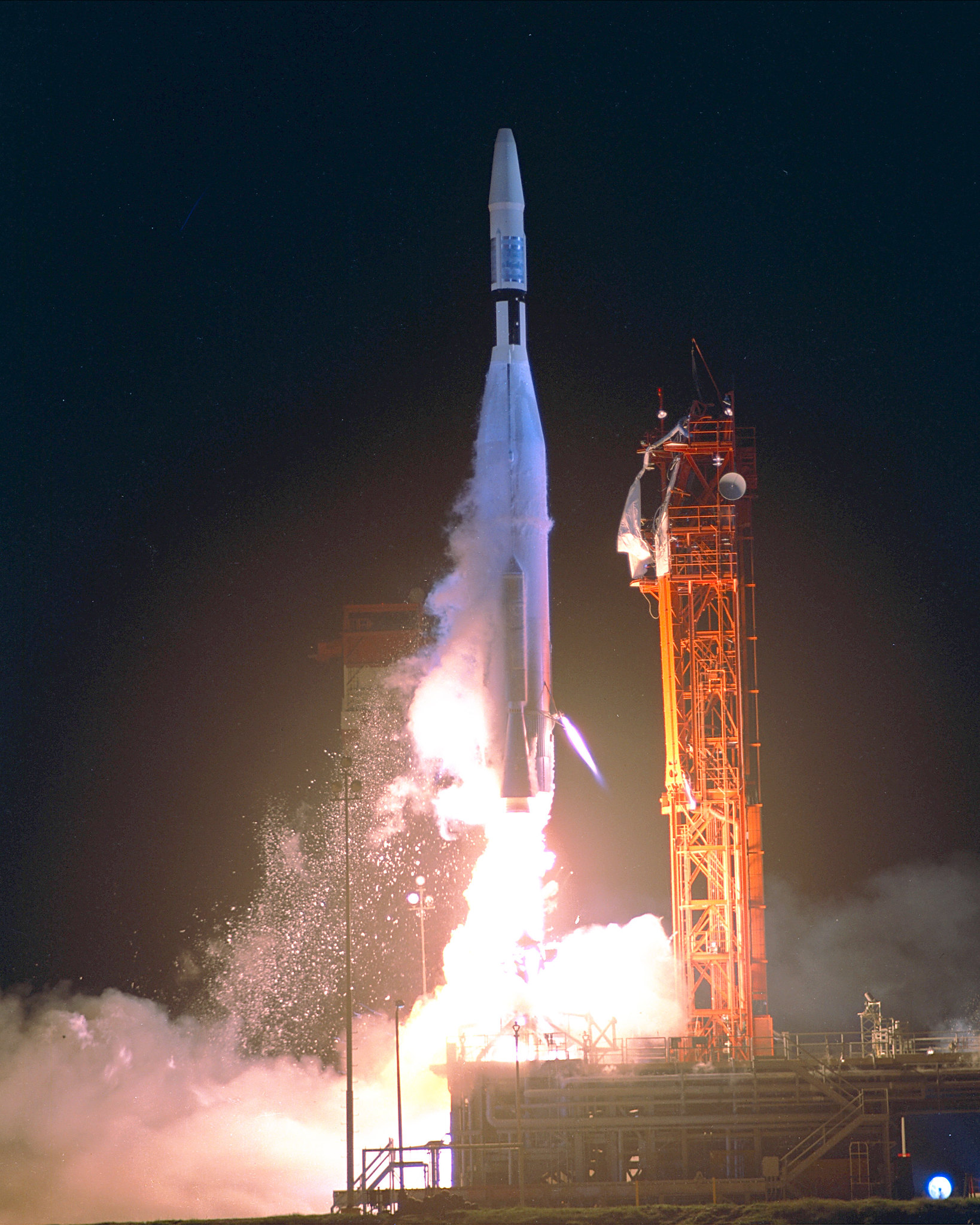
Mariner 1 is perhaps the most expensive typo in aerospace history. A missing hyphen in the software guidance formulas — a single absent character — caused the rocket to deviate from its intended trajectory less than five minutes after launch in 1962, forcing NASA to self-destruct it over the Atlantic.
The cost: approximately $18.5 million in 1962 dollars. Arthur C. Clarke reportedly called it “the most expensive hyphen in history,” which is the kind of thing only a writer would notice and only an engineer would feel in their stomach.
The Treaty of Waitangi Translation Discrepancy

The Treaty of Waitangi, signed in 1840 between the British Crown and Māori chiefs in New Zealand, contained a translation discrepancy that has shaped the country’s legal and political landscape ever since. The English version granted the Crown “sovereignty” over New Zealand, while the Māori version used the word “kawanatanga,” which translates closer to “governance” — a meaningfully different concept that did not imply full transfer of supreme authority.
Whether the divergence was accidental or deliberate remains debated, but the practical outcome was a document that meant different things to the two parties who signed it, and a dispute that New Zealand is still actively working to resolve nearly two centuries later.
The Telegram That Derailed U.S.-Japan Relations

Diplomatic cables in the early 20th century were transcribed by hand or transmitted via Morse code, and the margin for error was considerable — a single digit transposed in a coded message could alter the meaning of a military order or a diplomatic position entirely. Japan and the United States exchanged numerous cables in the months before Pearl Harbor, and historians have documented specific instances where mistranslations and transcription errors delayed or distorted the meaning of Japanese diplomatic messages received in Washington.
The machinery of miscommunication didn’t cause the attack, but it did narrow the window for any last-minute diplomacy that might have changed the timing, if not the outcome.
The Fateful Printing Error in the 1631 Bible
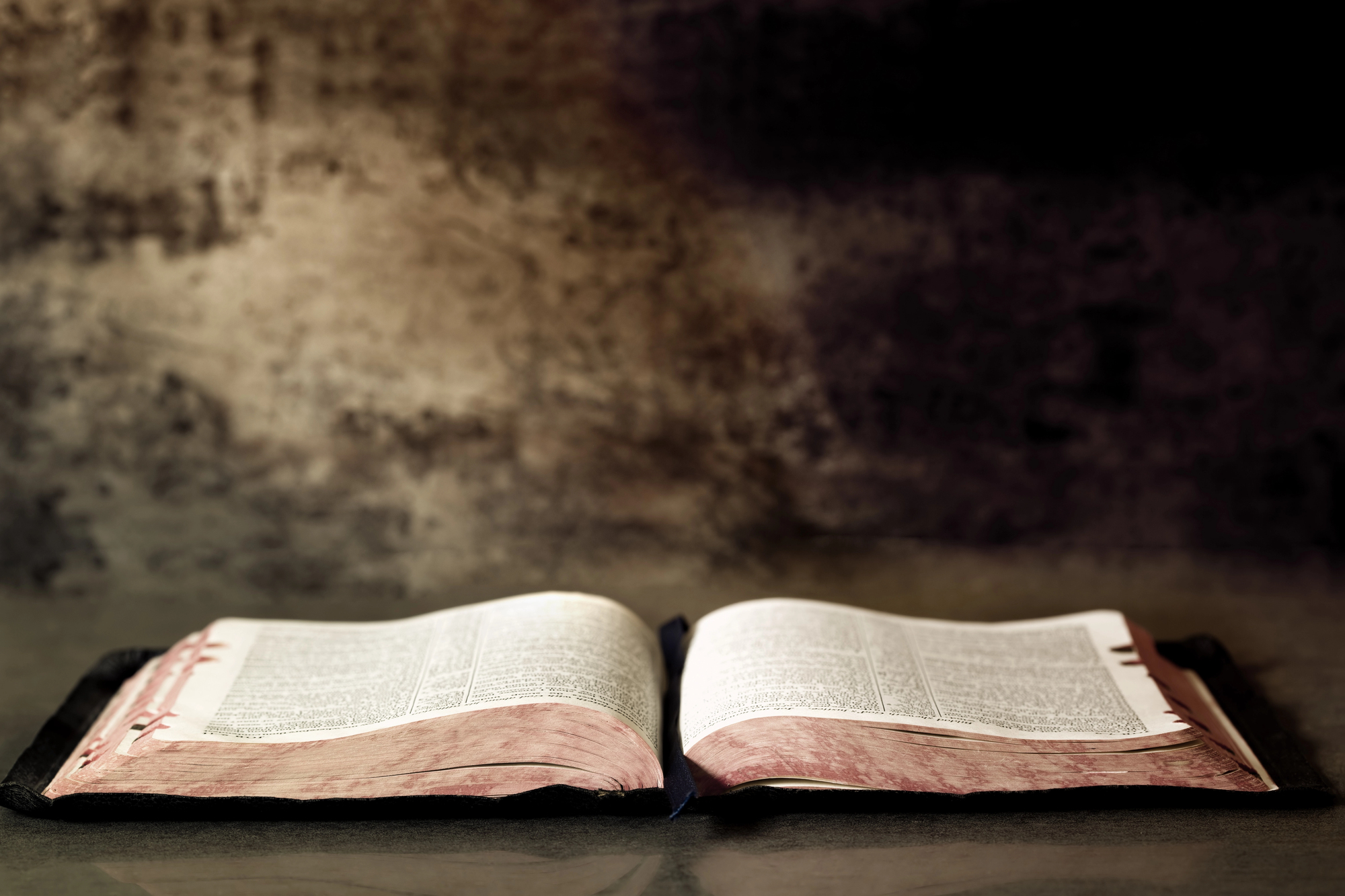
In 1631, a London printer named Robert Barker produced what became known as the “Wicked Bible” — a version of the King James Bible in which the word “not” was accidentally omitted from the Seventh Commandment, producing the instruction: “Thou shalt commit adultery.” The error made it into 1,000 copies before anyone caught it.
Barker was fined £300 and had his printing license revoked. Most copies were destroyed, making the surviving editions extraordinarily rare today — a document so wrong it became valuable, which feels like a very specific kind of historical justice.
The Y2K Bug and the Two-Digit Year
The Y2K bug was, at its core, a documentation and foresight problem disguised as a coding crisis. Programmers in the mid-20th century, constrained by storage costs, used two digits rather than four to represent years — “99” for 1999 — without documenting the assumption that this shortcut would need to be revisited before the year 2000.
When the calendar ticked over, systems that hadn’t been updated would read “00” as 1900, not 2000. The world spent an estimated $300 billion correcting the error before it caused catastrophic failures. The fact that relatively little went wrong on January 1, 2000, is a testament to that frantic remediation effort — not proof the threat wasn’t real.
The Charge of the Light Brigade and a Vague Military Order
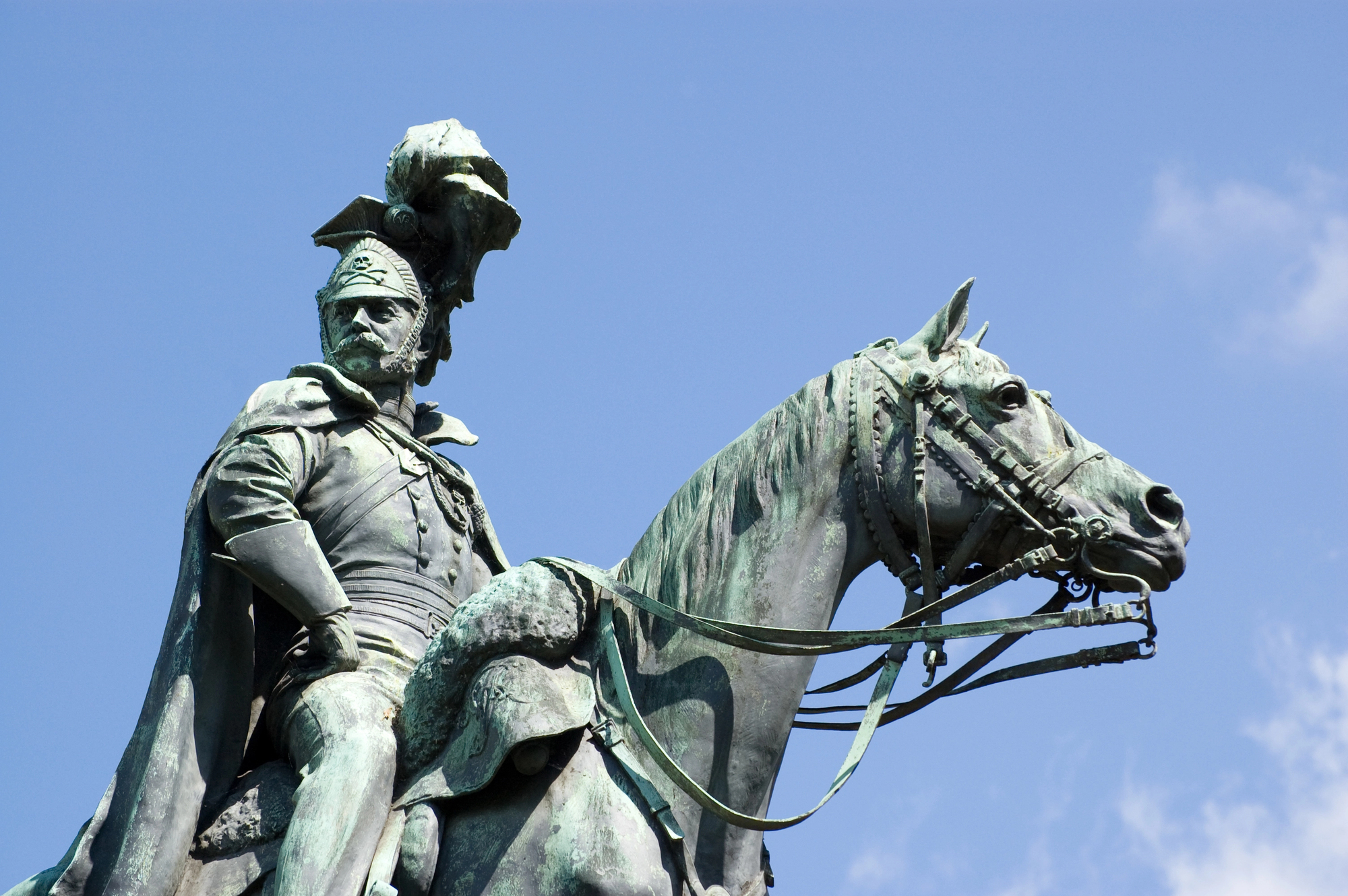
The Charge of the Light Brigade in 1854 was the direct result of an ambiguously worded order during the Battle of Balaclava. Lord Raglan’s written instruction directed cavalry to “prevent the enemy from carrying away the guns,” which he intended to refer to British naval guns the Russians had captured on the heights.
The messenger, Captain Nolan, gestured vaguely toward the valley when asked which guns — and the Light Brigade charged directly into a fortified Russian artillery position. The written order itself wasn’t technically a typo, but it was the kind of ambiguity that functions identically: a small textual failure that produced catastrophic, irreversible action.
The Apollo 13 Oxygen Tank Issue Traced to a Specification Error

The oxygen tank failure that nearly killed the Apollo 13 crew in 1970 had a paper trail that led back years before the mission. A specification document error resulted in a thermostat being tested at the wrong voltage — 28 volts instead of the required 65 — during ground testing.
The thermostat failed silently, the damage went undetected, and the weakened tank exploded roughly 205,000 miles from Earth. Documentation errors in engineering aren’t glamorous failures. They’re the kind that look like nothing right up until they look like everything.
The Oops Election — The Butterfly Ballot in Florida

The 2000 U.S. presidential election came down to Florida, and Florida came down, in part, to a ballot design error in Palm Beach County. The “butterfly ballot” — a layout in which candidate names appeared on alternating pages with punch openings running down the center — confused enough voters that thousands of ballots were either spoiled or punched for the wrong candidate.
Al Gore and Pat Buchanan received votes that exit polling strongly suggested were meant for the other. The election was decided by 537 votes in Florida. Whether the ballot design changed the outcome of the presidency is something reasonable people dispute, but the design error itself is not contested — the county’s supervisor of elections later acknowledged it was a mistake.
The Versailles Treaty and the Translation That Fueled Resentment

The Treaty of Versailles, signed in 1919, contained German and English versions that differed subtly in their language around Germany’s obligations and guilt. The “war guilt clause” — Article 231 — was rendered in German in a way that German speakers understood as an accusation of exclusive moral responsibility for the war, while the English-language framing was somewhat more legalistic.
German nationalists used the German reading of the clause as a focal point for resentment throughout the Weimar period, and that resentment became one of the fuel sources for the political movement that followed. A single clause, two readings — and the space between them was wide enough for a demagogue to walk through.
The Columbus Miscalculation That Changed the World

Columbus didn’t discover a new route to Asia — he ran into two continents he hadn’t accounted for — but the reason he sailed in the first place was a mathematical error he made on purpose, then refused to correct. He significantly underestimated the circumference of the Earth by conflating two different measurement systems, using the shorter Arabic mile where the longer Roman mile was appropriate.
Scholars of the time actually told him he was wrong. Columbus ignored them, set sail anyway, and the fact that the Americas happened to be sitting where he expected Asia to be is one of history’s more absurd coincidences. The miscalculation didn’t just change an exploration route — it rewrote the map of the world.
The Challenger O-Ring and the Engineering Report Nobody Read in Full
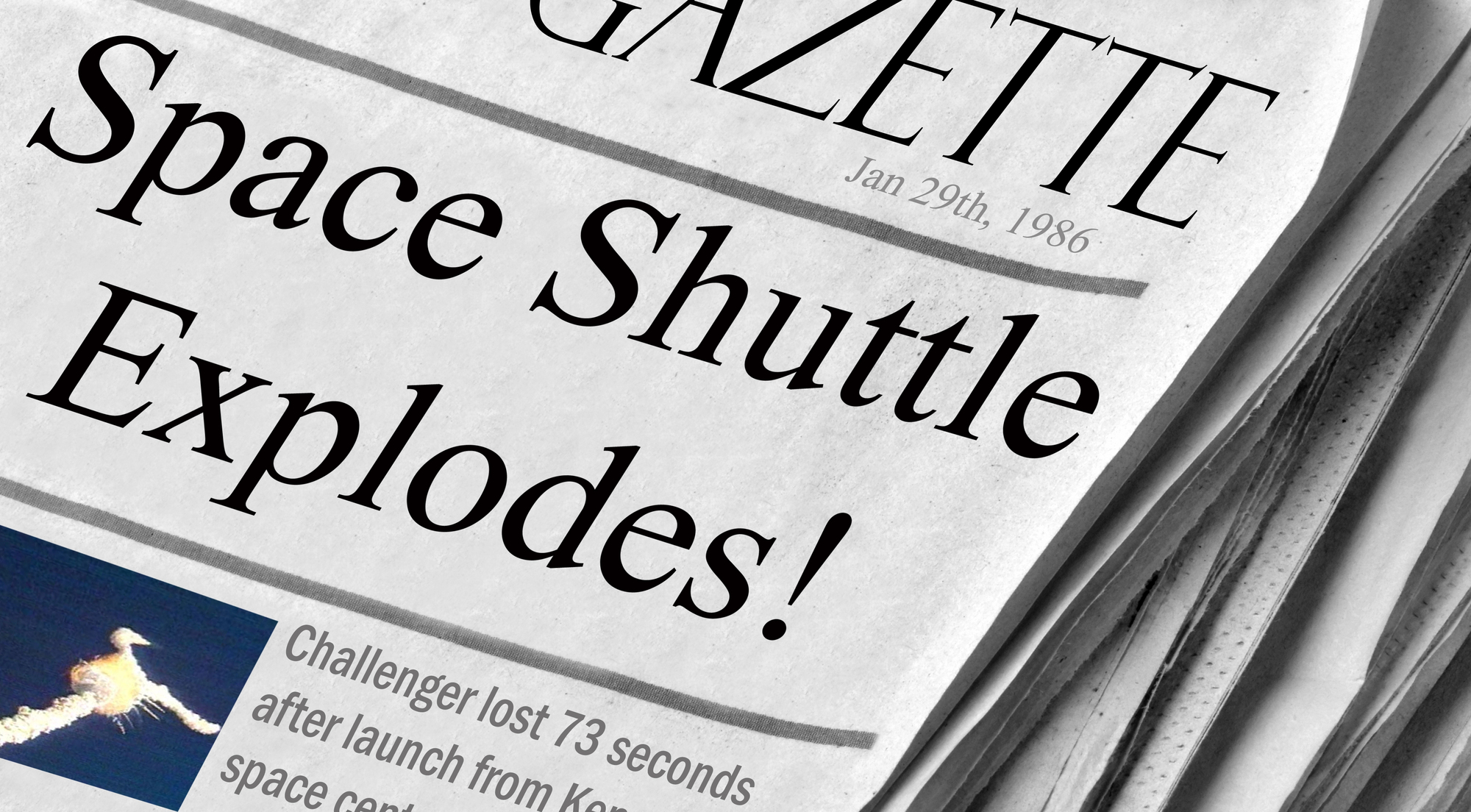
The Space Shuttle Challenger disaster in January 1986 was partly the result of an engineering communication failure that reads, in retrospect, like a slow-motion documentation crisis. Thiokol engineers had flagged concerns about the O-rings in cold temperatures — the launch temperature that day was 28°F — but the data presentation in their written reports was unclear enough that NASA managers reviewing it didn’t grasp the severity.
The Rogers Commission found that the decision-making chain had failed partly because the written evidence of risk wasn’t communicated with sufficient clarity. The O-rings failed. Seven crew members died. And somewhere in the paper trail, the warning was there — just not legible enough to stop anything.
The Stalin “Wolfhound” Telegram Incident
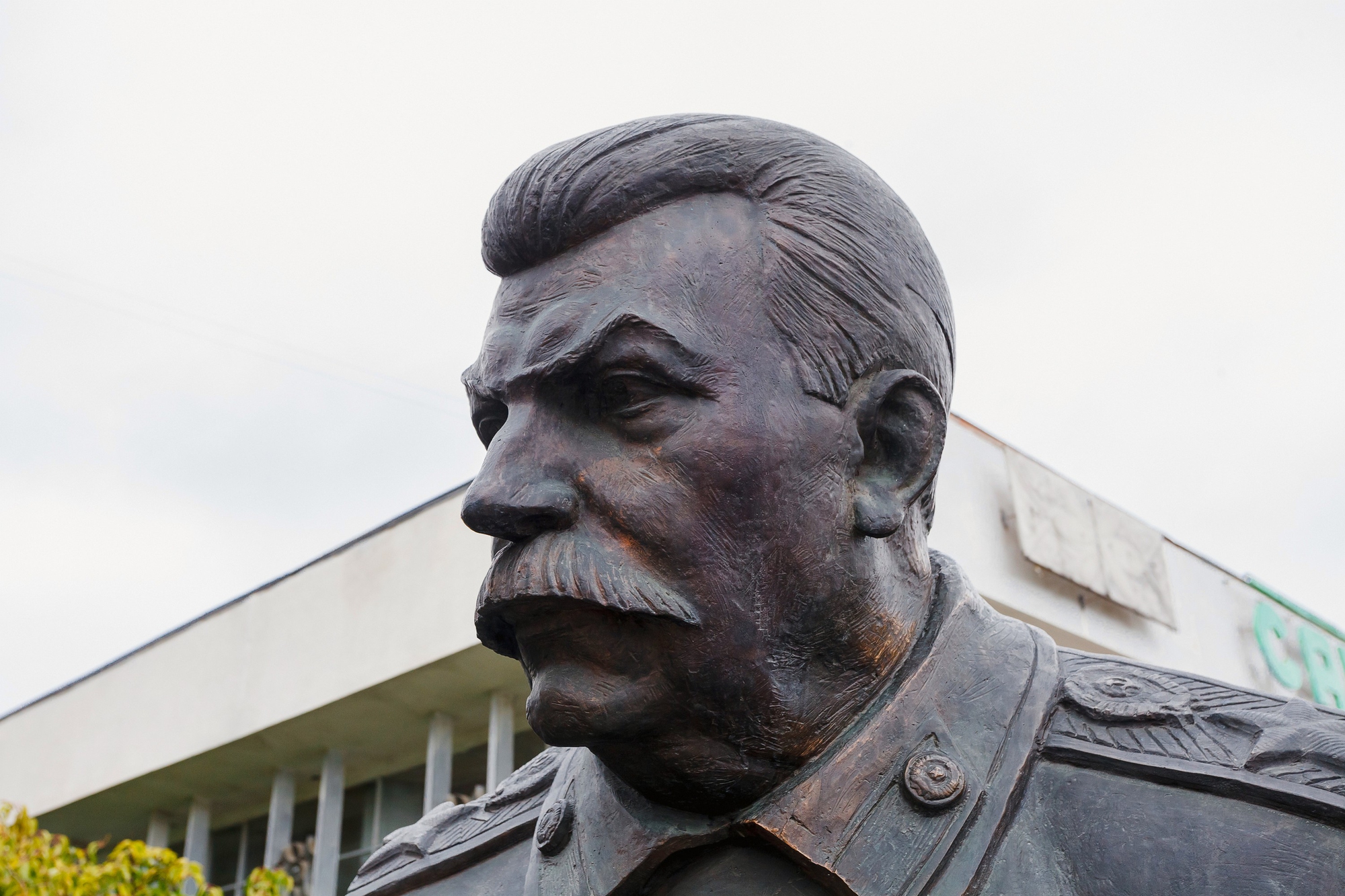
In the archives of Soviet communication, there are documented instances of transcription errors in official dispatches that led to arrests, executions, or policy reversals before anyone caught the mistake — because correcting a Stalin-era official document was itself a politically dangerous act. One documented case involved a coded telegram where a single character error changed the nature of an instruction, leading to a regional official implementing a policy that had not been ordered.
The correction, when it came, required careful political navigation simply because admitting the original error implied fallibility in the system. So the error stood, the consequences played out, and the correction arrived too late to be useful.
The Price of One Wrong Letter
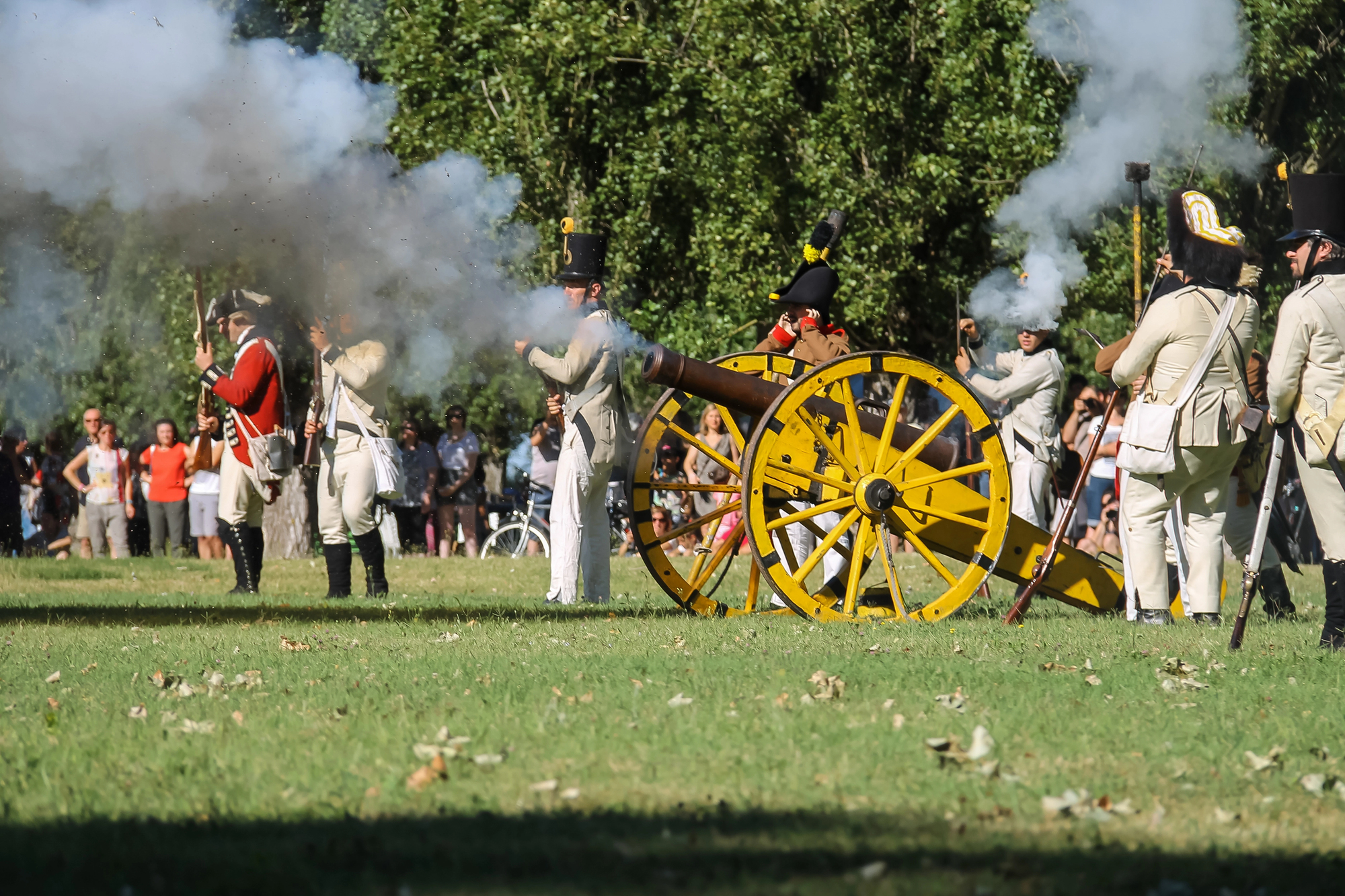
There’s something almost philosophical in the pattern — the way these errors reveal that human systems, however elaborate, rest on fragile foundations of correctly copied text. A missing hyphen, a misplaced comma, a unit label quietly omitted: these aren’t dramatic failures.
They look like nothing. That’s exactly what makes them so persistent — nobody builds in a safeguard against the thing that looks like nothing. History doesn’t run on grand intentions alone. It runs on what got written down, and whether the person who wrote it got the small things right.
More from Go2Tutors!

- The Romanov Crown Jewels and Their Tragic Fate
- 13 Historical Mysteries That Science Still Can’t Solve
- Famous Hoaxes That Fooled the World for Years
- 15 Child Stars with Tragic Adult Lives
- 16 Famous Jewelry Pieces in History
Like Go2Tutors’s content? Follow us on MSN.



