How Amundsen Won the Race to the South Pole and What It Cost Him
Some races get decided by inches. This one got decided by dogs, dates, and a man willing to keep his own crew in the dark about where the ship was actually headed.
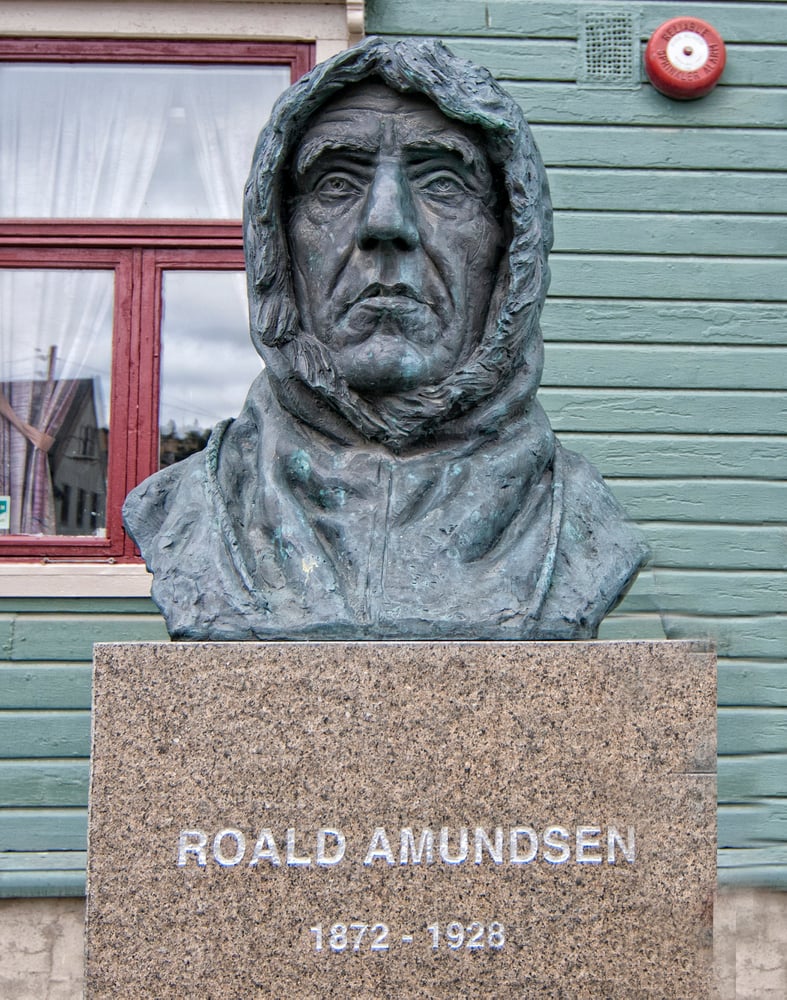
Roald Amundsen beat Robert Falcon Scott to the South Pole by more than a month, and made it look almost easy in the process — but easy isn’t the same as free. What it cost him showed up later, in ways that had nothing to do with frostbite or hunger.
The Secret Change of Course
The Secret Change of Course Amundsen was supposed to go north. Everyone thought so — his crew, his backers, even the King of Norway.
Then two Americans claimed the North Pole within days of each other, and Amundsen quietly pointed the Fram toward Antarctica instead. He told almost nobody until the ship reached Madeira.
Recruiting the Right Men
Recruiting the Right Men He didn’t pick men for their manners or their resumes: he picked them for what they could do on skis, in the cold, with a dog team that didn’t always want to listen. Olav Bjaaland had been a national skiing champion (a detail that sounds like trivia until you’re 400 miles from anywhere and your legs are the only reliable machine you’ve got), and Helmer Hanssen could read a dog’s mood the way most people read a room.
So the team that left Norway wasn’t glamorous — it was a handful of men who’d spent winters doing exactly the kind of miserable, repetitive work that polar travel turns out to be. And that, more than any single piece of gear, is why they came home.
The Fram
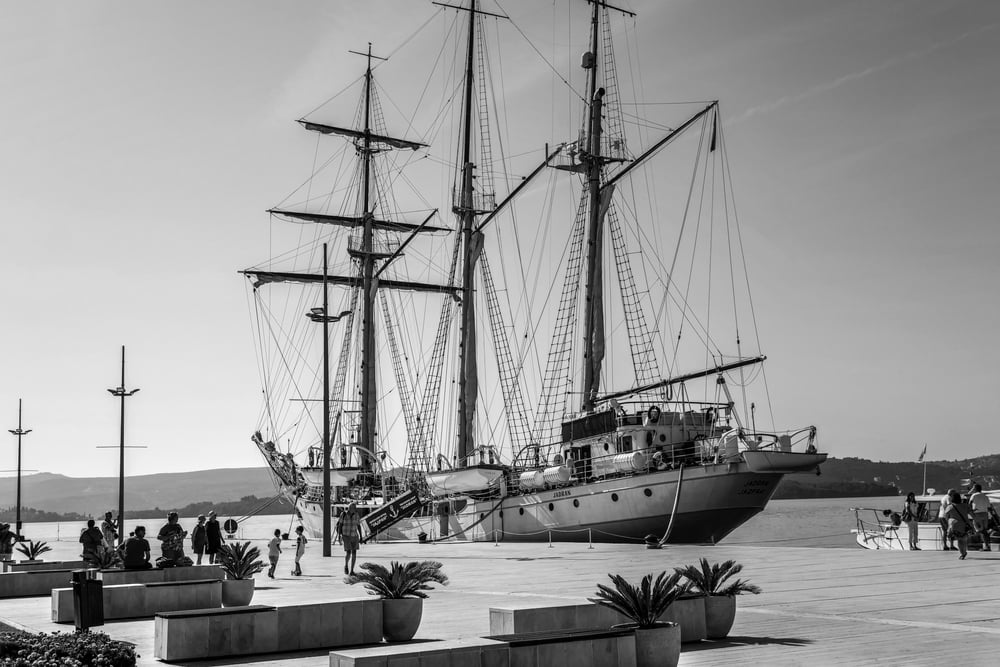
The Fram The Fram wasn’t built to fight the ice, it was built to be squeezed by it and simply rise, like a seed shrugging off a boot heel instead of cracking underneath it. Nansen had already proven the design once, drifting for years locked in pack ice without so much as a splintered plank, and Amundsen inherited both the ship and the confidence that came with it.
There’s something almost stubborn about a hull shaped that way — round-bottomed, unglamorous, built by a man who understood that survival in ice has nothing to do with strength and everything to do with yielding at the right moment.
Framheim
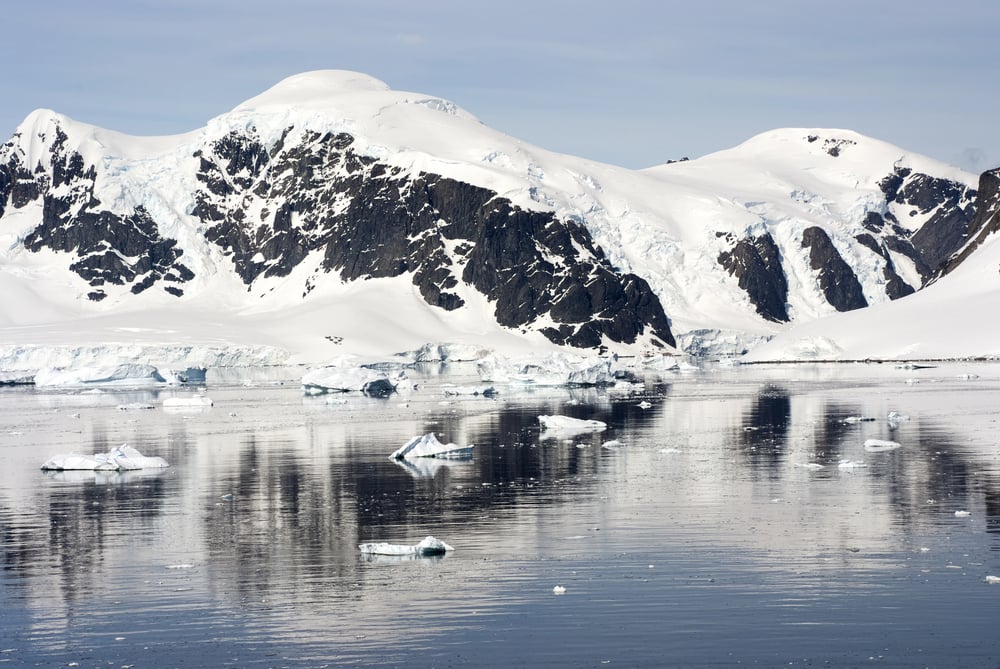
Framheim Choosing the Bay of Whales was the smartest single decision Amundsen made, and it rarely gets enough credit. Sitting on the Ross Ice Shelf itself was considered reckless by other polar men, who worried the whole shelf might calve into the sea with the base camp still on it (it didn’t, to be fair).
It also sat roughly 60 miles closer to the Pole than Scott’s camp at McMurdo Sound, which in a race measured in weeks is not a small thing. Amundsen dug his base into the snow instead of fighting to build above it, which turns out to be a very Norwegian solution to a very Norwegian problem.
Building a Case of Dogs
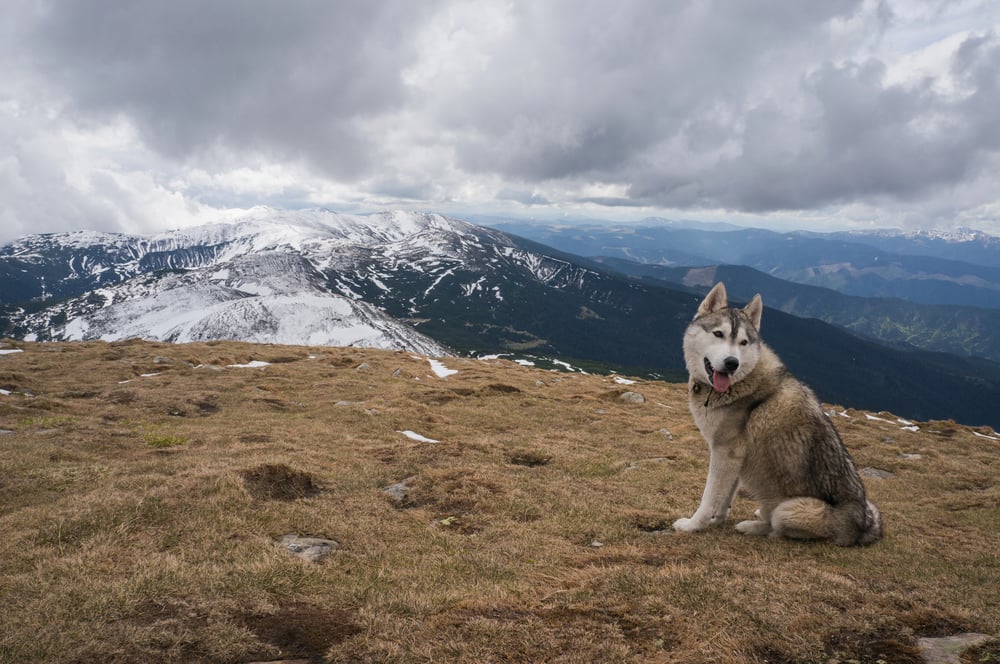
Building a Case of Dogs Amundsen brought roughly 97 dogs south. Not for company — for speed, and for food, in that order.
Dogs pulled sleds faster than ponies ever could, and when supplies ran short, dogs fed dogs. It was a plan built on a math problem, not sentiment.
Skis as Strategy
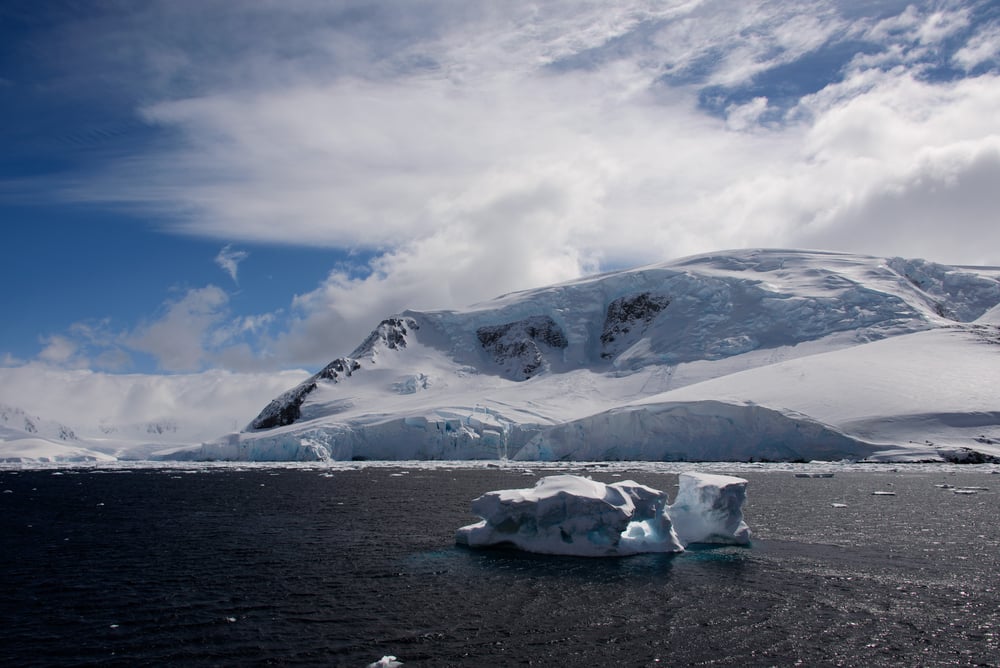
Skis as Strategy Every man on Amundsen’s team could ski before the expedition ever left Norway — which sounds like a small thing until you compare it to the alternative: British officers on an ice shelf, in some cases learning to use skis for the first time while also trying to survive. Scott had brought motor sledges (they broke down early) and Manchurian ponies (they struggled badly in the cold and soft snow), and neither substituted for a man who’d grown up skiing to school in the dark half the year.
So while the British were solving equipment problems, the Norwegians were simply moving. And moving, it turns out, is most of what a polar race actually comes down to.
The False Start
The False Start Amundsen left too early once, in September, when the cold still had teeth it hadn’t shown yet. Temperatures fell past sixty below, dogs weakened, and the party turned back toward Framheim looking less like polar heroes and more like men who’d walked into a joke at their own expense.
One member, Hjalmar Johansen, said as much out loud, and the friendship-shaped thing holding the team together cracked in a way it never fully repaired. Antarctica doesn’t forgive impatience, it just waits for you to notice.
Laying the Depots
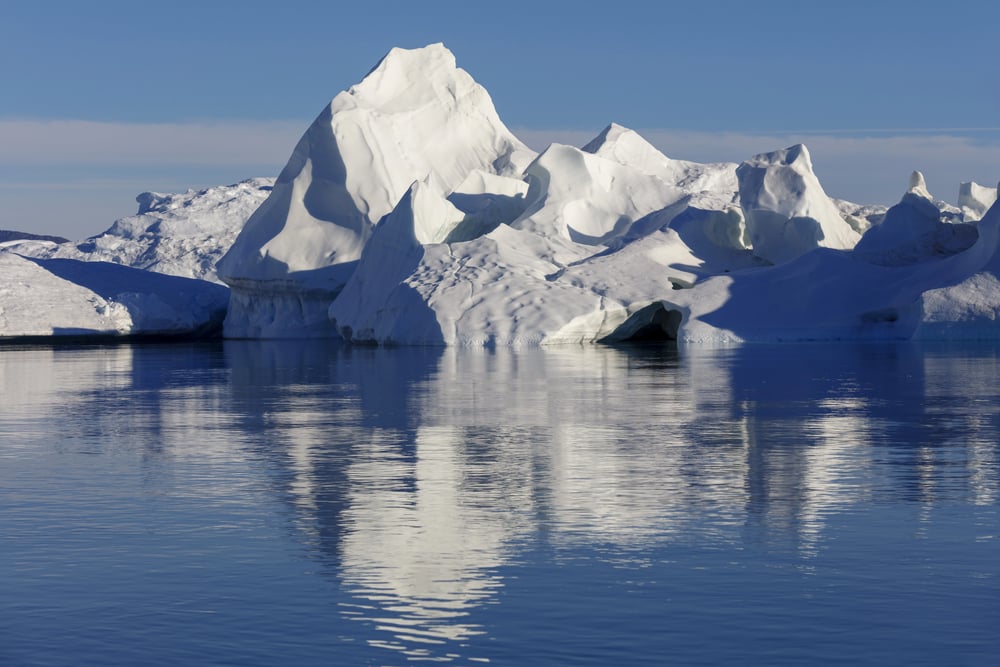
Laying the Depots Depot-laying is the unglamorous part nobody puts in the documentary, but it’s the part that actually won the race. Amundsen’s team spent months hauling supplies south in advance, marking each cache with black flags and bamboo poles so it could be found again under featureless white in a whiteout.
Scott’s depots, by comparison, were fewer and less generously stocked, which matters enormously when the difference between living and not living is a tin of food you can’t find. Planning ahead isn’t romantic. It just works.
The Real Departure
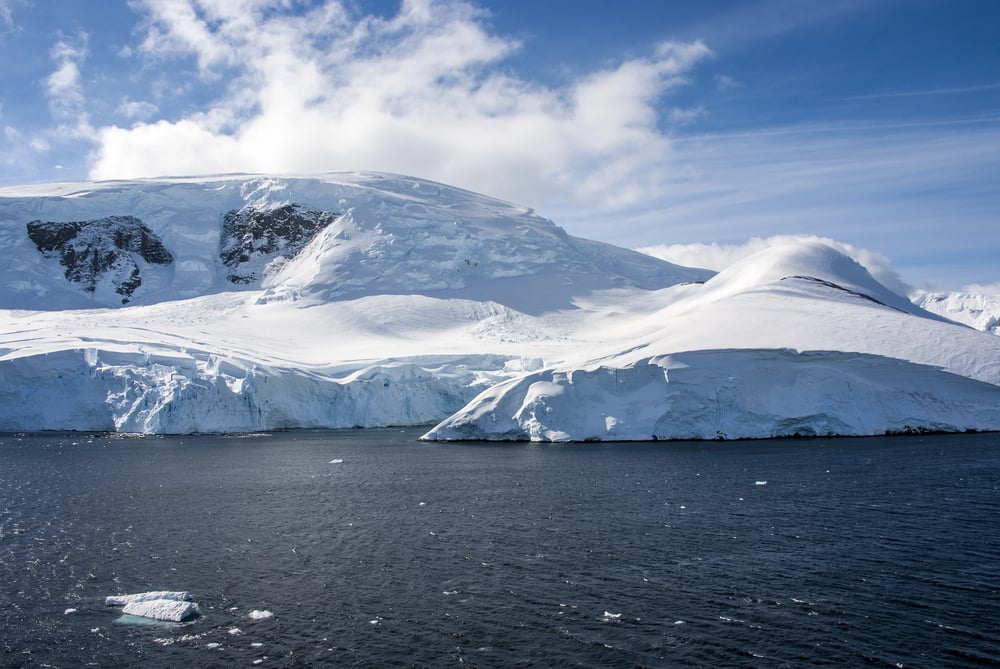
The Real Departure The real start came on October 19, 1911. Five men, four sledges, fifty-two dogs.
No fanfare, no send-off speech. Just a departure, logged plainly, the way Norwegians tend to log things.
Climbing the Axel Heiberg Glacier
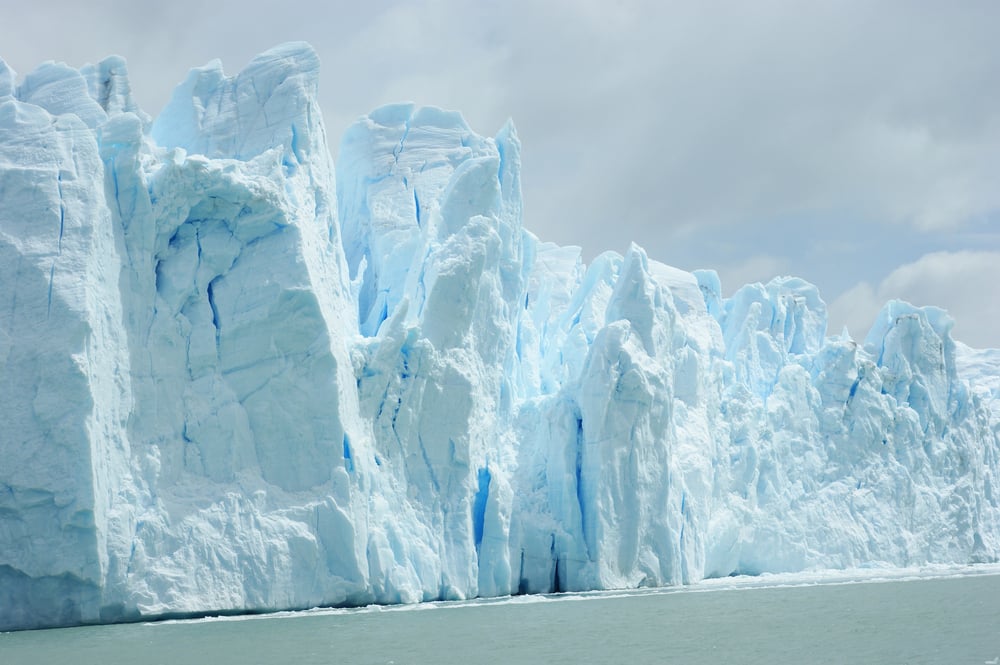
Climbing the Axel Heiberg Glacier Getting up onto the polar plateau meant finding a way through the Transantarctic Mountains, and the route Amundsen’s team found — a glacier they named Axel Heiberg, after one of the expedition’s financial backers — climbed something like 10,000 feet in just a few days, a brutal number even before factoring in dogs, sledges, and crevasses wide enough to swallow a man whole. Some of the dogs that had pulled them this far were shot here, at a spot the men later called the Butcher’s Shop (grim, but accurate), because feeding weaker dogs to stronger ones was cheaper than hauling extra food.
So the climb up was also, in a very literal sense, a culling. It’s the kind of detail that gets left out of the celebratory version of this story.
The Pole
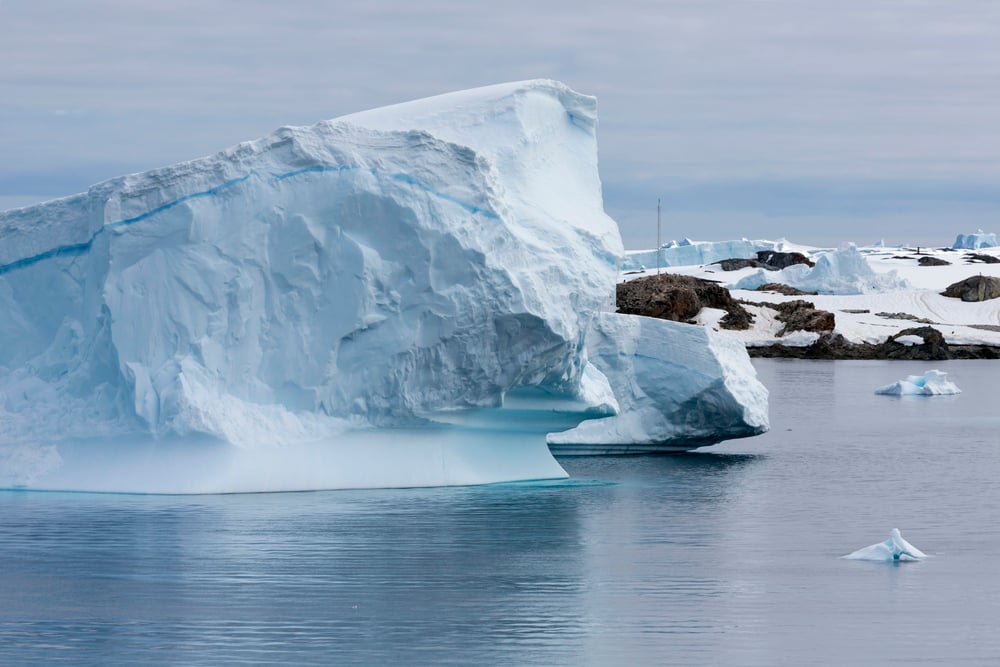
The Pole They reached the Pole on December 14, 1911, five men standing on a spot that looked exactly like every other spot for hundreds of miles in every direction, which is its own kind of strange victory. There was no mountain to summit, no landmark to point to, just a calculation confirmed by instruments and repeated observations until the men trusted the number enough to call it finished.
They planted a Norwegian flag and named the surrounding plateau after King Haakon VII, claiming a stretch of nothing in the name of somewhere very far away. Flat, white, silent — and somehow the most important patch of ground on the continent.
The Letter for Scott

The Letter for Scott Leaving a letter for Scott at the Pole was either gracious or needling, depending on how charitable you want to be. Amundsen left a note addressed to King Haakon VII along with a request that whoever found it — presumably Scott, since nobody else was in the running — deliver it back to Norway, just in case his own party didn’t make it home.
Some historians read it as good sportsmanship. Others read it as a Norwegian’s very polite way of saying he’d been there first, which, to be fair, he had.
The Return
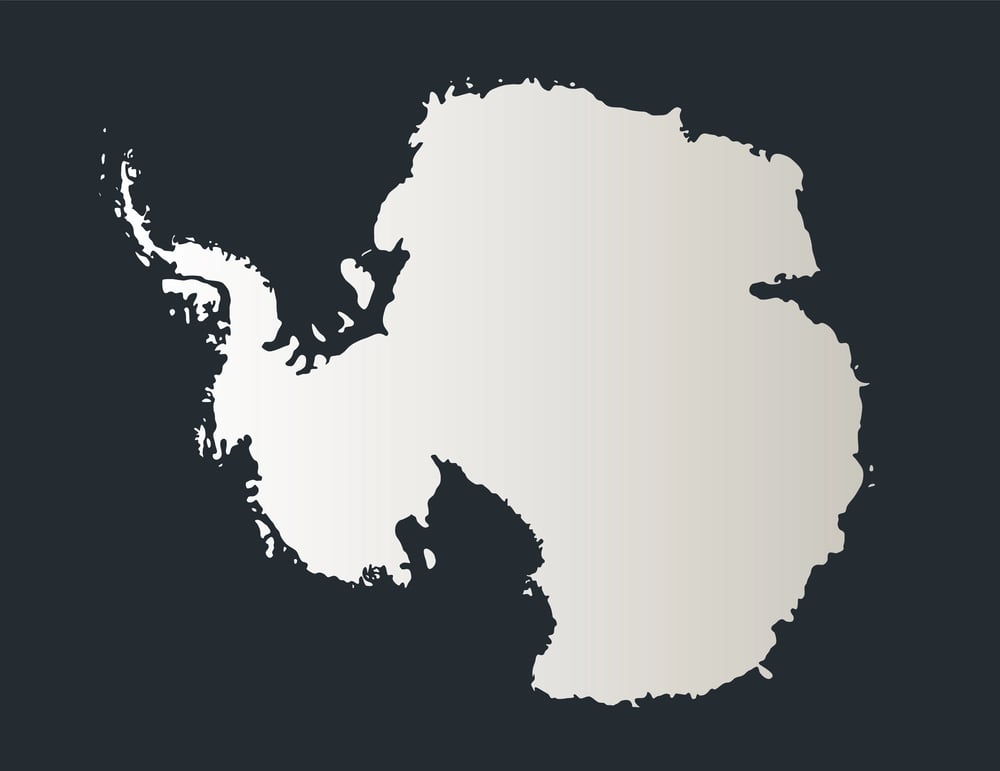
The Return The return trip went almost too smoothly. Ninety-nine days round trip, depots found every time, no one lost.
All five men walked back into Framheim on January 25, 1912, alive, fed, and mostly intact.
What Scott Was Doing
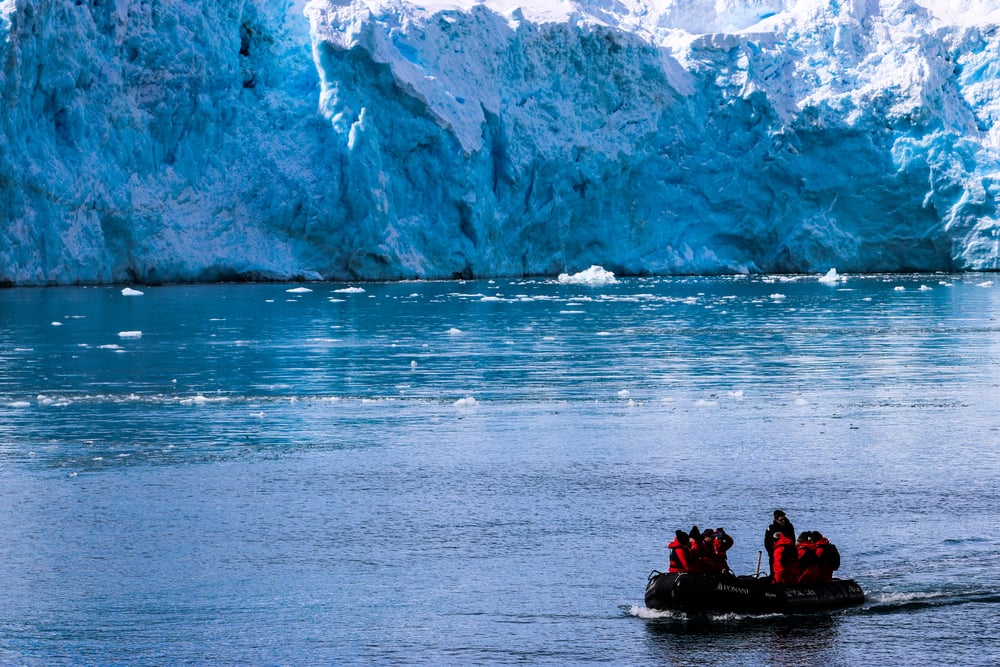
What Scott Was Doing Scott’s team reached the Pole a little over a month later, on January 17, and found Amundsen’s tent already standing there — flag snapping, letter waiting, the whole scene arranged like a door left open on purpose. What followed was one of the grimmer endings in exploration history: all five men died on the return journey, worn down by cold, hunger, and a run of bad luck that included a blizzard pinning down the last three survivors just eleven miles from a depot that would have saved them.
So the race wasn’t really close in the end, not in terms of who arrived first, but the tragedy of Scott’s death made his name the one most people still remember. And that’s its own strange kind of second-place victory.
The Price Paid in Dogs
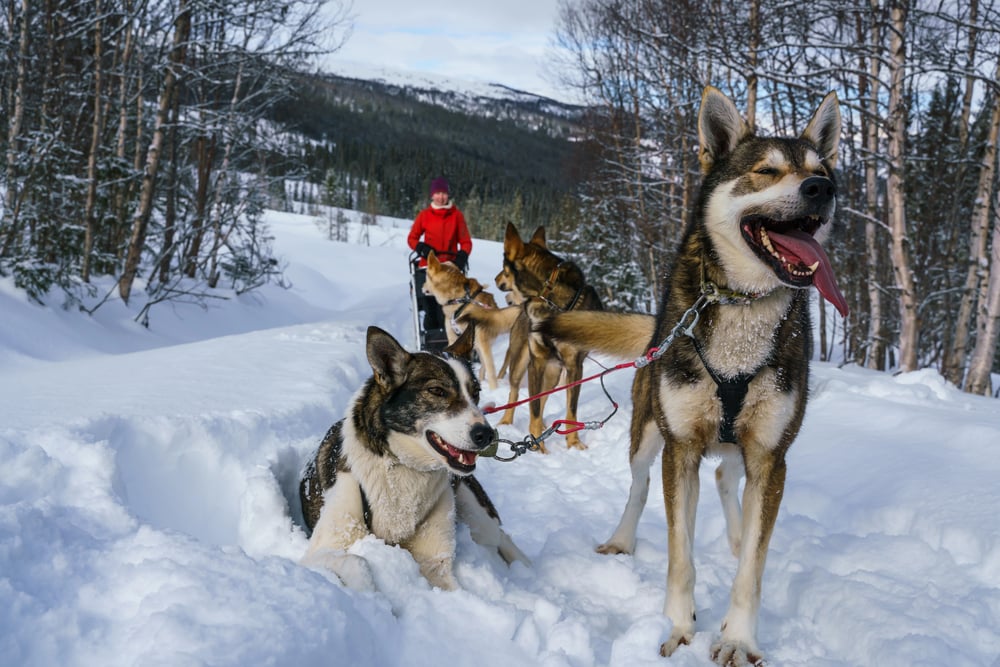
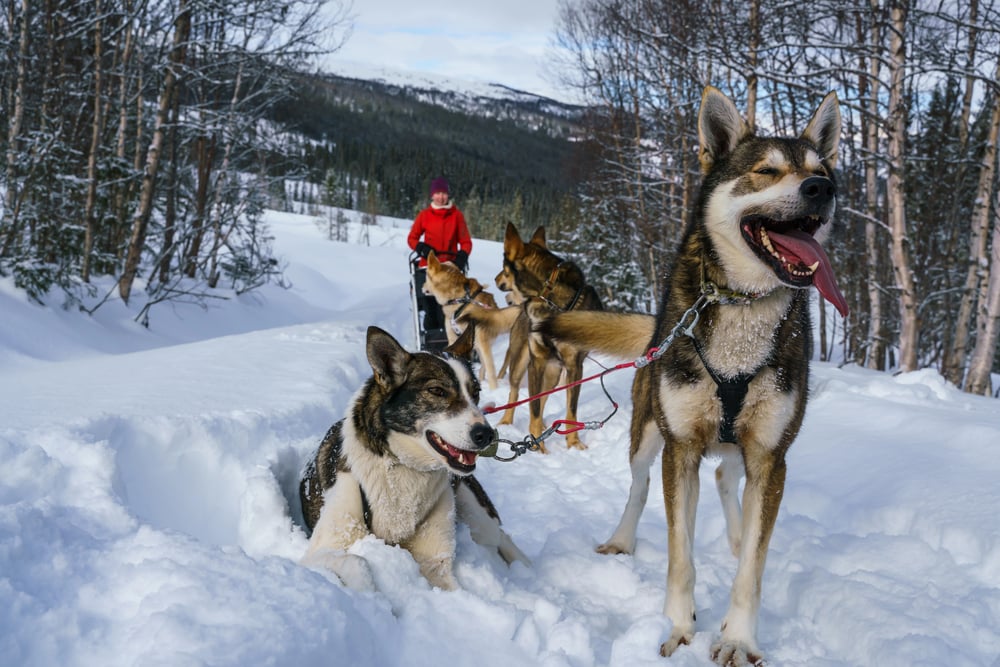
The Price Paid in Dogs Winning the way Amundsen won meant treating the dogs as fuel as much as companions, and the arithmetic was unsentimental from the very start. Of the fifty-two dogs that set out, only eleven came back, the rest shot along the route and fed to the ones still working, a decision made in advance rather than out of desperation.
It reads coldly on paper, and it was cold in practice too, though Amundsen defended it afterward as the only honest way to plan a trip where every extra pound of food carried was a pound a man had to haul himself. Efficiency, in Antarctica, rarely looks kind.
The Fame and the Backlash

The Fame and the Backlash Winning first didn’t mean winning the story, and Amundsen knew it. British newspapers picked apart his methods — the dogs, the secrecy, the practical, unromantic efficiency of the whole operation — as if succeeding cleanly was somehow less noble than dying slowly and well.
Amundsen felt the sting of it for the rest of his life, watching Scott get remembered as a hero while he got remembered as the man who’d merely arrived first. Which, in the strange scorekeeping of polar exploration, turns out to be its own kind of loss.
Amundsen’s Final Flight
Amundsen’s Final Flight Amundsen didn’t get a quiet retirement. In 1928, he flew north to search for Umberto Nobile, whose airship had crashed in the Arctic.
His plane vanished over the Barents Sea and was never properly recovered. The man who conquered the bottom of the world disappeared near the top of it.
The Weight of Arriving First
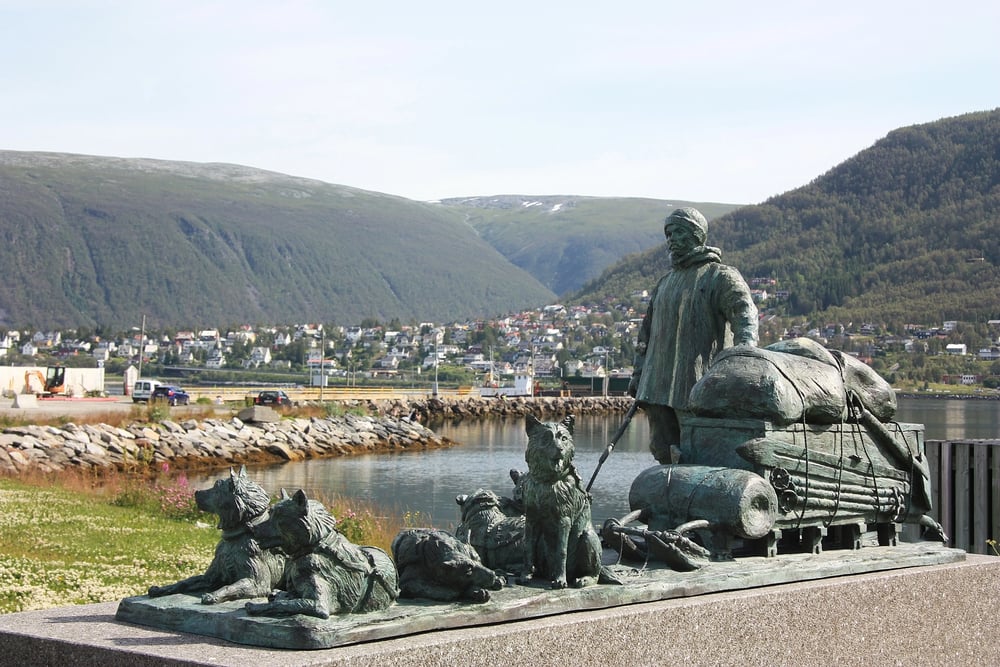
The Weight of Arriving First Amundsen got exactly what he set out for: the Pole, the record, the flag planted first. What he didn’t get was the softer kind of remembering that history sometimes hands out instead of facts — the kind Scott received in death, when a doomed march through blizzards turned into a story people wanted to tell their children for generations.
Efficiency doesn’t make for good legend. Suffering does, unfairly enough, and Amundsen spent the rest of his life watching that math play out in real time.
There’s a lesson in there somewhere about the difference between winning and being loved for it, though Amundsen himself probably would have just shrugged, checked his instruments, and pointed toward the next unclaimed stretch of ice.
More from Go2Tutors!

- The Romanov Crown Jewels and Their Tragic Fate
- 13 Historical Mysteries That Science Still Can’t Solve
- Famous Hoaxes That Fooled the World for Years
- 15 Child Stars with Tragic Adult Lives
- 16 Famous Jewelry Pieces in History
Like Go2Tutors’s content? Follow us on MSN.