16 Historical Speeches Rewritten Before Reaching Print
The version of a famous speech that ends up in textbooks is rarely the exact sequence of words that left the speaker’s mouth. Stenographers missed lines, aides polished drafts after the fact, newspapers cleaned up grammar, and sometimes the speaker themselves revised their own remarks for a more flattering historical record.
The gap between what was said and what was printed has shaped how history remembers some of its most quoted moments.
The Gettysburg Address and Its Five Competing Manuscripts

Abraham Lincoln’s 1863 Gettysburg Address exists today in five handwritten versions, each with slightly different wording, and none of them matches the newspaper transcriptions filed by reporters who heard it live. The most famous phrase, “of the people, by the people, for the people,” appears in slightly different forms across the drafts, and historians still debate which version, if any, matches Lincoln’s exact spoken words.
The version now inscribed at the Lincoln Memorial is a composite drawn largely from the later “Bliss copy,” written months after the speech was delivered.
Martin Luther King Jr.’s “I Have a Dream” and Its Unscripted Ending
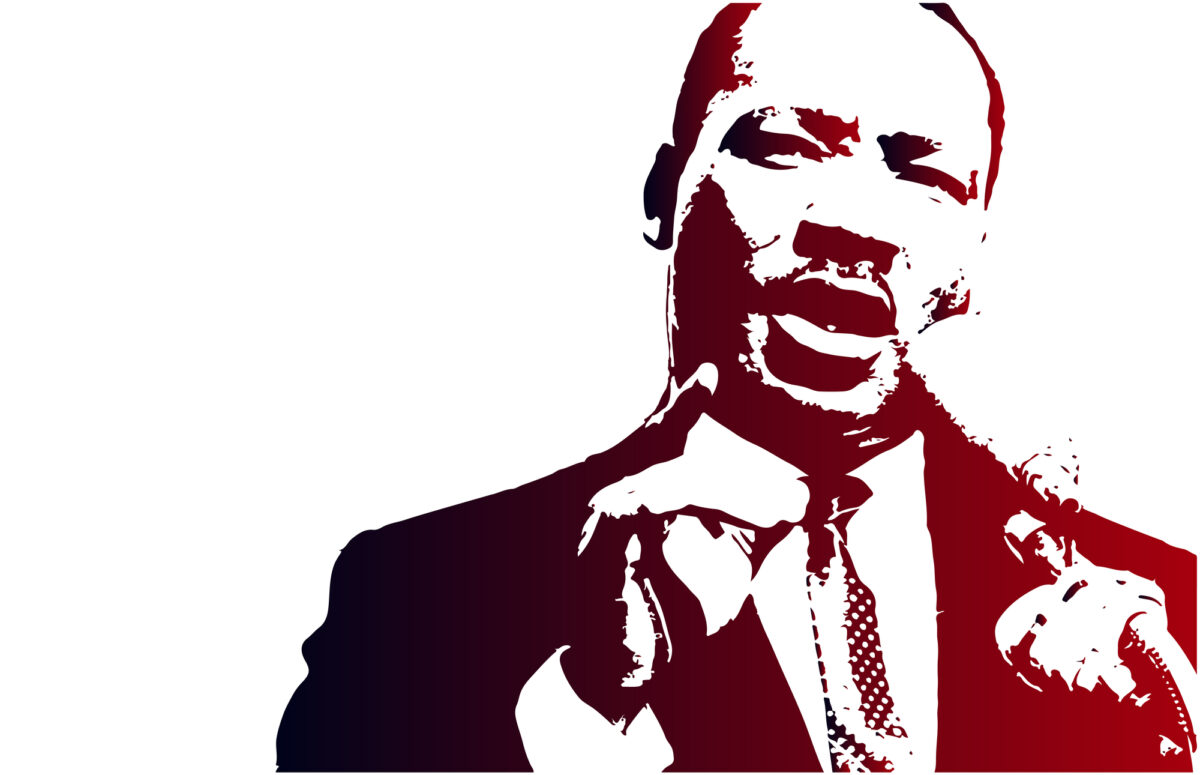
Martin Luther King Jr.’s prepared text for his 1963 March on Washington speech did not include the “I have a dream” refrain at all; he departed from his printed remarks midway through after gospel singer Mahalia Jackson, who was seated nearby, reportedly urged him to “tell them about the dream.”
The most quoted portion of one of the most famous speeches in American history was therefore improvised live and only reconstructed afterward from audio recordings for official publication.
Winston Churchill’s “We Shall Fight on the Beaches” and Parliamentary Reconstruction
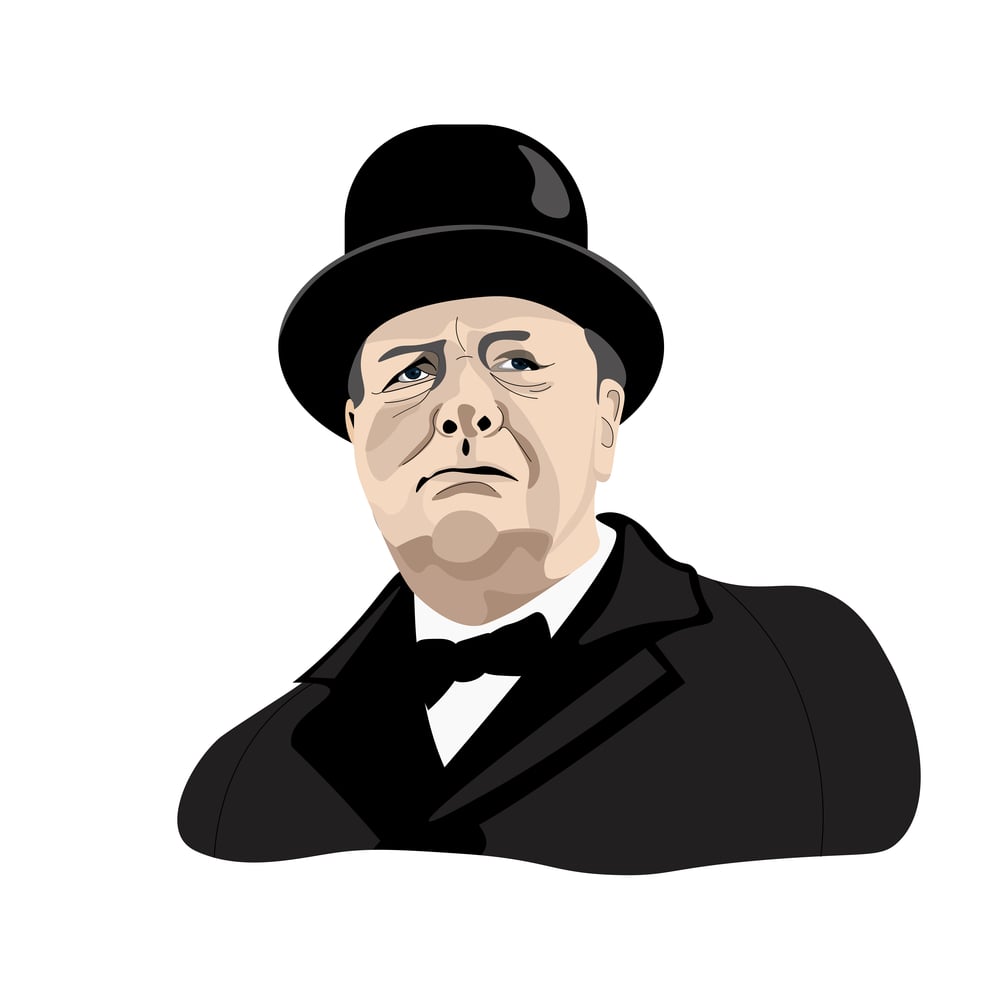
Winston Churchill’s June 1940 speech was delivered to the House of Commons, which at the time was not routinely recorded, so no complete audio of the original delivery exists. The widely circulated recording of Churchill’s voice reciting the speech was made years later, in 1949, specifically for a gramophone record, using a reconstructed script based on the Hansard parliamentary transcript rather than a live recording of the actual 1940 address.
Patrick Henry’s “Give Me Liberty” Speech and William Wirt’s Reconstruction
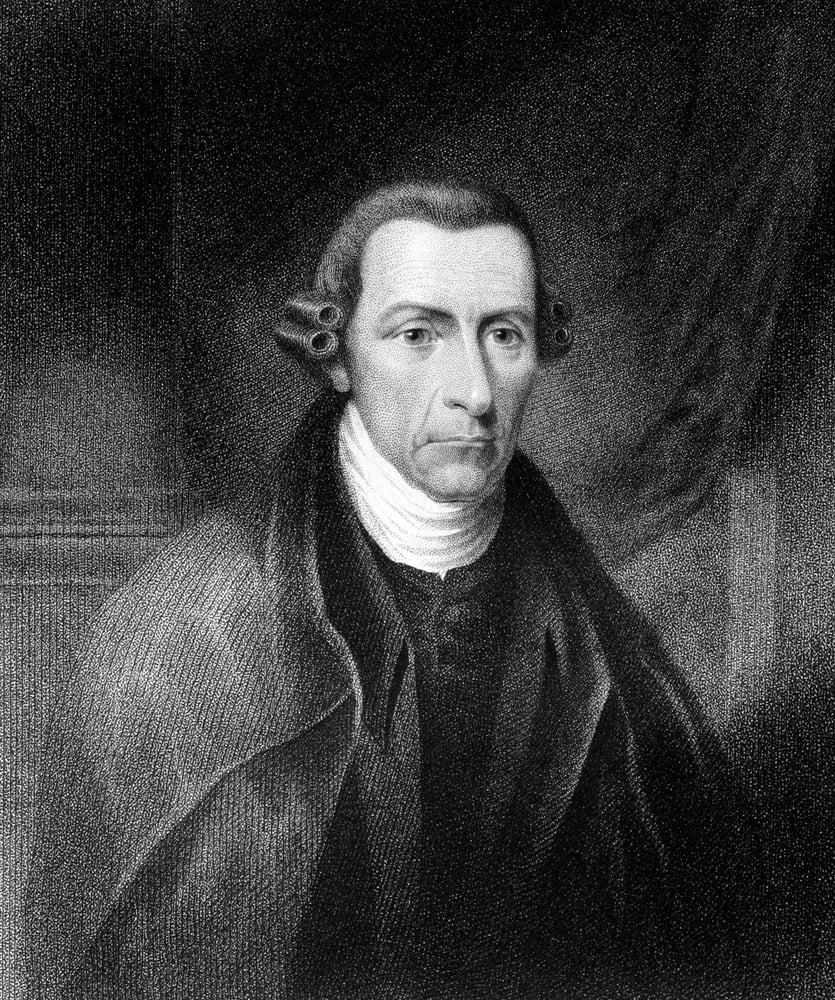
Patrick Henry’s 1775 “Give me liberty, or give me death” speech was not transcribed at the time it was delivered, since note-taking inside the Virginia convention was informal. The commonly quoted text was reconstructed nearly 50 years later by biographer William Wirt, based on the recollections of elderly witnesses, meaning the version read in classrooms today is closer to secondhand reconstruction than verified transcript.
Sojourner Truth’s “Ain’t I a Woman” and Its Disputed Dialect
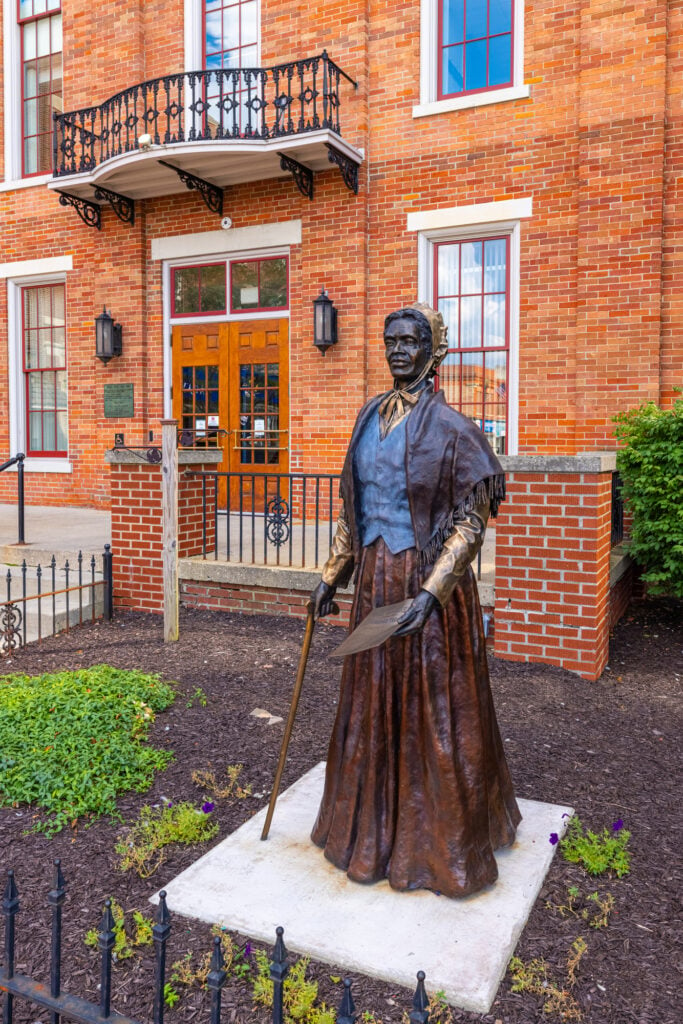
Sojourner Truth’s 1851 speech to the Ohio Women’s Rights Convention was first published in a relatively plain transcription shortly after delivery, but a more famous version, published 12 years later by abolitionist Frances Gage, added a Southern dialect and the now-iconic refrain “ain’t I a woman,” despite Truth having grown up speaking Dutch as a first language in New York and not a Southern dialect at all.
Historians widely regard the Gage version as significantly embellished.
Franklin D. Roosevelt’s “Day of Infamy” Speech and Its Draft Revisions
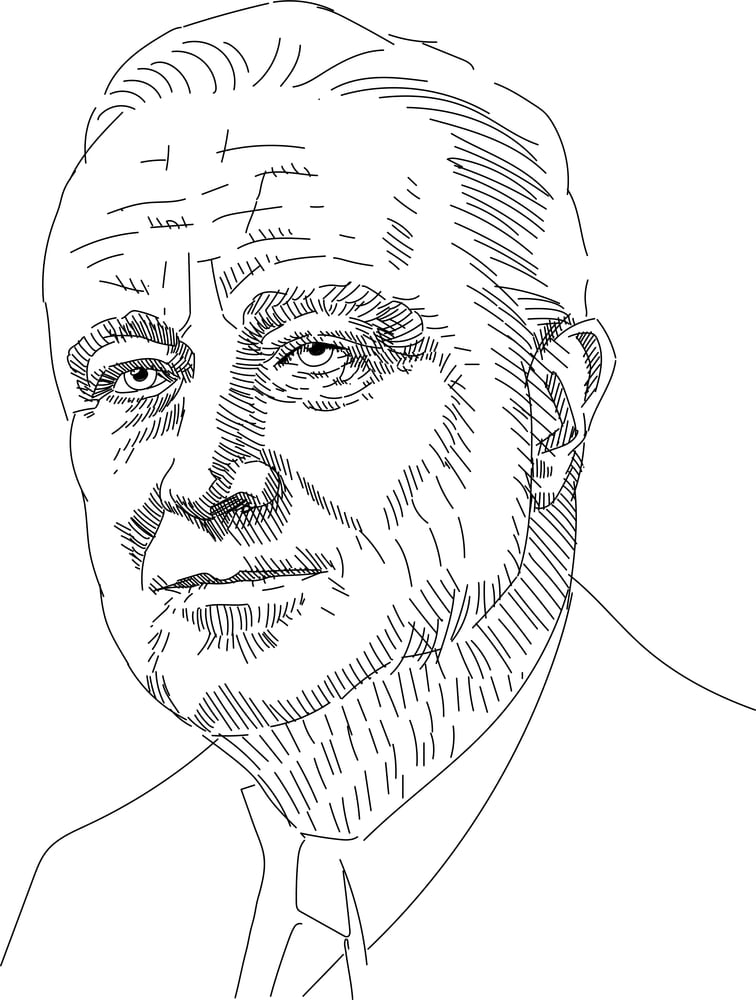
Franklin D. Roosevelt’s December 1941 address to Congress went through multiple drafts in the hours after the attack on Pearl Harbor, with Roosevelt personally striking his speechwriter’s more elaborate draft in favor of a shorter, blunter version. Surviving drafts held by the National Archives show Roosevelt crossing out “a date which will live in world history” and replacing it by hand with “a date which will live in infamy,” the phrase that became iconic.
Julius Caesar’s Senate Speeches and Their Later Literary Reconstruction

Ancient historians such as Suetonius and Cassius Dio recorded speeches attributed to Julius Caesar decades or even centuries after his death, working from secondhand accounts, court records, and literary convention rather than direct transcription, which was not standard practice for spoken oratory at the time.
Roman historiography routinely included invented or reconstructed speeches for major figures, a genre convention rather than a claim of verbatim accuracy, meaning many “quotes” from Caesar’s speeches reflect a historian’s reconstruction of what he likely would have said.
Chief Joseph’s “I Will Fight No More Forever” and Its Translation Journey
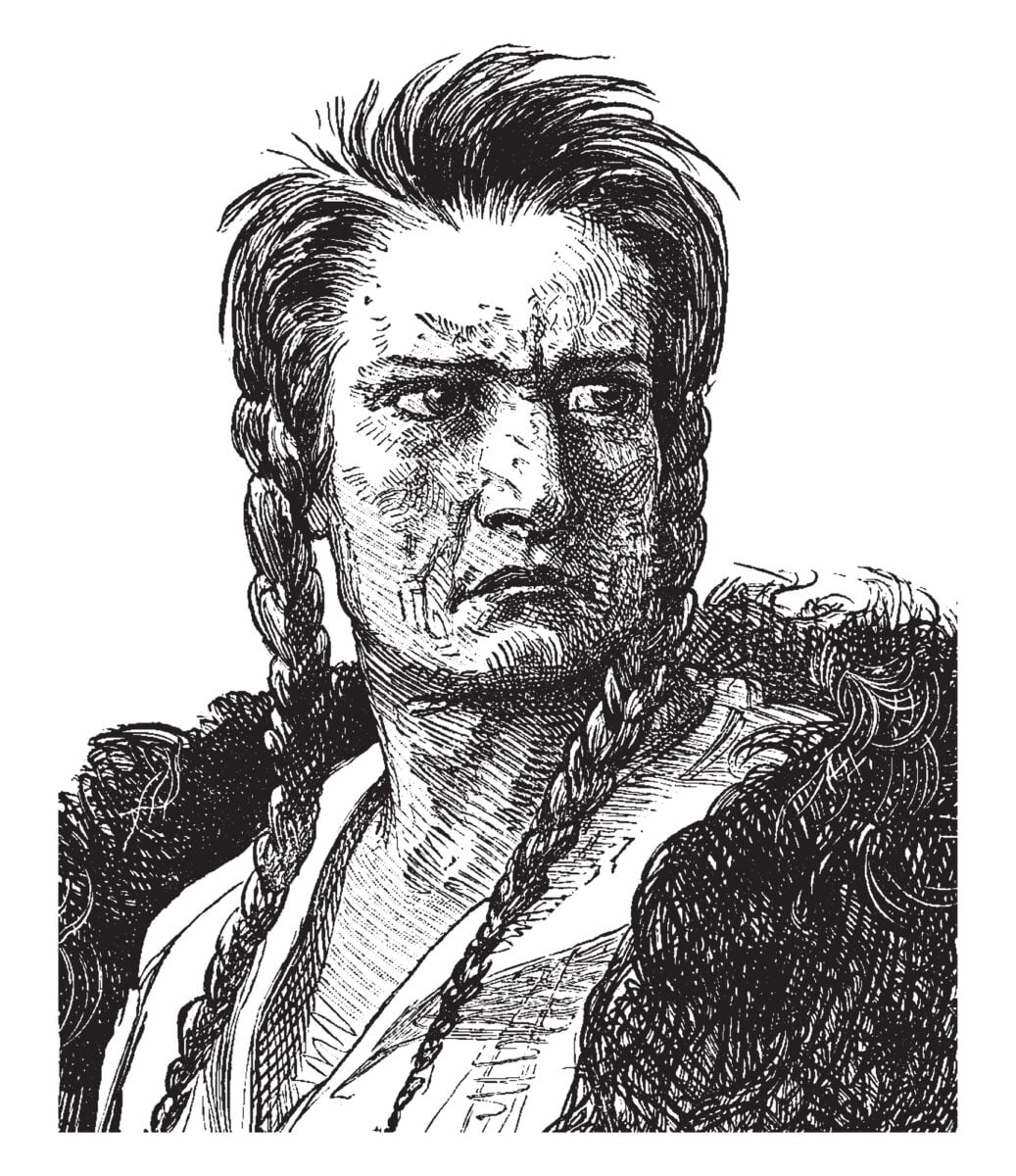
The Nez Perce leader Chief Joseph’s 1877 surrender speech was translated in real time by an army interpreter and later polished for publication by journalists, meaning the widely quoted English text passed through multiple layers of translation and editorial smoothing before reaching print.
Some historians argue the eloquence of the printed version reflects as much of the era’s romantic literary style as it does Chief Joseph’s original words.
Neil Armstrong’s Moon Landing Line and the Missing Article
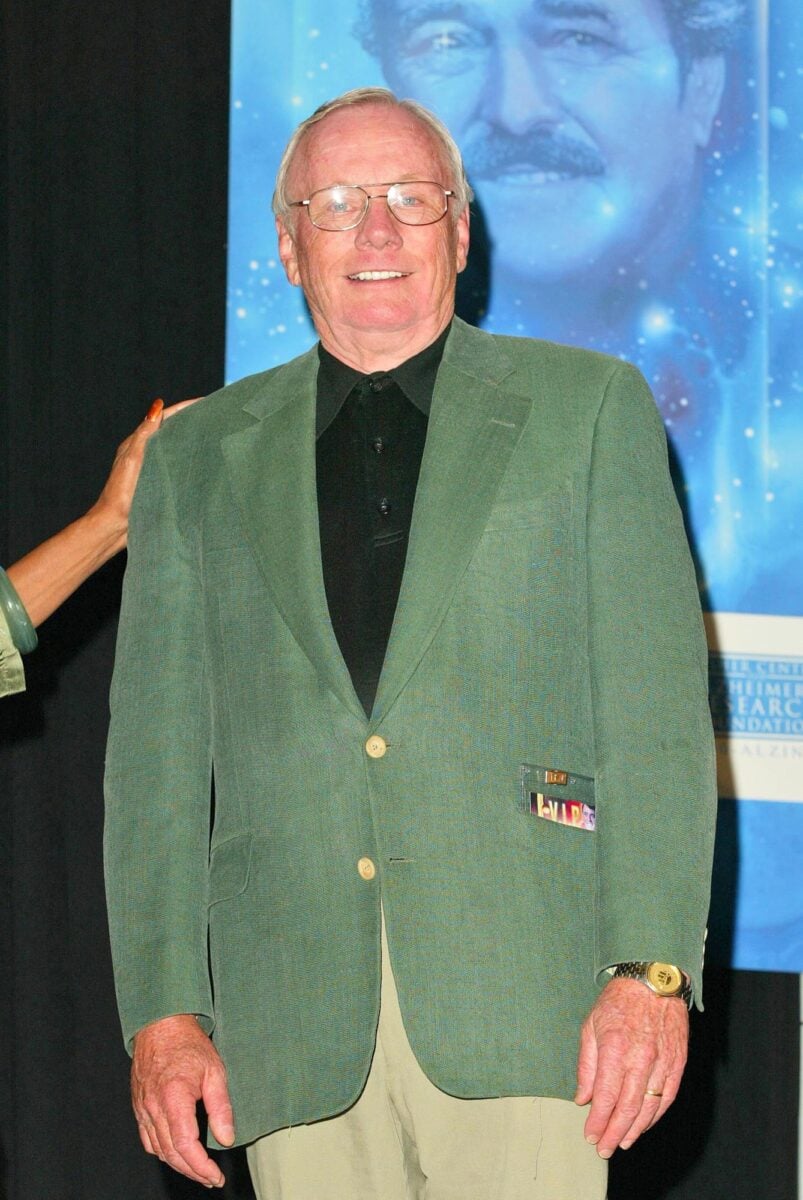
Neil Armstrong’s July 1969 line was transmitted and printed as “one small step for man, one giant leap for mankind,” but Armstrong maintained for the rest of his life that he had actually said “one small step for a man,” a word that would change the sentence’s meaning, and that static in the radio transmission likely swallowed the missing article.
Acoustic analysis of the original recording decades later found some evidence supporting his claim, though NASA’s official transcript still uses the more famous version.
Emmeline Pankhurst’s “Freedom or Death” Speech and Its American Press Edits
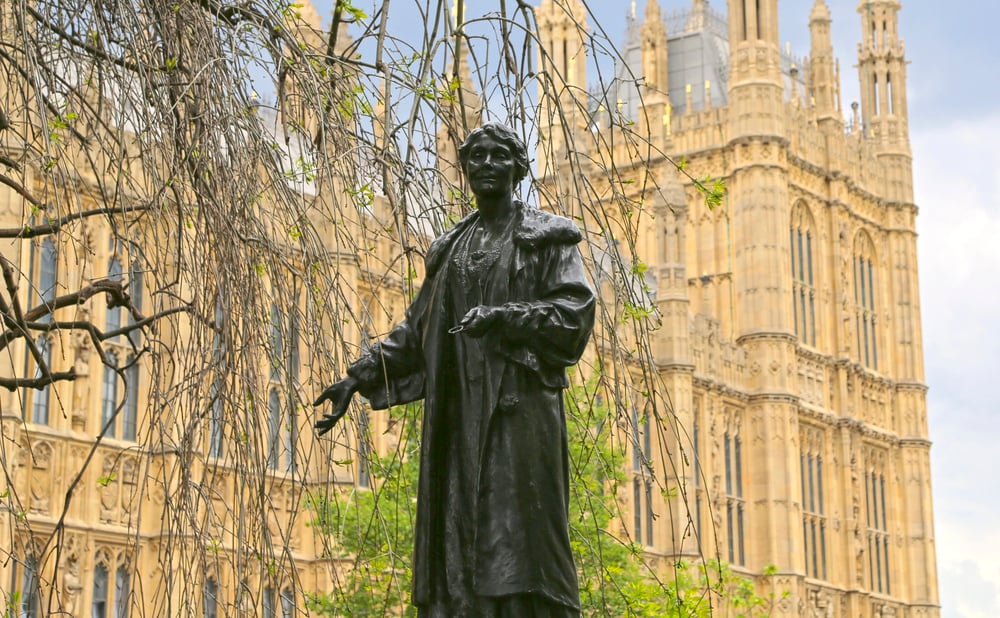
British suffragette Emmeline Pankhurst’s 1913 speech, delivered in Hartford, Connecticut, was covered by American newspapers that trimmed and rearranged sections for length and local readability before publication. The most reprinted excerpts, including the “freedom or death” framing, circulated in edited newspaper form for years before a more complete transcript was later assembled from multiple contemporary press accounts.
Susan B. Anthony’s “Is It a Crime” Speech and Its Multiple Circulated Texts
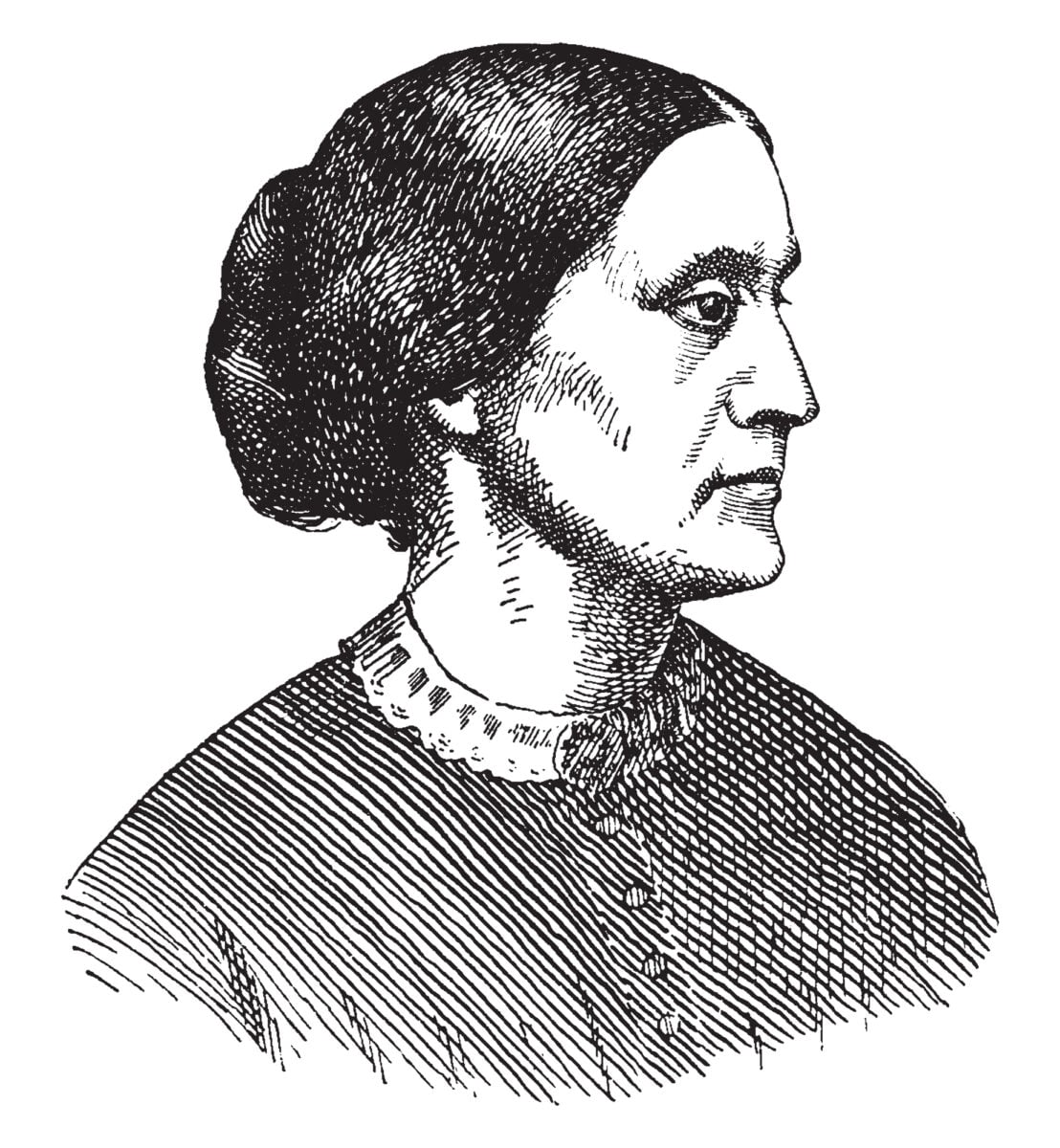
Susan B. Anthony delivered versions of her “Is it a crime for a citizen of the United States to vote?” speech dozens of times across New York in 1873 while campaigning ahead of her illegal-voting trial, adjusting the wording slightly at each stop. No single canonical transcript exists; the commonly printed version is a composite drawn from newspaper coverage and Anthony’s own later published collection of her speeches and trials.
Napoleon Bonaparte’s Farewell Address and Officer Reconstructions
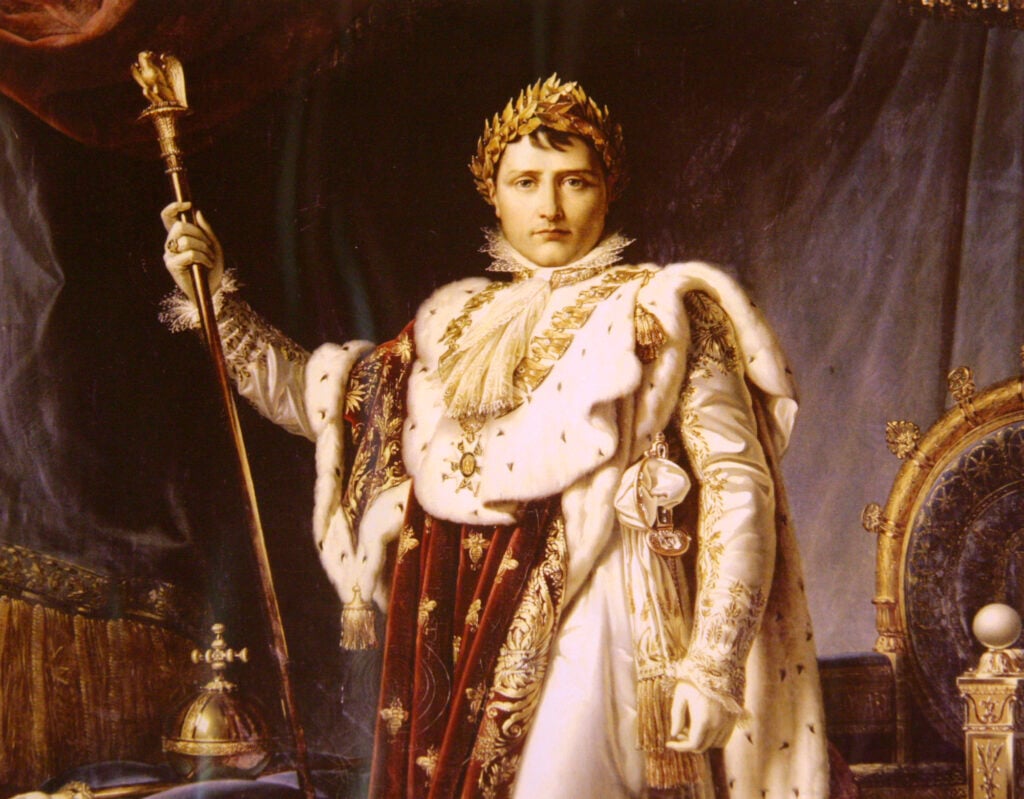
Napoleon’s April 1814 farewell speech to the Old Guard at Fontainebleau was recorded only through the memories of officers present, none of whom took contemporaneous shorthand notes, resulting in several differing published versions across French memoirs and later histories. Some accounts have Napoleon requesting to kiss the regimental eagle standard; others omit the detail entirely, illustrating how eyewitness reconstruction can produce genuinely different “final” texts of the same speech.
Queen Elizabeth I’s Tilbury Speech and Its Delayed Publication
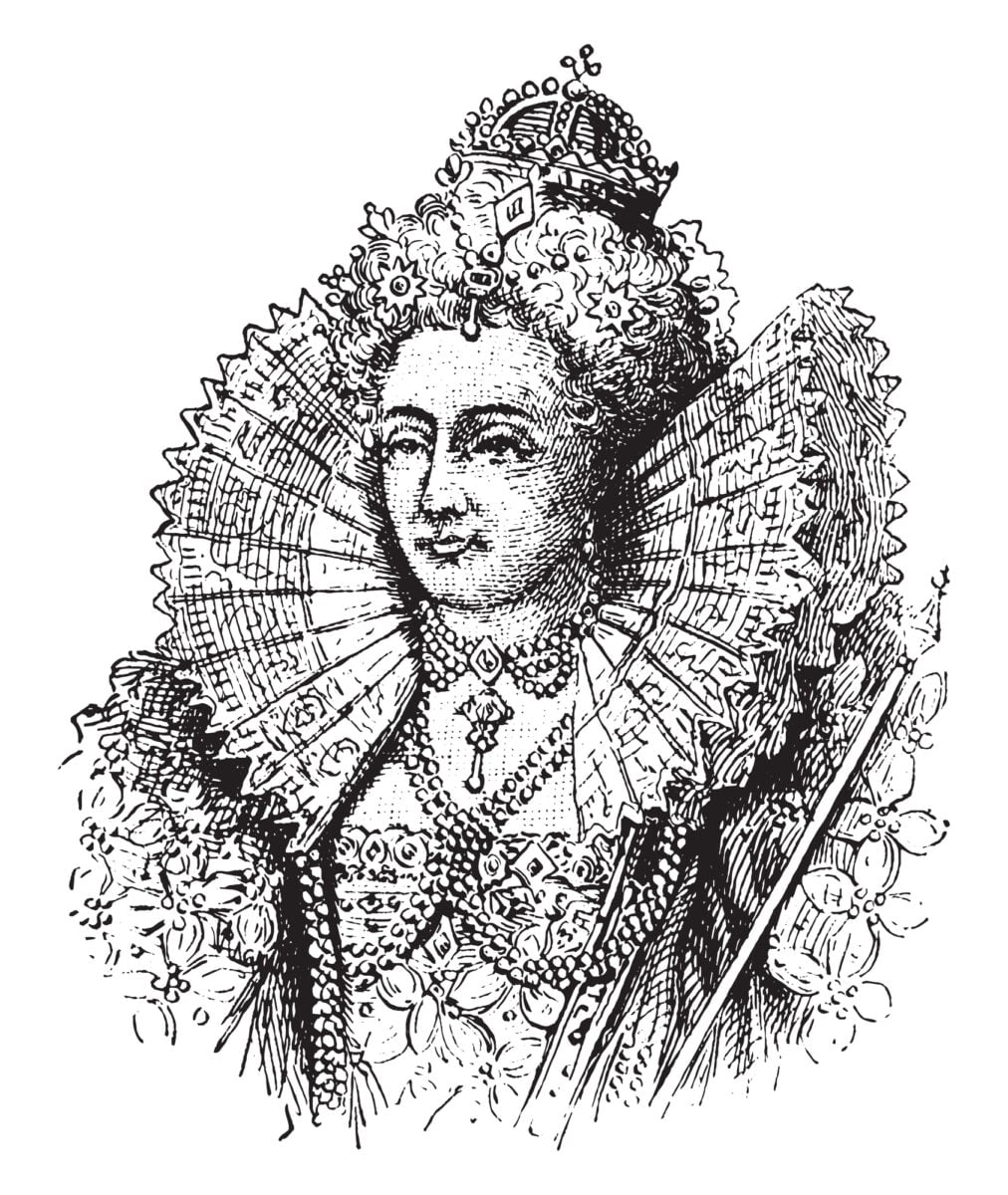
Queen Elizabeth I’s 1588 speech to troops at Tilbury, delivered ahead of the expected Spanish Armada invasion, was not published in its now-famous form until decades after her death, appearing in a 1654 letter recalling the event from memory. No contemporary 1588 transcript survives, meaning the widely quoted line about having “the heart and stomach of a king” comes from a secondhand recollection written well after the fact.
Frederick Douglass’s “What to the Slave Is the Fourth of July” and Newspaper Serialization
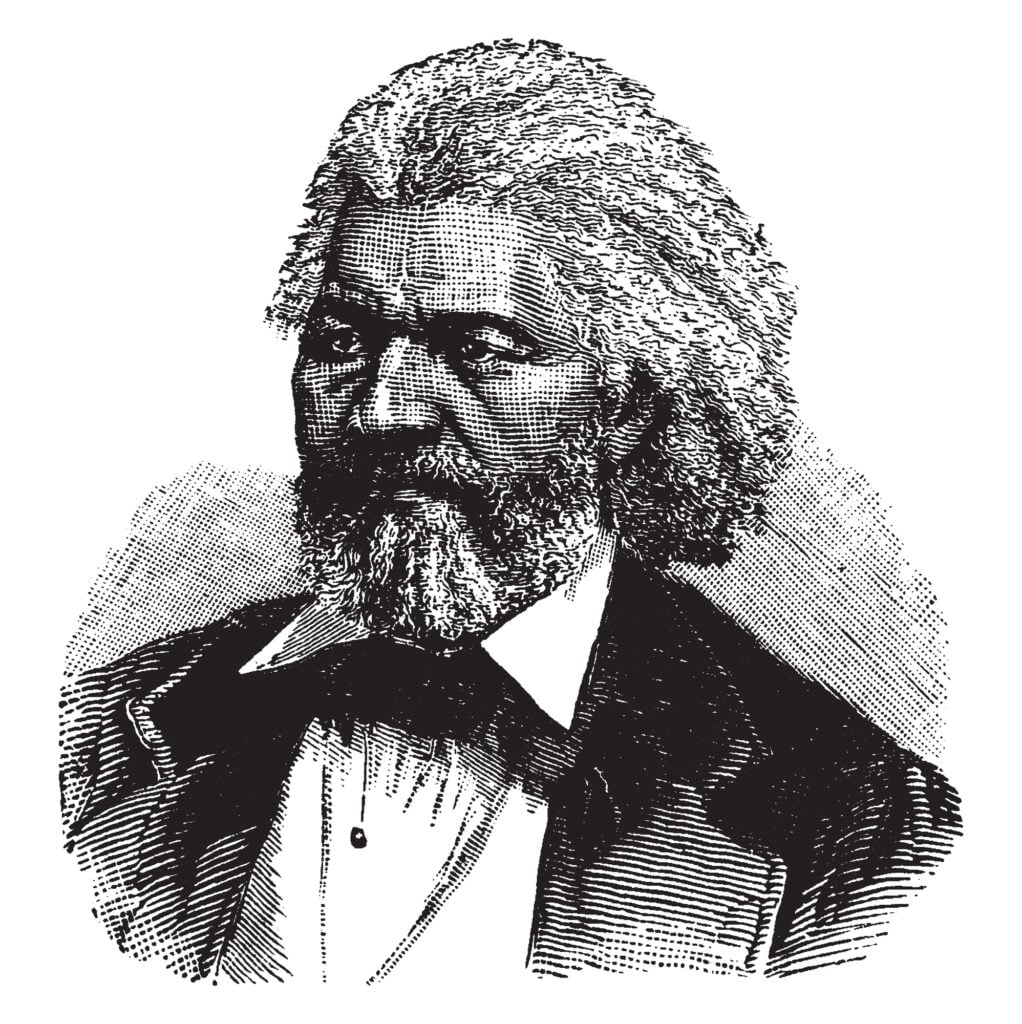
Frederick Douglass’s 1852 Rochester address was originally delivered as a single lengthy oration but reached most readers only through newspaper serialization in his own publication, The North Star, which broke the speech into installments and lightly edited passages for print readability. The complete, unedited version most commonly read today was reassembled later from his surviving printed pamphlet rather than a live transcript.
Mahatma Gandhi’s “Quit India” Speech and Its Reconstructed English Translation

Gandhi delivered his August 1942 “Quit India” speech partly in Hindustani, and the widely circulated English version was compiled afterward from journalist notes and Gandhi’s own later recollections rather than a single verified transcript, since British colonial authorities had disrupted press coverage and arrested Congress leaders shortly after the speech concluded. Multiple slightly different English renderings have circulated in Indian historical archives since.
Theodore Roosevelt’s Post-Shooting Speech and the Blood-Stained Draft
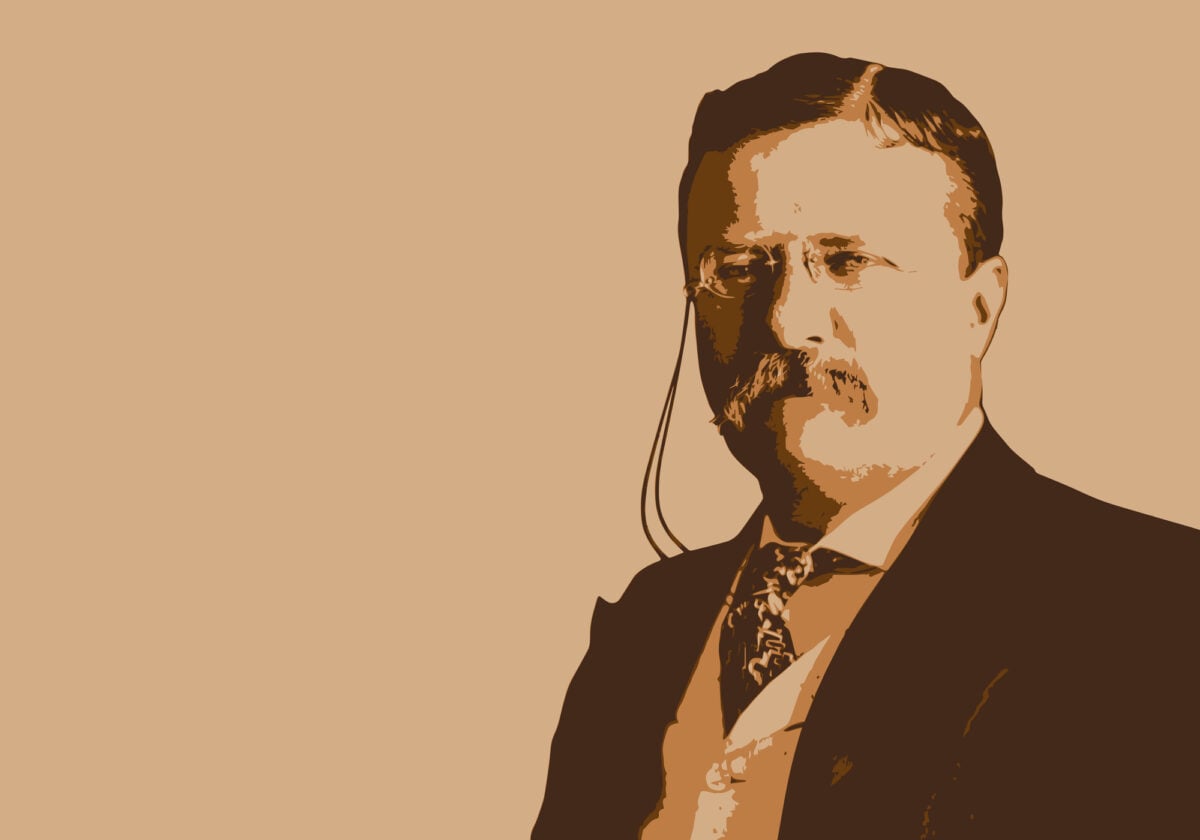
Theodore Roosevelt was shot in the chest during the 1912 campaign shortly before delivering a scheduled speech in Milwaukee and insisted on giving the address anyway, folded manuscript still in his jacket pocket where it had partly absorbed the bullet’s impact. The surviving draft, now held by the Library of Congress, still bears the mark where the bullet tore through the folded pages, and the version later published for wider circulation smoothed over the improvised, breathless delivery Roosevelt gave while wounded on stage.
What Gets Lost Between the Podium and the Page
Nearly every speech on this list became more famous, more quotable, and more polished the further it traveled from the moment it was actually spoken. Translators, stenographers, editors, and the speakers themselves all had a hand in shaping the version that eventually stuck, often for perfectly practical reasons: missed words, disrupted press coverage, or a simple editorial preference for a cleaner line.
The result is that some of history’s most iconic phrases are, strictly speaking, collaborative reconstructions rather than verbatim records. That does not make them less meaningful, but it is worth remembering that the “exact words” quoted in textbooks are frequently closer to a best available approximation than a transcript.
More from Go2Tutors!

- The Romanov Crown Jewels and Their Tragic Fate
- 13 Historical Mysteries That Science Still Can’t Solve
- Famous Hoaxes That Fooled the World for Years
- 15 Child Stars with Tragic Adult Lives
- 16 Famous Jewelry Pieces in History
Like Go2Tutors’s content? Follow us on MSN.