How Embarkation Day Goes Wrong and What Veteran Cruisers Do Instead
There’s a particular kind of chaos that greets first-time cruisers at the port — a sprawling, sun-baked maze of luggage carts, shuttle buses, security lines, and thousands of strangers who all apparently had the same idea about what time to arrive. It feels manageable on paper. It rarely is in practice.
The brochure version of embarkation day is a smooth montage of rolling suitcases and champagne at sea. The real version involves standing in a queue for ninety minutes wondering if you packed your passport in the bag you just handed to a stranger.
Veteran cruisers have been through this enough times to know exactly where the wheels come off — and they’ve quietly built a different playbook.
Arriving at the Wrong Time

Noon is a trap. Every first-timer assumes that if boarding starts at noon, showing up at noon is fine — and so does everyone else on the ship, which is how you end up in a line that snakes through a parking garage. Experienced cruisers either arrive before 10:30 a.m., when the terminal is thin and the staff are still fresh, or they push arrival to 2:30 p.m. or later when the rush has already cleared and boarding is effortless.
There is no prize for arriving exactly when the masses do.
Skipping the Pre-Registration Window

Online check-in closes for a reason — the cruise line is trying to save you from yourself. Veterans complete every form, upload every document, and select every boarding time slot the moment the check-in window opens, which is typically 90 days out for major lines like Carnival and Royal Caribbean.
Show up without completing that process and you’re rerouted to a separate, slower counter that moves at the pace of a DMV on a holiday weekend.
The Luggage Hand-Off Misunderstanding
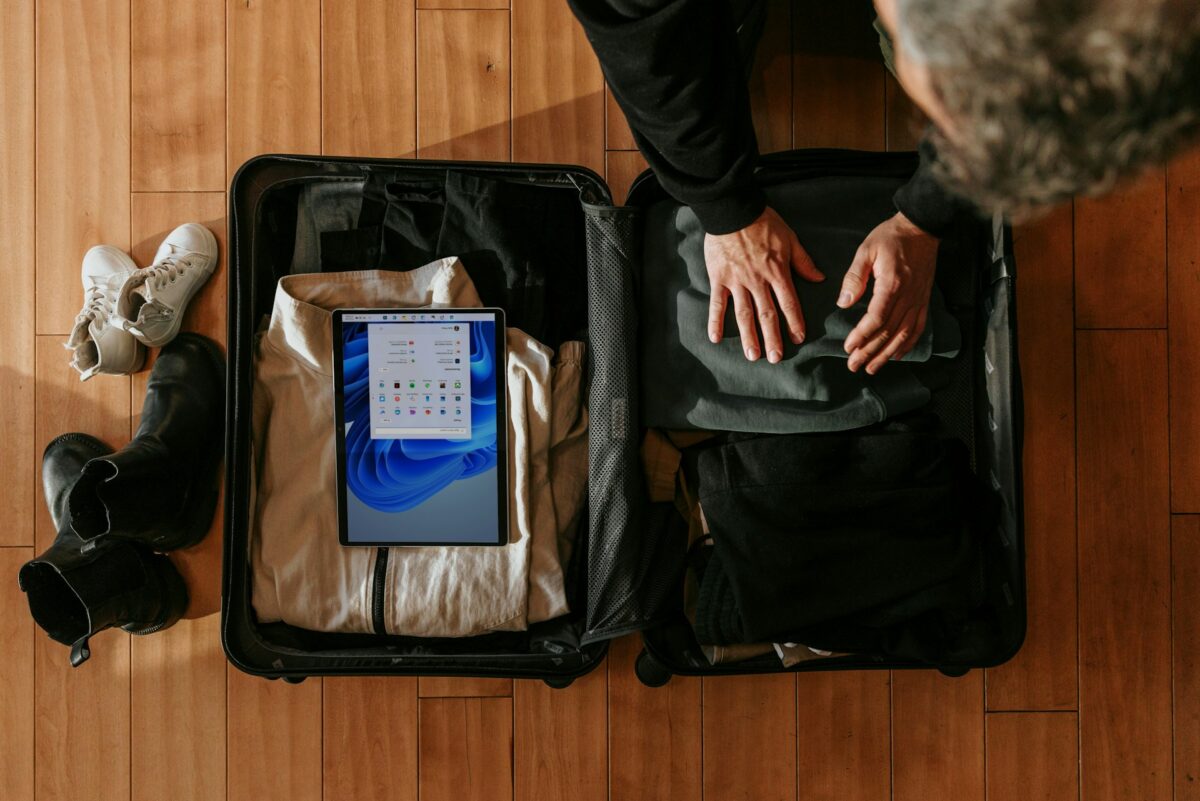
There’s something almost theatrical about watching a first-time cruiser realize that the bag they handed to a porter at the curb won’t arrive in their cabin until late afternoon — sometimes after dinner. It’s like giving someone a gift and watching the anticipation drain from their face in real time.
Experienced cruisers pack a carry-on with everything they’ll need for the first six hours: swimsuit, medication, travel documents, phone charger, and a change of clothes. The checked luggage becomes irrelevant until it shows up.
Eating at the Main Dining Room on Day One
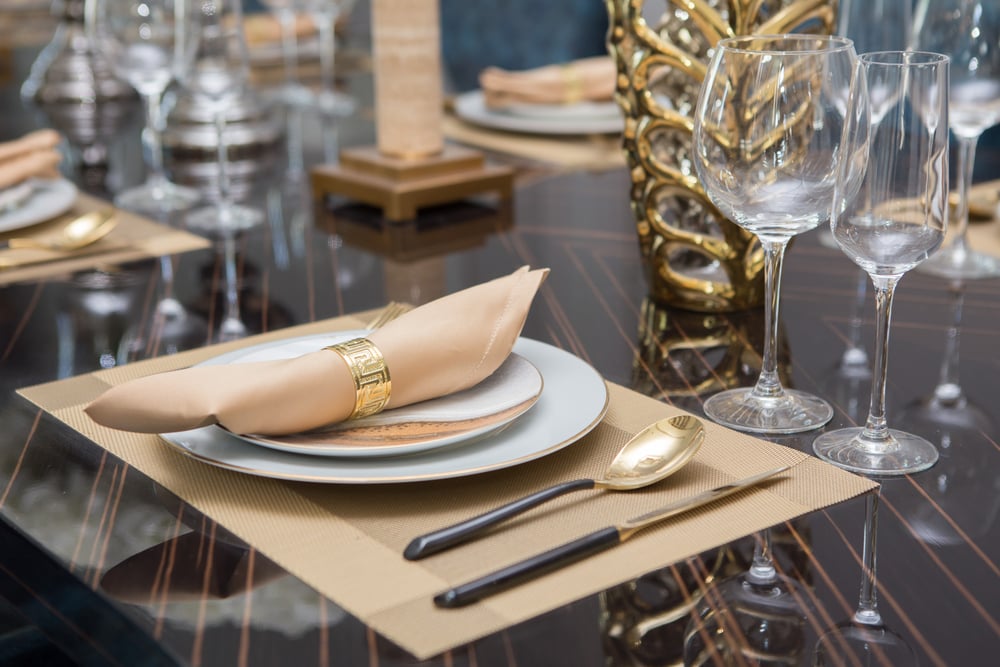
The main dining room at lunch on embarkation day is a performance in barely-controlled disorder — not enough staff on their feet yet, kitchens still finding their rhythm, and a dining room filling faster than the servers can manage. Veteran cruisers go straight to the buffet, which is always open, always abundant, and staffed for exactly the volume of people who show up hungry after a morning of travel.
It’s not glamorous, but it works, and that distinction matters more on day one than it sounds.
Ignoring the Muster Drill Timing
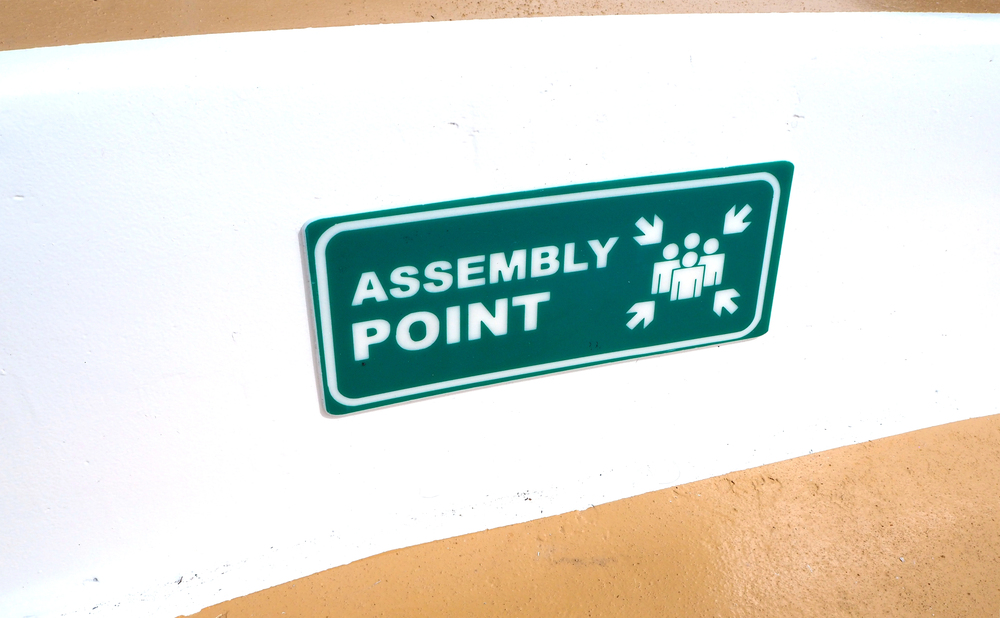
Muster drills — the mandatory safety briefings required by maritime law — used to mean standing on deck in the sun for forty-five minutes. Since the industry shifted to e-muster formats post-2020, most major lines now let you complete the safety video portion on the app before the ship departs, which most first-timers don’t realize.
Experienced cruisers finish the digital component within the first hour of boarding and check in at their muster station quickly, freeing the rest of the afternoon for something other than standing in a crowd watching a life jacket demonstration for the third time.
Fighting for the Same Pool Chair as Everyone Else
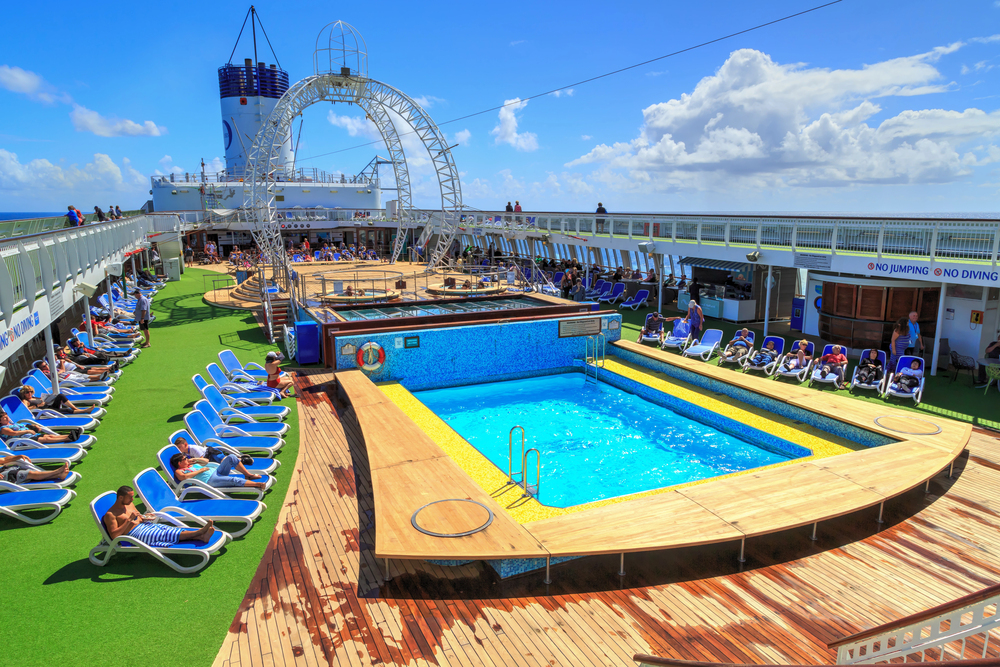
The pool deck on embarkation afternoon is the least relaxing place on the ship — packed, loud, and operating without the full bar staff that will be in place by day two. Seasoned cruisers tend to use embarkation afternoons to walk the ship methodically: finding the back staircases, locating the specialty restaurants, figuring out which deck has the quieter lounge chairs, and getting oriented before the crowds lock into routines.
The pool will be there tomorrow. The empty ship won’t.
Missing the Specialty Restaurant Booking Window

Specialty dining on popular ships — the steakhouse, the sushi bar, the Chef’s Table — books out fast, and the window to reserve opens on embarkation day, sometimes as early as when you board. First-timers who spend embarkation afternoons unpacking and relaxing find that by dinnertime, the only available reservations are on the last night of the cruise, when everyone’s packing.
Veteran cruisers head to the dining desk or open the cruise line’s app within the first thirty minutes onboard and lock down the nights they actually want.
Drinking the Embarkation Day Drinks Too Early
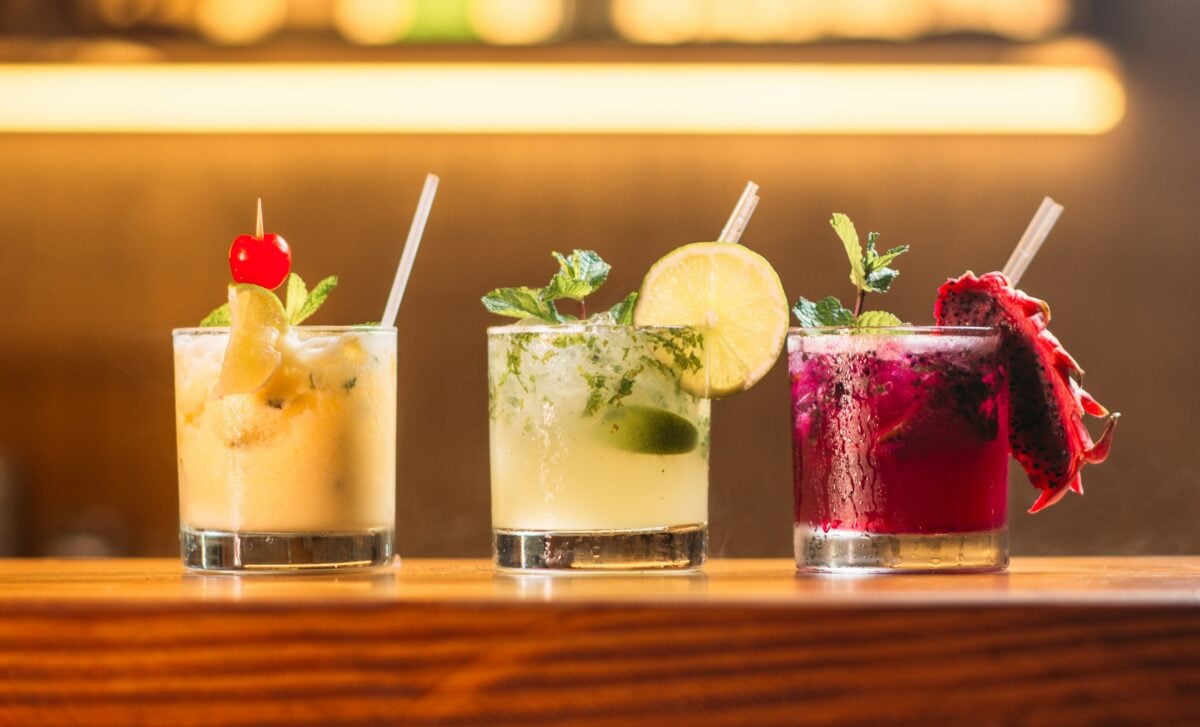
This one corrects people gently but without mercy: the drinks are strong, the sun is hot, you haven’t eaten a real meal since 7 a.m., and you’re about to spend four hours on your feet navigating a new ship. First-timers who start aggressively at the sail-away party occasionally don’t make it to dinner — or make it to dinner in a condition that’s memorable for the wrong reasons.
Veteran cruisers pace themselves and treat embarkation day more like a travel day than a vacation day, because that’s exactly what it is.
Not Activating the Drink Package on Day One
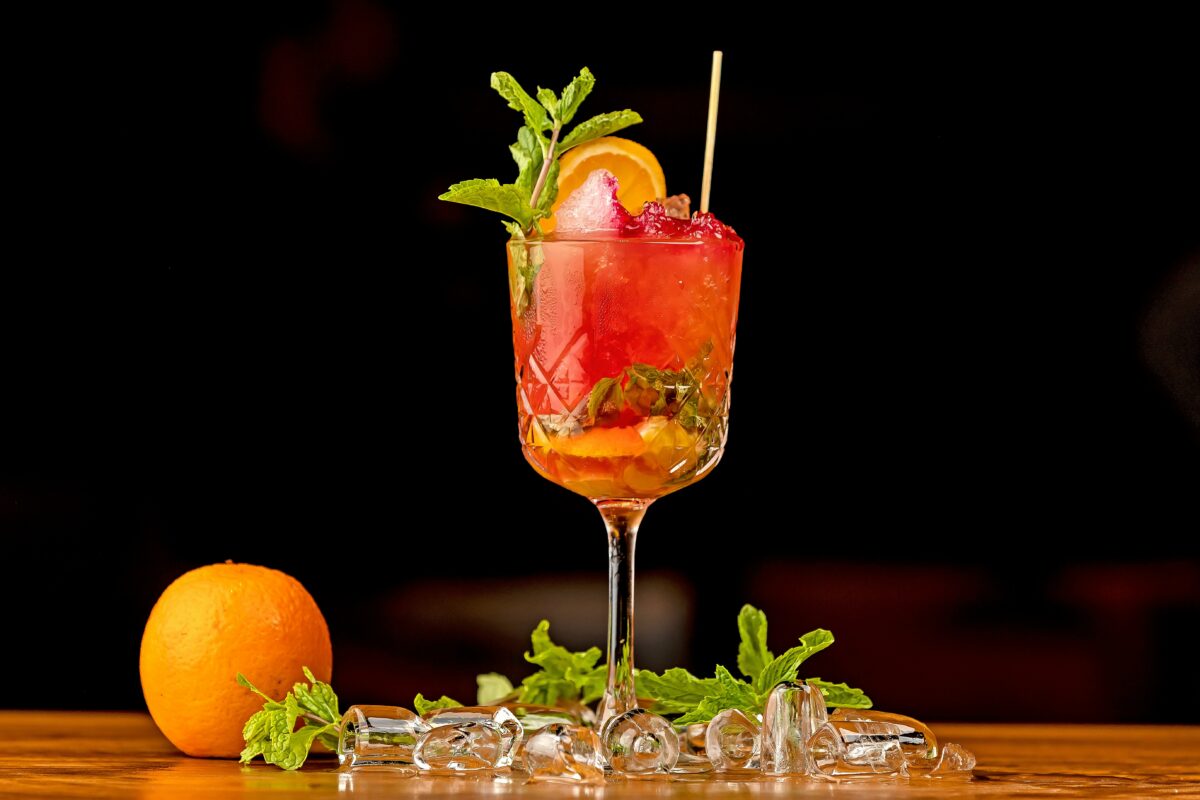
If you purchased a drink package — and on lines like Norwegian or Celebrity, this is often included in the fare — it needs to be activated at guest services or through the app on day one. Some first-timers assume it’s automatic and discover mid-afternoon that every drink is being charged individually.
Veteran cruisers confirm their package is active before they order the first drink, which takes about three minutes and saves the kind of billing dispute that shouldn’t exist on a vacation.
Skipping the Ship Map Entirely
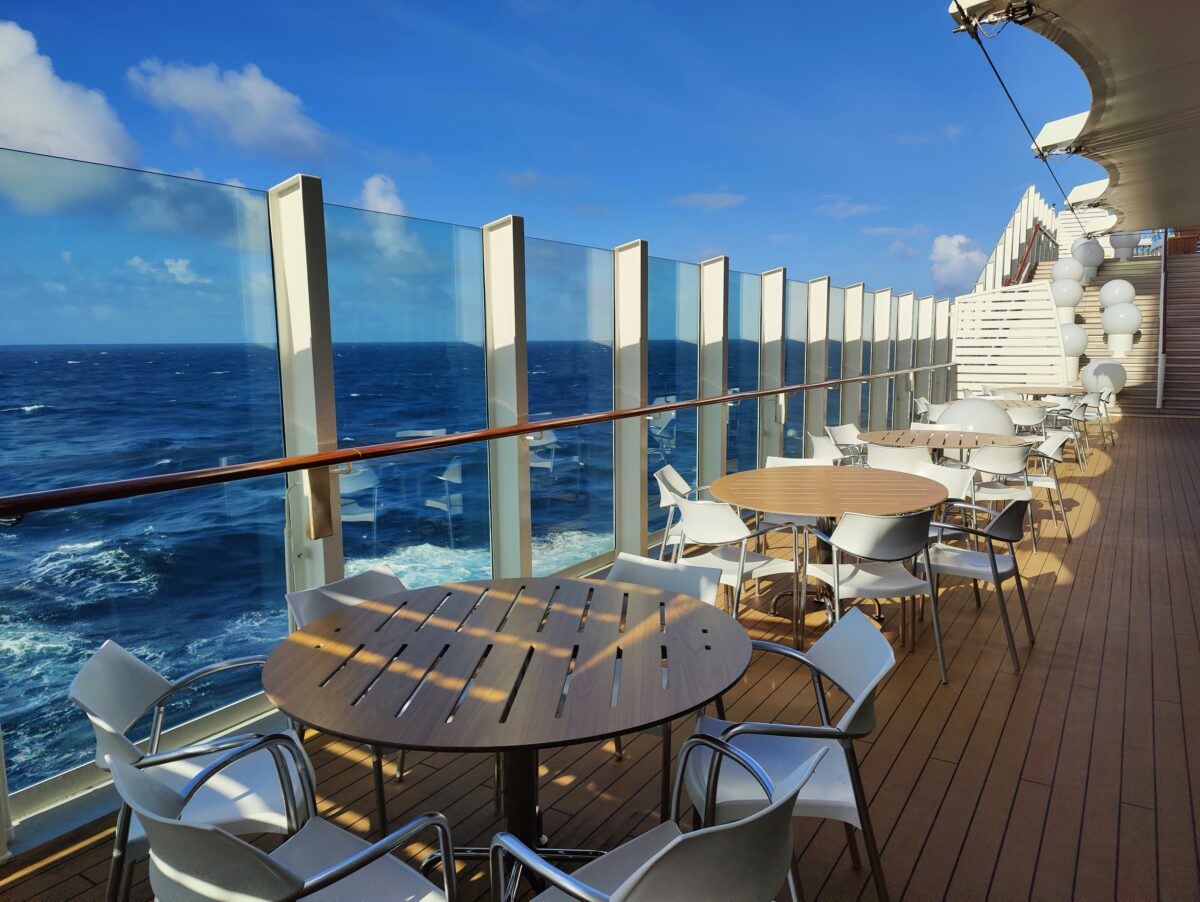
A large cruise ship — the Wonder of the Seas runs over 1,180 feet long — is genuinely disorienting for the first day, and there’s a specific low-grade frustration that comes with ending up on the wrong deck, walking the wrong direction, and arriving late to something you were mildly excited about. Experienced cruisers spend fifteen minutes with the ship map immediately after boarding: noting where the main theater is, where the elevators are relative to their cabin, and which restaurants are on which deck.
It’s the kind of small investment that makes the rest of the week feel effortless.
Unpacking Everything Before Exploring
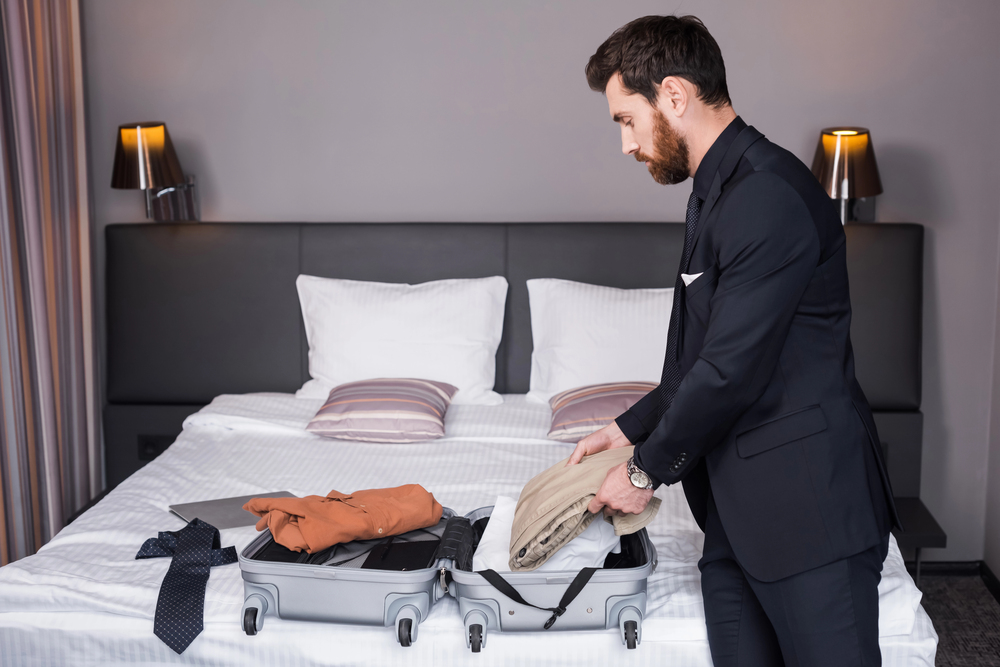
Unpacking immediately after reaching your cabin is an instinct worth resisting on embarkation day. The cabin steward is still servicing rooms, the luggage may not have arrived yet, and the next two hours are realistically the only time the ship’s public spaces will be quiet enough to explore without navigating crowds.
Veteran cruisers drop the carry-on, take a lap around the ship, and return to unpack once the sail-away excitement has settled and the cabin is fully ready.
Ignoring Guest Services When It’s Empty

Guest services on embarkation day is the one time it isn’t a forty-five-minute wait. Within the first hour or two of boarding, the desk is manageable — seasoned cruisers use that window to confirm dining reservations, ask about any account discrepancies, request extra hangers or a foam pillow, and handle anything that would otherwise require standing in line on day two.
By evening, that desk has a queue that stretches into the corridor.
Missing the Ship’s Daily Newsletter

Every evening—or through the cruise line’s app on many ships—a daily schedule describing the next day’s activities, show times, and port arrival details. First-timers often treat it as filler and discard it.
Experienced cruisers read it the moment it arrives, sometimes highlighting events, because the ship’s daily schedule runs on its own logic and missing a port talk or a booking deadline by one day has consequences that paper over quickly if you’re not paying attention.
Overlooking the Sail-Away Party as Navigation Intel
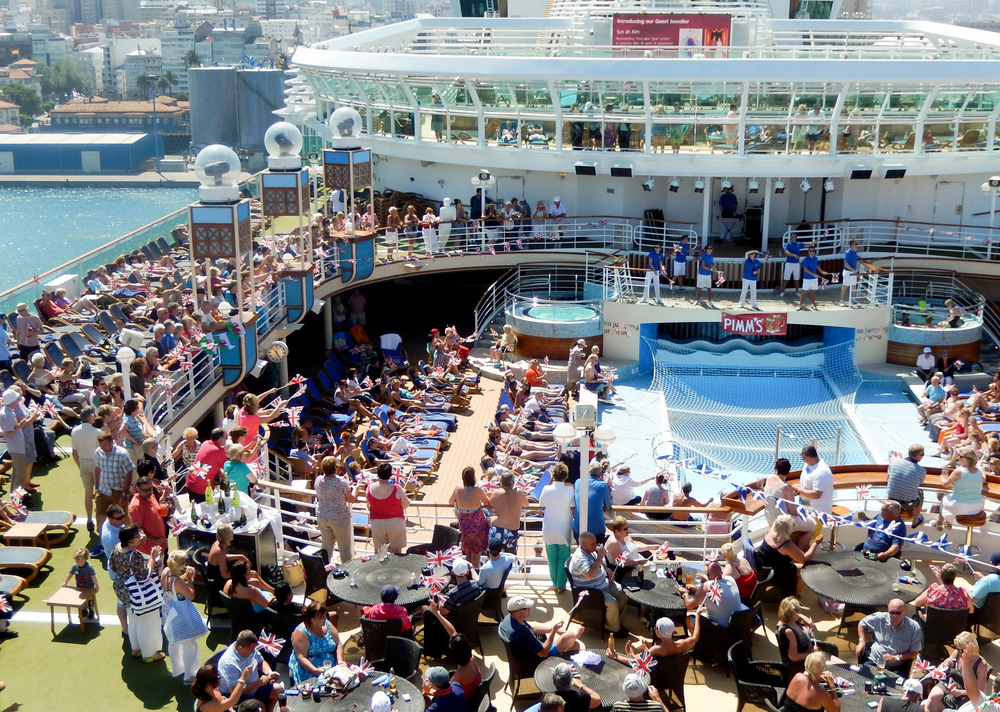
The sail-away party — that loosely organized celebration on the pool deck as the ship leaves port — is easy to dismiss as a generic festivity for people who are enthusiastic about things. But it pulls most of the ship’s population to one place at the same time, which means every other part of the ship is briefly and unusually empty, and veterans know this.
The spa’s walk-in availability is at its peak during sail-away. The specialty coffee bar has no line.
The adults-only deck is genuinely quiet. Go find it.
Forgetting to Set Expectations for the First Night’s Dinner
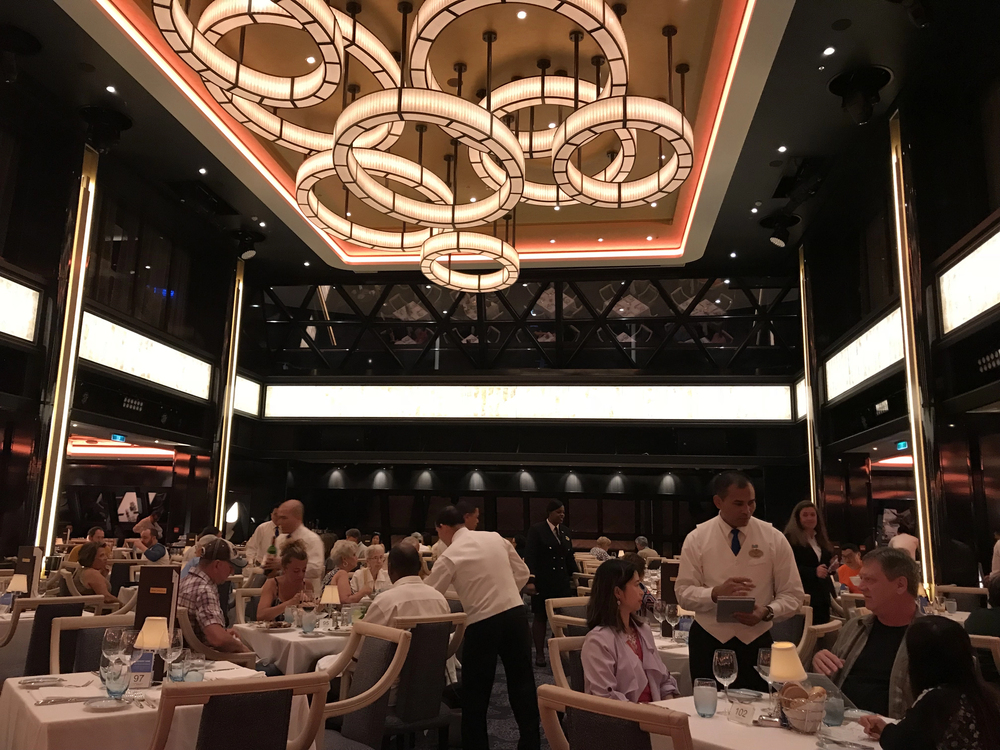
The first night’s dinner in the main dining room is the most logistically strained meal of the cruise — tables are being assigned, waitstaff are still learning section assignments, and the kitchen is calibrating for the first full service of the voyage. It’s not bad, but it’s slower and slightly rougher than the dinners that will follow.
Veteran cruisers go in without the expectation of perfection and treat it as a warm-up rather than the standard, which means they leave the table in a better mood than the table next to them.
The Day You Actually Start Cruising
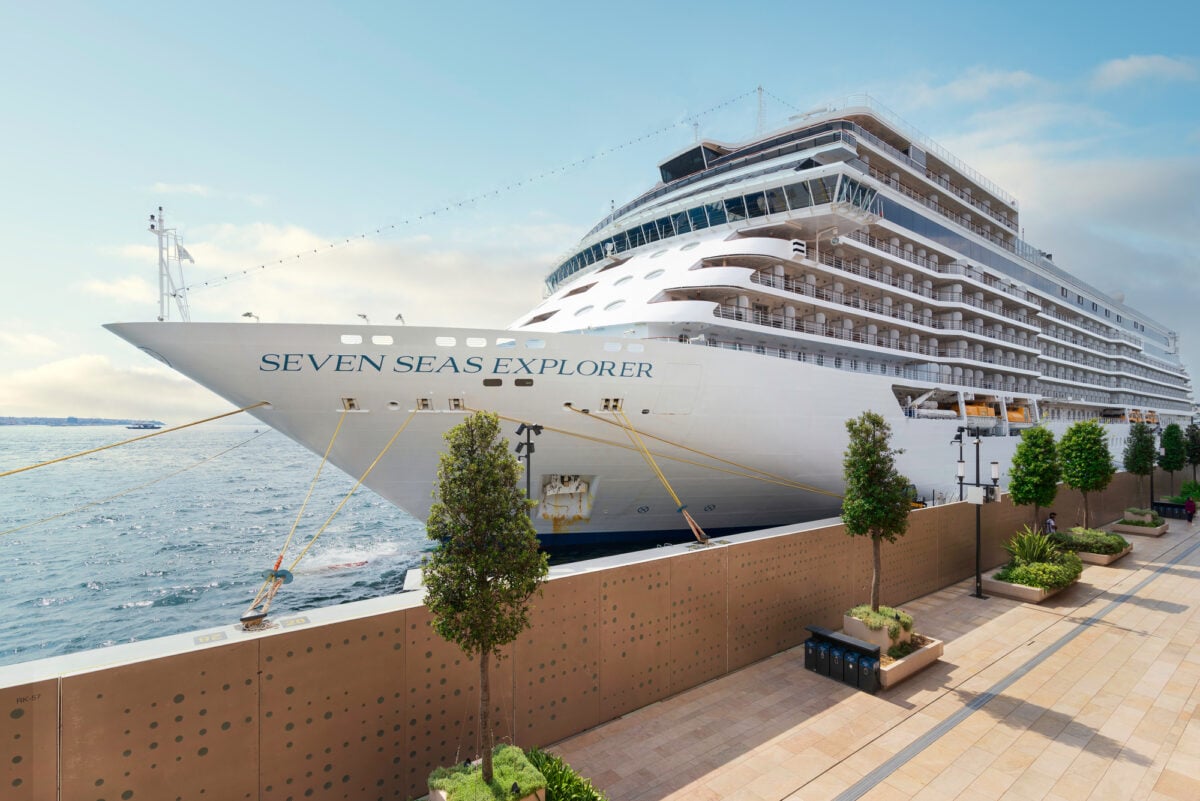
Embarkation day has a way of sorting people quickly — not by experience or income or how many ports they’ve visited, but by how willing they are to let go of the plan they had in their head. The veterans aren’t calmer because they’ve seen everything; they’re calmer because they’ve learned that the ship runs on its own schedule and their job is to get in sync with it rather than fight it.
That shift — from managing the day to reading it — is the difference between arriving exhausted and arriving ready. And it turns out that’s the whole skill, right there.
More from Go2Tutors!

- The Romanov Crown Jewels and Their Tragic Fate
- 13 Historical Mysteries That Science Still Can’t Solve
- Famous Hoaxes That Fooled the World for Years
- 15 Child Stars with Tragic Adult Lives
- 16 Famous Jewelry Pieces in History
Like Go2Tutors’s content? Follow us on MSN.