20 Football Players Who Had Second Careers
Most NFL careers last only a few years, which means the average player retires young enough to build an entirely separate life afterward. Some stayed close to a football field as broadcasters or coaches, but plenty of others walked away from the sport entirely.
The list below focuses on players whose second acts had nothing to do with a press box, from operating rooms to courtrooms to the halls of Congress.
Byron “Whizzer” White
Before he became a Supreme Court Justice, White was an All-American running back at Colorado and led the NFL in rushing while playing for the Pittsburgh Pirates and Detroit Lions in the late 1930s and early 1940s. He left football to serve in the Navy during World War II, then went to law school, and was ultimately appointed to the Supreme Court by President John F. Kennedy in 1962, where he served for over three decades.
Alan Page
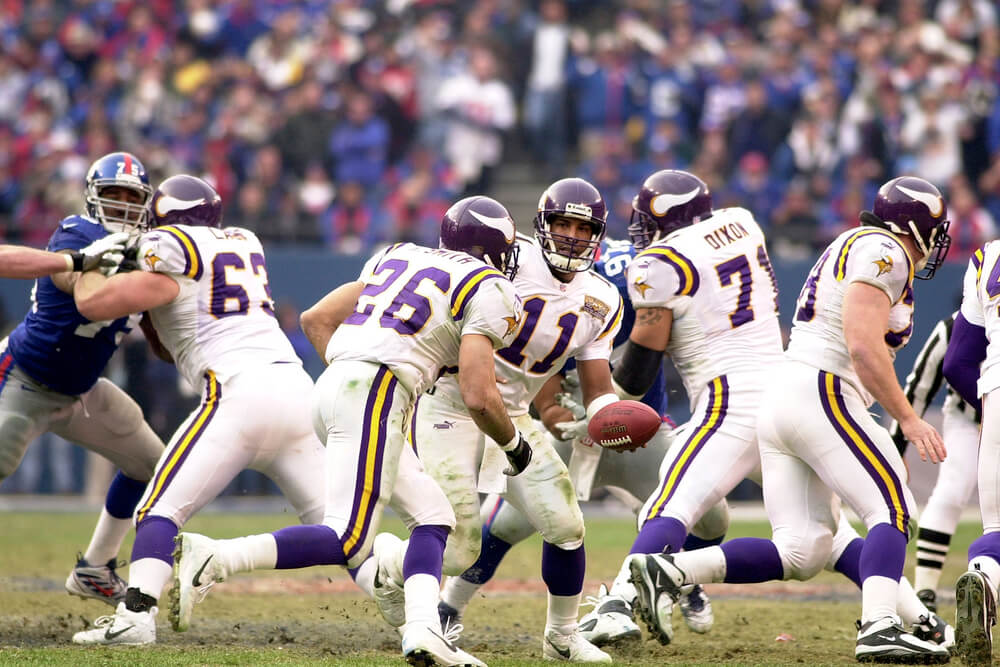
A Hall of Fame defensive tackle and one of the anchors of the Minnesota Vikings’ “Purple People Eaters” defensive line, Page earned a law degree while still playing in the NFL. After retiring, he practiced law and was elected an Associate Justice of the Minnesota Supreme Court, a position he held for over two decades.
Myron Rolle
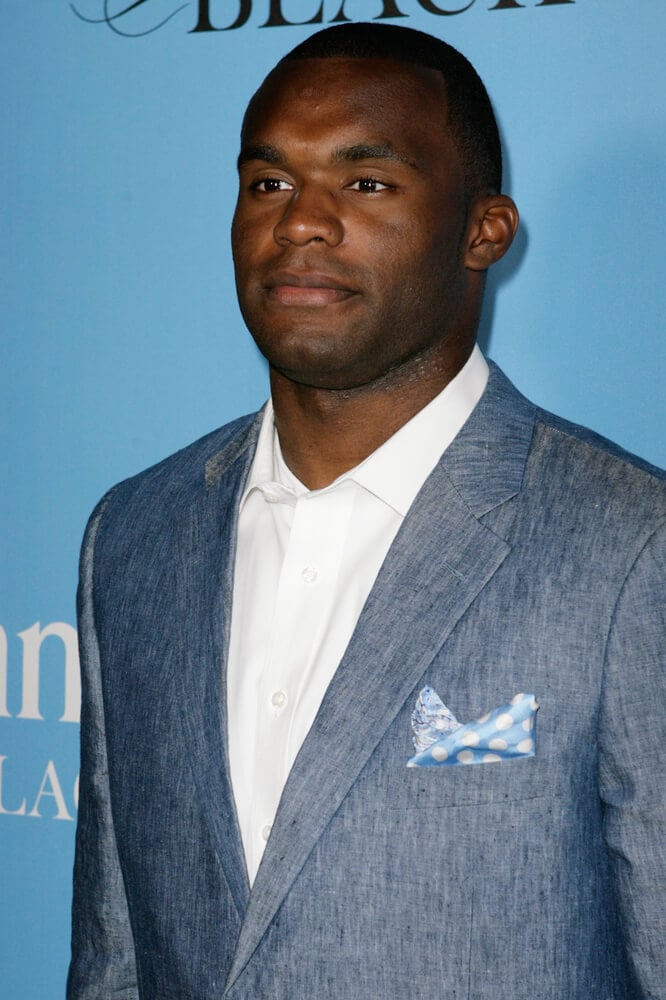
A star defensive back at Florida State, Rolle put his NFL prospects on hold to accept a Rhodes Scholarship and study medical anthropology at Oxford before eventually being drafted by the Tennessee Titans. After two seasons without significant playing time, he left football to attend medical school and later completed a neurosurgery residency at Harvard.
Roger Staubach
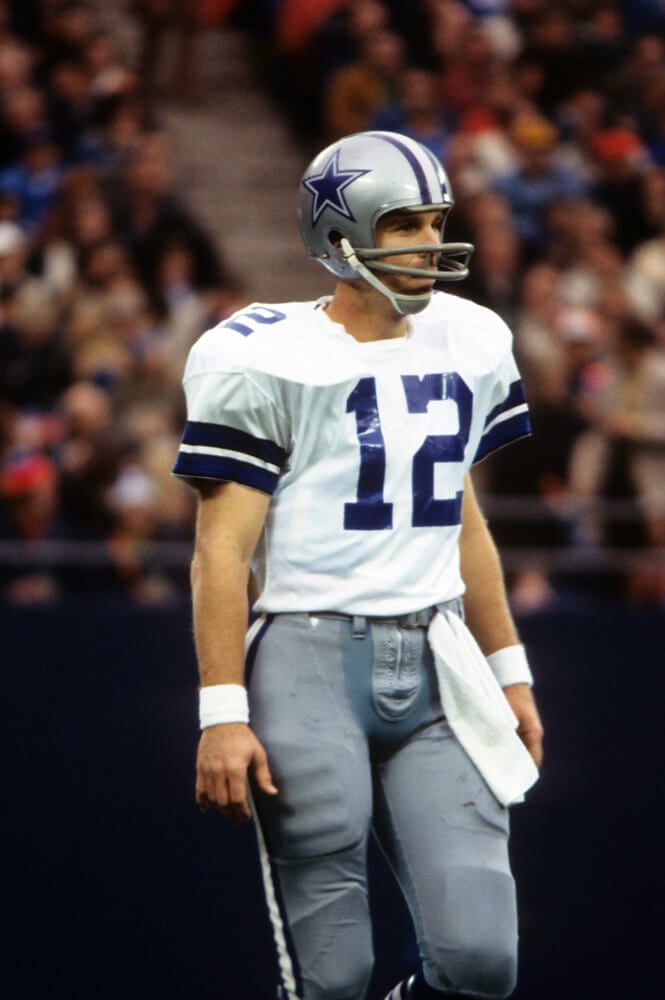
The Dallas Cowboys’ Hall of Fame quarterback and two-time Super Bowl champion built a second career in commercial real estate after retiring in 1979, eventually founding The Staubach Company. He sold the firm to Jones Lang LaSalle in 2008 for roughly $613 million, making him one of the wealthiest former athletes in the country.
Fran Tarkenton
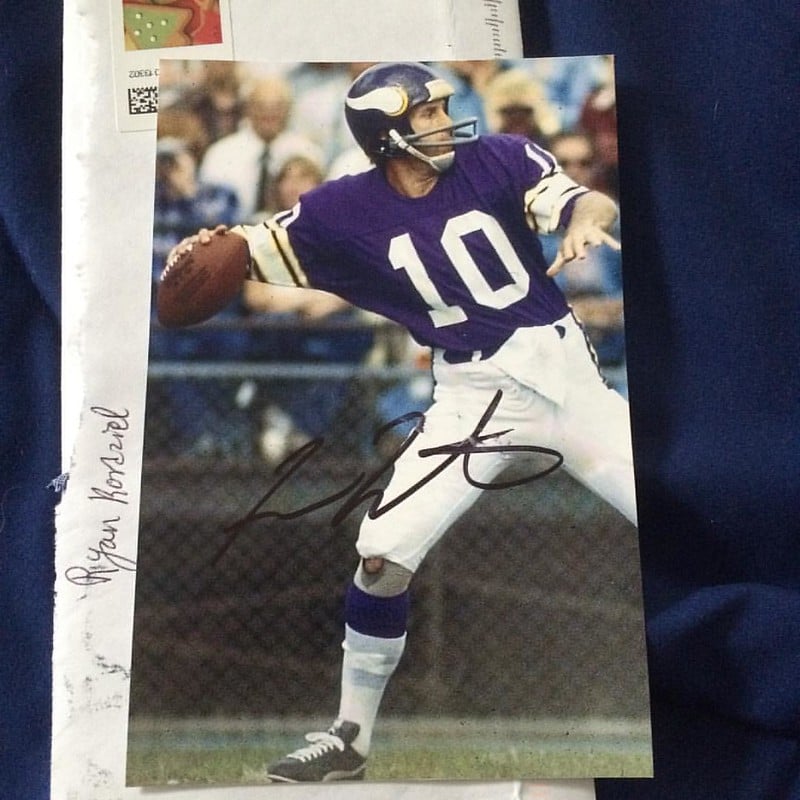
The former Minnesota Vikings quarterback and NFL Most Valuable Player became a successful entrepreneur after retiring, founding a series of software and business-consulting companies aimed at helping small businesses manage operations. He later co-hosted the television show “That’s Incredible!” while continuing to run his business ventures.
Jack Kemp
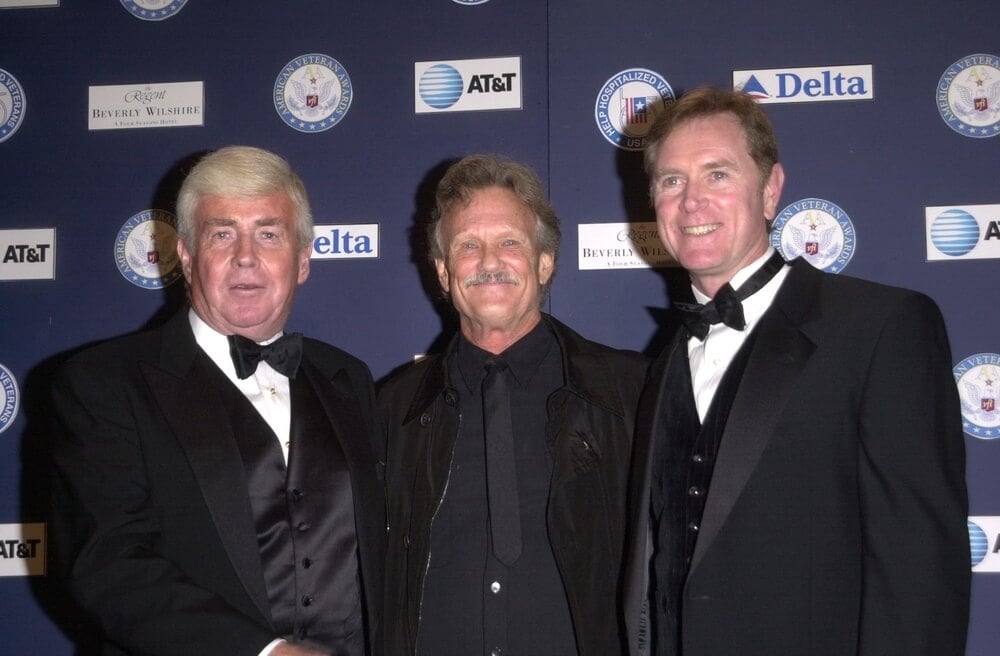
A former American Football League quarterback and league MVP with the Buffalo Bills, Kemp transitioned directly into politics after retiring, winning election to the U.S. House of Representatives from New York in 1970. He went on to serve as Secretary of Housing and Urban Development and was the Republican vice presidential nominee in 1996.
Heath Shuler
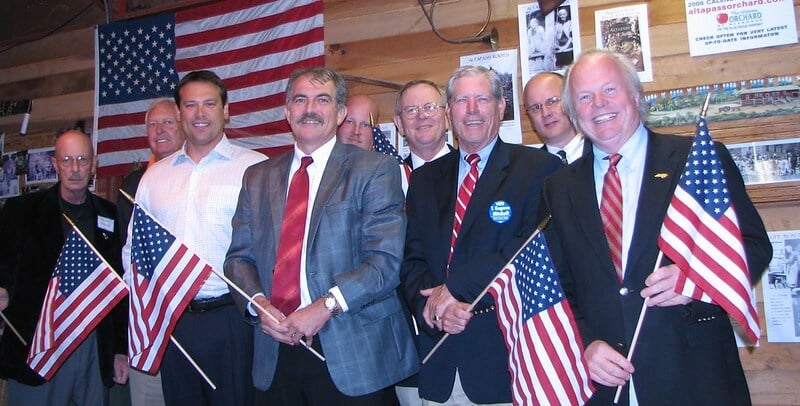
Once a highly touted quarterback for the Washington Redskins after being drafted third overall in 1994, Shuler’s NFL career fell short of expectations before injuries ended it. He later won election to the U.S. House of Representatives from North Carolina, serving three terms as a Democrat.
Steve Largent
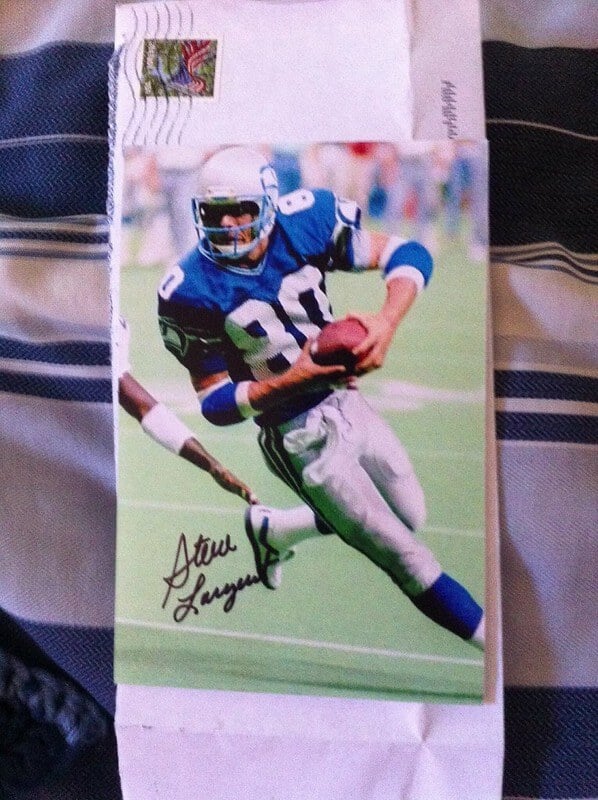
A Hall of Fame wide receiver who held the NFL’s career receptions record at the time of his retirement, Largent left football and was elected to the U.S. House of Representatives from Oklahoma in 1994. He later left Congress to run unsuccessfully for governor before becoming president of a national wireless trade association.
J.C. Watts
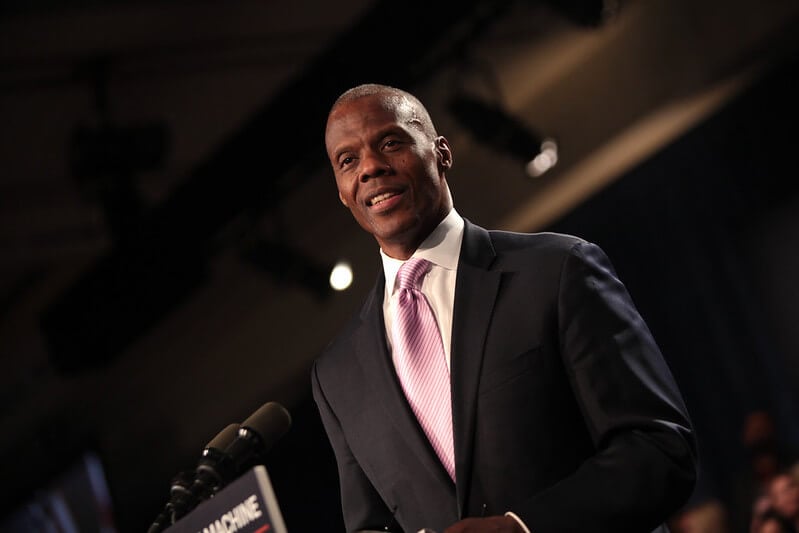
A star quarterback at Oklahoma who went on to play professionally in the Canadian Football League, Watts later entered politics and was elected to the U.S. House of Representatives from Oklahoma in 1994. He rose to chair the House Republican Conference, becoming one of the highest-ranking Black Republicans in Congress at the time.
Merlin Olsen
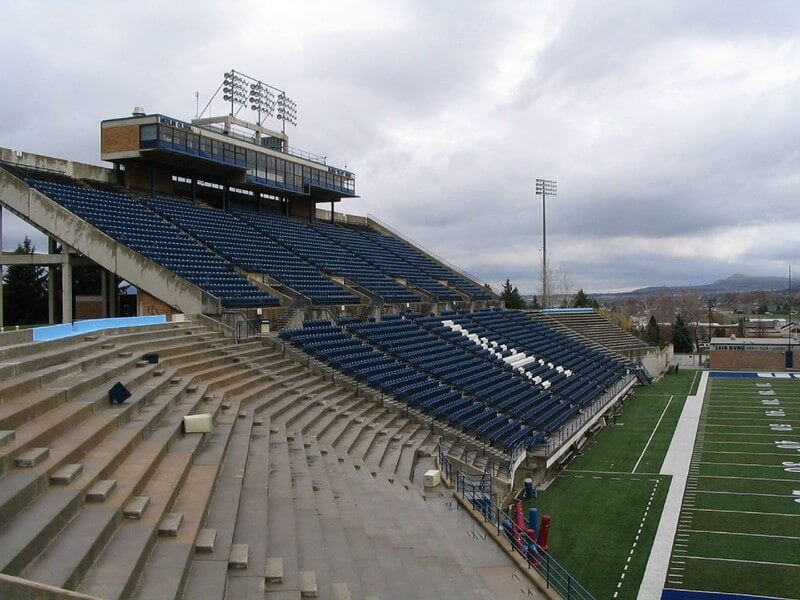
A Hall of Fame defensive tackle for the Los Angeles Rams, Olsen transitioned into acting after football, landing a lead role on the television series “Little House on the Prairie” and later starring in his own show, “Father Murphy.” He also spent years as a network broadcaster and as the longtime spokesman for the floral delivery company FTD.
Alex Karras
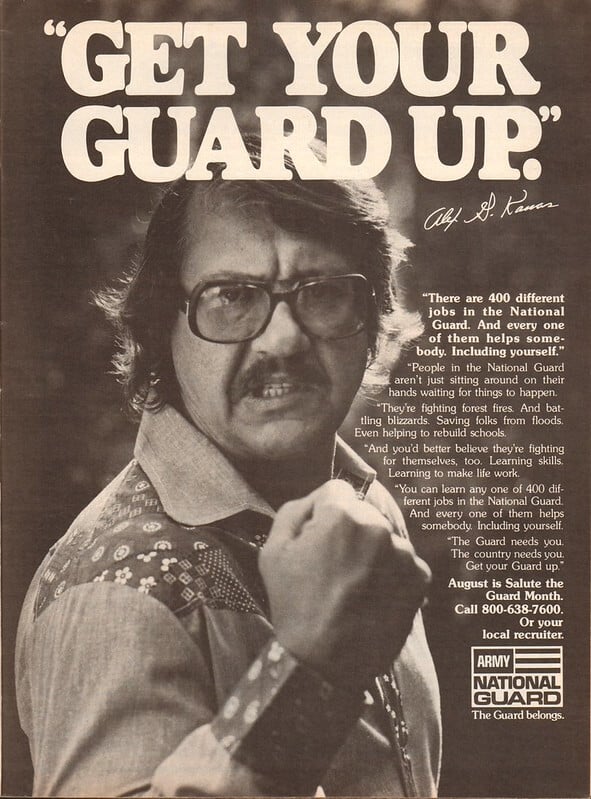
A standout defensive tackle for the Detroit Lions through the 1960s, Karras became a working actor after retiring, best known for his role as the horse-punching outlaw Mongo in Mel Brooks’s 1974 comedy “Blazing Saddles.” He later starred in the sitcom “Webster” and worked for years as an NFL broadcaster alongside Howard Cosell.
Frank Gifford
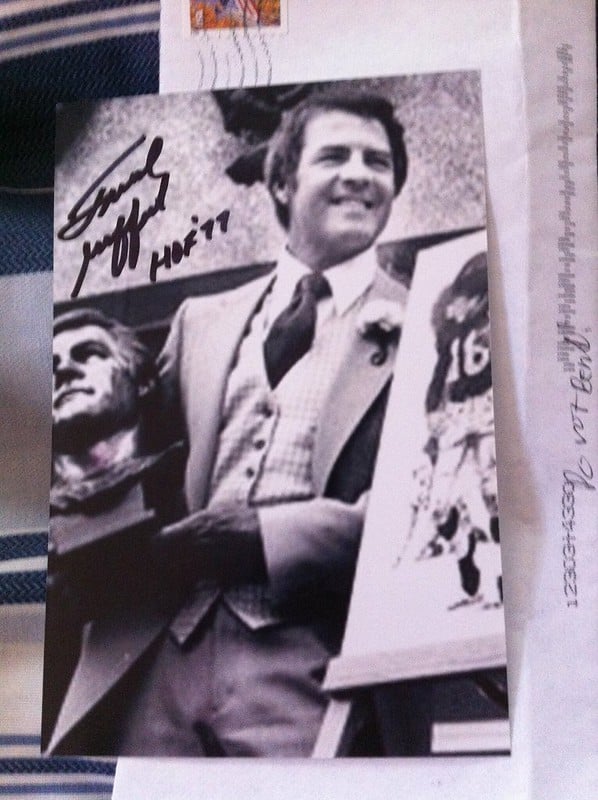
A Hall of Fame halfback for the New York Giants, Gifford built one of the most successful media careers of any former player, appearing in roughly a dozen films, hosting segments of “Wide World of Sports,” and serving as a longtime “Monday Night Football” broadcaster. His decades in television far outlasted his playing career in both length and public visibility.
Terry Crews
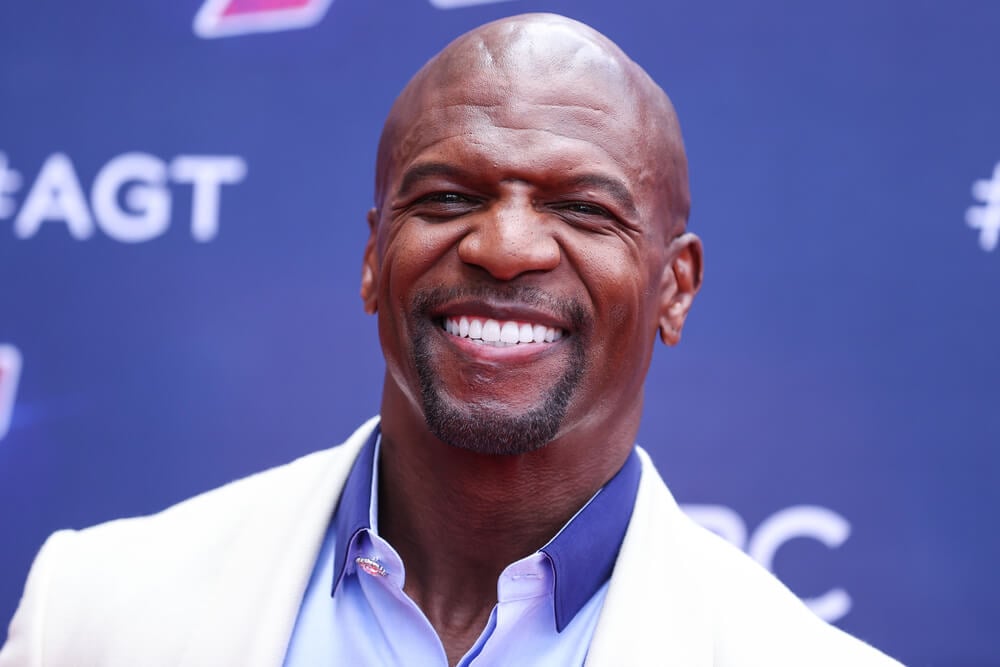
A former linebacker and defensive end who bounced between several NFL teams in the early 1990s without ever becoming a starter, Crews left football to pursue acting and eventually became a leading man in film and television. He is best known for roles in the “Expendables” film franchise and the sitcom “Brooklyn Nine-Nine.”
Rosey Grier
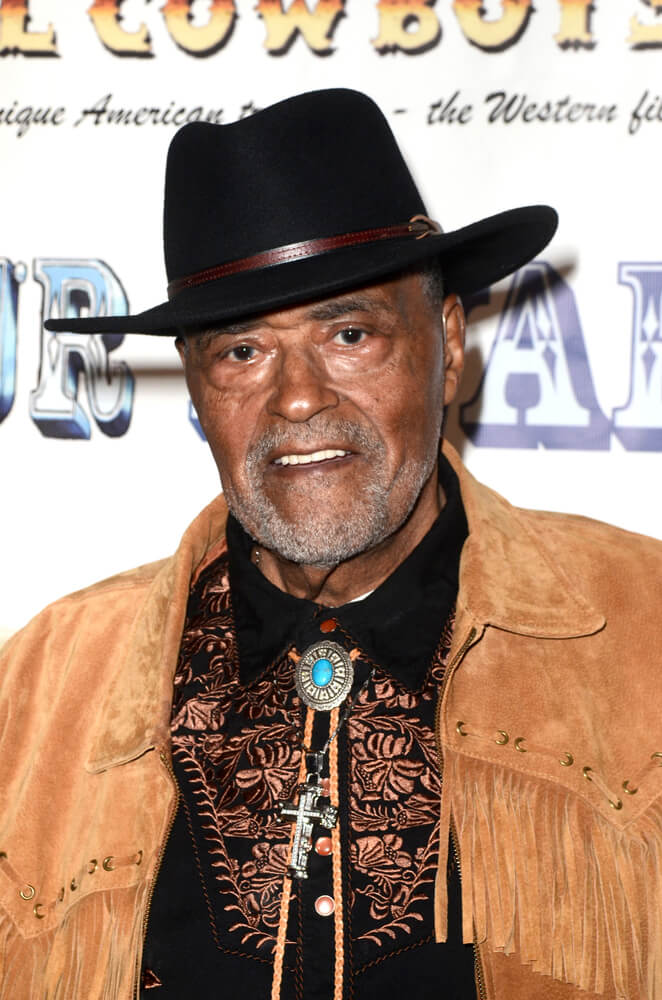
A member of the Los Angeles Rams’ famed “Fearsome Foursome” defensive line, Grier had an unusually varied second career that included acting, singing, and an unexpected devotion to needlepoint, which he wrote a book about. He was also present as a bodyguard during Senator Robert F. Kennedy’s assassination in 1968 and later became an ordained minister.
Bill Goldberg
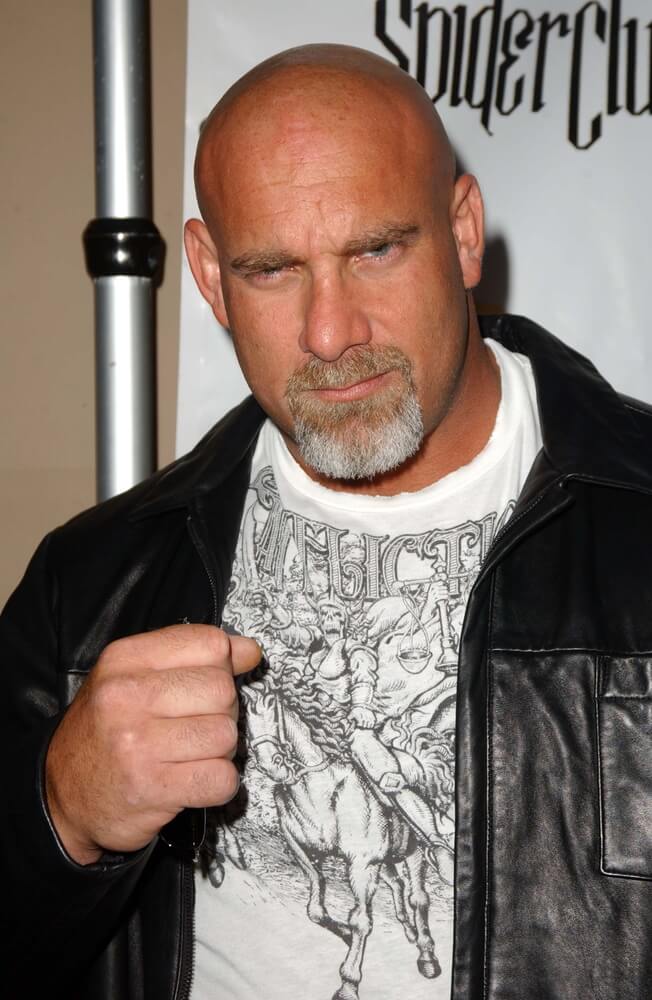
A defensive lineman whose NFL career with the Atlanta Falcons and Los Angeles Rams was cut short by injury in the mid-1990s, Goldberg transitioned into professional wrestling and quickly became one of WCW’s biggest stars under his own name. His wrestling persona built on his football-honed physique and made him a crossover star well beyond the sport he originally played.
Randall Cunningham
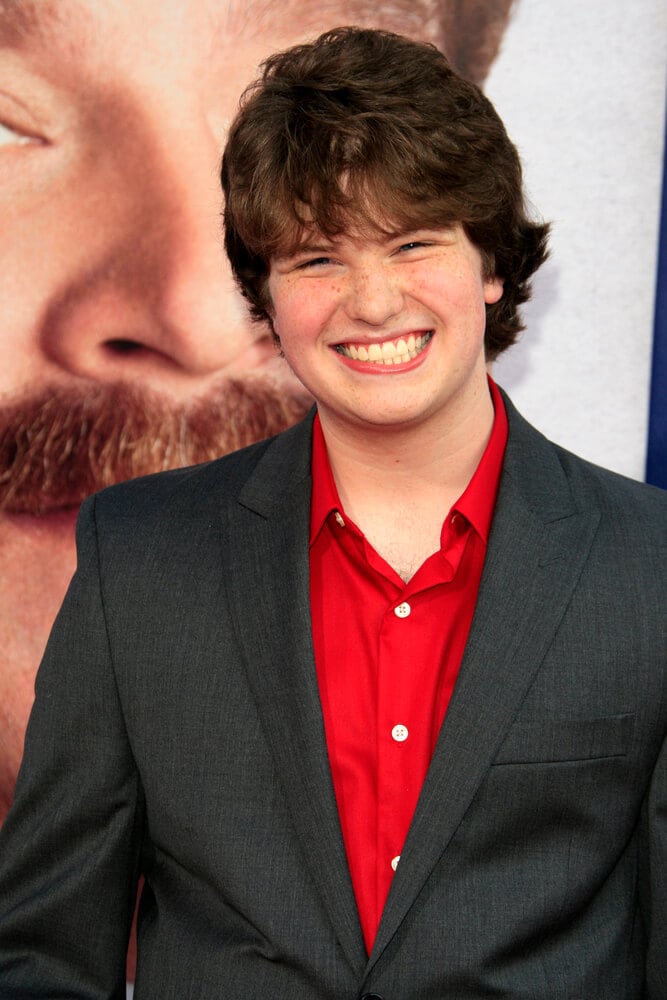
A dynamic scrambling quarterback for the Philadelphia Eagles and Minnesota Vikings across a lengthy NFL career, Cunningham stepped away from football after the 2001 season to focus on his faith. He went on to found a Christian rap group and later became a pastor, leading his own church in Nevada.
Wayne Chrebet
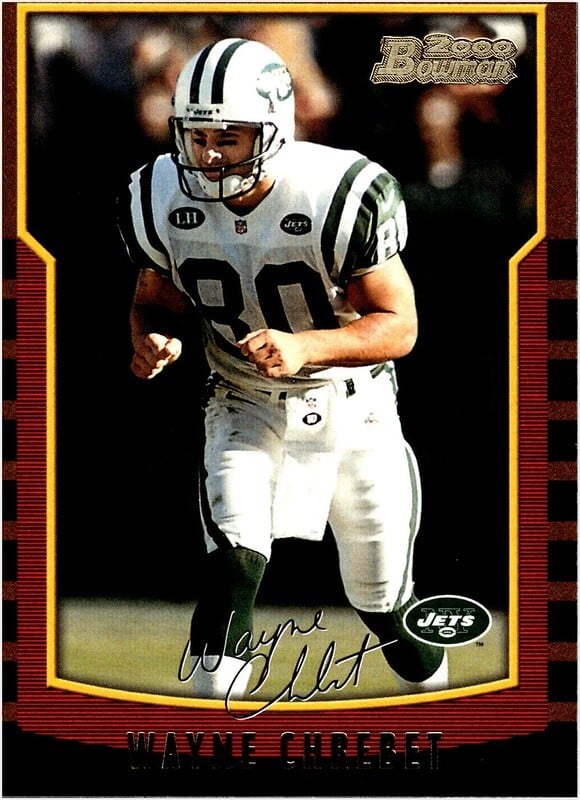
An undrafted wide receiver who spent his entire eleven-year career with the New York Jets, Chrebet moved into finance after retiring, working at Morgan Stanley before joining the global banking firm Barclays. His transition from locker room to trading floor became a frequently cited example of a player successfully rebuilding a career from scratch.
Napoleon McCallum
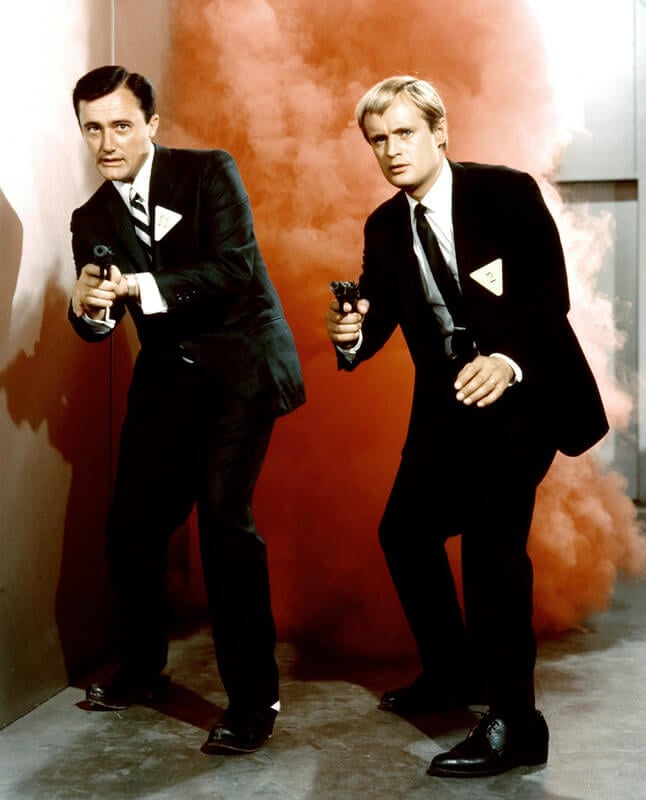
A standout running back at the Naval Academy who was drafted by the Los Angeles Raiders, McCallum spent several NFL seasons commuting between active-duty Navy service and professional football before a knee injury and continuing military obligations ended his playing career. He went on to a long career as a commissioned naval officer, rising to the rank of commander.
Michael Strahan
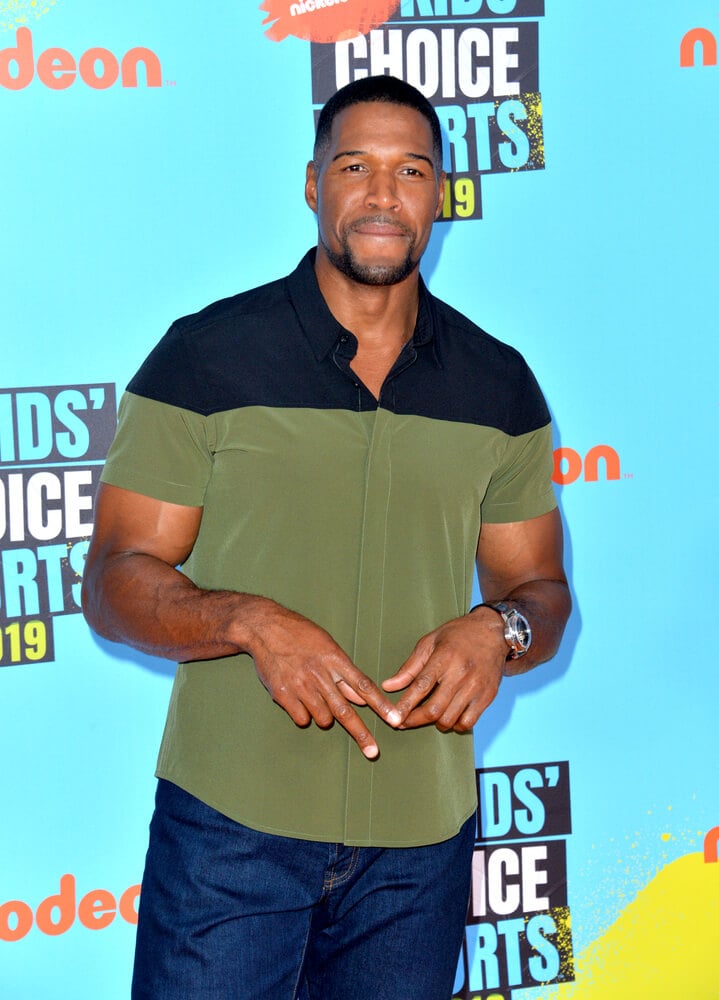
A Hall of Fame defensive end who set the NFL’s single-season sack record with the New York Giants, Strahan moved seamlessly into broadcasting after retirement, co-hosting “Live with Kelly and Michael” before joining “Good Morning America” as a regular anchor. His post-football media career has by most measures eclipsed the fame he built on the field.
When the Uniform Comes Off for Good
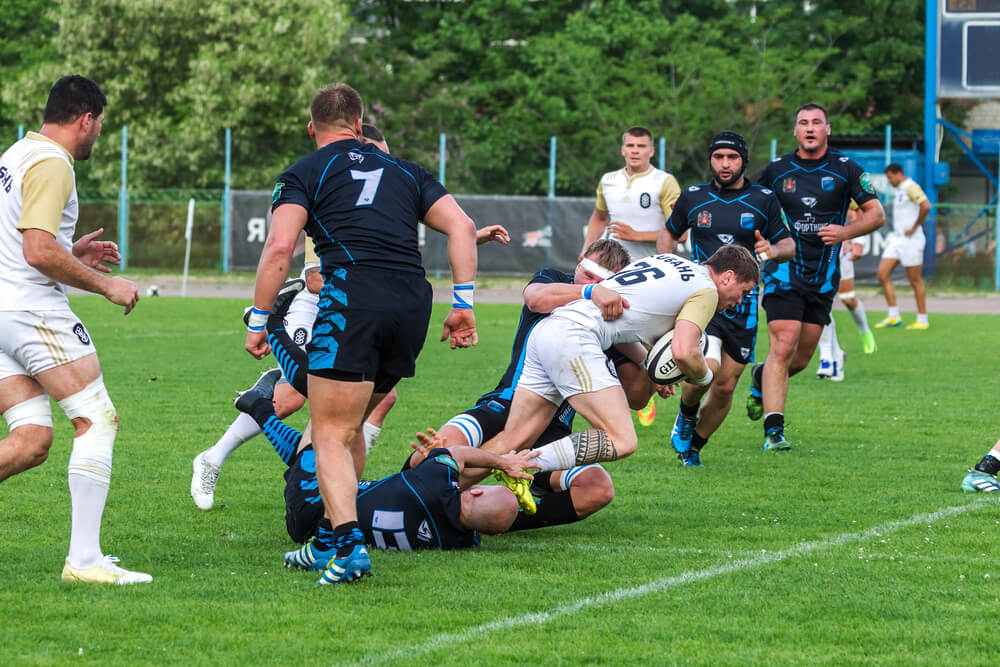
Football careers are short by design, built around bodies that cannot sustain the sport’s physical toll for more than a handful of seasons. What separates this group is not that they left the game, since every player eventually does, but how completely they rebuilt an identity around something else.
A courtroom, an operating room, and a needlepoint hoop have very little in common with a football field. That may be exactly the point.
More from Go2Tutors!

- The Romanov Crown Jewels and Their Tragic Fate
- 13 Historical Mysteries That Science Still Can’t Solve
- Famous Hoaxes That Fooled the World for Years
- 15 Child Stars with Tragic Adult Lives
- 16 Famous Jewelry Pieces in History
Like Go2Tutors’s content? Follow us on MSN.