The Richest Historical Figures to Ever Exist
Some of the wealthiest people who ever lived make today’s billionaires look modest by comparison. When you adjust for inflation, convert old currencies, and account for the sheer scale of empires and monopolies, the numbers become hard to wrap your head around.
These were people who didn’t just own companies — they owned land, armies, rivers, and sometimes entire economies.
Mansa Musa — The Man Who Crashed Gold Markets
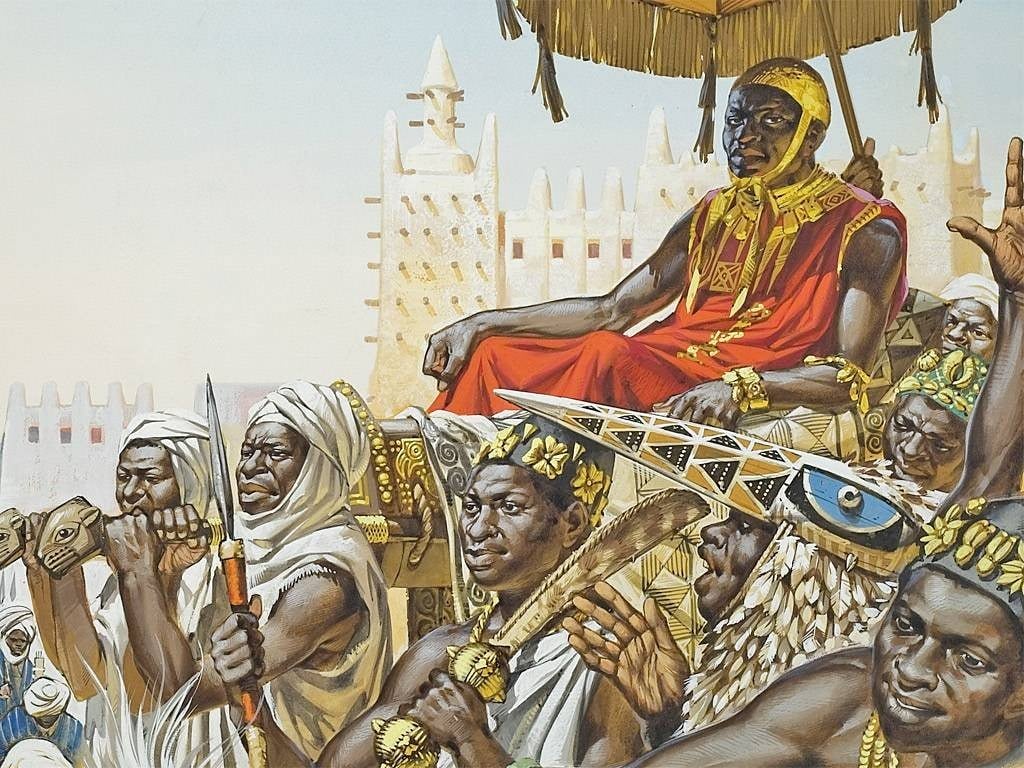
Mansa Musa ruled the Mali Empire in the 14th century, and his wealth was so vast that historians still struggle to put a number on it. Some estimates place him at $400 billion in today’s terms.
Others say that figure undersells it. His pilgrimage to Mecca in 1324 is what sealed his legend.
He traveled with a caravan of roughly 60,000 people, including thousands of soldiers and enslaved people, and gave away so much gold along the way that he caused serious inflation across North Africa and the Middle East. The price of gold in Egypt didn’t recover for over a decade.
His empire sat on top of massive deposits of gold and salt — two of the most valuable commodities in the medieval world. He didn’t earn that wealth through trade alone.
He simply controlled the land it came from.
Augustus Caesar — Master of the Known World
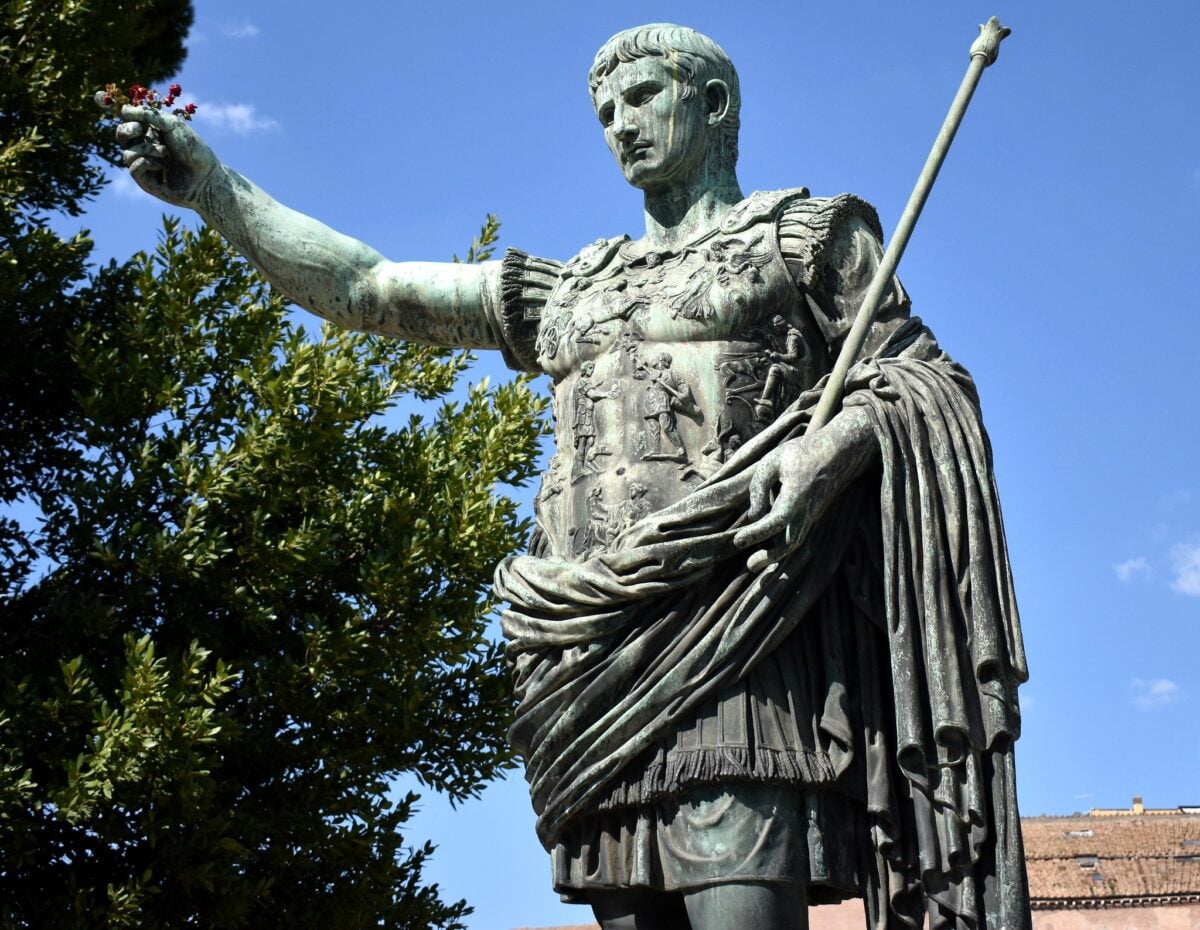
At the height of his power, Augustus Caesar controlled roughly 20 to 30 percent of the entire Roman Empire’s economy. That included Egypt, which he personally treated as his own province after defeating Mark Antony.
Egypt’s agricultural output alone was staggering. Historians estimate his personal wealth at around $4.6 trillion in modern terms, though that number depends on how you define “personal” when you’re also the head of state.
The line between the emperor and the empire was blurry by design.
John D. Rockefeller — America’s First Titan
Rockefeller is often cited as the wealthiest American who ever lived, with an estimated fortune of around $400 billion in today’s dollars. At his peak, Standard Oil controlled about 90 percent of all oil refining in the United States.
He didn’t just build a business. He systematically absorbed or destroyed competitors, negotiated secret railroad rebates, and built a machine that generated money faster than almost any private enterprise in history.
The U.S. government eventually broke Standard Oil into 34 separate companies in 1911 — many of which became the giants you still recognize today.
Jakob Fugger — The Banker Who Funded Empires
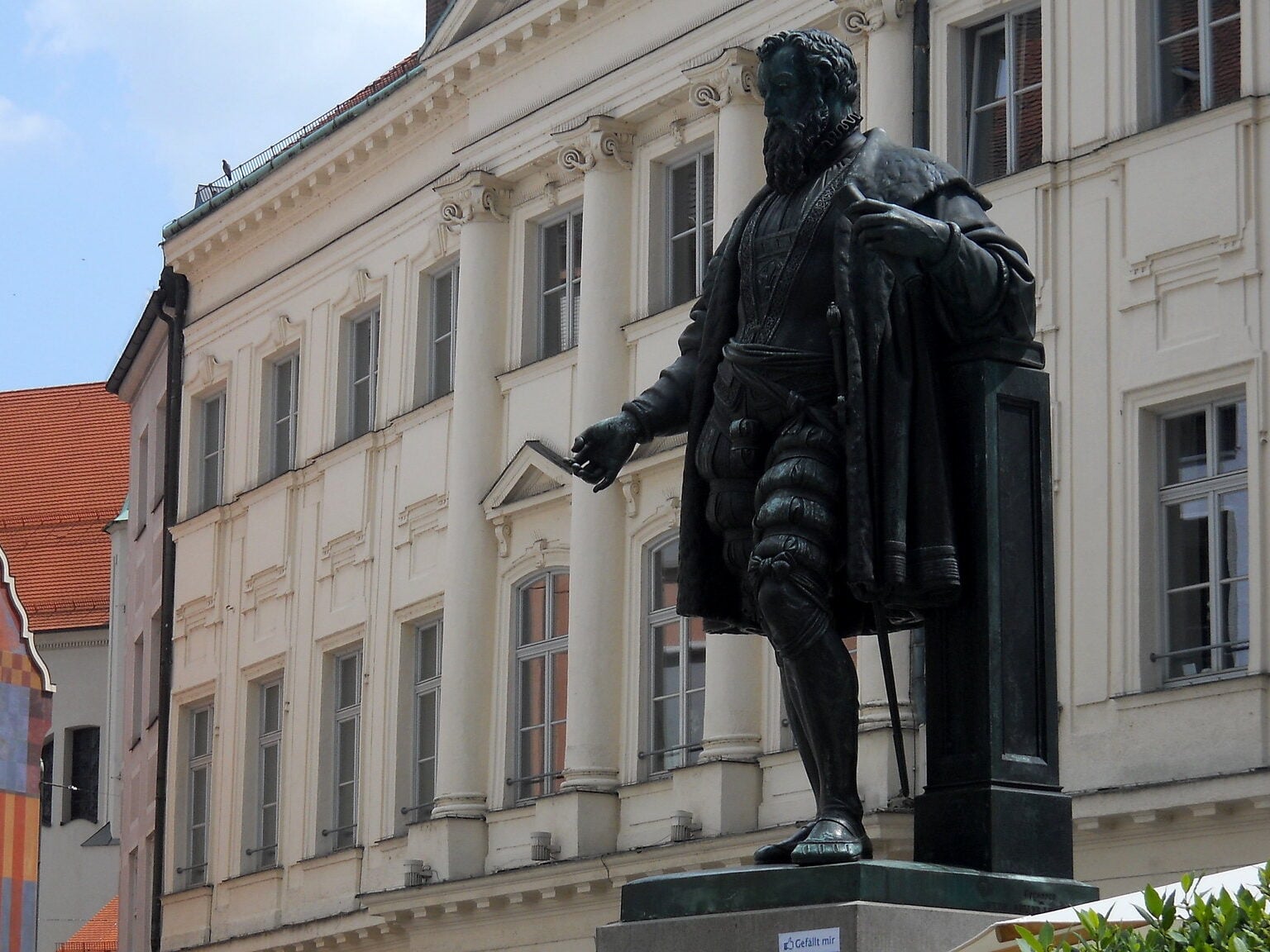
Most people haven’t heard of Jakob Fugger, but in 16th-century Europe, he was arguably the most powerful private individual alive. Known as “Fugger the Rich,” he ran a banking empire out of Augsburg that financed Holy Roman Emperors, popes, and kings.
He personally funded the election of Holy Roman Emperor Charles V, essentially buying one of the most powerful political positions in the world. At his death, his fortune was estimated at around $400 billion in modern terms.
He also held monopolies on silver and copper mining across large parts of Central Europe. What made Fugger unusual was his comfort with power.
He once wrote to Emperor Charles V reminding him, bluntly, of the debt owed — something almost no person alive at the time would have dared to do.
Genghis Khan — Wealth Through Conquest
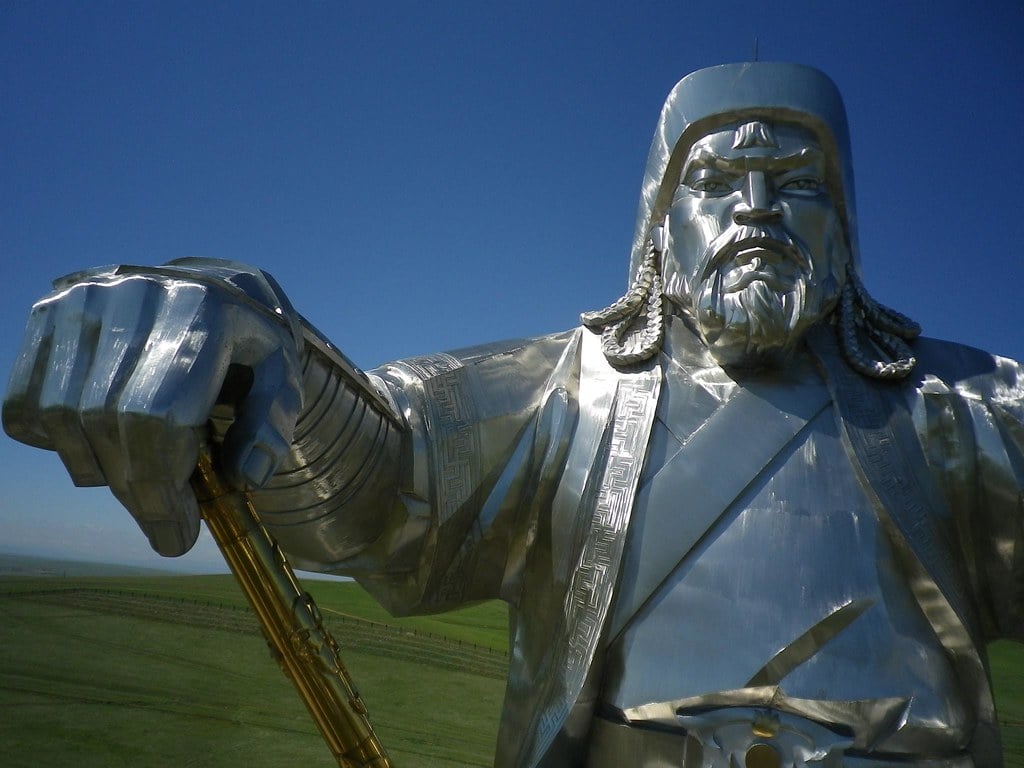
Genghis Khan’s wealth is harder to quantify because it existed more in territory and tribute than in gold vaults. At its height, the Mongol Empire spanned roughly 24 million square kilometers — the largest contiguous land empire in history.
Every region the Mongols conquered paid tribute. Silk Road trade routes ran through Mongol-controlled territory, and the Khan taxed them.
Artisans, engineers, and scholars from conquered cities were put to work. Genghis didn’t accumulate wealth the way a merchant would.
He accumulated it the way only a conqueror could.
Andrew Carnegie — Steel and Surplus
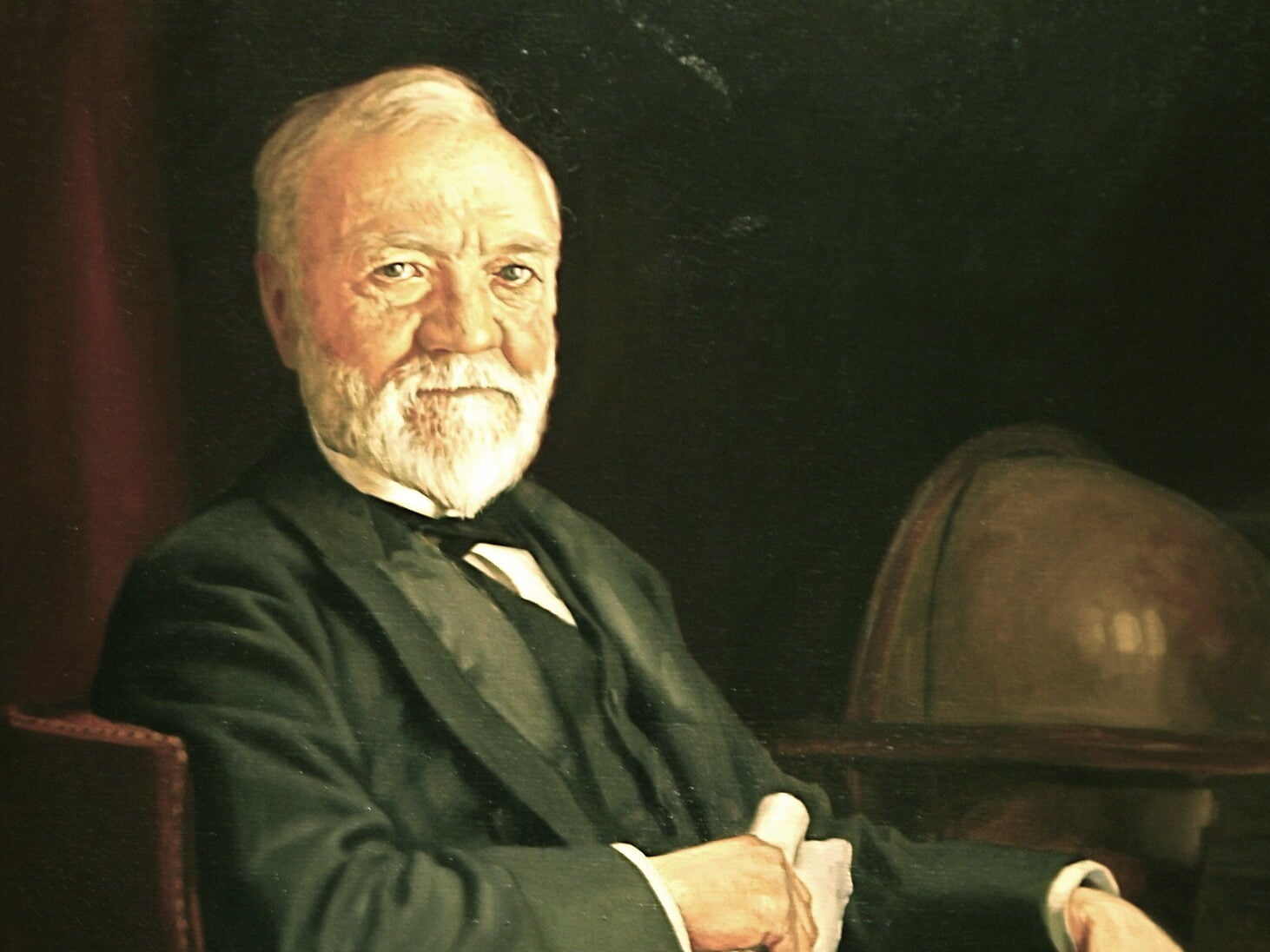
Carnegie sold his steel company to J.P. Morgan in 1901 for $480 million — a figure equivalent to roughly $372 billion today. He had built U.S. Steel into the dominant force in American industry through a combination of vertical integration and relentless cost-cutting.
What Carnegie did after selling is just as notable. He gave away almost all of it, funding thousands of libraries, universities, and cultural institutions. He genuinely believed that a man who died rich died disgraced.
Whether you agree with that view or not, he acted on it more consistently than almost anyone.
Akbar the Great — Commanding a Quarter of the World’s GDP
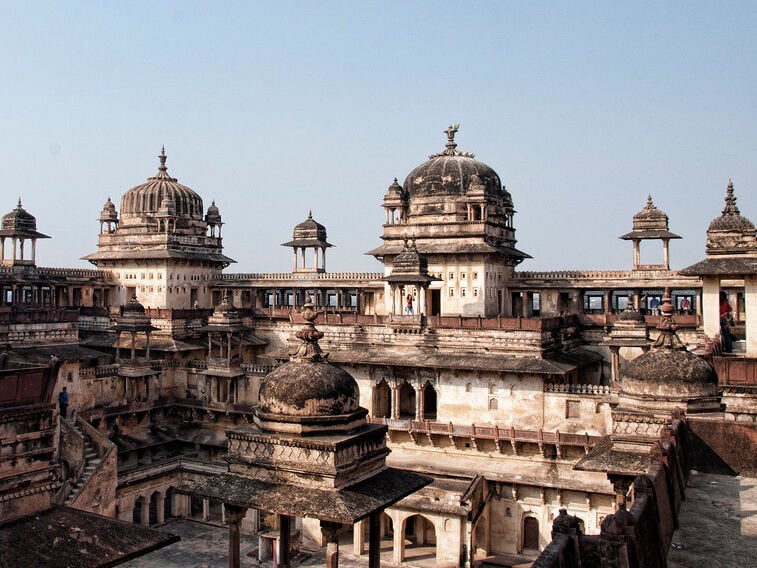
Mughal Emperor Akbar ruled over an empire that, at its peak in the late 16th century, produced roughly 25 percent of the world’s total economic output. That’s a figure that dwarfs most modern nations.
Akbar’s treasury benefited from India’s dominance in textiles, spices, and agricultural output. He ran one of the most sophisticated revenue collection systems of any pre-modern state, which meant the wealth of the empire flowed upward with unusual efficiency.
Estimates of his personal wealth range into the hundreds of billions of modern dollars.
Cornelius Vanderbilt — Railroads and Ruthlessness

Vanderbilt built his fortune first in shipping and then in railroads, and by the time he died in 1877 his estate was worth roughly $105 million — which translates to somewhere around $333 billion today. That made him the richest American of his era.
He operated like a strategist. When a competitor tried to block his railroad access into New York City, he simply stopped running trains to that city and let the public pressure do the rest.
He was blunt, unapologetic, and focused entirely on winning.
Mir Osman Ali Khan — The Nizam of Hyderabad
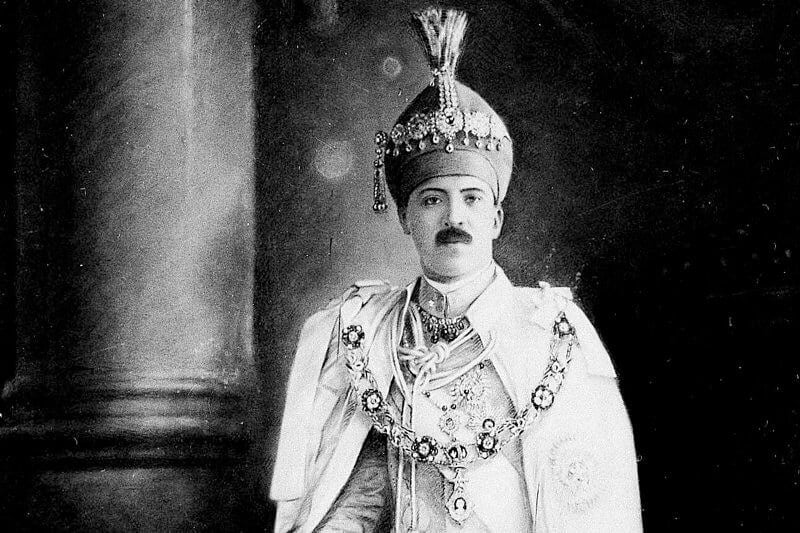
The last ruling Nizam of Hyderabad, Mir Osman Ali Khan, was considered the richest person in the world as recently as 1937 by Time magazine. His personal wealth was estimated at around $2 billion at the time — an enormous sum — but it’s what that wealth looked like that really stood out.
He reportedly used a 185-carat diamond called the Jacob Diamond as a paperweight. His palace contained vast stores of gold, jewels, and currency that had simply accumulated over generations of rule.
Hyderabad was one of the most prosperous states in British India, and it funneled upward into a single family’s hands.
Marcus Licinius Crassus — Rome’s Original Oligarch
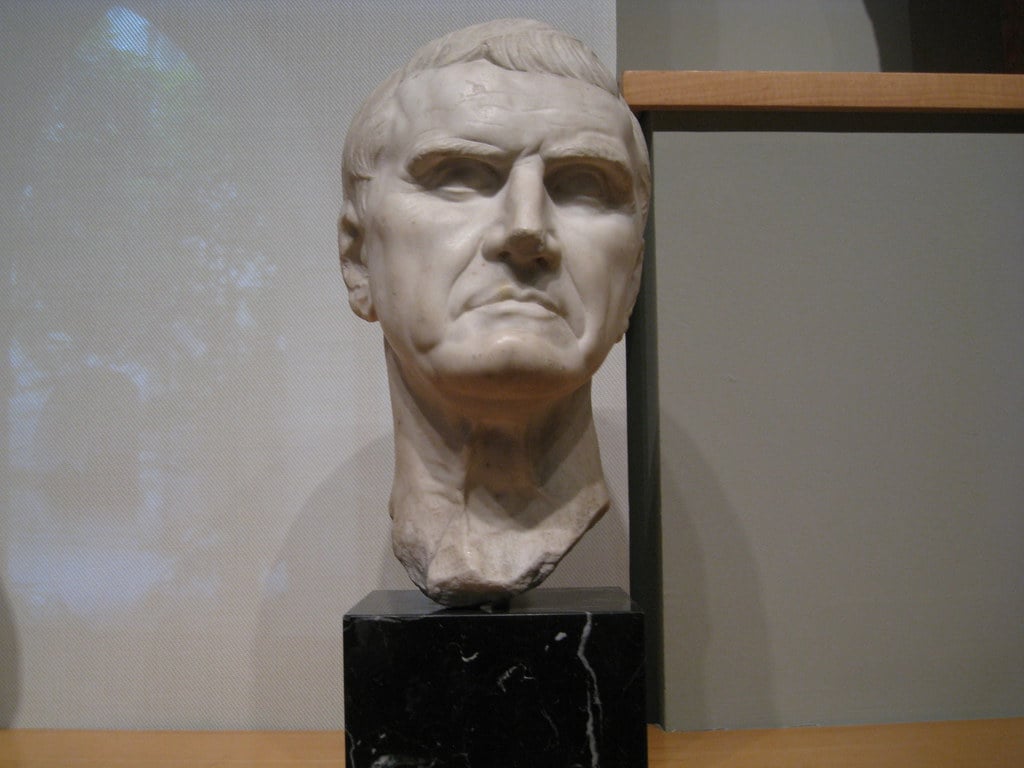
Wealthy beyond most Romans ever were, Crassus built riches on seized homes sold cheap under Sulla’s rule – fortunes born through turmoil rather than trade. Though Augustus eventually held more power and wealth, it was crisis that filled Crassus’ coffers long before.
Rome’s initial firefighting team came next. Yet here’s how it worked – when flames spread, he appeared fast, naming a low price for the land right there.
Only after agreement did his crew act. Refusal meant watching everything turn to ash.
Not far off, he controlled silver mines along with enslaved people and huge stretches of farmable earth. Some say his wealth today could match as little as two thousand million dollars or balloon to one hundred seventy times that number – depends who you ask.
Amenhotep III Peak of Egyptian Wealth
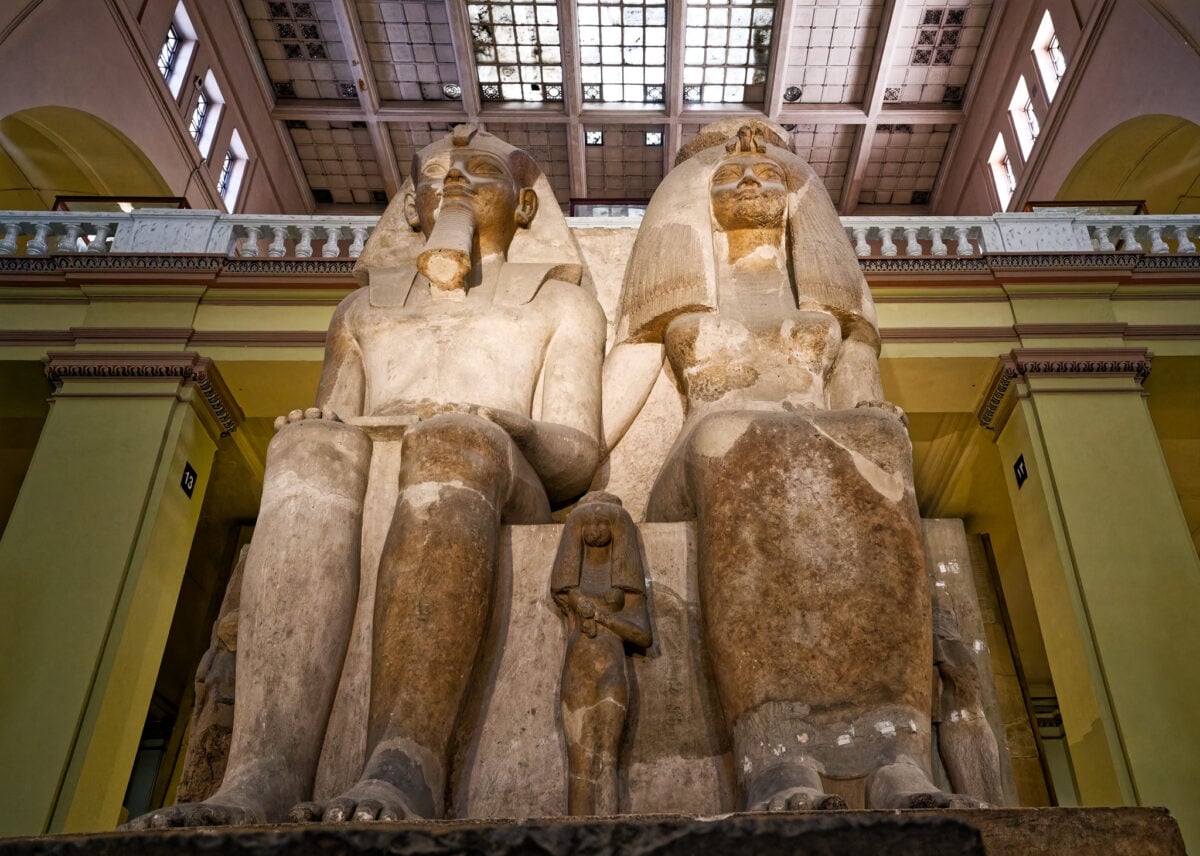
Back when the sun baked the Nile banks in the 1300s BCE, Amenhotep III held power during a golden stretch for Egypt. Stability already stood firm beneath his feet, handed down like an old family heirloom.
From there, he shaped stone into gods, poured effort into sanctuaries where silence now lives. His projects rose tall – temples, colossi, markers carved deep – and they remain startling even now.
Deep in Nubia, Egypt’s gold mines poured out riches like few others back then. The Pharaoh held every claim – no shared control, just full grip.
Other lands brought gifts, not by choice but custom. Along the Nile, goods moved steadily, carried by current and labor.
At the heart stood Amenhotep, where the money of the nation and ruler blurred into one.
Henry Ford The Man Who Priced Himself Out
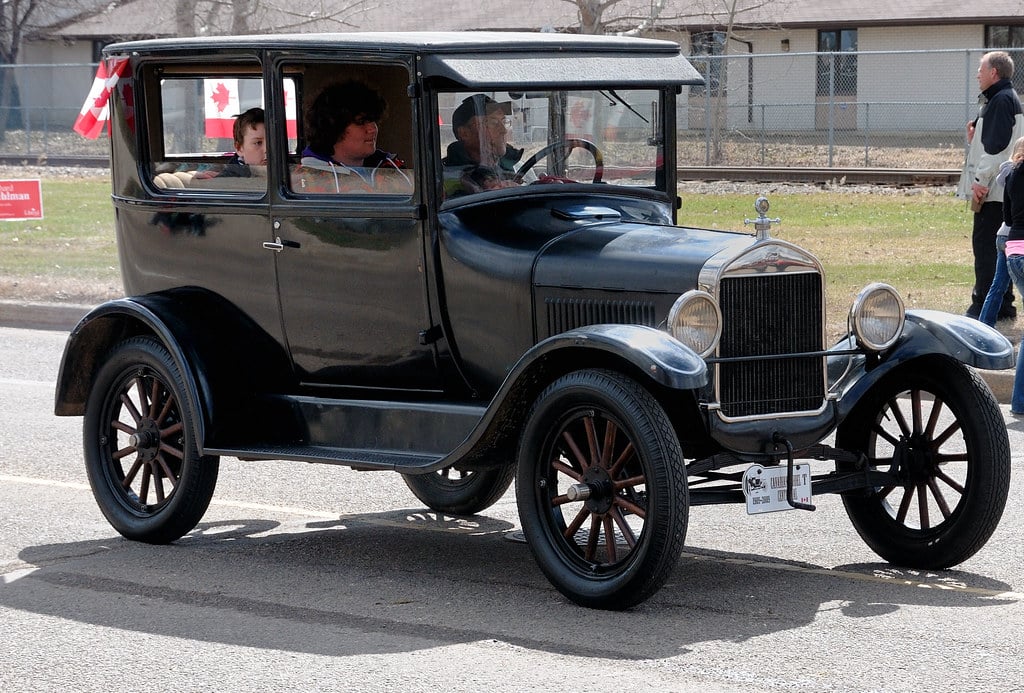
Fifty years ago, a man named Ford reached about two hundred billion dollars when adjusted for now. What set him apart?
Instead of chasing luxury buyers, he focused on lowering prices so regular people – like factory hands or clerks – could afford rides. Most carmakers ignored that group back then.
His gamble paid off big time. Faster car production wasn’t the only outcome of the assembly line. Its real impact came through lower costs, enabling an entire industry to emerge.
Owning rubber plantations, iron ore mines, even a ship fleet – that was Ford’s approach, far beyond what others had considered. Faults marked his life, ones the past won’t let us forget.
Still, factories operate differently because of how he built his company, while wealth poured in at a scale hard to grasp.
Nicholas II – Rich but Powerless
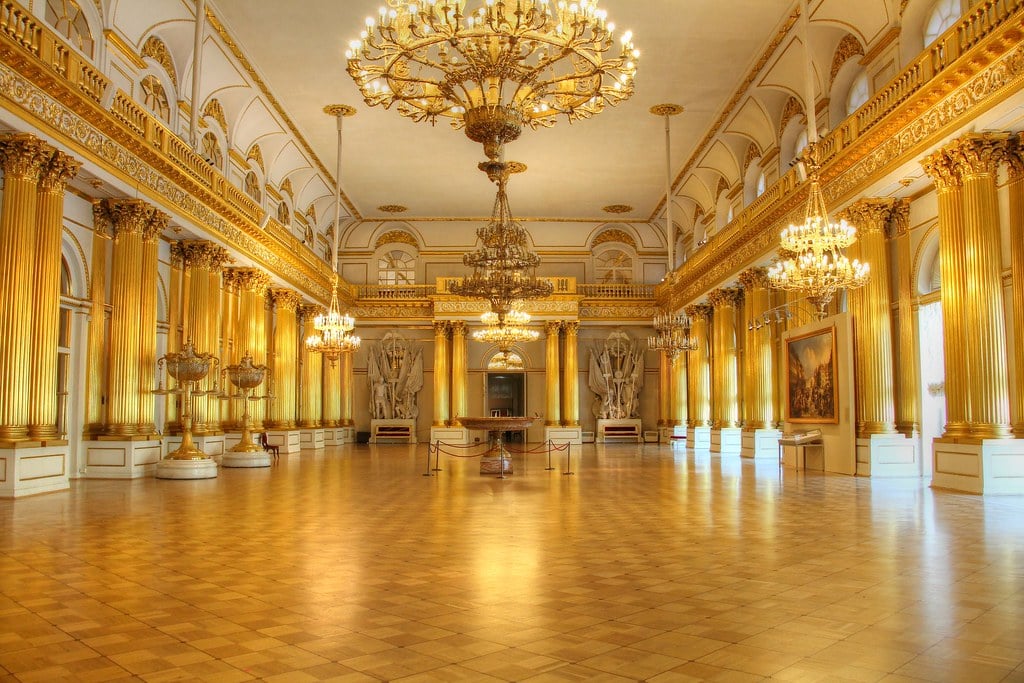
Back when Tsar Nicholas II took power, his riches added up to roughly 300 billion dollars by now’s measure. Palaces spread across the countryside under the family name, vast stretches of soil belonged to them too.
Jewels piled high in their vaults while state funds flowed near indistinguishably into private hands. Wealth of such scale made little difference between what was royal and what was national – similar to how kings ruled long ago.
Nicholas stands apart because fortune offered no shield. When upheaval struck, he watched his authority crumble – palace by palace, relative by relative.
Gold piled high couldn’t stop the fall once support vanished from beneath. Power propped up riches, yet power itself proved fragile.
What lasted centuries folded in moments when loyalty dissolved.
The Weight Of Old Money
Looking over this list, it strikes you just how different old riches were from today’s. Control made most of these fortunes – control over land, key resources, shipping lanes, even whole nations’ output.
Sometimes power shifted because someone stood where history turned. Not many relied on inventions or startups like now.
Hardly anyone today earns money like they once did. Not through startups or changing how things work.
Through land where cities rose, or force against those building them. What it says about their riches – more weighty or hollow – is something to hold onto for a while.
More from Go2Tutors!

- The Romanov Crown Jewels and Their Tragic Fate
- 13 Historical Mysteries That Science Still Can’t Solve
- Famous Hoaxes That Fooled the World for Years
- 15 Child Stars with Tragic Adult Lives
- 16 Famous Jewelry Pieces in History
Like Go2Tutors’s content? Follow us on MSN.



