How Text Messaging Rewired the Way an Entire Generation Communicates
Somewhere in a junk drawer or an old phone case, there’s probably a message thread from fifteen years ago that reads like a foreign language now: half words, missing vowels, “wat u doing 2nite.” That message meant something once, arriving with the same thrill an actual letter used to carry, back when a phone buzzing in your pocket was still new enough to feel exciting rather than exhausting.
Texting didn’t arrive as a revolution. It slipped in quietly through a feature nobody expected to matter, and then it rewired how an entire generation talks, argues, flirts, apologizes, and says goodnight.
The Death of the Phone Call

Nobody calls anymore. A text lands, gets read, gets answered — no ringing, no waiting, no small talk about the weather before the actual point.
The phone call became optional the moment texting got fast enough to replace it. Most people under forty treat an incoming call like an emergency alarm.
Abbreviations and Acronyms
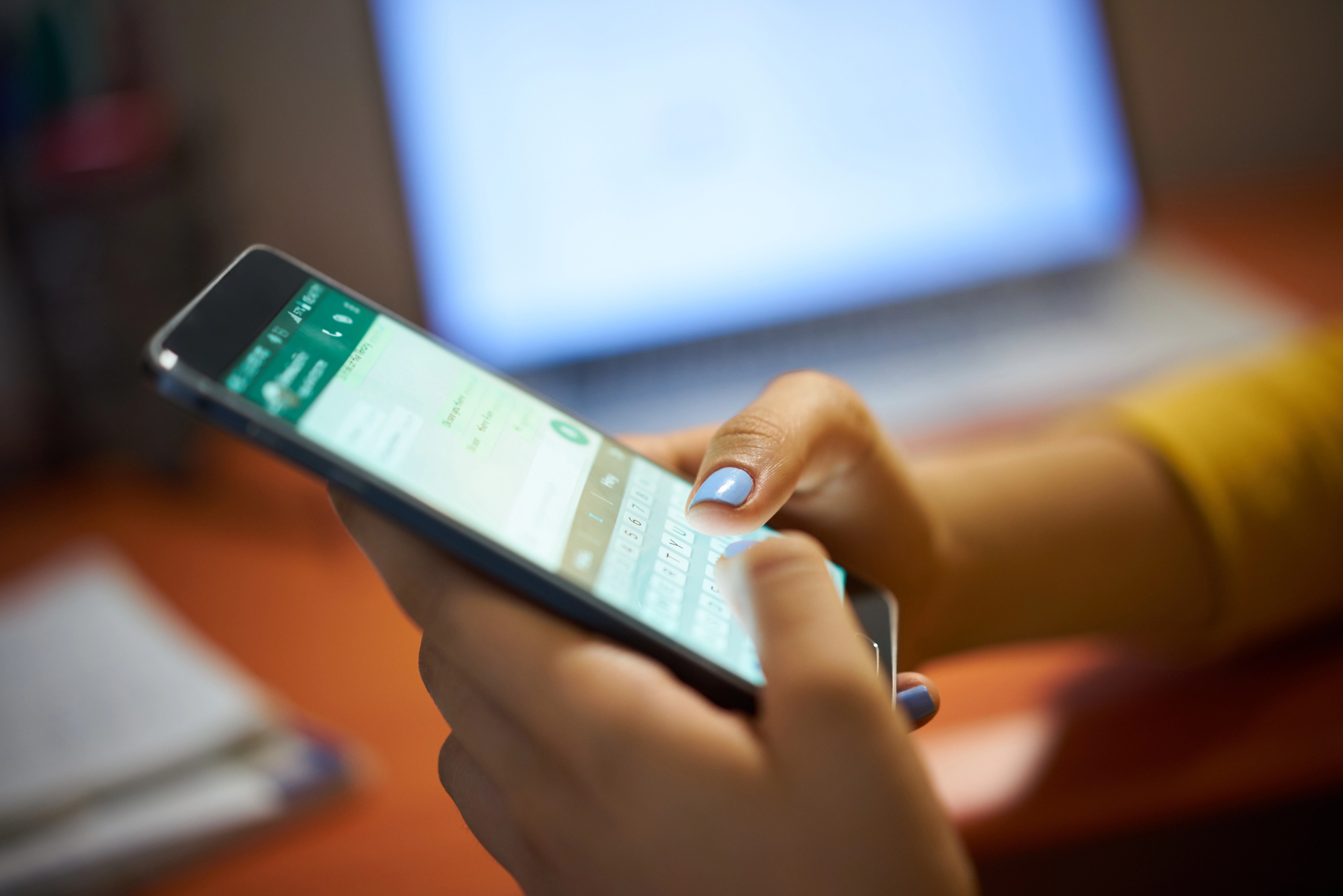
Every generation invents its own shorthand, but texting did something different: it compressed language down to the character limit of an early flip phone and never fully let go, so “u” and “brb” and “lol” stopped being shortcuts and became a dialect people actually think in — which is a strange thing to admit out loud. The 160-character SMS limit (a technical constraint nobody chose on purpose) forced a kind of linguistic economy that outlived the technology that created it, and once the habit set in, it just kept going even after character limits disappeared.
So the abbreviations survived their own extinction event, essentially becoming fossils that still walk around and answer text messages. That’s odd, when you actually sit with it.
Emojis as Emotional Punctuation

An emoji is punctuation with a pulse, doing the work a raised eyebrow or a half-smile would do if the person were actually standing in front of you. Text alone is a flat, unshaded thing — it can’t carry sarcasm, can’t wink, can’t soften a blunt sentence the way a real face can, so a small yellow face showed up to do that job instead.
Somewhere between the winking face and the crying-laughing one, an entire generation built a second grammar out of pictures, one that says “I’m joking” or “I’m not actually angry” faster than any sentence could. It corrects a flaw that language had all along: tone doesn’t travel through text on its own.
The Read Receipt Problem

Read receipts ruined honesty. The second a message shows “Read 2:47 PM,” every excuse about being busy evaporates, and the silence that follows says more than any reply could.
People have started turning them off entirely, which is the digital equivalent of pretending you didn’t hear someone call your name across a parking lot. It’s a small feature that turned every conversation into a tiny trial with a timestamp for evidence.
Group Chats and Social Dynamics
Group chats never really end. They just go quiet for a while and then erupt again at 11 p.m. over something unrelated to the original topic.
Every friend group has one member who never responds and one who responds to everything. The group chat became the new town square, except nobody agreed to move there.
Texting and Dating

Dating changed the moment the first message stopped being a phone call asking someone out and became a text that could be drafted, deleted, and rewritten four times before it ever got sent — which sounds small until you realize it removed almost all of the immediate risk from asking anyone anything. The double text (sending a second message before the first one gets answered) became its own minor crime, one debated endlessly by people who otherwise seem perfectly reasonable, and somewhere along the way one rule got established fast: never reply too quickly.
So waiting three minutes before answering turned into an actual calculated move rather than just however long it takes to notice a notification. And the whole business of courtship got quieter, slower to escalate, and a lot easier to walk away from without ever explaining why.
The Decline of Formal Grammar
Grammar didn’t die, exactly. It just moved out of one house and into a smaller, more casual one, where periods started reading as cold and capital letters started reading as anger.
A sentence typed in all lowercase, no punctuation, feels closer to a shrug than a statement, and the comma became optional, the period became a weapon, and somewhere in that shift, texting quietly rewrote what politeness even sounds like.
Silence as a Response
An unanswered text is its own sentence, and everyone under thirty understands its grammar instantly. Silence used to just mean someone was out of reach — now it means something, usually something you don’t want to hear.
Older generations find this baffling, mostly because a missed call in 1995 didn’t come loaded with quite so much meaning. To be fair, ignoring someone has never been easier, or more devastatingly effective.
Autocorrect’s Quiet Influence

Autocorrect shapes more sentences than anyone likes to admit. It fixes typos, sure, but it also nudges word choice, flattens regional slang, and occasionally turns an innocent message into something deeply embarrassing.
Everyone has a story about the wrong word slipping through at the worst possible moment. The software meant to clean up language ended up quietly steering it instead.
Workplace Communication

Texting crept into the workplace slowly, then all at once, until a quick message to a coworker about a deadline felt more natural than walking to their desk or, heaven forbid, calling them, and now entire teams coordinate through group texts that blur the line between the office and everything outside of it. The trouble is that a text sent at 9 p.m. carries an urgency an email never did — email has folders, inboxes, the polite fiction of “getting to it in the morning” — but a text just sits there on the lock screen, glowing, impossible to ignore.
So boundaries got blurrier: what used to be an after-hours phone call reserved for true emergencies became a casual “hey, quick question” sent at dinner. And nobody quite agreed on the new rules, which is why half the working world still feels guilty about not replying instantly.
Texting While Driving

A phone buzzing in a cupholder has become one of the more dangerous invitations in modern life, quiet as a whisper and just as hard to ignore. Glancing down for two seconds at 60 miles an hour means crossing the length of a football field without looking at the road, a fact that never quite lands until it’s someone you know.
Public service campaigns turned texting and driving into the new drinking and driving of highway safety messaging, plastered on billboards next to exits everywhere. The habit persists anyway, stubborn as anything, because the phone asks so little and promises so much.
The Rise of the GIF and Meme Reply

Words got lazy, and everyone’s fine with it. A GIF of someone falling over says more than three paragraphs ever could, and it arrives with a punchline built in.
Memes became their own shorthand dialect, understood instantly by people who’d never explain the joke to their parents even if asked nicely. It’s efficient, it’s a little absurd, and it’s not going anywhere anytime soon.
Texting Across Generations

Grandparents text differently than grandkids, and everyone knows it. Full sentences. Correct punctuation.
A period at the end of “ok.” that reads as furious to anyone under twenty-five.
The Anxiety of the Typing Bubble

Three dots appear, disappear, appear again, and somehow that tiny animation carries more suspense than most television finales — a person is typing something, then apparently reconsidering it, then typing again, and the person waiting has no choice but to sit with that uncertainty. It’s a strange kind of power, watching someone compose a thought in real time without knowing what it says, and it’s created an entirely new flavor of anxiety that didn’t exist before phones could show you someone else’s hesitation.
So the bubble became a tiny stage: every pause reads as meaning something, even when it’s just someone answering the door or losing their train of thought. But nobody designed this feature to be cruel, it just turned out that way once real people started using it.
Voice Memos as a Counter-Trend

Somewhere along the way, a small rebellion started: people began sending voice memos instead of typing, trading the clean efficiency of text for the messy warmth of an actual human voice. A ninety-second ramble about someone’s day carries inflection that no string of words or emoji could fully replace, the way a photograph of a meal never quite captures the smell of it.
It’s slower, less polished, occasionally embarrassing to listen back to, and that’s exactly the point. Texting won the argument for convenience, but voice memos are the quiet insurgency reminding everyone what got lost along the way.
Texting and Long-Distance Relationships

Texting saved long-distance relationships, full stop. Before constant messaging, staying close across time zones meant expensive phone bills and letters that took a week to arrive, which is a rough way to maintain anything resembling closeness.
Now a couple can trade small moments all day long — a photo of lunch, a complaint about traffic, a joke that only makes sense to the two of them — and that steady drip of contact does more for intimacy than one long call ever could. It’s not romantic in the traditional sense, but it works, which is really all that matters.
The Habit That Outgrew Its Origins

Text messaging started as a workaround, a clunky feature squeezed into phones that were built for calling, and it ended up reshaping something as basic as how people say good morning to each other. Nobody planned for it to replace conversation, exactly, it just did, one short message at a time, until the short message became the conversation itself.
The generation that grew up inside this shift didn’t choose it any more than earlier generations chose the telephone or the postage stamp, but they adapted to it fast, building a whole emotional vocabulary out of a technology designed for convenience rather than feeling. What’s left is a strange kind of intimacy, built on typing bubbles and read receipts and the particular hesitation of drafting a reply nobody will ever see the first version of — and somehow, that still counts as closeness. It just looks different than it used to.
More from Go2Tutors!

- The Romanov Crown Jewels and Their Tragic Fate
- 13 Historical Mysteries That Science Still Can’t Solve
- Famous Hoaxes That Fooled the World for Years
- 15 Child Stars with Tragic Adult Lives
- 16 Famous Jewelry Pieces in History
Like Go2Tutors’s content? Follow us on MSN.