How Women Led Secret Resistance Groups
History books often skip the stories of women who fought back against oppression in the shadows. These brave individuals created underground networks, smuggled information, and organized resistance movements that changed the course of history.
From World War II to civil rights movements and beyond, women used their intelligence, courage, and resourcefulness to lead some of the most effective secret operations the world has ever seen. Their methods were often different from traditional military approaches, but their impact was just as powerful.
These stories show how ordinary women became extraordinary leaders when their communities needed them most. Each tale reveals different tactics and incredible bravery that helped shape our modern world.
Nancy Wake coordinated French Resistance operations from behind enemy lines
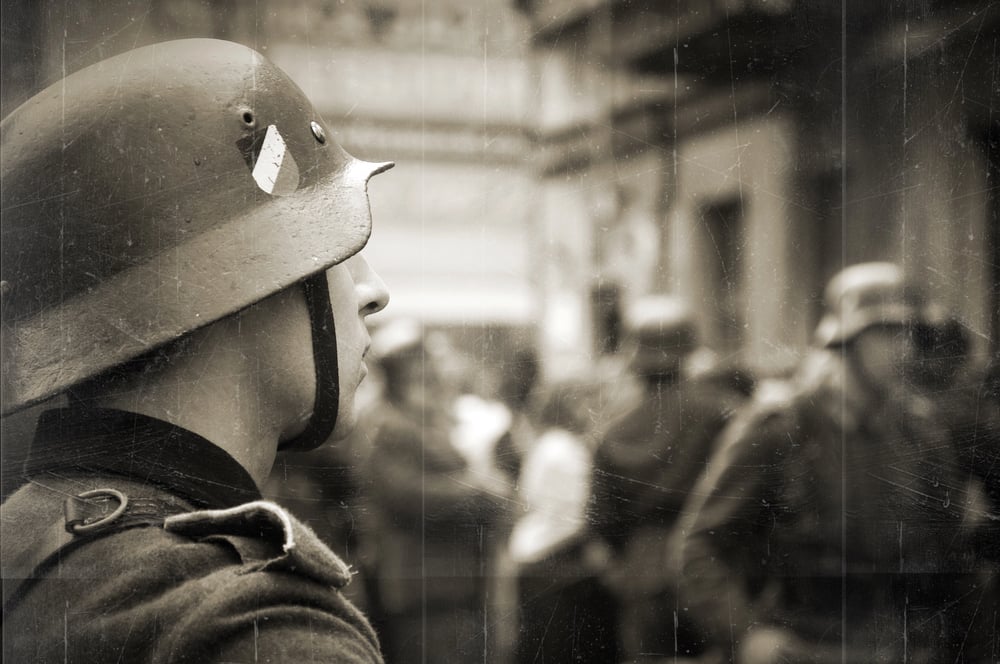
Nancy Wake earned the nickname “White Mouse” because she was so good at avoiding capture by Nazi forces. This Australian woman organized supply drops, coordinated attacks on German installations, and helped Allied soldiers escape through occupied France.
She could ride a bicycle for hours through dangerous territory, carrying messages and weapons to resistance fighters. Wake once killed a German sentry with her bare hands to prevent him from raising an alarm during a mission.
By the war’s end, she had become one of the most decorated Allied agents, proving that determination could overcome any obstacle.
Virginia Hall built spy networks across occupied Europe

Virginia Hall lost her leg in a hunting accident, but that didn’t stop her from becoming one of America’s most effective spies. She worked undercover in France, posing as a journalist while secretly organizing resistance cells and gathering intelligence.
Hall coordinated escape routes for downed Allied pilots and helped French fighters obtain weapons and supplies. The Nazis wanted to capture her so badly they put a bounty on her head and launched massive search operations.
She stayed one step ahead of them throughout the entire war, saving countless lives through her careful planning and brave actions.
Irena Sendler smuggled 2,500 Jewish children out of the Warsaw Ghetto

Working as a social worker gave Irena Sendler the perfect cover for her rescue operations in Nazi-occupied Poland. She convinced Jewish families to let her take their children to safety, knowing it might be their last goodbye.
Sendler hid babies in suitcases, coffins, and laundry bags to get them past German checkpoints. She kept detailed records of every child’s real identity, burying the information in glass jars under an apple tree.
When the Nazis finally caught her, they broke her legs and arms during torture, but she never revealed the location of those hidden records or the children’s new identities.
Rosa Parks sparked a movement through careful planning and quiet strength
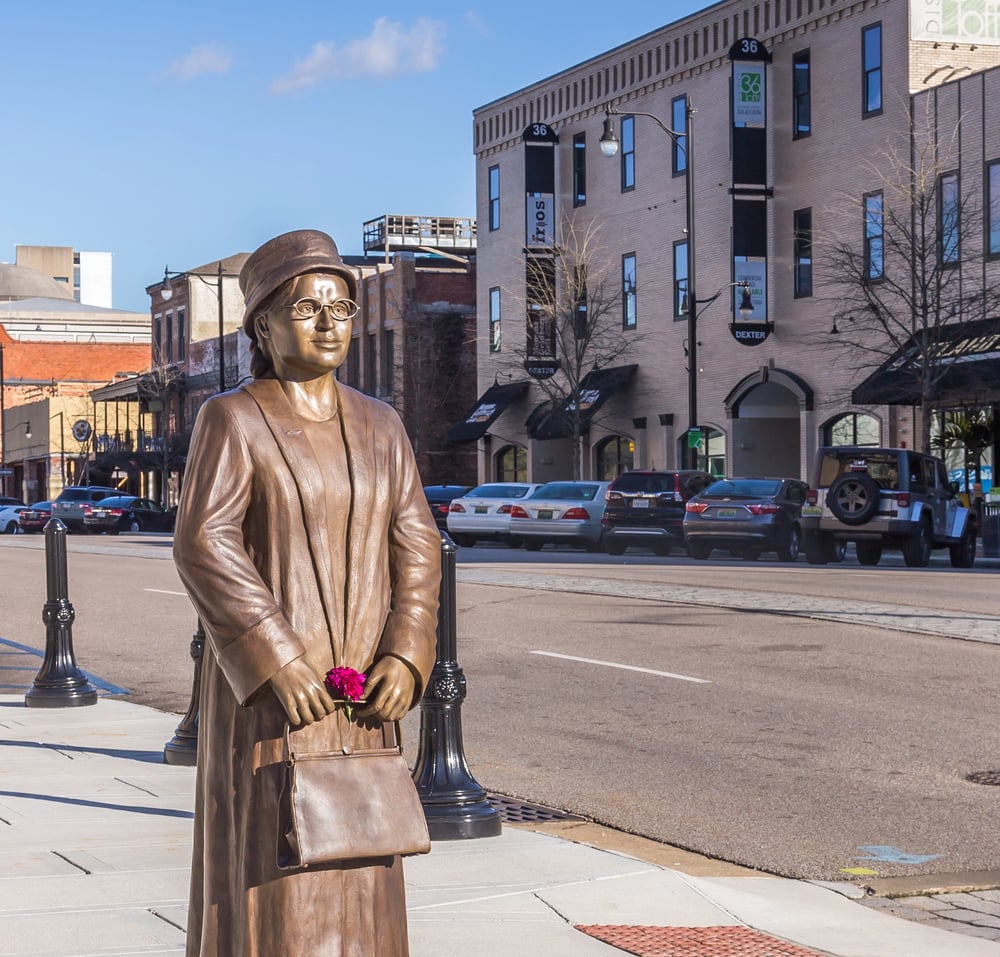
The Montgomery Bus Boycott didn’t happen by accident. Rosa Parks had spent years training at civil rights workshops and working with the NAACP before her famous bus ride.
She understood that refusing to give up her seat would likely lead to arrest, but she also knew the African American community was ready to support a boycott. Parks worked closely with other women leaders like Jo Ann Robinson, who had already prepared thousands of leaflets calling for the bus boycott.
Her arrest became the spark, but the months of behind-the-scenes organizing by women made the movement successful.
Sophie Scholl led student resistance against Nazi Germany

Sophie Scholl helped create and distribute anti-Nazi leaflets as part of the White Rose resistance group in Munich. She and her brother Hans wrote powerful messages calling on Germans to resist Hitler’s regime and end the war.
The group used university resources to print thousands of copies, which they scattered in public places and mailed to addresses across Germany. Scholl knew the risks but believed that speaking the truth was more important than personal safety.
She faced execution with remarkable courage, telling her captors that their actions would soon be judged by history.
Harriet Tubman ran the Underground Railroad like a military operation

Harriet Tubman made nineteen trips into the South to guide enslaved people to freedom, never losing a single person along the way. She carried a pistol and wasn’t afraid to use it if someone wanted to turn back and risk exposing the group.
Tubman used coded songs and signals to communicate with her passengers and contacts along the route. She worked with a network of abolitionists who provided safe houses, food, and transportation.
During the Civil War, Tubman became the first woman to lead an armed raid, freeing more than 700 people in South Carolina.
Josephine Baker gathered intelligence while entertaining Nazi officers

Josephine Baker used her fame as a dancer and singer to attend parties with high-ranking Nazi officials in occupied France. She memorized conversations, troop movements, and strategic plans, then passed the information to French Resistance leaders.
Baker wrote intelligence reports using invisible ink on her sheet music, hiding military secrets in plain sight. She also used her celebrity status to help people escape, hiding refugees in her castle and providing them with false identity papers.
Her entertaining persona gave her access to information that traditional spies could never obtain.
Noor Inayat Khan operated radio equipment deep in enemy territory

As a wireless operator for the British Special Operations Executive, Noor Inayat Khan maintained crucial communication links between London and French Resistance groups. She was the last radio operator left in Paris after the Germans captured her colleagues, making her work extremely dangerous.
Khan moved constantly to avoid detection, carrying heavy radio equipment and transmitting messages from different locations each time. When the Nazis finally caught her, she tried to escape twice before they chained her in solitary confinement.
She never revealed any information about her networks or operations, even under torture.
Dolores Huerta organized farmworkers through grassroots community building

Dolores Huerta co-founded the United Farm Workers union and developed innovative tactics for labor organizing in California’s agricultural communities. She organized boycotts, strikes, and political campaigns that brought national attention to the poor working conditions of farmworkers.
Huerta negotiated directly with growers and politicians, securing better wages, health benefits, and safety protections. She trained other women to become leaders and organizers, creating a network of activists throughout the Southwest.
Her phrase “Si se puede” (Yes we can) became a rallying cry that inspired workers to believe change was possible.
Wangari Maathai built environmental resistance through tree planting

Wangari Maathai started the Green Belt Movement in Kenya by teaching rural women to plant trees and protect their local environment. She understood that environmental destruction often went hand-in-hand with political oppression and poverty.
Maathai organized women to resist government development projects that would harm their communities and forests. Her environmental activism led to multiple arrests, but she continued organizing and speaking out against corruption.
The movement she started planted over 51 million trees and empowered thousands of women to become environmental and political leaders.
Ida B. Wells exposed lynching through fearless journalism
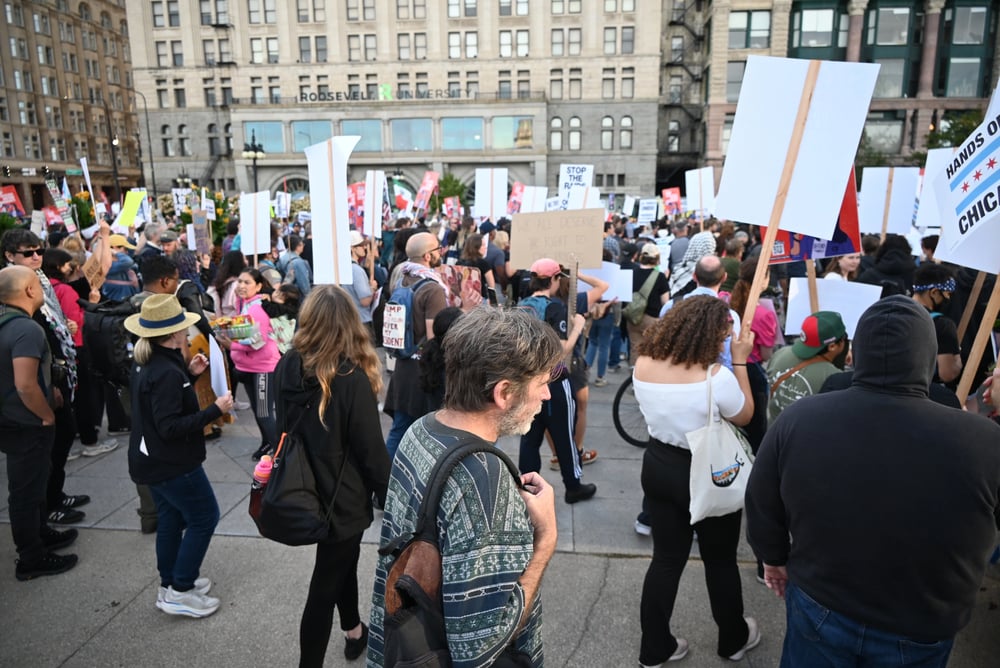
Ida B. Wells used her newspaper to investigate and document lynching incidents across the American South when most people were too afraid to speak out. She traveled to crime scenes, interviewed witnesses, and published detailed reports that challenged official stories about these murders.
Wells faced death threats and had to flee Memphis when angry white mobs destroyed her newspaper office. She continued her anti-lynching campaign from the North, speaking at rallies and publishing pamphlets that educated people about racial violence.
Her research and writing helped launch the civil rights movement by exposing the truth about systematic terrorism against African Americans.
Constance Markievicz led armed rebellion in Ireland

Constance Markievicz commanded rebel forces during the 1916 Easter Rising in Dublin, making her one of the few women to hold a military leadership position during the uprising. She had trained with Irish Citizen Army units and knew how to use rifles and other weapons effectively.
Markievicz held strategic positions during the fighting and helped coordinate resistance activities across the city. After the rebellion failed, she became the first woman elected to the British Parliament, though she refused to take her seat.
Her military leadership showed that women could command troops just as effectively as men.ontributed to peace negotiations.
Jeannette Rankin voted against war as the only woman in Congress
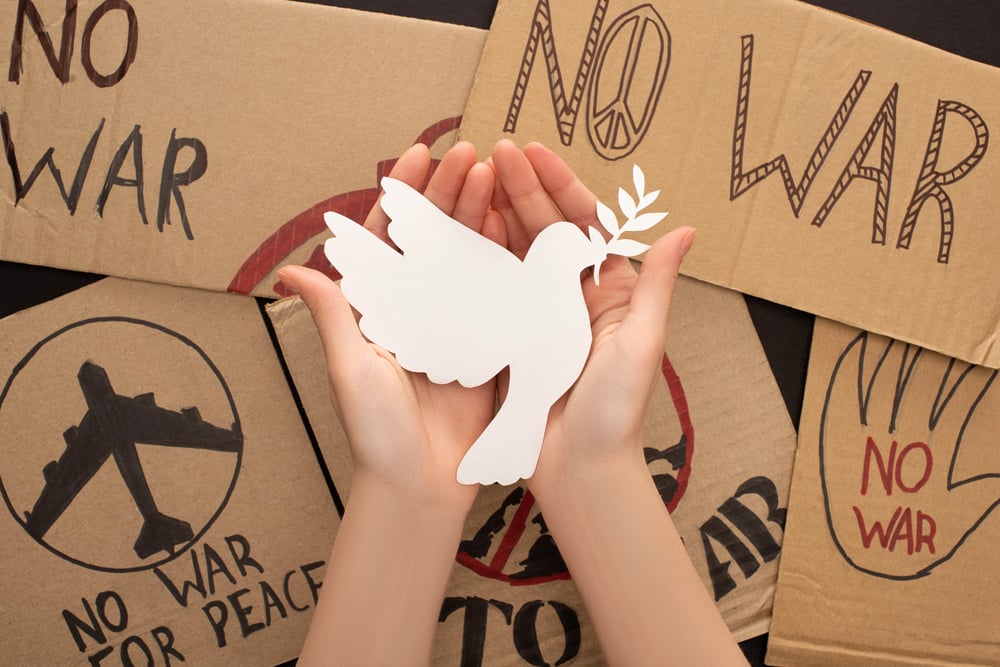
Jeannette Rankin was the first woman elected to Congress and used her position to oppose American involvement in both World Wars. She believed that women’s voices were essential in preventing wars and protecting families from violence.
Rankin organized peace groups and lobbied other politicians to find diplomatic solutions instead of military ones. She faced enormous criticism for her anti-war stance, especially after Pearl Harbor, but never backed down from her principles.
Her lonely votes against war showed that sometimes true leadership means standing alone for what you believe is right.
Underground networks that changed everything
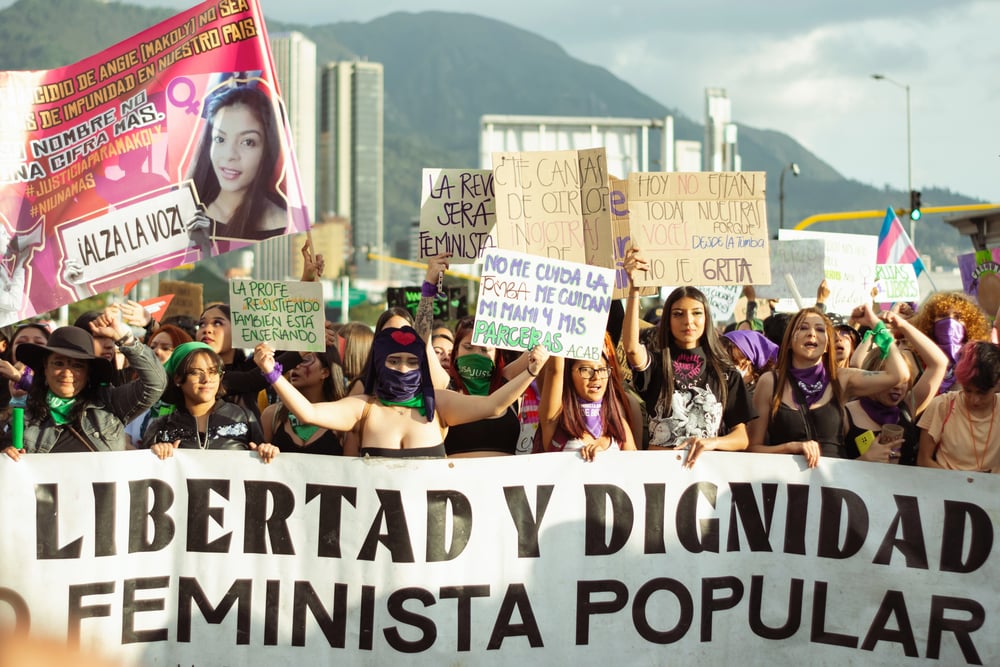
These remarkable women proved that resistance doesn’t always require armies or weapons to be effective. They used intelligence, organization, and moral courage to challenge powerful systems of oppression and create lasting change.
Their methods of building networks, gathering information, and mobilizing communities became templates for future social movements around the world. Today’s activists and organizers still use many of the same tactics these pioneers developed, from grassroots community building to international pressure campaigns.
The courage these women showed reminds us that ordinary people can accomplish extraordinary things when they decide to fight for justice and freedom.
More from Go2Tutors!

- The Romanov Crown Jewels and Their Tragic Fate
- 13 Historical Mysteries That Science Still Can’t Solve
- Famous Hoaxes That Fooled the World for Years
- 15 Child Stars with Tragic Adult Lives
- 16 Famous Jewelry Pieces in History
Like Go2Tutors’s content? Follow us on MSN.