Icelandic Alphabet Facts You Didn’t Expect
Ever ponder what occurs when a language rejects modernization? One of the most intriguing tales in linguistic history is told by Iceland’s alphabet: the story of medieval letters’ tenacious preservation, which has allowed them to survive in the digital age. Consider the centuries-long evolution of English.
We have borrowed words from all over the world, dropped outdated letters, and simplified spellings. Iceland adopted a different strategy.
They have preserved letters that vanished from other languages centuries ago, resulting in a contemporary alphabet that appears to have been lifted from a Viking saga.These 11 unexpected facts about Iceland’s alphabet show the unexpected connections between language, culture, and identity.
They Still Use Medieval Letters
Imagine typing emails using letters that were common when knights roamed Europe. That’s exactly what Icelanders do every day.
The Icelandic alphabet includes two letters—Þ (called “thorn”) and Ð (called “eth”)—that English abandoned around 500 years ago. These aren’t museum pieces or historical curiosities.
They appear in everyday words, street signs, and text messages. It’s like maintaining a direct connection to your ancestors through every sentence you write.
The Letter That Sounds Like “th” Has Two Versions

Here’s where things get really interesting. English speakers struggle with one “th” sound, but Icelandic has two completely different letters for different types of “th” sounds.
The Þ (thorn) makes the hard “th” sound like in “think,” while Ð (eth) creates the soft “th” sound like in “that.” Icelanders learn this distinction as naturally as you learned the difference between “p” and “b.” It’s linguistic precision that puts English speakers to shame.
Like Go2Tutors’s content? Follow us on MSN.
You’ll Never Find a “C” Standing Alone

Walk through Reykjavik and you’ll notice something odd about the signage—almost no words start with the letter “C.” That’s because traditional Icelandic doesn’t really use “C” except in foreign loanwords.
Instead, they use “K” for the hard sound and “S” for the soft sound. This means “coffee” becomes “kaffi” and “city” becomes “borg.”
It’s like they decided centuries ago that “C” was just too confusing and eliminated the problem entirely.
Their “Double L” Creates Magic
When Icelanders write “ll,” they don’t pronounce it like English speakers might expect. Instead, it creates a unique sound that’s somewhere between “tl” and a gentle clicking noise.
Try saying “Iceland” the Icelandic way—”Ísland”—and you’ll discover your tongue doing gymnastics it never learned in English class. This sound is so distinctive that linguists use it as a test to identify native Icelandic speakers.
Numbers Follow Ancient Patterns
Here’s something that will blow your mind: Icelandic numbers still follow grammatical rules from the Viking age. The number “two” has different forms depending on whether you’re talking about two men, two women, or two objects.
So “two cars” uses a different version of “two” than “two houses.” It’s like each number is a tiny grammar lesson preserving how their ancestors thought about the world.
Like Go2Tutors’s content? Follow us on MSN.
They Create Words Instead of Borrowing Them
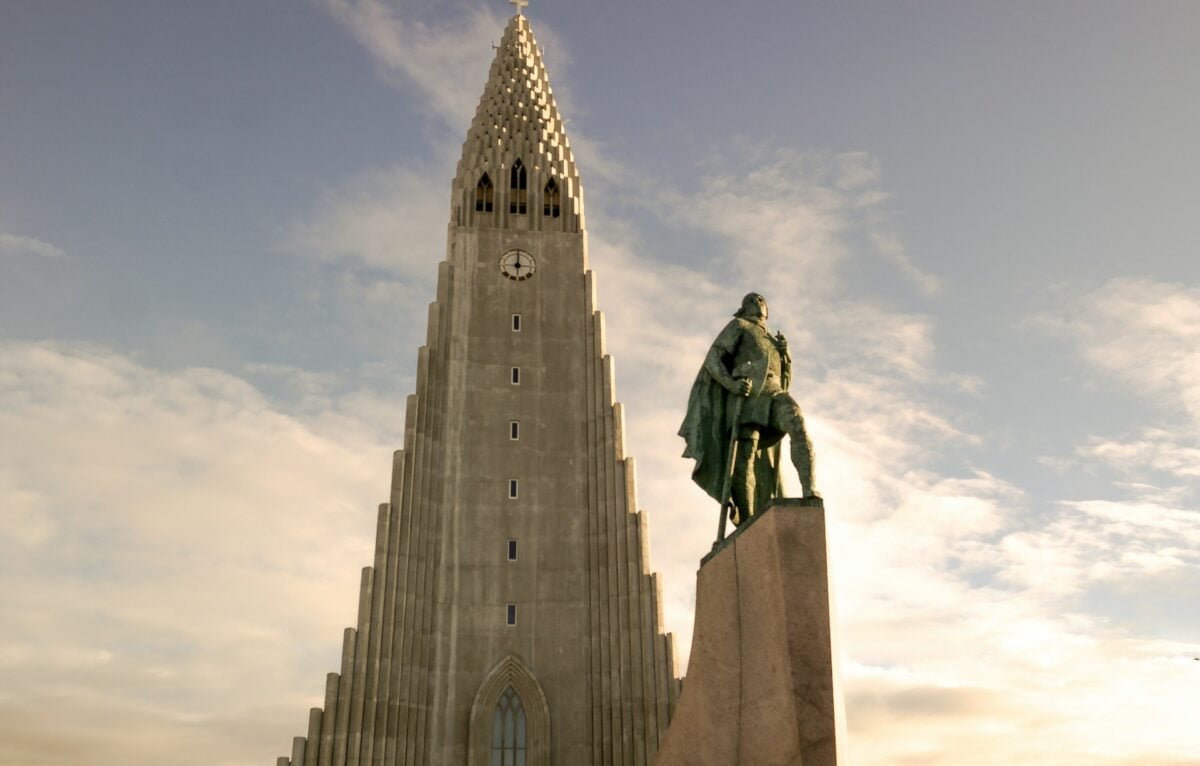
While most languages borrow words for new technology, Icelanders invent them using old roots. A computer becomes “tölva”—a combination of words meaning “number” and “prophetess.”
A telephone becomes “sími”—an ancient word for “thread” because early phones used wires. It’s linguistic creativity that keeps the language purely Icelandic while describing our modern world.
Letters Signal Subtle Pronunciation Changes
That tricky phenomenon where letters seem to disappear? Iceland handles this differently than English.Rather than truly silent letters, Icelandic uses letters as pronunciation guides that signal how surrounding sounds should be modified.
It’s like having subtle coaching instructions built into the spelling system. Native speakers read these clues unconsciously, while foreign learners spend months understanding how these contextual hints work throughout the language.
Letters Influence Each Other Through Sound Rules
Icelandic letters don’t exist in isolation—they constantly influence how their neighbors are pronounced through systematic sound changes. When certain consonants meet, one might assimilate to match the other’s characteristics, creating fluid pronunciation patterns.
It’s like having a sophisticated system of sound cooperation where letters adjust to make words flow more naturally. These assimilation rules create the language’s distinctive rhythm and help explain why Icelandic sounds so different from other Nordic languages.
Like Go2Tutors’s content? Follow us on MSN.
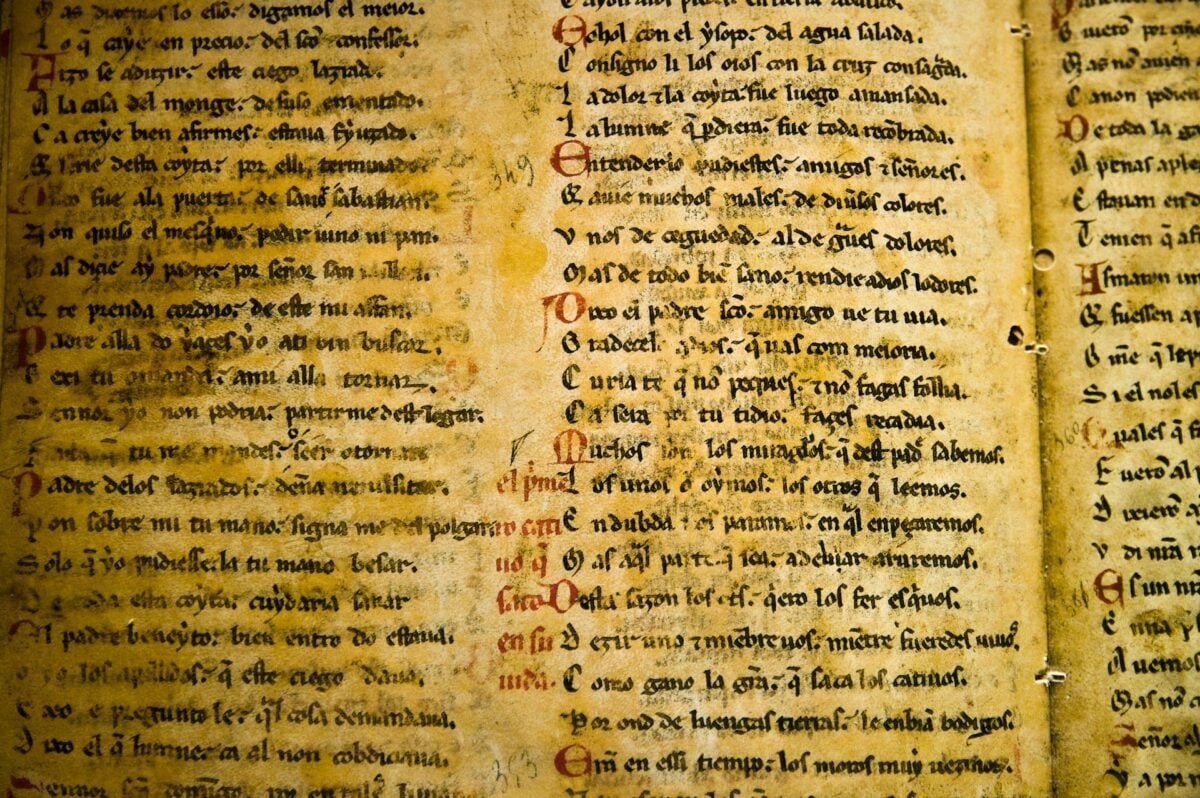
Medieval Manuscripts Are Still Readable
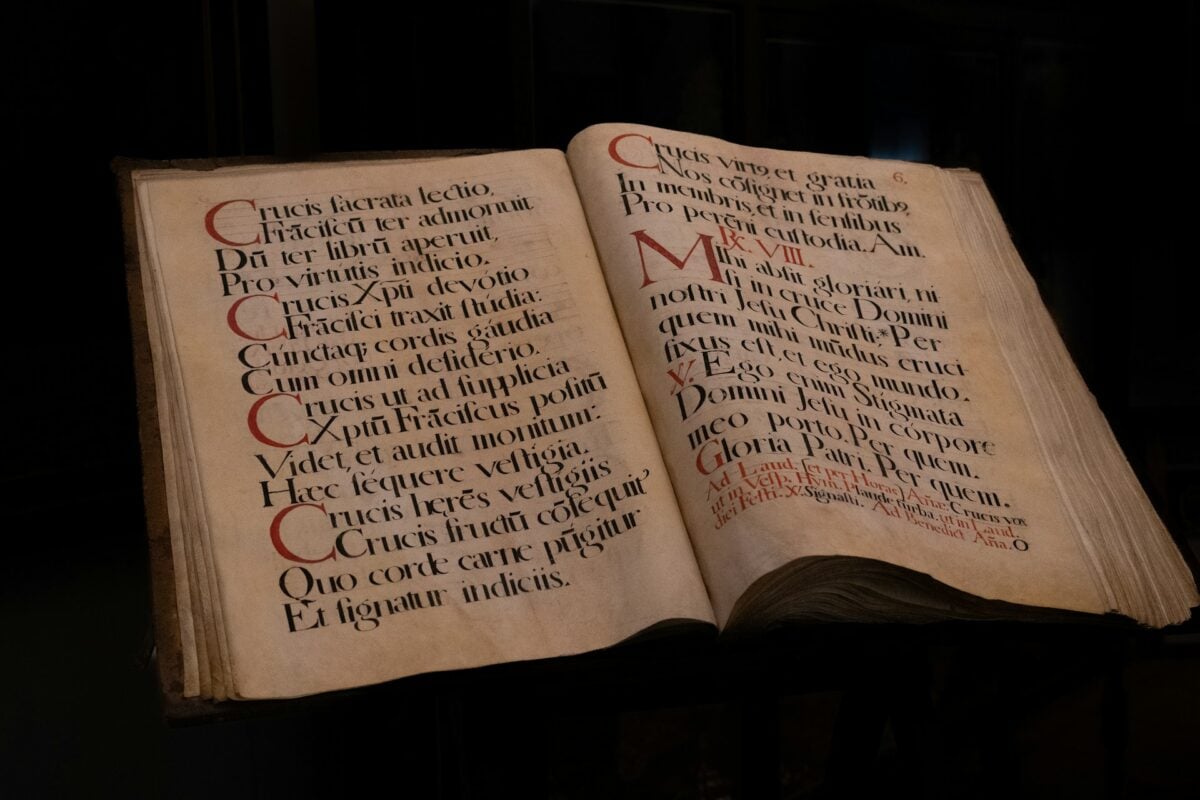
Here’s something remarkable: educated Icelanders can pick up manuscripts from 800 years ago and read them almost as easily as modern newspapers. The alphabet and language have remained so stable that medieval sagas feel contemporary.
Imagine if English speakers could read Beowulf without translation—that’s the linguistic time machine Icelanders experience daily.
Typing Requires Special Skills
Modern Icelanders have mastered the art of typing letters that don’t exist on standard keyboards. They’ve memorized special key combinations to create Þ, Ð, and accented vowels.
It’s like having a secret code that transforms ordinary keyboards into Icelandic writing tools. Some Icelanders can type these special characters faster than tourists can find them on their phones.
The Language Creates New Speakers
Despite having only 350,000 native speakers worldwide, Icelandic attracts passionate learners who fall in love with its complexity. These language enthusiasts often become more knowledgeable about Icelandic grammar rules than casual native speakers.
It’s created a unique community of global Icelandic lovers who preserve and celebrate the language’s intricacies.
Like Go2Tutors’s content? Follow us on MSN.
A Living Link to the Past
In our quickly evolving world, Iceland’s alphabet stands for something remarkable: effective resistance to linguistic globalization. Icelandic demonstrates that preservation and modernity can coexist while other minor languages either vanish or heavily borrow from English.
An Icelander is contributing to an uninterrupted line of communication that dates back to medieval scribes each time they type Þ or Ð. It is more than just an alphabet; it is cultural DNA manifested in letters that defy the passage of time.
More from Go2Tutors!

- 16 Historical Figures Who Were Nothing Like You Think
- 12 Things Sold in the 80s That Are Now Illegal
- 15 VHS Tapes That Could Be Worth Thousands
- 17 Historical “What Ifs” That Would Have Changed Everything
- 18 TV Shows That Vanished Without a Finale
Like Go2Tutors’s content? Follow us on MSN.