Iconic ’80s Cartoons You Totally Forgot Existed
Nothing remained silent back then. Things just sparkled strangely, loud colors hit hard, and speed was more important.
Weekend mornings? similar to customs. You chose to drag yourself out of bed far too early.
You poured sugary flakes into a bowl while adults were still sleeping. The television came to life.
Cartoon warriors, evil masterminds, clanking machines, and strange beasts devoid of logic took the place of real life during those hours. That absurdity? The reason it worked.
There were a few shows from that era that remained in the public eye. One moment they are all over—merch, breakfast boxes, the whole thing—and then you have to search hard to remember them.
By all measures, not bad. Amidst a deluge of cartoons, only a select few managed to endure long enough to be remembered.
A second glance reveals some classic 1980s animated shows that seemed huge back then – yet oddly faded from memory over time.
The Snorks
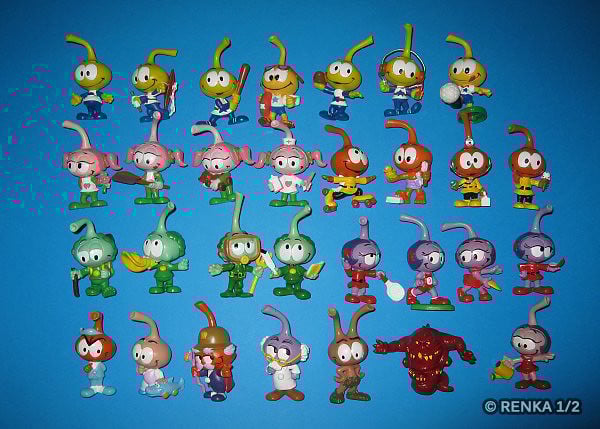
At first glance, The Snorks looked suspiciously similar to another small blue cartoon species. But instead of living in mushroom houses, they lived underwater in a colorful, high-tech ocean city.
Each Snork had a snorkel-like appendage on their head that helped them move and communicate. The show leaned into vibrant aquatic world-building, complete with gadgets, vehicles, and distinct personalities.
For a stretch in the mid-1980s, it had strong merchandising and regular airtime. Yet over time, it sank beneath the tidal wave of other animated franchises that had slightly stronger branding power.
SilverHawks
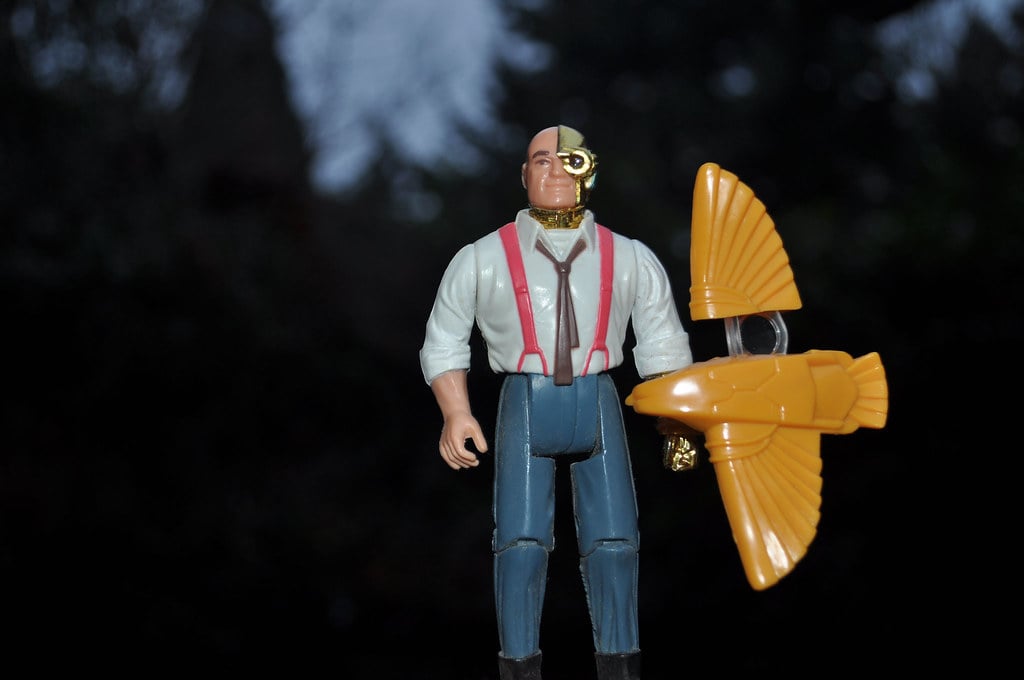
SilverHawks took the space opera formula and coated it in chrome. The team consisted of partially robotic heroes stationed in a distant galaxy, battling a villain named Mon*Star.
The aesthetic was unmistakably ’80s — metallic armor, laser blasts, and a synth-heavy theme song that practically demanded maximum volume. What made SilverHawks stand out was its commitment to a futuristic identity.
Everything shimmered. Everything felt high-tech.
While it never achieved the long-term recognition of some of its contemporaries, it remains a pure snapshot of the decade’s obsession with cybernetic cool.
M.A.S.K.
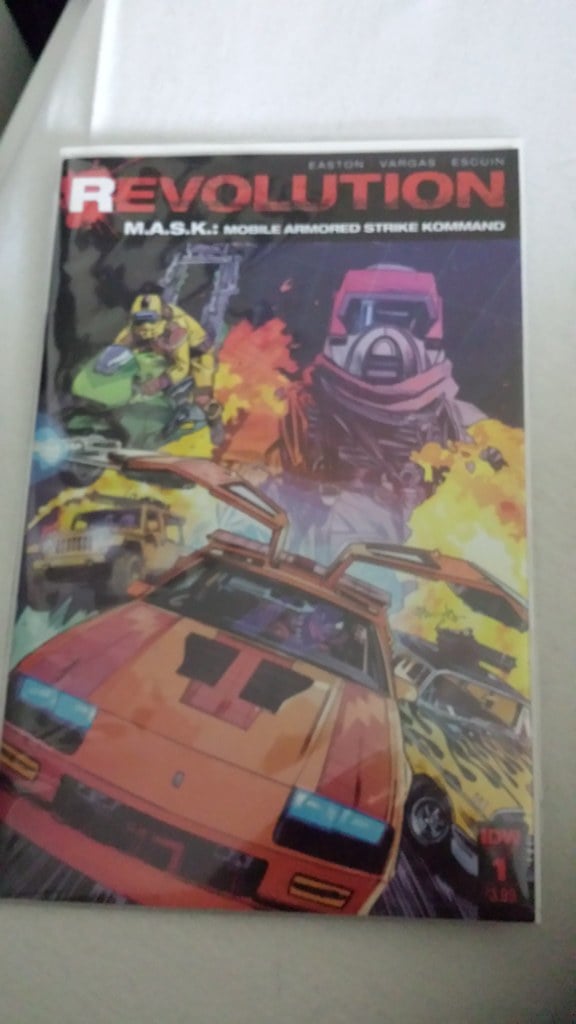
M.A.S.K., short for Mobile Armored Strike Kommand, thrived on transformation. Ordinary vehicles concealed advanced weapon systems and secret-agent capabilities.
A sleek sports car could sprout wings. A motorcycle might convert into a flying machine.
The series existed in the sweet spot between spy fiction and mechanical fantasy. It was engineered for toy shelves, but it also had serialized storytelling that kept viewers invested.
For a few years, it felt like it might dominate the genre. Then it quietly gave way to competitors with deeper mythologies.
The Centurions

The Centurions introduced a concept that felt almost ahead of its time: modular power suits. The heroes wore exo-frames that allowed them to attach different weapon systems depending on the mission.
One moment they were equipped for underwater combat, the next for aerial warfare. The flexibility of the concept gave the show dynamic visuals.
It reflected a broader fascination with upgrade culture — the idea that technology could enhance human capability instantly. Even so, it rarely appears in modern retrospectives, despite how visually ambitious it was.
Bionic Six

Bionic Six centered on a family of superheroes powered by advanced bionic enhancements. Each member had distinct abilities, and their strength came from cooperation rather than lone heroics.
The series blended domestic life with high-tech adventure, which gave it a unique tone. It had humor, warmth, and action in equal measure.
Yet compared to more aggressively marketed franchises, it gradually slipped out of mainstream memory.
Jayce And The Wheeled Warriors

Jayce and the Wheeled Warriors leaned heavily into science fiction fantasy. The heroes drove transformable vehicles across alien landscapes while battling plant-based villains known as the Monster Minds.
The animation style was dramatic, almost cinematic at times. It carried a slightly darker edge than many of its competitors.
Despite strong visual identity and ambitious storytelling, it never quite secured a permanent place in the nostalgia hall of fame.
Visionaries: Knights Of The Magical Light

Visionaries attempted something bold: blending medieval knights with holographic technology. Each character wore armor embedded with glowing chest symbols that projected spectral animal forms.
The series combined ancient mysticism with futuristic effects. It felt experimental, almost like two genres stitched together.
Its short run limited its long-term visibility, but its aesthetic remains one of the more unusual visual experiments of the decade.
Spiral Zone

Spiral Zone imagined a world contaminated by a mysterious energy field controlled by a masked villain known as Overlord. Only specially equipped heroes could enter the dangerous area.
The premise had a surprisingly dystopian undertone for a children’s cartoon. The atmosphere felt tense and dramatic, which set it apart from brighter, more toy-driven programming.
Its seriousness may have contributed to its shorter lifespan, but it also made it distinctive.
Dino-Riders
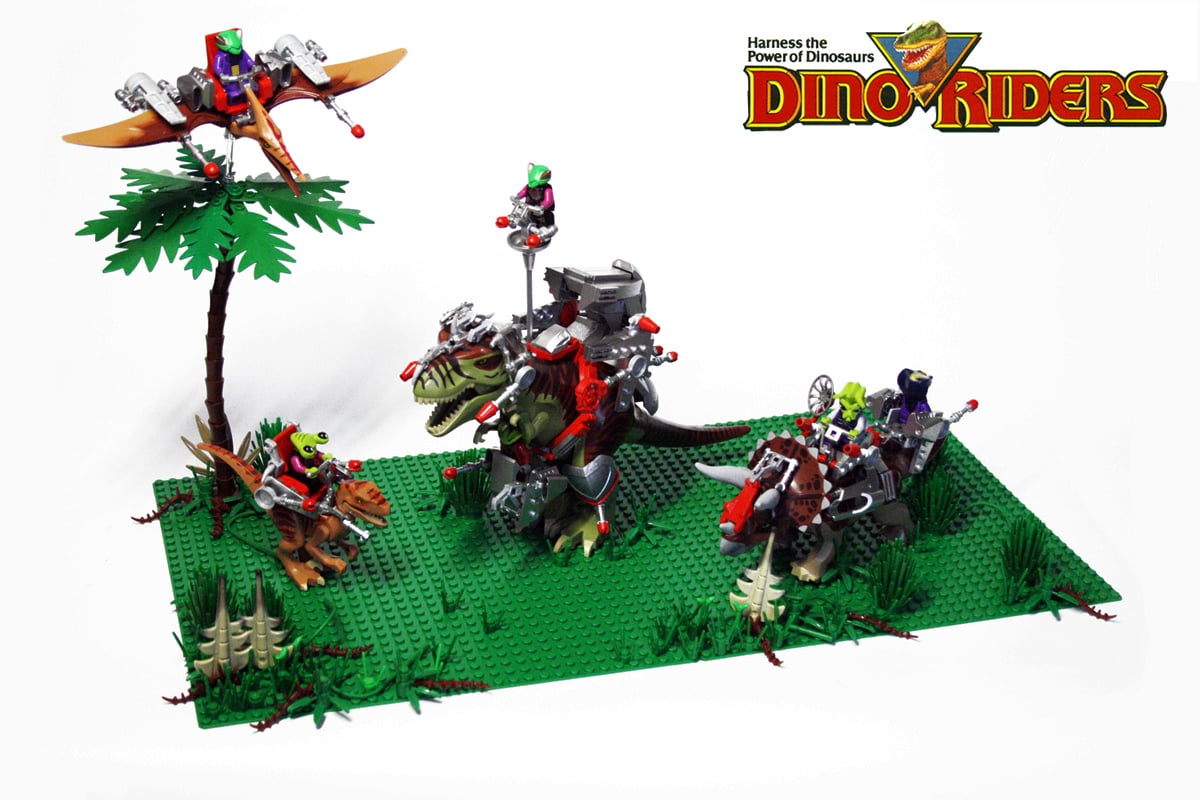
Dino-Riders did not overcomplicate its concept. It combined dinosaurs with advanced laser weaponry and intergalactic conflict.
The result was exactly as loud and dramatic as it sounds. The visual of armored dinosaurs charging into battle was hard to ignore.
Yet despite its unforgettable imagery, it remains one of those shows people vaguely remember without recalling full plotlines.
Galaxy High School

Galaxy High School took a lighter approach. Two human teenagers became exchange students at an intergalactic school populated by aliens.
The humor revolved around social awkwardness in an extraterrestrial setting. The show focused less on combat and more on character dynamics.
It reflected the era’s fascination with space while maintaining a playful tone. Over time, it became overshadowed by flashier action cartoons.
Pole Position
Inspired by the arcade racing game, Pole Position followed siblings who balanced professional racing careers with secret-agent missions. Their cars were equipped with gadgets that turned high-speed competitions into espionage adventures.
It captured the synergy between video games and television during the 1980s. While not as enduring as some adaptations, it felt perfectly timed for an era obsessed with arcades and fast machines.
Kidd Video

Kidd Video felt experimental from the start. The premise involved teenagers pulled into an animated world by a villainous music producer.
The show blended live-action segments with animated storytelling and music-video-style sequences. It reflected the MTV-influenced culture of the decade.
Flashy visuals, heavy music presence, and rapid pacing gave it a chaotic charm. Its hybrid format was ambitious, even if it did not endure.
Shirt Tales

Shirt Tales followed small animal characters whose shirts displayed glowing messages that reflected their emotions. The visual gimmick was simple but instantly recognizable.
The show leaned into lighthearted adventures and friendship themes. It may not dominate discussions of ’80s animation, but its colorful cast once held a reliable place in weekend programming blocks.
The Littles

The Littles centered on tiny humanoid beings secretly living inside human homes. The concept tapped into childhood imagination — the idea that unseen communities might exist just beyond perception.
Its tone was gentler than many action-heavy series of the time. That softness may explain why it is often overlooked, even though it ran for multiple seasons and inspired related media.
Pirates Of Dark Water
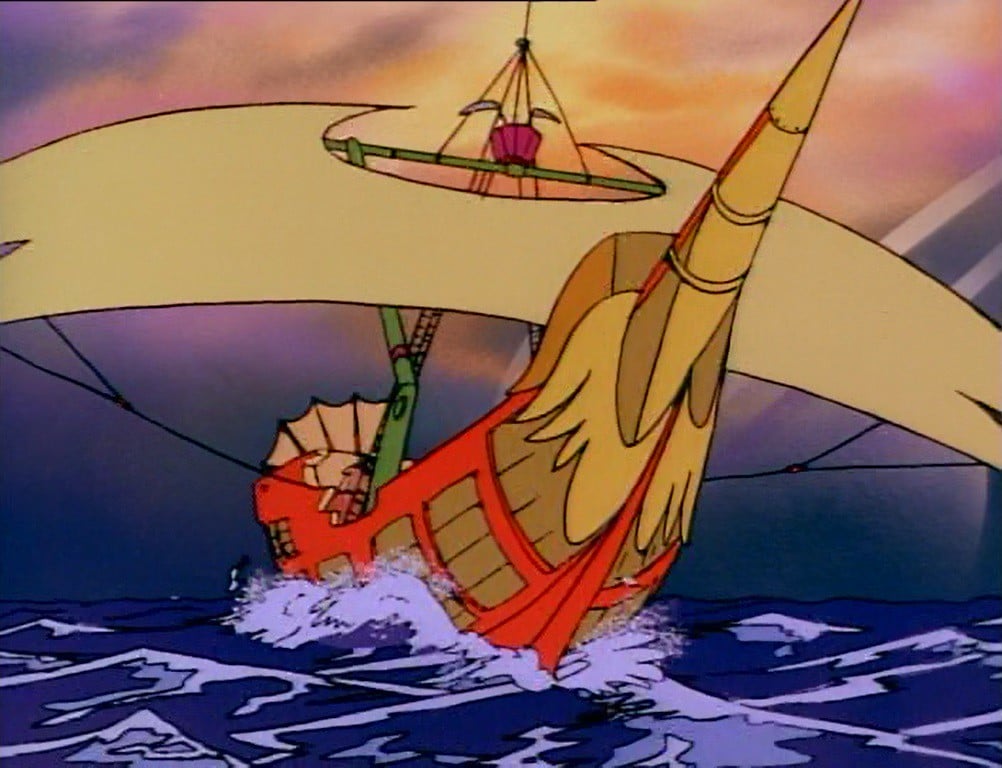
Even past its time, reaching into the early Nineties, Pirates of Dark Water pulsed with that raw Eighties fantasy vibe. A crew of wanderers chased ancient relics across haunted seas, their path shadowed by an ever-growing tide of darkness.
Story by story, it built something rich and layered. Despite not breaking into the big leagues like other series, fans stuck around, drawn to its depth.
Why They Still Matter

Cartoons experimented with wild new styles in the past because toys needed to be sold. Only a handful remained in people’s memories.
Because there were so many shows at once, the majority faded quickly. Bright hopes, constant change, shiny cars under glowing signs, and machines that seemed too crazy to be real were all part of the era’s atmosphere, which was nevertheless set by those old cartoons.
They created a collective perspective on the world, but they are currently not at the top of anyone’s watch list. Longing frequently doesn’t shout.
It all returns with a single line from a song and a whispered name.
More from Go2Tutors!

- The Romanov Crown Jewels and Their Tragic Fate
- 13 Historical Mysteries That Science Still Can’t Solve
- Famous Hoaxes That Fooled the World for Years
- 15 Child Stars with Tragic Adult Lives
- 16 Famous Jewelry Pieces in History
Like Go2Tutors’s content? Follow us on MSN.