Iconic Cars That Were Used in Famous Robberies
There’s something about a getaway car that lodges itself in the imagination. Maybe it’s the contrast — the ordinary machine turned instrument of chaos — or just the fact that cars are something most people understand.
Whatever the reason, the vehicles behind some of history’s most audacious crimes have taken on a life of their own, often becoming as famous as the heists themselves.
The 1934 Ford V8 — Bonnie and Clyde

Clyde Barrow didn’t just use Ford V8s. He was devoted to them. During the height of his crime spree, he wrote a letter to Henry Ford himself praising the V8 for its speed and reliability — a detail that reads almost too strange to be true, but it is.
The cars were fast for their era, and Clyde knew how to handle them on the rural roads of the American south. When Bonnie Parker and Clyde Barrow were finally ambushed by law enforcement in Louisiana in 1934, they were sitting in a stolen Ford V8 Deluxe Sedan.
The car absorbed over 130 rounds. It was displayed publicly afterward, drawing enormous crowds of people who wanted to see the vehicle for themselves.
That particular car has changed hands several times since and still appears at auctions and exhibitions.
The Jaguar Mark 2 — Britain’s Favourite Getaway Car

In Britain during the 1960s and early 1970s, armed bank robbers had a preferred tool of the trade, and it wasn’t a weapon. It was a car. The Jaguar Mark 2, produced from 1959 to 1967, became so associated with post-robbery chases that law enforcement started referring to it informally as the getaway car of choice.
The Mark 2 had genuine credentials for the role. Its 3.8-litre engine made it one of the fastest production saloons available at the time, and it handled well enough to be useful in tight urban streets. Thieves would often steal one the night before a job and have it waiting nearby.
The association became so embedded in British culture that the Mark 2 still shows up in period crime dramas today.
The Mini Cooper — From Screen to Street
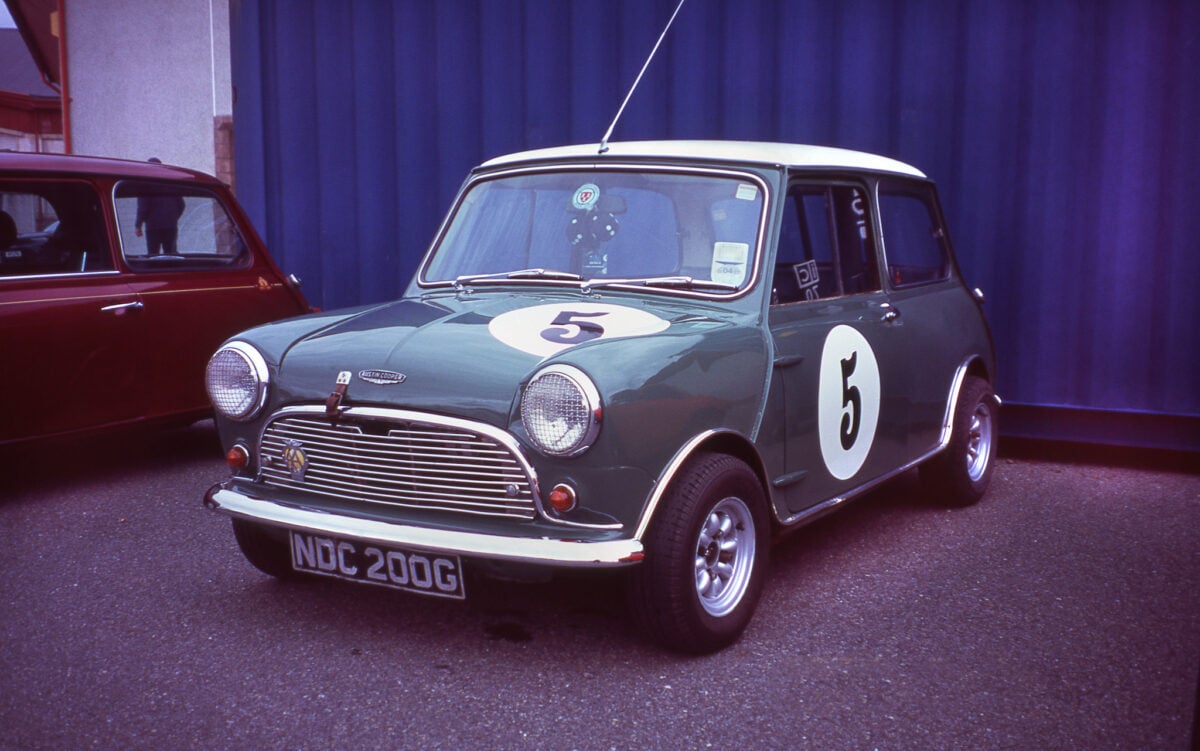
When the 1969 film The Italian Job put three Mini Coopers through the streets, arcades, and rooftops of Turin, audiences were captivated. The sequence is still studied for its choreography. But the film’s influence didn’t stay on screen.
The Mini’s combination of small size, nimble handling, and surprising pace made it genuinely attractive for real criminal operations, particularly in Europe. After the film’s release, the car appeared in a number of actual robberies across France and Britain — partly through deliberate imitation and partly because the same qualities that made the film work also made the car practical for real escapes through crowded city centres.
It became one of the few cases where a movie genuinely influenced criminal methodology.
Land Rovers — The Great Train Robbery
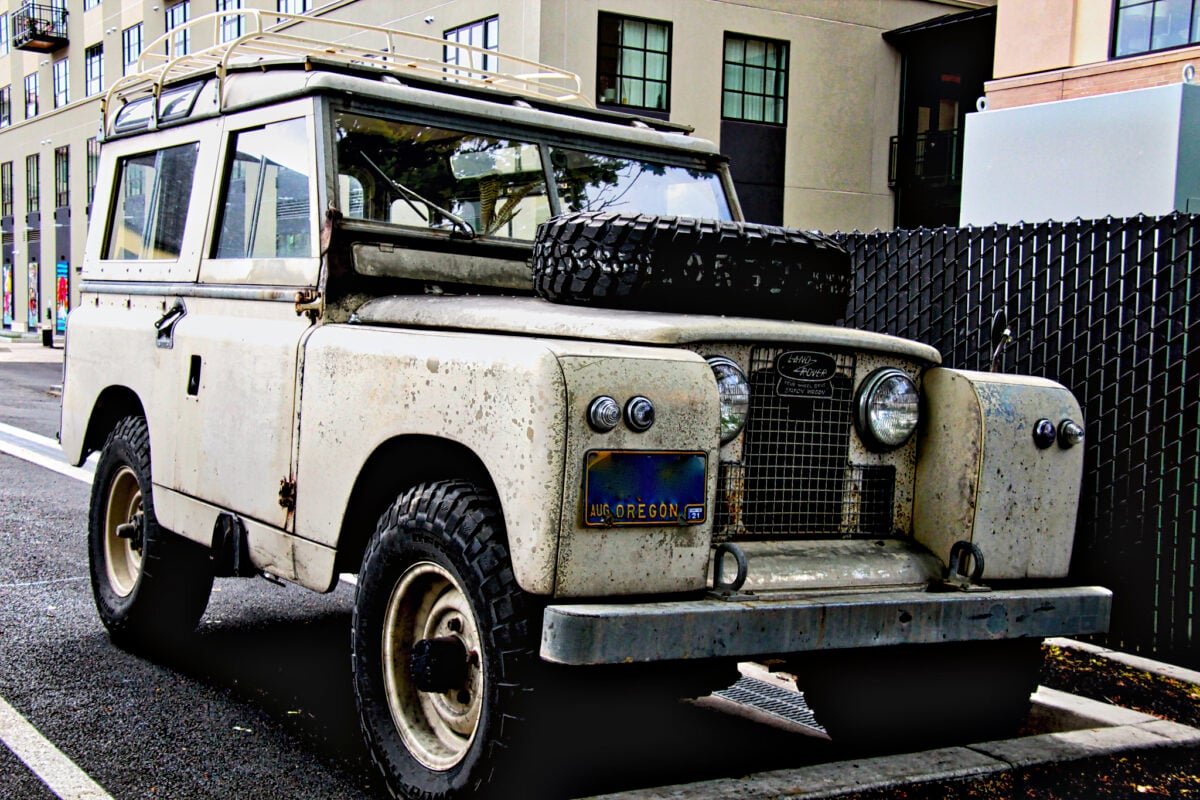
The 1963 Great Train Robbery is still one of the most studied heists in British history. A gang of over a dozen men stopped a Royal Mail train in Buckinghamshire and made off with what was then an almost unimaginable sum — over £2.6 million in used banknotes.
The getaway vehicles were Land Rovers and a lorry, chosen for their ability to handle the rural terrain around the ambush site and to carry the heavy cargo. The gang retreated to a nearby farmhouse — Leatherslade Farm — which eventually became central to the police investigation.
The vehicles themselves were meant to be disposed of but weren’t cleared in time, helping investigators piece together what happened. It’s one of the cleaner examples of how a practical vehicle choice ran into equally practical problems.
The Ford Transit Van — A British Criminal Institution
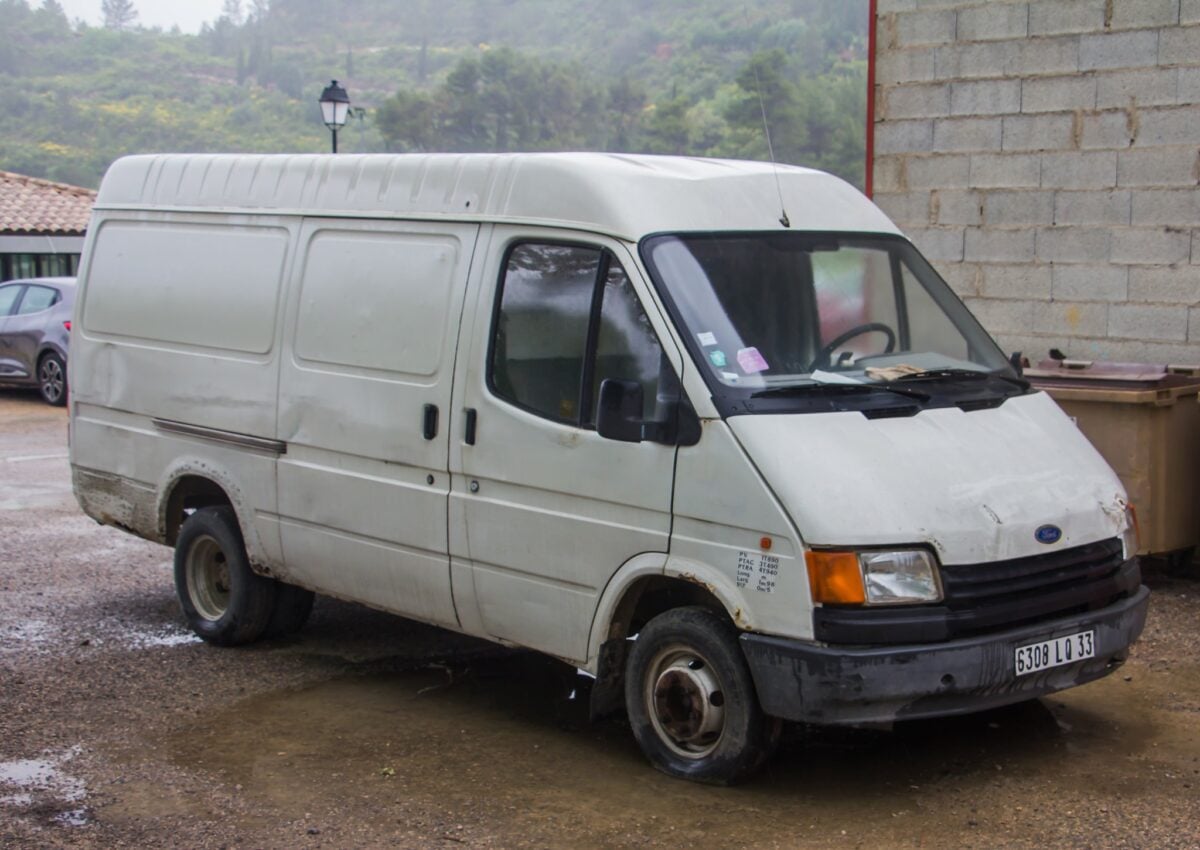
The Ford Transit, introduced in 1965, became the default vehicle for a certain kind of British crime. Practical, common, easy to source, and capable of carrying a lot of weight, the Transit appeared in robberies, warehouse break-ins, and cash-in-transit heists across several decades.
Its very ordinariness made it useful. A Transit parked near a building attracted no attention.
It blended with delivery vans, tradesmen’s vehicles, and general commercial traffic in a way that a sports car never could. Police eventually grew so accustomed to seeing it at crime scenes that it featured in profiles of robbery methodology.
When investigators found a Transit with its plates recently changed or its interior recently cleaned, they knew to look closer.
The Citroën DS — Built for Fast Exits
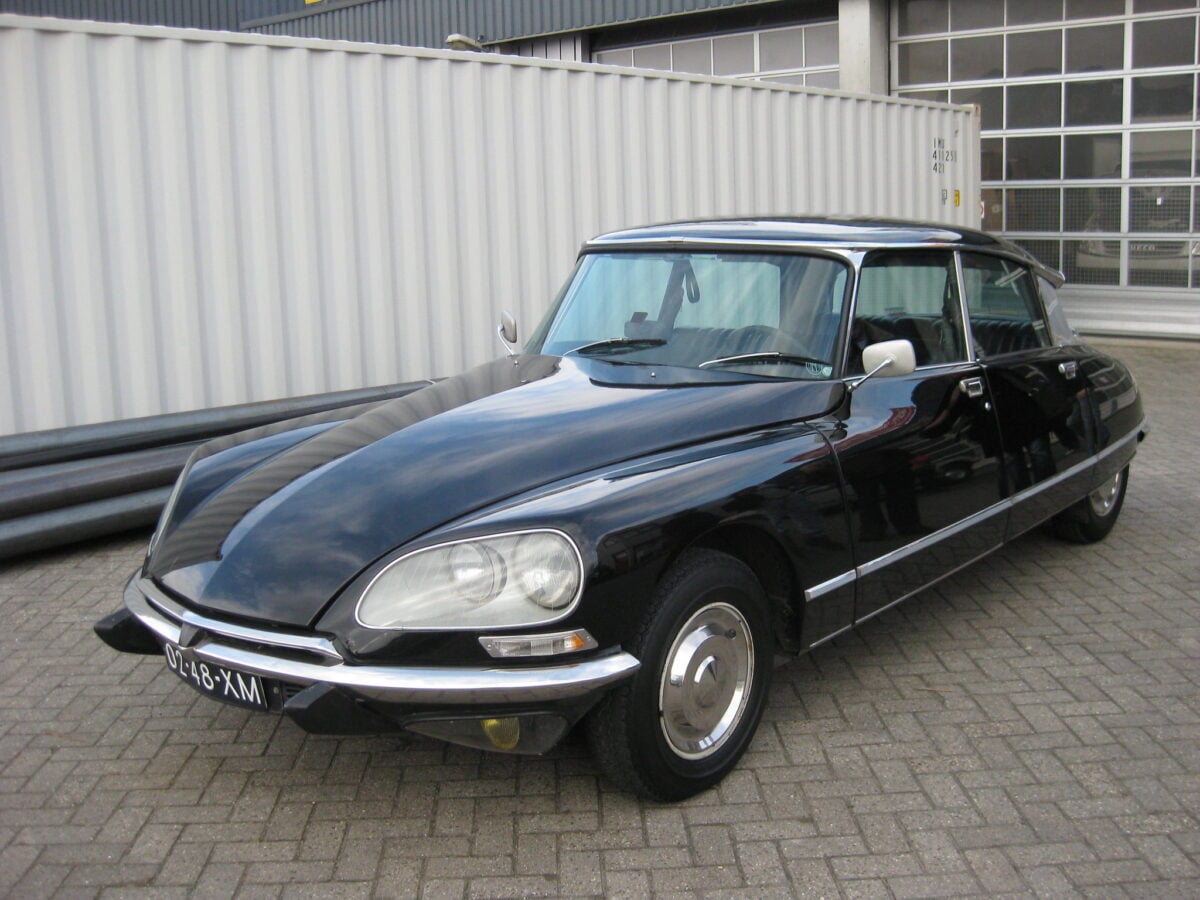
The Citroën DS had a hydraulic suspension system that gave it a ride quality and cornering ability unlike anything else on European roads when it launched in 1955. It was also genuinely fast for a family car.
French organised crime groups recognised both qualities. The DS became associated with high-speed escapes through French cities, where its ability to maintain composure at speed gave it an edge over pursuing police vehicles of the same period.
It appeared in political assassinations and armed robberies alike — an association that followed it throughout its production run until 1975. Charles de Gaulle famously survived an assassination attempt partly because his DS maintained control after the tyres were shot out, a property that also made it appealing to criminals with similar priorities.
The Mercedes Sprinter — Hatton Garden
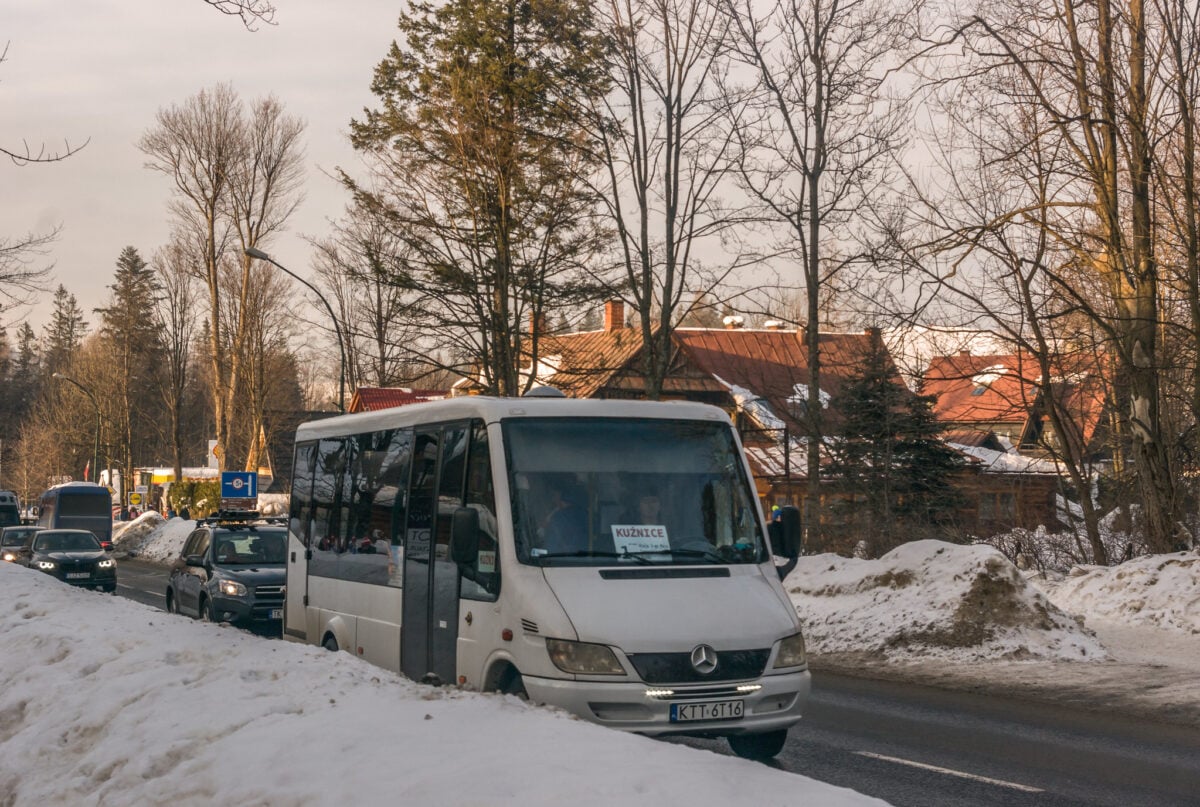
The Hatton Garden Safe Deposit robbery of Easter 2015 was the largest burglary in English legal history. A group of mostly elderly thieves drilled through a vault wall over several nights while the building sat empty during the holiday weekend.
Their white Mercedes Sprinter van was caught on CCTV at multiple points and became central to the investigation. Detectives tracked the vehicle’s movements through London’s extensive camera network and used the footage to identify and eventually arrest most of the gang.
The Sprinter, intended as an anonymous working vehicle, turned out to be one of the clearest pieces of evidence available. The case became an early high-profile example of how thoroughly modern surveillance infrastructure can follow a vehicle across a city.
Cadillacs and Buicks — The American Gangster Era

In 1930s America, large luxury cars carried a specific meaning in criminal circles. John Dillinger, Pretty Boy Floyd, and their contemporaries gravitated toward Cadillacs and Buicks — cars with powerful engines and enough size to absorb police gunfire while still moving.
The choice also carried a message. Driving a Cadillac signalled success in an era when most Americans struggled financially.
Gangsters understood the psychology of image, and the cars they drove were part of that calculation. Law enforcement of the period noted that tracking luxury vehicles in areas where they had no obvious business often led to persons of interest.
BMW — The Pink Panthers
The Pink Panthers are an organised network of jewel thieves, most believed to originate from the former Yugoslavia, who have carried out dozens of high-profile heists across Europe, the Middle East, and Japan since the late 1990s. Their total haul runs into the hundreds of millions.
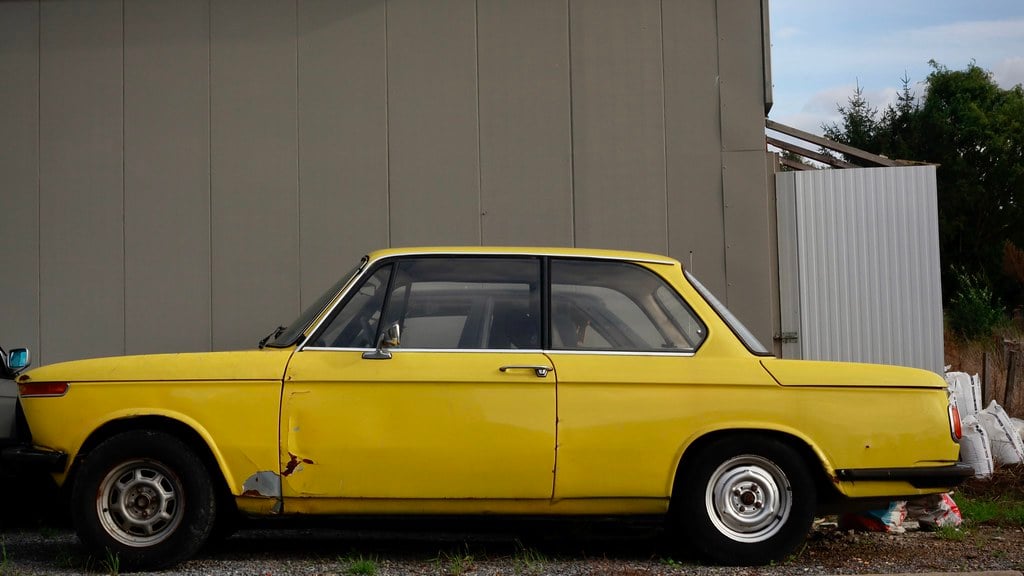
BMWs have appeared repeatedly in their documented operations — favoured for the combination of performance, reliability, and relative anonymity in European cities. The gang’s approach typically involves multiple vehicles, fast entry and exit from target locations, and precise timing.
Several heists were completed in under a minute. The cars used were rarely stolen locally — instead they were often sourced well in advance and transported to the target city, making them harder to trace.
How Criminals Actually Chose Their Cars
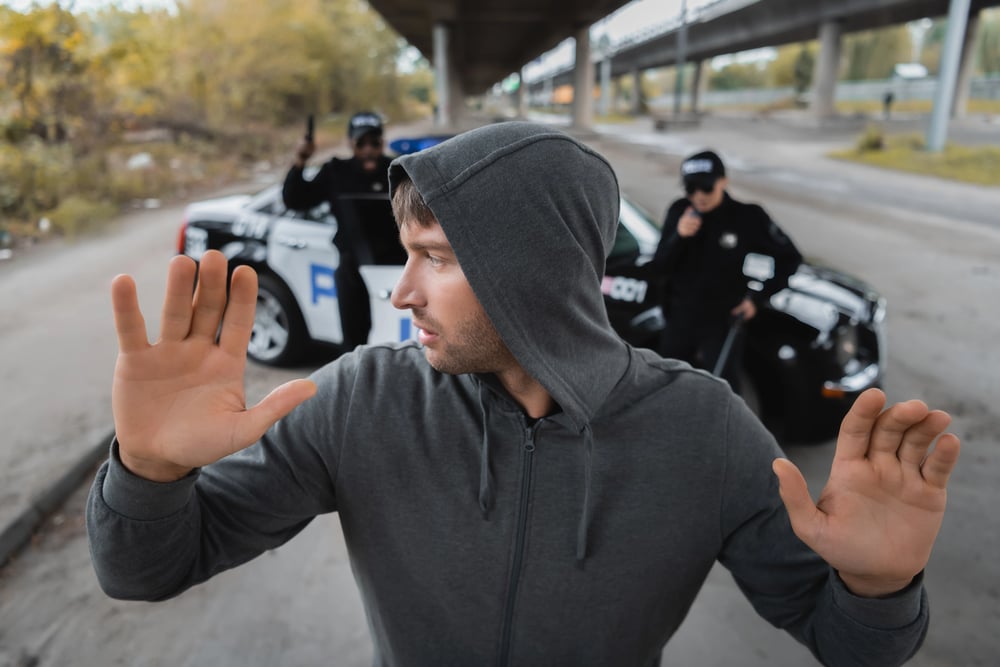
The popular image of the getaway driver as a specialist who selects vehicles by technical merit is only partly true. In practice, car choice for robberies has historically been driven by a few basic requirements: speed, availability, cargo capacity, and — above all — how unremarkable the vehicle looks sitting on a street.
High-value heists occasionally involved specifically acquired vehicles with stolen or cloned plates. Smaller operations more often used whatever was available and hard to connect to the perpetrators.
Vans beat sports cars in most real-world scenarios because they hold more people and more stolen goods, and because a van near a commercial building raises no questions.
When the Car Became the Downfall

For every famous case where the getaway vehicle performed as intended, there are cases where it didn’t. Cars are traceable. They show up on cameras, leave tyre marks, get recognised by witnesses, and require fuel.
Stolen plates get flagged. Vehicles parked too long attract attention.
Several major robbery investigations turned on a single vehicle identification. Partial plates, a distinctive paint scratch, an unusual wheel trim — details that seemed irrelevant during planning turned critical in the investigation that followed.
The Hatton Garden van is the most recent prominent example, but it sits in a long tradition of getaway cars that outlasted the escape they were meant to enable.
The Ones That Got Modified
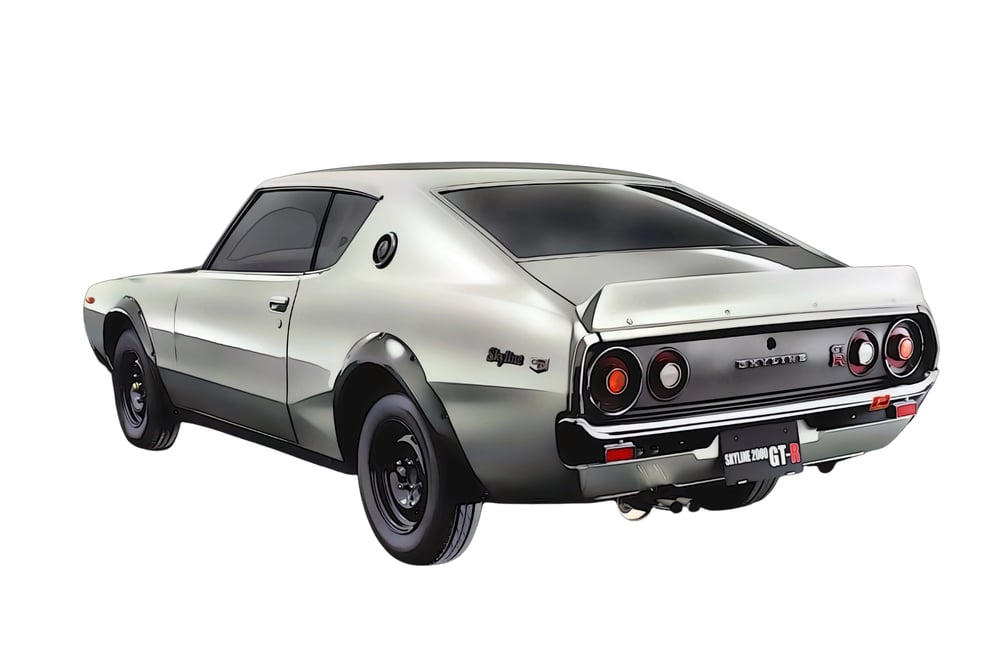
Some thieves invested seriously in their vehicles. Reinforced bumpers for ramming security barriers, modified engines for extra speed, and altered suspension for heavy loads all appear in documented cases.
In the UK, particularly during the 1970s and 1980s, certain garages developed a quiet reputation for preparing vehicles that weren’t going anywhere legitimate. Police forensic teams learned to look for these modifications as indicators of pre-planned professional crime.
A standard-looking estate car with a significantly uprated engine told a clear story about what it had been prepared for, even when its paperwork appeared clean.
Muscle Cars and American Bank Jobs
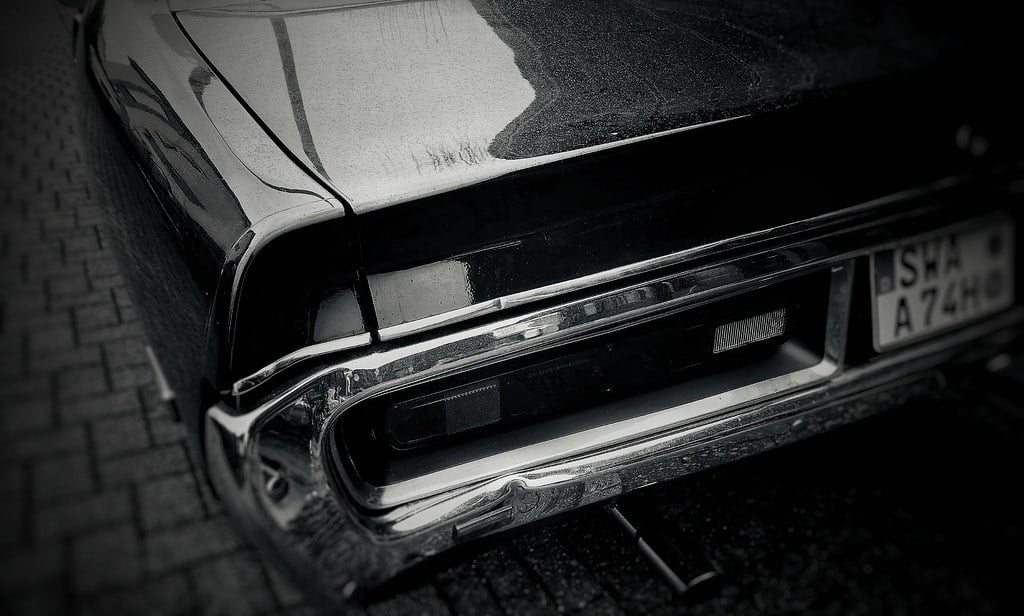
In the United States during the 1970s, the abundance of powerful domestic muscle cars made them natural candidates for robbery getaways. Dodge, Chevrolet, and Ford all produced vehicles during this period that could outrun most police cars in a straight line — a relevant quality on American highway systems.
Several notable bank robberies of the era used muscle cars specifically because of this straight-line advantage. Urban pursuits were a different matter, and many chases ended badly for the thieves when the roads narrowed.
But on open stretches of American highway, a well-maintained muscle car bought serious time.
The Vehicles That Became More Famous Than the Crime
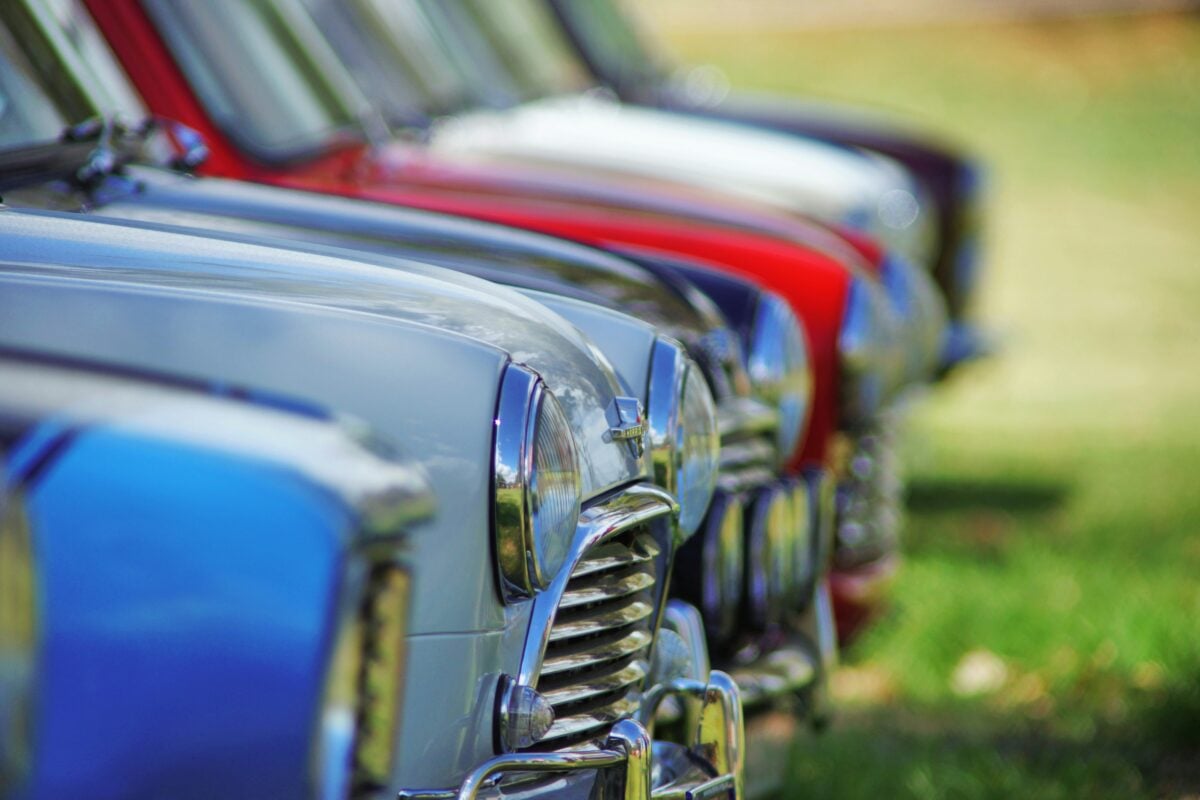
Only a few getaway cars have actually become so well-known that they overshadow the crimes they were associated with. The most obvious example is Bonnie and Clyde’s Ford V8.
A lot of people who don’t even remember the details of the robberies or the exact times can still identify the car instantly. The Minis from The Italian Job also fall into this category, but in their case, the dividing line between fiction and reality was so faint that it never separated completely.
There’s something profound in that. A car is a lot more concrete than say a robbery plan or a sum of money.
You can see yourself in the driver’s seat. You know, without having to think about it, what it feels like to be driving fast and trying to get away.
The vehicles in these stories keep carrying the excitement of the moment long after the drivers have been caught, convicted, or forgotten. They are displayed in museums and private collections, continuously attracting visitors with simple cars that were at one time transformed into something else entirely.
More from Go2Tutors!

- The Romanov Crown Jewels and Their Tragic Fate
- 13 Historical Mysteries That Science Still Can’t Solve
- Famous Hoaxes That Fooled the World for Years
- 15 Child Stars with Tragic Adult Lives
- 16 Famous Jewelry Pieces in History
Like Go2Tutors’s content? Follow us on MSN.