16 Unforgettable Jump Scares from the 2000s
The 2000s were a golden age of horror filmmaking, as directors mastered the jump scare through inventive sound design, deft misdirection, and terrifying scenes that left viewers screaming in theaters. Supernatural horror, found footage, and psychological thrillers that built suspense before delivering spine-tingling payoffs became popular during this decade.
These 16 iconic jump scares from the 2000s helped shape a generation of horror enthusiasts and still make people jump today.
The Ring – Samara in the Closet (2002)
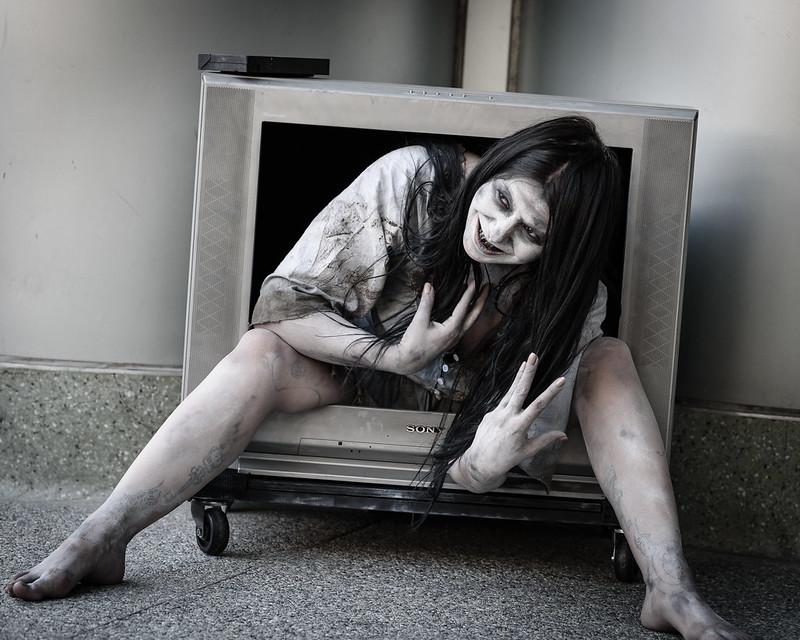
The moment when Rachel opens the closet and finds Samara’s victim is still one of the most jarring images in horror. What makes it so effective is how the film builds atmosphere—you expect the cursed tape to be the main danger, but suddenly you’re blindsided by the grotesque reveal. The distorted corpse with its twisted features gave audiences a visual shock that lingered long after the scene.
The Grudge – Kayako on the Stairs (2004)
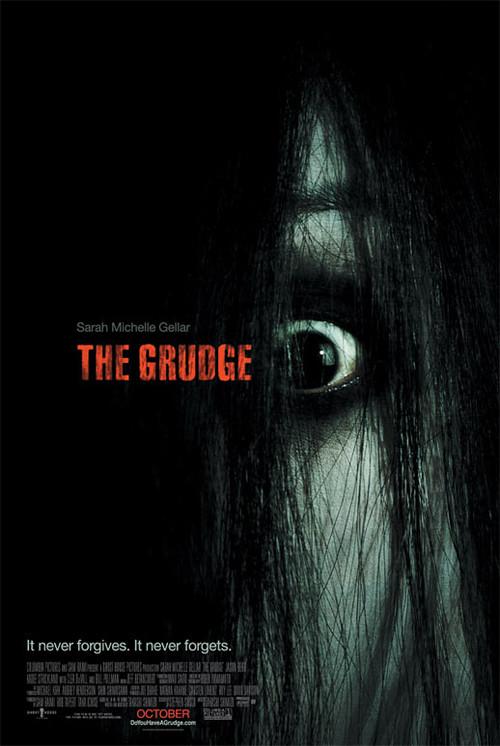
Horror fans all across the world will never forget Kayako’s spider-like crawl down the stairs. Trapped and unable to flee, Sarah Michelle Gellar’s character observes the ghost descend in a manner that seems incredibly strange. When you combine that with the notorious clicking sound, you have a terrifying experience that made people look nervously at their own stairwells in the dark as they left the theater.
Insidious – The Demon Behind Josh (2010)
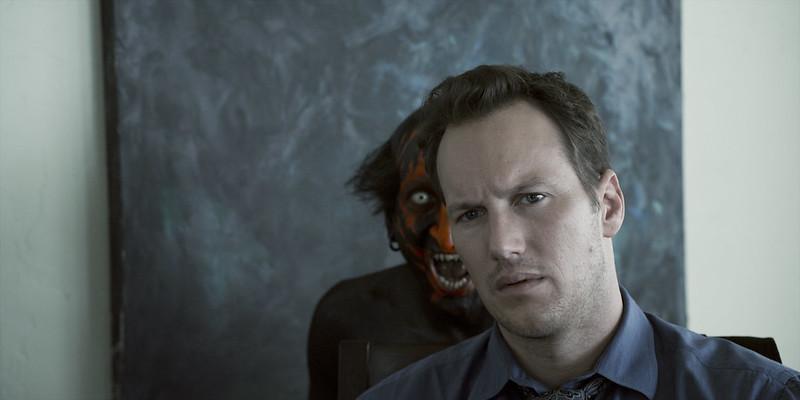
This scare feels like the pinnacle of the decade’s horror aesthetic, despite having been released shortly after the 2000s. The character played by Patrick Wilson is sitting quietly when a red-faced demon suddenly materializes directly behind him. Viewers gasped at the abrupt interruption of a normally silent scene. Wan’s guidance kept the scare feeling current, but the exaggerated makeup and sinister smile gave it a nostalgic feel.
The Descent – The Crawler in Night Vision (2005)
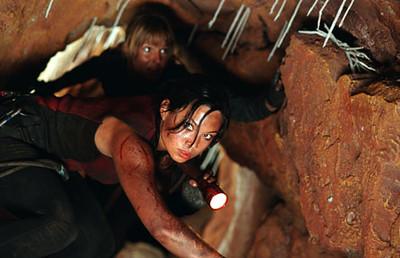
The crawler’s initial appearance in the night vision shot is one of the few moments that have frightened audiences the most. The moment the characters and audience realize the group isn’t alone, the green-tinted glow abruptly reveals a pale, inhuman figure standing behind one of the explorers. The claustrophobic cave environment only increased the fear and made it seem impossible to flee.
Drag Me to Hell – Mrs. Ganush’s Final Attack (2009)
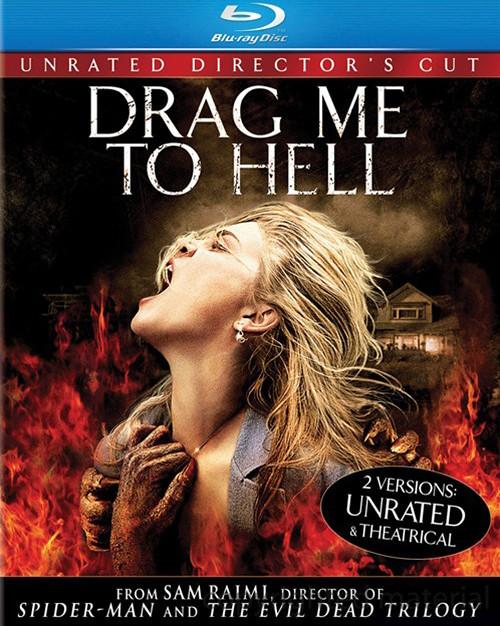
Even though Sam Raimi’s return to horror is full of gory scares, the Mrs. Ganush finale still surprises viewers. The decomposing body makes a final, terrifying grab for Christine just as she believes she is safe. Raimi creates a scene that is startling and strangely playful by combining practical effects, startling sound, and his signature dark humor.
Sinister – Lawn Mower Footage (2012)
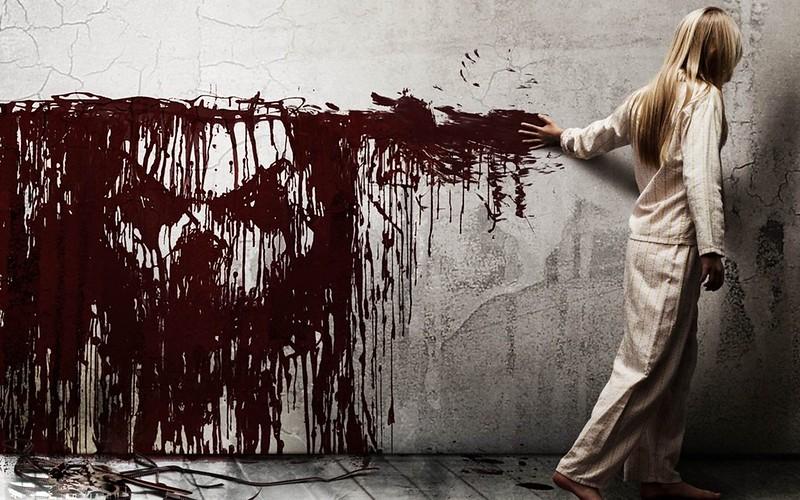
Though technically from 2012, Sinister’s lawn mower scene owes much to the 2000s’ obsession with grainy found footage. As Ethan Hawke watches old home movies, the screen suddenly erupts into chaos when the mower barrels into view, revealing a brutal murder. The raw, lo-fi quality made it feel disturbingly real, cementing it as one of modern horror’s nastiest jump scares.
The Others – Grace Discovers the Truth (2001)
Nicole Kidman delivers one of her best performances in The Others, but the scariest moment belongs to the old woman in the veil. When Grace realizes it’s not her daughter under the communion dress but something much older and more sinister, the effect is chilling. This wasn’t just a cheap jolt—it reframed the entire film, proving a jump scare could also serve the story.
Dead Silence – Mary Shaw in the Mirror (2007)
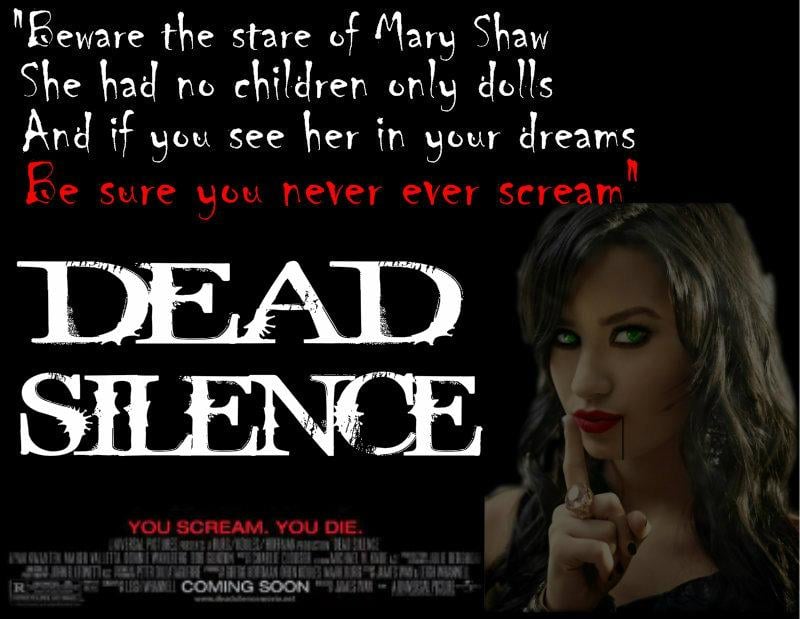
Bathroom mirror scares are a staple of horror, but Dead Silence gave the trope real teeth. The sudden appearance of Mary Shaw’s ghostly figure behind the protagonist delivered a clean, terrifying jolt. The combination of sound, lighting, and the unsettling lore about ventriloquist dummies elevated the scare beyond cliché.
1408 – The Window Jumper (2007)
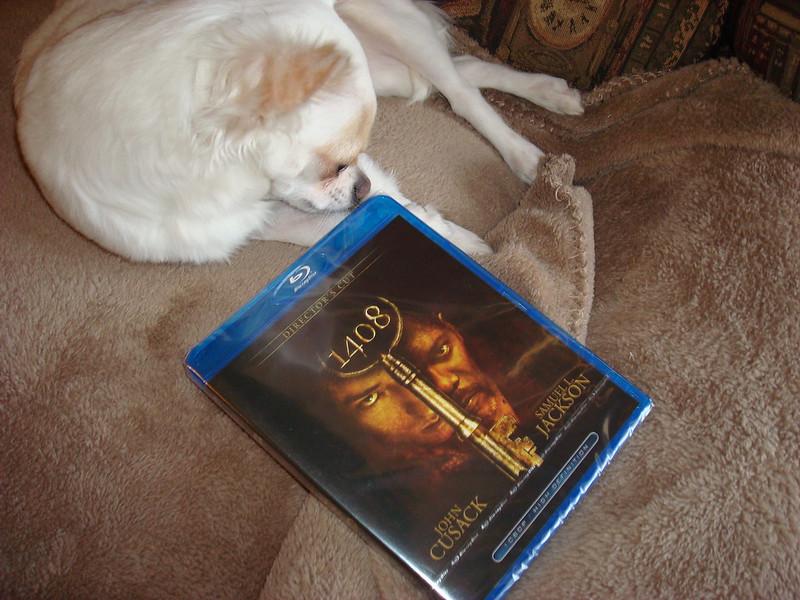
1408 thrives on psychological dread, but the scene where a figure abruptly dives through the hotel window is pure shock value. John Cusack’s character, already unraveling from the room’s supernatural tricks, is blindsided by the sudden intrusion. It’s a reminder that the film never lets the viewer—or the protagonist—settle into a rhythm of safety.
The Strangers – Dollface at the Window (2008)
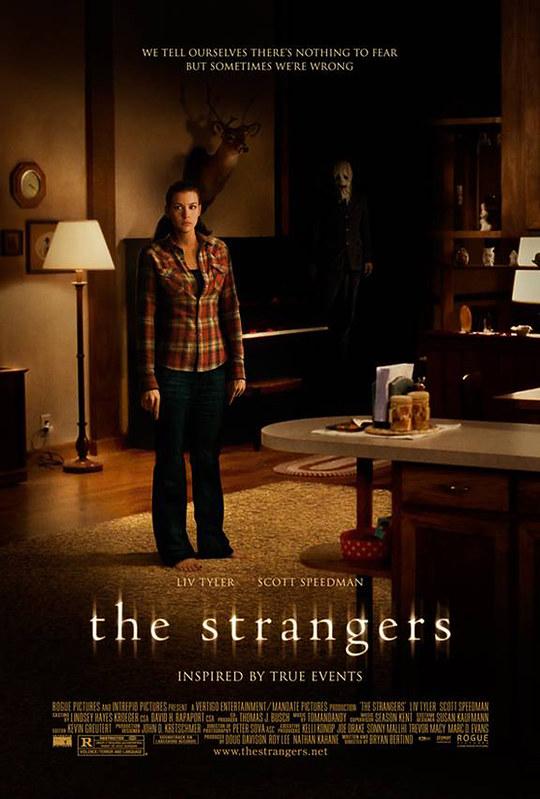
Sometimes the scariest thing is silence. In The Strangers, Liv Tyler’s character doesn’t realize she’s being watched until the audience sees a masked intruder quietly standing behind her at the window. No loud stinger, no sudden movement—just the quiet dread of knowing someone has been there all along. It’s minimalism at its most terrifying.
Jeepers Creepers – The Creeper’s First Appearance (2001)
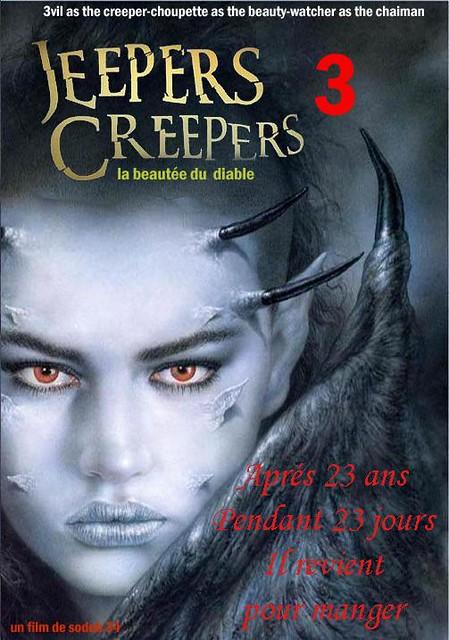
The build-up in Jeepers Creepers makes the reveal of the monster unforgettable. After so much uncertainty, the Creeper finally shows itself in full form, and the combination of practical effects and subtle CGI created something uniquely horrifying. The isolated rural backdrop only heightened the sense of helplessness for the two siblings on the run.
The Conjuring – Clap Clap Game (2013)
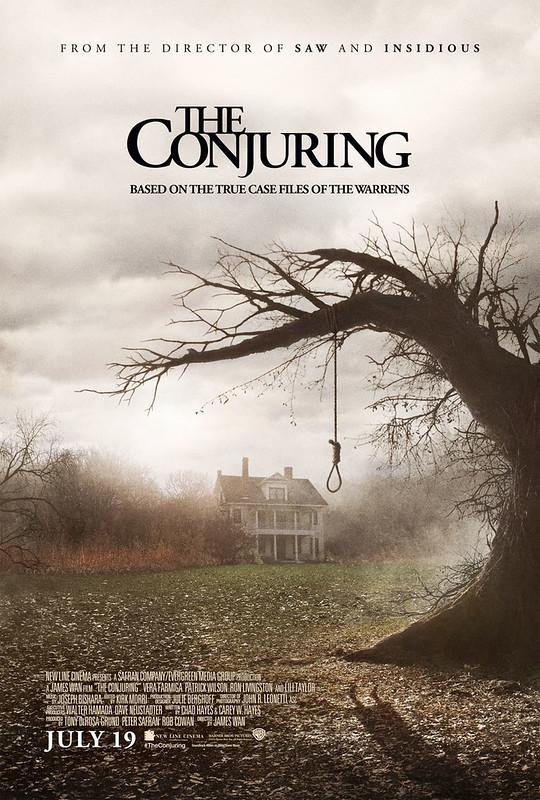
Though released a little later, this moment feels like a direct descendant of 2000s horror. The basement clapping game scene traps Lili Taylor’s character in pitch-black darkness, with only the eerie sound of unseen hands guiding the terror. James Wan used the audience’s anticipation to perfection, making the eventual reveal land with maximum impact.
Lights Out – The Basement Light Switch (2016)
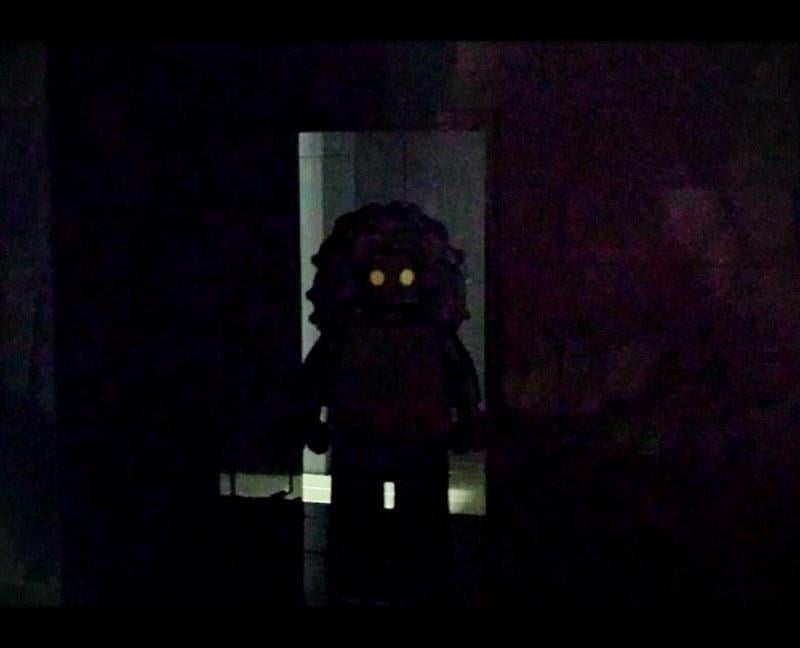
David F. Sandberg’s Lights Out made a simple concept terrifying: a creature that only exists in the dark. The basement sequence, where every flick of the light reveals or hides the monster, shows how tension can be milked from the most ordinary setting. Though later than the 2000s, it owes its DNA to the minimalist short films of that decade.
The Exorcism of Emily Rose – The Dorm Room Scene (2005)
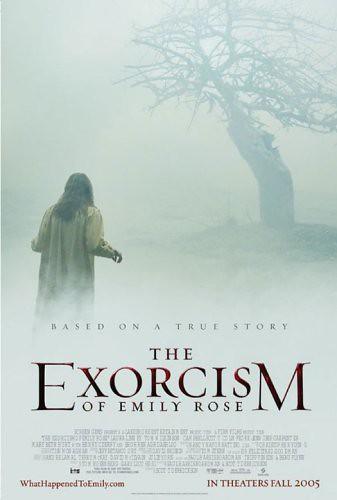
The scene where Emily is attacked in her dorm at 3 AM perfectly blends supernatural terror with human vulnerability. The creaking, distorted body movements combined with chilling audio effects made the possession feel disturbingly real. Derrickson’s balance of courtroom drama and horror made the scares land harder, because they felt grounded in something larger than spectacle.
Paranormal Activity – Katie’s Nighttime Possession (2009)
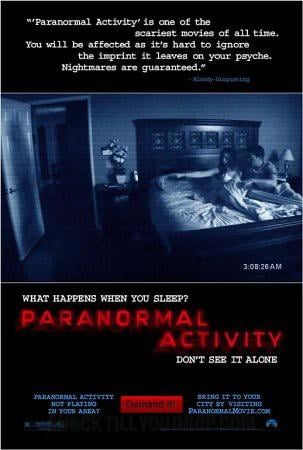
One of the most well-known instances of found footage from the decade is the conclusion of Paranormal Activity. After watching Katie sleep for hours on end, the sudden outburst of violence is both shocking and satisfying. The audience felt imprisoned in the same room, unable to turn away due to the static, unblinking camera angle.
When a Stranger Calls – The Babysitter Upstairs (2006)
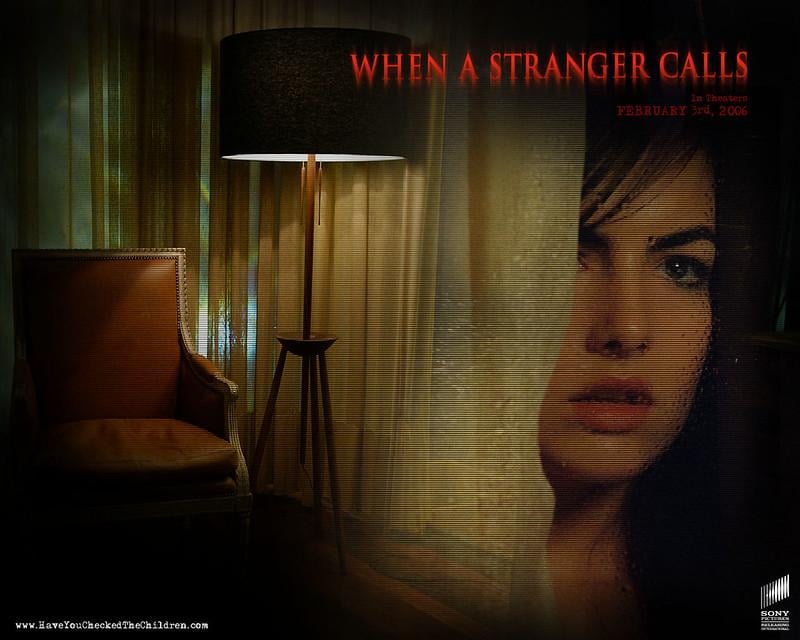
Updating a classic horror setup, the 2006 remake brought modern tension to the old “the call is coming from inside the house” twist. The reveal that the killer is already upstairs delivers a jolt rooted in pure primal fear. With sharper sound design and modern cinematography, the scare managed to honor the original while still unsettling a new generation.
Decade of Screams
Many of the jump scare techniques that still influence horror films today were developed in the 2000s, including the incorporation of sound design and practical effects, as well as the use of negative space and misdirection. These scenes were successful because they recognized that the most effective scares blend authentic storytelling with technical skill to produce memorable experiences that stay with audiences long after they have left the theater. The horror legacy of the decade demonstrates that effective terror is achieved by comprehending human psychology and using skillfully crafted moments of pure cinematic shock to play on our deepest fears.
More from Go2Tutors!

- 16 Historical Figures Who Were Nothing Like You Think
- 12 Things Sold in the 80s That Are Now Illegal
- 15 VHS Tapes That Could Be Worth Thousands
- 17 Historical “What Ifs” That Would Have Changed Everything
- 18 TV Shows That Vanished Without a Finale
Like Go2Tutors’s content? Follow us on MSN.