Iconic Movie Theme Songs Everyone Recognizes
You know that feeling when a song starts playing and you immediately see a specific movie in your mind? Some theme songs do more than just accompany films—they become part of our shared cultural memory.
These musical pieces pop up everywhere, from phone ringtones to sports arenas, and people who’ve never even seen the original movies still hum along. The connection between sound and image runs deeper than most people realize, and certain composers figured out how to capture entire stories in just a few bars of music.
The Force in Four Notes

John Williams wrote the Star Wars theme in 1977, and those opening brass fanfares changed what audiences expected from movie music. The main title blasts through speakers with a confidence that matches the opening crawl scrolling across the screen.
You hear it once and remember it forever. Williams borrowed from classical traditions—the sweeping orchestral style feels like something Gustav Holst might have written—but the melody itself stays completely original.
The theme works because it sounds both ancient and futuristic at the same time, which perfectly matches a story about space wizards and laser swords.
Two Notes That Ruined Beach Vacations
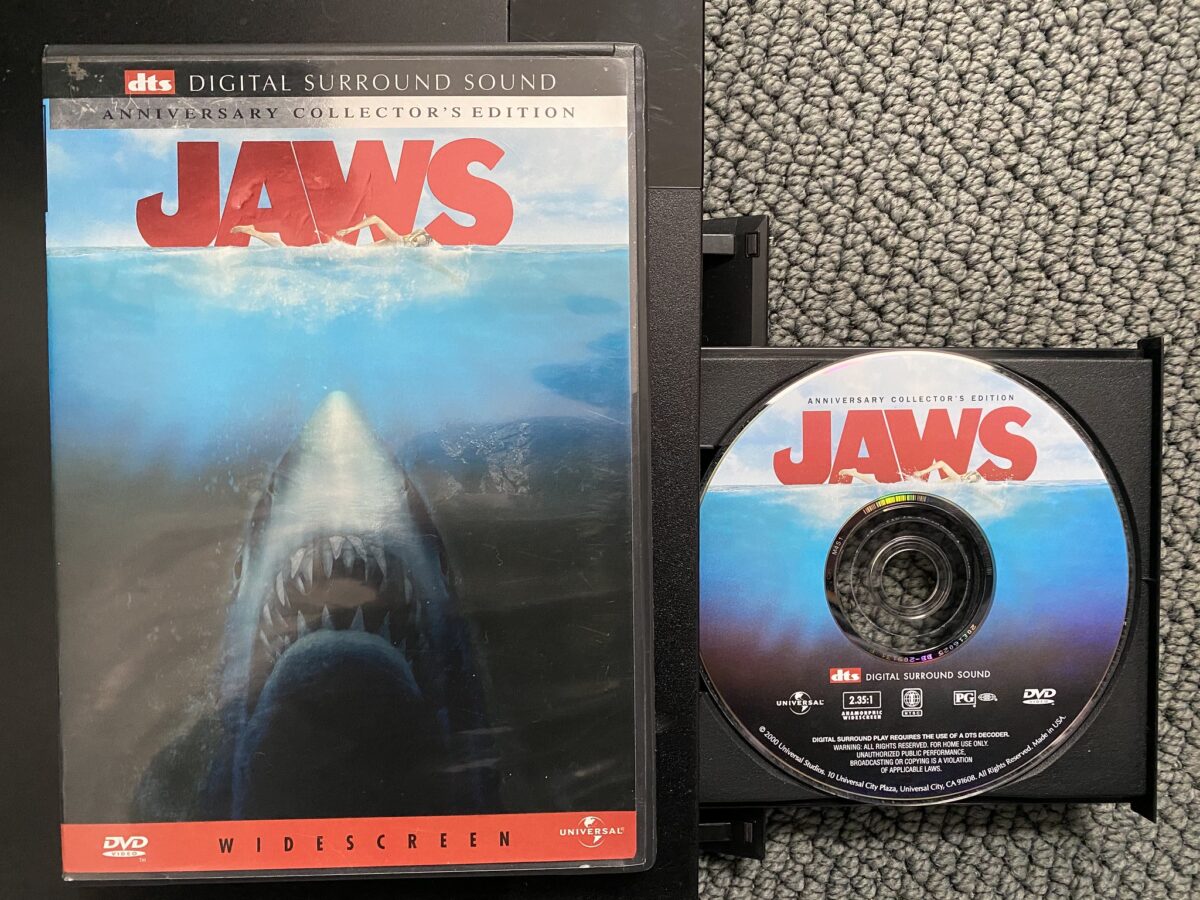
Everyone knows the Jaws theme. Those two alternating notes, getting faster and faster, trigger an instinctive fear response even when you’re safely on dry land.
John Williams composed this one too, and he proved that less can be more. Steven Spielberg initially thought the theme was a joke when Williams first played it for him on the piano.
But Williams understood something about primal fear. The simplicity makes it work—it sounds like a heartbeat, like something approaching from below the surface.
The minimalist approach became one of the most recognizable pieces of film music ever written.
That Opening Trumpet Solo
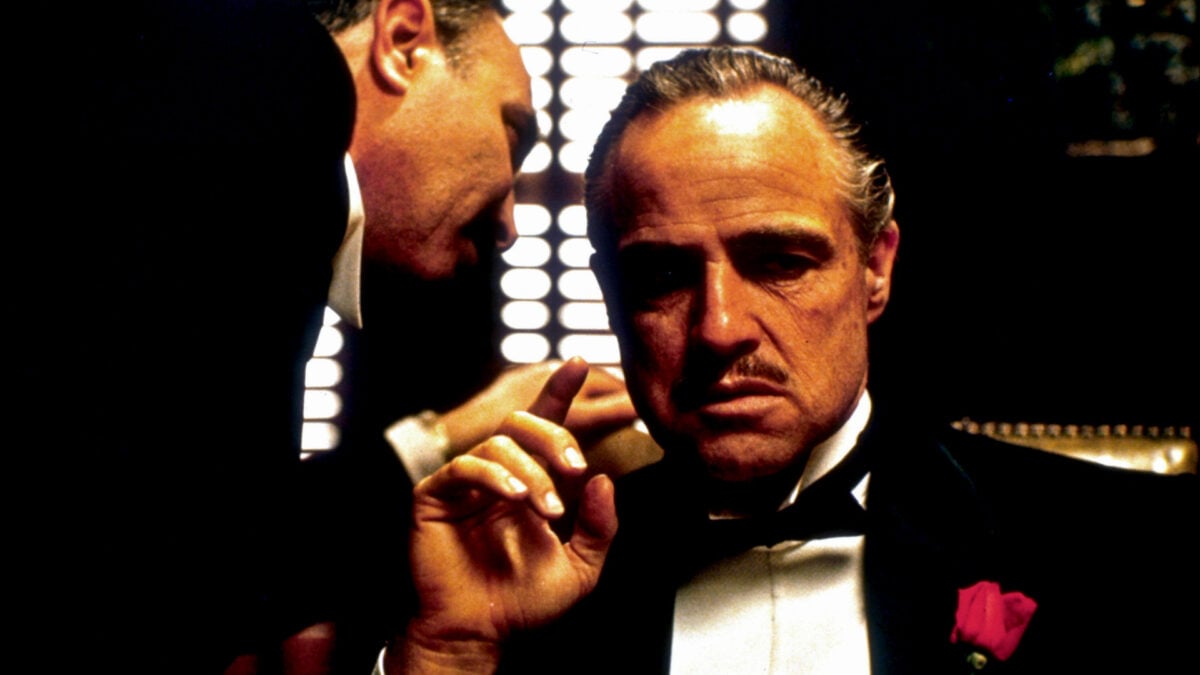
The Godfather theme opens with a lone trumpet playing a melody so mournful it hurts. Nino Rota composed this score in 1972, and the music became inseparable from images of organized crime in American cinema.
The main theme switches between melancholy and menace depending on the scene. That trumpet speaks to Old World Sicily, to traditions and family honor, to violence wrapped in ceremony.
The theme shows up at weddings and funerals in the film, which tells you everything about how the Corleone family operates.
Getting Strong Now
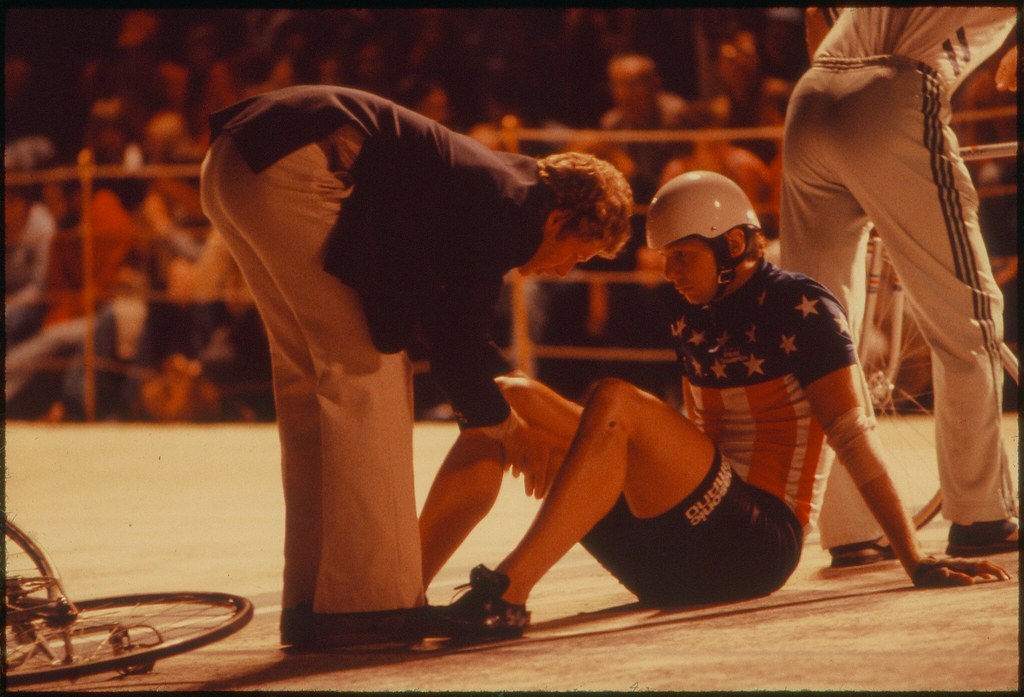
Bill Conti’s “Gonna Fly Now” from Rocky turns physical training into something heroic. Those horns building up as Rocky runs through Philadelphia—it’s impossible to hear that music and not feel motivated to do something, anything, that requires effort.
The song peaks right as Rocky reaches the top of the Philadelphia Museum of Art steps and raises his fists. The music makes you believe that hard work and determination actually matter, even when you know life doesn’t always work that way.
Sports teams still blast this theme before games because it triggers something competitive in people.
Raiders March
Indiana Jones needed a theme that could convey adventure, danger, and a little bit of humor all at once. John Williams (yes, him again) delivered with the Raiders March in 1981. The melody gallops along like Indiana himself, always one step ahead of disaster.
The theme starts with those ascending brass notes that feel like the sun rising over ancient temples. It’s heroic without being pompous, exciting without being frantic.
You hear it and immediately want to grab a whip and go explore some forgotten tomb—even though in reality you’d probably just get lost and bitten by something venomous.
Time Travel Through Music
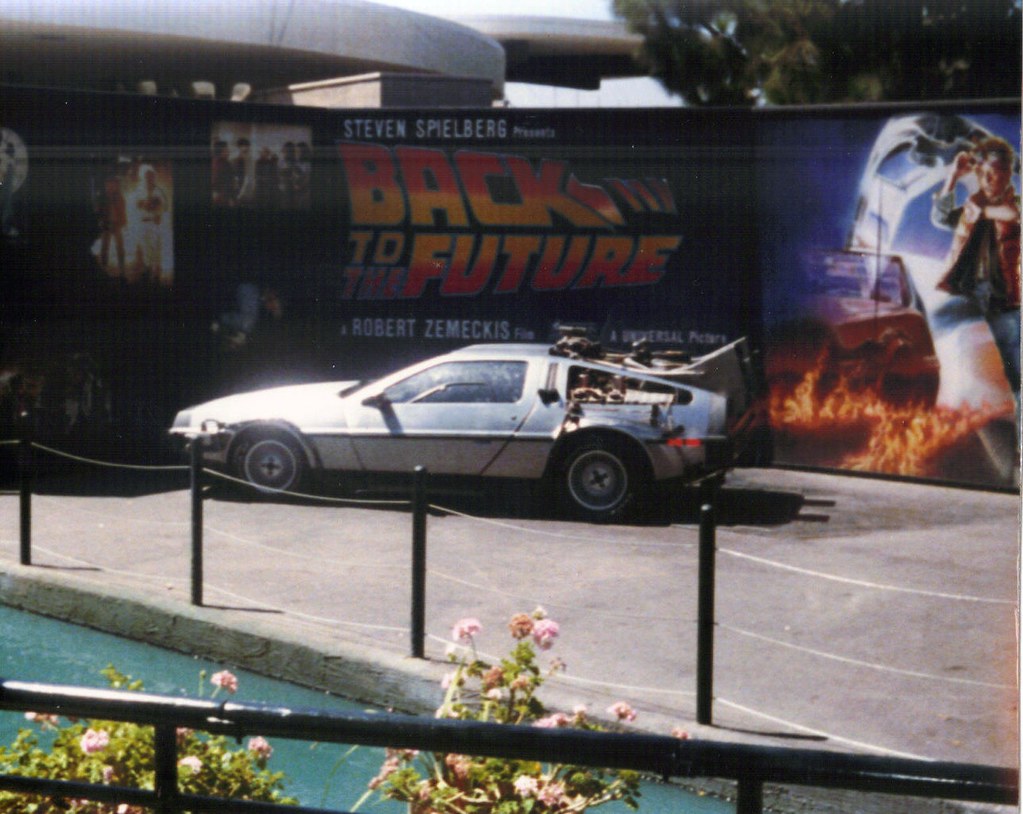
Alan Silvestri composed the Back to the Future theme in 1985, and it sounds exactly like what time travel should sound like if time travel had a sound. The main theme has this forward momentum that never stops, which matches a story about a kid racing against time to save his own existence.
The synthesizers mixed with orchestra created something that felt modern for the 1980s but also timeless. The fanfare captures excitement and possibility—the idea that the future is wide open and waiting.
Doc Brown’s wild-eyed enthusiasm about the space-time continuum somehow exists in musical form.
Welcome to Jurassic Park
John Williams strikes again with Jurassic Park’s theme, written in 1993. The main melody opens with a quiet sense of wonder that builds into something massive, much like seeing a brachiosaur for the first time.
The music tells you that what you’re witnessing is both beautiful and terrifying. The theme shifts between awe and adventure throughout the film.
Williams understood that dinosaurs deserve more than monster movie music—they needed something that acknowledged their majesty even as they were eating people. The sweeping melody became shorthand for “something extinct just came back to life,” and not in a good way.
Brass, Smoke, and Martinis

Monty Norman composed the original James Bond theme, but John Barry’s arrangement turned it into a cultural phenomenon. Those opening guitar notes, that sharp brass section, the way the whole thing swaggers—it defined cool for multiple generations.
The theme promises danger and sophistication in equal measure. It plays when Bond walks into a room and everyone should be worried. The music tells you this guy will save the world, sleep with several people along the way, and order a very specific cocktail at the end.
No other theme quite captures that combination of suave and deadly.
Up, Up, and Away

John Williams (yes, still him) composed the Superman theme in 1978, and it remains the definitive superhero sound. The main title starts with those ascending brass notes that literally sound like someone flying upward.
The melody soars because Superman soars. The theme manages to feel both powerful and optimistic.
There’s no darkness or brooding in this music—it’s pure heroism, the kind where the good guy actually wins and nobody feels conflicted about it. Modern superhero movies often try for something more complex, but sometimes you just need music that sounds like hope wearing a cape.
A Wizard’s World
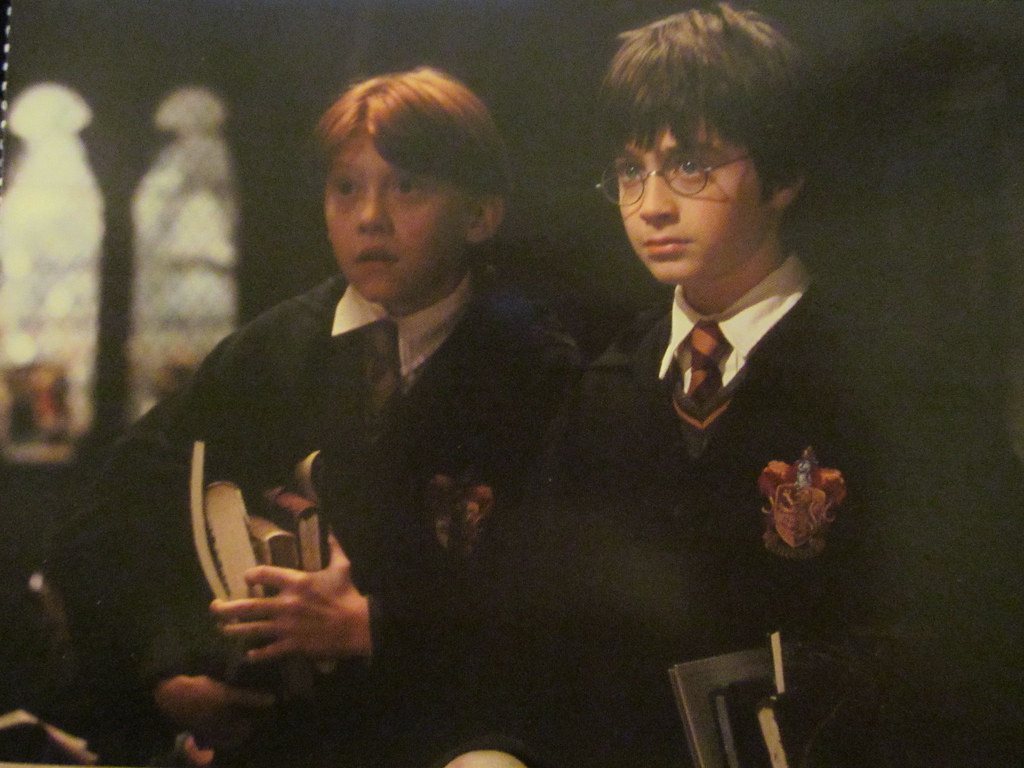
John Williams took a break from the Star Wars universe to define another massive franchise with Harry Potter’s “Hedwig’s Theme” in 2001. The celesta creates this magical, slightly mysterious sound that immediately signals that something wonderful and strange is about to happen.
The theme captures childhood wonder mixed with an undercurrent of danger. It sounds like secrets hiding in old castles, like finding out you’re special when you thought you were ordinary.
The melody became so tied to the franchise that even people who never read the books or saw the movies recognize it as “the Harry Potter song.”
Yo Ho, Yo Ho
Klaus Badelt and Hans Zimmer collaborated on the Pirates of the Caribbean theme “He’s a Pirate” in 2003, and they created something that makes you want to sail off and steal some treasure. The galloping rhythm matches the reckless energy of Captain Jack Sparrow stumbling through his various misadventures.
The theme works because it never takes itself too seriously. There’s adventure and excitement, but also a slight sense that everything might fall apart at any moment—which is exactly what happens in the movies.
The music celebrates swashbuckling chaos instead of trying to impose order on it.
Impossible to Ignore
Lalo Schifrin wrote the Mission: Impossible theme in 1966 for the TV series, but it became even more famous through the Tom Cruise film franchise. That 5/4 time signature creates a propulsive, slightly off-kilter feeling that keeps you on edge.
The theme suggests precision, danger, and technology. It plays when someone’s breaking into an impossible-to-penetrate facility, when the clock is ticking down, when everything is about to explode.
The staccato beats feel like coded messages or electronic blips—it’s spy music for the modern age.
A Detective in Pink

Henry Mancini’s Pink Panther theme from 1963 proves that not all iconic movie music has to be dramatic. The slinky saxophone melody with those sliding notes creates a sophisticated, slightly playful mood.
It’s detective music, but for a detective who’s more likely to trip over evidence than find it. The theme walks that line between elegant and silly.
The cartoon version of the Pink Panther character became more famous than the actual movies, and Mancini’s theme followed. You can play it at a black-tie event or a children’s party and it works either way.
The music refuses to commit to being entirely serious about anything.
The Sound of Fear

Fear crept into bathrooms across America because of a film score. Violins screamed like knives, slicing through silence just as the killer struck.
That jolt of sound in 1960 rewired how music could shock. Bernard Herrmann’s notes didn’t follow the murder – they became it.
Sharp scraping sounds fill the air when strings play alone, just how Herrmann shaped it. That metallic shiver? Comes from no brass, no woodwinds – only stretched cords pulled tight.
Imagine the shower moment silent. Eyes see danger, yes, yet ears believe it more deeply.
Without those shrieking violins, fear slips away, quiet, unnoticed. What sticks isn’t blood on tile – it’s noise biting through walls afterward.
When Music Becomes Memory
Imagine how a tune can grab hold, like when Star Wars filled the room and something shifted inside. That sound doesn’t just play – it lands.
Even two low rumbles from Jaws stay lodged in memory, long after the screen goes dark. Suddenly you’re walking faster, breathing deeper, thanks to a few bold piano hits from Rocky.
These sounds do not pass by – they settle into who you are. Long after films fade, their scores stick around.
Pictures grow old fast – costumes look silly, explosions seem fake – but a melody just waits, ready. Start up the Superman tune half a century from now, it lifts you the same way.
Run the Pink Panther riff a hundred years later, still smooth, still sharp. Stories come and go with the trends, yet those notes stay lodged behind your eyes, popping up when silence gets too loud.
More from Go2Tutors!

- The Romanov Crown Jewels and Their Tragic Fate
- 13 Historical Mysteries That Science Still Can’t Solve
- Famous Hoaxes That Fooled the World for Years
- 15 Child Stars with Tragic Adult Lives
- 16 Famous Jewelry Pieces in History
Like Go2Tutors’s content? Follow us on MSN.