Iconic Sitcom Houses We Wish We Lived in
Television has a way of making us fall in love with more than just characters and storylines. Sometimes, it’s the houses themselves that steal the show.
These homes become part of our memories, places we visited every week through our screens, rooms we knew as well as our own. From sprawling mansions to cozy apartments, sitcom houses have given us serious home envy for decades.
Let’s take a walk through some of the most unforgettable TV homes that made us wish we could move in tomorrow.
The Fresh Prince’s Bel-Air Mansion

That massive estate in Bel-Air wasn’t just a backdrop for Will Smith’s antics. It was a character all on its own.
The grand entrance with its sweeping staircase made every episode feel like walking into luxury. Pool house included, tennis courts ready, and enough space that you could probably go days without running into the same person twice.
The real kicker was that poolside area where so many memorable moments happened, from heart-to-hearts to party scenes that defined a generation.
The Tanner Family’s San Francisco Victorian
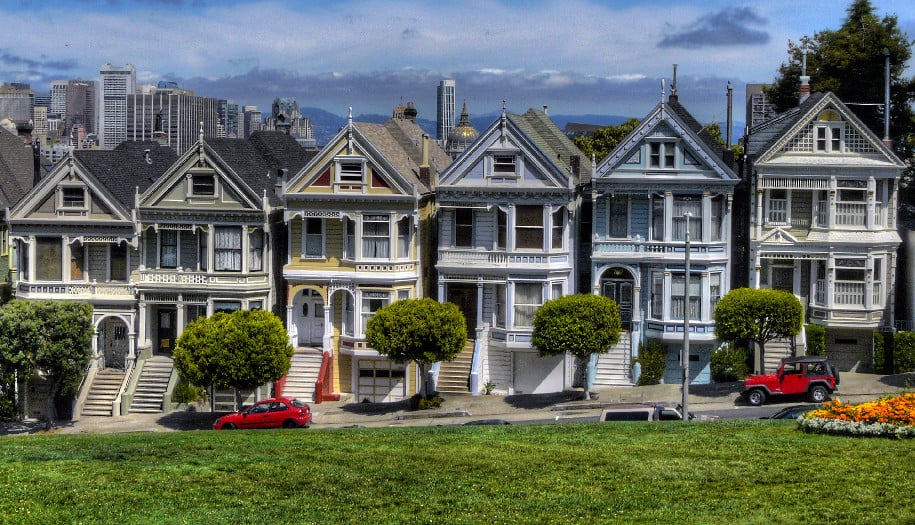
Full House gave us one of the most recognizable exteriors in TV history with those iconic Painted Ladies. Inside, the place was pure organized chaos with three grown men raising three girls in surprising harmony.
That living room with its distinctive alcove became the setting for countless family meetings and life lessons. The kitchen always seemed busy with someone cooking or having a chat, and somehow the house never felt cramped despite having about eight people living there by the final seasons.
The Banks Family Home from Fresh Off the Boat
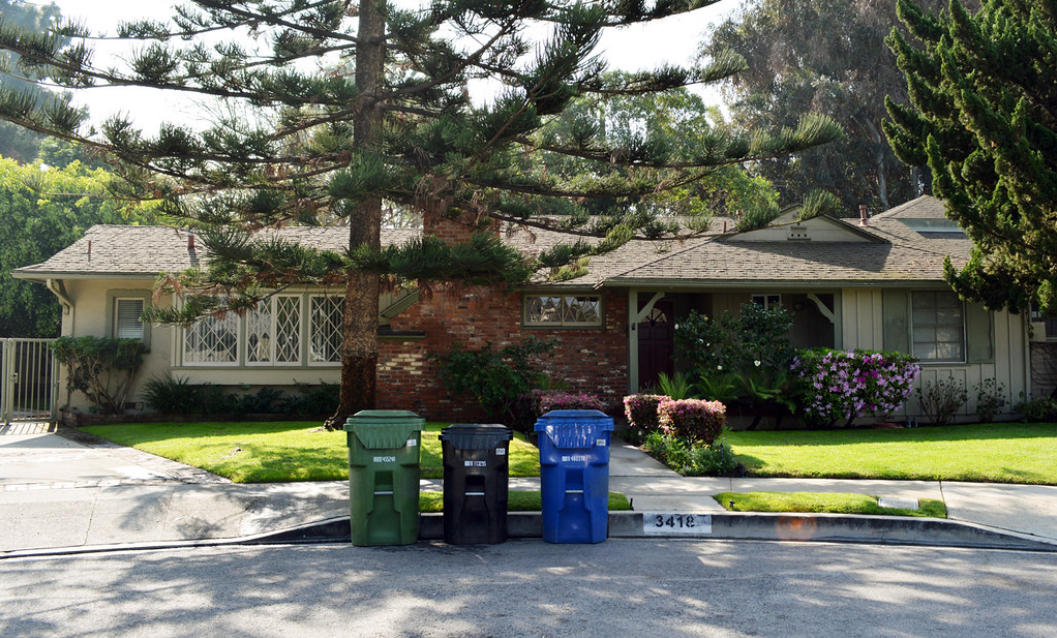
This Orlando house radiated warmth and character while showing off some serious 90s style. The Huang family made that home feel alive with constant activity, from Jessica’s strict household rules to Louis’s optimistic business dreams playing out at the dinner table.
That dining room table was basically mission control for family operations. The house perfectly balanced suburban American dream aesthetics with the cultural touches that made it uniquely theirs, creating a space that felt both aspirational and genuinely lived-in.
Monica’s Unrealistic New York Apartment
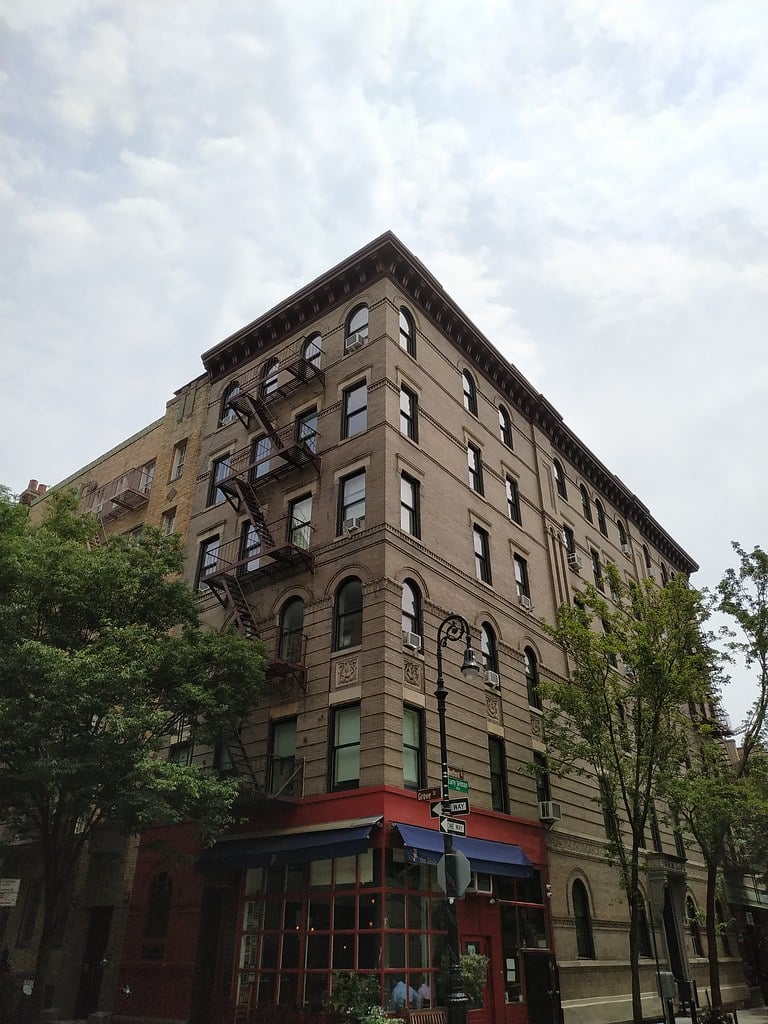
Could that apartment BE any more perfect? Despite Monica supposedly having rent control, that massive two-bedroom with the purple walls and that oddly large living room was pure fantasy for anyone who knows Manhattan real estate.
The balcony alone would cost a fortune in the real world. That kitchen was Monica’s domain, complete with enough gadgets and organization to make any chef jealous.
The oversized windows let in light that made the whole place glow, and somehow six friends hanging out there constantly never made it feel crowded.
The Bluth Model Home

Arrested Development turned a model home in a half-built housing development into comedy gold. Sure, the family was falling apart and the business was crumbling, but that house had its charms.
The stark, modern design with its open floor plan and floor-to-ceiling windows gave it an architectural appeal that couldn’t be denied. Living in a showcase home meant everything looked pristine and photo-ready, even if the family inside was anything but.
The location in Orange County meant sunshine and palm trees right outside those massive glass doors.
The Pritchett House in Modern Family

Jay’s place was the kind of home that screamed success without being obnoxious about it. Located in Los Angeles, this house had a backyard that was basically a resort with that stunning pool and outdoor entertaining space.
Inside, the open concept design and tasteful modern touches showed Gloria’s influence everywhere. The kitchen island was big enough to gather the whole extended family, which happened pretty much every episode.
High ceilings and large windows made the whole place feel airy and expensive in the best way possible.
Uncle Phil and Aunt Viv’s Estate
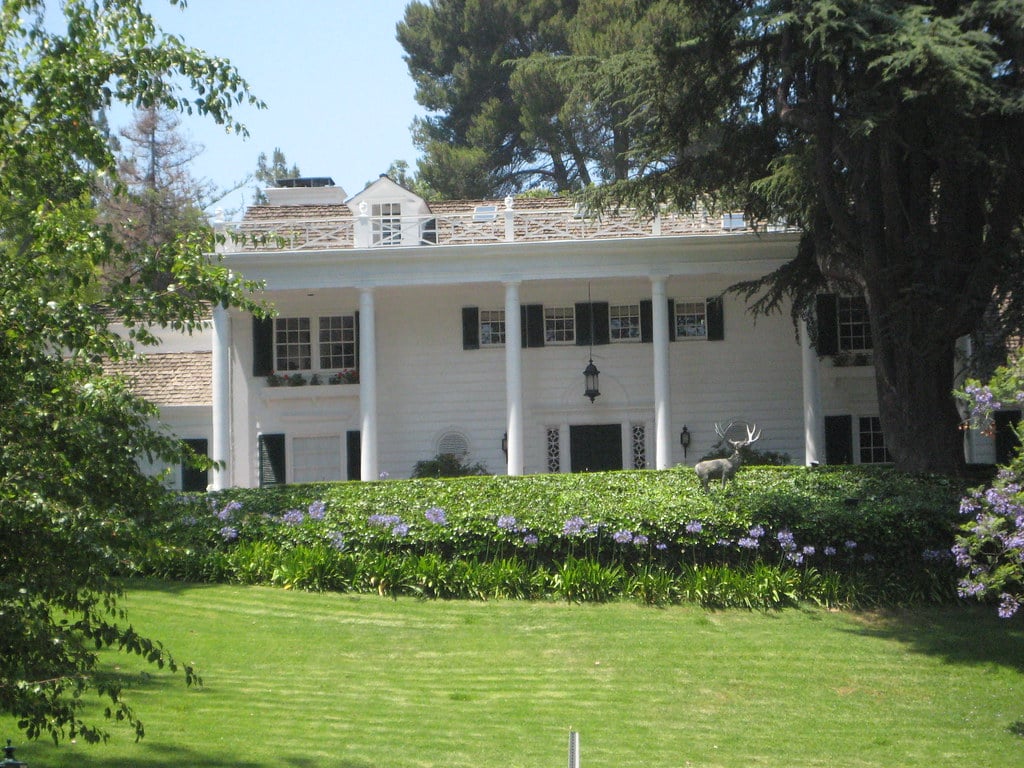
Before Will shook things up, the Banks family was living their best life in that Bel-Air mansion. The house had a formal dining room that could seat an army, a living room that felt both fancy and comfortable, and bedrooms that were basically apartments themselves.
That foyer with the split staircase was designed for making grand entrances. The kitchen was big enough for a professional chef, which made sense since Geoffrey was always whipping up something in there.
Every corner of that house whispered old money and good taste.
The Conner Family’s Lanford House

Roseanne’s house was the opposite of fancy, and that’s exactly why it felt like home. This working-class residence in Illinois was cramped, worn-in, and absolutely real.
The basement was Dan’s workshop kingdom where he actually got things done. That kitchen table saw more real conversations about money struggles and family drama than any TV table before it.
The house had character because it had been lived in hard, with marks on the walls and furniture that had seen better days. Nothing matched perfectly, but everything belonged.
The Dunphy House
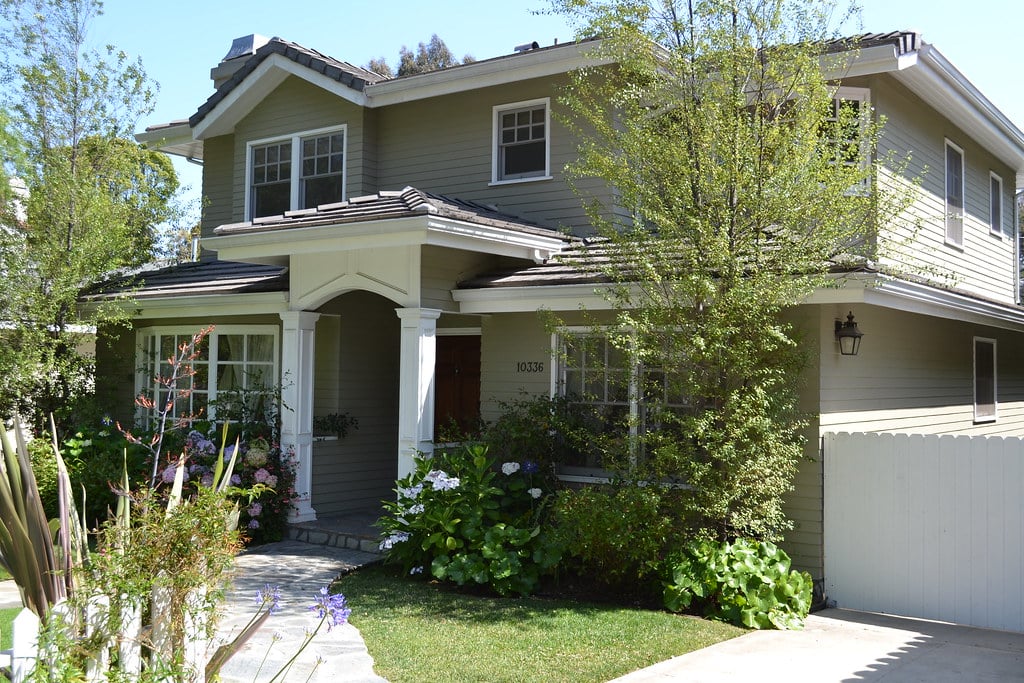
Modern Family gave us another winner with this suburban California dream home. The split-level design meant the kids had their own space upstairs while Phil and Claire commanded the main floor.
That staircase became a stage for countless family moments and Phil’s failed cool-dad attempts. The backyard wasn’t huge but was functional, with enough room for the kids to play and Phil to show off his grilling skills.
Inside, the house walked the line between looking good for the neighbors and being comfortable enough for three kids to actually live there.
Arnold’s Penthouse on Diff’rent Strokes
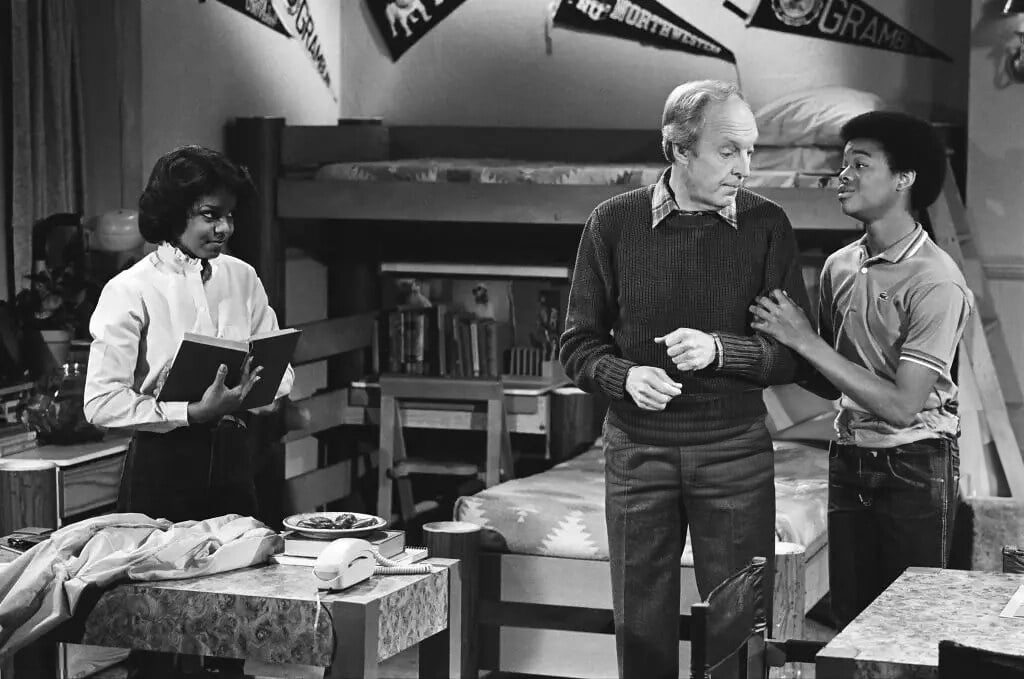
Moving from Harlem to a Park Avenue penthouse was the whole premise, and what a penthouse it was. This Manhattan high-rise apartment had views that would make anyone’s jaw drop.
The living room was bigger than most people’s entire apartments, decorated with the kind of furniture you were afraid to sit on. Arnold and Willis each got their own rooms, which in New York City terms was basically winning the lottery.
That terrace overlooking the city was where some of the show’s best moments happened, giving the boys a taste of life at the top.
The Winslow House in Family Matters
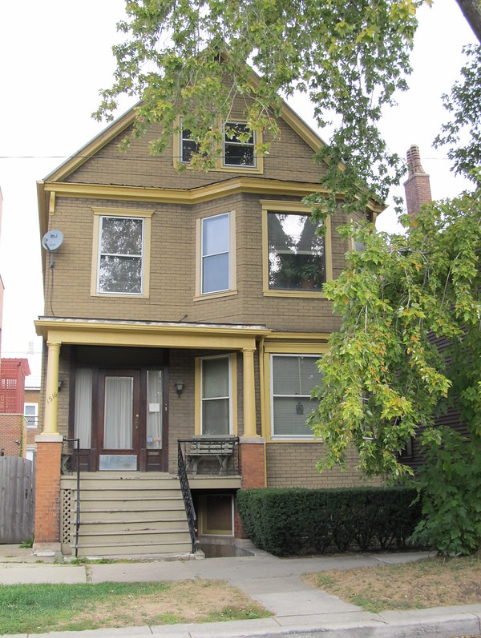
This Chicago home became famous partly because of Steve Urkel crashing through the door every episode. The two-story house had that classic Midwest family feel with a lived-in comfort that made it welcoming.
Carl and Harriette raised their kids in a place that had enough room for everyone without being unrealistic for a cop’s salary. The kitchen and dining area were always full of activity, from Harriette’s cooking to family discussions about life’s problems.
That front door took more abuse than any door in TV history but the house stood strong.
The Huxtable Brownstone
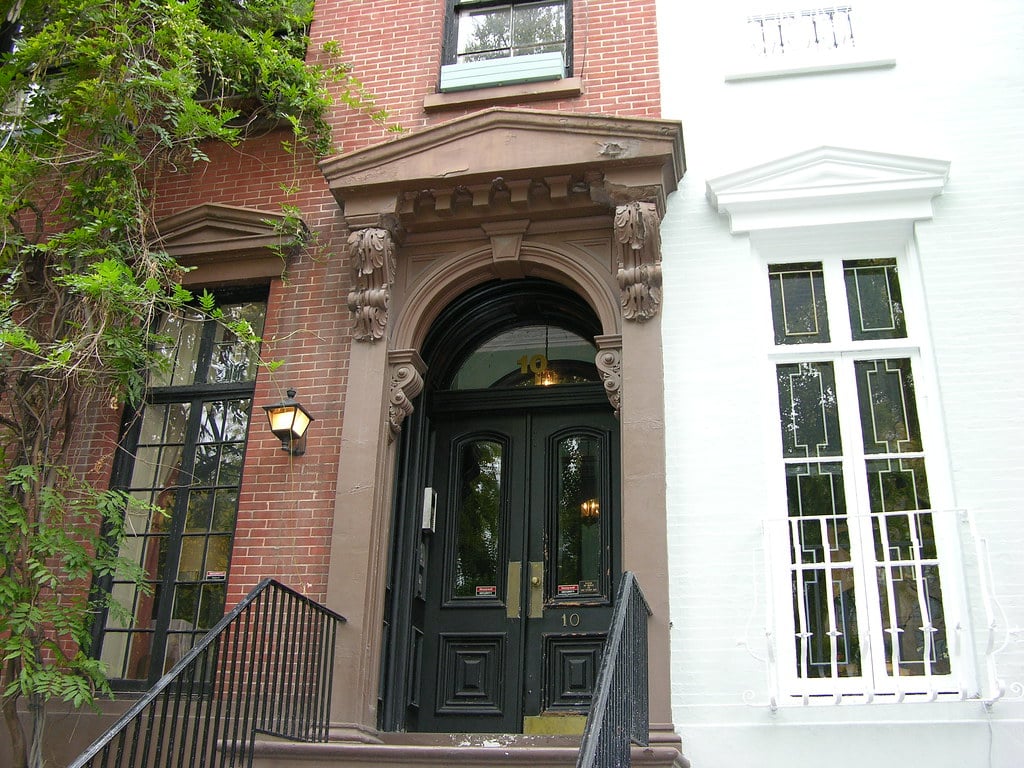
The Cosby Show introduced America to an aspirational African American family living in a gorgeous Brooklyn Heights brownstone. This multi-story home had separate floors that gave the kids privacy while keeping everyone connected.
The living room with its distinctive tribal art and warm colors felt both sophisticated and inviting. Cliff’s basement office was where he saw patients, making the house double as a workplace.
The kitchen was another gathering spot where Clair and Cliff would have their witty exchanges while the kids orbited around them.
The Harper House on Wizards of Waverly Place
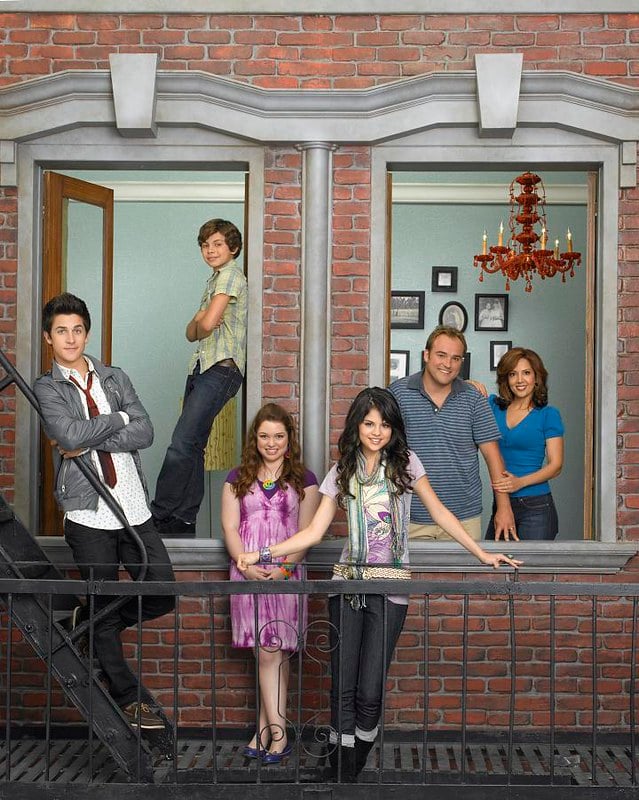
Living above your family’s sandwich shop in Greenwich Village might sound cramped, but the Russo family made it work with style. The apartment had enough space for three teenage wizards to practice spells without burning the place down too often.
That lair in the basement was where the real action happened, complete with magical artifacts and a portal to other realms. The layout was quirky and distinctly New York, with rooms that flowed in unexpected ways.
Despite the modest size, the house never felt too small for all the supernatural chaos that went down there.
The Belcher Apartment Above the Restaurant

Bob’s Burgers gives us a family literally living above their workplace, which sounds exhausting but somehow works. The apartment is small and clearly not luxurious, with the kids sharing rooms and space being at a premium.
But there’s something charming about the cramped quarters that force this family together. The living room serves multiple purposes, from homework zone to family hangout spot to occasional sleeping area.
That proximity to the restaurant means dinner is always close by, even if Bob has to cook it himself. The place feels authentically working-class without being depressing about it.
The Romano House on Everybody Loves Raymond
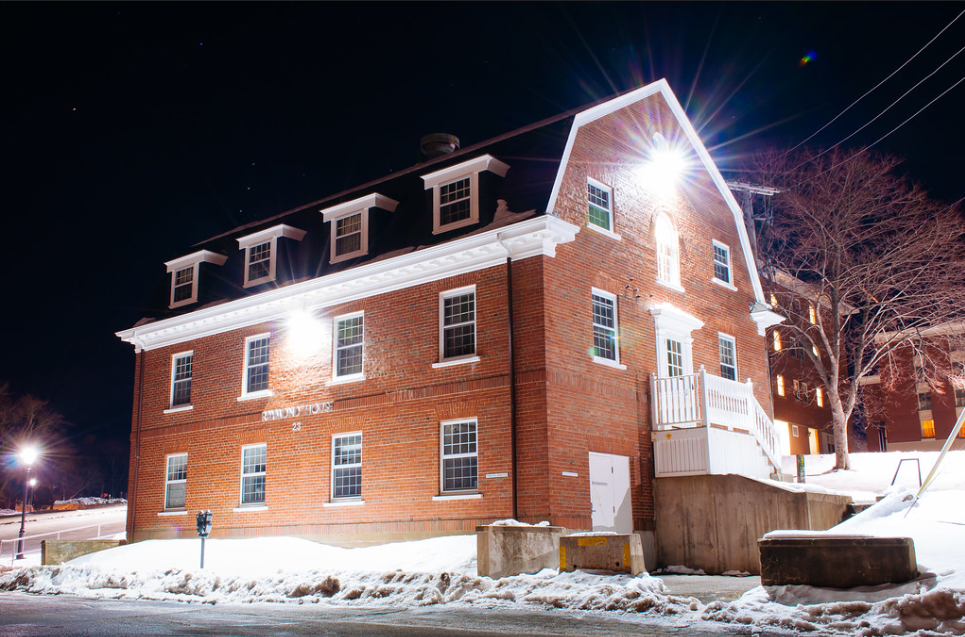
This Long Island house sat right in the middle of constant family interruptions – designed almost on purpose. Nice by most standards, Ray and Debra’s place had space for three children, typical for suburban New York life.
What stood out wasn’t the design but its position: straight across from Ray’s mom and dad, turning solitude into something they only heard about. Invitations weren’t needed; Frank and Marie wandered in freely, mostly settling into the living room as if it belonged to them too.
Control slipped through Debra’s fingers each time she cooked, standing in the kitchen while Marie commented on how she stirred, measured, decided.
The Simpsons House on Evergreen Terrace

Over thirty years, one house on Evergreen Terrace keeps showing up in our lives. Number 742 stands out, not because it looks special, yet somehow holds five people and animals without seeming crowded.
Inside, an orange sofa takes center stage where many evenings unfold. Week after week, folks tune in just to see what happens there.
A small eating spot near the stove has hosted more arguments than quiet meals. Marge moves through her kitchen like she’s dodging memories stuck to the walls.
Down below, Bart sometimes hides out where Homer keeps his beer. Out back, there’s a treehouse – Bart claimed it, made it official.
Sitting by the entrance, an old boat car eats up space, slowly falling apart. The driveway splits open in places, lines running like dried-up rivers.
Together, these pieces shape something deeper than tradition, more familiar than dessert.
Keeping the Lights On

More than just walls, those houses held stories of pretend lives. Week after week, we found our way back, drawn by hallways and kitchens we could picture blindfolded.
What lived inside mattered most – the laughter, the fights, the quiet moments between scenes. A building changes when someone fills it with habits, with coffee mugs left on counters, with voices calling from room to room.
It didn’t matter if the stairs led up to wealth or barely enough. Each living room promised a seat, not earned but simply offered.
Doors stayed open in ways real ones rarely do. Somewhere past the screen, another version of belonging waited – quiet, steady, already expecting you.
More from Go2Tutors!

- The Romanov Crown Jewels and Their Tragic Fate
- 13 Historical Mysteries That Science Still Can’t Solve
- Famous Hoaxes That Fooled the World for Years
- 15 Child Stars with Tragic Adult Lives
- 16 Famous Jewelry Pieces in History
Like Go2Tutors’s content? Follow us on MSN.



