Icons Whose Homes Are Now Museums
Have you ever wished you could explore the real spaces where your favorite legends lived, worked, and created their works of art? Not only did some of the most fascinating people in the world leave behind their work, but they also left behind their homes. These aren’t your normal house tours with dull plaques and velvet ropes.
These are places where the furniture tells stories, where history feels less like a textbook and more like a conversation with an old friend, and where you can almost feel the creative energy still humming in the walls. These icons, who ranged from rock stars to painters, writers, and presidents, turned their private spaces into manifestations of their creative abilities.
We now have a unique look into the private lives of public figures as their homes have been preserved as museums for decades or even centuries. These 14 residences have transformed from private havens to must-see locations for anyone seeking motivation.
Graceland
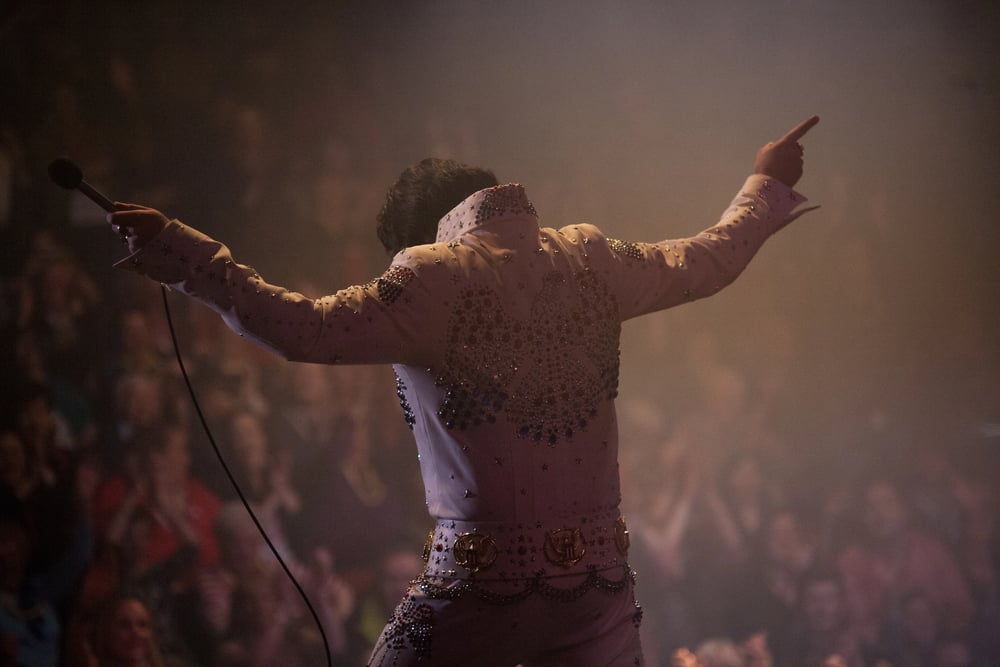
Elvis Presley bought this Memphis estate in 1957 for about $102,500 when he was just 22 years old, and it remained his home until his death in 1977. The property opened to the public as a museum in 1982 and has since become the second-most visited house in America, right after the White House.
Visitors can explore the famous Jungle Room with its green shag carpet and Polynesian vibes, check out Elvis’s collection of cars including his 1955 pink Cadillac Fleetwood, and wander through rooms that perfectly capture the over-the-top glamour of the King of Rock and Roll.
Frida Kahlo’s Blue House
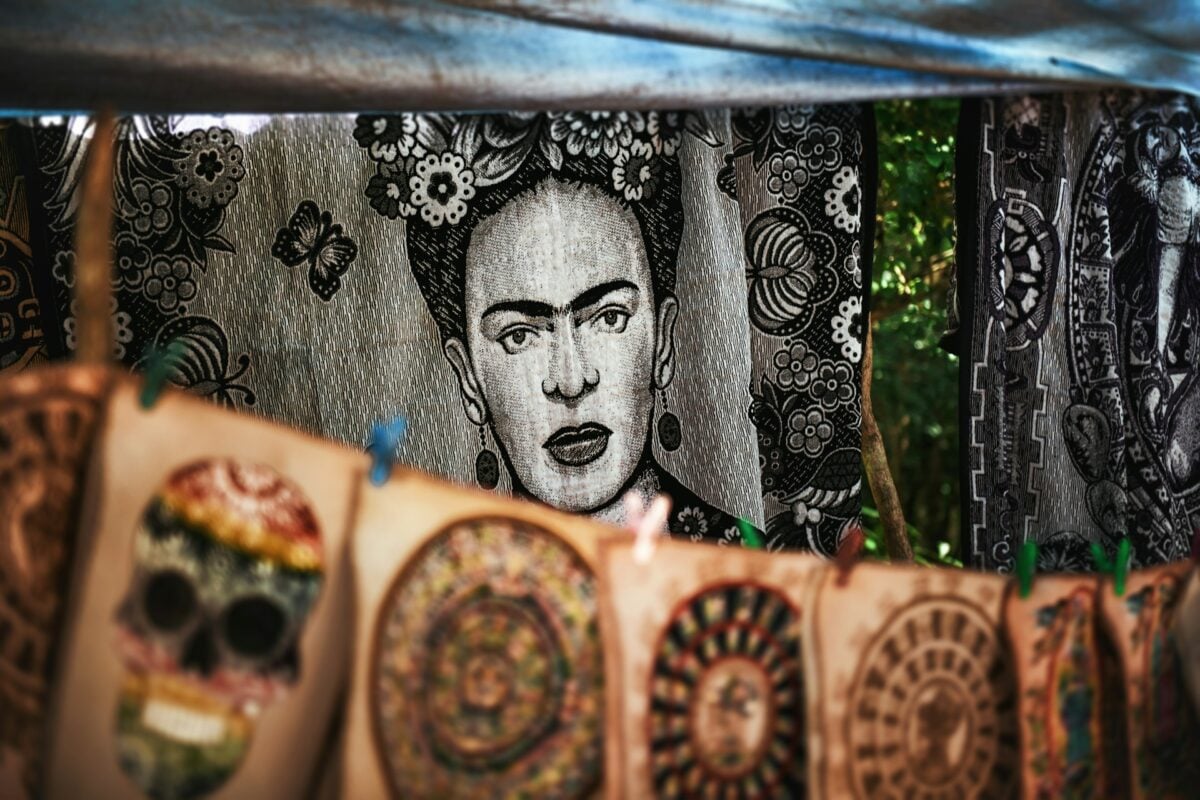
La Casa Azul sits in the Coyoacán neighborhood of Mexico City, and its cobalt blue walls are as bold as the artist herself. Frida was born in this house in 1907 and died there in 1954, spending much of her life within its vibrant walls.
Diego Rivera arranged for the home to become a museum in 1958, even setting up her wheelchair and easel as a permanent display after her passing. The museum showcases her traditional clothing, personal painting supplies, and a lush garden filled with pre-Hispanic sculptures and Mexican folk art that makes you feel like you’ve stepped directly into one of her paintings.
Like Go2Tutors’s content? Follow us on MSN.
Jimi Hendrix’s London Flat
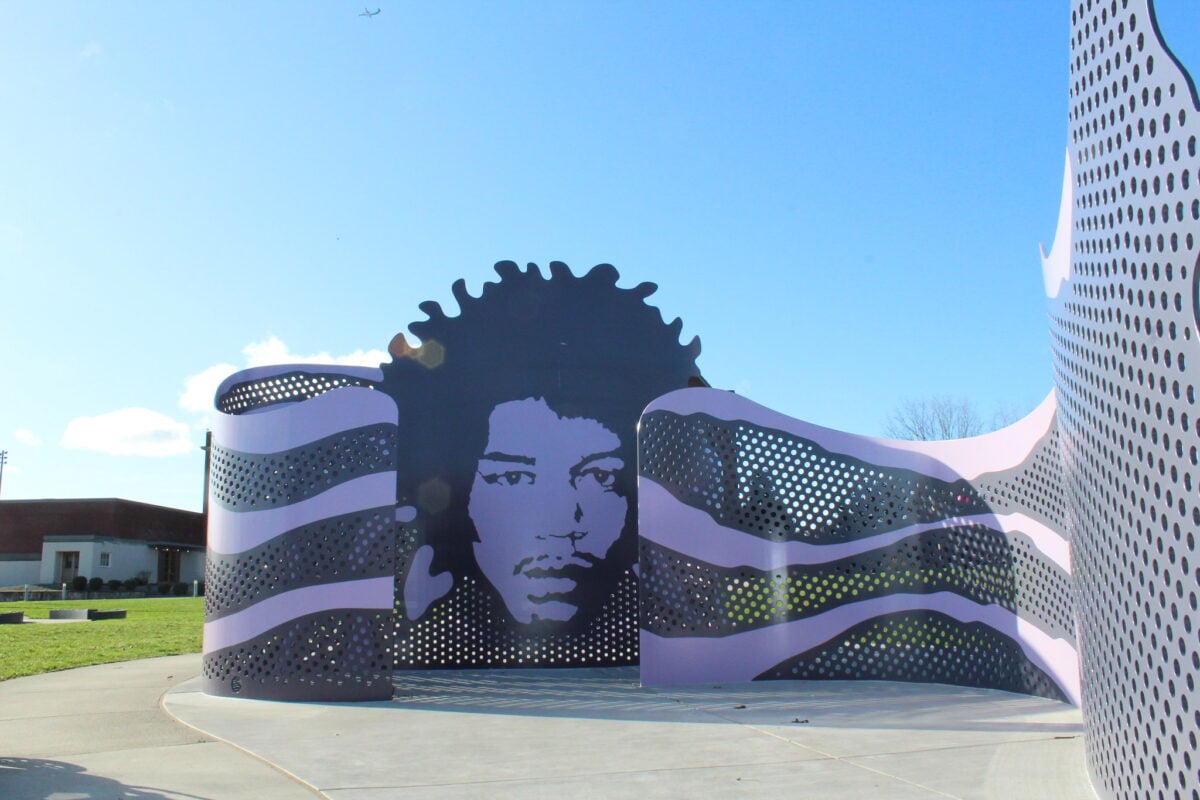
The legendary guitarist lived in a flat at 23 Brook Street in London’s Mayfair from 1968 to 1969, and it’s the only one of his residences that still exists today. After extensive restoration, the museum reopened in 2016 as part of a combined attraction with composer George Frideric Handel’s adjacent home at 25 Brook Street.
Hendrix decorated the place himself, shopping at local markets for Persian rugs and quirky trinkets that reflected his bohemian style. The bedroom even has a rug hung on the wall, just like he had it back in the day, giving you a sense of the creative sanctuary where one of rock’s most innovative musicians lived.
Mark Twain House
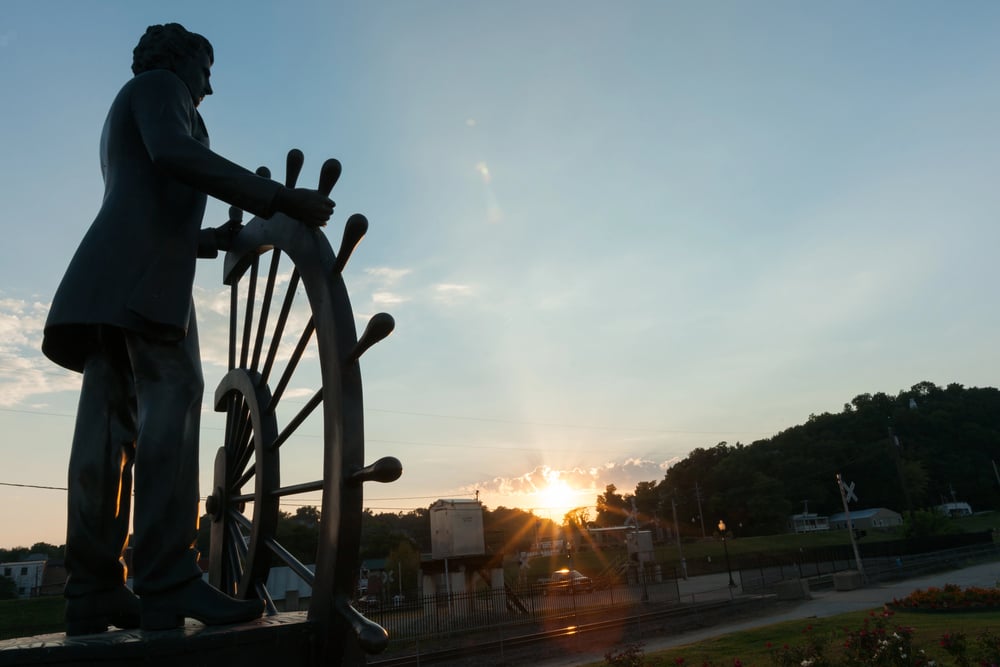
This Hartford, Connecticut mansion is where Samuel Clemens wrote some of his most famous works, including ‘The Adventures of Tom Sawyer’ and ‘Adventures of Huckleberry Finn.’ Built in 1874, Twain lived here with his family until 1891 in this 11,500-square-foot Gothic Revival home that’s as eccentric as its owner was witty.
The interiors were designed by Louis Comfort Tiffany’s firm, Associated Artists, so even the details are spectacular. After careful restoration efforts, the home opened as a museum in 1974, complete with the billiard room on the top floor where Twain would escape to write.
Monet’s Giverny

Claude Monet’s pink stucco house in the French countryside is home to one of the most photographed gardens in the world. The artist lived here from 1883 until his death in 1926, creating the famous water lily pond with its Japanese bridge that inspired countless paintings.
The property was restored and opened to the public in 1980 by the Académie des Beaux-Arts. Inside, the yellow dining room practically glows with warmth, and you can see where Monet’s family gathered for meals.
The gardens change with the seasons, making every visit feel like walking through a living, breathing Impressionist canvas.
Like Go2Tutors’s content? Follow us on MSN.
Ernest Hemingway’s Key West Home
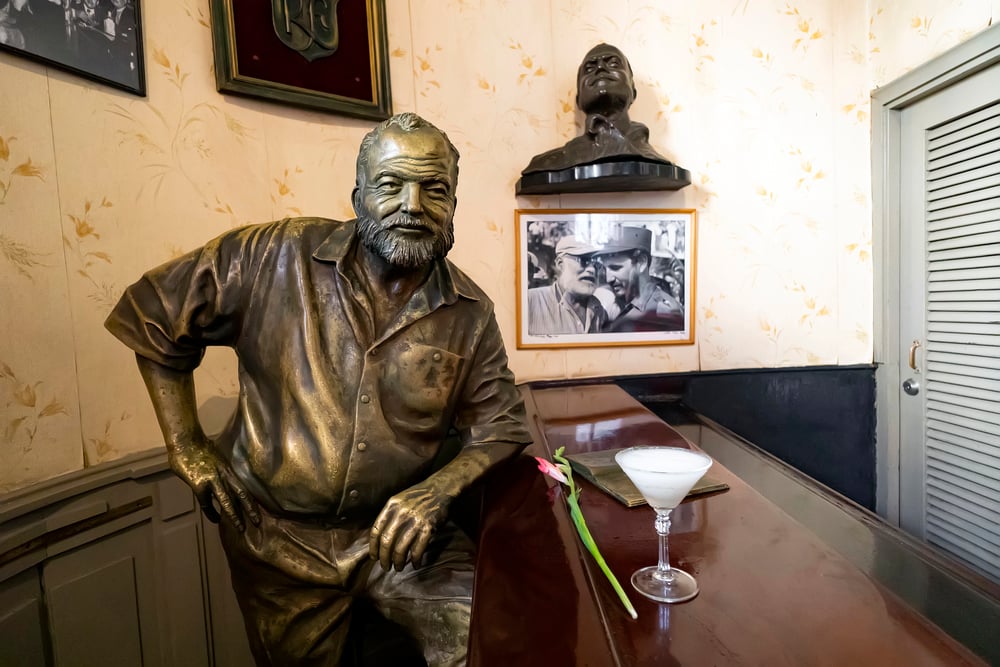
Papa Hemingway lived in this Spanish Colonial house in Key West, Florida, from 1931 to 1939, and it opened as a museum in 1964. The property still houses descendants of his famous six-toed cat named Snow White, and you’ll likely spot a few polydactyl felines lounging around as you tour the rooms.
The house is filled with trophies from his hunting expeditions and features large windows that catch the island breezes. His writing studio is located in a separate building on the property, giving you a sense of how he separated his creative space from daily life.
Mount Vernon
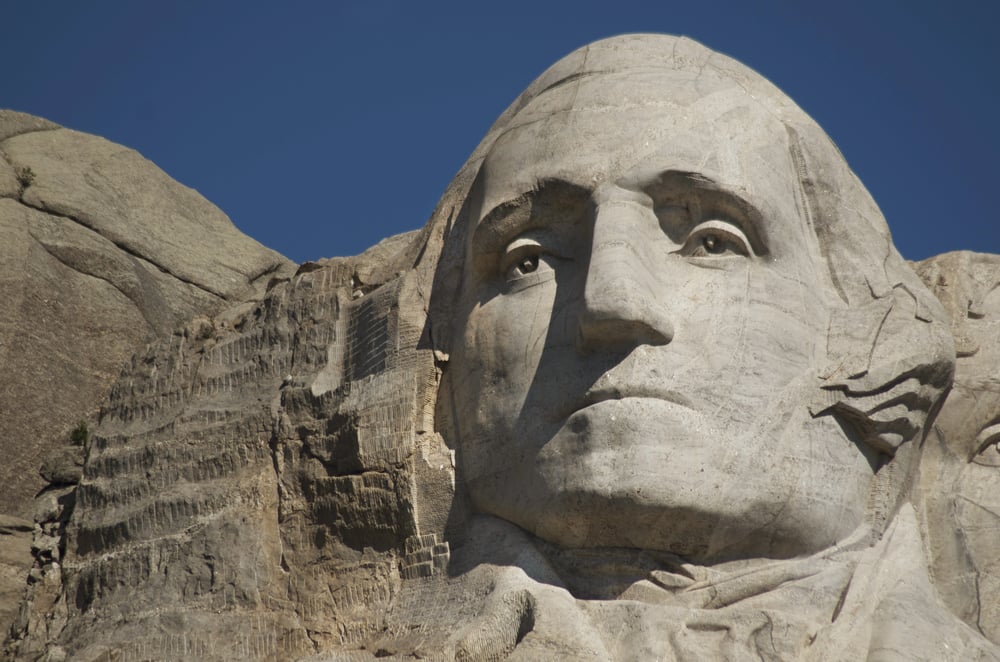
George Washington’s Virginia plantation covers what was originally about 8,000 acres and includes the 21-room mansion where America’s first president lived. Washington began managing Mount Vernon in his twenties after inheriting it from his older brother Lawrence, then spent decades expanding it into the grand property it is today.
The mansion overlooks the Potomac River, and visitors can tour the rooms where Washington entertained hundreds of guests each year. Managed by the Mount Vernon Ladies’ Association since 1858, the estate also includes the gardens he designed himself and acknowledges the enslaved people who worked the land.
Anne Frank House
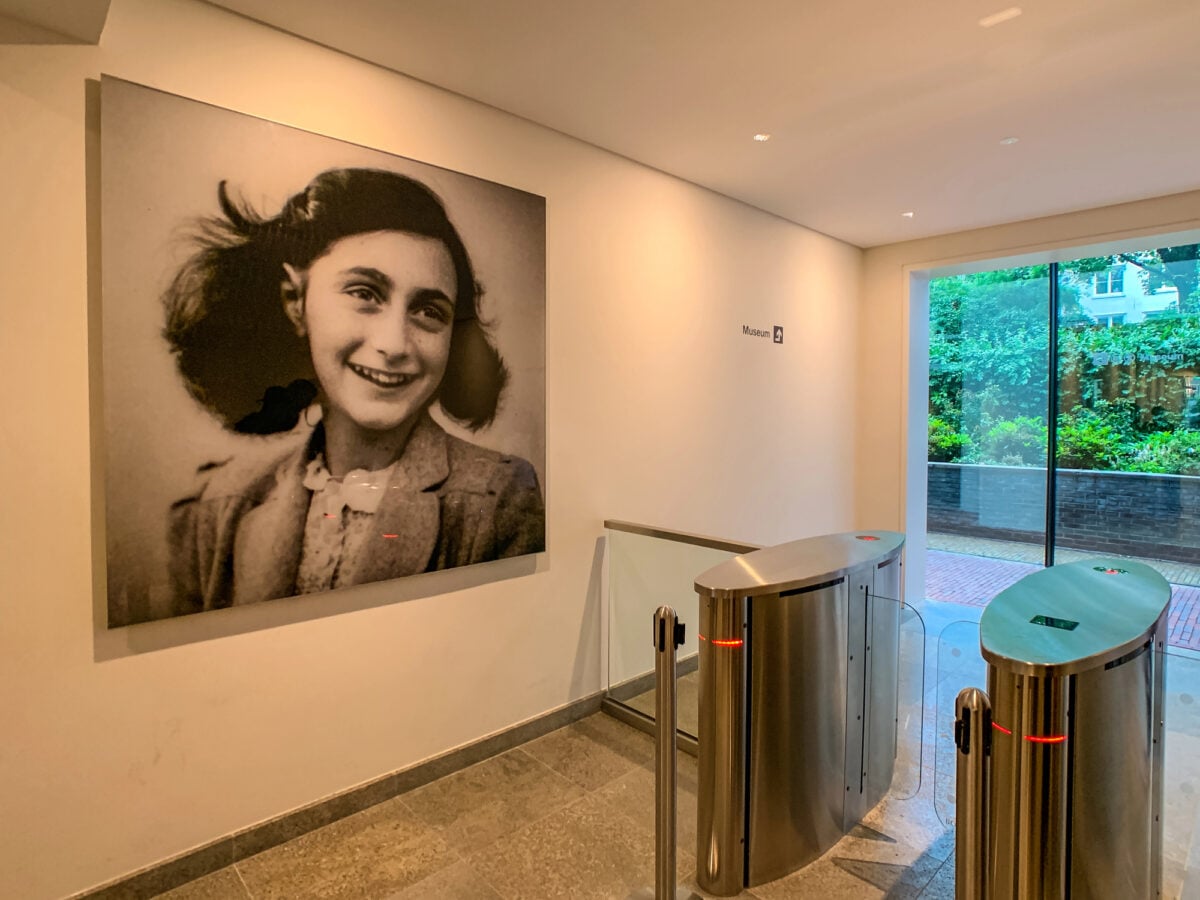
The secret annex in Amsterdam where Anne Frank and her family hid from the Nazis from July 1942 to August 1944 has been preserved as a powerful reminder of history’s darkest chapter. The museum officially opened in 1960, allowing visitors to walk through the narrow passages and cramped rooms where the Frank family lived in silence.
The museum displays Anne’s original diary, though it’s rotated for preservation reasons, and recreates the experience of what it was like to live in constant fear. It’s a sobering but essential visit that connects you to a story millions have read but few can fully imagine.
Like Go2Tutors’s content? Follow us on MSN.
Georgia O’Keeffe’s Abiquiu Home
The modernist painter’s New Mexico residence looks like it could be featured on today’s design blogs with its clean lines, neutral palette, and connection to the desert landscape. O’Keeffe purchased the property in 1945 and renovated it by 1949, living there until her death in 1986.
Now managed by the Georgia O’Keeffe Museum since 1997, the house features plastered walls, soft textures, and minimal furnishings that let the dramatic landscape take center stage through large windows. Her studio space and the sweeping views of the surrounding mesas show exactly why she found so much inspiration in the American Southwest.
Sigmund Freud Museum
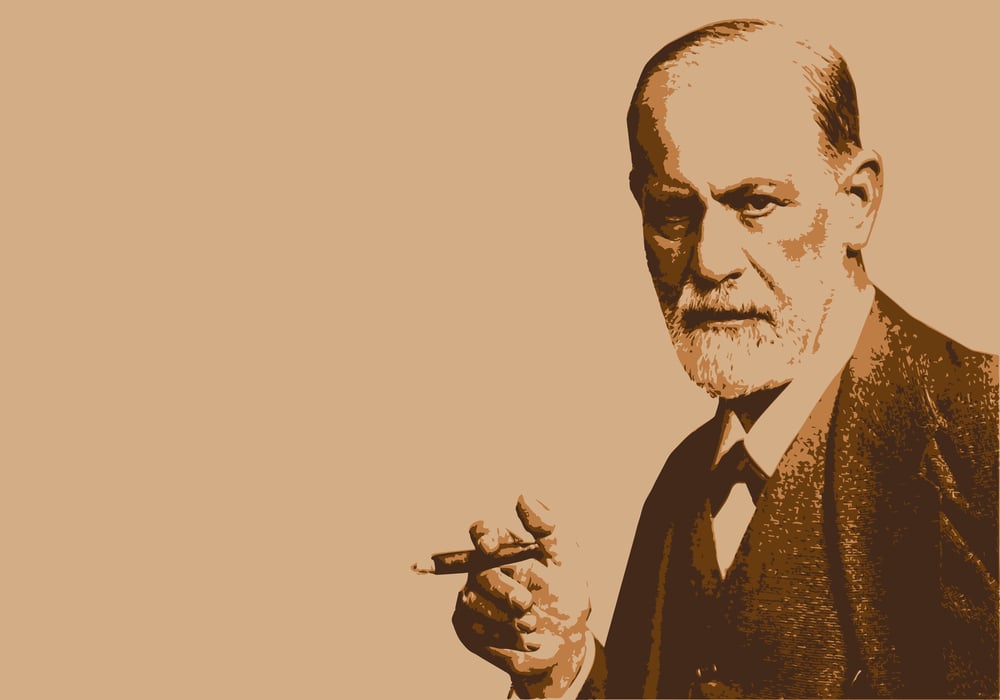
Freud’s final home at 20 Maresfield Gardens in London’s Hampstead neighborhood contains his famous psychoanalytic couch, along with over 2,000 ancient artifacts he collected throughout his life. The father of psychoanalysis fled Vienna in 1938 and lived here until his death in 1939.
His daughter Anna Freud opened the house as a museum in 1986, preserving his study exactly as he left it. The space is crammed with Egyptian, Greek, and Roman antiquities that reflect his fascination with archaeology and the human mind, offering a fascinating glimpse into the personal world of the man who revolutionized psychology.
Hearst Castle
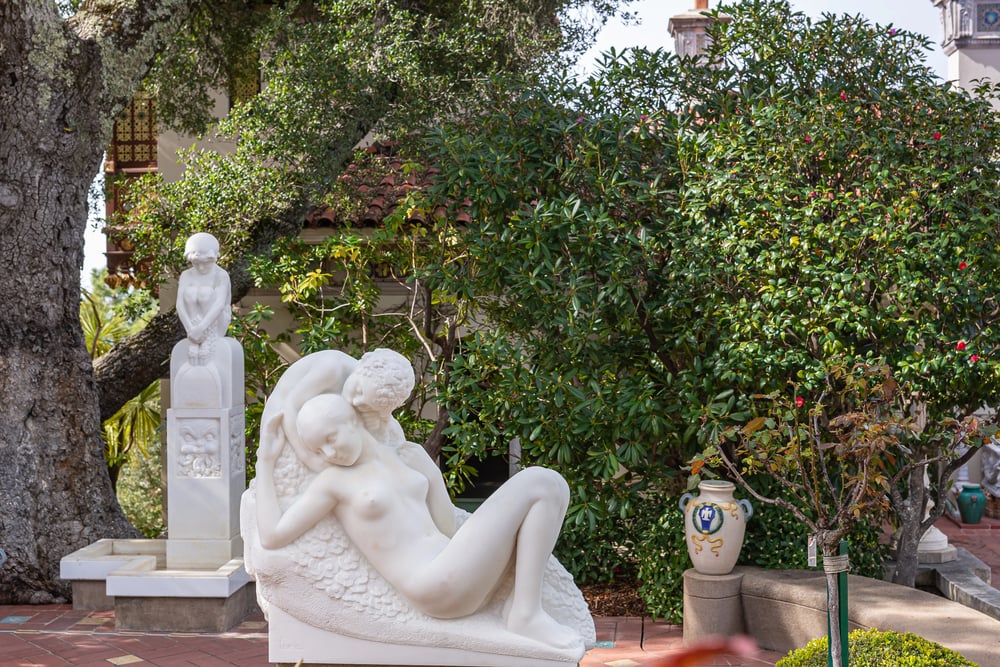
Newspaper magnate William Randolph Hearst built this 90,000-square-foot castle overlooking the California coast between 1919 and 1947, with architect Julia Morgan as the mastermind behind its design. The estate features 165 rooms and 127 acres of gardens and terraces filled with European art and antiques.
Opened to the public in 1958 and now operated by California State Parks, the property includes the outdoor Neptune Pool with its ancient Roman-style columns and the indoor Roman Pool with its blue and gold mosaic tiles. Hearst entertained Hollywood legends like Charlie Chaplin, Cary Grant, and Marion Davies here during the 1920s and 1930s, making it the ultimate symbol of Golden Age excess.
Like Go2Tutors’s content? Follow us on MSN.
Charles Dickens Museum

The Victorian novelist lived in this Georgian townhouse at 48 Doughty Street in London’s Bloomsbury neighborhood from 1837 to 1839, and it’s the only one of his London homes still standing. Dickens wrote ‘Oliver Twist’ and ‘Nicholas Nickleby’ here while living with his wife Catherine and young son.
Opened as a museum in 1925 by the Dickens Fellowship, the house has been restored to reflect how it looked during his time, complete with period furniture and his personal writing desk. Walking through these rooms gives you a sense of the domestic chaos that inspired some of literature’s most memorable characters.
Louis Armstrong House
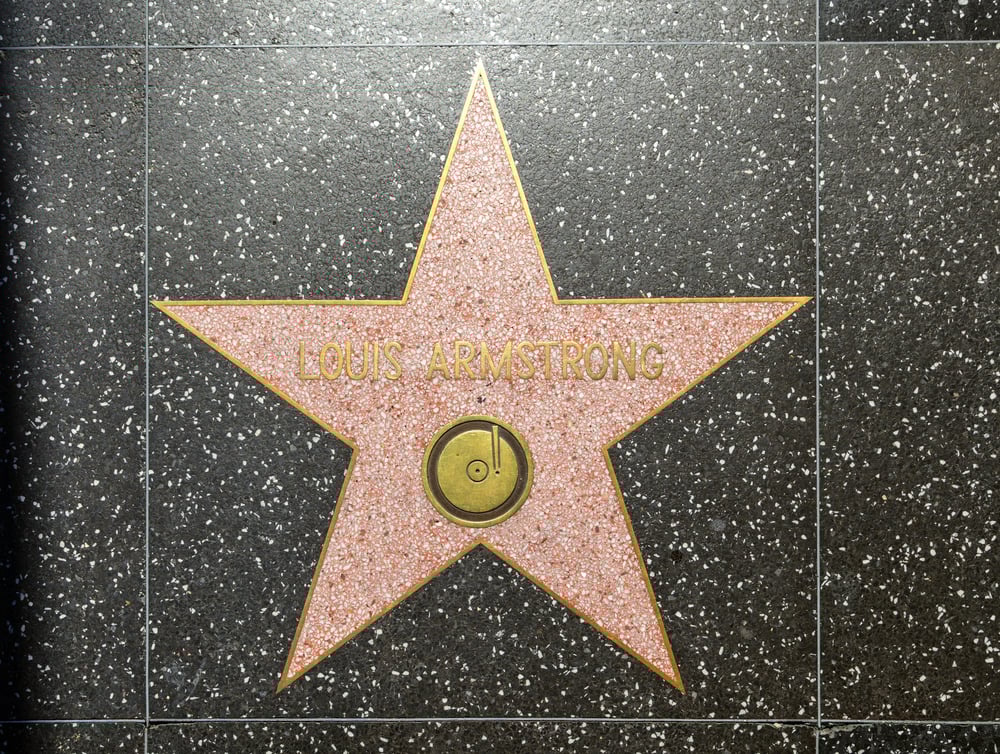
Jazz legend Louis Armstrong chose to live in this modest brick house in Corona, Queens, rather than somewhere more glamorous, and it tells you everything about his character. He and his wife Lucille moved here in 1943 and stayed until his death in 1971.
The house opened as a museum in 2003 and was expanded with the Louis Armstrong Center in 2023. The interior is a time capsule of mid-century design, with original furnishings, restored gold bathroom fixtures, and Armstrong’s extensive record collection.
The house shows that even at the height of his fame, he valued comfort and community over flashy Hollywood living.
Monticello
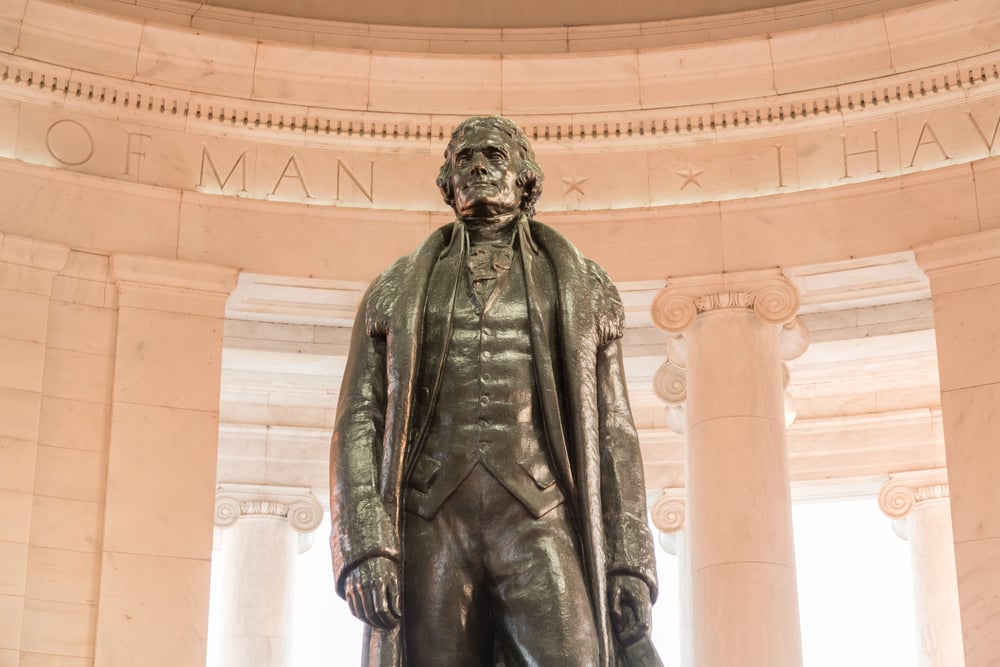
From the dome room to the cutting-edge devices he placed throughout the property, Thomas Jefferson planned every aspect of his home on a mountaintop in Virginia.
It was first built in 1768, and Jefferson kept making changes to it until his passing in 1826. The estate, which has been run by the Thomas Jefferson Foundation since 1923, was named a UNESCO World Heritage Site in 1987 alongside the University of Virginia.
His personal library, scientific equipment, and the gardens where he experimented with novel plant species are all on the property. In order to paint a fuller picture of Jefferson’s complex legacy, tours also cover the challenging history of the enslaved people who constructed and cared for the property.
Like Go2Tutors’s content? Follow us on MSN.
Where History Lives On
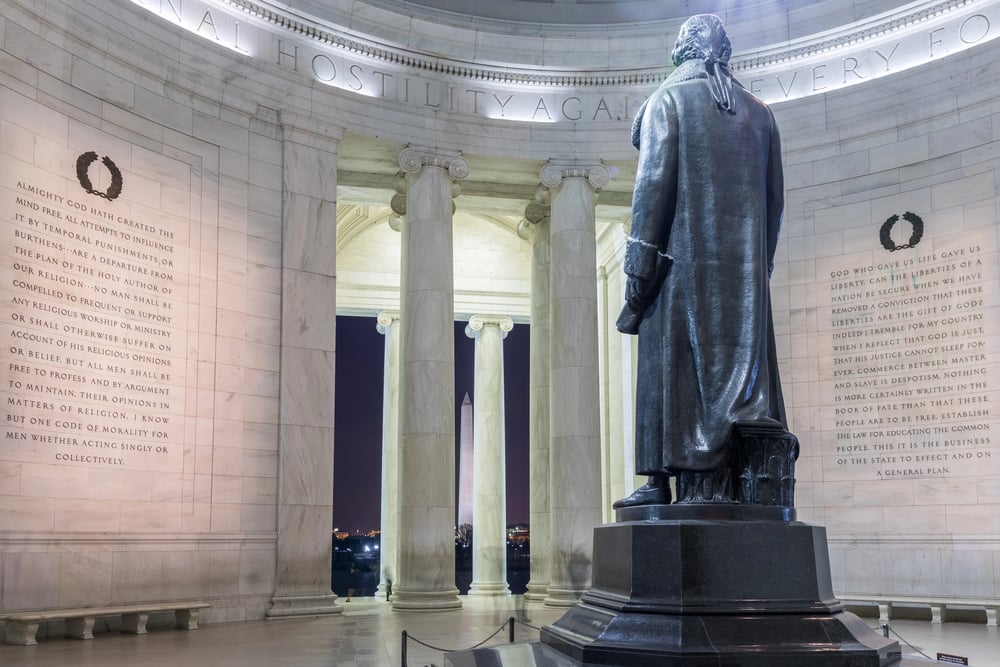
These residences serve as a link between the real people behind closed doors and the celebrities we look up to. In ways that reading about them could never do, being in Frida’s garden or Elvis Presley’s music room allows us to empathize with their humanity.
Every conserved toothbrush, paintbrush, or cherished chair serves as a reminder that creativity requires a setting in which to flourish. Like the rest of us, these museums demonstrate that sometimes the most inspiring thing about extraordinary people is learning that they lived in places that felt like home.
More from Go2Tutors!

- 16 Historical Figures Who Were Nothing Like You Think
- 12 Things Sold in the 80s That Are Now Illegal
- 15 VHS Tapes That Could Be Worth Thousands
- 17 Historical “What Ifs” That Would Have Changed Everything
- 18 TV Shows That Vanished Without a Finale
Like Go2Tutors’s content? Follow us on MSN.