Images Of 15 Narrowest Buildings Around The World
There’s something oddly captivating about a building that barely has room to exist. Maybe it’s the audacity of squeezing a home or business into a space most people would use for storage.
Or perhaps it’s the ingenuity required to make such cramped quarters actually livable. These impossibly narrow structures scattered across the globe remind us that human determination can create shelter in the most unlikely spaces.
Skinny House, Boston
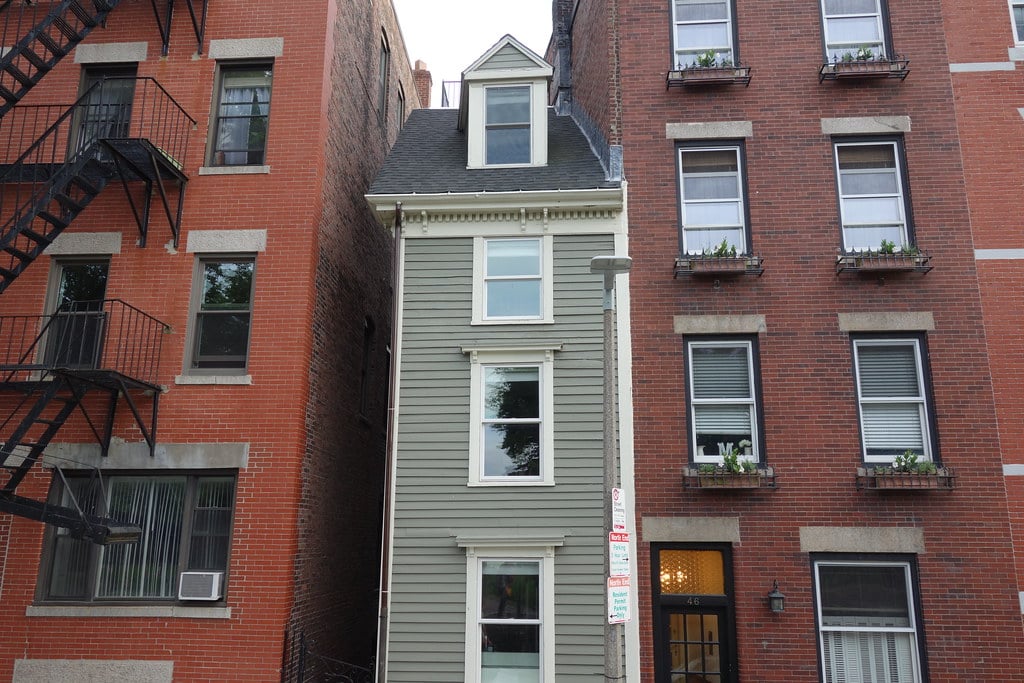
The Skinny House cuts through Boston’s North End. Four windows wide and not much else.
Built in 1874, this slice of defiance measures just 10 feet at its widest point and tapers down to 9 feet at the back.
Keret House, Warsaw
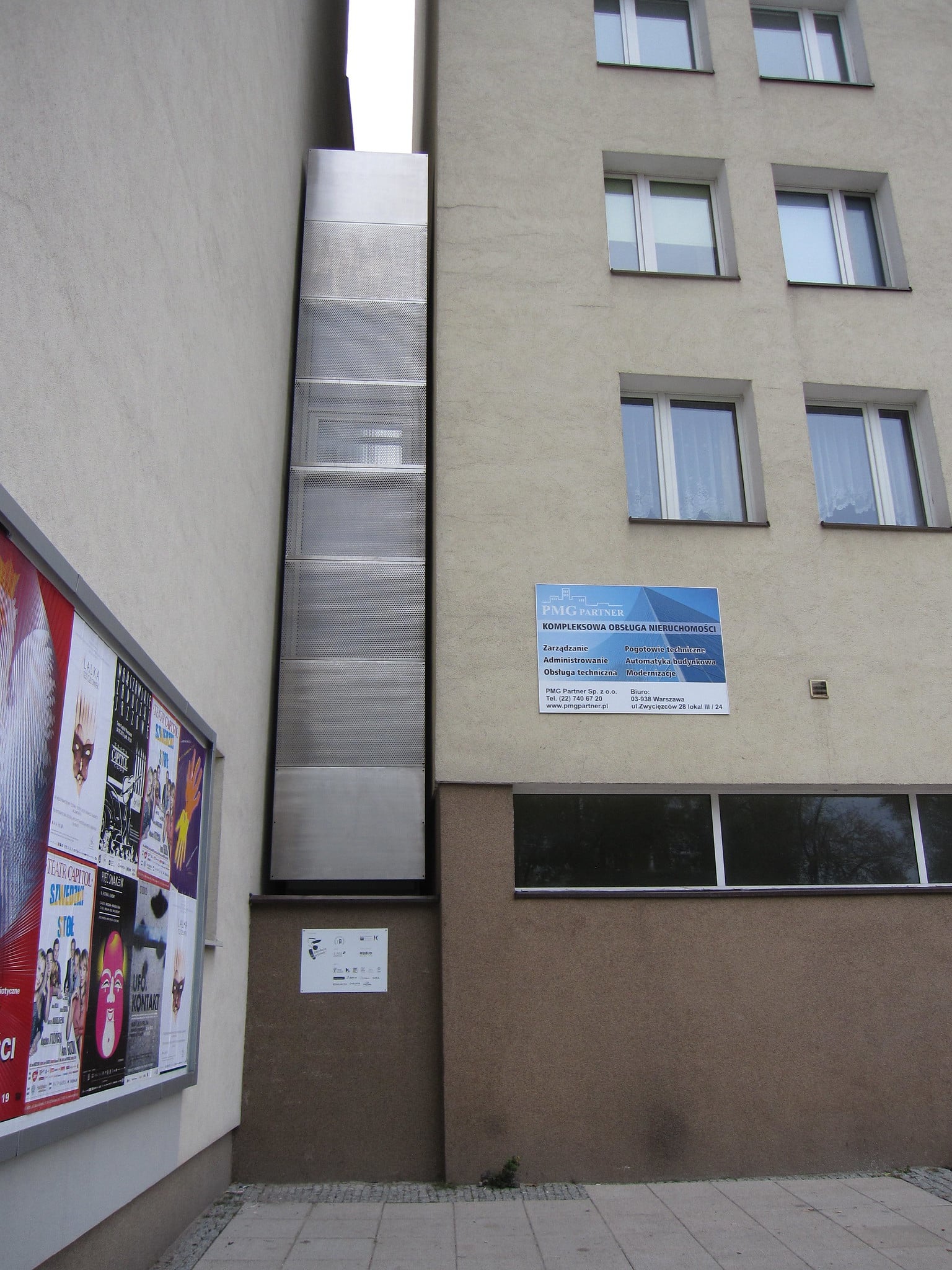
Etgar Keret’s house exists in the gap between two buildings, and honestly, calling it a house feels generous. At 48 inches wide at its narrowest point, this aluminum and polycarbonate wedge looks like someone squeezed a shipping container through a paper shredder and decided to live in the result.
The Israeli writer commissioned this architectural impossibility as both art installation and living space, though “living” here requires a very particular definition of comfort.
You enter through a hatch in the floor (because doors, apparently, are for buildings with actual width), and the interior feels less like a home and more like a very expensive filing cabinet.
But there’s something beautiful about the way light filters through the translucent walls, casting everything in an ethereal glow that makes the cramped quarters feel almost meditative.
And yet the whole structure seems to vibrate with the energy of Warsaw around it — cars passing inches from your bed, conversations from neighboring windows mixing with your morning coffee.
Casa Do Bacalhau, São Paulo

Casa do Bacalhau stands like a bookmark between two larger buildings. This narrow restaurant specializes in Portuguese cuisine, which seems fitting given how Portuguese explorers were known for making the most of tight quarters on long sea voyages.
The building measures roughly 10 feet wide, forcing diners to navigate single-file to their tables. The layout creates an oddly intimate dining experience where conversations from other tables blend into one continuous murmur.
The Wedge, London
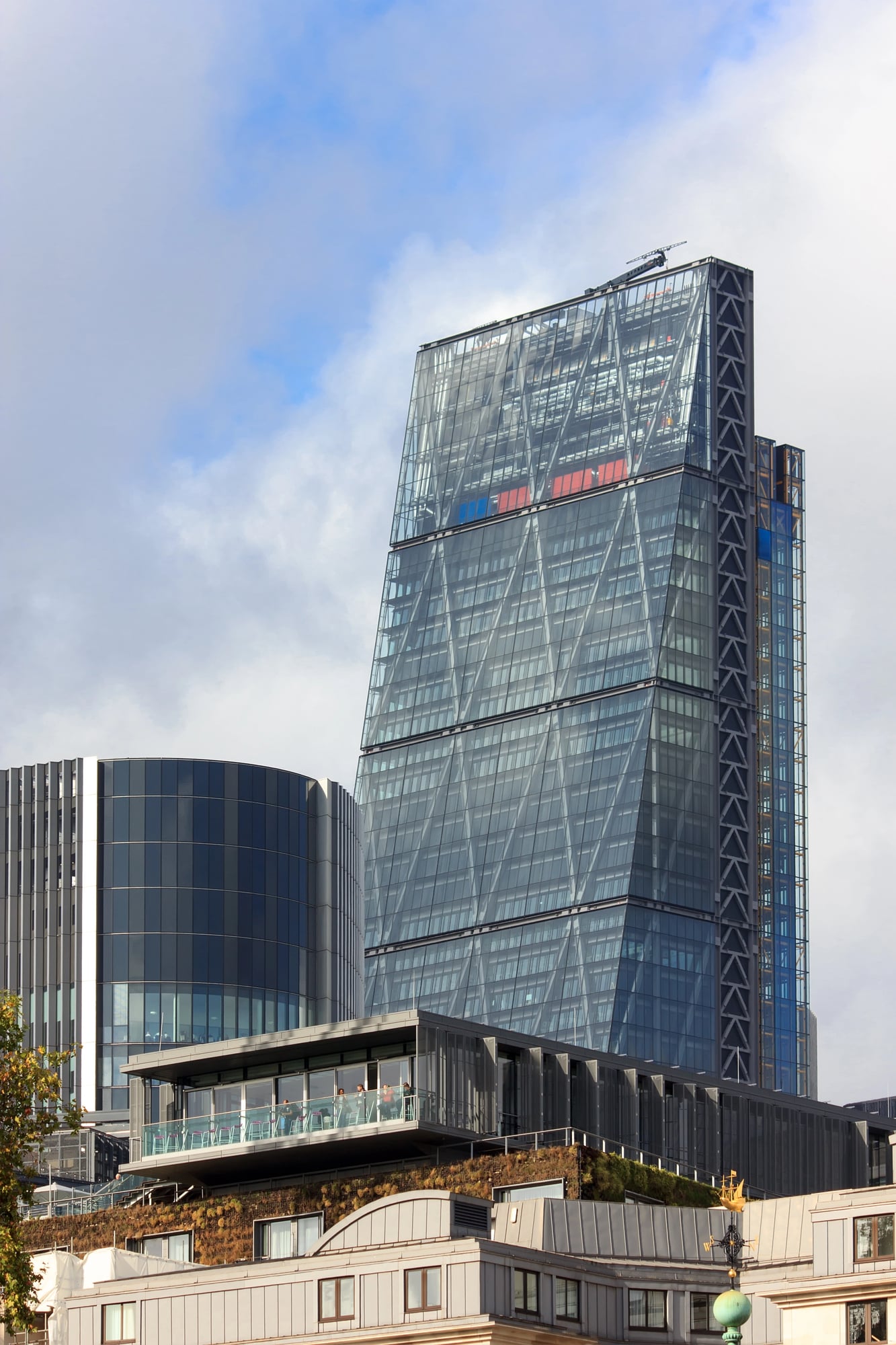
London’s real estate market has always been ruthless, but The Wedge takes property maximization to an extreme. This triangular building tapers to just 6 feet at its narrowest point, creating rooms that feel more like hallways with aspirations.
Built in the 1880s, the structure originally housed a pie shop on the ground floor. The upstairs apartments require furniture specifically designed for the space — standard couches simply don’t fit through doorways that narrow.
Spite House, Alexandria

The Spite House earned its name through neighborhood feuding, though the exact details have blurred into local legend over the decades. What remains clear is the building’s dimensions: 7 feet wide and built so close to the neighboring property that you could probably pass a coffee cup between windows (if anyone were foolish enough to try).
The house stands like a bookmark that someone forgot to remove from between two normal-sized buildings, its blue clapboard siding weathered into the particular shade of stubbornness that only comes with age and determination.
The interior layout defies conventional wisdom about livable space — rooms that flow into each other not by design but by necessity, doorways that frame views of brick walls mere inches away, windows that let in light but little else.
So the residents have learned to live vertically rather than horizontally, stacking their lives floor by floor in a way that would make ship captains nod with approval.
La Casa Estrecha, Valencia
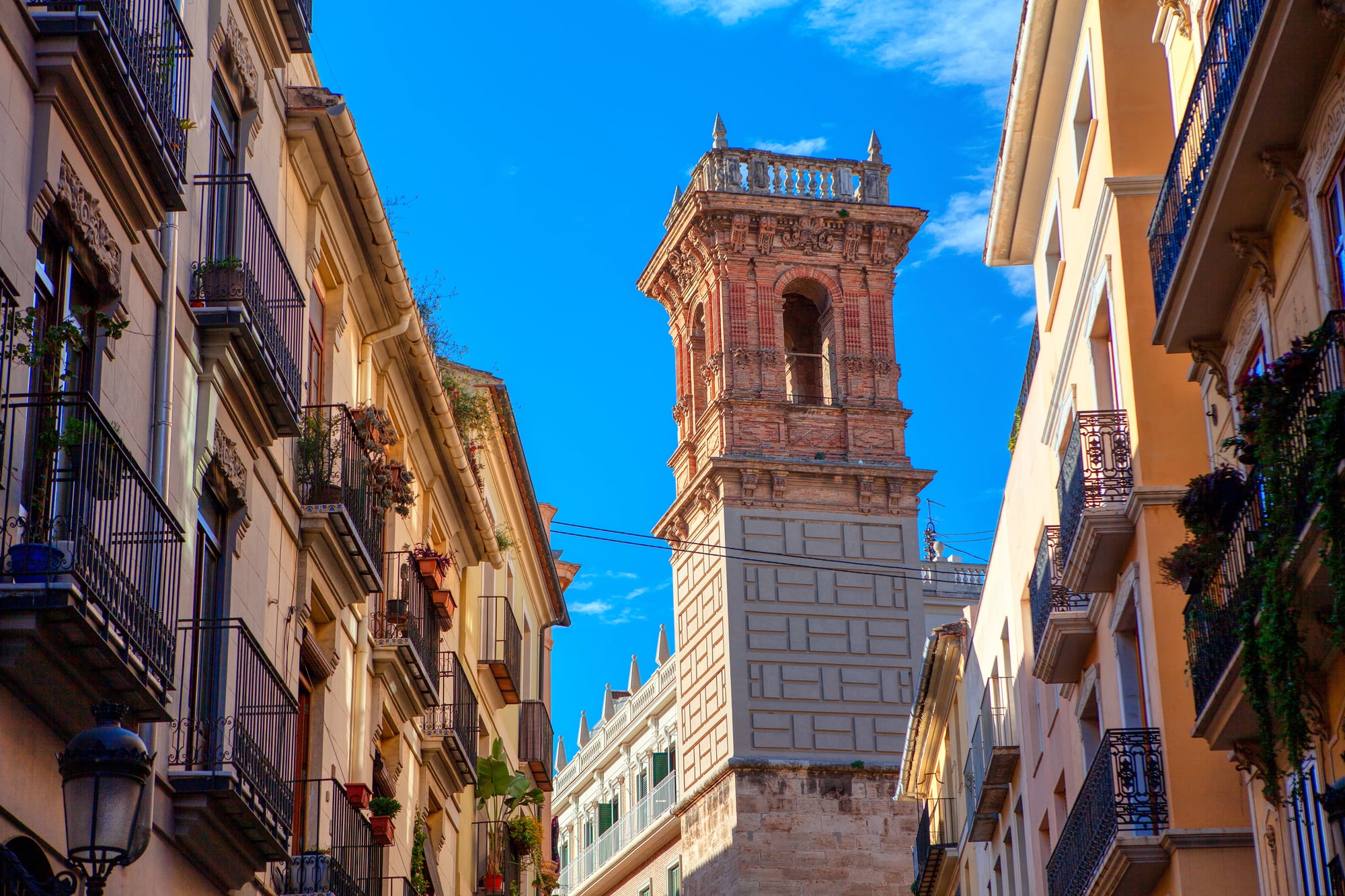
Valencia’s La Casa Estrecha translates to “The Narrow House,” which wins points for accuracy if not creativity. At 107 centimeters wide, this five-story building challenges every assumption about residential architecture.
Sam Kee Building, Vancouver
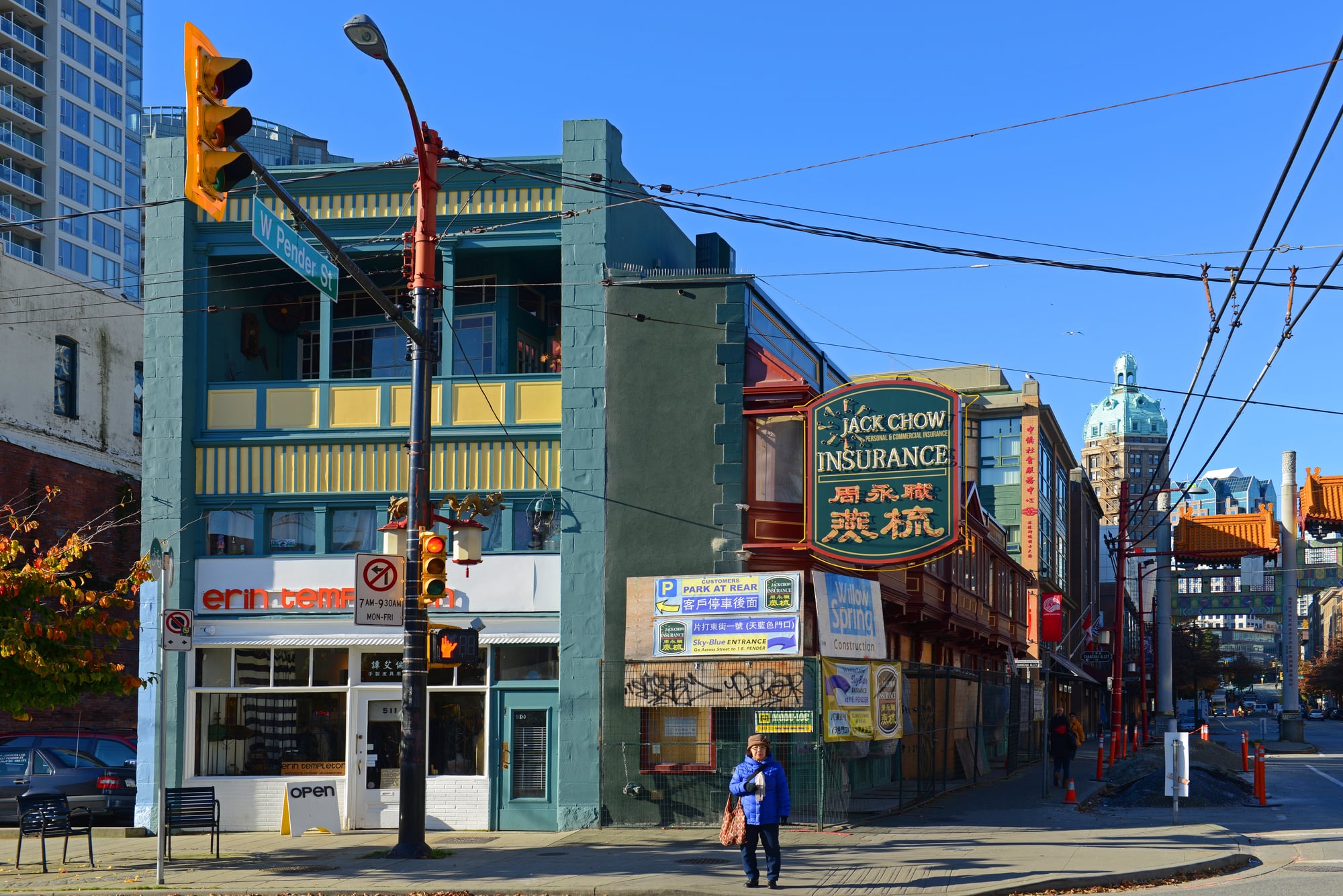
The Sam Kee Building holds a Guinness World Record, though it’s not the kind of record most property developers would celebrate. At just 4 feet 11 inches deep, this Vancouver landmark proves that spite and determination can create something remarkable.
Built in 1913 after the city expropriated most of the original lot for street widening, the building’s owner decided to construct something on the remaining sliver of land rather than sell. The result defies logic and building codes with equal enthusiasm.
Thin House, London
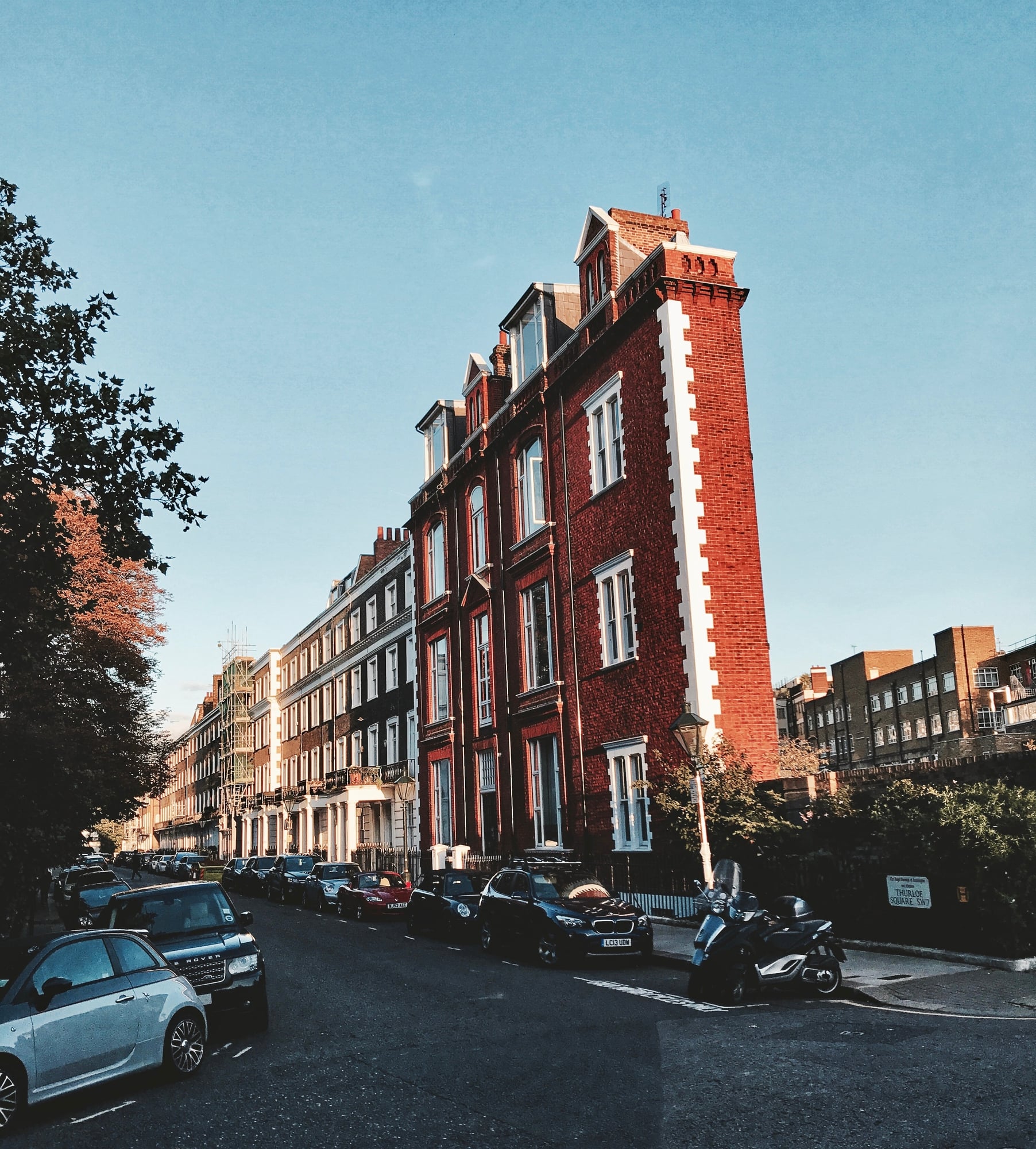
London’s Thin House began life as a Victorian hat shop, back when hat shops were apparently built like vertical pencil cases and nobody questioned the logic. The building measures 6 feet wide at street level, which sounds impractical until you realize that most London properties feel cramped anyway, so why not embrace the absurdity completely?
The current owners have transformed the space into a residence that functions through careful choreography — two people cannot pass each other in most hallways, meals are planned around kitchen accessibility, and furniture shopping requires measuring tapes and prayer.
But there’s something unexpectedly peaceful about living in a space that forces you to move deliberately, where every object has earned its place through careful consideration rather than casual accumulation.
And the neighbors have learned to coordinate their comings and goings like a very polite ballet, because blocking the sidewalk while fumbling for keys affects everyone within a three-building radius.
Narrow House, Amsterdam
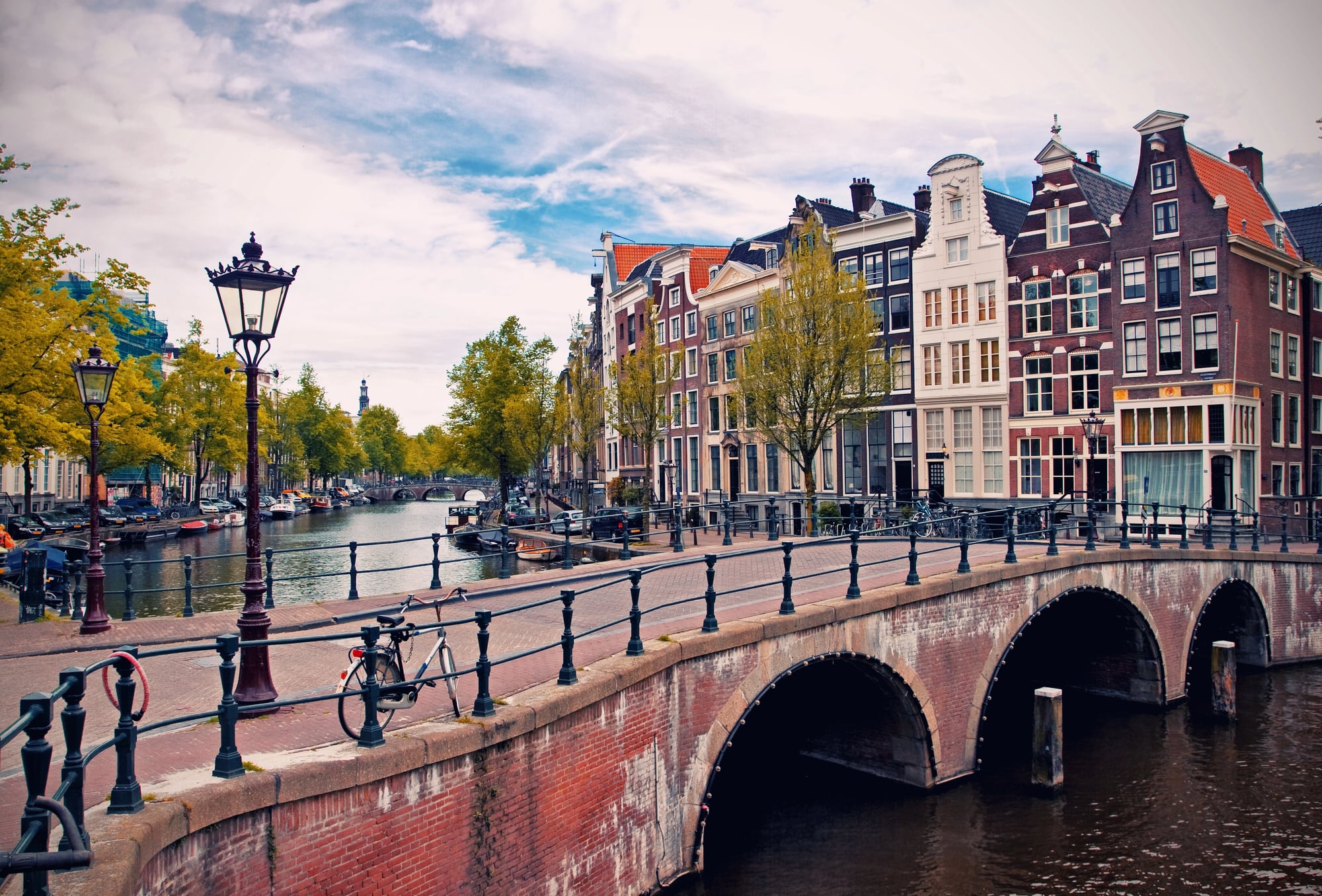
Amsterdam’s canal houses were taxed by width, which explains why Dutch builders became masters of vertical architecture. This particular narrow house measures just 2.02 meters wide, making it one of the skinniest in a city full of skinny buildings.
The structure rises four stories, with each floor containing a single room. Furniture delivery requires planning that would impress military logistics coordinators.
The Pie Slice House, Los Angeles
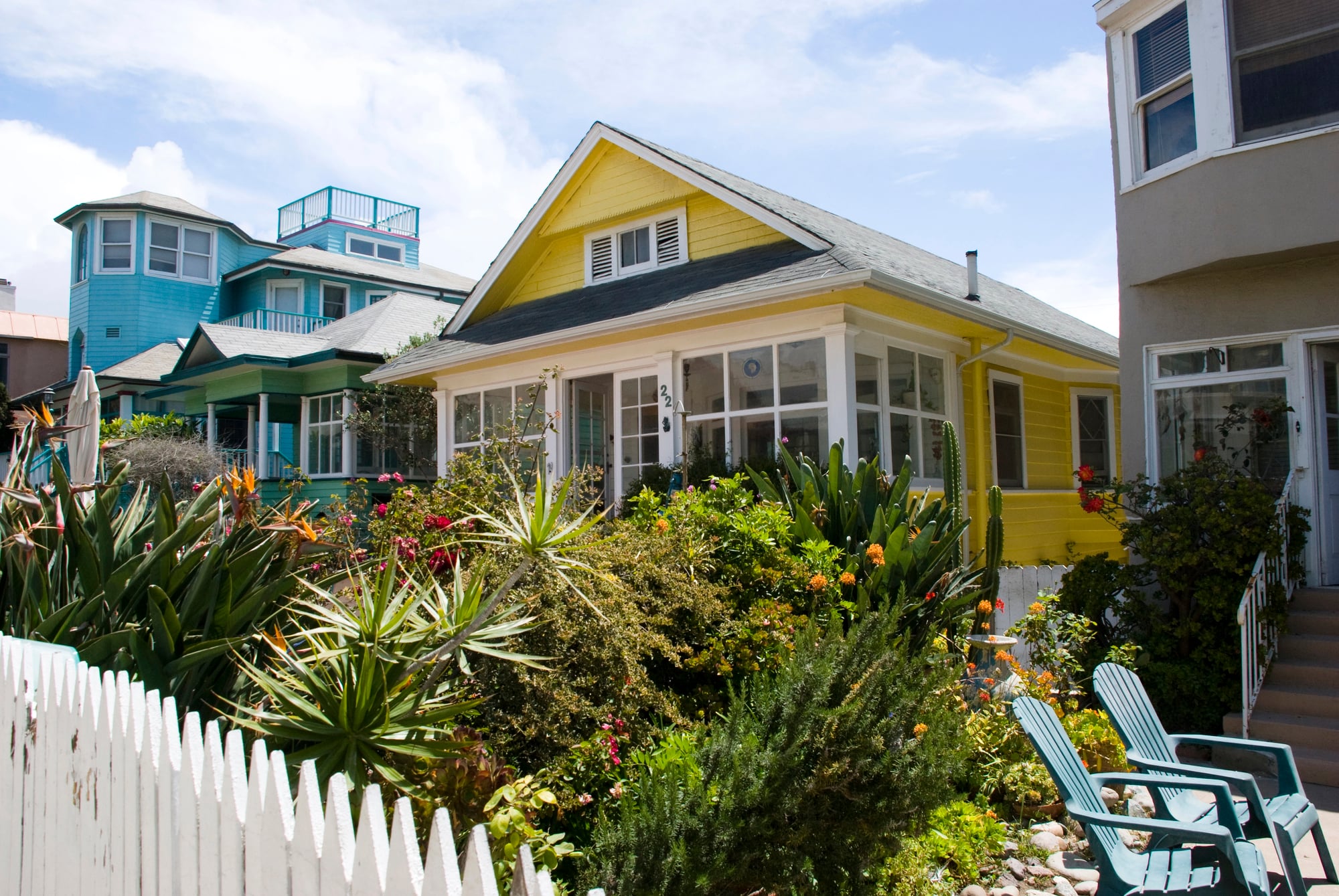
Los Angeles real estate creates strange compromises, but The Pie Slice House represents something beyond compromise — it’s pure architectural stubbornness made manifest. Wedged into a triangular lot that most developers would have dismissed as unbuildable, this house tapers from a reasonable width to practically nothing, like someone decided to live inside a geometry problem.
Micro Slim House, London
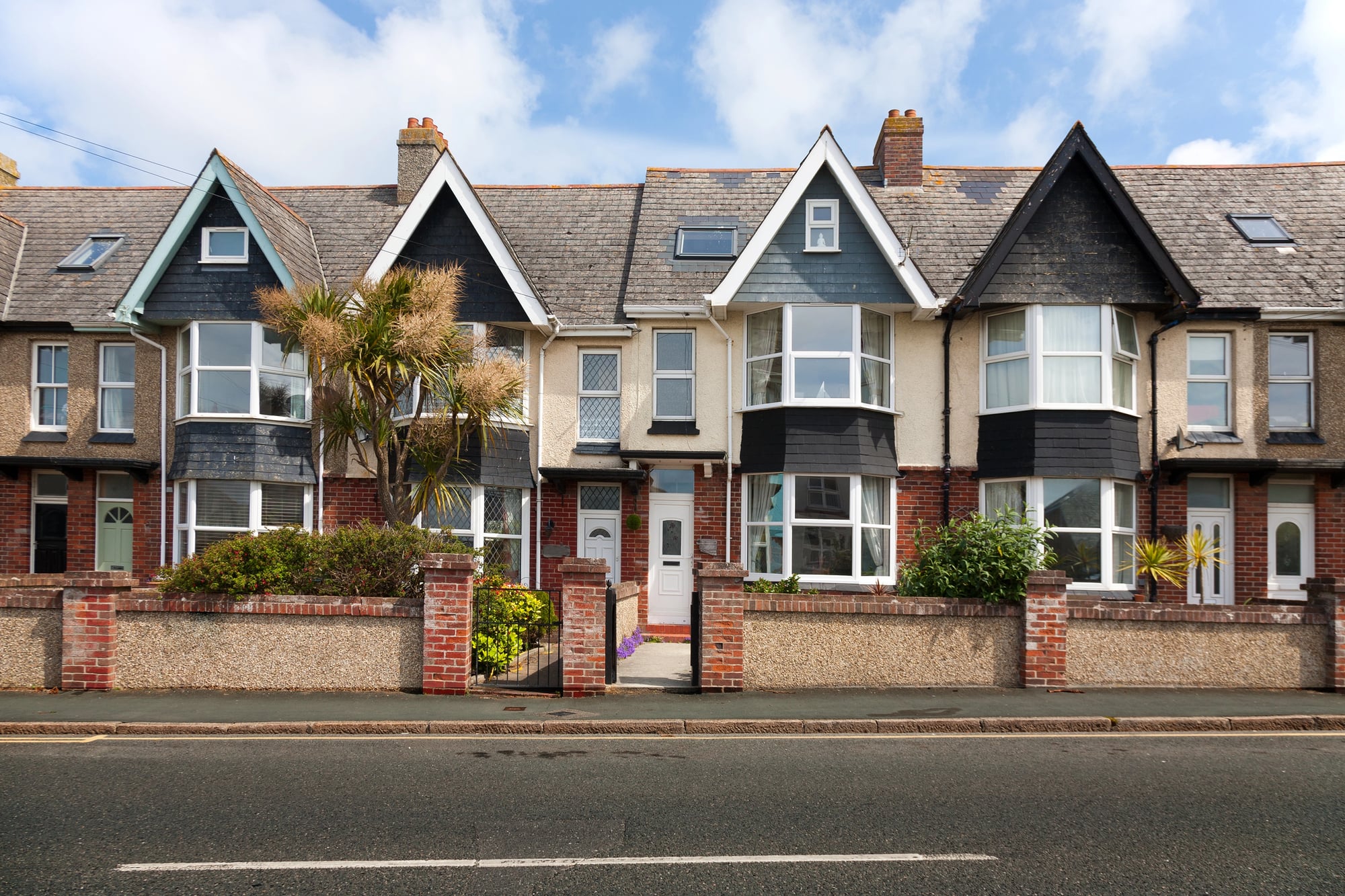
London keeps appearing on lists like this for good reason: the city treats narrow buildings like other places treat parking spaces — necessary evils that somehow become charming through sheer persistence. The Micro Slim House measures 8 feet wide and houses a family of four, which sounds impossible until you see how cleverly every vertical inch has been utilized.
Beds fold into walls, dining tables drop from ceilings, and storage happens in spaces that most people wouldn’t notice existed. The children have learned to navigate their home like cats, slipping through spaces that would challenge adults, turning the building’s constraints into playground opportunities that their friends with normal-sized houses can only envy.
Narrow House, Belgrade

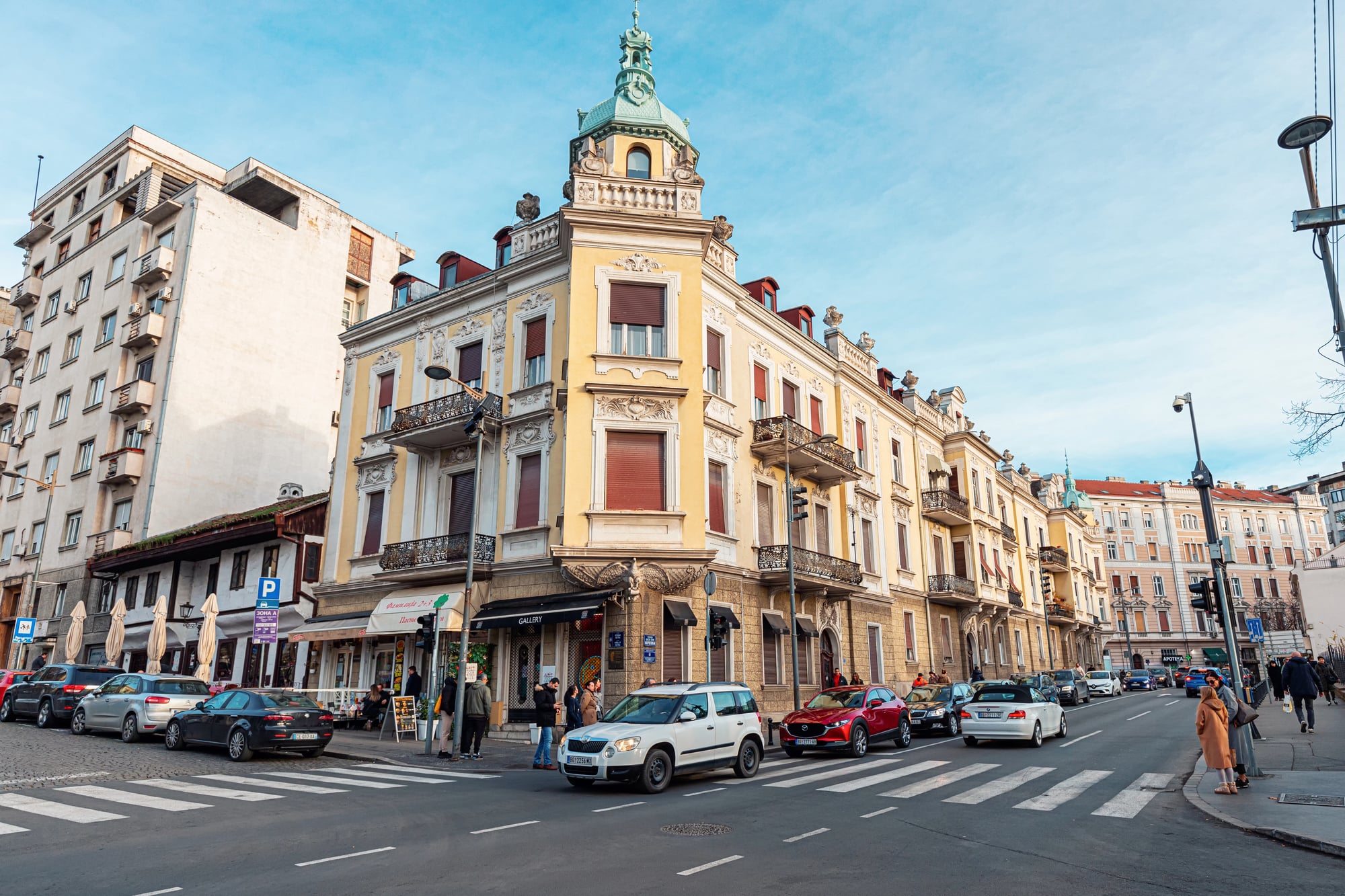
Belgrade’s narrow house stands 15 feet wide and five stories tall, which sounds spacious compared to some entries on this list. The building dates to the early 1900s and originally served as both residence and workshop for a tailor who clearly understood how to make the most of limited space.
Each floor contains a single room, connected by a staircase that demands careful navigation. The current residents have maintained the building’s original character while adapting it for modern living.
The Littlest House, Newburgh
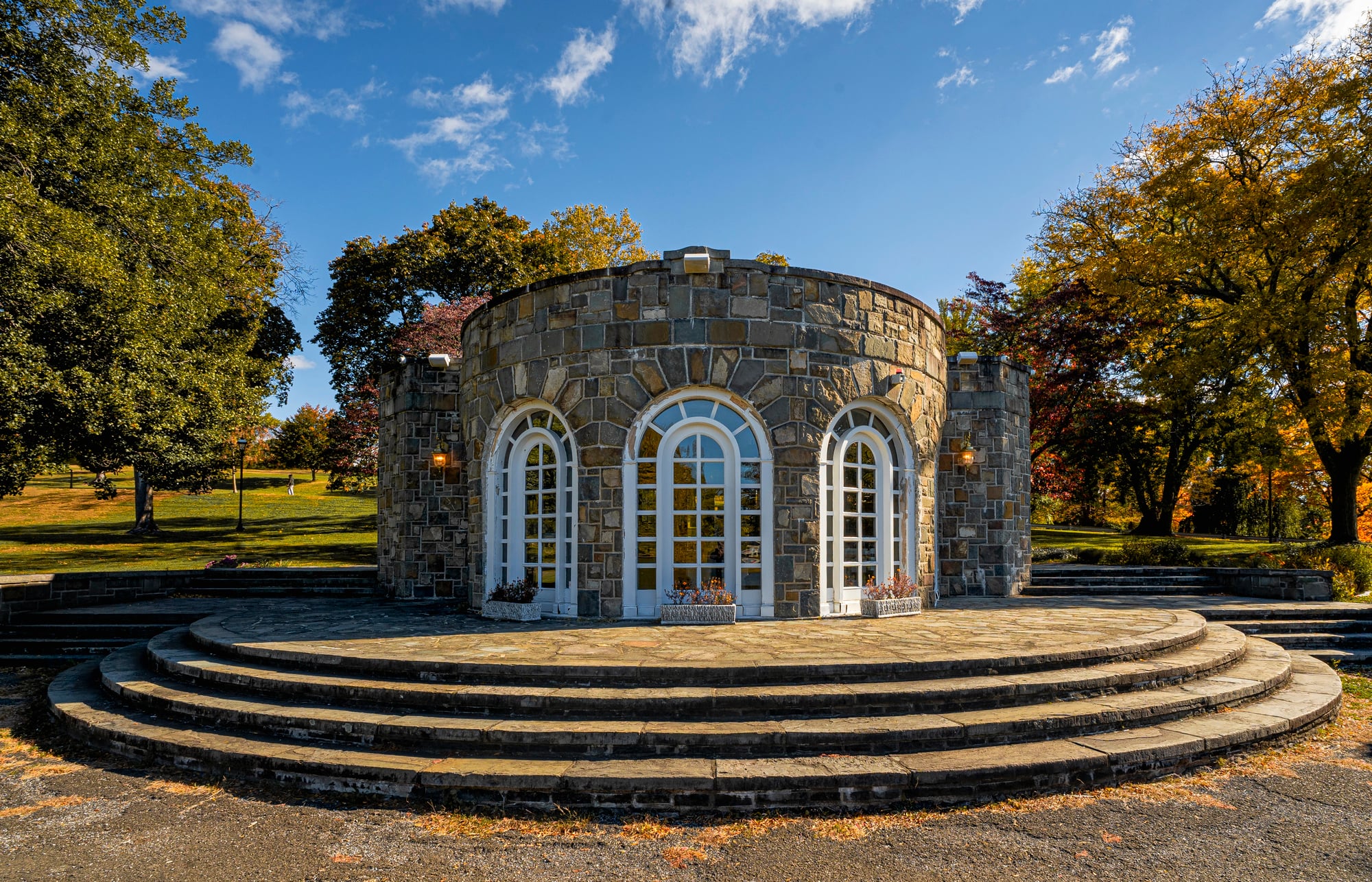
New York’s Littlest House measures 10 feet wide and sits on a lot that barely qualifies as a lot. Built in the 1800s, this structure has housed everyone from dock workers to artists, each generation finding ways to make the cramped quarters work.
The building’s narrow width creates surprising intimacy — conversations carry between floors, cooking smells permeate every room, and privacy becomes a negotiated concept rather than an architectural given.
Narrow House, Toronto
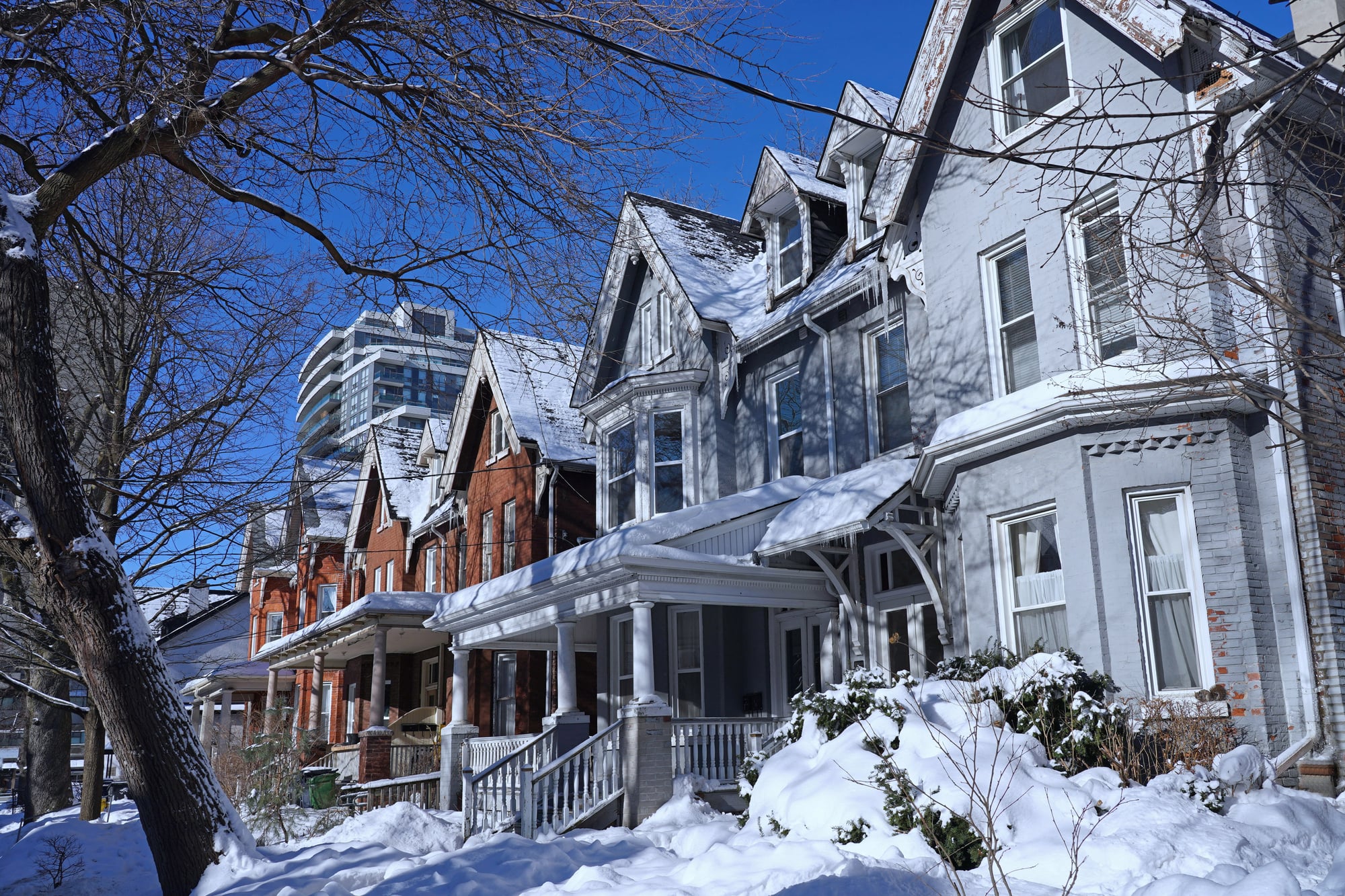
Toronto’s narrow house movement gained momentum in the early 2000s as developers sought creative solutions to the city’s housing shortage. This particular example measures 12 feet wide and demonstrates how careful design can create livable space within severe constraints.
The interior layout eliminates hallways entirely, with rooms flowing directly into each other. Natural light becomes precious currency, with skylights and light wells strategically placed to brighten spaces that would otherwise disappear into shadow.
Narrow House, Beirut

Beirut’s narrow house culture developed from necessity rather than choice. This 8-foot-wide building rises four stories and houses an extended family who have learned to coordinate their daily routines with military precision.
The ground floor serves as a shop, while the upper levels contain living spaces arranged more like ship cabins than traditional rooms. Furniture stays built-in by necessity, and storage happens in every available corner, nook, and vertical surface.
Architecture As Autobiography
These narrow buildings write stories about their cities in the most space-efficient way possible. Each one represents a moment when someone looked at an impossible lot and decided that impossible was just another word for interesting.
They remind us that home isn’t really about square footage — it’s about the determination to create shelter and meaning in whatever space the world offers you.
More from Go2Tutors!

- The Romanov Crown Jewels and Their Tragic Fate
- 13 Historical Mysteries That Science Still Can’t Solve
- Famous Hoaxes That Fooled the World for Years
- 15 Child Stars with Tragic Adult Lives
- 16 Famous Jewelry Pieces in History
Like Go2Tutors’s content? Follow us on MSN.