Most Important Moments in Early Internet
The internet didn’t just appear overnight like some digital miracle. It took decades of experimentation, collaboration, and a few happy accidents to transform from a military communication tool into the global network we can’t live without today.
The early days were filled with researchers sending cryptic messages between universities, entrepreneurs betting on a technology most people didn’t understand, and inventors creating tools that would fundamentally reshape how humans interact with information and each other. Here is a list of 14 pivotal moments that shaped the early internet into what we know today.
ARPANET’s First Message
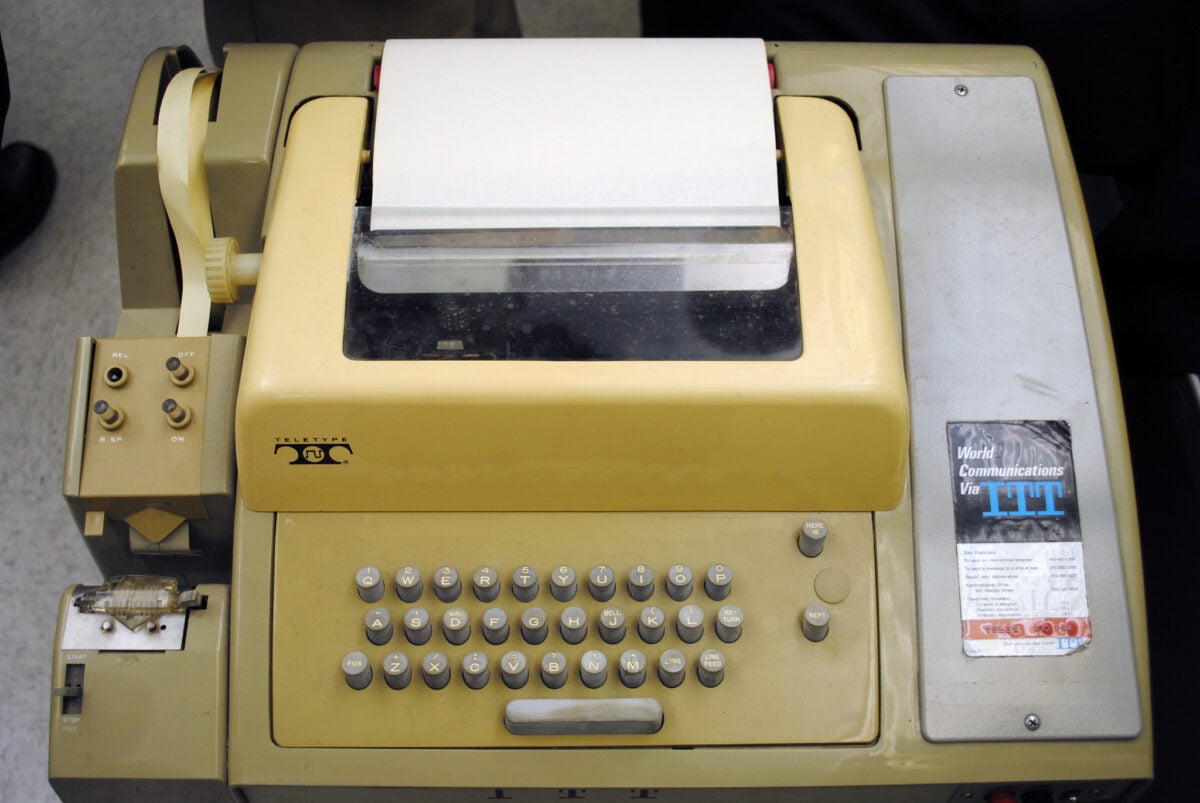
On October 29, 1969, a computer at UCLA attempted to send the word “LOGIN” to Stanford Research Institute through a brand new network called ARPANET. The system crashed after transmitting just two letters—”LO”—but those two letters represented something massive.
For the first time, computers in different locations were talking to each other over long distances using packet switching technology, a method that breaks data into small chunks and sends them independently. The U.S. Department of Defense funded this project to create a communication system that could survive partial destruction during an attack, but what they really created was the foundation for the entire internet.
Ray Tomlinson Invents Email

Ray Tomlinson, a computer engineer working on ARPANET, sent the first email in 1971 between two computers sitting right next to each other in the same room. He also made a decision that would stick forever—using the @ symbol to separate the user name from the computer name in email addresses.
Before email, ARPANET was mainly for accessing expensive computing power at distant universities, but this new form of communication changed everything. People started creating mailing lists for topics like science fiction, turning the network into a place for socializing and building communities rather than just crunching numbers.
Like Go2Tutors’s content? Follow us on MSN.
TCP/IP Protocols Emerge
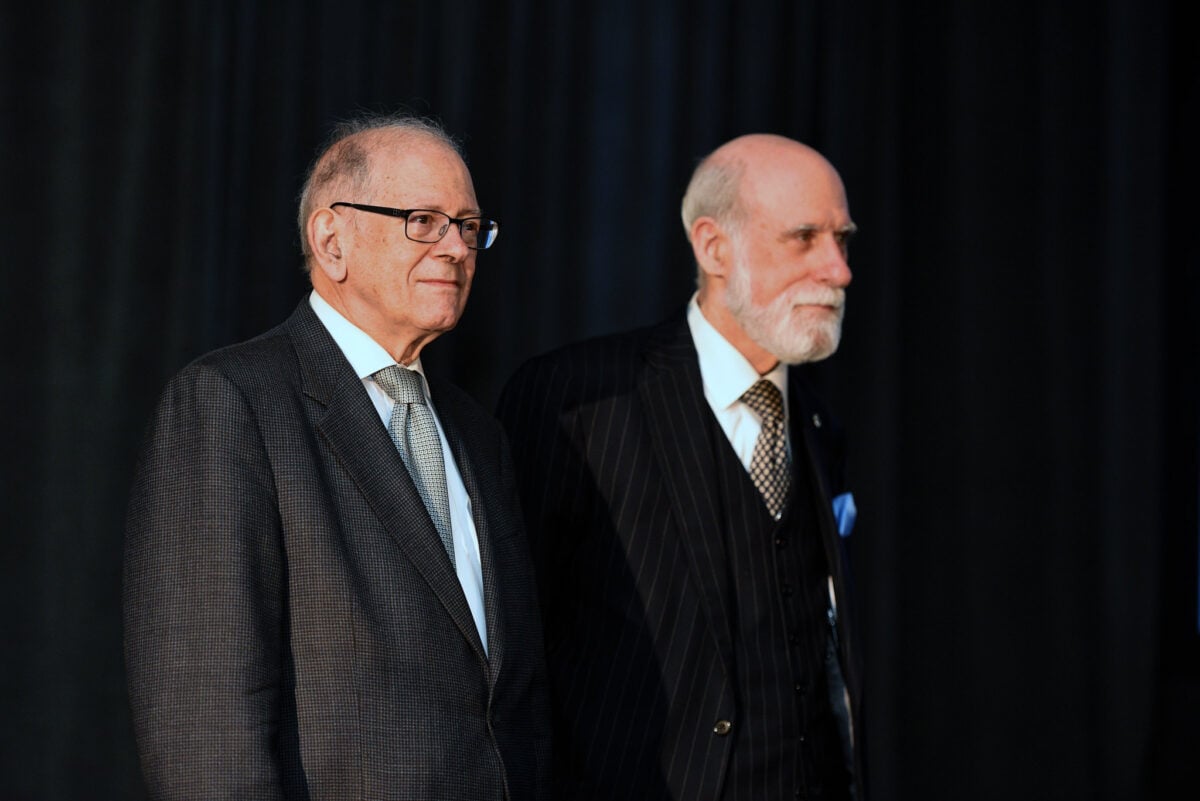
Vint Cerf and Bob Kahn published their research on internetworking in 1974, proposing something called Transmission Control Protocol and Internet Protocol. Think of TCP/IP as the universal language that allows different types of computer networks to communicate with each other, kind of like how a good translator helps people speaking different languages have a conversation.
Instead of requiring complex standards that only worked on specific systems, TCP/IP treated data like regular mail—wrap it in a package, put the address on the outside, and let the network figure out how to deliver it. This approach was free for anyone to use, which meant it spread rapidly and became the backbone of the internet we use today.
Domain Name System Launches

Before 1984, accessing a website meant memorizing long strings of numbers like 123.456.789.1, which was about as user-friendly as remembering everyone’s phone number by their area code and exchange. Paul Mockapetris and Jon Postel at the University of Southern California solved this headache by creating the Domain Name System, which translated those numerical IP addresses into readable names like “example.com.”
DNS became the internet’s phonebook, making it possible for regular people to navigate the web without needing a computer science degree. This system still runs everything we do online, quietly working behind the scenes every time you type a web address into your browser.
Symbolics.com Becomes the First Registered Domain

A computer manufacturer in Massachusetts called Symbolics Inc. made history on March 15, 1985, by registering symbolics.com—the very first .com domain name ever. At the time, registering a domain was free but complicated, requiring paperwork to be mailed or faxed to Network Solutions, and the process could take weeks or even months to complete.
The website itself promoted their hardware to a tiny audience of programmers and military personnel, but that modest beginning kicked off something huge. Within 18 months, 20 other .com domains appeared, including ones from HP, IBM, Intel, and Xerox that are still active today.
Like Go2Tutors’s content? Follow us on MSN.
Tim Berners-Lee Creates the World Wide Web

While working at CERN in Switzerland, physicist Tim Berners-Lee invented the World Wide Web between 1989 and 1991 to solve a practical problem—scientists at the nuclear research facility needed an easier way to share documents and data with colleagues around the world. His system used hypertext to link documents together, creating a web of interconnected information that anyone could navigate by clicking links.
Berners-Lee wrote the protocols, created the first web browser, and built the first web server, essentially giving us the framework for browsing websites as we know it. The World Wide Web turned the internet from a tool for academics into something the general public could actually use.
The First Website Goes Live

On August 6, 1991, Tim Berners-Lee published the world’s first website at CERN using the domain info.cern.ch. The site was basically an instruction manual explaining what the World Wide Web was and how to use it, with hyperlinks leading to more information about the software and the people involved in the project.
It ran on a NeXT computer at CERN’s headquarters in Switzerland, which Berners-Lee had labeled with a note warning people not to turn it off because it was serving the world’s first website. That single page launched an explosion that would eventually lead to over 1.7 billion websites existing today.
Mosaic Browser Arrives

The internet became a lot less intimidating in 1993 when a team at the National Center for Supercomputing Applications released Mosaic, the first web browser with a graphical interface that regular people could actually figure out. Before Mosaic, browsing the internet required typing text commands into a terminal, which kept most non-technical folks away from the web entirely.
Mosaic displayed images alongside text and made navigation as simple as pointing and clicking, which sounds obvious now but was revolutionary at the time. Marc Andreessen, one of Mosaic’s creators, would go on to co-found Netscape, which became the dominant browser of the mid-1990s and helped bring millions of new users online.
Like Go2Tutors’s content? Follow us on MSN.
Commercial Internet Service Providers Emerge

The internet stopped being an exclusive club for researchers and government agencies in 1989 when companies like MCI Mail and CompuServe established connections to the network, offering email and internet access to everyday consumers. PSInet launched the first commercial internet backbone in January 1990, creating infrastructure that businesses could use without relying on government-funded networks.
These early internet service providers charged subscription fees and gave regular people a way to get online from their homes using dial-up modems, complete with that unforgettable screeching sound when connecting. By the mid-1990s, dozens of ISPs were competing for customers, and the internet was transforming from a research tool into a commercial marketplace.
Netscape Goes Public

When Netscape Communications had its initial public offering on August 9, 1995, the stock price doubled on the first day of trading, signaling to the world that internet companies represented serious money-making opportunities. Netscape Navigator had become the dominant web browser, making the internet accessible to millions of people who’d never heard of Mosaic or ARPANET.
The IPO’s success triggered a wave of investment in internet startups, with venture capitalists pouring money into any company with a .com in its name. This moment kicked off the dot-com boom, where seemingly everyone wanted to build the next big internet business, even if their business plans didn’t make much sense.
Amazon and eBay Launch

Jeff Bezos launched Amazon.com from his garage in July 1995 as an online bookstore, betting that people would be willing to buy products over the internet without seeing them first. Just a few months later, Pierre Omidyar created AuctionWeb—which would become eBay—as a place for people to auction off items to each other online.
Both companies proved that e-commerce could work if you built trust with customers and made the experience convenient enough. Amazon expanded far beyond books to become the everything store, while eBay showed that regular people could become sellers, not just buyers, creating a whole new type of marketplace that didn’t need physical stores or inventory.
Like Go2Tutors’s content? Follow us on MSN.
Google Changes Search Forever
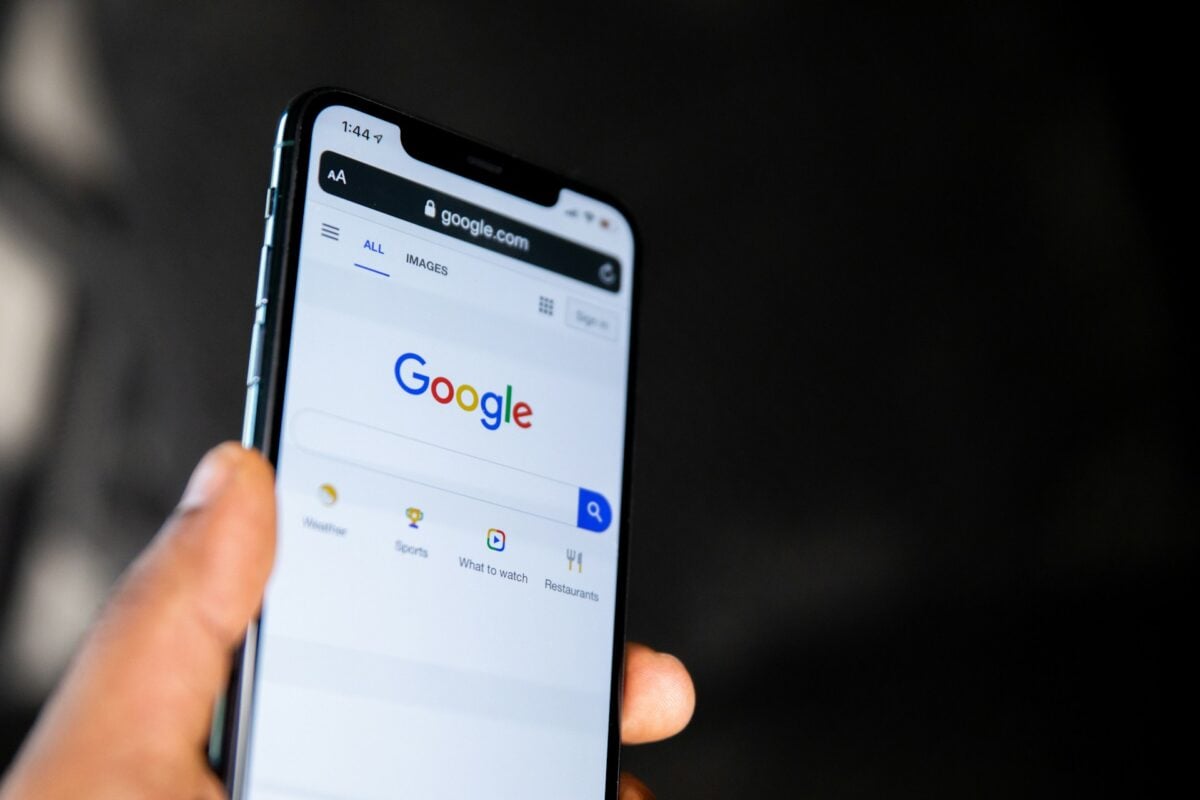
Larry Page and Sergey Brin founded Google in September 1998 with a search algorithm that ranked websites based on how many other sites linked to them, rather than just counting keyword matches. Their approach delivered far more relevant results than existing search engines like AltaVista and Yahoo, which were cluttered with ads and easily gamed by websites stuffing keywords into their pages.
Google’s clean interface—just a search box and two buttons—made it incredibly fast and easy to use. The company’s rise transformed how people find information online, and the phrase “just Google it” became the default answer to any question.
Napster Disrupts the Music Industry
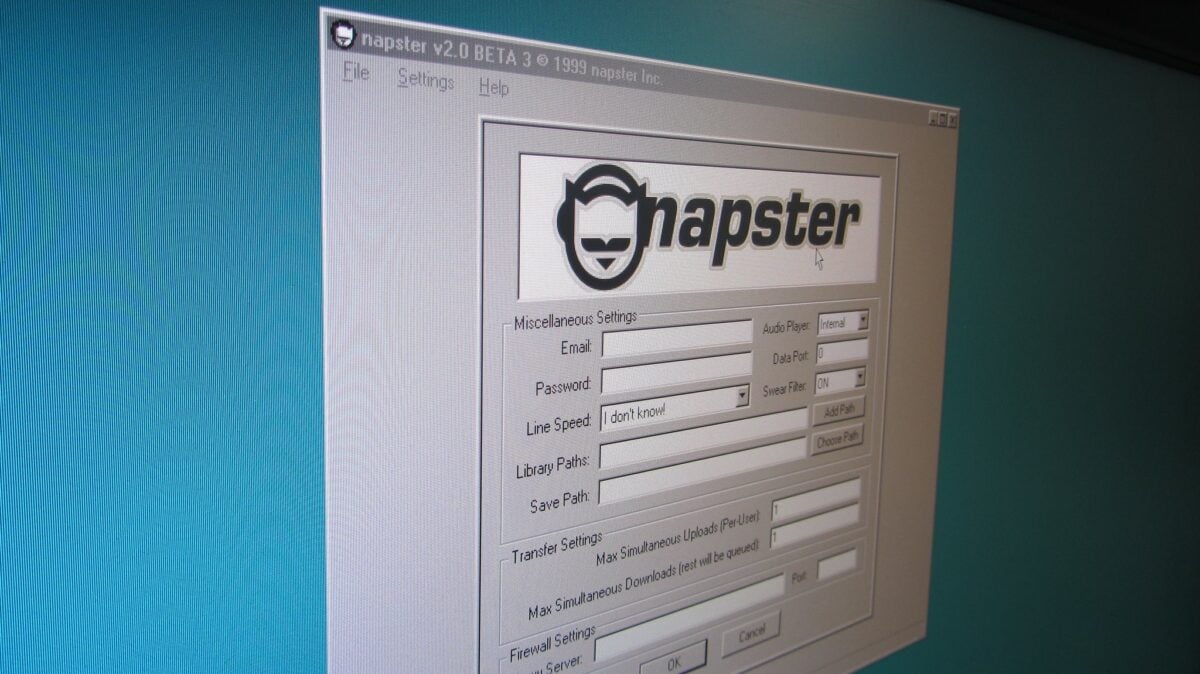
When Shawn Fanning and Sean Parker launched Napster in 1999, they created peer-to-peer software that let users share music files directly with each other for free, bypassing record labels and iTunes stores entirely. Millions of people flocked to the service to download their favorite songs without paying, which predictably triggered massive lawsuits from the music industry for copyright infringement.
Napster was eventually shut down, but it proved that consumers wanted digital music they could access instantly rather than physical CDs they had to buy at stores. The company’s legacy lives on in streaming services like Spotify and Apple Music, which learned to give people convenient access to music while actually paying artists and labels.
Wi-Fi Becomes Commercially Available

Wi-Fi technology first reached consumers in 1997, freeing people from the mess of cables that had kept them physically tethered to their modems whenever they wanted to browse the web. The technology uses radio waves to transmit data between devices and a wireless router, creating an invisible network throughout your home or office.
Apple really pushed Wi-Fi into the mainstream by including it in their iBook laptops in 1999, with Steve Jobs famously demonstrating wireless internet browsing to a cheering crowd by walking around on stage while staying connected. Today Wi-Fi is standard on everything from smartphones to video game consoles to robot vacuums, making it hard to remember a time when going online meant being stuck at a desk.
Like Go2Tutors’s content? Follow us on MSN.
From Experiment to Everyday Life

The early internet era wasn’t just about new technology—it was about people taking risks on ideas that seemed far-fetched at the time. Researchers built systems they hoped might work, entrepreneurs invested in businesses before anyone proved customers would show up, and regular folks adapted to new ways of communicating and shopping that felt uncomfortable at first.
These foundational moments between 1969 and 1999 created the infrastructure and culture that make modern digital life possible, from social media to streaming video to working remotely. The internet went from connecting four computers to connecting billions of people, proving that sometimes the most transformative innovations start with someone willing to try something nobody’s done before.
More from Go2Tutors!

- 16 Historical Figures Who Were Nothing Like You Think
- 12 Things Sold in the 80s That Are Now Illegal
- 15 VHS Tapes That Could Be Worth Thousands
- 17 Historical “What Ifs” That Would Have Changed Everything
- 18 TV Shows That Vanished Without a Finale
Like Go2Tutors’s content? Follow us on MSN.