Images Of Warships and the Battles They Fought
Big warships on water have shifted how global events unfolded more than most things ever did. Hopes of entire countries rode those steel giants, cutting through waves toward clashes that decided fates.
Images frozen in paint or film show courage cracking under pressure, loss etched in smoke, moments when paths bent sharply into new directions. What remains now are quiet records of noise, metal, and choices made loud by consequence.
Out there sail vessels whose looks take you back to fights that shaped whole ages. Their shapes on film stick in your mind, showing what once was.
Each hull line whispers old clashes now gone quiet. These ships live again through pictures people keep.
USS Arizona At Pearl Harbor
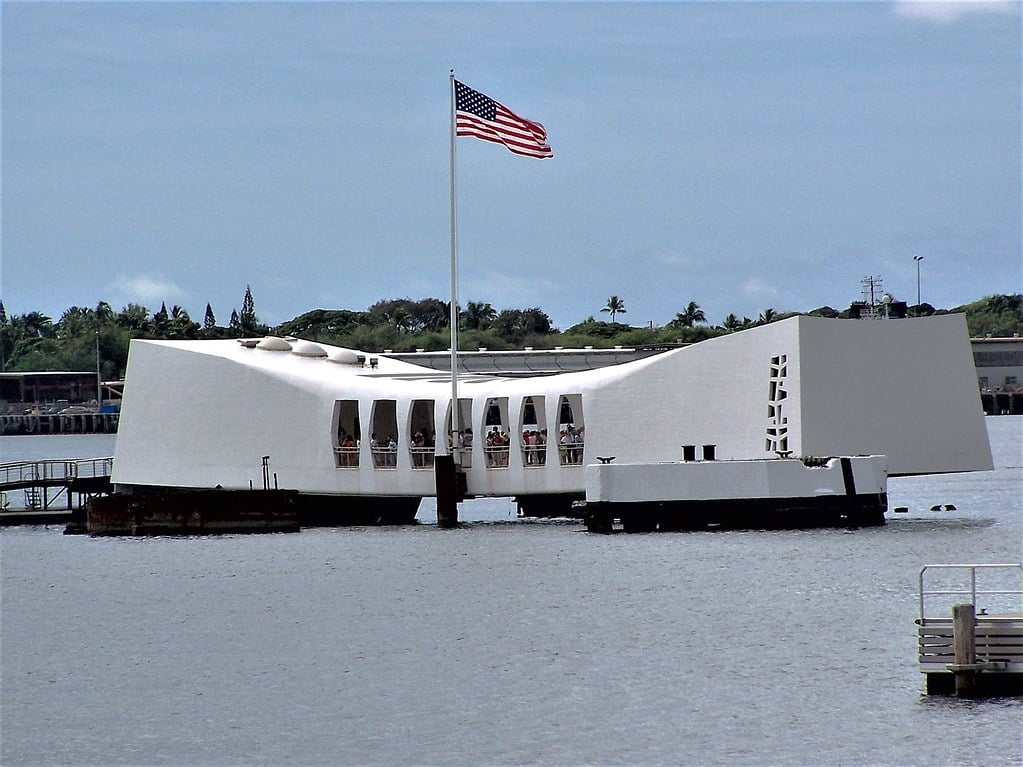
Smoke curled high above the water where the battleship burned, the clearest symbol of that December day in 1941. Before sunrise, Japanese planes dropped torpedoes, then a blast tore through the front storage of ammunition on the Arizona – sudden, massive.
Inside, more than eleven hundred crew had no time, sealed below decks as the vessel sank into soft silt. Images spread fast: twisted metal, thick fumes hanging over calm waves under island light.
That sight changed everything, drawing America straight into war without turning back.
Hms Victory Fights At Trafalgar

Off Cape Trafalgar in 1805, a massive warship cuts through enemy lines – her decks thundering with cannon fire. Though she appears often in paintings of Britain’s most famous sea triumph, the real story unfolds beyond canvas.
That day, winds drove her forward while smoke swallowed masts and men alike. Nelson led from aboard yet did not live to see it end.
Instead of fading into history, the vessel remains docked at Portsmouth. She stands now as the world’s longest-serving navy ship, silent but never retired.
Bismarck In The Atlantic

Pictures of Germany’s biggest warship reveal a machine feared by Allied leaders in 1941. Weighing more than fifty thousand tons, it moved through water like something too heavy to float.
Guns mounted on its deck could shatter any rival vessel at sea. On first journey out, it became predator instead of passenger – HMS Hood, symbol of British strength, vanished within moments.
Aerial shots taken later captured traces of its last movements across waves. Hunted without pause by British forces, the ship met silence beneath cold Atlantic currents after days spent running.
USS Missouri Anchored In Tokyo Bay
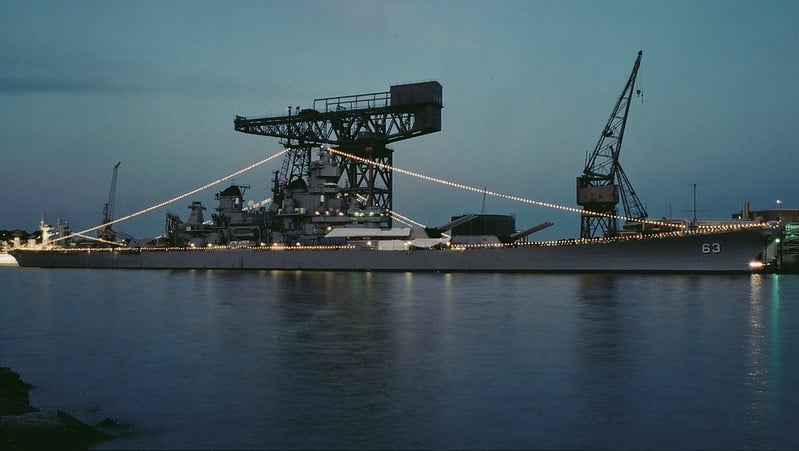
On September 2, 1945, the end of World War II came into view right there on the deck of this battleship. Japanese delegates dressed in stiff uniforms placed their signatures on papers as cameras clicked, while MacArthur stood nearby with officers from allied nations looking on.
Rising behind them, the ship’s huge 16-inch guns aimed at the clouds – still, heavy, saying nothing. Though built for battle long ago, the Iowa-class vessel saw duty again during conflicts in Korea and later in the Persian Gulf.
Now it rests where history keeps watch: moored at Pearl Harbor, open for visitors.
Yamato’s Final Voyage

A blurry image shows Japan’s massive warship – the biggest battle cruiser ever made – stretching nearly 863 feet, armed with unmatched artillery. From above, its enormous size stands out, housing three turrets, each holding an 18-inch cannon able to fire a 3,200-pound round more than 25 miles.
In April 1945, U.S. pilots spotted it moving toward Okinawa on a journey with no return plan. Footage taken mid-attack reveals explosions ripping into the vessel’s frame as torpedoes hit below the waterline.
Tilting sideways before vanishing beneath the waves, it erupted violently, drowning over three thousand crew members inside.
Graf Spee At Montevideo

This German pocket battleship’s end came not from battle but from her captain’s decision to scuttle her. Trapped in Montevideo harbor after the Battle of the River Plate in 1939, the Graf Spee faced British warships waiting outside.
Photos show her burning and settling in shallow water after her crew set explosives throughout the ship. The image of her superstructure jutting from the water became a symbol of early Allied success in the war.
HMS Dreadnought Revolutionizes Navies
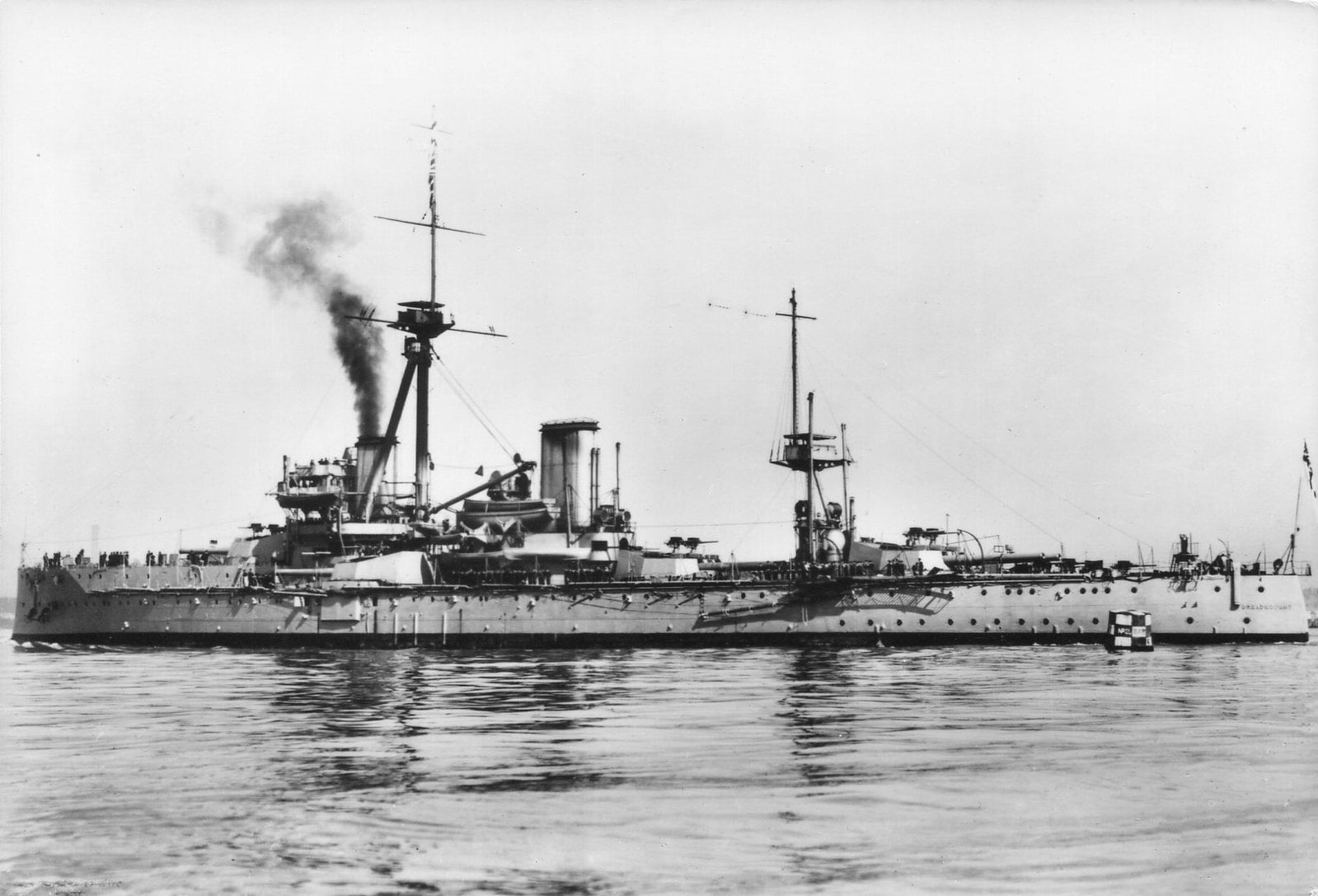
The 1906 launch photos of this British battleship show a vessel that made every existing warship obsolete overnight. The Dreadnought mounted ten 12-inch guns in five turrets, more heavy firepower than any ship before her.
Her steam turbine engines gave her speed previous battleships couldn’t match. Nations rushed to build their own dreadnoughts, starting a naval arms race that contributed to World War I’s tensions.
USS Enterprise At Midway
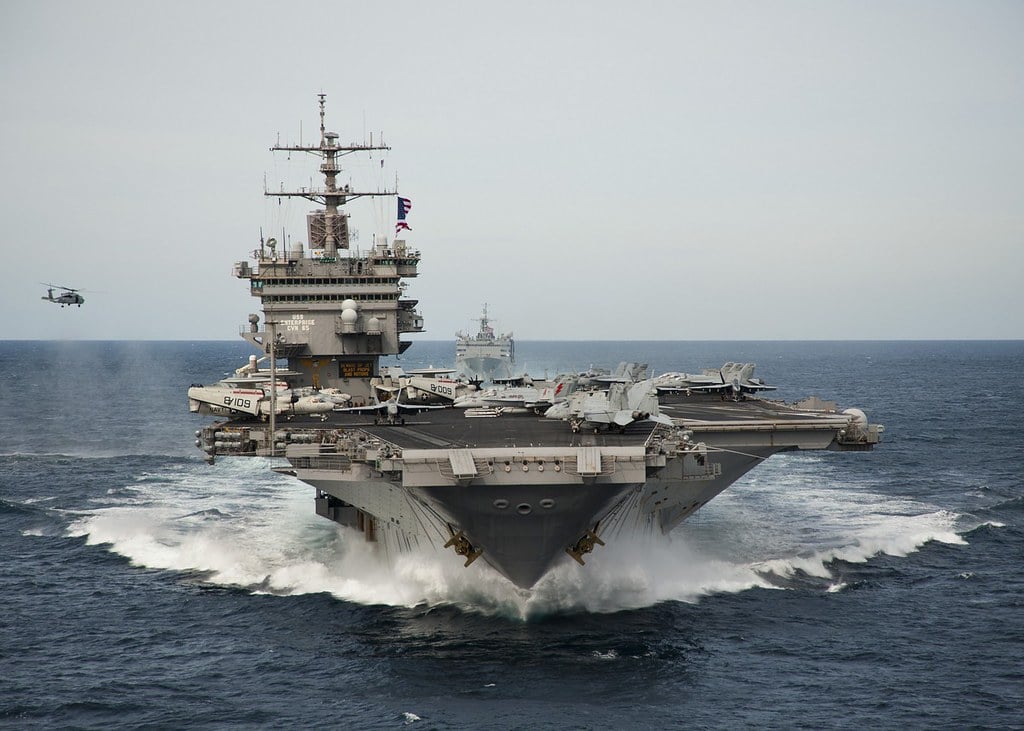
Carrier aircraft from this ship helped turn the tide of the Pacific War in June 1942. Photos show planes taking off from her deck to attack Japanese carriers near Midway Island.
The Enterprise survived the war despite numerous battles, earning more battle stars than any other U.S. warship. Her aircrews sank multiple enemy carriers and supported countless island invasions across the Pacific.
Tirpitz Hiding In Norwegian Fjords

Aerial reconnaissance photos tracked this German battleship as she hid in remote Norwegian anchorages throughout World War II. The Tirpitz never fought a major surface battle, but her mere existence tied down British forces that feared her potential breakout.
British bombers finally caught her in November 1944, hitting her with massive Tallboy bombs that capsized the ship. Photos of her upturned hull in Tromsø fjord showed the end of Germany’s last operational battleship.
USS Constitution Defeating HMS Guerriere

Paintings recreate the 1812 battle where American cannonballs bounced off the Constitution’s thick oak sides, earning her the nickname ‘Old Ironsides’. The ship dismasted and captured the British frigate Guerriere in a battle that boosted American morale during a difficult war.
Artists depicted the moment the Guerriere’s masts fell, marking an unexpected American naval success. The Constitution still floats in Boston Harbor, the world’s oldest warship still afloat.
Scharnhorst Going Down Off Norway

British warships caught this German battlecruiser on December 26, 1943, during the Battle of North Cape. Photos and reports describe the Scharnhorst fighting in Arctic darkness against superior British forces.
The battleship Duke of York’s radar-directed guns hammered her from long range while destroyers moved in with torpedoes. Only 36 of her 1,968 crew survived the freezing waters after she sank.
USS Indianapolis After Delivering Atomic Bomb Components

This heavy cruiser appears in photos from earlier in the war, but her fame comes from tragedy after her final mission. The Indianapolis delivered components for the Hiroshima atomic bomb to Tinian Island in July 1945, then sailed on alone.
A Japanese submarine torpedoed her, and she sank in minutes. Of 1,195 crew members, only 316 survived days in shark-infested waters, the Navy’s worst loss at sea.
HMS Prince Of Wales And Repulse Sinking

Japanese aircraft caught these British capital ships off Malaya on December 10, 1941, proving that aircraft could sink modern warships at sea. Photos from Japanese planes show bombs and torpedoes hitting both ships as they maneuvered desperately.
The Prince of Wales, which had carried Churchill to meet Roosevelt months earlier, went down with over 300 men. The loss shocked Britain and demonstrated that battleships needed air cover to survive.
Monitor Versus Merrimack At Hampton Roads

Drawings and paintings from 1862 show these ironclad warships battling to a draw in the first fight between armored vessels. The CSS Virginia, rebuilt from the USS Merrimack, had destroyed wooden Union warships the previous day.
The Union’s Monitor arrived overnight, and the two ironclads pounded each other for hours without decisive result. Artists captured the strange sight of low-profile iron ships trading blows that would have destroyed any wooden vessel.
Musashi Under Attack In The Sibuyan Sea

American carrier planes caught this Japanese super-battleship, Yamato’s sister ship, in October 1944 during the Battle of Leyte Gulf. Attack photos show the massive ship taking hit after hit from bombs and torpedoes over several hours.
The Musashi absorbed 19 torpedo and 17 bomb hits before capsizing, a testament to her construction but also to American air power’s dominance. Half her crew of 2,400 died with her.
Steel And Memory

These warships and their battles exist now mostly in photographs, paintings, and memories passed down through generations. The images preserve moments when history pivoted on the actions of sailors and the ships they crewed.
Some vessels became museums, letting people walk decks where momentous decisions happened, while others rested on ocean floors as war graves.
The photos remind us that these weren’t just machines but floating cities where thousands lived, fought, and sometimes died far from home.
More from Go2Tutors!

- The Romanov Crown Jewels and Their Tragic Fate
- 13 Historical Mysteries That Science Still Can’t Solve
- Famous Hoaxes That Fooled the World for Years
- 15 Child Stars with Tragic Adult Lives
- 16 Famous Jewelry Pieces in History
Like Go2Tutors’s content? Follow us on MSN.



