Insects That Migrate Across Oceans
When you think about ocean crossings, you probably picture whales, seabirds, or maybe sea turtles making their epic journeys. But insects? Those tiny creatures with gossamer wings and bodies that weigh less than a paperclip? They’re out there too, navigating thousands of miles of open water.
The scale of what these small animals accomplish defies what seems physically possible. Yet every year, millions of them take flight across vast expanses of ocean, driven by instincts older than human civilization.
The Monarch’s Pacific Mystery

Monarch butterflies get plenty of attention for their North American migrations, but fewer people know about their relatives in the Pacific. Some monarchs island-hop across huge stretches of ocean between Australia, New Zealand, and various Pacific islands.
These butterflies don’t just get blown off course—they actively seek out these distant landmasses. Scientists have tracked monarchs appearing on remote islands hundreds of miles from the nearest continent.
The butterflies arrive in good condition, not battered and exhausted like you’d expect from accidental travelers. They come in waves during specific seasons, suggesting purpose rather than luck.
Dragonflies That Cross the Indian Ocean

The globe skimmer dragonfly completes one of the longest insect migrations on Earth. This species travels from India across the entire Indian Ocean to East Africa, then back again.
The round trip can exceed 11,000 miles. No single dragonfly makes the complete journey.
Instead, multiple generations complete different legs. A dragonfly born in India flies to the Maldives or Seychelles.
Its offspring continue to Africa. Then their descendants make the return trip.
Each generation knows exactly where to go despite never having made the journey before.
Painted Ladies and Their Atlantic Adventure

Painted lady butterflies cross the Atlantic Ocean between Africa and South America. Researchers discovered this migration relatively recently, and it shocked the scientific community.
The butterflies travel from West Africa to the coast of South America, riding high-altitude winds across roughly 2,500 miles of open ocean. The journey takes about five to eight days of continuous flight.
The butterflies fly at altitudes where oxygen levels drop and temperatures plunge. They can’t stop to rest or feed during this time.
Their bodies must carry enough fuel for the entire crossing.
Desert Locusts Over Water
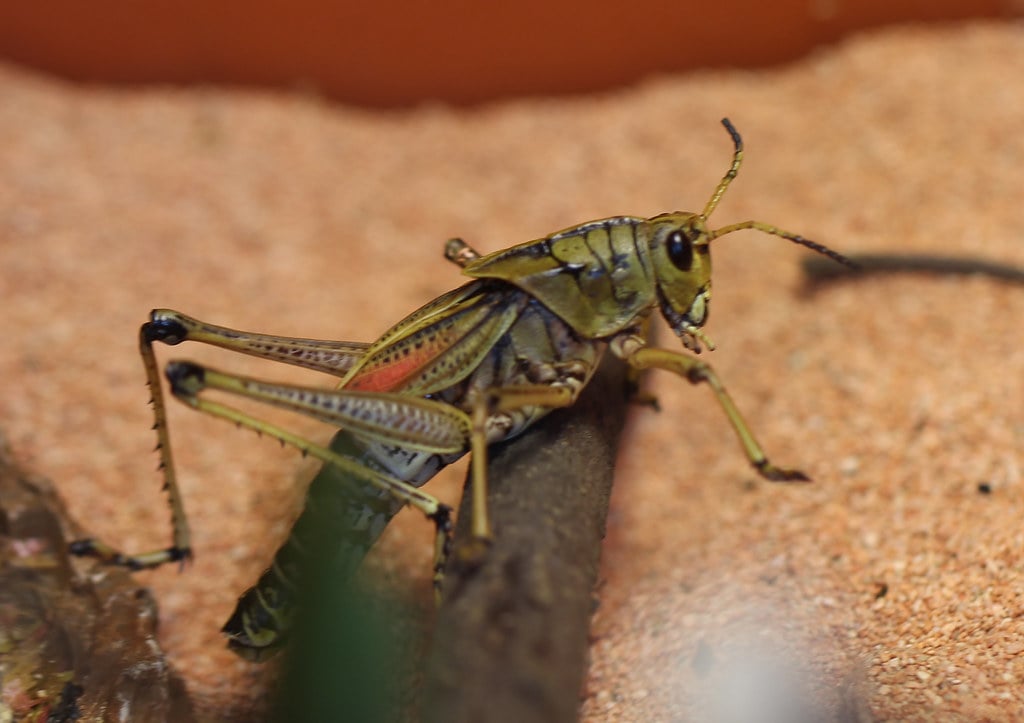
Desert locusts typically inhabit arid regions, but they regularly cross bodies of water during their swarming phases. These insects have been documented crossing the Red Sea, the Persian Gulf, and even parts of the Indian Ocean.
A swarm can contain billions of individuals, creating a living cloud that stretches for miles. The locusts don’t plan these water crossings.
They’re driven by wind patterns and population pressure. But their bodies have adaptations that help them survive.
They can fly for hours without rest, and their metabolism allows them to conserve energy during extended flights.
Moths That Follow the Wind Highways
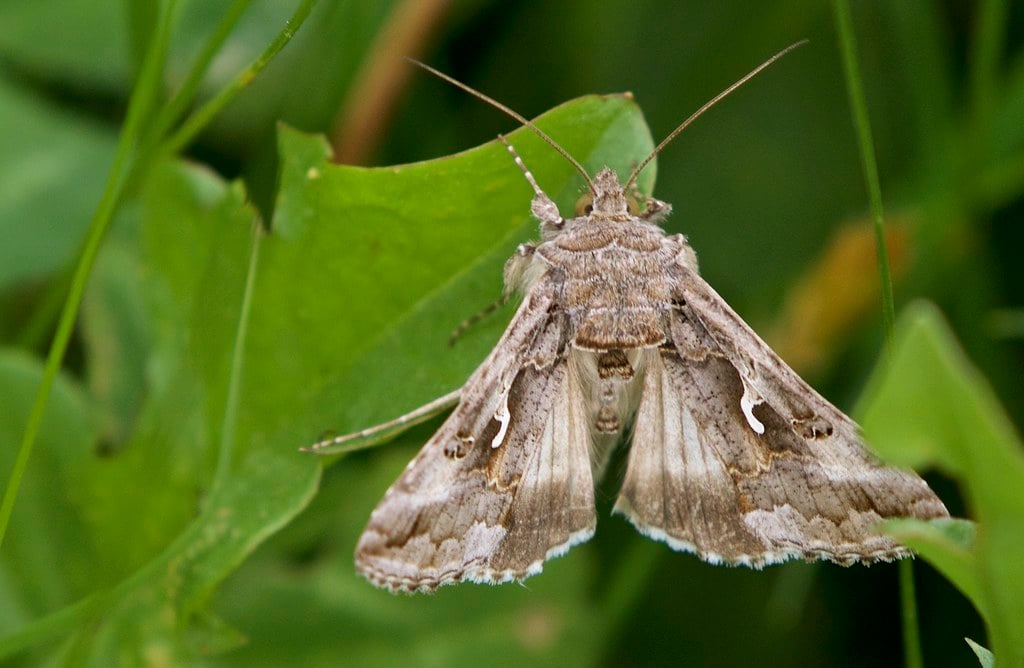
Several moth species use high-altitude wind currents to cross oceans. Silver Y moths travel from North Africa to Britain and Scandinavia, often crossing the Mediterranean and English Channel.
They ascend to altitudes where winds blow faster and steadier than near the ground. These moths time their flights with seasonal wind patterns.
They rise up when conditions favor their direction of travel and descend when winds shift. This behavior shows surprising sophistication for an insect with a brain smaller than a grain of rice.
The Wanderer Butterfly’s Endless Journey
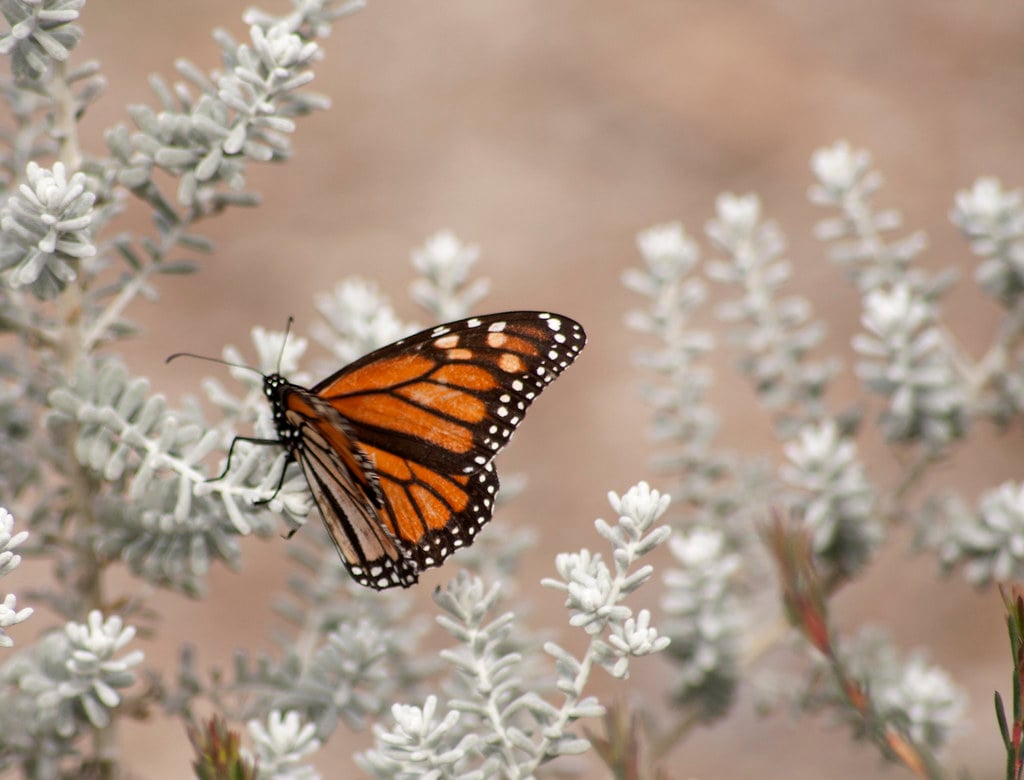
Australia’s wanderer butterfly (similar to the monarch) makes ocean crossings that seem impossible given its size. Individual butterflies have been found more than 600 miles from land, still flying strong.
Some reach New Zealand after crossing 1,200 miles of the Tasman Sea. The butterflies don’t always survive these crossings.
Bodies wash up on beaches, evidence of failed attempts. But enough make it to establish temporary populations on distant islands.
These populations rarely persist permanently, but they prove that the crossings happen regularly.
How Do They Know Where to Go?

Navigation remains one of the biggest mysteries. Insects have tiny brains with limited processing power, yet they find specific destinations across featureless oceans.
Scientists believe they use a combination of sun position, polarized light patterns, and possibly magnetic fields. Some species also rely on olfactory cues.
They can detect chemical signals from plants on distant landmasses, even across hundreds of miles of water. Wind patterns carry these molecular breadcrumbs, and the insects follow them like a trail.
The Energy Problem
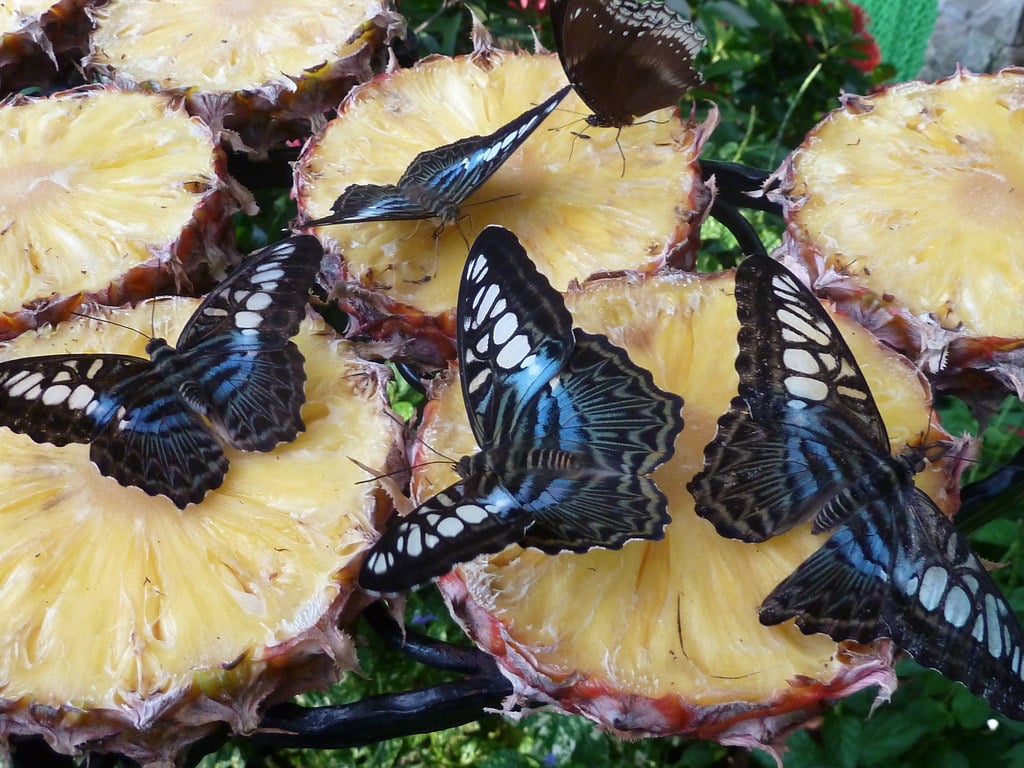
Flying across an ocean requires enormous energy reserves. Insects solve this problem through fat storage and metabolic efficiency.
Before migration, they eat voraciously, converting food into energy-dense fat deposits. During flight, they burn this fat slowly and efficiently.
Some species also enter a state of semi-dormancy during parts of their journey. They reduce their metabolic rate while still maintaining flight, similar to how a car might cruise on a highway using less fuel than accelerating through city traffic.
Wind as an Ally and Enemy
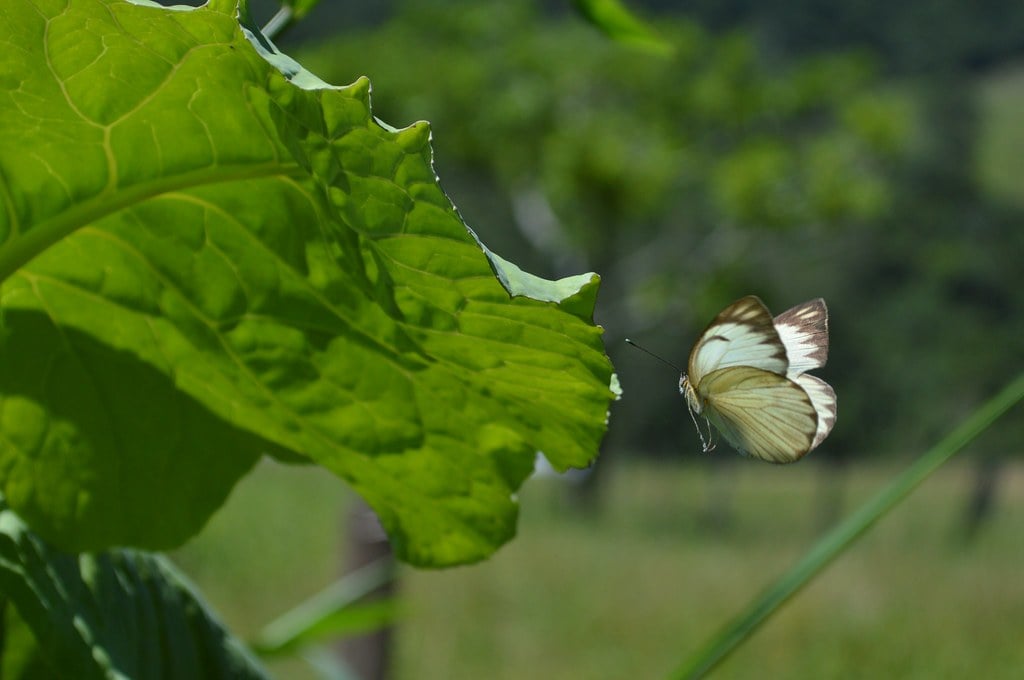
Wind determines everything for ocean-crossing insects. Favorable winds can carry them quickly and efficiently to their destinations.
Unfavorable winds can blow them off course or exhaust them before they reach land. Many species wait for specific weather conditions before attempting a crossing.
They sense barometric pressure changes and wind shifts. When conditions align, they take off en masse.
This timing can mean the difference between success and death.
What Happens When They Arrive?

Reaching the far shore doesn’t guarantee survival. The insects arrive depleted of energy and vulnerable to predators.
They need to find food and suitable habitat immediately. Many die within days of completing their journey.
But the survivors reproduce quickly. Ocean-crossing species typically have fast breeding cycles.
A single female can lay hundreds of eggs. If even a fraction of her offspring survive, the migration succeeds from an evolutionary perspective.
Climate Change and Shifting Patterns

Rising temperatures and changing wind patterns are altering insect migration routes. Some species now attempt crossings during different times of year.
Others are reaching areas they’ve never colonized before. These shifts can disrupt ecosystems on both ends of the migration.
Plants that evolved with specific insect pollinators might lose those partners. Predators that depend on seasonal insect arrivals face food shortages if timing changes.
The Role of Ocean Islands

Small islands serve as rest stops for some migrating insects. A butterfly or moth can land on an island, feed on nectar, rest for a day or two, then continue its journey.
Without these stepping stones, certain migrations would be impossible. But not all ocean crossings involve islands.
Many insects fly over thousands of miles of unbroken water. They commit to their journey with no backup plan and no guarantee of success.
Swarms That Darken the Sky
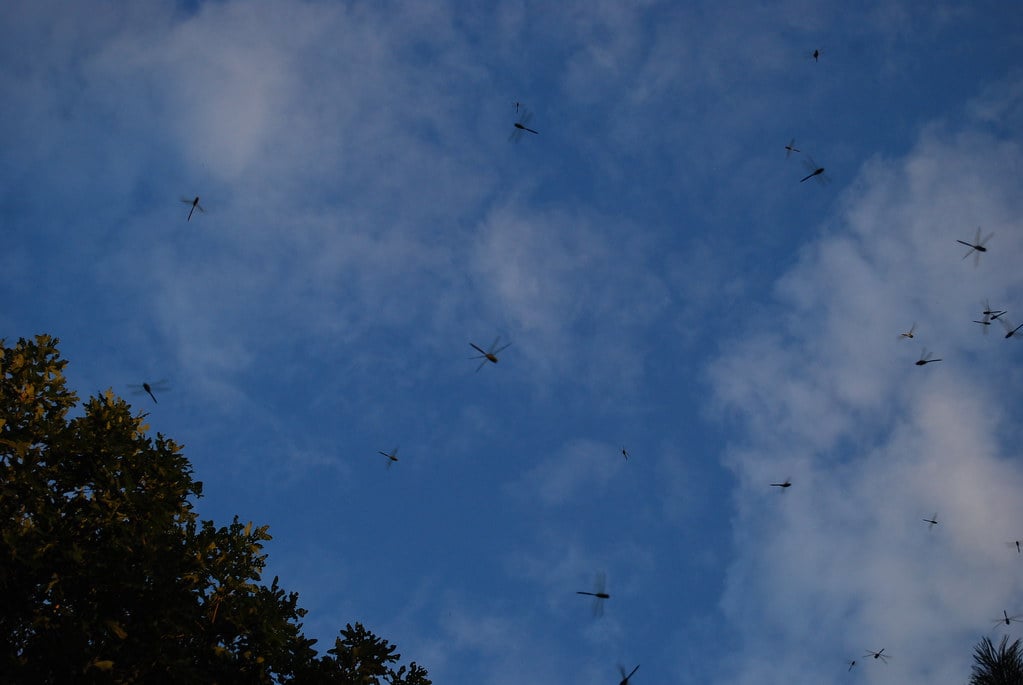
When certain species migrate in large numbers, they create spectacles visible from space. Satellite images have captured massive movements of insects over oceans.
These swarms can affect weather radar and confuse air traffic control. The sheer number of individuals in these migrations is staggering.
Billions of insects might participate in a single event. Most people never witness these migrations because they happen at high altitudes or far from human observation.
The Fragility of Wings

Insect wings are incredibly delicate. A butterfly wing is thinner than paper and covered in microscopic scales that brush off at the slightest touch.
Yet these fragile structures carry their owners across thousands of miles of open ocean. The wings themselves are engineering marvels.
Their shape and flexibility allow insects to ride wind currents efficiently. They can adjust the angle and tension of their wings to maximize lift and minimize drag.
Why Risk the Journey?

The evolutionary benefits must outweigh the massive risks. Ocean crossings allow insects to exploit seasonal resources on both sides.
They escape overcrowding and predation. They colonize new habitats where competition is lower.
These migrations also maintain genetic diversity. Insects from different populations mix when they arrive at destinations, preventing inbreeding and genetic bottlenecks.
This mixing strengthens the species as a whole.
Ancient Routes in Modern Skies

These paths go way back. Bugs have flown across seas for ages – long before people ever showed up.
They keep using them ’cause they get the job done. One bug hands it off to the next, always aiming for far-off coastlines.
You can glance up any time – overhead, bugs are traveling distances that’d wreck even the toughest person. Across oceans where one slip means vanishing forever, they push forward, driven by gut feelings they can’t explain, aiming for lands they’ve never laid eyes on.
Still, just enough survive to make the trip count. This stubborn drive, this leap into the unknown, is something rare… worth pausing for.
More from Go2Tutors!

- The Romanov Crown Jewels and Their Tragic Fate
- 13 Historical Mysteries That Science Still Can’t Solve
- Famous Hoaxes That Fooled the World for Years
- 15 Child Stars with Tragic Adult Lives
- 16 Famous Jewelry Pieces in History
Like Go2Tutors’s content? Follow us on MSN.



