Songs Containing Subliminal Messages
Some folks enjoy spotting secret stuff in songs. Spin a track the wrong way, then listen close – maybe weird lines show up.
Pay attention near the end, when sound fades, and faint voices might pop out. Check the cover design for hints hiding in plain sight.
Whether those signals are real or just imagined varies by person.
The argument about sneaky messages in pop tunes blew up in the 80s, though it’s still around today. A few artists own up to slipping in secret stuff.
Meanwhile, some got heat for meanings they didn’t even plan. What’s intentional art versus what listeners imagine?
That part’s still fuzzy.
Backmasking as Intentional Technique

Backmasking means recording audio that plays forward normally but contains different content when reversed. The Beatles used this technique on several tracks in the late 1960s.
“Rain” includes reversed vocals at the end. John Lennon claimed he accidentally discovered the effect when threading tape backward on his home recorder.
The band continued experimenting with reversed audio on tracks like “I’m Only Sleeping” and “Strawberry Fields Forever.” These weren’t secret messages—the reversed sections were obvious audio effects, part of the psychedelic production style of the era.
Led Zeppelin’s “Stairway to Heaven” became the most famous backmasking controversy despite the band denying any intentional reverse messages. When played backward, certain lyrics supposedly reveal phrases about worshipping alternative figures.
The band maintained these were coincidental phonetic patterns, not deliberate content.
Electric Light Orchestra’s Admitted Message
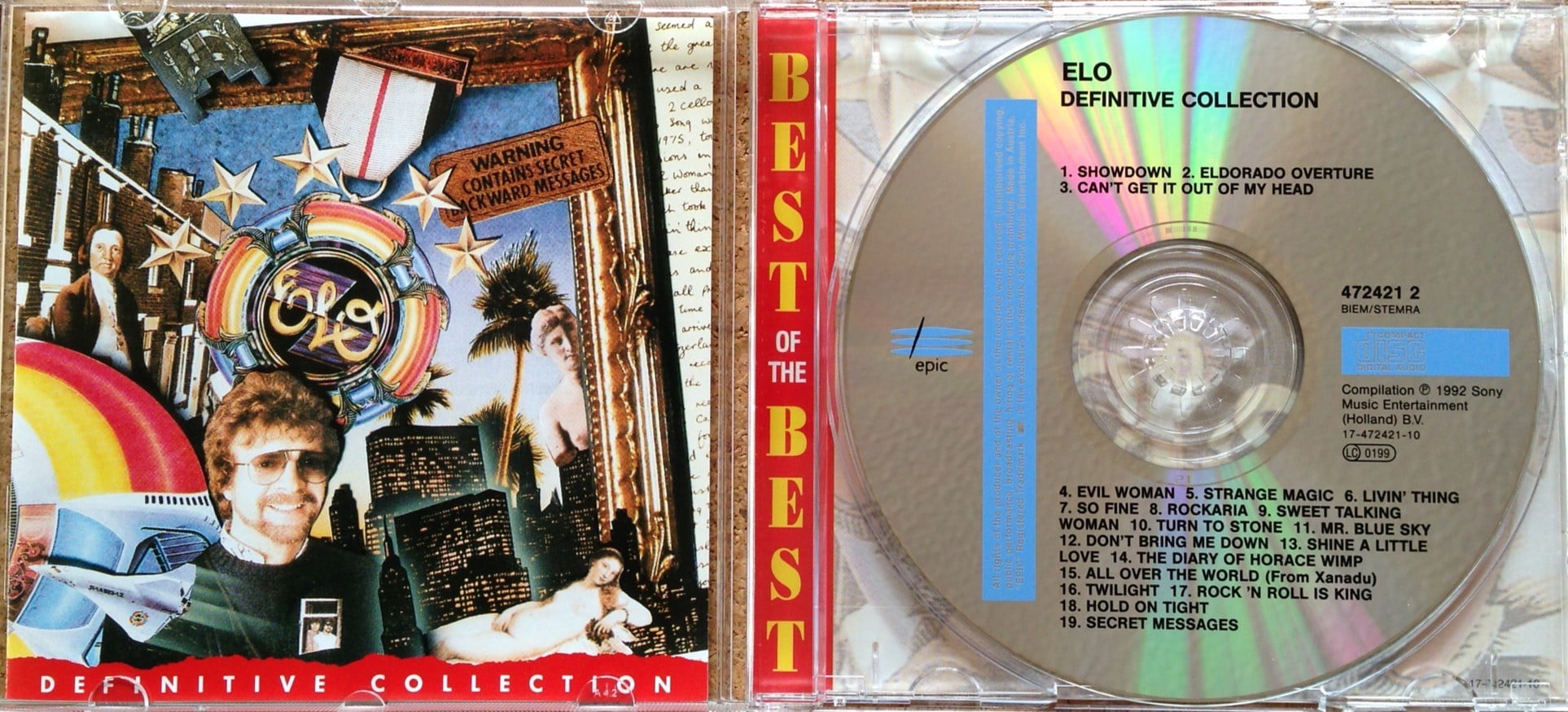
ELO deliberately included a backward message on their 1975 album Face the Music. The track “Fire on High” contains reversed speech right at the beginning.
When played forward, it sounds like gibberish. Reversed, it clearly states: “The music is reversible, but time is not. Turn back, turn back, turn back.”
The message directly acknowledged the practice of playing records backward while making a philosophical point about time’s irreversibility. Unlike alleged accidental backmasking, this one was intentional and meant to be found.
Judas Priest and the Legal Battle

In 1990, Judas Priest faced a lawsuit claiming their song “Better By You, Better Than Me” contained subliminal messages that influenced two young men to harm themselves. The prosecution argued that when played backward, the lyrics said “do it.”
The case hinged on whether subliminal messages could actually compel behavior. The band and their expert witnesses demonstrated that human pattern recognition can find phrases in almost any reversed audio if you know what to listen for.
The judge ruled in favor of Judas Priest, finding no evidence of intentional subliminal content or that such messages could cause the claimed effects.
The trial attracted massive media attention and intensified public concern about hidden messages in heavy metal music.
Pink Floyd’s Conversational Snippets

Pink Floyd included spoken word samples and studio chatter throughout their albums. On “The Wall,” you can hear snippets of conversations, phone calls, and ambient noise between musical sections.
Some listeners interpreted these as hidden messages requiring decoding. In reality, they were intentional atmospheric elements, not subliminal content.
The band used found audio and studio recordings to enhance the album’s conceptual narrative about isolation and mental breakdown.
The whispered and half-heard nature of some samples made them feel secretive even though they were mixed prominently enough to be noticed on first listen.
Queen’s “Another One Bites the Dust” Controversy

Religious groups claimed that when played backward, Queen’s “Another One Bites the Dust” revealed messages about mind-altering substances. They pointed to specific sections of the bassline and vocals that supposedly contained these phrases when reversed.
Brian May and Roger Taylor denied any intentional backward messages. They argued that the human brain’s pattern recognition creates phantom phrases from nonsensical reversed audio.
Play any complex song backward and you can hear words if you’re primed to expect them.
The controversy helped fuel broader panic about rock music corrupting youth through hidden messaging.
The Satanic Panic Era

The 1980s saw widespread fear that rock and metal bands were inserting messages promoting alternative beliefs into their music. Congressional hearings addressed the issue.
Parent groups formed to monitor album content. Some states considered legislation requiring warning labels on records with backward masking.
Bands ranging from AC/DC to Ozzy Osbourne faced accusations. Most cases involved listeners finding phrases in reversed audio that aligned with their existing concerns about the music’s themes.
The artists typically denied intentional hidden content.
The panic reflected broader cultural anxiety about youth culture, not evidence of widespread subliminal messaging campaigns.
Missy Elliott’s Reversed Singing

Missy Elliott intentionally used backward vocals as a production technique on “Work It.” The pre-chorus plays her singing reversed, creating a distinctive sound that became one of the track’s signature elements.
Unlike hidden subliminal messages, this was an obvious musical choice. The reversed section is prominent in the mix and clearly audible as a creative effect.
When you reverse that section, she’s singing “I put my thing down, flip it and reverse it.”
Elliott used backward audio as texture and rhythm rather than to hide content.
Tool’s Hidden Track Messages

Progressive metal band Tool includes elaborate hidden content throughout their albums, but it’s more puzzle than subliminal message. Their album Lateralus contains spoken word tracks that require combining multiple songs or playing them in specific orders to reveal.
The band constructs these as artistic challenges for engaged listeners. They’re not subliminal because finding them requires deliberate effort and attention.
Tool expects fans to search for hidden layers and rewards that investigation.
This represents a different category from subliminal messaging—it’s intentional hidden content designed to be discovered, not to influence without awareness.
The Neuroscience of Perception

Research into subliminal perception shows that while the brain processes information below conscious awareness, this doesn’t translate to behavioral control. You can’t make someone do something by hiding messages in music.
The “backward message” phenomenon mostly demonstrates pareidolia—the tendency to perceive meaningful patterns in random or ambiguous stimuli. When someone tells you what phrase to hear in reversed audio, your brain obligingly hears it, even if the sounds don’t actually form those words.
Studies asking people to identify phrases in reversed music without prompting produce wildly different results than studies that first tell listeners what they should hear.
Jay-Z’s “Lucifer” Sample

Jay-Z’s “Lucifer” samples a reversed section from a different track. The backward audio creates an eerie, unsettling texture that fits the song’s dark theme.
The sample is obvious and intentional, not hidden.
Some listeners attempted to decode meaning from reversing the reversed section, but this reflects the same pattern-seeking behavior seen in other examples. The effect works as atmosphere, not concealed messaging.
Prince’s Spoken Messages

Prince occasionally included quiet spoken word sections in his songs. These aren’t subliminal because they’re audible if you listen, just mixed low or placed in unexpected moments.
“Darling Nikki” contains talking that religious groups highlighted during the PMRC hearings.
The Parents Music Resource Center used Prince’s music as evidence that rock albums needed warning labels. This led to the “Parental Advisory” system still used today.
Whether the quiet spoken sections constituted “subliminal” messaging became part of the debate.
When Hidden Becomes Marketing

Some modern artists plant hidden content knowing fans will search for it. This creates engagement and discussion.
The “hidden message” becomes a promotional tool rather than a psychological manipulation technique.
Albums include backward messages as Easter eggs. Music videos contain frame-by-frame hidden images.
Social media makes these discoveries spread instantly, generating buzz. The subliminal message transformed from moral panic to marketing strategy.
Listening for Ghosts

Most so-called hidden messages in songs live where audio meets imagination. Because our minds turn quiet into something significant.
They hear speech even when there’s just static. Order shows up, even if it isn’t really there.
Some creators might slip in hidden stuff now and then – but that’s beside the point. What you think you hear often depends on what you’re waiting for, particularly if a friend tells you to listen closely.
That whole thing about messages played backwards said way more about how we interpret sounds than it ever did about what bands actually meant.
Play a tune in reverse, then listen closely. What do you make of it?
That’s up to what you’re willing to buy into.
More from Go2Tutors!

- The Romanov Crown Jewels and Their Tragic Fate
- 13 Historical Mysteries That Science Still Can’t Solve
- Famous Hoaxes That Fooled the World for Years
- 15 Child Stars with Tragic Adult Lives
- 16 Famous Jewelry Pieces in History
Like Go2Tutors’s content? Follow us on MSN.