Inspiring Real-Life Weight Loss Journeys
Weight loss stories tend to get flattened into before-and-after photos and headline numbers. But the actual lived experience — the setbacks, the slow weeks, the moment something clicks, the life that opens up on the other side — is far more interesting and far more useful than any number on a scale.
The people in these stories didn’t follow identical paths. What they share is the decision to start, the willingness to keep going when progress stalled, and the honesty to talk about what actually worked for them.
The Woman Who Started With a Ten-Minute Walk
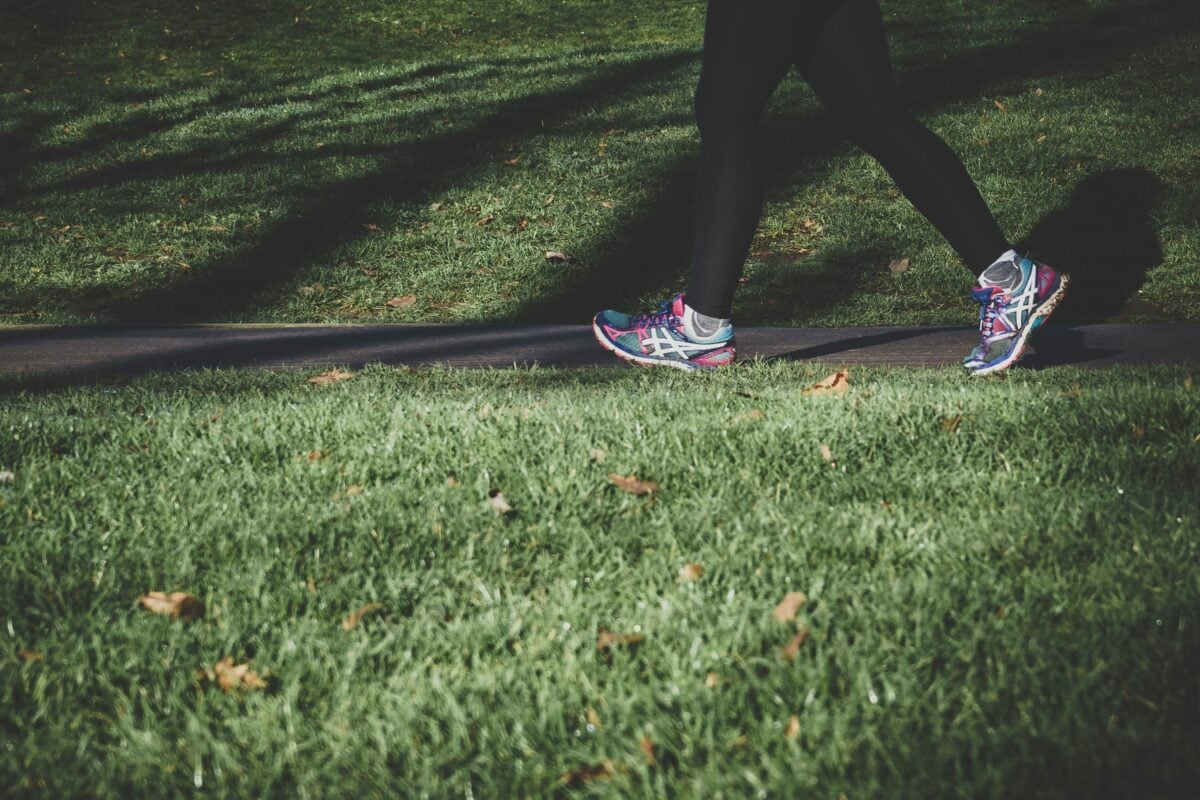
For a long time, the idea of going to a gym felt impossible to one woman in her mid-forties. She had a demanding job, two children, and hadn’t done structured exercise in years.
A doctor’s warning about her blood pressure prompted her to start — not with a programme or a trainer, but with a ten-minute walk around the block after dinner. Just that. For the first month, she didn’t change anything else.
The walk became fifteen minutes, then twenty. By the time she was walking for forty-five minutes most evenings, her diet had started shifting naturally toward things that made her feel better during those walks.
Over two years, she lost 38 kilograms. She still walks every evening.
She says the walk became the anchor that everything else attached to.
The Man Who Cooked His Way Thin

A retired teacher in his late fifties had tried every popular diet and lost weight on most of them, then gained it back each time. The restriction never held.
What finally worked was approaching food differently — not cutting things out, but learning to cook properly for the first time. He started watching cooking videos, buying vegetables he didn’t recognise, and spending Sunday afternoons preparing meals for the week.
The weight loss was slower than any diet he’d tried. About half a kilogram a week on average.
But three years in, he had lost over 60 kilograms and kept it off entirely, something that had never happened before. He attributes it to the fact that he was building a skill he genuinely enjoyed rather than enduring a temporary restriction.
Losing Weight After a Life-Changing Diagnosis

Some journeys begin not with a resolution but with a piece of news that makes the choice feel non-negotiable. A woman in her early thirties received a type 2 diabetes diagnosis and was told that significant weight loss would be the most effective intervention available to her.
She worked with a dietitian and her doctor to build a plan that didn’t feel punishing — a modest calorie deficit, daily movement, and no banned foods. Twelve months later she had lost 30 kilograms.
More significantly, her blood sugar levels had normalised to the point where she no longer needed medication. Her story is one of many demonstrating that the body’s capacity to respond to lifestyle change is often greater than people expect.
The Couple Who Did It Together

When both people in a relationship decide to change their habits at the same time, the odds improve considerably. One couple in their forties made a shared decision after a holiday where both came home feeling physically depleted.
They cleaned out the kitchen together, took up hiking on weekends, and agreed on meals that worked for both of them. Neither one acted as the other’s monitor — they’d both agreed that would breed resentment — but having someone at home making the same choices meant the environment was supportive rather than full of friction.
Over eighteen months, he lost 28 kilograms and she lost 22. They both say the most important part was that it stopped feeling like something either of them was doing alone.
Swimming Back to Health

A former athlete in his fifties had a knee injury that made running impossible and most gym equipment painful. He found his way back to a swimming pool he hadn’t entered in decades.
At first he could only manage two lengths before stopping. He came back three times a week anyway, and each session extended slightly.
Swimming put no pressure on his knee, gave him a meditative rhythm that nothing else had matched, and started producing results within a few months. Over two years he lost 45 kilograms.
He also completed his first open-water swimming event at the age of 57, something he describes as the most unexpected outcome of an injury he once considered purely catastrophic.
Losing Weight on a Budget

One of the most persistent myths about healthy eating is that it’s expensive. A single mother on a tight budget proved otherwise with careful planning and a shift in priorities.
She stopped buying processed convenience food, which had been expensive per-calorie, and shifted almost entirely to cooking from scratch using staple ingredients: dried legumes, oats, seasonal vegetables, eggs, and tinned fish. Her food spending actually decreased.
Combined with free outdoor exercise — walking and eventually running — she lost 25 kilograms over about fourteen months without any gym membership, programme subscription, or diet product. She now runs a community cooking class for parents in similar situations.
The Late-Night Shift Worker

Unsplash/egorkomarov
For anyone working nights, conventional health advice often feels like it was written for someone with a completely different life. A hospital porter working night shifts for over a decade had tried multiple approaches that all assumed a normal daily schedule.
What eventually worked was accepting that his schedule was different and building habits around it rather than against it. He meal-prepped at unusual hours, slept when he could, walked during the quiet stretches of his shift, and stopped comparing his progress to timelines that assumed five solid sleep hours a night.
It took him longer than most — about two and a half years to lose 35 kilograms — but the approach was sustainable because it was designed for his actual life rather than an imaginary one.
Finding Movement After Years of Chronic Pain

Living with chronic pain narrows what feels possible, and for many people it rules out the kinds of exercise most commonly recommended. One woman who had lived with fibromyalgia for over a decade found her path through gentle water aerobics recommended by a pain specialist.
The warm water reduced the intensity of her symptoms enough to allow consistent movement. Over time, as her fitness and pain management improved slightly, she added light resistance training.
The weight she lost — 20 kilograms over three years — mattered less to her than the improvement in her daily energy levels and the reduction in pain medication she required. She’s careful to describe the weight loss as a side effect of feeling better rather than the goal she started with.
The Ultra-Processed Food Experiment

A journalist in his thirties decided to track his food intake carefully for several months after reading research on ultra-processed food. He didn’t follow any particular diet.
He simply cooked almost everything he ate from identifiable ingredients and stopped buying packaged foods with long ingredient lists. He didn’t count calories, didn’t restrict specific food groups, didn’t weigh himself more than once a month.
Over a year he lost 18 kilograms without ever feeling like he was on a diet. He found that the volume of food he was eating hadn’t decreased — if anything it had increased — but the composition had shifted so substantially that the weight loss followed naturally.
His experience matched what researchers studying food processing had been finding in controlled settings.
Starting at Sixty-Five

The assumption that weight loss becomes impossible after a certain age stops a lot of people before they start. A retired nurse who began her journey at sixty-five, following knee replacement surgery, disproves it thoroughly.
Her doctor had told her that losing weight would reduce the load on her new knee and improve her long-term mobility. She started with physiotherapy exercises, progressed to daily walks, and worked with a nutritionist to address habits she had carried for decades.
Over two years she lost 23 kilograms. She moves more easily now than she did in her late fifties.
She talks about the fact that her previous assumption — that it was too late — was simply wrong, and that confronting that assumption was the hardest part of the whole process.
The Mental Health Connection

For a significant number of people, weight and mental health are bound up together in ways that make addressing one without the other almost impossible. A man who had struggled with both depression and significant weight gain for most of his adult life found that getting appropriate treatment for his depression — therapy and, for a period, medication — was the foundation that made everything else possible.
Once his mental health stabilised, the compulsive eating patterns that had driven much of his weight gain became manageable. He lost 40 kilograms over three years, but he’s clear that the weight loss was downstream of the mental health work, not the other way around.
His story is a useful corrective to narratives that treat weight loss as a purely physical challenge.
Rebuilding After Injury
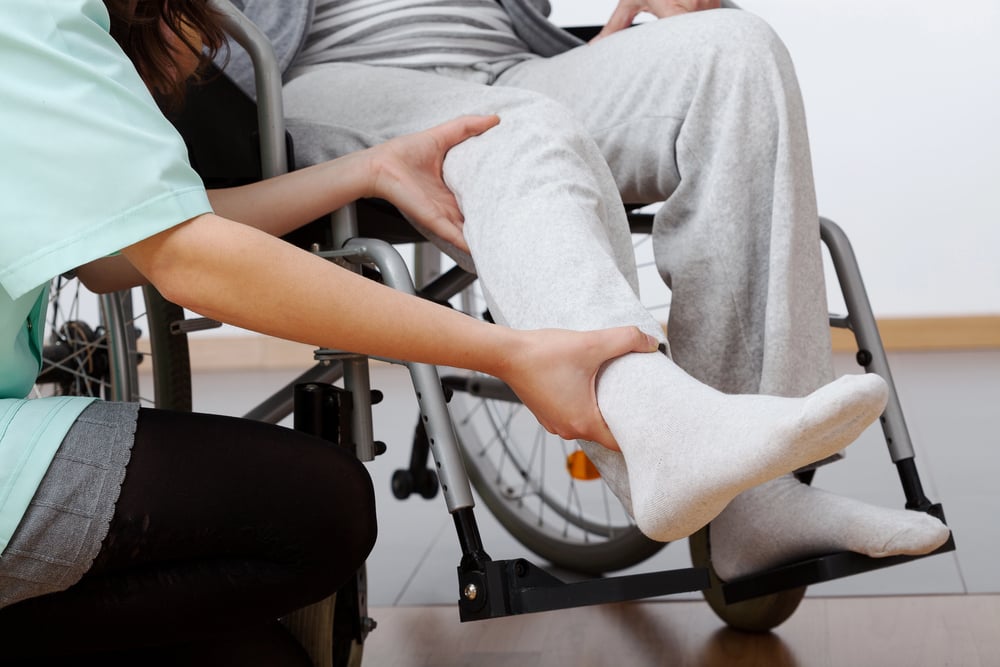
A long-distance runner in her thirties suffered a serious injury that kept her off her feet for six months and contributed to significant weight gain during recovery. Coming back was gradual, humbling, and nothing like her pre-injury experience.
She worked with a physiotherapist and accepted a timeline measured in months rather than weeks. Her diet shifted to support recovery rather than performance.
Over two years she rebuilt her fitness and lost the 24 kilograms she had gained, but what she describes as the more significant change was her relationship with exercise — from something she used to punish herself or control her body to something she now does because it makes her feel capable. The injury, she says, was the worst and most useful thing that ever happened to her physically.
The Power of Tracking Without Obsessing

Data helps some people and derails others. A teacher in his forties found a middle path: he tracked what he ate for three months simply to understand his patterns, not to judge them.
He discovered he was eating well during the day and consuming enormous amounts of food in the evenings without being particularly hungry. Understanding the trigger — work-related stress arriving home with him — gave him something specific to address.
He developed alternative evening habits, kept tracking loosely for another year, and lost 31 kilograms without ever making tracking the centre of his identity. He stopped tracking entirely once the new patterns were established and the weight has stayed off.
What These Stories Hold in Common
One of the reasons why these images strike a deep chord with people is that people select what matters to them in a highly personal manner. Usually not through rationalizing or simply because it makes sense on paper.
It is a silent, unconscious acknowledgment that I own this, this form of expression is mine, this feeling connects to a part of me that I do not even know how to explain. The dog does not have a clue that it’s the human who holds the lead to whom it is being compared. Most pet owners simply do not notice.
More from Go2Tutors!

- The Romanov Crown Jewels and Their Tragic Fate
- 13 Historical Mysteries That Science Still Can’t Solve
- Famous Hoaxes That Fooled the World for Years
- 15 Child Stars with Tragic Adult Lives
- 16 Famous Jewelry Pieces in History
Like Go2Tutors’s content? Follow us on MSN.