Interesting Facts About Inflation
Most people think they understand inflation. Prices go up, money buys less, and everyone complains.
But inflation works in stranger ways than most people realize. It shapes economies, destroys savings, rewards debtors, and sometimes helps more than it hurts.
The mechanics behind rising prices reveal surprising truths about money itself.
A Little Inflation Beats No Inflation

Economists actually want some inflation in the economy. They aim for around 2% per year in most developed countries.
This seems backward—why would anyone want things to cost more? But economies with zero inflation tend to stagnate.
People delay purchases when they expect prices to stay flat or fall. Businesses postpone investments.
Everyone waits. That waiting creates a cycle of declining demand and economic contraction.
A small amount of inflation keeps money moving through the system.
Deflation Terrifies Central Bankers
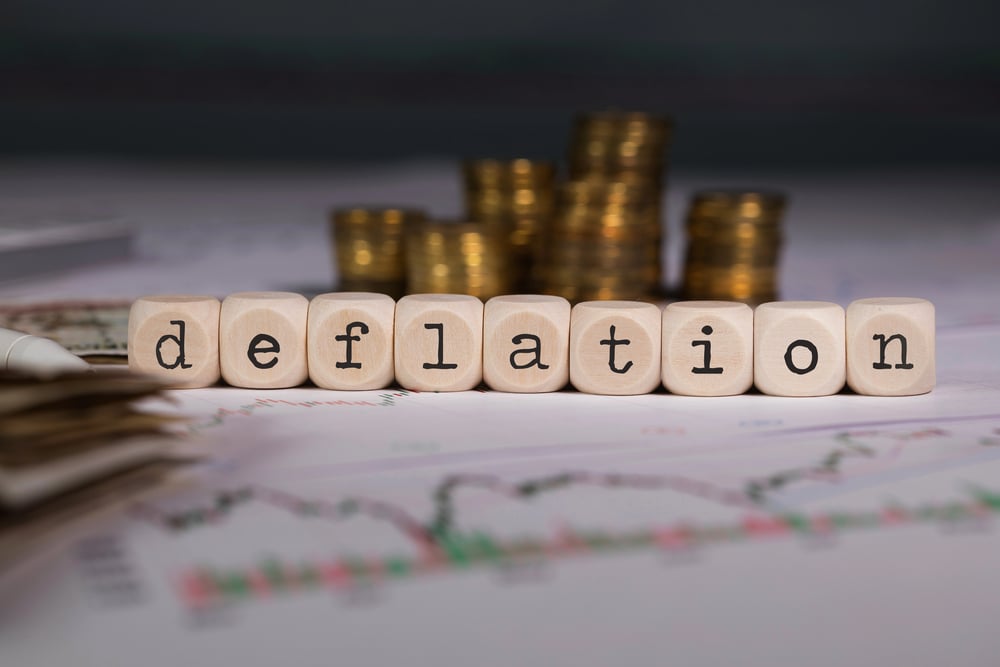
Falling prices sound great until you think through the consequences. When prices drop, consumers wait for even lower prices before buying.
Businesses cut production because nobody’s buying. Companies lay off workers to reduce costs.
Unemployed workers buy even less. Prices fall further.
This deflationary spiral nearly destroyed the global economy during the Great Depression. Japan spent decades trapped in deflation during the 1990s and 2000s.
Central banks will do almost anything to avoid deflation, including accepting higher inflation.
Zimbabwe Used Trillion-Dollar Bills

Hyperinflation makes regular inflation look tame. Zimbabwe’s inflation rate hit 89.7 sextillion percent in November 2008.
The government printed hundred-trillion-dollar bills that couldn’t buy a loaf of bread. People needed wheelbarrows full of cash for basic groceries.
The economy essentially stopped functioning with money. Citizens turned to barter or used foreign currency instead.
Zimbabwe eventually abandoned its own currency entirely. Hyperinflation doesn’t just make things expensive—it destroys the concept of money as a useful tool.
Gold and Silver Once Caused Massive Inflation
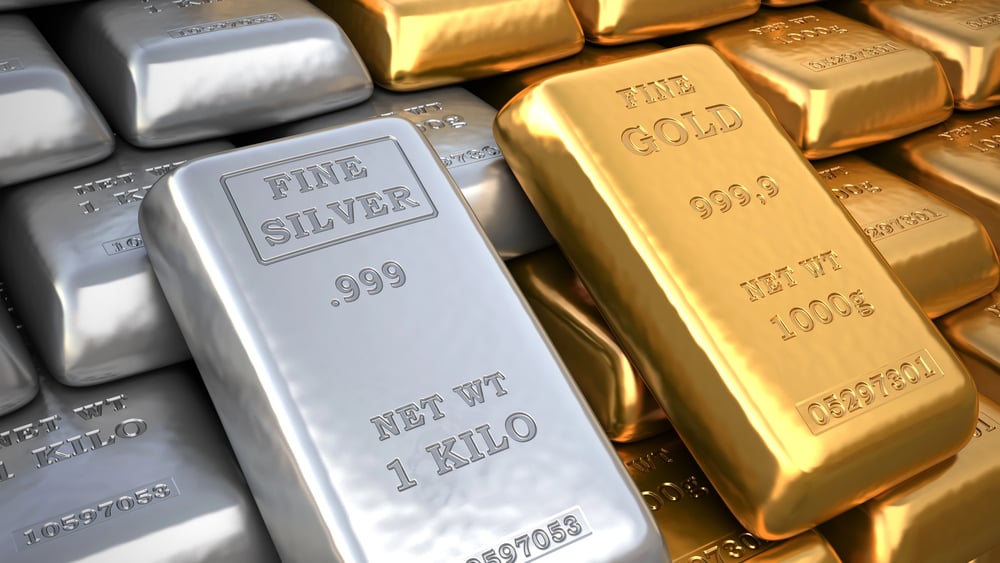
Spain flooded Europe with gold and silver from the Americas in the 16th century. This precious metal windfall seemed like a blessing.
Instead, it triggered sustained inflation across the continent. Prices roughly quadrupled over the century as more money chased the same amount of goods.
The Spanish economy suffered particularly badly despite—or because of—its new wealth. This early example proved that inflation stems from money supply, not from actual economic growth or productivity.
Every Major War Brings Inflation

War spending creates inflation with remarkable consistency. Governments print money to pay for weapons, soldiers, and supplies.
They can’t raise taxes fast enough to cover costs. Production shifts from consumer goods to military equipment, creating shortages.
The American Revolutionary War, Civil War, both World Wars, Vietnam, and Iraq all triggered significant inflation. Wars even centuries apart follow this same pattern.
The connection between conflict and rising prices holds across different economic systems and time periods.
Inflation Expectations Create Reality

What people think will happen with prices matters as much as what actually happens. If workers expect 5% inflation, they demand 5% raises.
Businesses then raise prices 5% to cover higher wages. Those price increases prove everyone’s expectations correct.
This becomes a self-fulfilling cycle. Central banks spend enormous effort managing inflation expectations because beliefs about future prices shape actual future prices.
Breaking a cycle of high inflation expectations requires convincing everyone that prices will stabilize—a difficult psychological task.
Measuring Inflation Involves Countless Choices
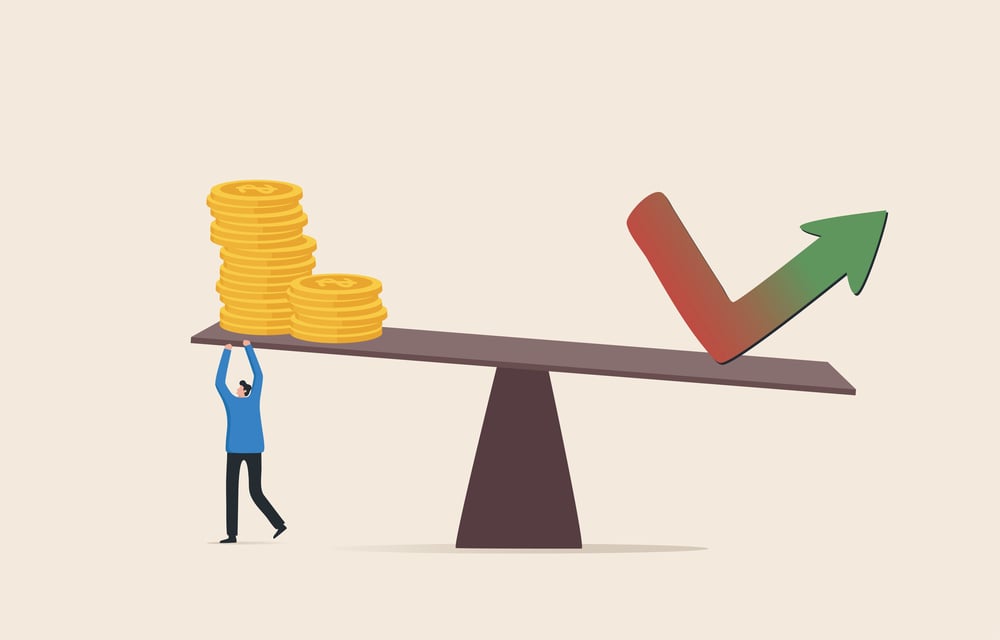
No single number captures how prices change across an entire economy. Should you weigh housing costs heavily or lightly?
How do you account for improving quality—a computer costs the same but does far more than a decade ago? When products disappear and new ones replace them, how do you compare?
Different methods produce wildly different inflation figures. The Consumer Price Index, GDP deflator, and Personal Consumption Expenditures index all measure inflation differently.
Governments choose which measure to use, and that choice affects policy decisions worth trillions of dollars.
Your Personal Inflation Rate Differs From Everyone Else’s

Official inflation numbers represent averages across millions of purchases. Your actual experience varies based on what you buy.
Retirees who own their homes and spend heavily on healthcare face different inflation than young renters who spend on rent and technology. Someone who commutes long distances cares more about gas prices than someone who walks to work.
Food prices matter enormously to low-income families but barely register for wealthy households. The national inflation rate tells you something about the economy but possibly nothing about your own financial reality.
Inflation Helps Debtors and Hurts Savers

Borrow $100,000 when inflation runs at 5% per year, and you pay back dollars worth less than what you borrowed. The nominal amount stays the same, but the real value shrinks.
Homeowners with fixed-rate mortgages benefit from inflation because their payments stay constant while their incomes rise. Governments with large debts also gain when inflation erodes the real value of what they owe.
Meanwhile, savers watch their bank accounts buy less each year despite earning interest. Cash loses purchasing power steadily and predictably.
Technology Prices Drop During Inflation

Overall prices rise, but technology costs fall year after year. Televisions, computers, phones, and cameras get cheaper while delivering better performance.
This creates a strange situation where inflation statistics struggle to capture reality. A $500 phone today does far more than a $500 phone five years ago, but the price stayed the same.
Is that zero inflation or hidden deflation? Technology keeps advancing so rapidly that prices can’t keep pace with improvements.
This sector pulls down measured inflation even as housing, healthcare, and education costs soar.
Inflation Makes Planning Nearly Impossible

Businesses base decisions on projected costs and revenues years in the future. High inflation renders those projections useless.
A factory that costs $50 million to build might cost $75 million by completion if inflation runs hot. Long-term contracts become risky when nobody knows what money will be worth at the end.
Companies respond by shortening their planning horizons, which means fewer large infrastructure projects and long-term investments. Economic growth slows when businesses can’t trust their calculations about future costs and benefits.
Housing Costs and Inflation Create a Strange Loop

Rising rents push measured inflation higher. Higher measured inflation leads central banks to raise interest rates.
Higher interest rates make mortgages more expensive. Expensive mortgages push more people to rent instead of buy.
Increased rental demand drives rents even higher. This cycle confounds policymakers because the tool they use to fight inflation (higher interest rates) makes one component of inflation (housing costs) worse before it gets better.
Housing represents such a large portion of household spending that this loop matters enormously.
Asset Inflation Hides in Plain Sight

Stock prices and real estate values can inflate dramatically while consumer prices stay stable. This creates wealth for asset owners while leaving wage earners behind.
The house someone bought for $200,000 now sells for $800,000. Their stock portfolio doubled. But groceries, clothes, and gas haven’t quadrupled in price.
Central banks traditionally focus on consumer price inflation and largely ignore asset inflation. This choice benefits people who own assets and struggles with those who don’t.
The gap between asset owners and everyone else widens during periods of asset inflation.
Some Countries Live With High Inflation

Turkey’s inflation rate regularly tops 50% or more. Argentina has battled double-digit inflation for decades.
These countries don’t collapse immediately. Life continues.
Businesses adjust prices constantly. Workers negotiate frequent raises.
Everyone develops strategies for dealing with unstable money. But economic growth suffers. Investment declines.
Talented people leave for more stable countries. High inflation becomes a tax on everyone that funds government spending through money creation.
Countries stuck in high-inflation equilibriums find it extremely difficult to escape without painful reforms.
The Weight of Rising Prices

Each trip to the store shows it. Rent due again makes it real.
Filling the tank hits harder now. What seems distant in reports lands right at your feet.
Your earnings stretch thinner than before, whether you track it or not. That number on screen – cash, coins, digits – holds power only while everyone agrees it does.
Every shift in that deal changes the balance of your budget, along with what slips out of reach. Pain stays pain even if you grasp inflation – yet seeing through it shows who pulls the strings beneath the prices.
More from Go2Tutors!

- The Romanov Crown Jewels and Their Tragic Fate
- 13 Historical Mysteries That Science Still Can’t Solve
- Famous Hoaxes That Fooled the World for Years
- 15 Child Stars with Tragic Adult Lives
- 16 Famous Jewelry Pieces in History
Like Go2Tutors’s content? Follow us on MSN.