Interesting Facts About Mummies
There’s something unsettling about preserved bodies lasting thousands of years. Most people know the basics — ancient Egyptians, pyramids, bandages — but the world of mummies stretches far beyond what gets taught in school.
Natural preservation, accidental discoveries, and deliberate mummification practices have created a collection of preserved humans that reveal unexpected truths about death, culture, and time itself.
Ancient Egyptian Mummification Was a Business
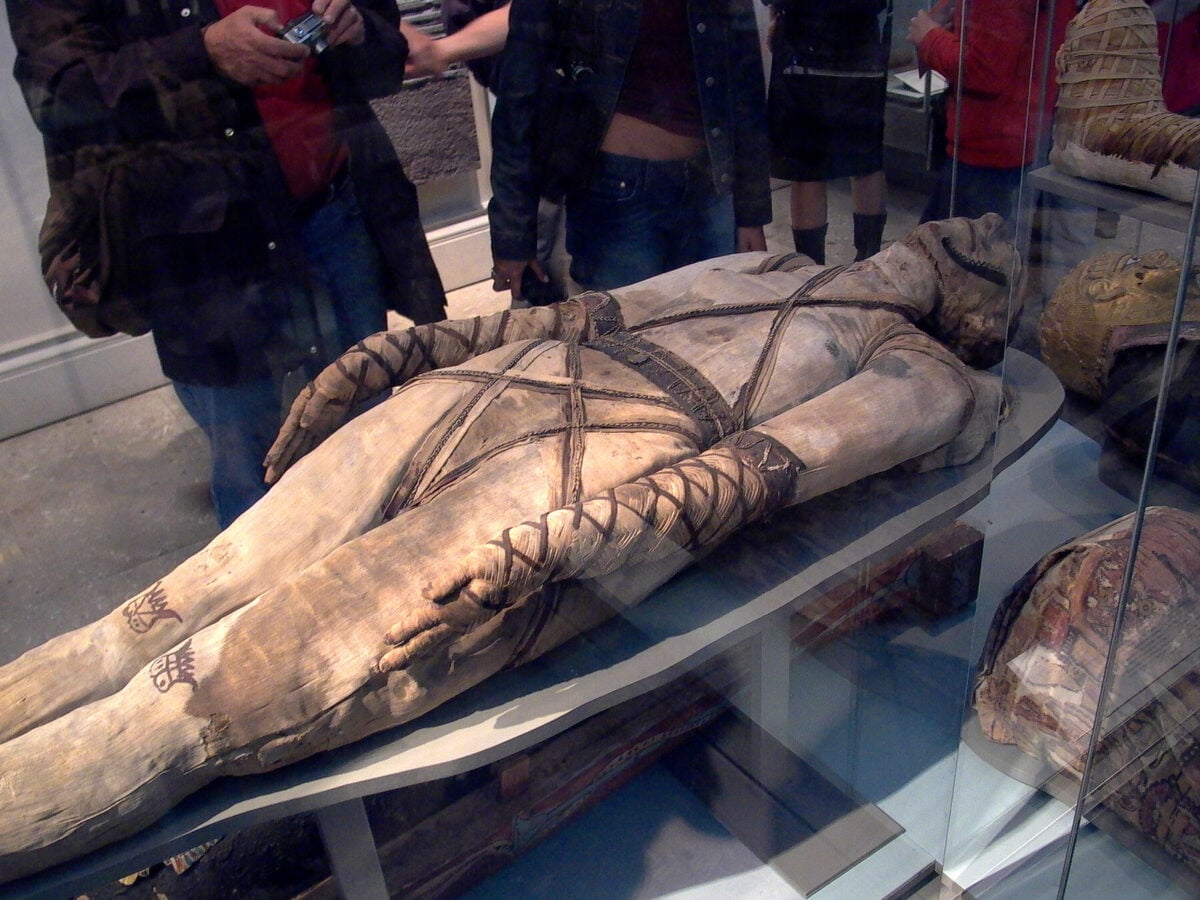
The ancient Egyptians didn’t just mummify pharaohs. They ran a full-scale industry.
Basic packages existed for regular families, premium services for the wealthy, and economy options for those who couldn’t afford much. The process took 70 days for the deluxe treatment, but cheaper versions could be done in a week.
Different embalmers competed for business, and some offered payment plans.
The Oldest Mummy Predates Egyptian Civilization
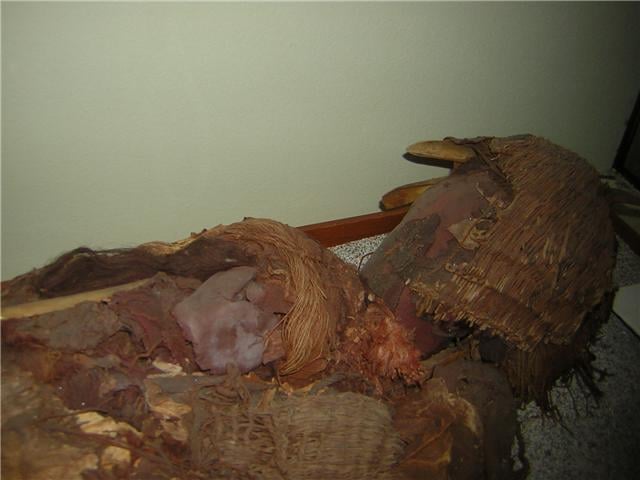
Chile’s Chinchorro mummies started appearing around 5050 BC — that’s 2,000 years before the Egyptians began mummifying anyone. The Chinchorro people (who lived in what’s now northern Chile and southern Peru) didn’t reserve mummification for elites, and they didn’t do it because they thought the afterlife required preserved bodies: they seemed to mummify everyone, including children and infants, which suggests the practice served a different purpose entirely.
And yet the techniques they developed were sophisticated enough that some of their work has survived longer than Egyptian mummies from much later periods.
Bog Bodies Happen by Accident
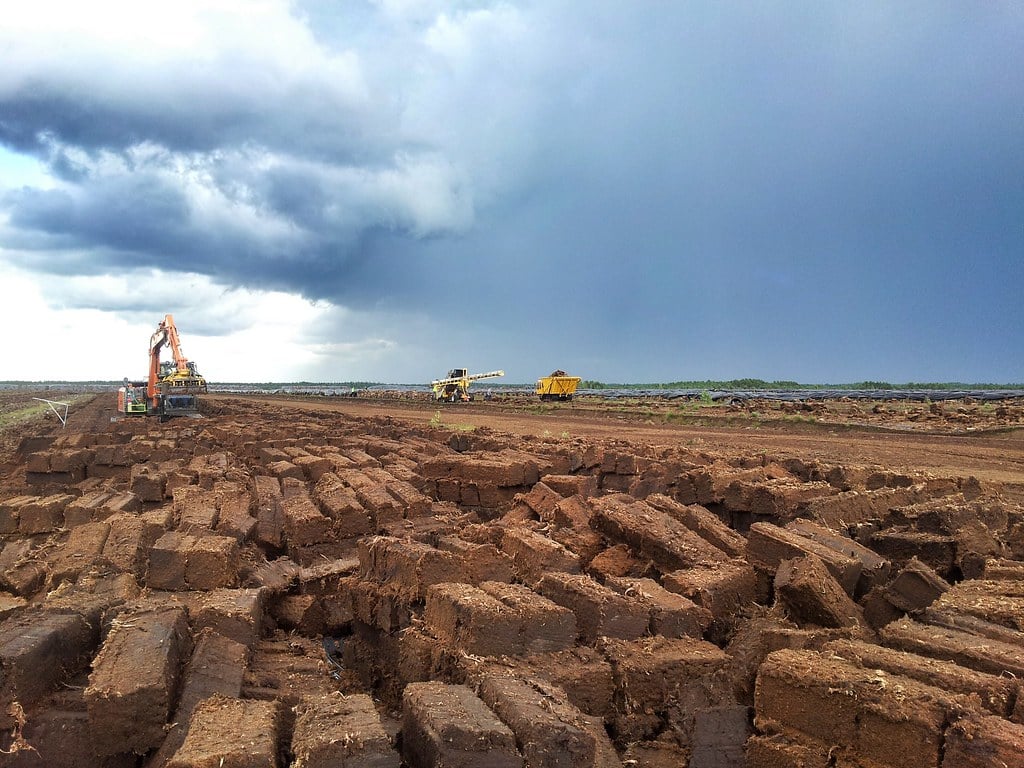
Peat bogs create natural mummification conditions that nobody planned for. The acidic, oxygen-poor environment stops decay and turns skin into leather while dissolving bones.
Bog bodies show up across Northern Europe, usually discovered by workers cutting peat for fuel. Some are over 2,000 years old. The Tollund Man from Denmark still has his facial expression intact — peaceful, like he’s sleeping.
Victorian England Had Mummy Parties

Wealthy Victorians bought Egyptian mummies as entertainment. They hosted “mummy unwrapping parties” where guests gathered to watch someone unwrap ancient bodies layer by layer. It was considered fashionable social activity, like attending the theater.
Hundreds of mummies were destroyed this way, treated as curiosities rather than human remains. The practice was so common that mummies became harder to acquire, driving up prices.
Some Mummies Were Made into Medicine
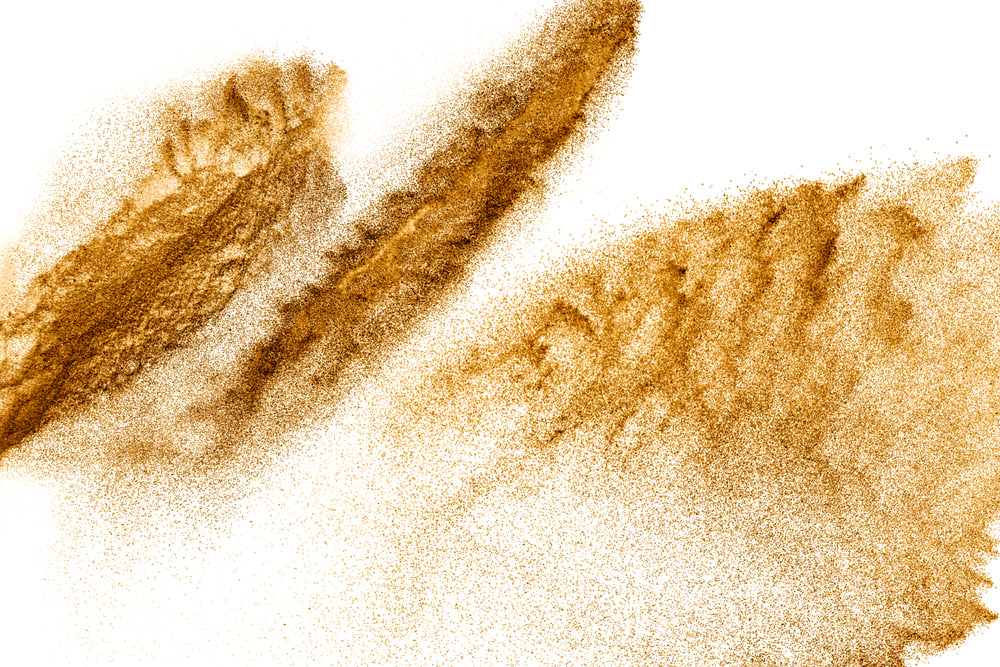
Ground-up mummy parts were sold as medicine in Europe from the 12th to 18th centuries. “Mummy powder” was prescribed for everything from headaches to broken bones. The demand was so high that fake mummies were manufactured — fresh corpses were dried, treated with bitumen, and aged to look ancient.
Apothecaries sold mummy remedies alongside other treatments, and the practice only stopped when people realized it didn’t work.
Lenin’s Body Requires Constant Maintenance
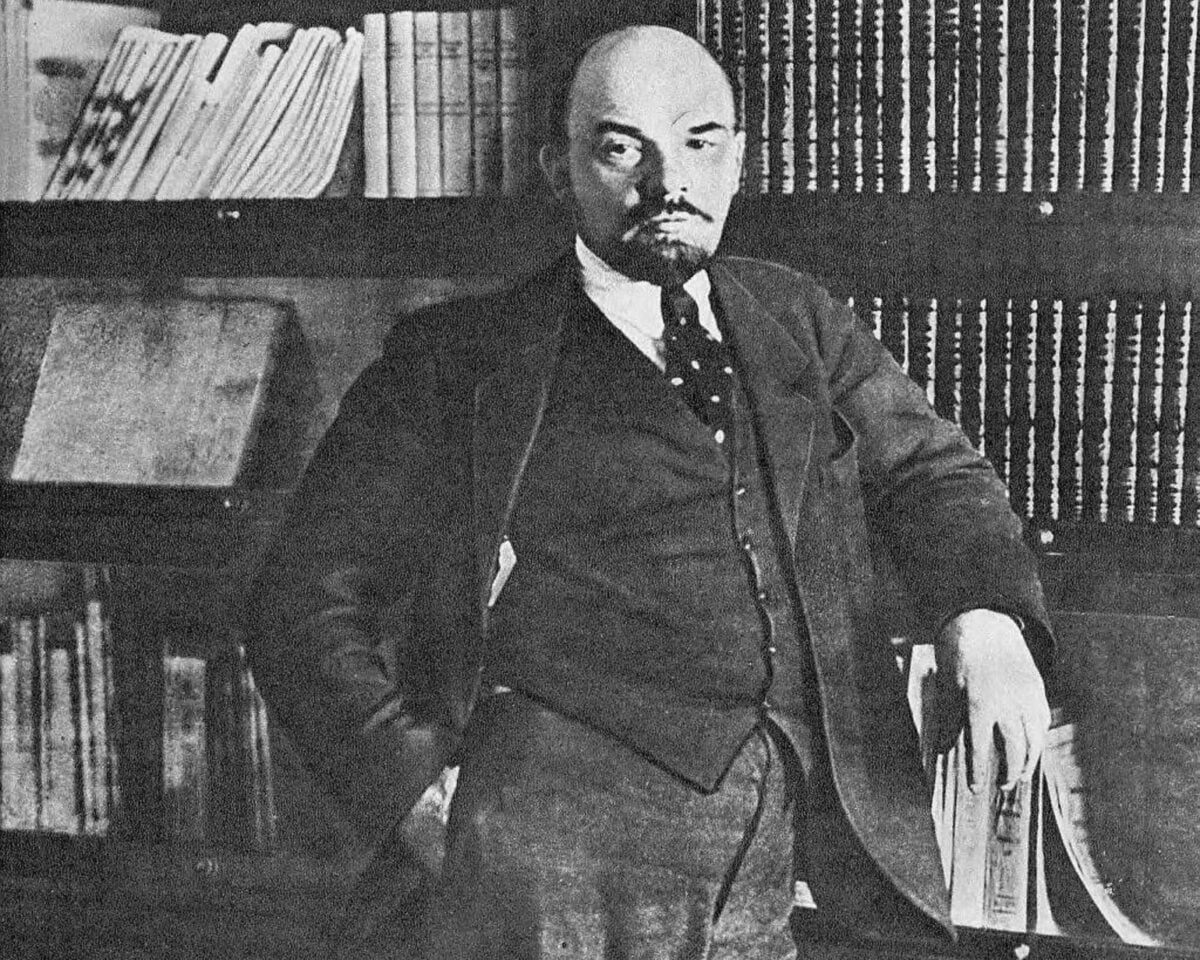
Vladimir Lenin’s preserved body in Red Square isn’t technically a mummy, but it represents the most intensive preservation project ever attempted. The body gets rebalanced in chemical baths every 18 months, and a team of scientists monitors it constantly (temperature, humidity, light exposure all carefully controlled, with the embalming fluid recipe remaining classified).
The process has kept the body looking relatively unchanged since 1924, though it bears little resemblance to natural mummification — more like an ongoing medical procedure that happens to involve someone who died a century ago.
Natural Mummies Form in Unexpected Places
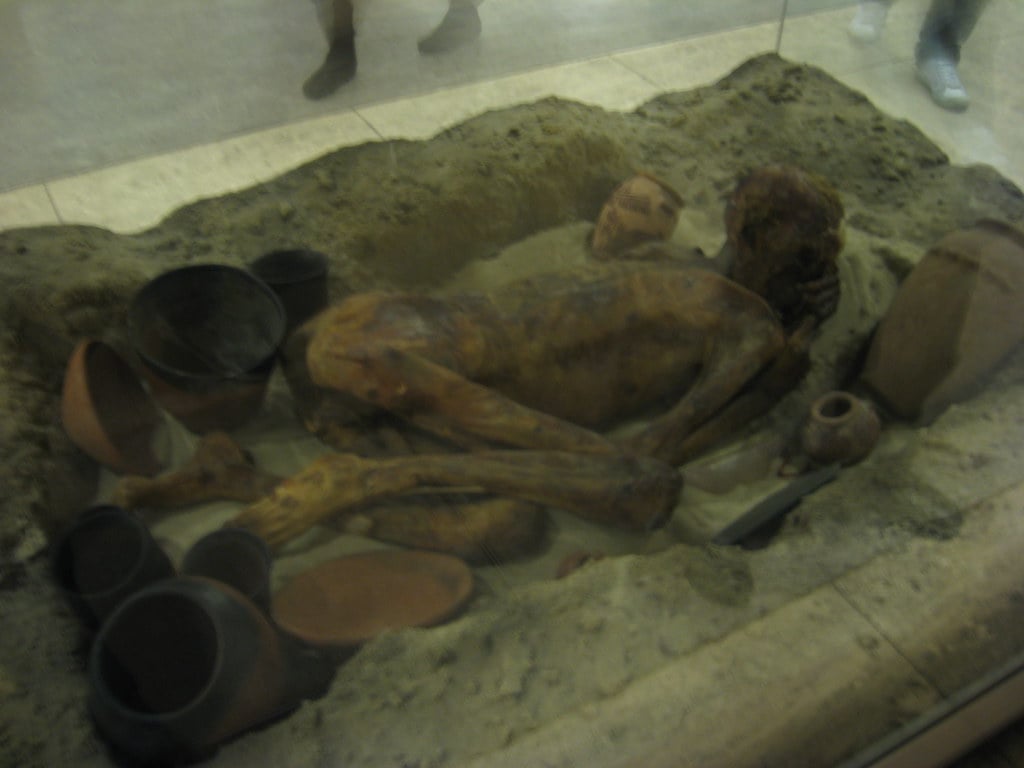
High altitude, extreme cold, and dry heat all create accidental mummies. The Inca ice maiden was found on a Peruvian mountain peak, frozen solid for 500 years.
Desert mummies appear in the American Southwest, preserved by dry air and sand. Attic mummies have been discovered in old houses where the conditions happened to prevent decay.
Bodies can mummify anywhere the environment removes moisture and limits bacterial growth.
Egyptian Mummy Wrappings Used Recycled Linen
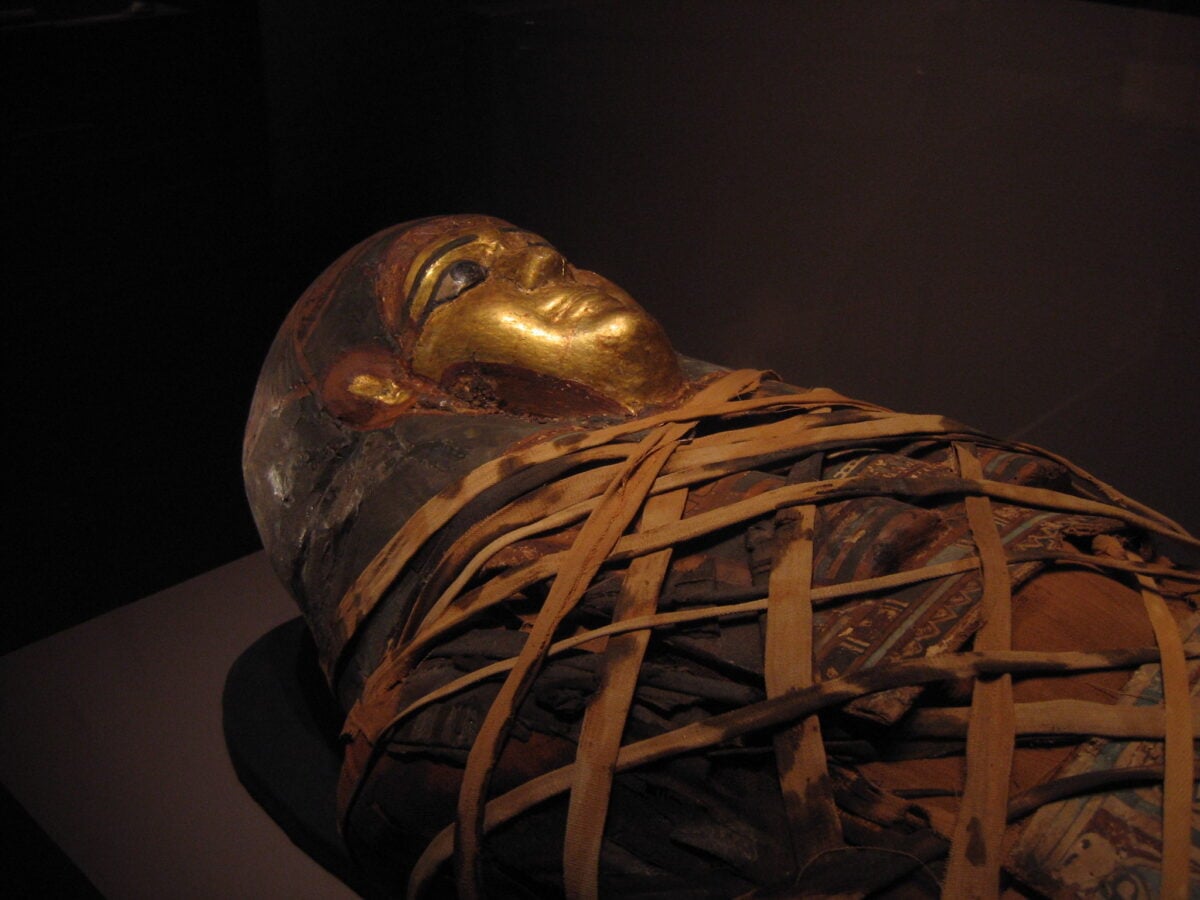
Ancient Egyptian embalmers often used old household linen for mummy wrappings — bedsheets, clothing, towels, whatever fabric was available. Some mummy wrappings contain laundry marks and repairs from their previous use.
This wasn’t corner-cutting; linen was expensive, and reusing it made economic sense. The wrapping process required hundreds of yards of cloth, so embalmers collected used textiles from families and communities.
Animal Mummies Outnumber Human Ones
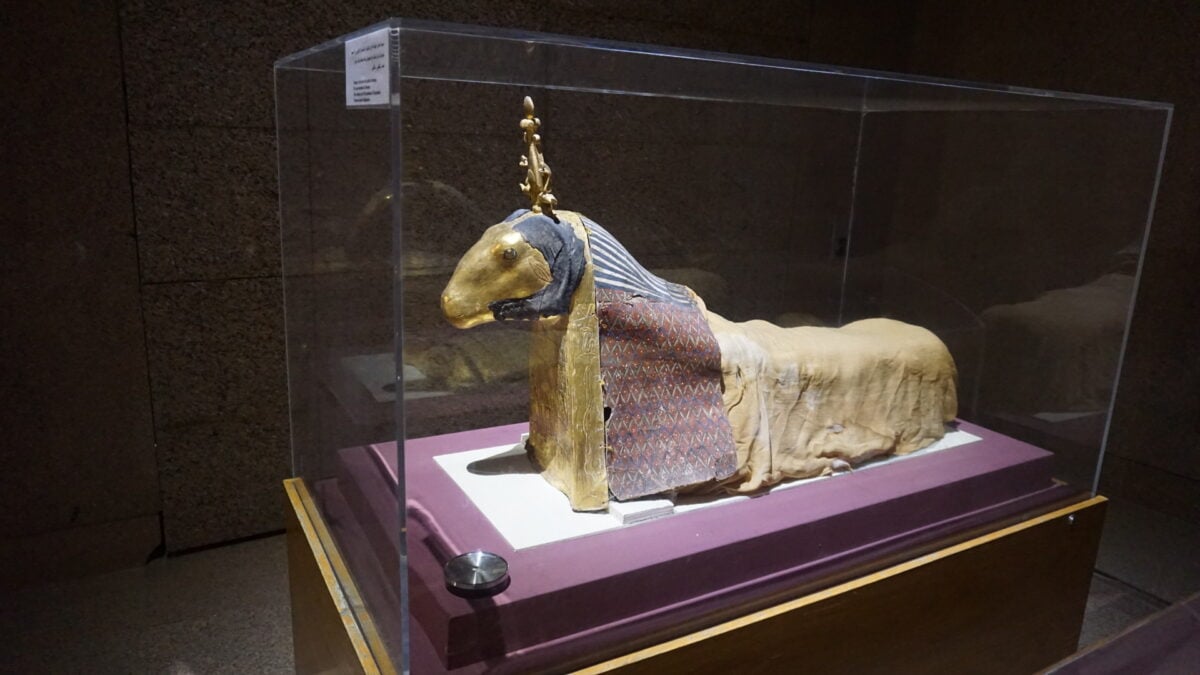
The Egyptians mummified millions of animals. Cats, birds, crocodiles, fish, beetles — entire animal cemeteries have been discovered with elaborate burial practices.
Some animals were beloved pets, but many were bred specifically for mummification and sold to pilgrims visiting temples. The business was enormous.
Archaeologists have found warehouses filled with mummified animals, suggesting industrial-scale operations.
Mummies Can Still Carry Diseases

Ancient pathogens sometimes survive the mummification process. Researchers have found evidence of tuberculosis, malaria, and parasitic infections in mummy tissue.
Some bacteria remain viable after thousands of years, creating potential health risks for archaeologists and lab workers. Modern mummy studies require careful containment protocols, not just to protect the remains but to protect the living.
The Youngest Mummy Was an Infant
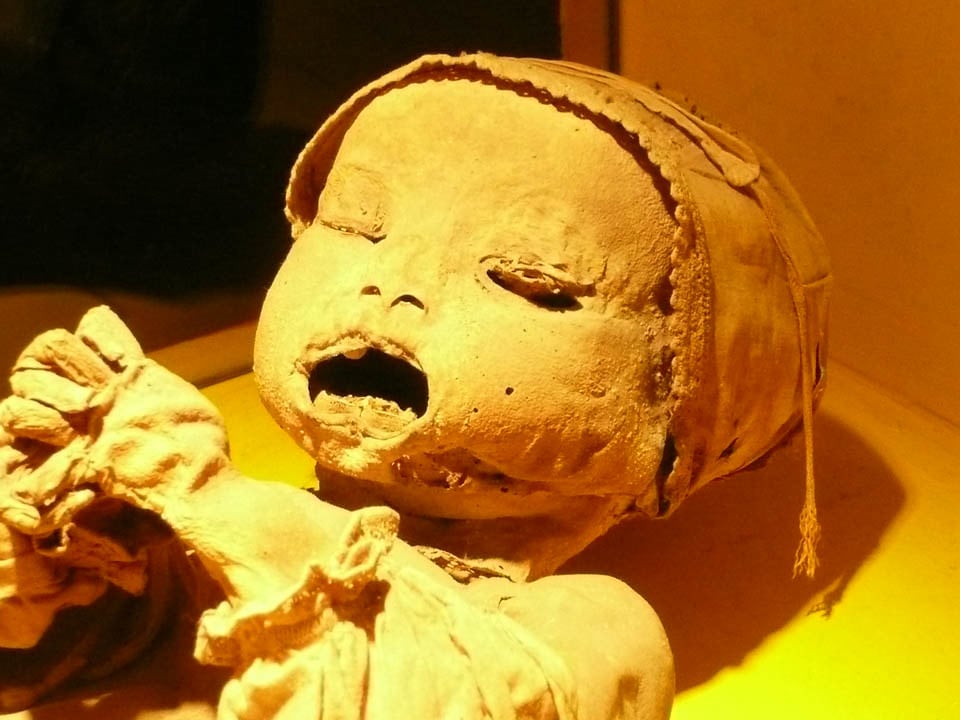
Egyptian mummies include babies who died shortly after birth. The same elaborate preservation techniques used for adults were applied to infants, complete with miniature canopic jars and tiny wrappings.
This suggests mummification wasn’t just about preparing for the afterlife in the way adults might understand it — it was about preserving the physical form regardless of age or life experience.
Accidental Modern Mummies Still Happen
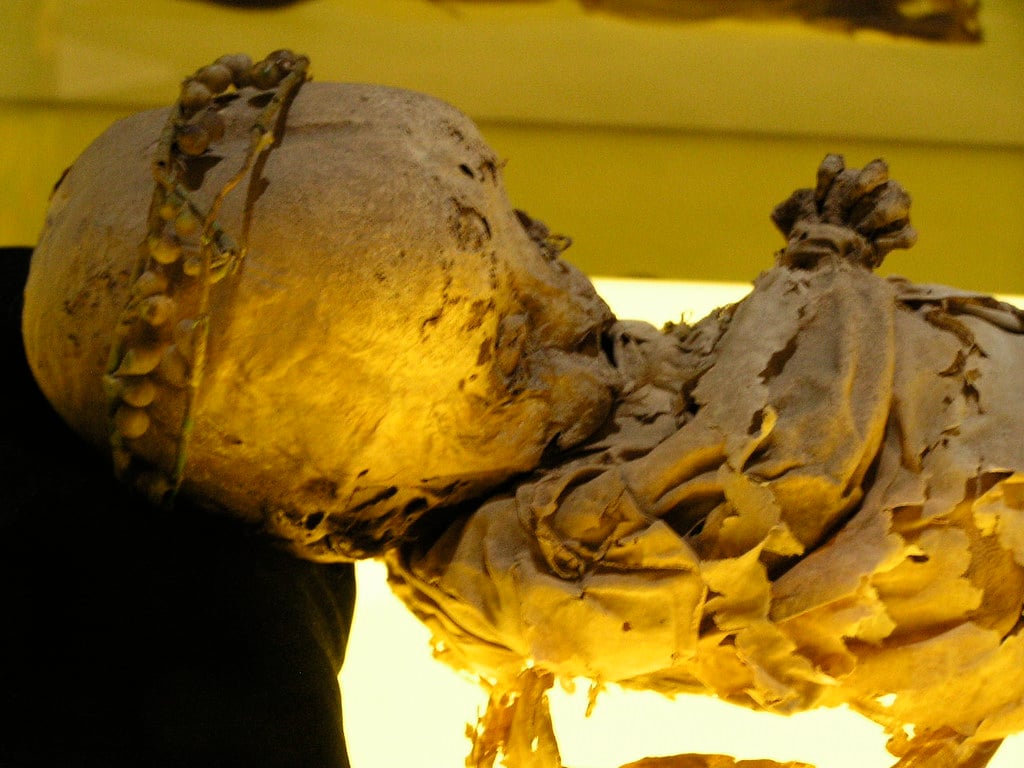
Bodies occasionally mummify in modern settings — dry basements, sealed attics, desert environments. These accidental mummies usually involve people who died alone and weren’t discovered for months or years.
The same natural conditions that created ancient mummies continue to work today, though refrigeration and climate control make accidental mummification less common than it once was.
X-Ray Technology Revolutionized Mummy Studies

Before medical imaging, studying mummies required unwrapping them, which destroyed the preservation work. X-rays, CT scans, and MRI technology now allow researchers to see inside mummy wrappings without damage. These scans reveal hidden artifacts, cause of death, health conditions, and mummification techniques.
Some mummies contain surprises — jewelry tucked between layers, evidence of medical conditions, or bodies in better condition than the outer wrappings suggested.
When Time Stops Moving

Mummies represent something humans struggle to accept: the idea that preservation might matter more than progress. Every mummified body — whether intentionally preserved by ancient embalmers or accidentally created by environmental conditions — suggests that some part of human experience resists disappearance.
They’re not quite alive and not quite gone, existing in a space that makes most people uncomfortable. Perhaps that discomfort explains why mummies show up in horror movies and Halloween decorations — they remind us that time doesn’t always move in the direction we prefer.
More from Go2Tutors!

- The Romanov Crown Jewels and Their Tragic Fate
- 13 Historical Mysteries That Science Still Can’t Solve
- Famous Hoaxes That Fooled the World for Years
- 15 Child Stars with Tragic Adult Lives
- 16 Famous Jewelry Pieces in History
Like Go2Tutors’s content? Follow us on MSN.



