15 Animal Mascots That Became Cultural Icons
Animal mascots have a special way of sticking in our minds. They’re more than just cute or funny characters—they often become symbols that represent whole brands, teams, or even generations. Some have been around for decades, crossing cultures and age groups to become part of everyday life.
Let’s take a look at some of these iconic animal mascots that made a bigger mark than anyone expected. They’re familiar faces that bring a smile, a story, or a memory whenever they pop up.
Tony the tiger
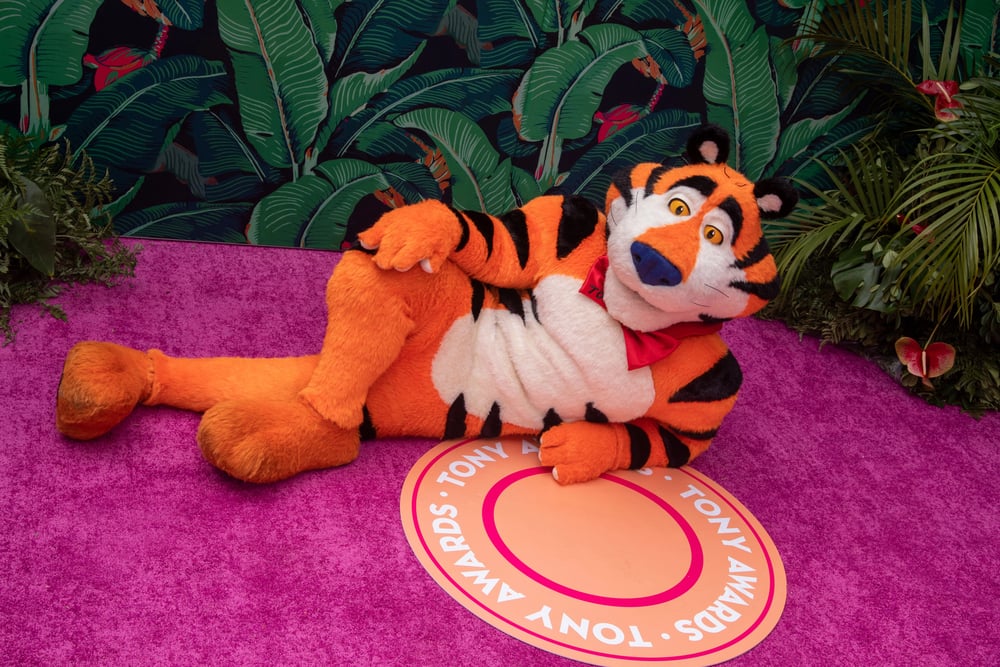
Tony the Tiger is probably the most famous cereal mascot of all time. His catchphrase, “They’re grrreat!” has been shouted in kitchens around the world for generations.
With his bold voice and friendly, muscular tiger look, Tony turned a simple breakfast into a fun, energetic start to the day for millions.
Mickey Mouse
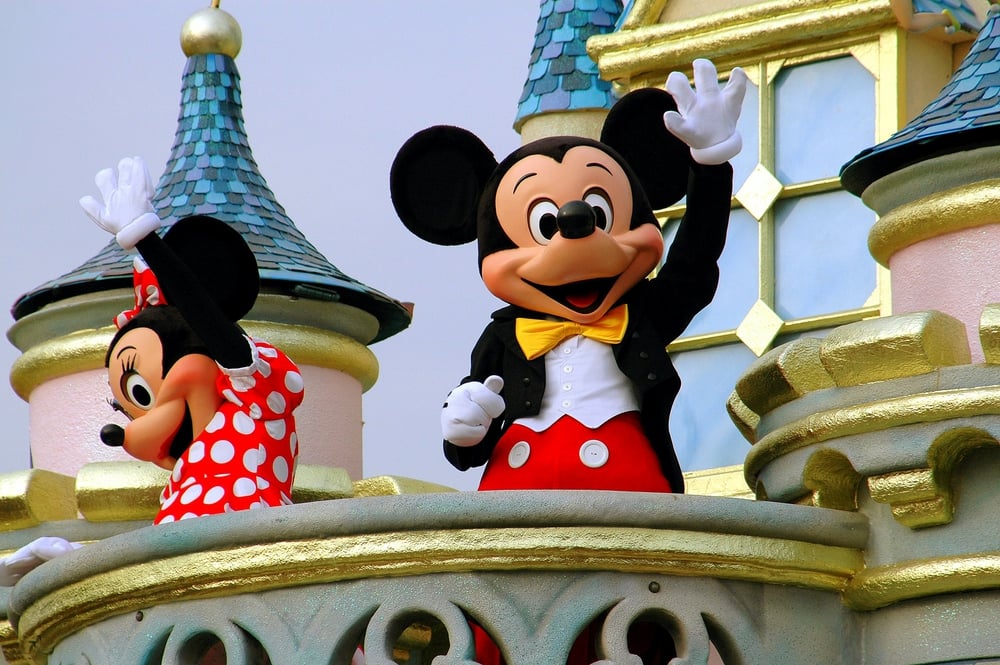
Mickey Mouse is much more than a cartoon character. He’s the face of Disney and a symbol of childhood joy everywhere.
From his big round ears to his cheerful smile, Mickey shows up on everything from theme parks to merchandise, making him one of the most recognizable animals on the planet.
Like Go2Tutors’s content? Follow us on MSN.
The Geico gecko
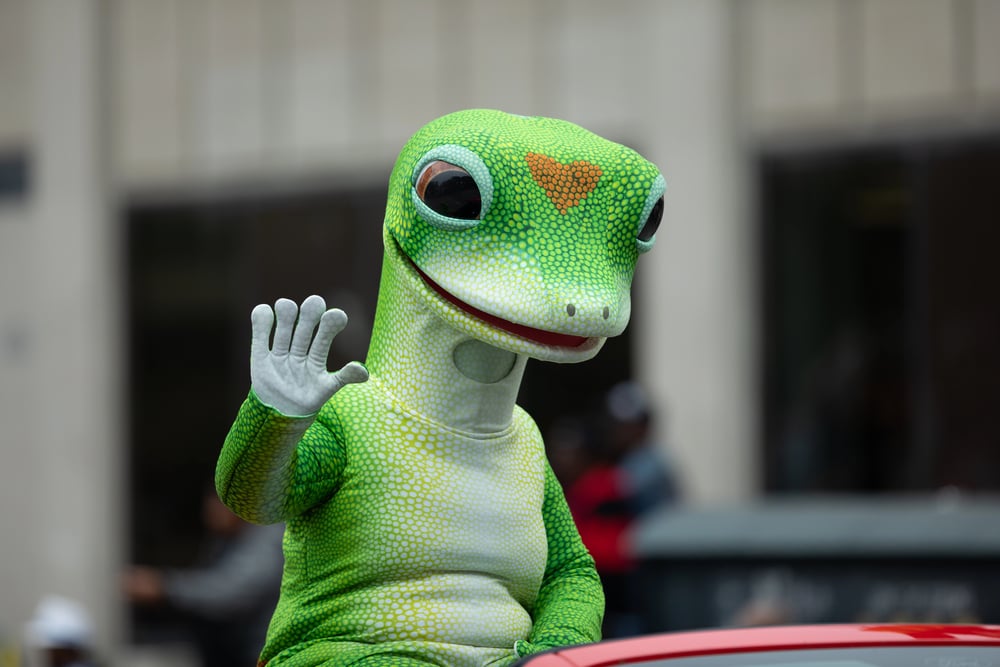
This little green gecko made insurance ads fun and memorable. His casual British accent and witty lines helped people connect with a topic that’s usually dry and boring.
The Geico gecko turned a small reptile into a friendly, trustworthy mascot that sticks in your head long after the commercial ends.
Chester Cheetah
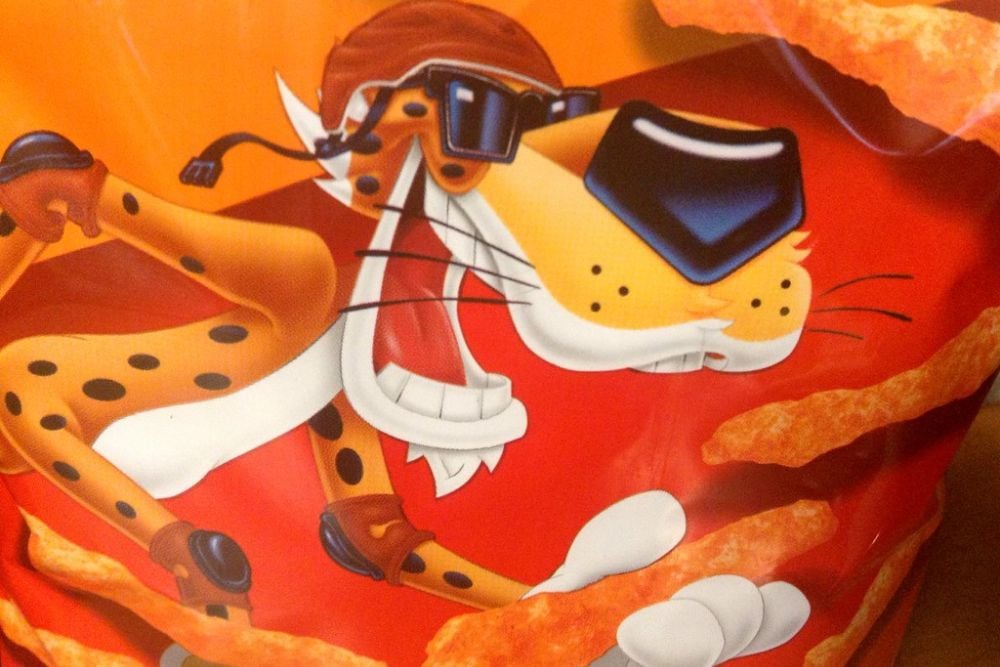
Known for his slick sunglasses and smooth attitude, Chester Cheetah brings coolness to snack time. He’s been the face of Cheetos for years, making the crunchy, cheesy snack seem even more fun and irresistible.
His laid-back style and humor helped Cheetos stand out in a crowded market.
The Michelin man
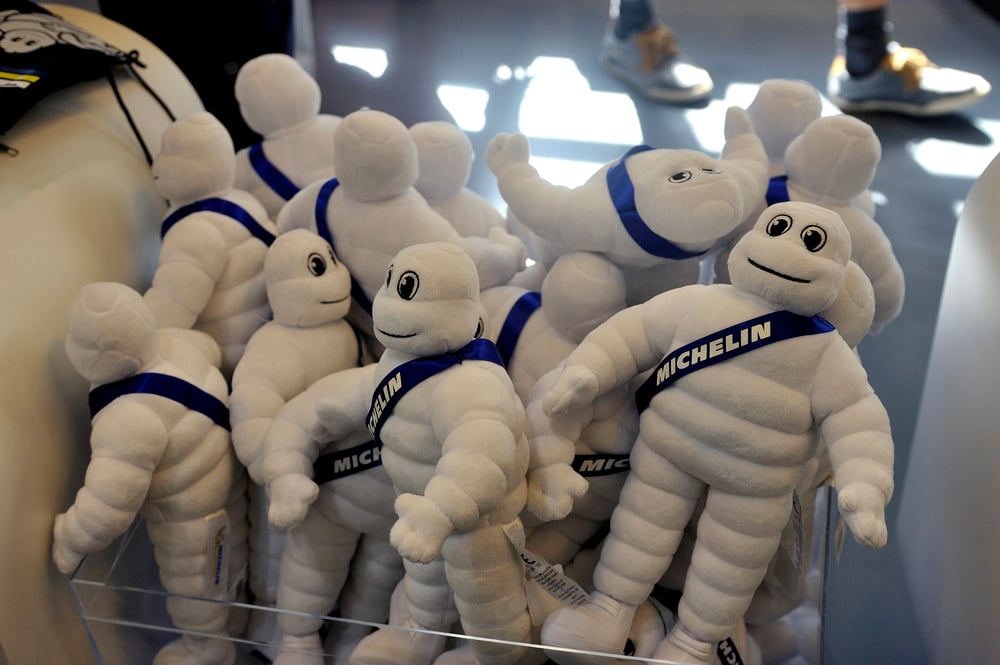
Though not a real animal, the Michelin Man is made of tires and looks like a soft, round creature. He’s been rolling through history since 1898, guiding drivers to safety and good tires.
His friendly, approachable design makes a technical product feel much easier to understand and trust.
Like Go2Tutors’s content? Follow us on MSN.
Smokey Bear
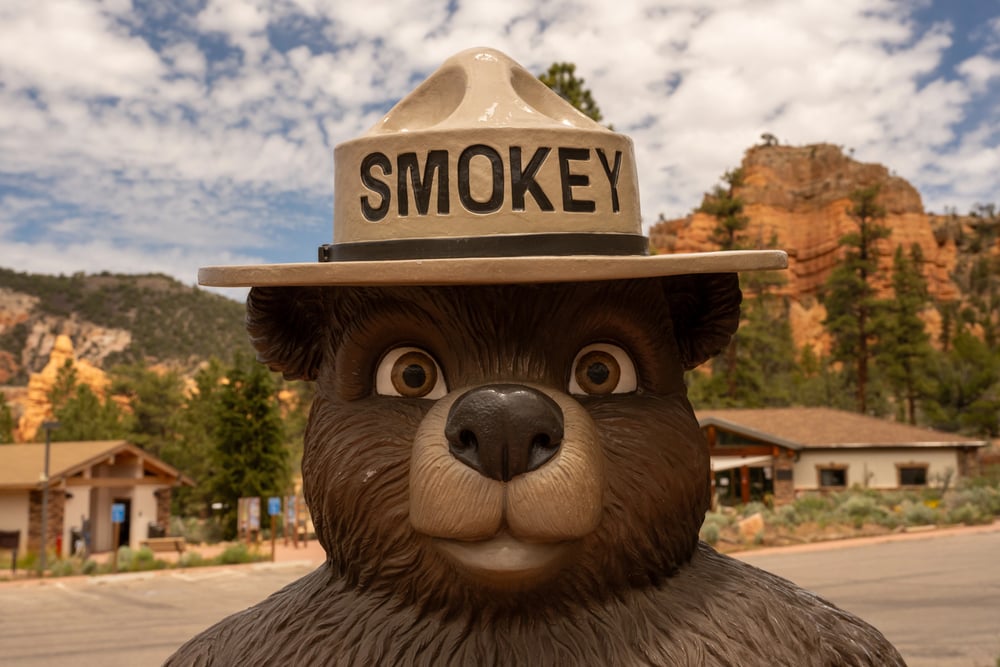
Smokey Bear is a serious mascot with a simple message: prevent forest fires. Dressed in a ranger hat and jeans, Smokey has been educating the public since World War II.
His calm but firm tone helped millions remember to “Only you can prevent wildfires,” making him a key figure in environmental awareness.
The Energizer bunny
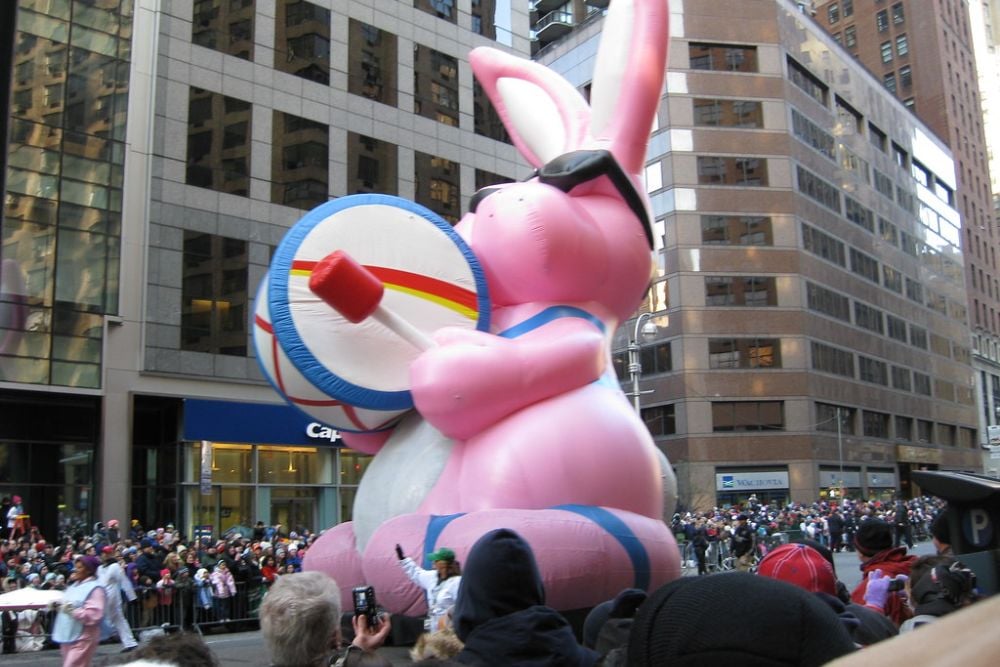
This pink, drum-beating rabbit keeps going and going in every commercial it stars in. The Energizer Bunny became a symbol of long-lasting power and energy.
Its upbeat, unstoppable personality made it the perfect mascot for batteries, showing strength and durability with every beat of its drum.
The Aflac duck
Aflac’s quacking duck makes insurance ads stand out by being simple and direct. The duck’s funny, persistent quack helps people remember the brand name without feeling overwhelmed.
It’s a clever way to bring humor to a serious topic, making the Aflac duck a beloved figure in advertising.
Like Go2Tutors’s content? Follow us on MSN.
The Pillsbury Doughboy
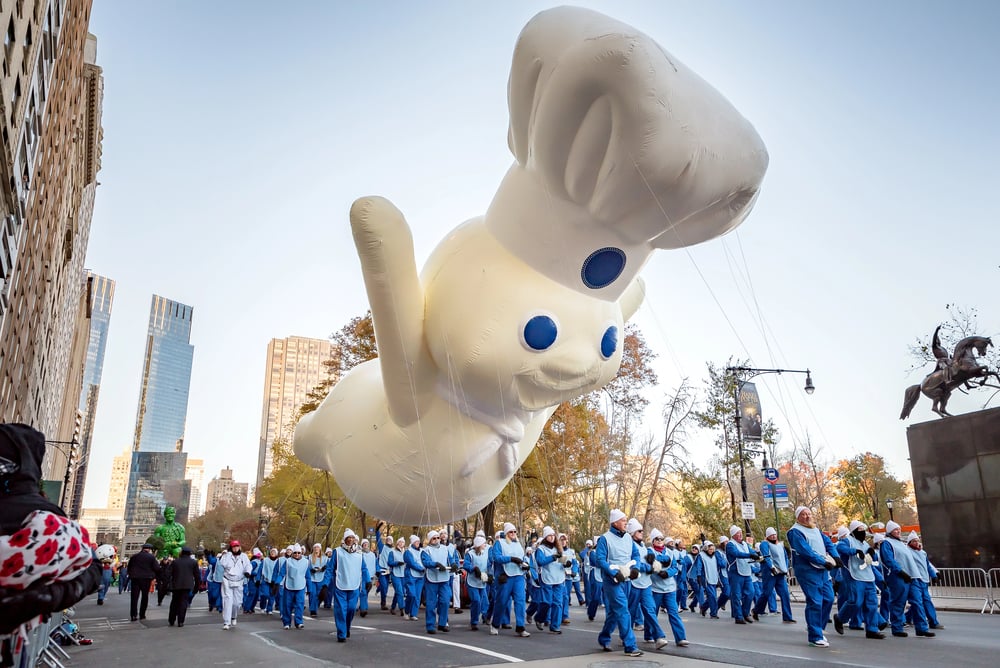
Soft, smiley, and always giggling when poked, the Pillsbury Doughboy makes baking feel like a happy moment. His cuddly appearance invites people to enjoy cooking and baking at home.
Over the years, he has become a symbol of warmth and family, connecting many generations through food.
The Geico camel
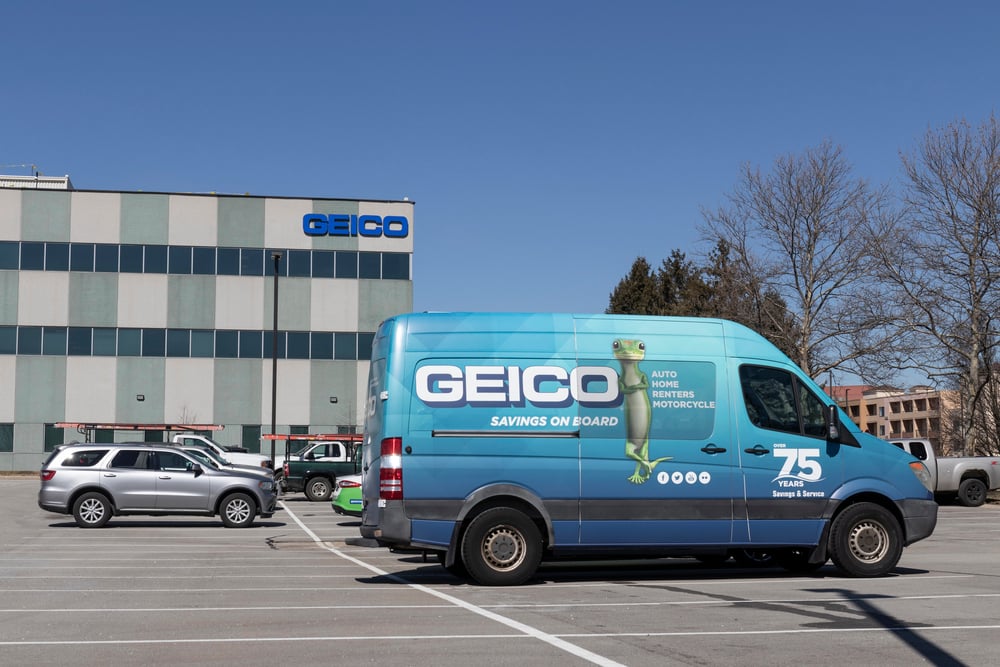
This camel’s “Hump Day” catchphrase took the internet by storm. The camel’s relaxed, fun-loving personality made Wednesday feel a little more special and reminded people to smile in the middle of the week.
It’s a great example of how a simple animal mascot can turn into a cultural joke that everyone shares.
Mr. Peanut
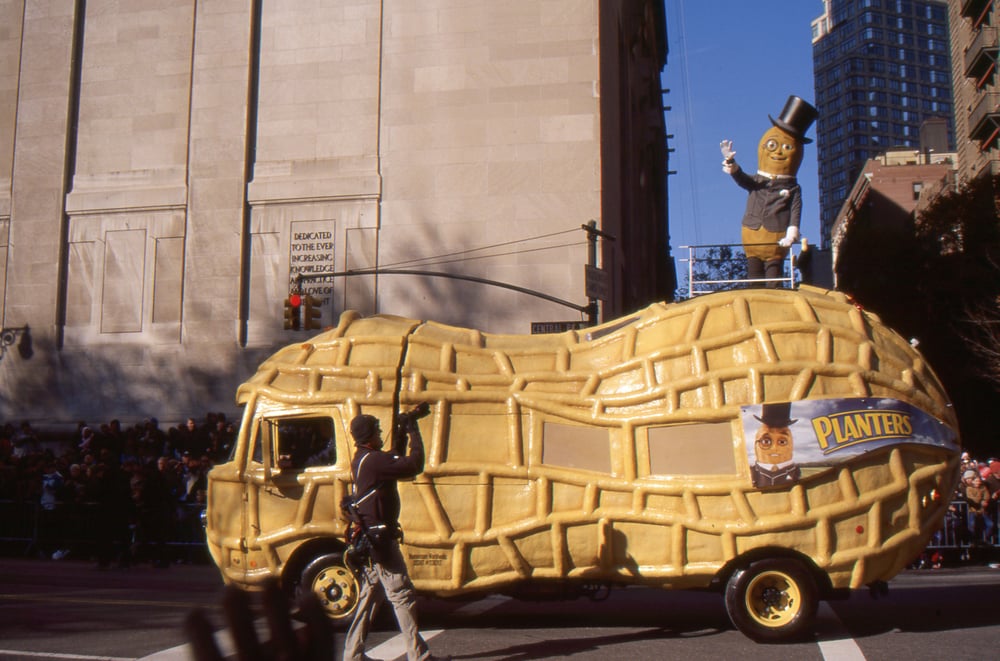
Mr. Peanut’s classy top hat, monocle, and cane make him the perfect gentleman mascot. He’s been the face of Planters nuts for over a century.
His sophisticated look pairs well with the company’s long history, making snacking feel a bit more upscale and timeless.
Like Go2Tutors’s content? Follow us on MSN.
Hello Kitty
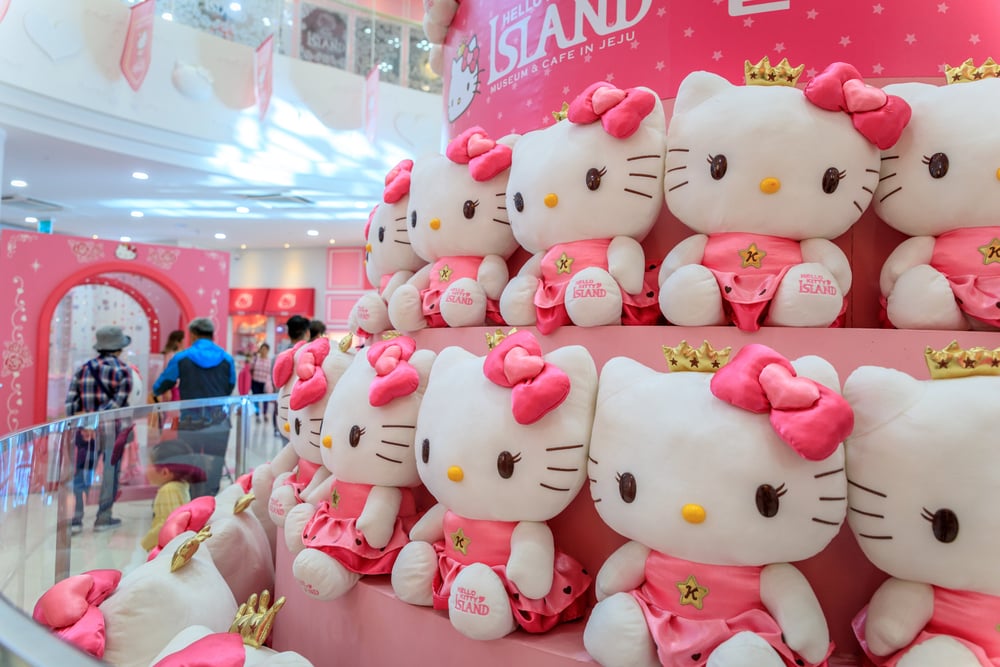
Hello Kitty is not just a cute cat; she’s a global icon of friendliness and positivity. Since the 1970s, she has been a favorite among kids and adults alike.
Her simple design and open expression make her a perfect symbol for friendship, happiness, and fun.
The Kool-Aid man
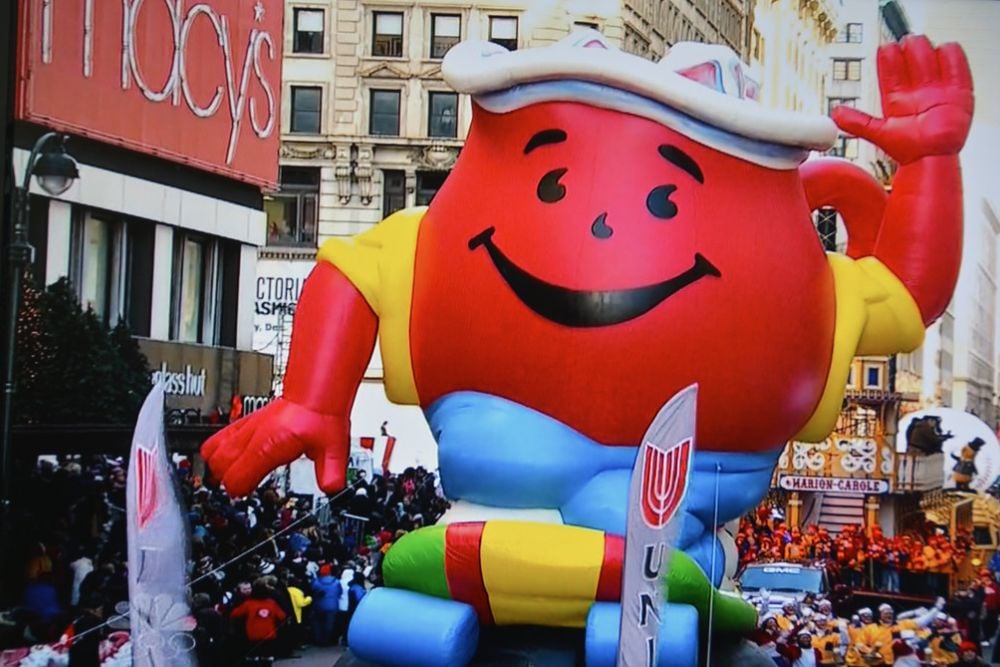
The Kool-Aid Man’s big smile and bursting-through-the-wall entrances turned him into a symbol of fun and refreshment. Even though he’s technically a pitcher filled with drink, his character is often seen as an animal-like figure because of his personality and lively actions.
Kids and adults alike remember him breaking into scenes with energy.
The crescent boy

Often mistaken for just the Doughboy’s cousin, the Pillsbury Crescent Boy adds extra charm to the brand’s identity. His quick smiles and playful poses help promote the ease of using Pillsbury products.
He makes baking look fun, simple, and accessible to everyone.
Like Go2Tutors’s content? Follow us on MSN.
Road Runner

The Road Runner from Looney Tunes is a fast bird who always stays one step ahead. Known for his famous “Beep Beep” sound, he became a symbol of speed and cleverness.
His endless chases with Wile E. Coyote made him a fun character that many generations grew up watching.
Why animal mascots remain important today

These animal mascots didn’t just start as clever marketing tricks. Over time, they became part of culture and memory. They remind people of childhood, good times, and simple joys. Even now, new generations recognize them and feel connected to the stories they tell.
It’s amazing how animals on signs and commercials can become so much more than just pictures—they become friends and symbols for many.
More from Go2Tutors!

- 16 Historical Figures Who Were Nothing Like You Think
- 12 Things Sold in the 80s That Are Now Illegal
- 15 VHS Tapes That Could Be Worth Thousands
- 17 Historical “What Ifs” That Would Have Changed Everything
- 18 TV Shows That Vanished Without a Finale
Like Go2Tutors’s content? Follow us on MSN.