Musicians Who Never Won a Grammy
The Grammy Awards have been around since 1959, honoring what the Recording Academy considers the best in music. But the trophy doesn’t always end up in the hands you’d expect.
Some of the most influential musicians in history—artists who shaped entire genres, sold millions of records, and inspired generations—never took home that golden gramophone. The reasons vary.
Sometimes politics play a role. Other times, their peak years came before the category existed or when the industry wasn’t paying attention.
Diana Ross

She led The Supremes through their reign as Motown’s most successful act. Twelve number-one hits came from that group, and her solo career produced another handful of chart-toppers.
Ross has been nominated 12 times across five decades. She’s performed at the Grammys, been honored as a person of the year, but the actual award has never materialized.
Her catalog includes “Ain’t No Mountain High Enough” and “I’m Coming Out”—songs that became anthems. The Academy gave her a Lifetime Achievement Award in 2012, which might acknowledge the gap, but it’s not the same as winning for the work itself.
Björk

Her music defies easy categorization, which works against her at awards shows. Björk has pushed electronic music, pop, and experimental sounds into new territories since the early 1990s.
Albums like “Homogenic” and “Vespertine” redefined what pop music could sound like. She’s been nominated 16 times.
The Academy recognized her innovation but never voted her the winner. Her performances are more art installations than concerts, and her approach to recording treats each album as its own universe.
But Grammy voters tend to favor the accessible over the experimental.
Katy Perry
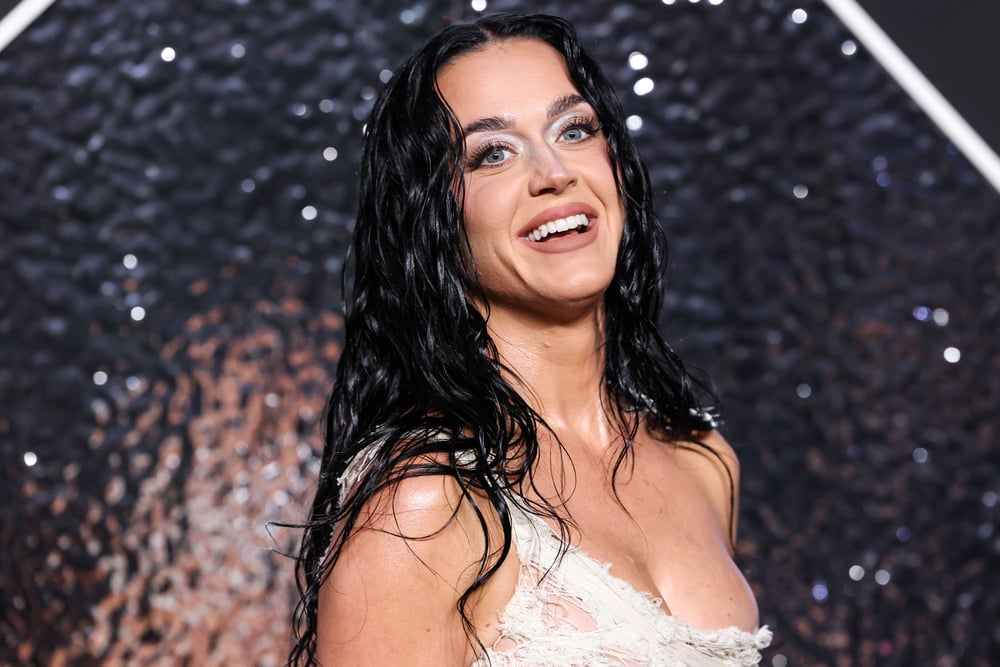
Pop stardom doesn’t guarantee Grammy wins. Perry has had nine number-one singles, tied for the most by any female artist on the Billboard Hot 100.
“Teenage Dream” became only the second album in history to produce five chart-toppers from a single release. She’s been nominated 13 times and lost every one.
Her songs dominated radio for years, and her tours sold out arenas worldwide. The Academy just never aligned with the voters.
Perry represents a curious case where commercial success and critical recognition from the Recording Academy don’t overlap at all.
Snoop Dogg

West Coast hip-hop owes much of its sound to Snoop. His debut “Doggystyle” came out in 1993 and changed rap music.
The smooth, laid-back delivery became his signature, and his work with Dr. Dre helped define an era. He’s been nominated 17 times without a win.
His cultural impact extends beyond music—he’s become a media personality, businessman, and unlikely cooking show host. But the Grammys never gave him the trophy.
He’s sold over 35 million albums worldwide and collaborated with everyone from Pharrell to Tupac, yet the Academy has consistently looked elsewhere.
Nas

“Illmatic” is considered by many to be the greatest hip-hop album ever made. It came out in 1994 and showcased Nas’s complex wordplay and storytelling ability.
He’s been nominated 15 times. The Grammy for Best Rap Album went to others while Nas watched from the audience.
His later albums continued to demonstrate his lyrical skill, and his influence on the genre can’t be overstated. Younger rappers cite him as an inspiration, and his verses are studied by those learning the craft.
The Recording Academy’s oversight becomes more glaring with each passing year.
Queen

They filled stadiums. “Bohemian Rhapsody” became one of the most recognizable songs in rock history.
Freddie Mercury’s voice and stage presence made them one of the biggest bands of the 1970s and 1980s. But Queen never won a competitive Grammy during their active years.
They received a Lifetime Achievement Award in 2018, decades after Mercury’s death. The band’s music videos pioneered the format, and their Live Aid performance in 1985 is still called the greatest live rock performance of all time.
The Academy’s timing was off, and the opportunity passed.
Bob Marley

Reggae music became known worldwide largely because of Marley. Songs like “No Woman, No Cry” and “Redemption Song” transcended the genre.
He brought Jamaican music to international audiences and became a cultural icon. Marley died in 1981 at age 36.
The Grammy for Best Reggae Album wasn’t established until 1985. His posthumous compilations and reissues have been nominated, but Marley himself never won a competitive Grammy.
The timing just didn’t work in his favor, and reggae wasn’t on the Recording Academy’s radar during his lifetime.
Morrissey
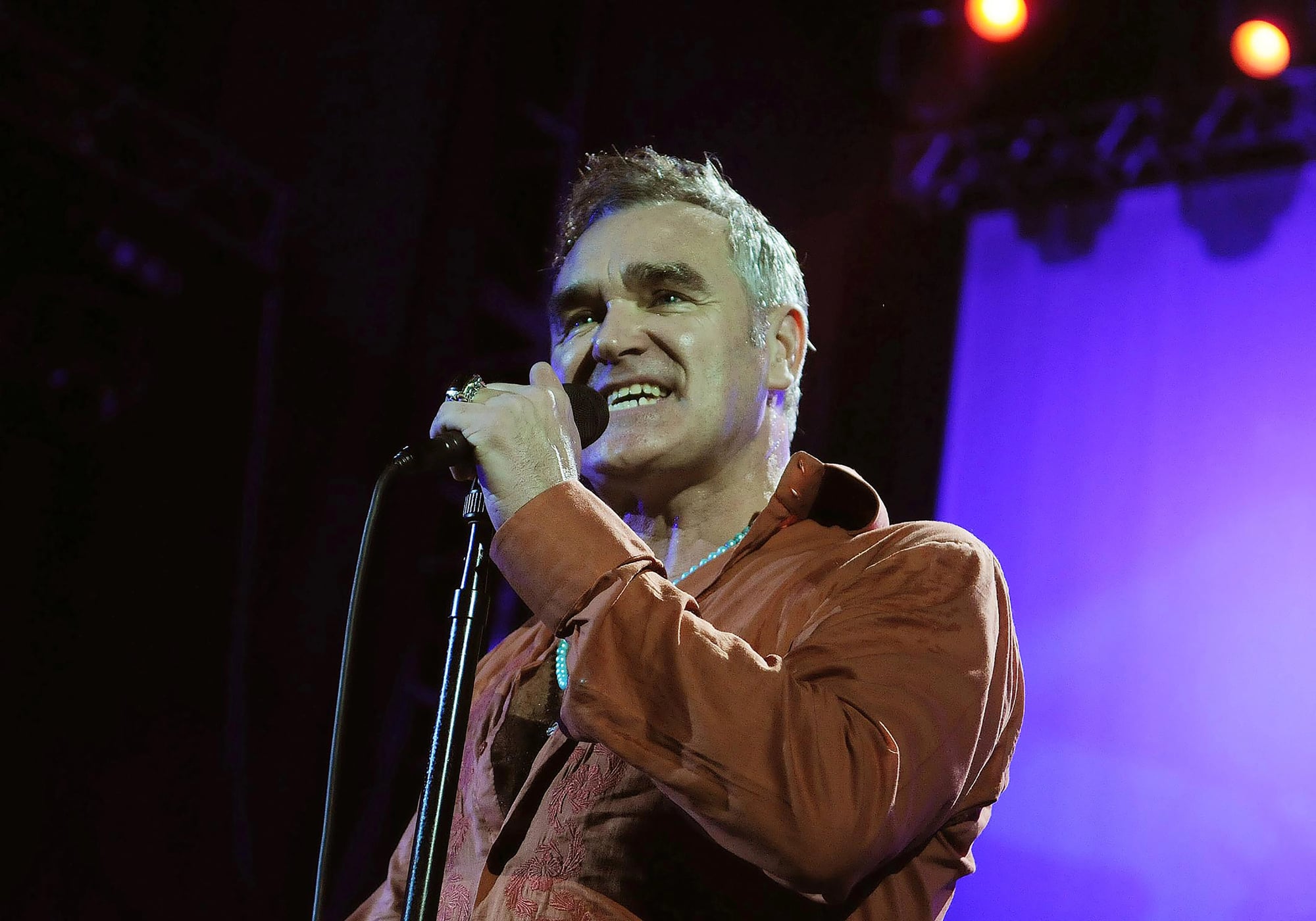
The Smiths created some of the most emotionally resonant music of the 1980s. Morrissey’s lyrics captured alienation and yearning in ways that connected with fans deeply.
His solo career continued that tradition, and albums like “Viva Hate” and “Your Arsenal” received critical acclaim. But Grammy nominations never came.
The Academy tends to overlook British alternative rock unless it crosses over into mainstream American success. Morrissey’s influence on indie rock and subsequent generations of songwriters is undeniable, but awards recognition hasn’t followed.
Nicki Minaj

She changed female rap music. Before Minaj, few women in hip-hop achieved both commercial success and critical respect.
Her mixtapes showed her skill, and albums like “Pink Friday” proved she could dominate the charts. She’s been nominated 10 times without winning.
Her collaborations appear on countless hits, and her features often outshine the main artists. The Grammy Awards have recognized her work through nominations, but the wins have gone to others.
The pattern suggests either bad timing or perhaps the Academy’s discomfort with her bold persona.
The Ramones
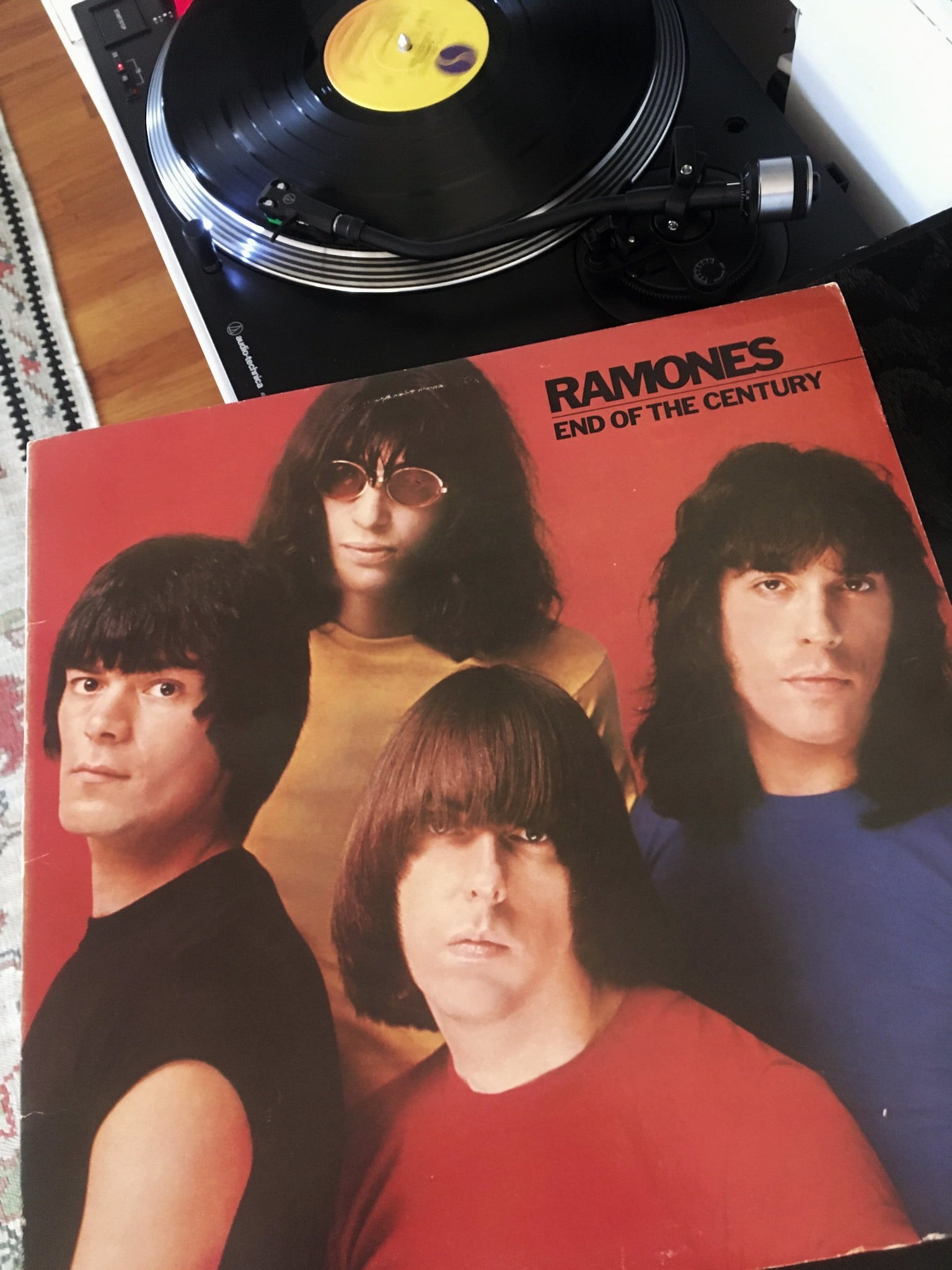
Punk rock started in small clubs, and the Ramones were there at the beginning. Their fast, simple songs inspired countless bands.
Three chords and two minutes became the template. They never had commercial success on the level of other rock bands, but their influence spread through the underground and eventually into mainstream rock.
The Ramones received a Lifetime Achievement Award in 2011, but no competitive Grammy ever came their way. By the time the Academy recognized punk’s importance, most of the original members had died.
Jimi Hendrix
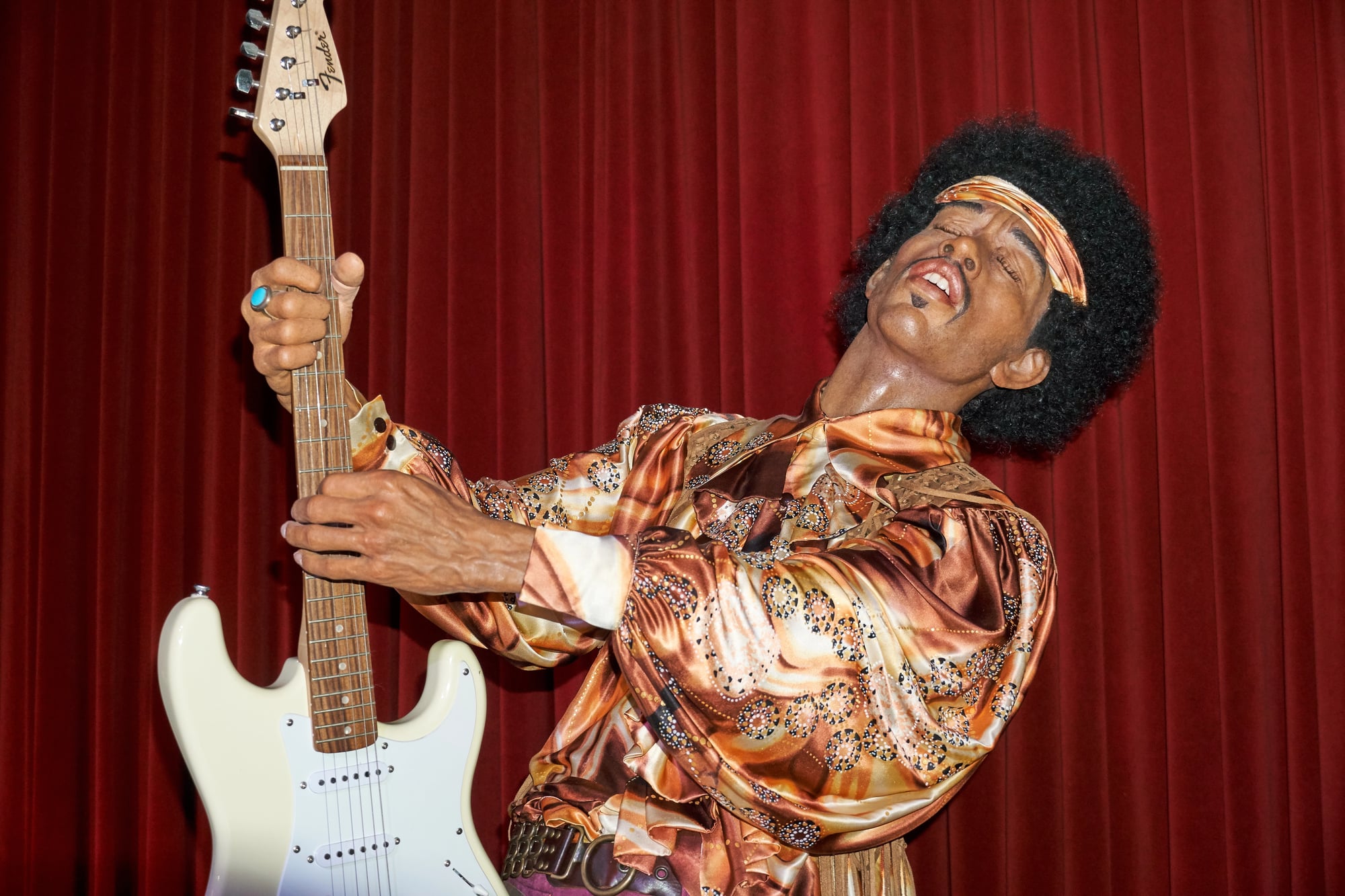
He changed what the electric guitar could do. Hendrix’s playing at Woodstock became legendary, and songs like “Purple Haze” and “All Along the Watchtower” redefined rock music.
He died in 1970 at age 27, leaving behind only three studio albums. Hendrix received a Lifetime Achievement Award in 1992, more than two decades after his death.
During his lifetime, the Grammy Awards were still finding their footing in how to recognize rock music. His brief career and the Academy’s slow recognition of rock meant the timing never aligned.
Sia

Her voice is unmistakable. Sia spent years as a songwriter for other artists before her solo career took off.
She wrote hits for Rihanna, Beyoncé, and others while building her own catalog. Albums like “1000 Forms of Fear” and songs like “Chandelier” brought her mainstream success.
She’s been nominated nine times. Her artistic choices—performing with her face obscured, creating elaborate music videos with dancer Maddie Ziegler—set her apart.
But the Grammy wins have eluded her despite the nominations and the commercial success.
Martina McBride

Right away, country listeners recognize that sound. Over thirty years she built a path where tracks such as “Independence Day” and “Concrete Angel” turned into powerful statements.
Fourteen million records moved off shelves because of her, while sheer vocal strength placed her near the top of the genre. Though Grammys kept nodding in her direction, trophies never landed in her hands.
Starting strong, she tackled hard subjects like domestic violence and child abuse in her songs. Because of this, people saw real bravery in how she created her art.
Nods came from the Recording Academy, though trophies never followed. Even so, being nominated meant they noticed what she was doing.
When the Industry Looks the Other Way

Every prize carries the stamp of whoever handed it out. Grammys come through one narrow lens, which can overlook real shifts in music.
Those stretching limits might get nods, yet walk away empty-handed. Popularity rarely lines up with trophies; neither do trophies bring crowds.
Some names here redefined entire styles, sparked waves among peers, left behind songs still heard long after fads faded. Even without a Grammy, their influence remains unchanged.
Recognition may come in a shiny form, yet what matters most is what they created long before any award show. What counts isn’t handed out on stage – it lives in how people felt when they first heard it.
More from Go2Tutors!

- The Romanov Crown Jewels and Their Tragic Fate
- 13 Historical Mysteries That Science Still Can’t Solve
- Famous Hoaxes That Fooled the World for Years
- 15 Child Stars with Tragic Adult Lives
- 16 Famous Jewelry Pieces in History
Like Go2Tutors’s content? Follow us on MSN.



