Inventions Rejected by Society First
Innovation doesn’t always get a warm welcome. Throughout history, people have pushed back against new ideas that later became essential parts of everyday life.
Fear, misunderstanding, and resistance to change have led societies to reject some of the most important inventions ever created. Let’s look at the inventions that faced serious opposition before they changed the world.
The telephone
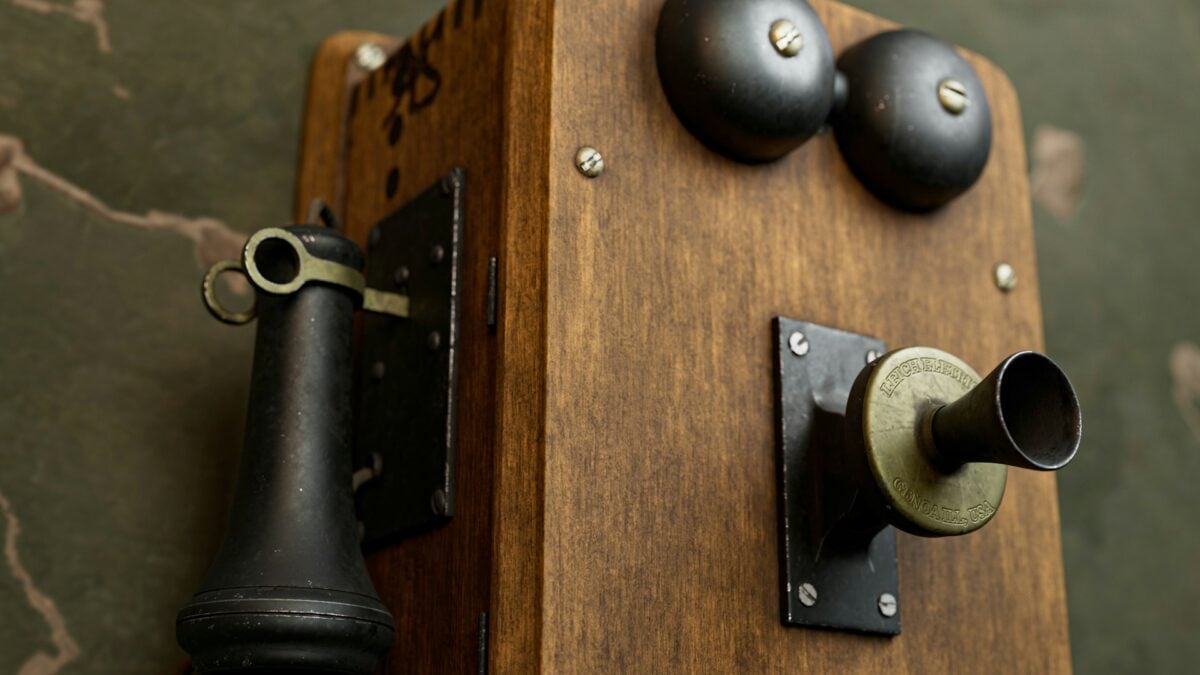
When Alexander Graham Bell introduced the telephone in 1876, many people thought it was a pointless toy. Western Union, one of the biggest communication companies at the time, turned down the chance to buy the patent for just $100,000.
They called it an “electrical toy” with no commercial value. Newspapers questioned why anyone would want to talk to someone who wasn’t in the same room.
Business leaders believed telegrams worked just fine and saw no reason to change. Within a few decades, the telephone became one of the most important communication tools ever invented.
Mechanical washing machines

Housewives in the early 1900s actually protested against washing machines. Many women feared these devices would take away their purpose and identity as homemakers.
Religious groups claimed that making housework too easy would lead to laziness and moral decline. Some husbands refused to buy them because they thought their wives needed to earn their keep through hard labor.
The machines were also expensive and broke down often, which didn’t help their reputation. Eventually, as models improved and became affordable, resistance faded away.
Like Go2Tutors’s content? Follow us on MSN.
The printing press
Johannes Gutenberg’s printing press faced harsh criticism when it appeared in the 1440s. The Catholic Church worried that widespread access to books would spread dangerous ideas and challenge their authority.
Scribes who made their living copying books by hand saw the press as a threat to their jobs. Many scholars believed that mass-produced books would be inferior to hand-copied manuscripts.
Some even argued that reading too many books would overwhelm and confuse people’s minds. Despite all this pushback, the printing press sparked a revolution in knowledge and literacy.
Umbrellas for men

When umbrellas first appeared in England during the 1700s, men who carried them faced public ridicule. Society viewed umbrellas as feminine accessories that no respectable man would use.
Men who used them were mocked, called weak, and sometimes even physically attacked on the streets. The expectation was that real men should just endure the rain without complaint.
Jonas Hanway, an English traveler, became famous simply for being one of the first men brave enough to carry an umbrella regularly. It took nearly 30 years before umbrellas became acceptable for men to use.
Coffee

Coffee faced intense opposition when it first reached Europe in the 16th century. Religious leaders called it the “bitter invention of Satan” and tried to ban it completely.
Some people believed coffee would make drinkers sterile or drive them insane. In 1511, leaders in Mecca actually banned coffee houses because they thought people were using them to plot against the government.
Pope Clement VIII was asked to ban coffee for Christians, but he tasted it first and liked it so much he gave it his blessing instead. Coffee went from being considered evil to becoming one of the world’s most popular drinks.
Like Go2Tutors’s content? Follow us on MSN.
Anesthesia during childbirth

Doctors who tried to use pain relief during childbirth in the 1800s faced fierce criticism. Religious leaders argued that women were supposed to suffer during labor as punishment for Eve’s sin in the Bible.
The medical community worried that removing pain would interfere with the natural birthing process. Some people believed that labor pain was necessary for mothers to properly bond with their babies.
Queen Victoria’s use of chloroform during childbirth in 1853 helped change public opinion. Before that, women who wanted pain relief were often shamed and judged harshly.
The automobile
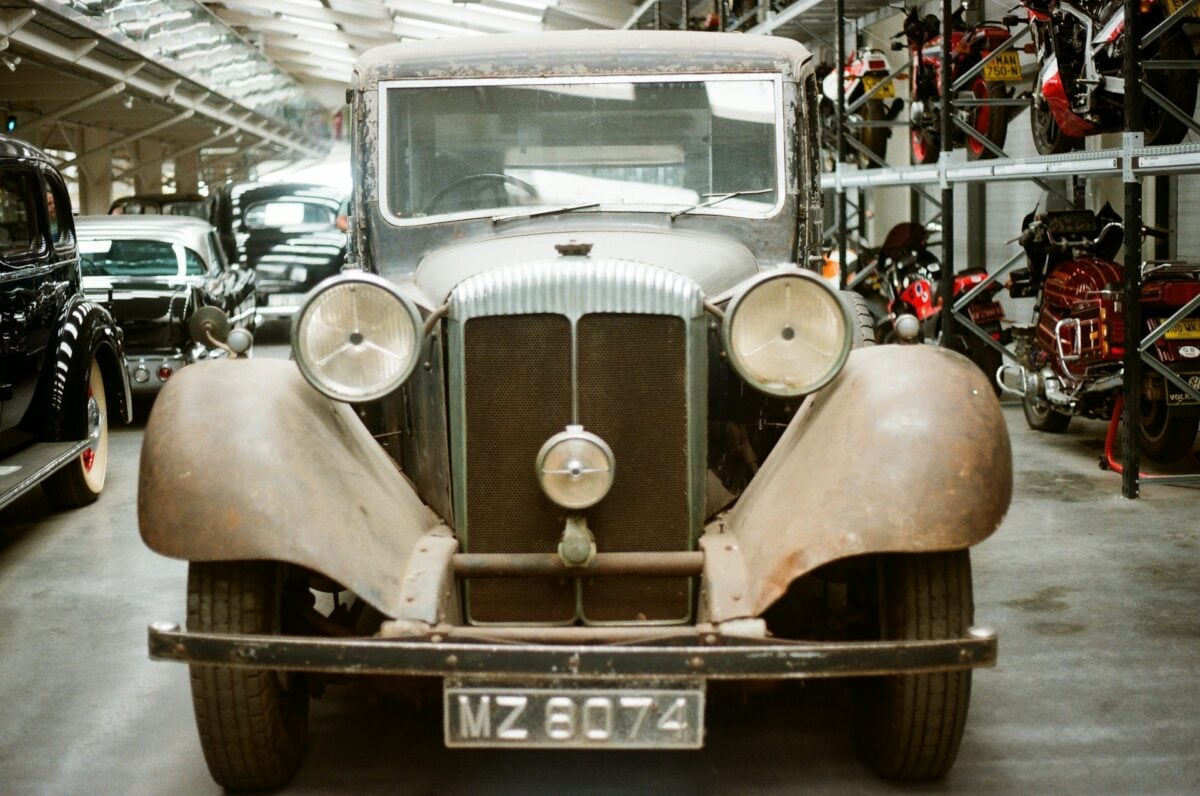
Early cars were seen as dangerous, noisy, and completely impractical by most people. Many towns passed laws requiring someone to walk in front of cars waving a red flag to warn people.
Horses and carriages were considered far more reliable and sensible. Doctors warned that the human body wasn’t designed to travel faster than 20 miles per hour and predicted serious health problems.
Some people believed cars would never catch on because they required too much maintenance. The negative reaction was so strong that car owners often faced harassment and vandalism.
Forks

Forks were considered pretentious and even sinful when they first appeared in Europe during the Middle Ages. The Catholic Church condemned forks as excessive luxury and an insult to God.
People believed that since God gave humans fingers, using forks showed a lack of gratitude. An Italian noblewoman who brought forks to Venice in the 11th century was widely criticized, and when she died of plague, preachers said it was divine punishment.
Even centuries later, many people still ate with their hands because forks seemed unnecessarily fancy. Forks didn’t become common table items until the 1700s.
Like Go2Tutors’s content? Follow us on MSN.
Recorded music

Thomas Edison’s phonograph was dismissed as a parlor trick when he invented it in 1877. Music critics insisted that recorded sound could never replace live performances. Many musicians feared that records would put them out of work because people wouldn’t pay to see concerts anymore.
The sound quality was poor at first, which gave critics plenty of ammunition. Some people found the idea of a machine capturing and replaying sound to be unnatural or even spooky.
Within a few decades, recorded music became a massive industry that changed entertainment forever.
The bicycle

Bicycles caused moral panic when they became popular in the 1890s. Doctors warned that cycling would cause everything from insanity to spinal damage to something called “bicycle face” (a permanent grimace).
Religious leaders worried that bicycles gave young people too much freedom to escape supervision. Women who rode bicycles faced especially harsh criticism for being unladylike and immodest.
Some physicians claimed that cycling would damage women’s reproductive systems. Despite all the fear and criticism, bicycles became an important tool for transportation and women’s independence.
Lightning rods

Benjamin Franklin’s lightning rods faced strong religious opposition in the 1750s. Many clergymen believed that lightning was God’s tool for punishing sinners, and preventing it was going against divine will.
Some communities actually outlawed lightning rods on religious grounds. Churches that installed lightning rods were accused of showing a lack of faith in God’s protection.
When a French ammunition depot with lightning rods survived a storm while a nearby church without them was destroyed, opinions started to change. Franklin faced years of mockery and criticism before his invention gained acceptance.
Like Go2Tutors’s content? Follow us on MSN.
The internet

The internet was dismissed as a passing fad by major figures well into the 1990s. A Newsweek article from 1995 mocked the internet and predicted it would never replace newspapers, television, or in-person shopping.
Many business leaders saw no commercial potential in it whatsoever. Teachers and parents worried that the internet would isolate children and replace real human interaction.
Some experts believed that the infrastructure required would make widespread internet use impossible. Few inventions have proved their critics more wrong than the internet.
Eyeglasses

When eyeglasses first appeared in the 13th century, many people viewed them with deep suspicion. Some believed that wearing glasses was a form of vanity and deception because they artificially improved what God had created.
Others thought glasses were witchcraft or involved dark magic. The Church discouraged their use, arguing that poor vision was part of God’s plan. Wearing glasses often led to social stigma and mockery.
It took centuries before eyeglasses became a normal and accepted way to correct vision problems.
Margarine

Margarine faced such fierce opposition that the dairy industry successfully banned or restricted it in many places. In the United States, several states actually made it illegal to color margarine yellow because it competed with butter.
Some states required margarine to be dyed pink to make it less appealing. Dairy farmers lobbied hard against margarine, calling it a dangerous fake food. Restaurants that served margarine instead of butter faced boycotts and backlash.
The “butter versus margarine” wars lasted for decades before margarine gained acceptance.
Like Go2Tutors’s content? Follow us on MSN.
Canned food

People in the 1800s were deeply suspicious of food that came in metal cans. Many believed that canned food was poisonous or would cause disease.
The early canning process sometimes did cause lead poisoning, which reinforced these fears. Canned food was seen as something only poor people or soldiers would eat out of desperation.
Homemakers felt insulted by the suggestion that they should use canned food instead of cooking from scratch. It took improvements in safety and major marketing efforts before canned food became a normal part of grocery shopping.
Vaccination

Edward Jenner’s smallpox vaccine faced massive resistance when he introduced it in 1796. Religious groups claimed that injecting people with material from cows was against God’s will and morally wrong.
Political cartoons showed people growing cow parts after receiving the vaccine. Many doctors refused to administer it and called Jenner a quack.
Anti-vaccination leagues formed across Europe and America, holding protests and spreading fears. Despite saving millions of lives, vaccines continue to face some opposition even today.
The crossbow
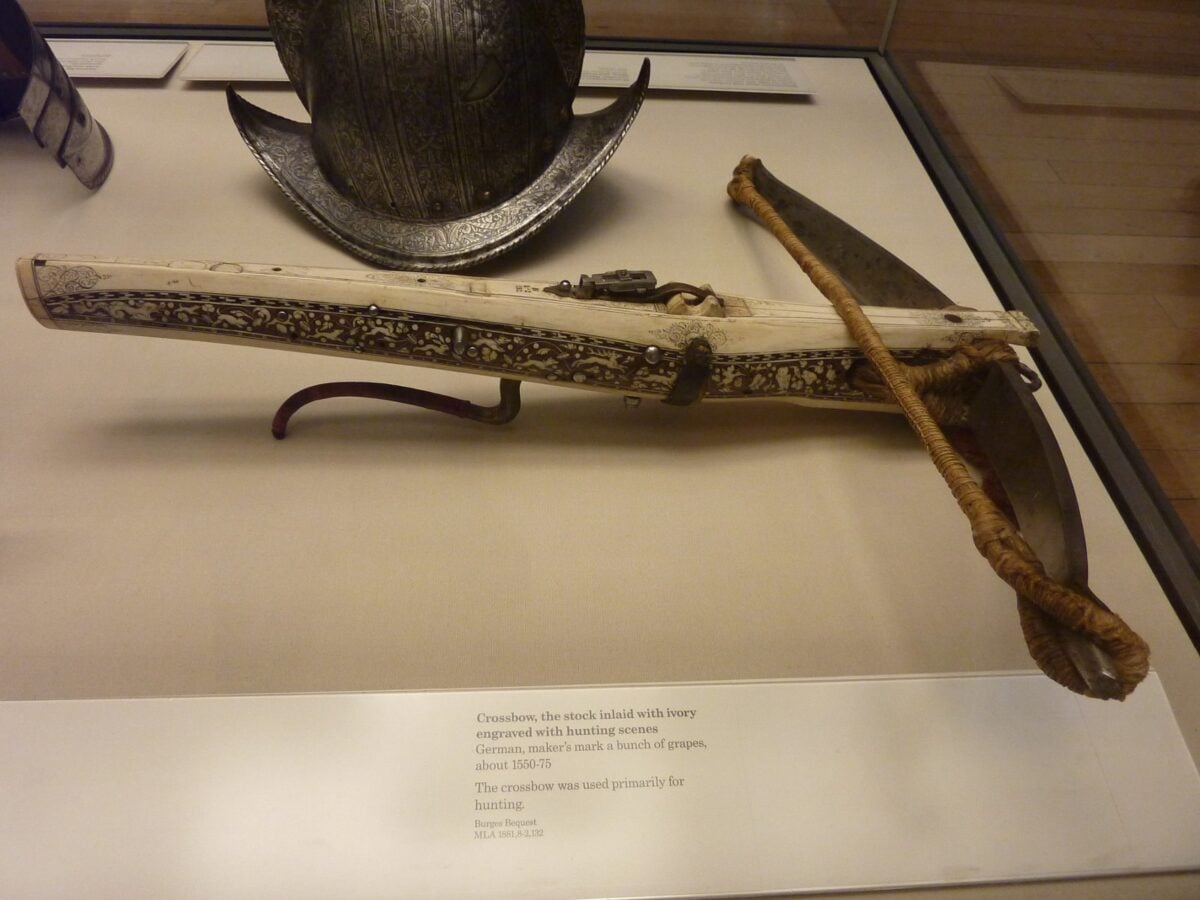
Medieval society tried to ban crossbows because they were considered unfair weapons. The Catholic Church declared crossbows too deadly and banned their use against Christians in 1139.
Knights and nobility hated crossbows because they allowed common soldiers to kill armored warriors from a distance. The weapon was seen as cowardly compared to facing someone in direct combat.
Crossbows challenged the entire social order by making warfare less dependent on years of training. Despite religious bans and social opposition, crossbows remained in use because they were simply too effective to abandon.
Like Go2Tutors’s content? Follow us on MSN.
Frozen food

Clarence Birdseye’s frozen foods faced skepticism and disgust when they appeared in the 1920s. Most people believed that frozen food was inferior, tasteless, and probably unsafe to eat.
Shoppers associated freezing with spoilage rather than preservation. Grocery stores didn’t want to invest in expensive freezer equipment for a product they thought wouldn’t sell.
Many cooks saw using frozen food as admitting they were lazy or bad at their jobs. It took decades of marketing, improvements in freezing technology, and changing lifestyles before frozen food became normal.
From rejection to everyday life

Looking back at these inventions shows how wrong initial reactions can be. What seemed threatening, unnecessary, or even evil often became essential to modern life.
Society tends to resist change, especially when new inventions challenge existing beliefs, jobs, or ways of doing things. Understanding this pattern helps put today’s debates about new technology into perspective.
The next time something new faces criticism, it might just be following the same path these inventions took from rejection to acceptance.
More from Go2Tutors!

- 16 Historical Figures Who Were Nothing Like You Think
- 12 Things Sold in the 80s That Are Now Illegal
- 15 VHS Tapes That Could Be Worth Thousands
- 17 Historical “What Ifs” That Would Have Changed Everything
- 18 TV Shows That Vanished Without a Finale
Like Go2Tutors’s content? Follow us on MSN.



