Inventions That Were Inspired By Science Fiction
Science fiction has always lived in that sweet spot between wild imagination and actual possibility. Writers and filmmakers dreamed up gadgets and gizmos that seemed impossibly futuristic, yet somehow, scientists and inventors couldn’t shake those ideas from their minds.
Fast forward a few decades, and suddenly those ‘impossible’ devices are sitting in our pockets or revolutionizing entire industries.Here is a list of 16 inventions that were inspired by science fiction.
Cell Phones

Martin Cooper led the team at Motorola that created the first mobile phone in the early 1970s, and he openly credited Star Trek as a major influence. The handheld communicators that Captain Kirk flipped open weren’t just cool props—they represented an objective for Cooper’s team.
That flip phone design from the 1990s? That was Motorola paying direct homage to the Star Trek universe that sparked the whole idea in the first place.
Submarines
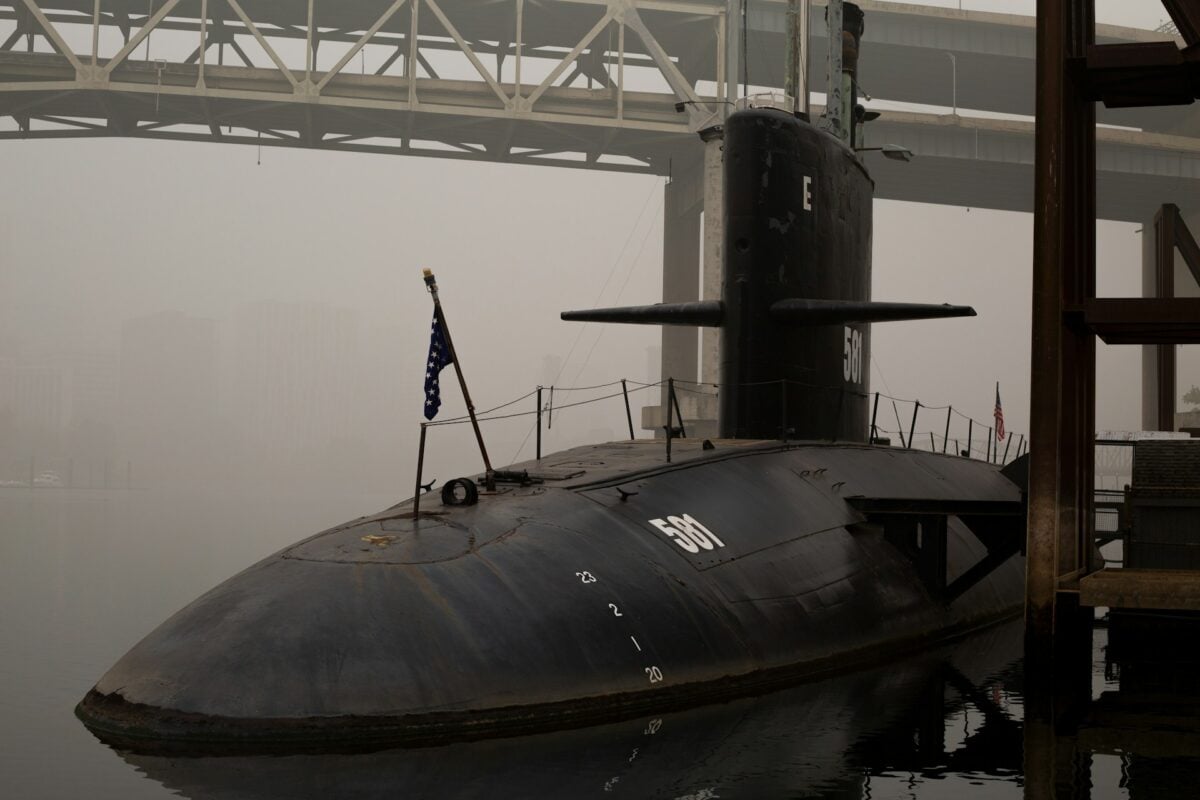
Simon Lake read Jules Verne’s Twenty Thousand Leagues Under the Sea as a kid in the 1870s and became completely obsessed with the idea of underwater travel. Captain Nemo’s Nautilus wasn’t just a fictional vessel to him—it was a blueprint for what could exist.
In 1898, Lake completed the Argonaut, recognized as the world’s first successful open-water submarine, proving that Verne’s underwater adventures were more prophetic than anyone had imagined.
Like Go2Tutors’s content? Follow us on MSN.
Tablets

Stanley Kubrick and Arthur C. Clarke showed characters using flat tablet-like devices to read news in 1968’s 2001: A Space Odyssey, calling them ‘newspads.’ This was decades before anyone thought portable computing could shrink down to something you’d casually hold while eating breakfast.
When Apple tried to claim they invented the tablet with the iPad, Samsung actually used footage from Kubrick’s film in court to argue otherwise, showing that the concept had been visualized long before Steve Jobs took the stage.
Tasers
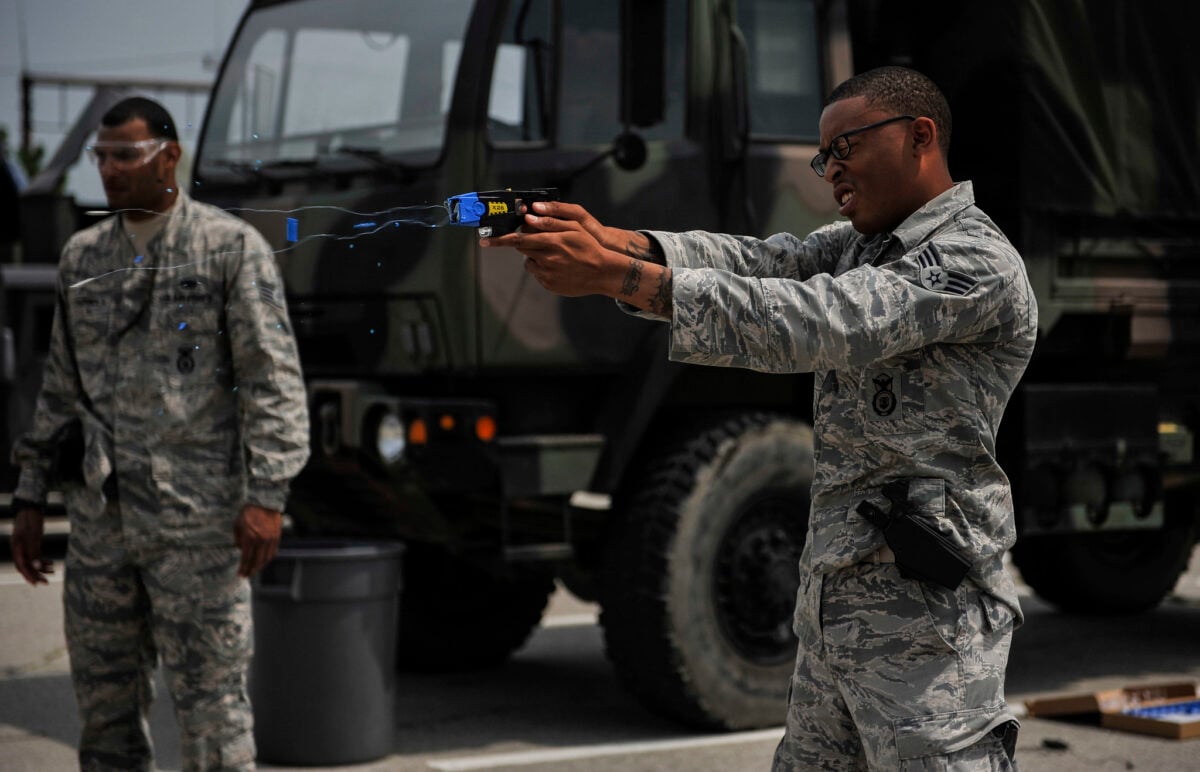
NASA physicist Jack Cover was a huge fan of the Tom Swift book series, particularly the 1911 novel Tom Swift and His Electric Rifle. The young inventor character used a rifle that fired electricity instead of bullets, which seemed like pure fantasy at the time.
Cover loved the idea so much that when he invented his electronic weapon in 1974, he literally named it TASER—an acronym standing for Thomas A. Swift’s Electric Rifle.
Liquid-Fueled Rockets
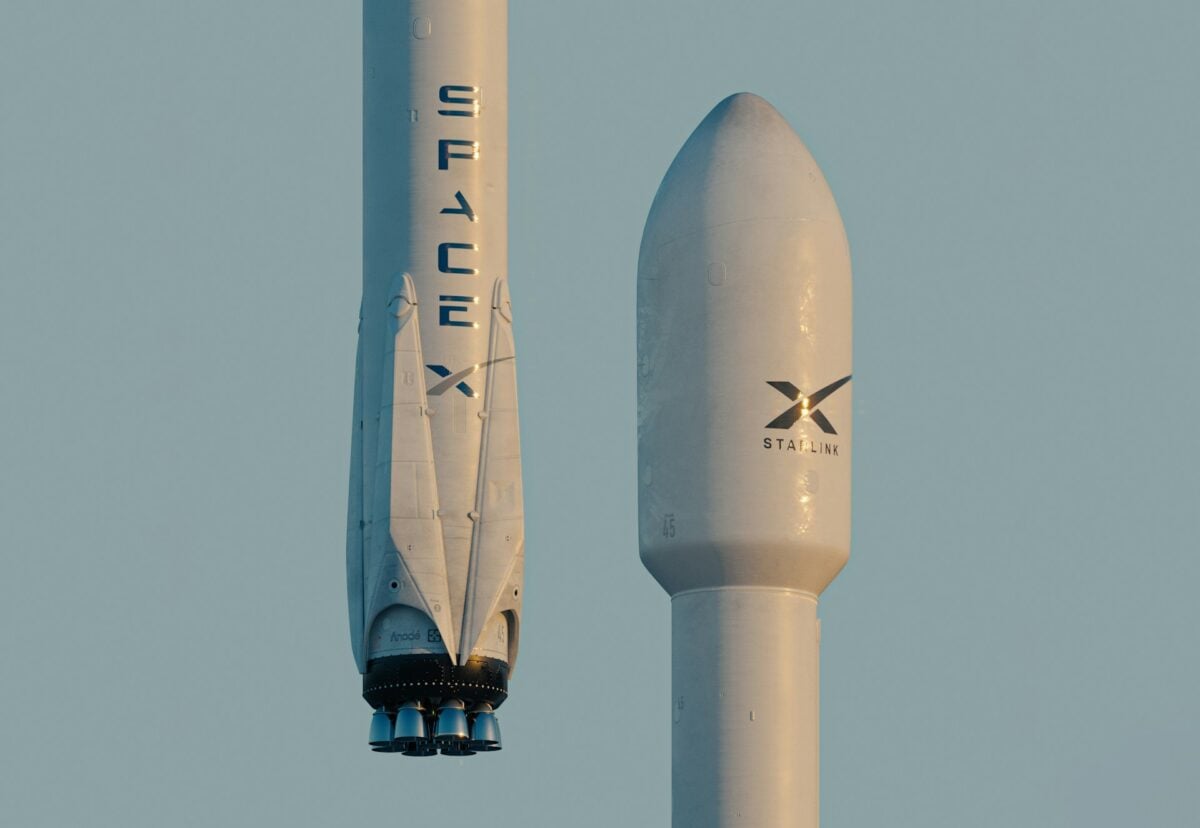
Robert Goddard read H.G. Wells’ War of the Worlds in 1898 and found himself completely gripped by the concept of interplanetary flight. That newspaper serialization about Martians invading Earth didn’t just entertain him—it fundamentally changed the direction of his life.
On March 16, 1926, Goddard successfully launched the first liquid-fueled rocket, directly crediting Wells’ novel for igniting his fascination with spaceflight.
Like Go2Tutors’s content? Follow us on MSN.
Helicopters

Igor Sikorsky discovered Jules Verne’s Clipper of the Clouds as a young boy and never forgot the author’s vision of vertical flight. Verne imagined aircraft that could hover and maneuver in ways that seemed magical in the 1800s.
Sikorsky often quoted Verne’s famous line—’Anything that one man can imagine, another man can make real’—and he proved it by inventing the modern helicopter, turning Verne’s fictional flying machines into actual engineering.
Earbuds

Ray Bradbury’s 1953 novel Fahrenheit 451 described tiny devices called ‘Seashells’ that fit into people’s ears and delivered constant audio. This was truly radical thinking for an era when headphones were bulky contraptions that clamped over your entire head.
Bradbury imagined personal audio devices roughly the size of your thumb, and now we have AirPods and similar earbuds that fit his description almost perfectly.
Credit Cards

Edward Bellamy’s 1888 novel Looking Backward imagined a socialist utopia in the year 2000 where citizens used cards for purchases. His description was eerily specific—he even predicted the concept of receipts for both customer and merchant.
While Bellamy got plenty of things wrong about the future, his vision of cashless payment cards turned out to be spot-on, though capitalism rather than socialism ended up delivering them.
Like Go2Tutors’s content? Follow us on MSN.
Video Calling
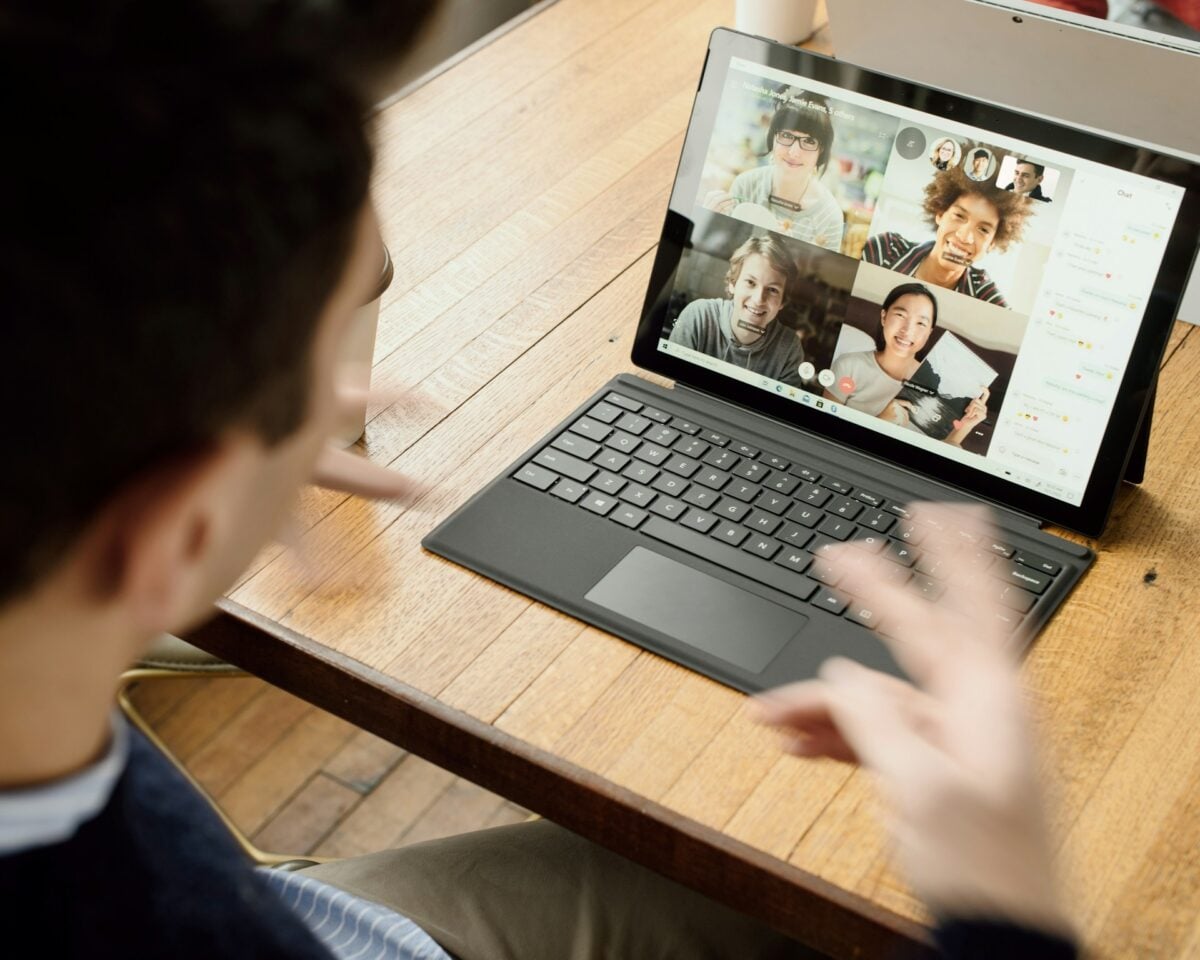
Hugo Gernsback described the ‘telephot’ in his 1911 novel Ralph 124C 41+, a device that would let people see each other while talking across long distances. He included details about adjustable picture quality and volume that now seem obvious but were pure imagination before television even existed.
The concept also appeared in 2001: A Space Odyssey, where characters video called from a space station to Earth, decades before FaceTime and Zoom became household names.
Voice Assistants
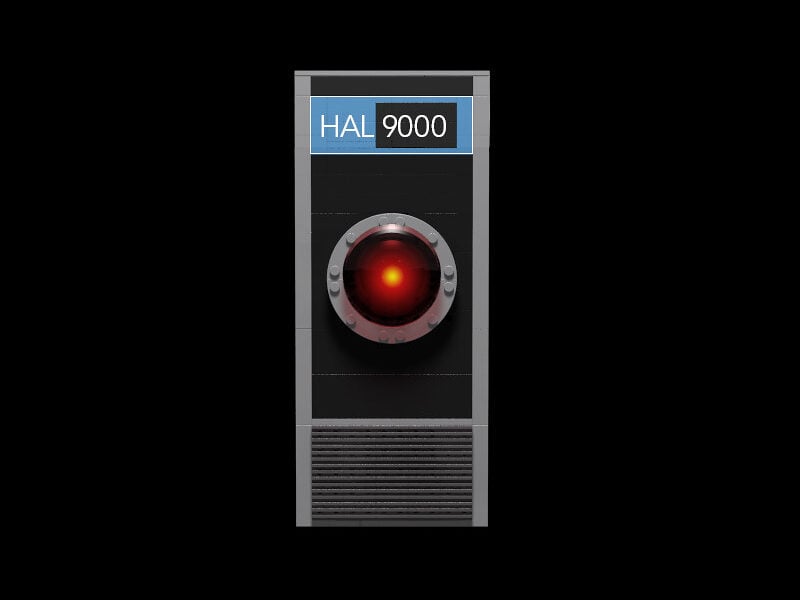
Stanley Kubrick’s HAL 9000 in 2001: A Space Odyssey demonstrated what a voice-controlled computer could do, sparking serious interest in making that technology real. While Bell Labs had been working on voice recognition since the 1950s with their ‘Audrey’ system, Kubrick’s film showed people what the true possibilities could look like. T
oday’s Siri, Alexa, and Google Assistant owe a debt to that talking computer from the Jupiter mission, even if they’re hopefully less homicidal.
QuickTime
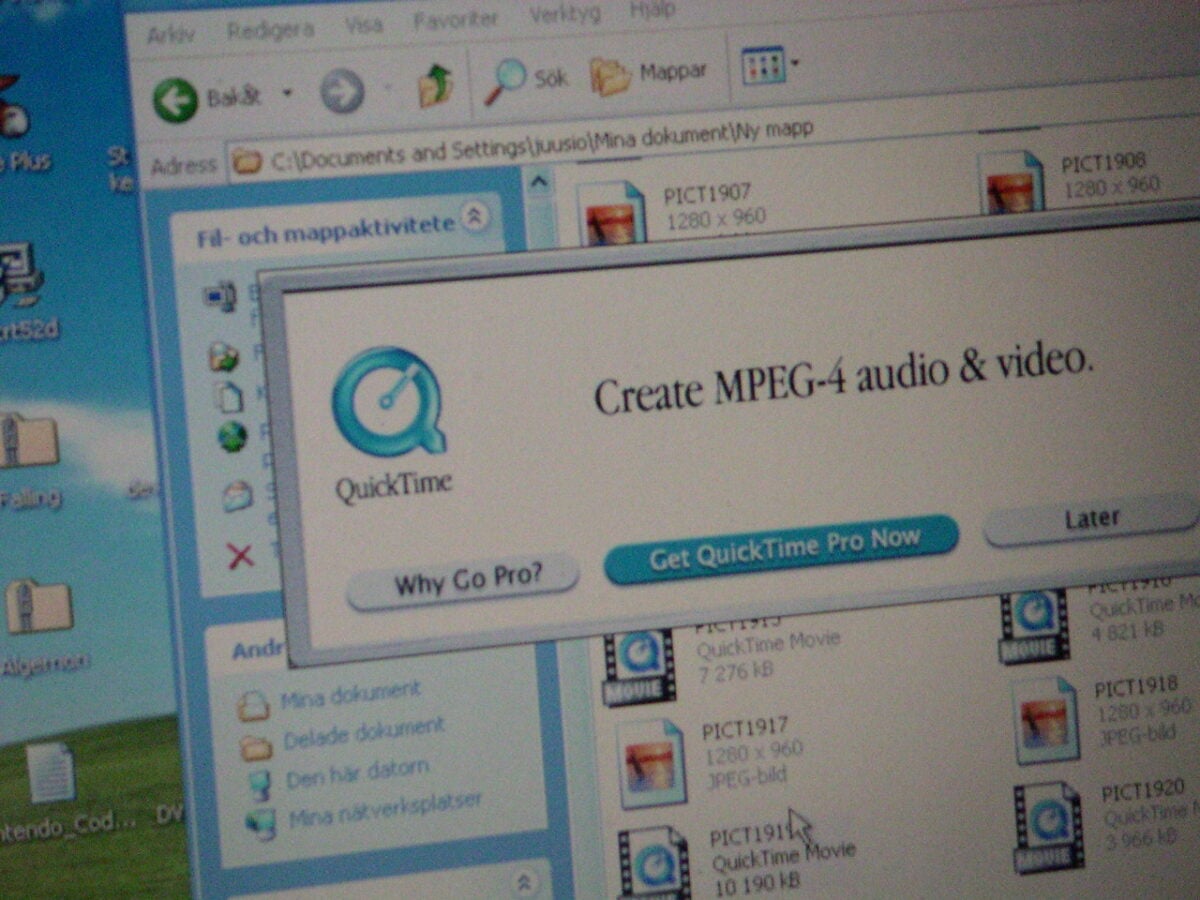
Apple scientist Steve Perlman got the inspiration for QuickTime after watching Star Trek: The Next Generation, where a character was listening to multiple music tracks simultaneously on a computer. This wasn’t some vague influence—Perlman directly credits that specific episode for sparking the idea behind the groundbreaking multimedia program.
It’s a perfect example of how even small details in science fiction can plant seeds that grow into major technological innovations.
Like Go2Tutors’s content? Follow us on MSN.
GPS Technology
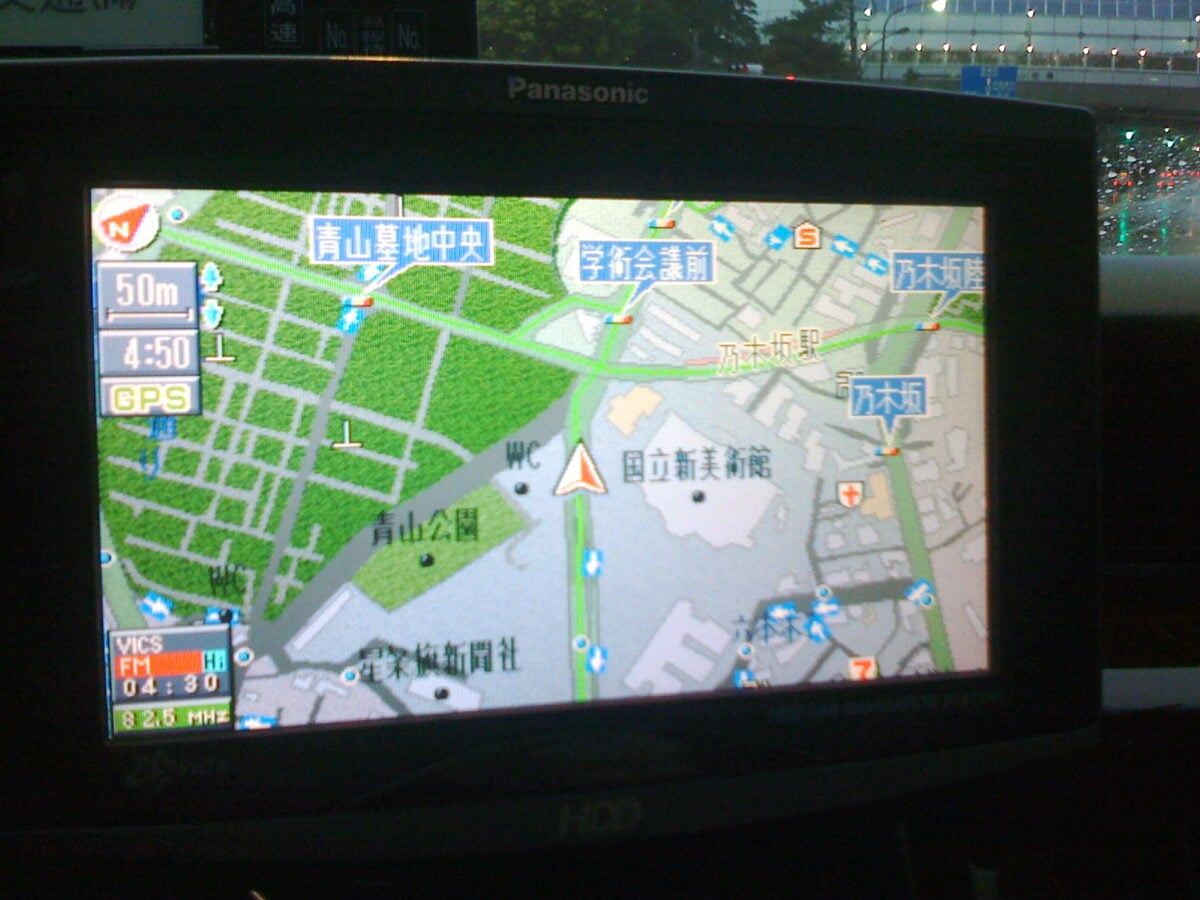
Star Trek featured characters using sophisticated positioning systems to beam people up from planetary surfaces and track locations across vast distances. The show’s depiction of precise coordinate-based navigation inspired real engineers to develop satellite-based positioning.
In 1995, the United States launched 27 satellites to create the Global Positioning System, and now GPS guides everything from your morning commute to agricultural drones.
The Word ‘Robot’
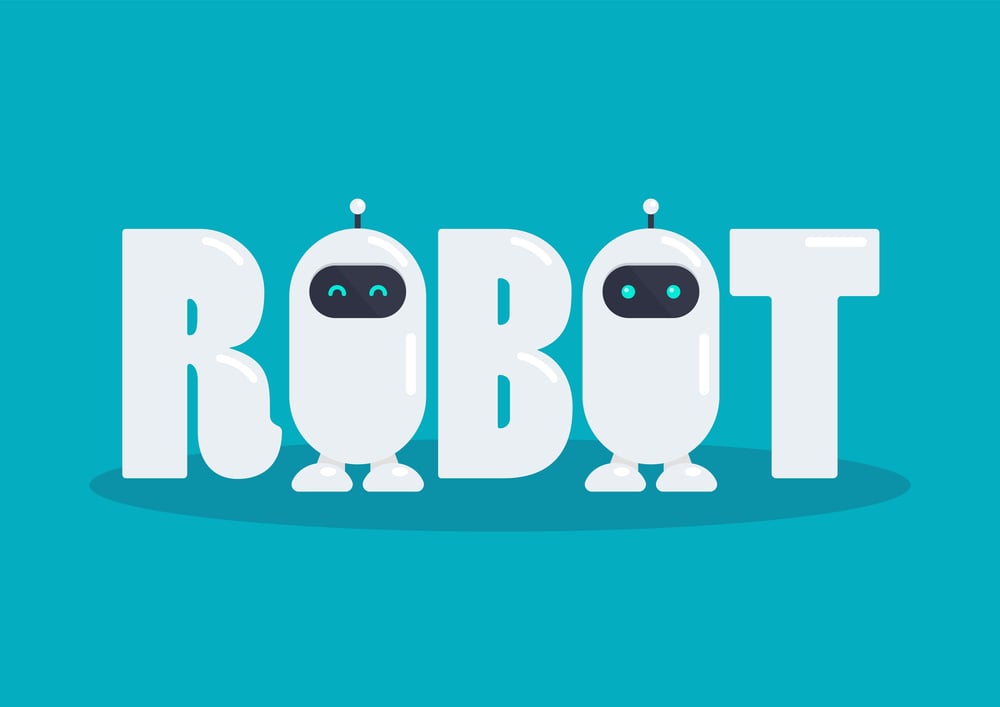
Czech writer Karel Čapek literally invented the term ‘robot’ in his 1920 play R.U.R., which stands for Rossum’s Universal Robots. The word comes from the Czech ‘robotnik,’ meaning forced worker.
His play imagined android factory workers who eventually rebel against humanity, establishing both the terminology and many of the themes that would dominate discussions about artificial intelligence and automation for the next century.
Self-Driving Cars
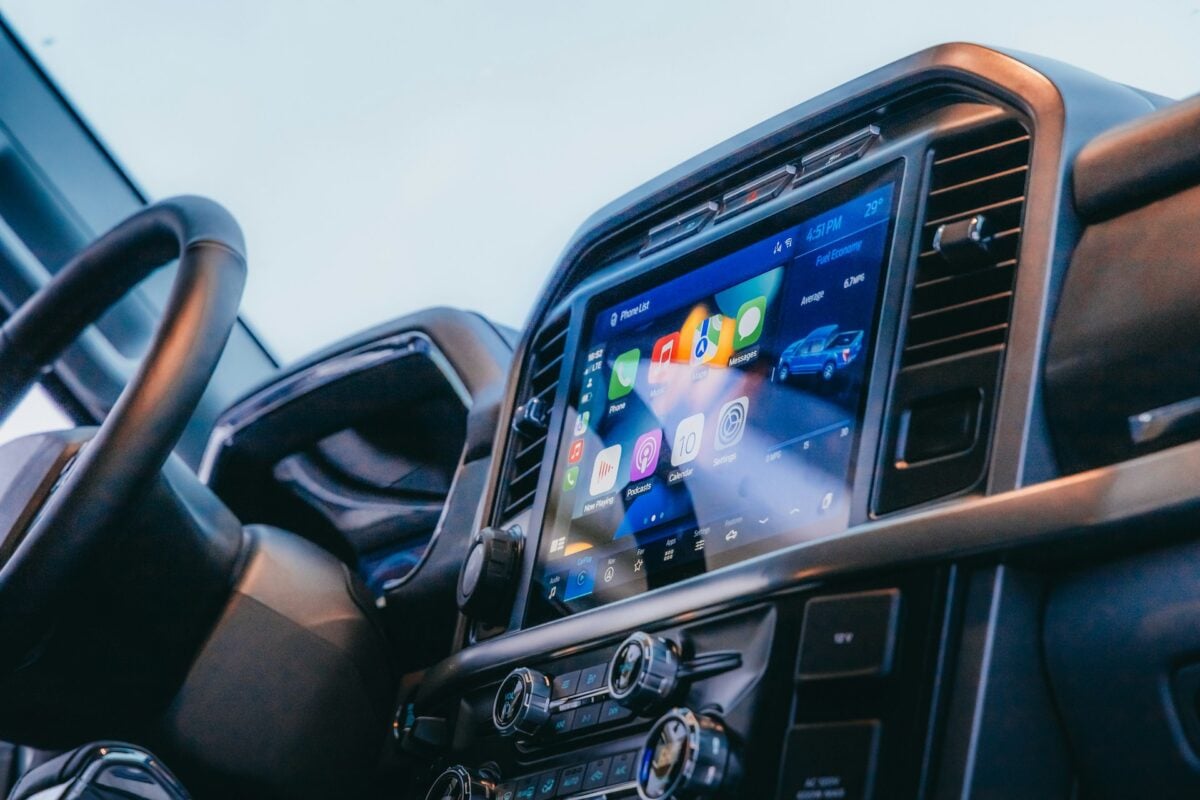
Isaac Asimov wrote about autonomous vehicles with ‘positronic’ brains that could navigate roads independently and make real-time decisions. His stories from the mid-20th century didn’t just imagine the technology—they explored the ethical implications and societal impacts.
Today, companies like Tesla, Uber, and Google are racing to perfect self-driving vehicles, wrestling with many of the same questions Asimov raised decades ago about machine decision-making and safety.
Like Go2Tutors’s content? Follow us on MSN.
Virtual Reality Worlds

Neal Stephenson coined the term ‘Metaverse’ in his 1992 novel Snow Crash, describing an immersive virtual world where people lived digital lives. His vision was actually dystopian—characters preferred virtual reality because their real lives were so bleak.
When Facebook rebranded as Meta in 2021, many people pointed out the ironic disconnect between Stephenson’s cautionary tale and Meta’s cheerful promises about virtual workspaces and shopping experiences.
Atomic Power

H.G. Wells described atomic power in his 1913 novel The World Set Free, imagining energy released from splitting atoms. Hungarian-German-American physicist Leo Szilard read Wells’ work and couldn’t let go of the idea.
Twenty years later, Szilard patented the concept of a nuclear reactor with Enrico Fermi, though Wells had envisioned peaceful applications for atomic energy rather than the bombs that would eventually be developed.
From Page to Reality
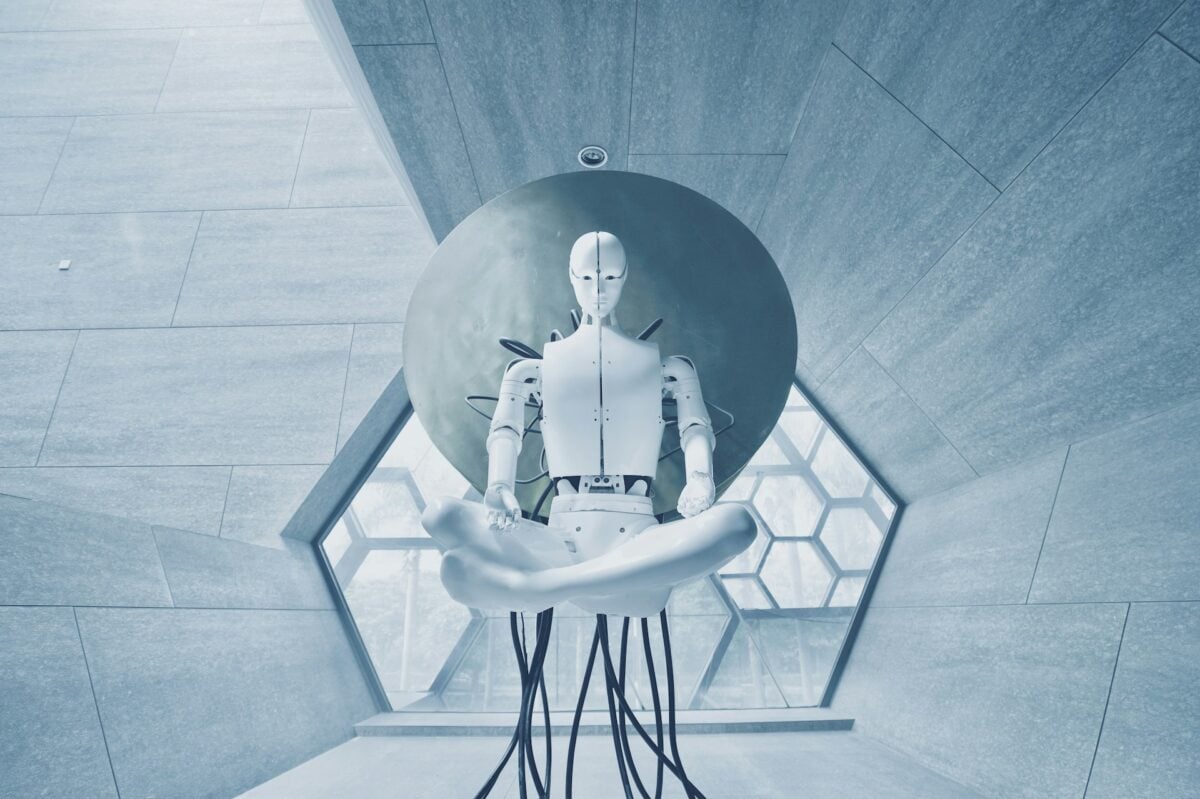
Science fiction writers weren’t fortune tellers with crystal spheres—they were observers who pushed current ideas to their logical extremes and asked ‘what if?’ Engineers and scientists who grew up reading these stories or watching these shows carried those images into their labs and workshops. The relationship between imagination and innovation turns out to be a feedback loop, where fiction inspires reality, which then inspires even bolder fiction.
What seems impossible today might just be waiting for someone to read the right book.
More from Go2Tutors!

- 16 Historical Figures Who Were Nothing Like You Think
- 12 Things Sold in the 80s That Are Now Illegal
- 15 VHS Tapes That Could Be Worth Thousands
- 17 Historical “What Ifs” That Would Have Changed Everything
- 18 TV Shows That Vanished Without a Finale
Like Go2Tutors’s content? Follow us on MSN.



