TV Characters Who Broke the Fourth Wall
Breaking the fourth wall is one of television’s boldest storytelling tricks. When a character suddenly looks straight at you through the screen and starts talking, it’s like being let in on the show’s biggest secret. This technique transforms passive viewers into active participants, making us feel like we’re sitting right there with the characters.
The fourth wall concept comes from theater, where three physical walls surround the stage and an imaginary fourth wall separates performers from the audience. When TV characters shatter this invisible barrier, they create moments that can be hilarious, shocking, or deeply personal.
Here is a list of TV characters who mastered the art of talking directly to their audience.
Malcolm Wilkerson

Malcolm from Malcolm in the Middle routinely broke the fourth wall by both narrating in voice-over and talking directly to the viewer on camera. The gifted middle child used his conversations with viewers as a way to cope with his chaotic family life. Since he considers others to be less intelligent than him, he enjoys making fun of things that he deems stupid. Malcolm’s direct addresses felt like getting insider commentary from someone who truly understood how absurd his world was.
Frank Underwood

Frank Underwood’s thoughts throughout the House of Cards series are presented in a direct address to the audience, a narrative technique known as breaking the fourth wall. The ruthless politician used his camera conversations to explain his Machiavellian schemes and political manipulations. By explaining what exactly he is going to do, Frank continuously makes House of Cards viewers eager to see how events play out. His southern drawl made even the most devious plans sound almost charming.
Zack Morris

Every episode of the sitcom Saved by the Bell breaks the fourth wall during the introduction by the character Zack Morris. The blonde schemer had the ultimate teenage superpower – he could freeze time by calling ‘time out’ and then explain his latest plan to viewers. How many of us as teenagers wished that we had the ability to freeze time and consider everything that was going on around us so we could make the best decision? Zack made breaking the fourth wall look effortless and cool.
Clarissa Darling
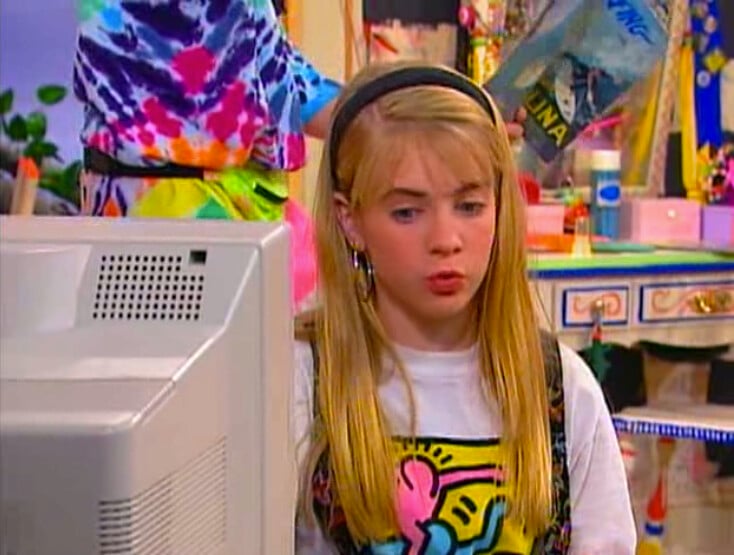
Clarissa Darling was a young lady who seemed like an adult to those in the right age bracket. When she spoke to the audience directly, sometimes in the form of her own show within a show, it made her seem more mature and like her problems mattered. The quirky teenager from Clarissa Explains It All treated viewers like trusted friends who deserved the real story about her life. Her fourth wall breaks made typical teenage problems feel important rather than trivial.
Will Smith

The central character Will Smith was the one who did most of the talking to the camera and, in one episode, even went beyond breaking the fourth wall and broke the ceiling, acknowledging the set lighting above them. The charismatic lead of The Fresh Prince of Bel-Air used his direct addresses to share his fish-out-of-water perspective on Beverly Hills life. Will’s commentary helped viewers navigate the culture clash between street-smart Philadelphia and wealthy California.
Fleabag

The protagonist of Fleabag frequently uses the technique to provide exposition, internal monologues, and a running commentary to the audience. Phoebe Waller-Bridge’s character shared her most private thoughts and brutal observations about modern life with viewers. In Season 4, she forms a unique relationship with a Priest. After glancing at the audience for just a moment, the Priest turns directly into the camera and asks her what she’s looking at. This moment shocked audiences because it suggested someone else could see through her facade.
Bugs Bunny

With his sly remarks and literal winks to the camera, Bugs Bunny lets the audience feel like they are in on the joke with him, creating a welcoming atmosphere. The wise-cracking rabbit from Looney Tunes practically invented cartoon fourth wall breaking. Fourth wall breakage is common in comedy, and is used frequently by Bugs Bunny and other characters in Looney Tunes. His casual acknowledgments of the audience made viewers feel like they were part of the cartoon chaos.
Steve Burns

Steve would talk directly to the audience, encouraging them to talk back to the TV to ‘help’ him with questions he had. The beloved host of Blue’s Clues made fourth wall breaking essential to the show’s educational mission. Children across America would shout answers at their TV screens, genuinely believing Steve could hear them. His patient, encouraging tone made every viewer feel like they were the smartest kid in the room.
Deadpool

The Merc with a Mouth is still perfectly self-aware of his fictional existence and goes so far as pointing out flaws in the writing and poking fun at the actor who plays him when turning his head to the camera. Ryan Reynolds’ antihero took fourth wall breaking to extreme levels in his films and animated appearances. It seems this comic book anti-hero’s main power is breaking the fourth wall, and he kicks it off here by attacking the show’s title credits. Deadpool doesn’t just acknowledge the audience – he practically destroys the concept of fictional boundaries entirely.
Kermit the Frog

The Muppets, by wishing the viewers a Merry Christmas, closing A Muppet Family Christmas. The green felt leader frequently addressed viewers directly in various Muppet productions. They literally read the script for the movie during the movie. In the various films and TV shows breaking the fourth wall remained a common part of the comedic stylings of the Muppets’ world. Kermit’s gentle, earnest approach to fourth wall breaking made it feel natural rather than jarring.
George Burns

George Burns regularly broke the fourth wall on The George Burns and Gracie Allen Show (1950). The veteran comedian treated his conversations with the audience like casual chats with old friends. His relaxed, conversational style helped establish fourth wall breaking as a legitimate television technique. Burns made it look so easy that other comedians started copying his approach.
Dora the Explorer

In every episode, Dora talks to the viewers including Map and Backpack and others have as well in Seasons 3, 4, and 5. The adventurous cartoon girl made audience participation central to her educational mission. Children would eagerly respond to her questions about directions, colors, and Spanish words. Dora’s fourth wall breaking created an interactive experience that transformed passive TV watching into active learning.
Peter Griffin

Well, we could have probably gone with any character from ‘Family Guy,’ but Peter (and probably Stewie) broke the fourth wall the most. The crude patriarch of Family Guy uses his direct addresses to make meta-jokes about the show itself. Seth MacFarlane’s character often references the fact that he’s in an animated sitcom, complete with complaints about the writing and production decisions.
Marty Kaan

Not only did Marty address the audience; he also interacted with the environment. Marty would mess with other individuals in the scene or interact with the environment by, for example, kicking a ball. Don Cheadle’s character from House of Lies used his fourth wall breaks to explain the ruthless world of corporate consulting. This innovative way of using a well-trod device is what made the show unique. His sophisticated commentary elevated what could have been simple exposition.
Mr. Nobody

Thanks to his reality-warping abilities, the villain knows everything that’s happening — both in his world and in the real world. The antagonist from Doom Patrol used his fourth wall breaking to mock both heroes and viewers. An ever-arrogant person, Mr. Nobody normally uses this ability to mock both the heroes and viewers. His meta-commentary added an extra layer of chaos to an already surreal superhero show.
Abed Nadir
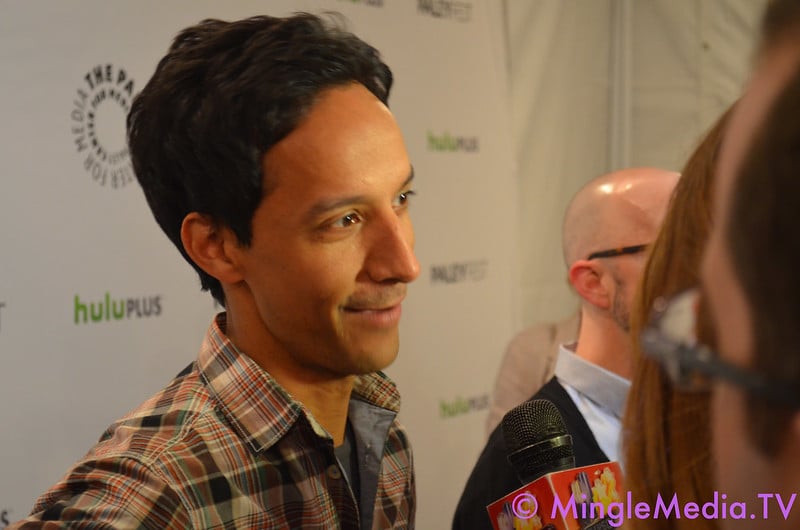
Danny Pudi’s Community character Abed often breaks the fourth wall to describe the tropes and plot structures being used in each episode. The pop culture-obsessed student treated his college life like episodes of a TV show. He treats each day like a new episode, each year at college like a season, and each of his friends like a member of an ensemble cast. Abed’s film school knowledge made his fourth wall breaks feel like getting insider commentary from a TV critic.
Francis Urquhart
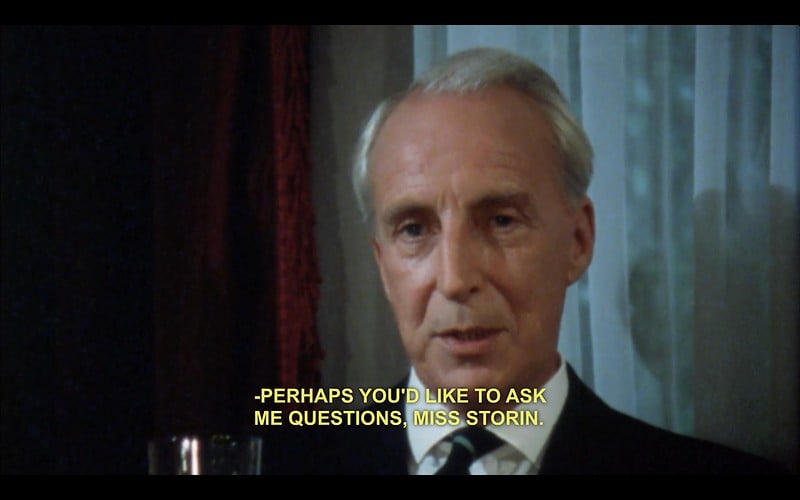
Francis Urquhart in the British TV drama series House of Cards, To Play the King and The Final Cut addresses the audience several times during each episode, giving the viewer comments on his own actions on the show. Ian Richardson’s scheming politician pioneered the political fourth wall break that would later influence Frank Underwood. His posh British delivery made even the most manipulative schemes sound almost polite.
Denny Crane

Taking on the role of the larger-than-life attorney who likes the sound of his own name, Shatner is constantly using the fourth wall throughout the series to communicate with the audience and to remind us how noteworthy his performance is. William Shatner’s Boston Legal character broke the fourth wall with the same theatrical flair he brought to Star Trek. His over-the-top delivery made every direct address feel like a performance within a performance.
SpongeBob SquarePants

SpongeBob SquarePants by looking at the screen and talks directly to the viewers, saying, ‘I guess crying does solve your problems after all’ after him and Patrick melted the glue that was dried on the wringer with tears in the episode, ‘Stuck in the Wringer’. The optimistic sponge occasionally addressed viewers directly during particularly emotional or absurd moments. His innocent approach to fourth wall breaking felt natural within the cartoon’s already surreal underwater world.
Elliot Alderson

What we did not realize until the end of the season was that Elliot was looking to the viewer to verify his reality as he gradually realized he was losing his mind. Rami Malek’s character from Mr. Robot used his direct addresses as a coping mechanism for his deteriorating mental state. The show’s twist revealed that his conversations with viewers were actually part of his psychological condition, adding a disturbing layer to what seemed like standard fourth wall breaking.
When Fiction Meets Reality

The art of breaking the fourth wall has evolved from simple theatrical convention to sophisticated storytelling tool. These characters didn’t just talk to their audiences – they invited viewers into their worlds as confidants, collaborators, and sometimes unwilling accomplices. Whether they were sharing secrets, explaining schemes, or simply acknowledging the absurdity of their situations, these TV personalities transformed the viewing experience from passive observation to active participation. Their direct addresses remind us that sometimes the most powerful connection between fiction and reality happens when characters dare to look us straight in the eye.
More from Go2Tutors!

- 16 Historical Figures Who Were Nothing Like You Think
- 12 Things Sold in the 80s That Are Now Illegal
- 15 VHS Tapes That Could Be Worth Thousands
- 17 Historical “What Ifs” That Would Have Changed Everything
- 18 TV Shows That Vanished Without a Finale
Like Go2Tutors’s content? Follow us on MSN.