Items That Have Been Found Perfectly Preserved After Hundreds of Years
Throughout history, certain extraordinary conditions have allowed objects to survive the relentless march of time. These remarkable discoveries offer us unfiltered windows into the past, presenting items not as we imagine them to have been, but exactly as they were when last touched by human hands centuries ago.
Here is a list of items that have been discovered in near-perfect condition despite spending hundreds of years hidden away from the modern world. Each tells a story that bridges the gap between our present and a distant past.
Ötzi the Iceman
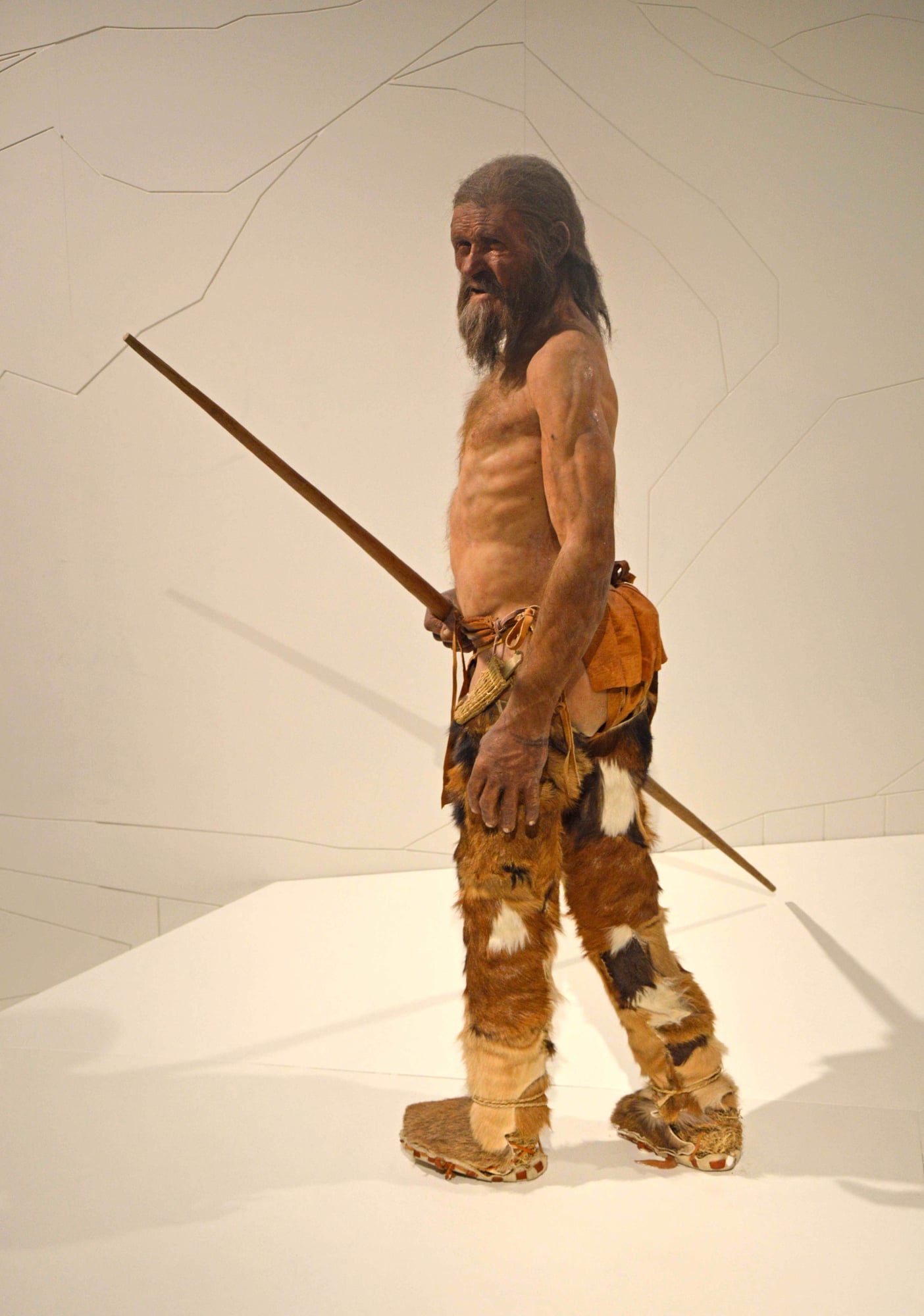
Discovered in the Alps in 1991, this mummified man was preserved by glacial ice so perfectly that researchers could identify his last meal and the tattoos on his skin. Ötzi carried a complete set of Neolithic tools, including a copper axe, a flint knife, and a yew bow, offering unprecedented insights into Stone Age life.
His equipment and clothing remained so well-preserved that scientists could determine exactly how Copper Age garments were constructed and worn.
The Terracotta Army
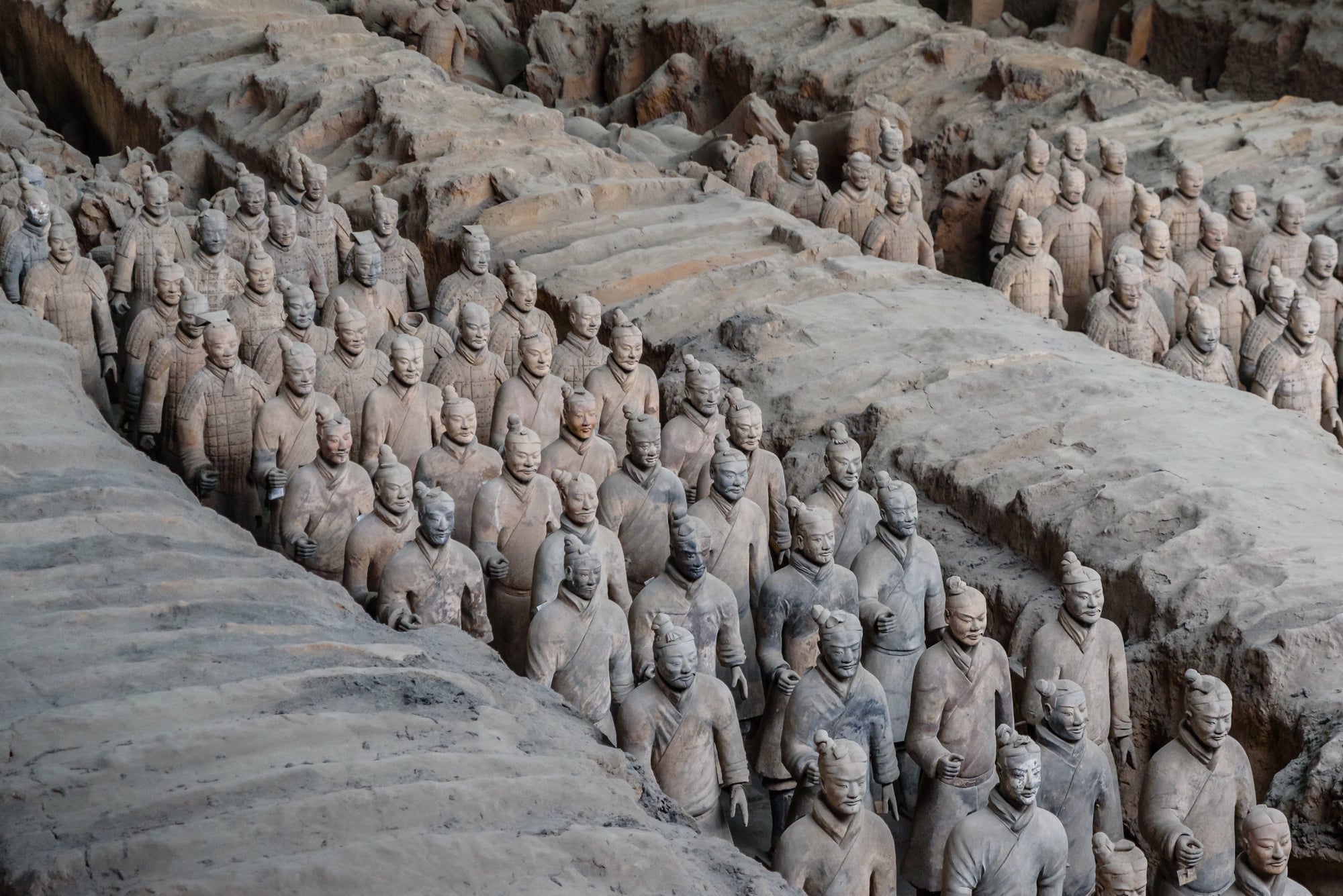
Unearthed in 1974 near Xi’an, China, this clay army of soldiers was created to guard Emperor Qin Shi Huang in the afterlife around 210 BCE. Each soldier features unique facial features and expressions, with original pigments still visible on many figures when first excavated.
The weapons carried by the warriors were found in remarkable condition, with many swords still sharp enough to cut paper after more than 2,000 years underground.
The Mary Rose
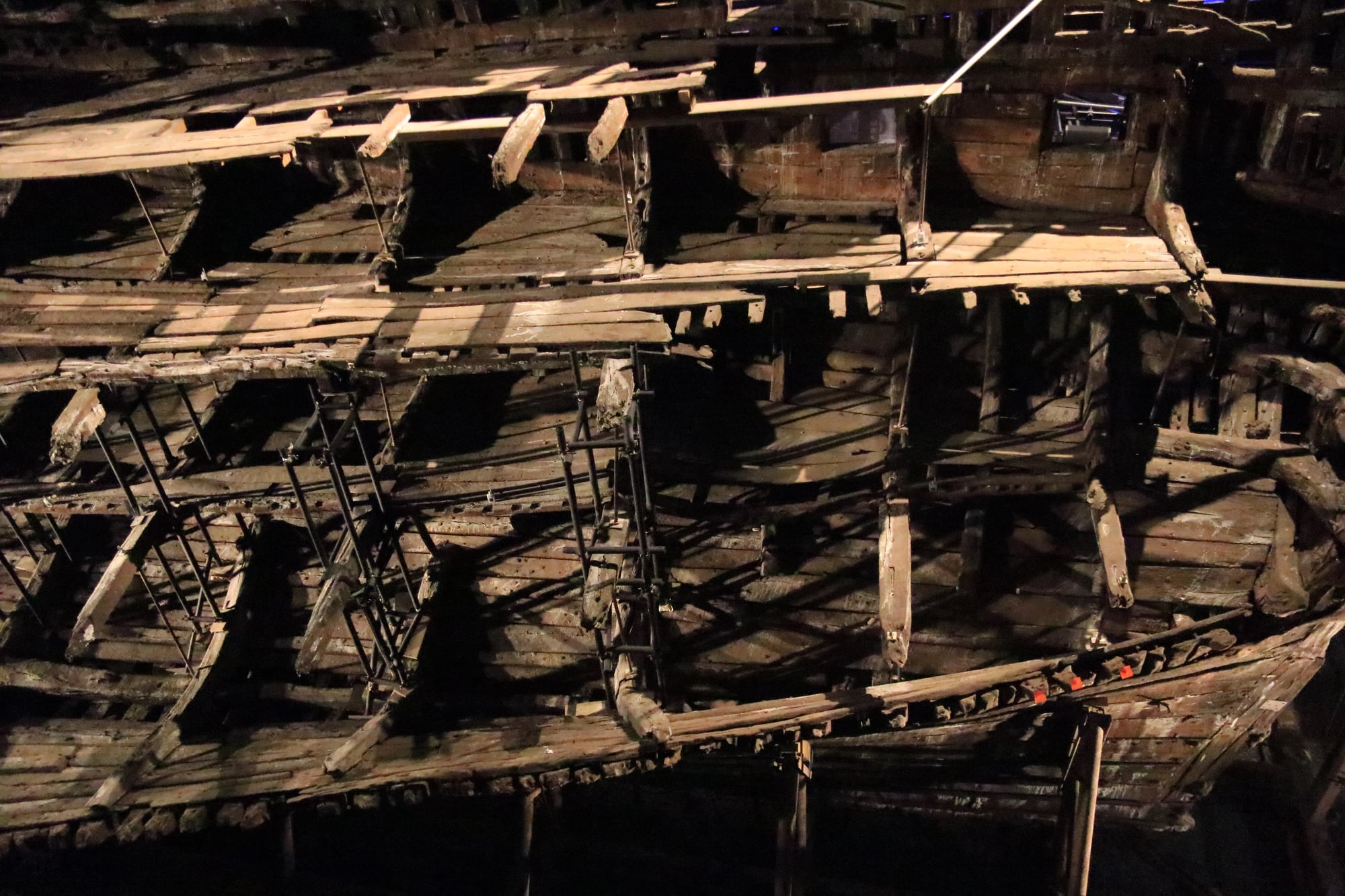
This Tudor warship sank in 1545 and was raised from the seabed in 1982, bringing with it an unprecedented collection of Tudor artifacts. Among the items recovered were leather shoes, wooden bowls still containing the remains of meals, and even a backgammon set with pieces arranged mid-game.
The anaerobic environment of the silty seabed created perfect conditions for preservation, allowing organic materials like wood, leather, and rope to survive nearly five centuries underwater.
Pompeii’s Food Remains

When Mount Vesuvius erupted in 79 CE, it entombed the city of Pompeii so rapidly that loaves of bread were preserved mid-bake in ovens. Archaeologists have found perfectly preserved figs, olives, nuts, and even a complete pot of stew that has maintained its form for nearly 2,000 years.
The volcanic ash created plaster-like casts around organic material, preserving the shape of everything from food to furniture to unfortunate residents caught in the disaster.
Bog Bodies
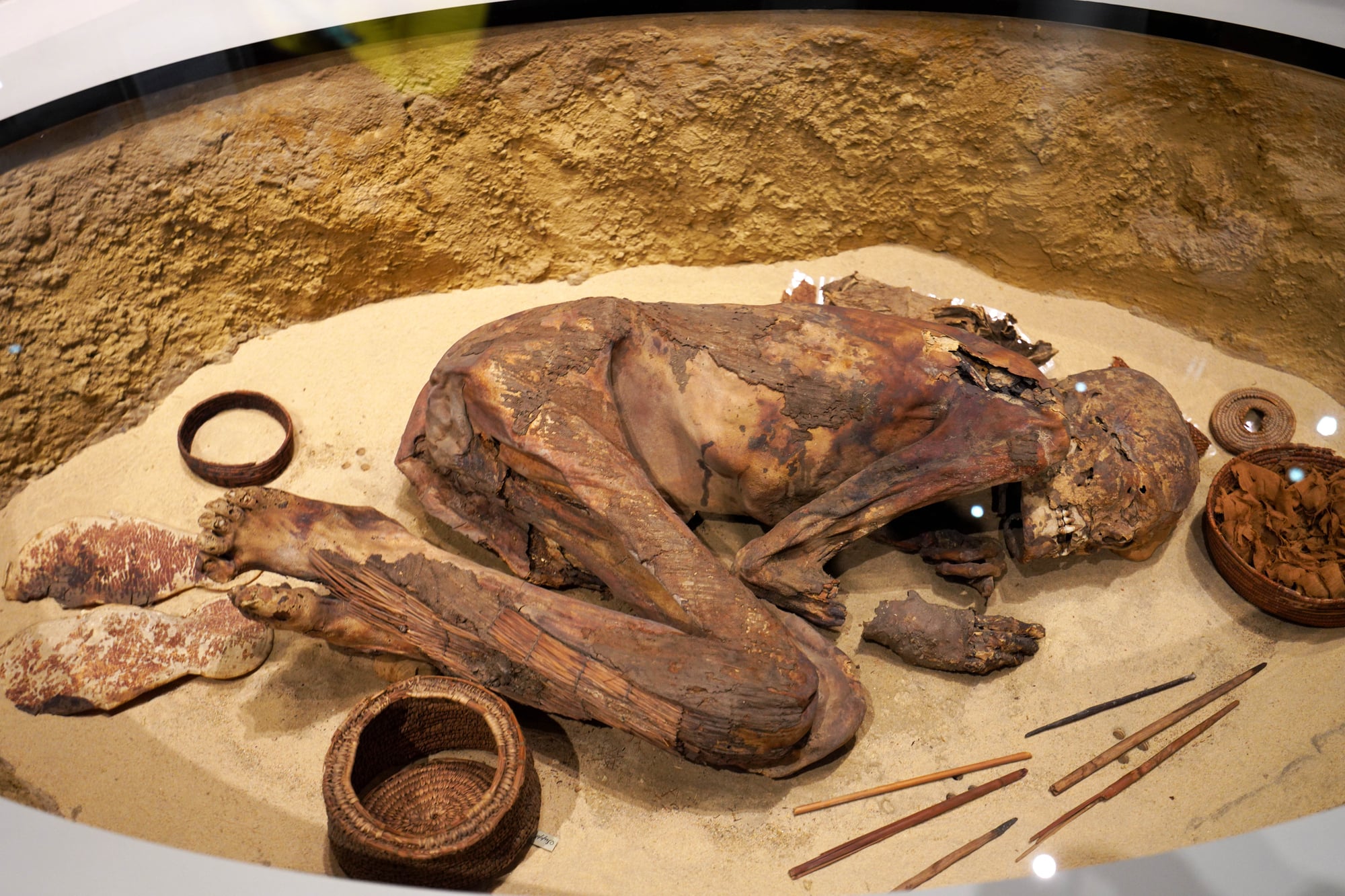
Northern European peat bogs have yielded dozens of human bodies dating back thousands of years, preserved by the unique chemistry of the bog environment. Tollund Man, discovered in Denmark in 1950, was so well-preserved that police initially thought they were dealing with a recent murder rather than a 2,400-year-old body.
The acidic, oxygen-poor environment of peat bogs preserves organic material down to the fingerprints and stomach contents of these ancient people.
Siberian Ice Maidens

The frozen tombs of the Pazyryk culture in the Altai Mountains have preserved mummies with intact skin, tattoos, clothing, and even elaborate hairstyles. One famous example is the Siberian Ice Maiden, which was discovered in 1993.
It wore a tall headdress and finely sewn garments decorated with animal motifs. The permafrost essentially freeze-dried these remains, preserving not just bodies but complete burial goods including rugs, clothing, and food offerings.
Ancient Roman Cosmetics

A sealed tin of face cream was discovered during excavations at a Roman temple site in London, still bearing the fingerprints of its last user from the 2nd century CE. When opened, the cream inside was found to be made of animal fat, starch, and tin oxide – a recipe not unlike modern cold creams.
The sealed container protected the contents from oxygen and bacteria, allowing this personal care product to remain intact for nearly two millennia.
Qilakitsoq Mummies
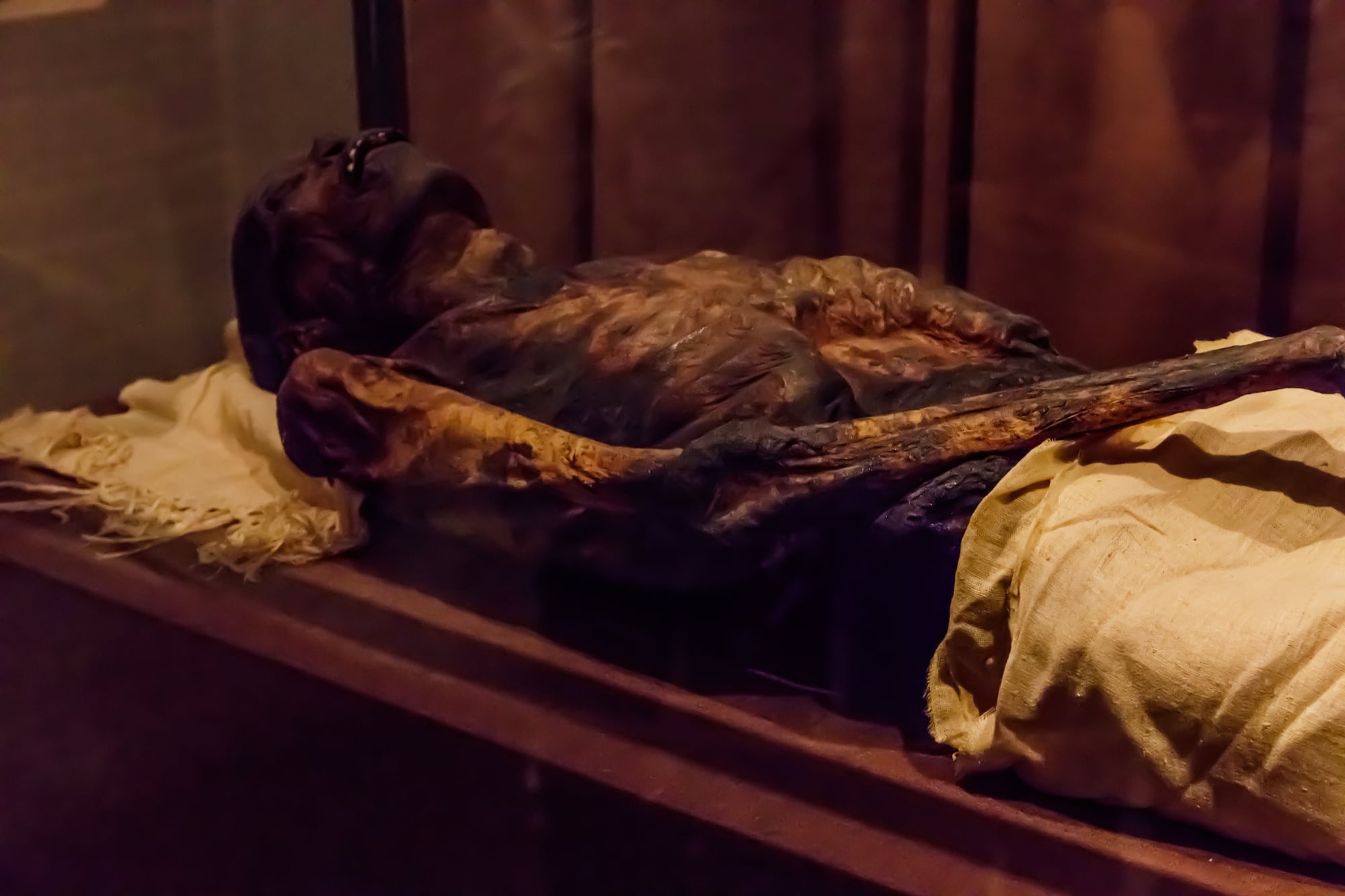
In 1972, hunters in Greenland discovered a group of mummified women and children dating to approximately 1475 CE, preserved by the Arctic cold. Their clothing remained in such excellent condition that researchers could study 15th-century Inuit tailoring techniques in unprecedented detail.
The bodies themselves were so well-preserved that medical examinations could determine the causes of death and health conditions affecting this small family group.
The Uluburun Shipwreck

Discovered off the coast of Turkey, this merchant vessel contained cargo still arranged as it was when the ship sank in the Late Bronze Age. The shipwreck yielded perfectly preserved ebony logs, ostrich eggs, ivory, amber, and even a wooden writing tablet with its wax surface intact.
The deep Mediterranean waters preserved organic materials that would have disintegrated in most archaeological contexts, providing a complete snapshot of the Bronze Age trade.
Siberian Mammoth Remains
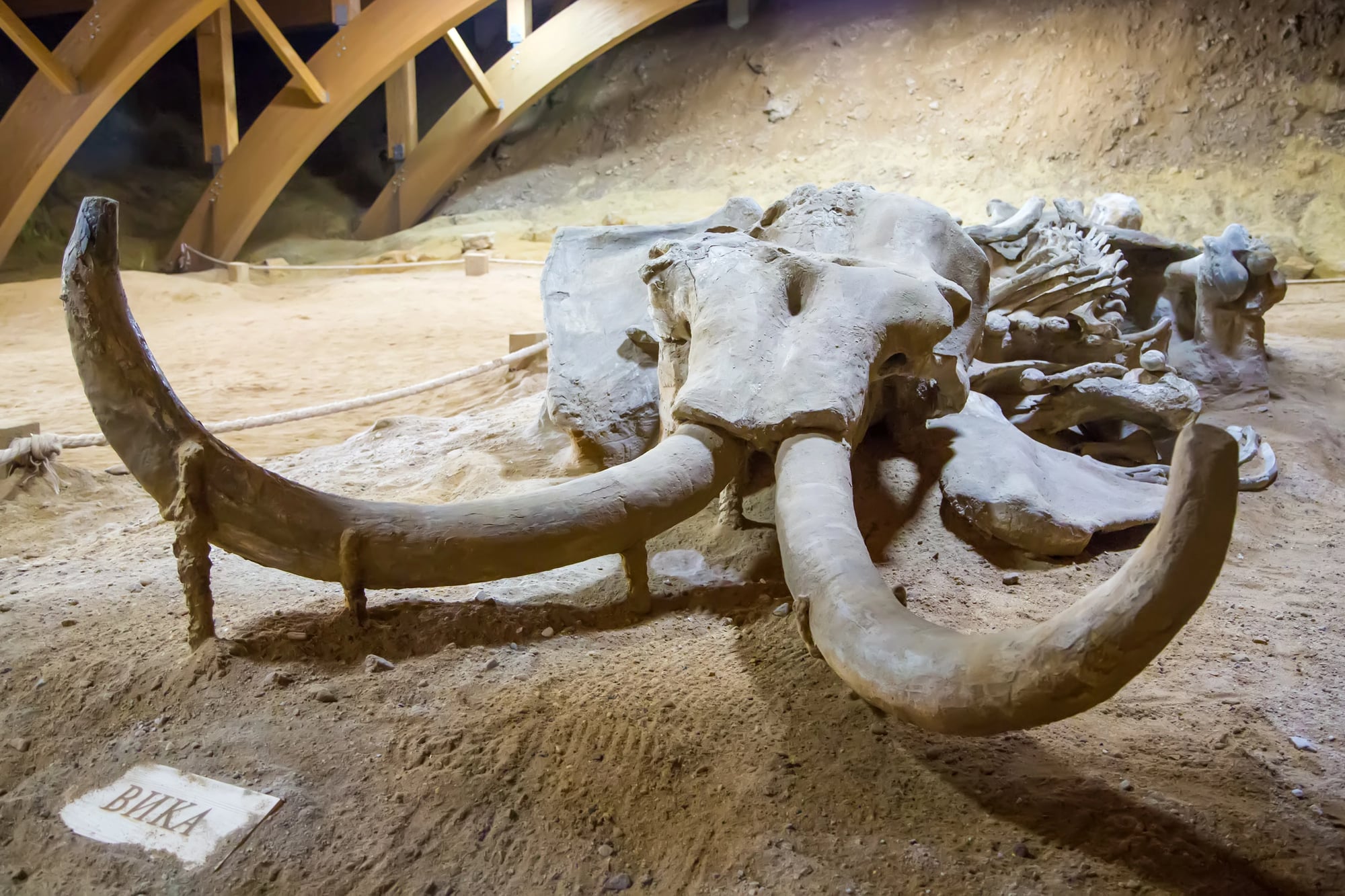
The permanently frozen ground of Siberia has preserved numerous woolly mammoths so completely that their flesh remains edible after more than 10,000 years. In some specimens, scientists have found intact blood vessels, muscle tissue with its red coloration, and even stomach contents showing their last meals of grasses and wildflowers.
These exceptionally preserved specimens give researchers unprecedented access to study the anatomy, diet, and genetics of these extinct Ice Age giants.
The Dead Sea Scrolls
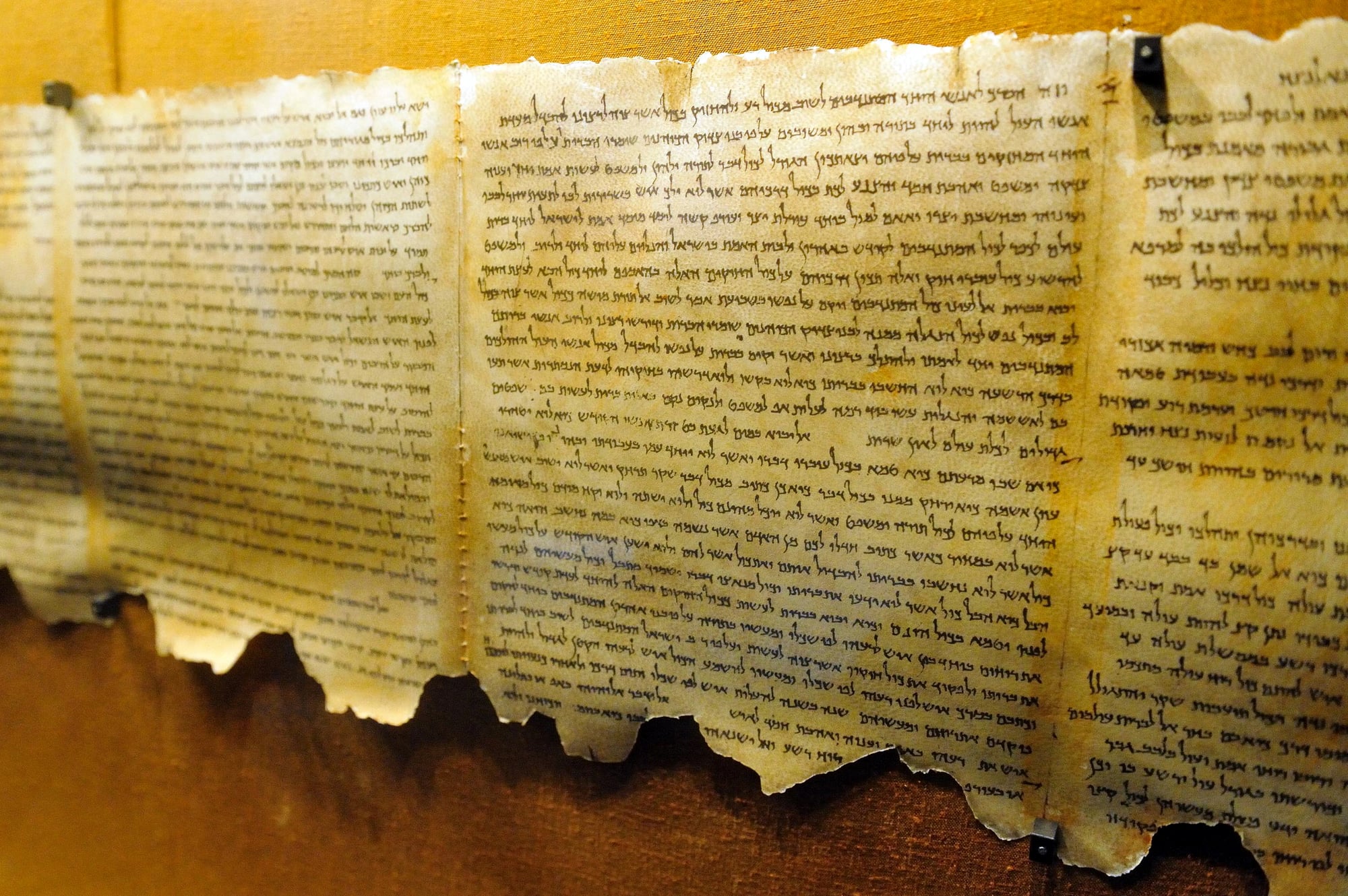
Discovered between 1947 and 1956 in caves near the Dead Sea, these ancient Jewish texts date from the 3rd century BCE to the 1st century CE. The scrolls survived two millennia thanks to the region’s arid climate and the isolation of the sealed clay jars that contained many of them.
The dry desert air preserved not only the text but even the leather ties and linen wrappings around many scrolls, allowing scholars to study the oldest known biblical manuscripts for more than 1,000 years.
The Grauballe Man
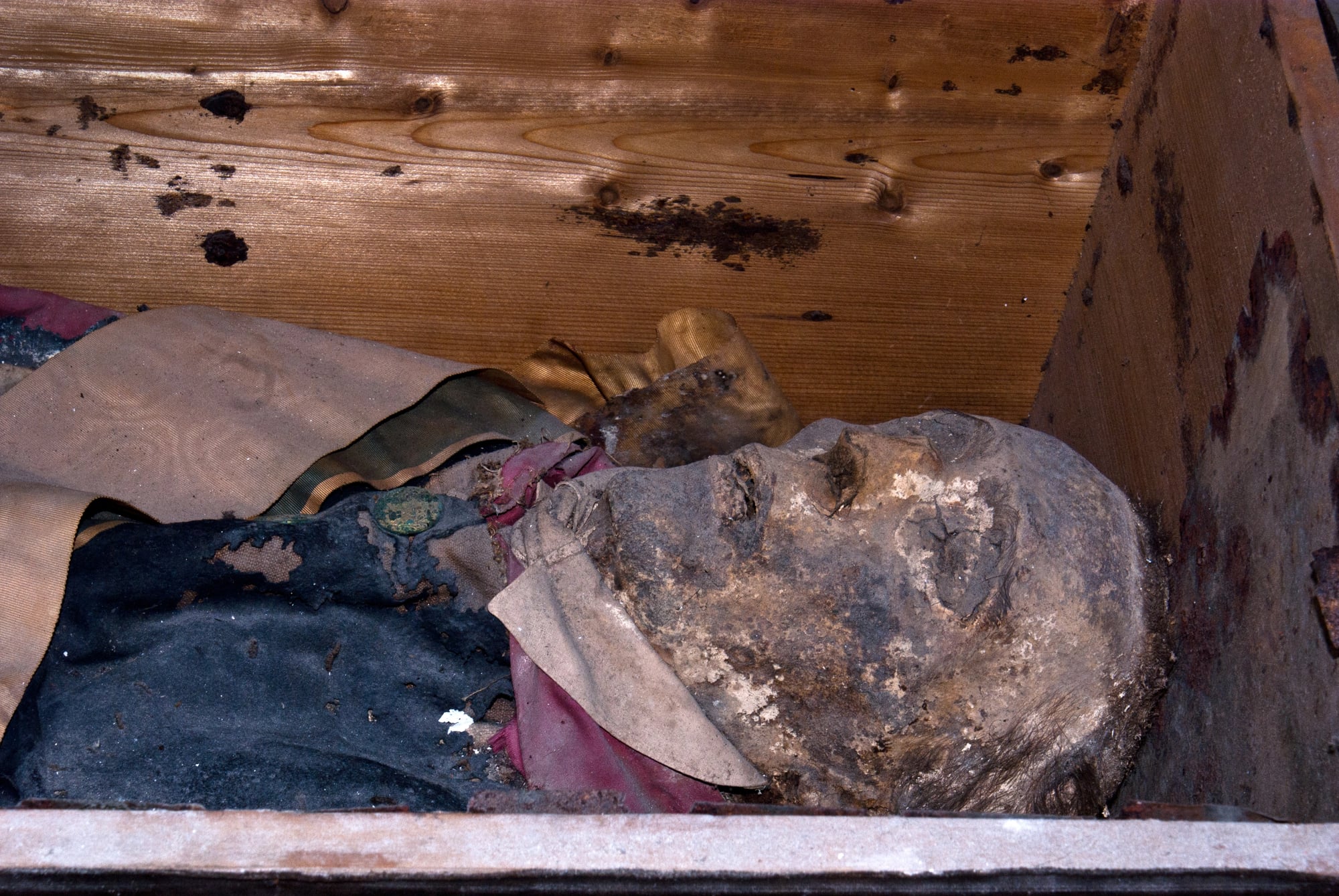
Unearthed from a Danish peat bog in 1952, this Iron Age man from around 290 BCE shows remarkably preserved features including facial stubble and fingerprints. His throat had been cut from ear to ear, and the wound edges remained as clean and defined as if the injury had happened recently instead of 2,300 years ago.
The bog’s tannic acid essentially turned his skin to leather, preventing decomposition and preserving details down to the rope marks around his neck.
Inca Ice Mummies
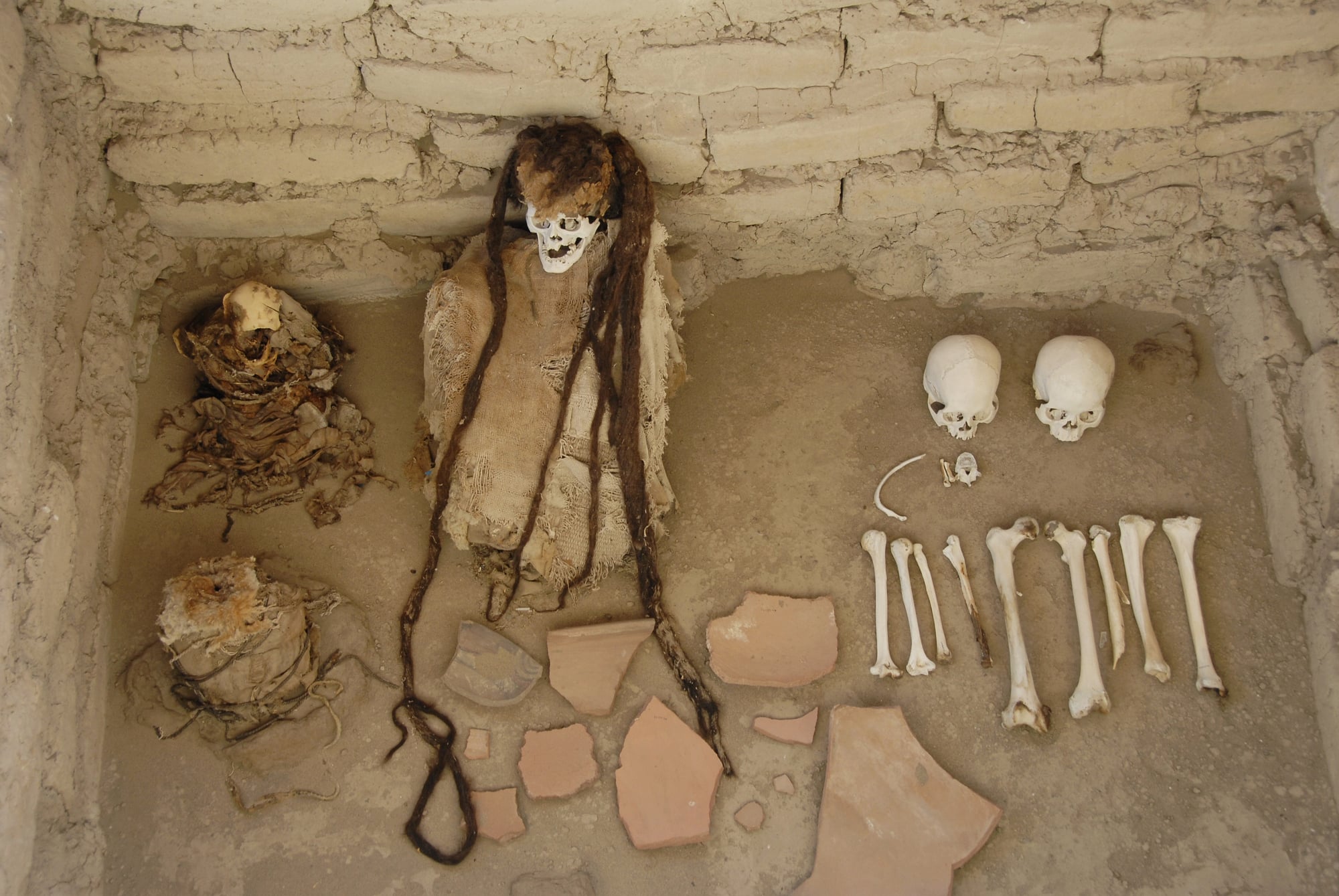
High in the Andes, the cold, dry air has preserved the remains of Inca children sacrificed at elevations above 20,000 feet between 1400 and 1532 CE. The famous ‘Ice Maiden’ discovered on Mount Ampato in 1995 wore finely woven garments with vibrant colors that were still intact after 500 years.
The freezing temperatures and low oxygen levels at such high altitudes created natural mummification, preserving not just bodies but textiles, featherwork, and ceremonial objects.
Egyptian Tomb Food
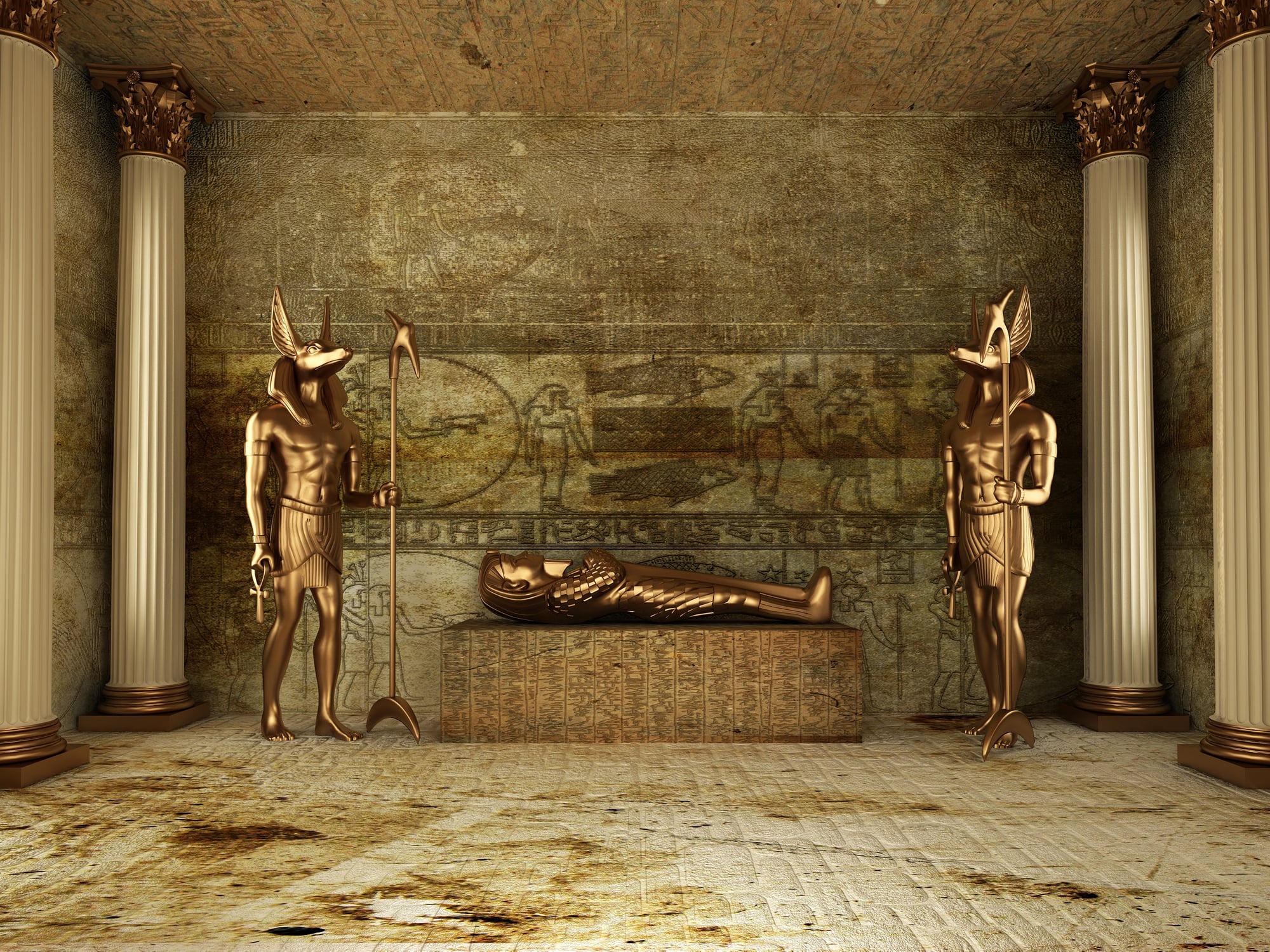
Several Egyptian tombs have yielded foods intended to nourish the deceased in the afterlife, including bread, honey, wine, and even complete meals that have survived more than 3,000 years. A pot of honey found in King Tutankhamun’s tomb was still liquid and edible when discovered in 1922, demonstrating honey’s remarkable antibacterial properties.
The dry climate of Egyptian tombs created ideal conditions for preserving organic materials that would quickly deteriorate in most environments.
Viking Burial Goods
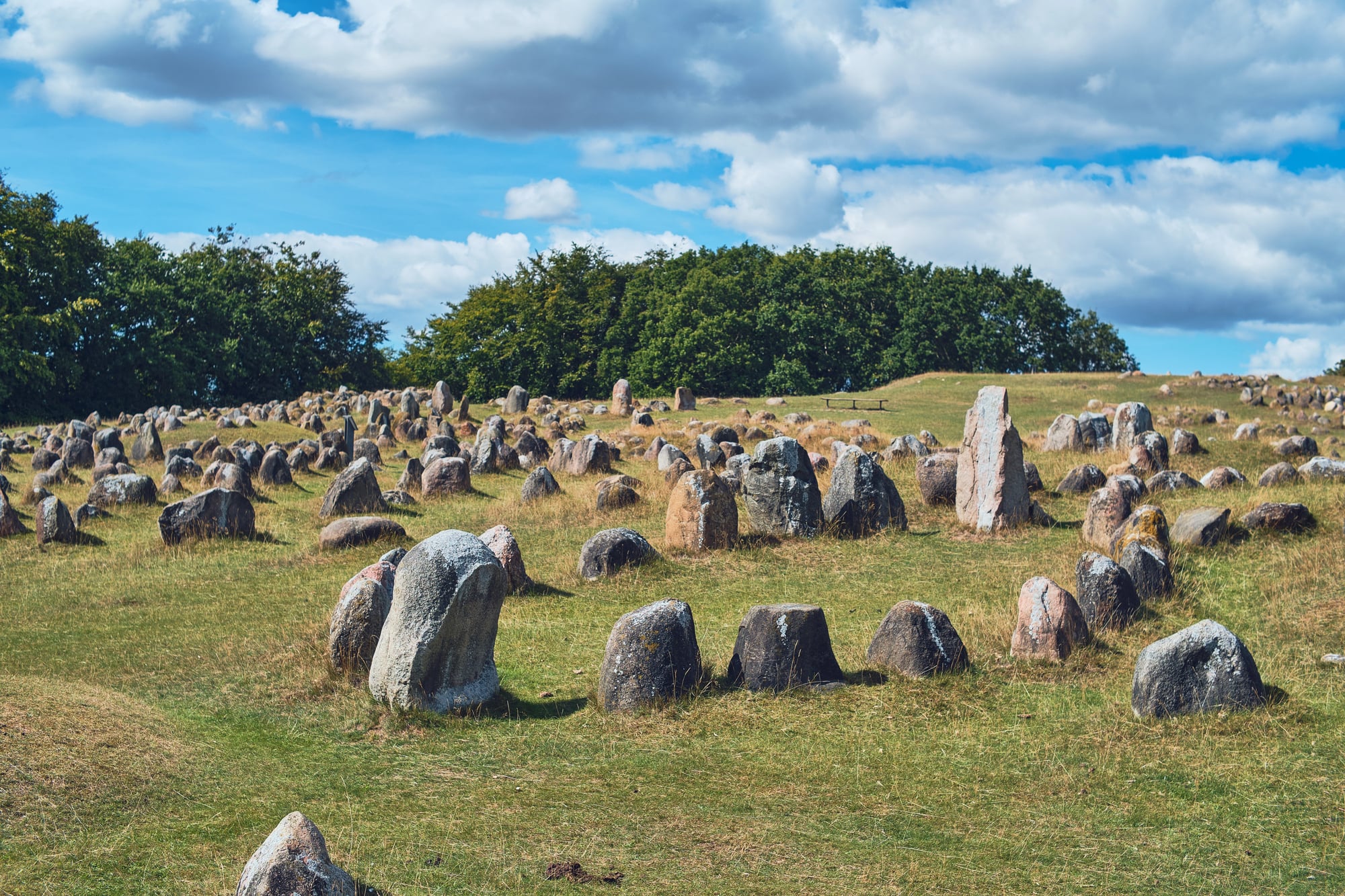
The Oseberg ship burial in Norway contained an astonishing array of wooden artifacts dating to 834 CE, preserved in the oxygen-poor blue clay that filled the burial mound. Intricately carved wooden sleds, a wagon, animal head posts, and furniture showed details down to the tool marks left by their creators.
The environment created by the clay preserved not just the wood but textiles, leather, and even the remains of fruits and nuts that had been included as offerings.
The Antikythera Mechanism
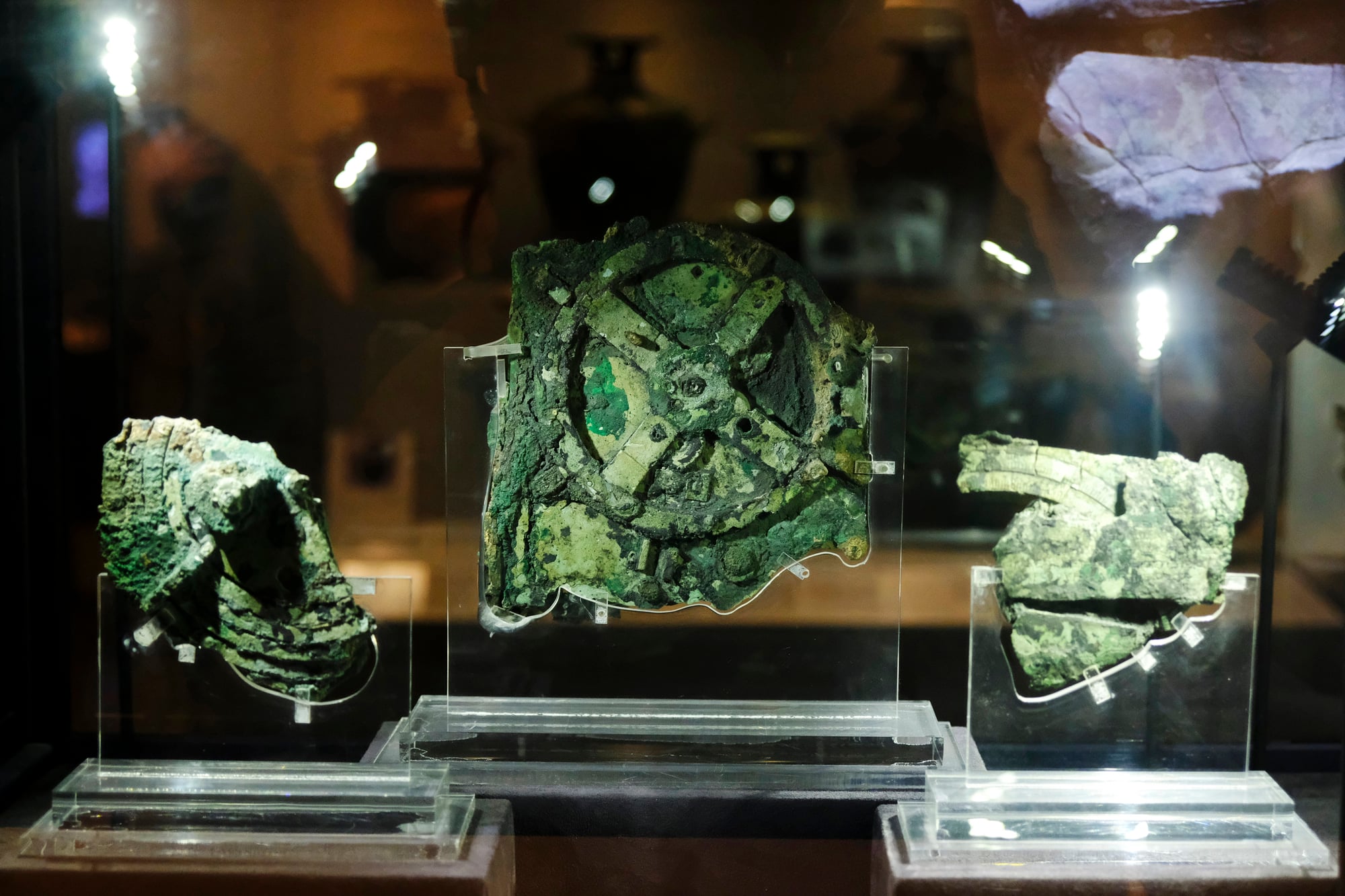
Recovered from an ancient shipwreck near the Greek island of Antikythera, this sophisticated astronomical calculator dates to around 100 BCE. Despite spending 2,000 years underwater, the bronze gears and dials remained sufficiently intact for scientists to understand its incredible complexity.
The mechanism used dozens of precision gears to track the movements of the sun, moon, and planets with an accuracy that wouldn’t be matched until the 18th century, completely changing our understanding of ancient Greek technology.
Time Capsules From The Past
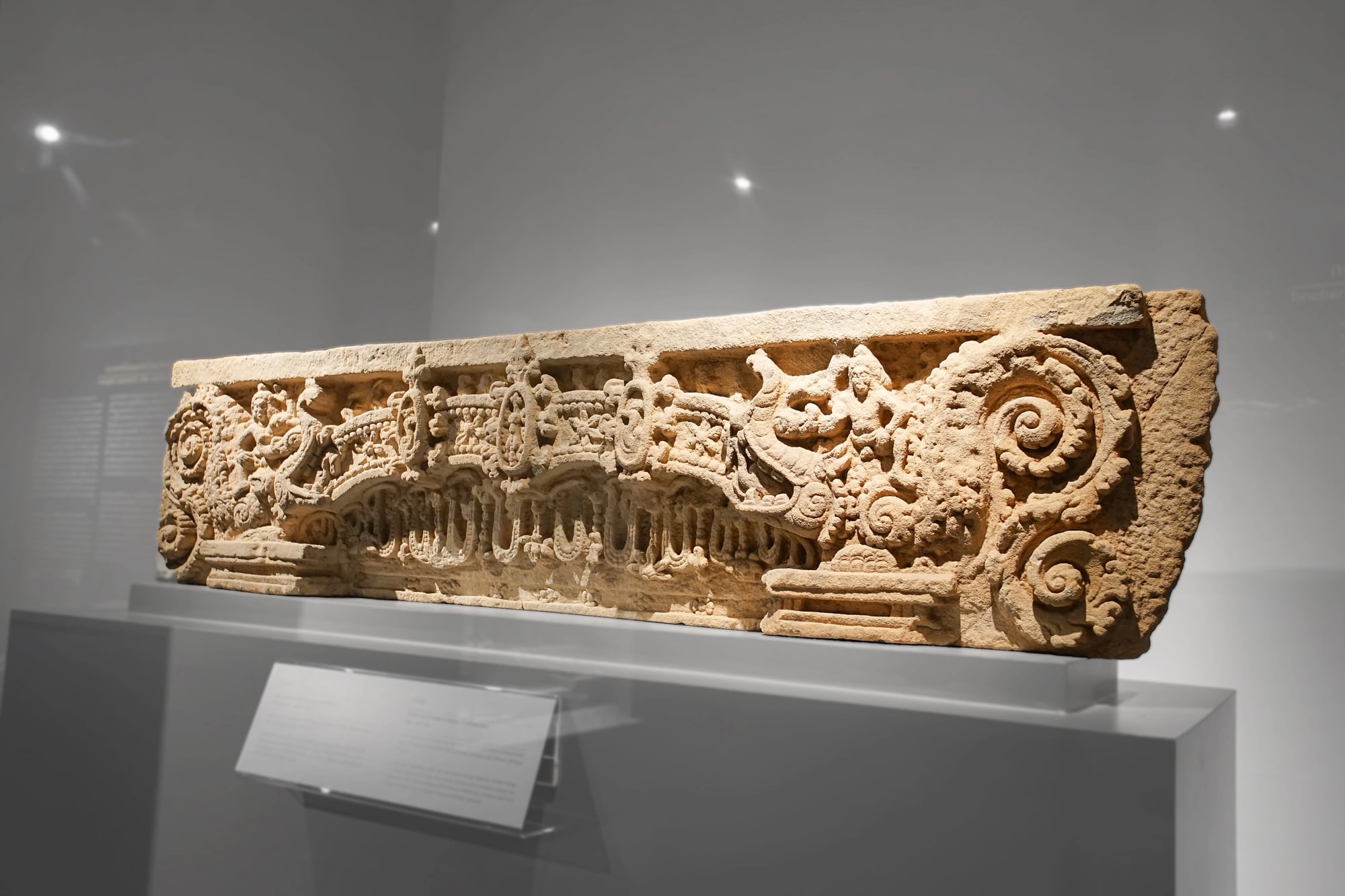
These extraordinarily preserved items serve as direct connections to our ancestors, offering insights no written history could provide. Unlike reconstructions or replicas, these authentic objects tell their stories without interpretation or alteration, giving us the closest thing possible to time travel.
As new archaeological techniques develop, we continue to unlock more secrets from these ancient time capsules, proving that sometimes the past isn’t as distant as we might think.
More from Go2Tutors!

- The Romanov Crown Jewels and Their Tragic Fate
- 13 Historical Mysteries That Science Still Can’t Solve
- Famous Hoaxes That Fooled the World for Years
- 15 Child Stars with Tragic Adult Lives
- 16 Famous Jewelry Pieces in History
Like Go2Tutors’s content? Follow us on MSN.



