Athletes Who Ruined Their Careers
Professional sports offer fame, fortune, and a chance to become immortal in the record books. But the pressure, the money, and the spotlight can bring out the worst in people.
Some athletes reach the peak of their profession only to watch everything collapse because of their own choices. These stories aren’t just about mistakes.
They’re about patterns of behavior that snowballed, moments of poor judgment that couldn’t be taken back, and decisions that seemed defensible at the time but destroyed everything. The athletes on this list had the talent to go down as legends.
Instead, they became cautionary tales.
Lance Armstrong: The Fall From Grace

Seven Tour de France titles. Cancer survivor.
Inspiration to millions. Lance Armstrong built an empire on his comeback story and his dominance in cycling.
Then it all came apart. The doping allegations followed Armstrong for years, but he denied them with the kind of anger that made people believe him.
He attacked journalists who questioned him. He sued former teammates who spoke out.
The denials were so forceful that many people assumed the accusations had to be false. But in 2012, the U.S. Anti-Doping Agency released a report showing systematic doping throughout Armstrong’s career.
Teammates testified. Evidence piled up.
Armstrong was stripped of all seven Tour de France titles and banned from competitive cycling for life. In a 2013 interview, he finally admitted to using performance-enhancing drugs during all seven of his Tour victories.
The aftermath went beyond sports. Sponsors dropped him.
Lawsuits followed. The Livestrong Foundation, the cancer charity he founded, distanced itself from him.
Armstrong went from being one of the most admired athletes in the world to a symbol of cheating and deception.
Mike Tyson: Greatness Interrupted

Mike Tyson became the youngest heavyweight champion in boxing history at age 20. He was unstoppable in the ring, knocking out opponents with terrifying speed and power.
But outside the ring, his life spiraled. The warning signs appeared early.
Tyson’s behavior became increasingly erratic. He went through multiple marriages and divorces.
His spending habits were legendary and unsustainable. Then came the legal troubles.
In 1992, Tyson was convicted and sentenced to six years in prison. He served three years and returned to boxing, but he was never the same fighter.
The combination of time away from the sport and his deteriorating mental state showed in the ring. His 1997 fight against Evander Holyfield ended in disqualification after Tyson bit off part of Holyfield’s ear.
Tyson eventually filed for bankruptcy despite earning over $300 million during his career. He’s rebuilt his life and reputation to some degree in recent years, but his prime years were cut short by his own actions.
Pete Rose: Banned For Life

Pete Rose holds the record for most hits in Major League Baseball history. He played with intensity that earned him the nickname “Charlie Hustle.”
He seemed destined for the Hall of Fame the moment he retired. Then came the gambling investigation.
Rose denied betting on baseball for years, even after MLB banned him from the sport for life in 1989. The ban meant he couldn’t be elected to the Hall of Fame, despite his statistical achievements.
Rose finally admitted to betting on baseball in 2004, but the damage was done. His reputation as one of baseball’s greatest players became overshadowed by his dishonesty and his violation of one of the sport’s most sacred rules.
The ban remains in place today. The tragedy of Rose’s story is how unnecessary it all was.
He had already cemented his legacy as a player. The gambling and the subsequent cover-up destroyed any chance of proper recognition for his accomplishments on the field.
O.J. Simpson: From Hero To Infamy
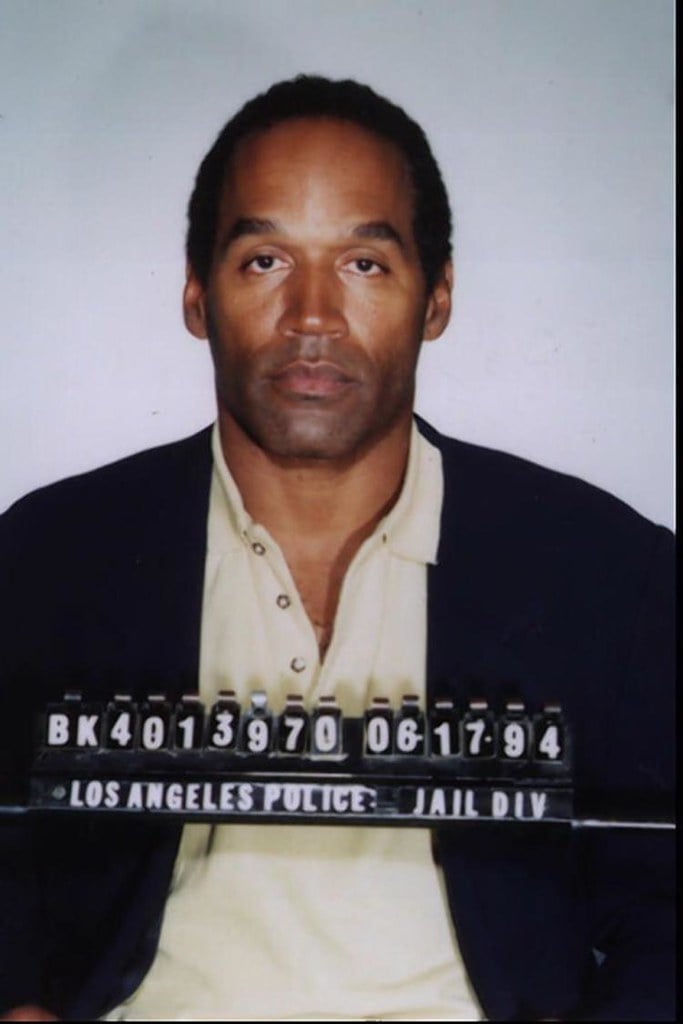
O.J. Simpson was more than just a great football player. He won the Heisman Trophy, became the first running back to rush for more than 2,000 yards in a season, and transitioned successfully into acting and broadcasting after retirement.
Then came the 1994 murders and the trial that became a cultural phenomenon. Simpson was acquitted in criminal court but found liable in civil court.
Whether you believe he was guilty or innocent, the trial ended his career in entertainment and destroyed his reputation. Simpson’s troubles didn’t end there.
In 2007, he was arrested for armed robbery in Las Vegas. He was convicted and sentenced to 33 years in prison.
He served nine years before being released on parole in 2017. Simpson went from being a beloved public figure to someone many people associated primarily with violence and legal troubles.
His football achievements became footnotes to a much darker story.
Ben Johnson: The Fastest Man Who Wasn’t

Ben Johnson’s 100-meter sprint at the 1988 Seoul Olympics was breathtaking. He destroyed the field and set a world record.
For about three days, he was the fastest man on Earth and a Canadian national hero. Then he tested positive for anabolic steroids.
The gold medal was stripped. The world record was erased.
Johnson’s career effectively ended at that moment. Johnson admitted to using performance-enhancing drugs and tried to make comebacks, but the damage was permanent.
He became a symbol of doping in sports at a time when the issue was becoming impossible to ignore. His entire legacy became about those 9.79 seconds and what they revealed about the state of track and field.
The irony is that many of Johnson’s competitors were later revealed to be using performance-enhancing drugs too. But Johnson was the one who got caught at the biggest moment, and that’s what people remember.
Tonya Harding: The Attack That Changed Everything

Tonya Harding was a talented figure skater who could land a triple axel, a jump most female skaters couldn’t perform. She had a legitimate shot at Olympic gold.
Then came the attack on Nancy Kerrigan. In January 1994, an assailant clubbed Kerrigan’s knee after a practice session.
The investigation eventually led back to Harding’s ex-husband and her bodyguard. Harding claimed she had no prior knowledge of the attack but admitted to helping cover it up afterward.
Harding was banned from figure skating for life by the U.S. Figure Skating Association. She attempted comebacks in other sports, including boxing, but never recaptured any kind of athletic prominence.
The attack on Kerrigan became the defining moment of her life, overshadowing any accomplishments she had on the ice. The scandal changed how people viewed competitive figure skating.
It exposed the dark side of the sport’s intense pressure and the lengths some people would go to for a competitive advantage.
Tiger Woods: The Public Unraveling
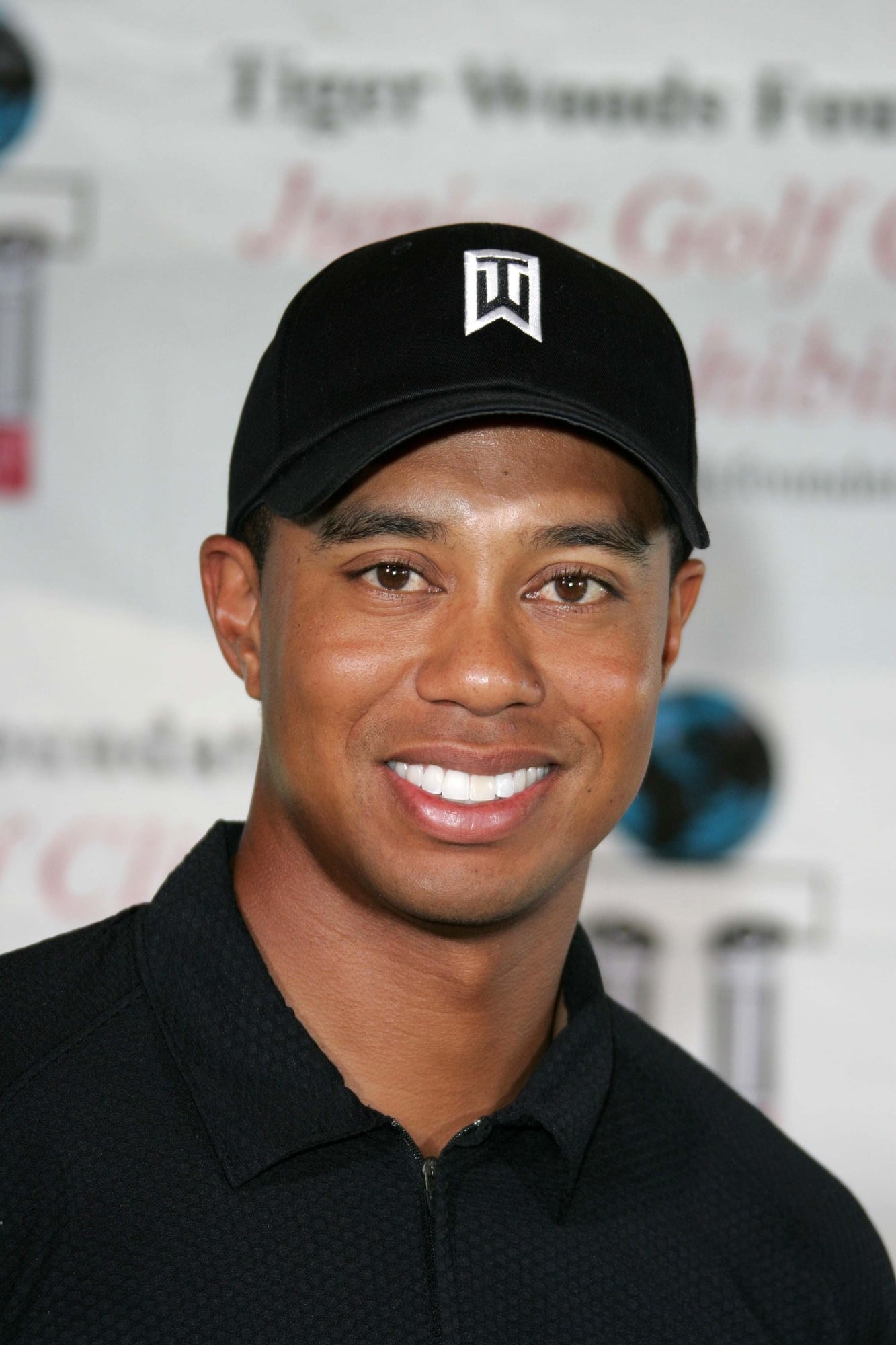
Tiger Woods dominated golf like few athletes have dominated any sport. He was on track to break every major record.
Companies paid him millions for endorsements. Then his personal life exploded into public view.
In 2009, news broke about multiple extramarital affairs. The carefully crafted public image of Woods as a devoted family man collapsed overnight.
Sponsors dropped him. His marriage ended.
His golf game fell apart. Woods took time away from golf, then struggled when he returned.
Injuries piled up. His world ranking plummeted.
What made it worse was watching it all happen in slow motion. Woods went from being the best golfer in the world to someone who couldn’t compete consistently at the highest level.
He’s had some success since then, including winning the 2019 Masters, but he lost years of his prime. The personal scandal didn’t just damage his reputation.
It seemed to break something in his ability to perform at the level that once seemed effortless.
Plaxico Burress: The Self-Inflicted Wound
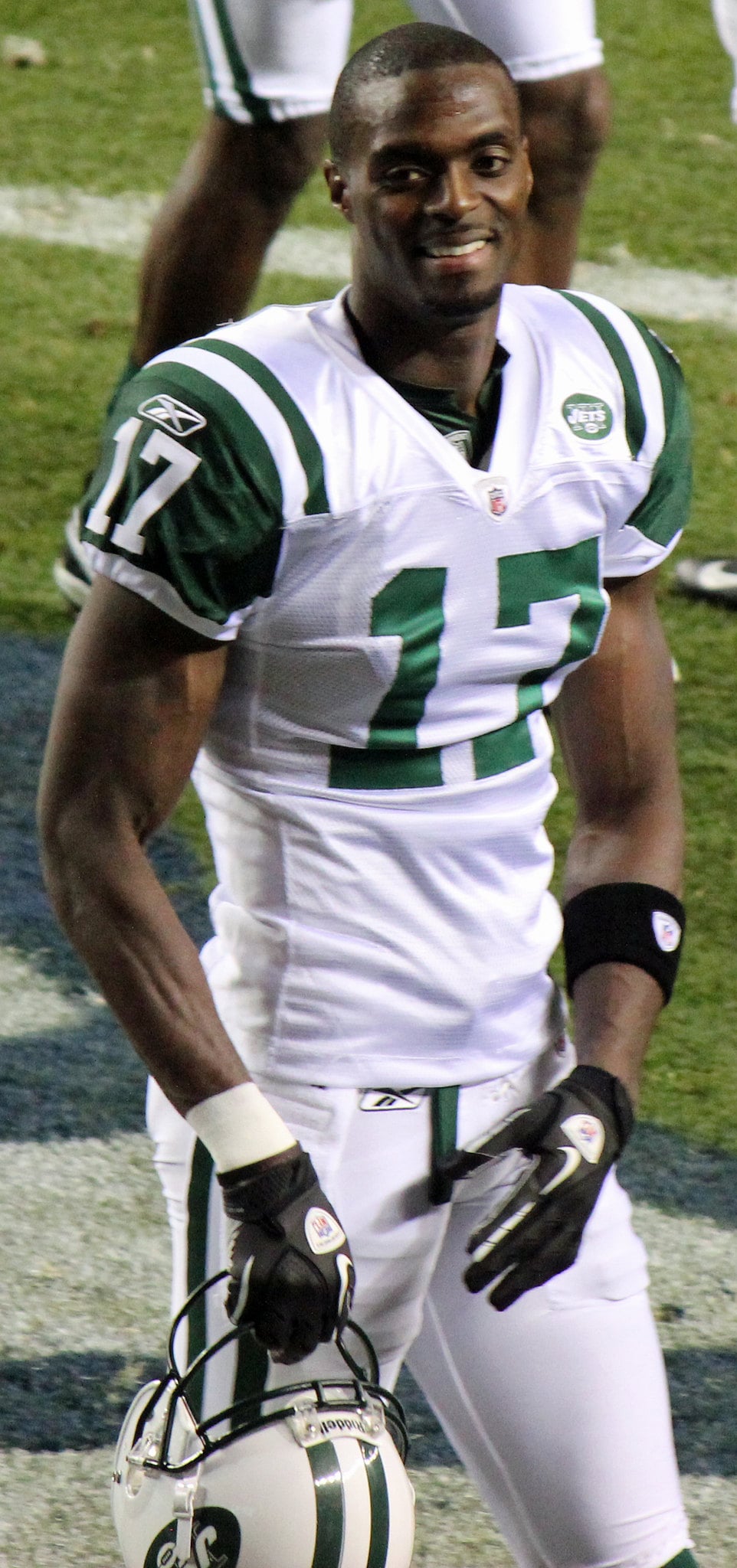
Plaxico Burress was having a great season as a wide receiver for the New York Giants. He had caught the winning touchdown in the Super Bowl.
Then he shot himself in the leg at a nightclub. Burress was carrying a loaded gun in his waistband when it slipped and discharged.
The bullet went through his thigh. He initially tried to avoid hospital security and didn’t tell police about the incident.
When the truth came out, he faced legal consequences that ended his time with the Giants. New York’s strict gun laws meant Burress couldn’t get off with a light punishment.
He pleaded guilty to attempted criminal possession of a weapon and was sentenced to two years in prison. By the time he was released, his career was effectively over.
He played briefly for a couple of teams but never regained his previous form. The entire situation was avoidable.
Burress made multiple bad decisions in a single night, and those choices cost him his career at a time when he was playing some of the best football of his life.
Diego Maradona: Genius And Self-Destruction

Diego Maradona was one of the greatest soccer players who ever lived. His skill with the orb was magical.
He led Argentina to World Cup glory in 1986 and became a god-like figure in his home country. But Maradona’s personal struggles were as notorious as his brilliance on the field.
His substance abuse issues were public knowledge. In 1991, he was banned from soccer for 15 months after testing positive for cocaine.
He tested positive again at the 1994 World Cup, this time for ephedrine, and was sent home in disgrace. Maradona’s weight fluctuated wildly.
His health problems mounted. He continued to struggle with addiction throughout his life.
His playing career ended much earlier than it should have because his body couldn’t keep up with his lifestyle. Even in retirement, Maradona’s life was chaotic.
He had children with multiple women. He owed millions in taxes.
He cycled through coaching jobs. When he died in 2020, the world mourned what he had been on the field while acknowledging the tragedy of what he became off it.
Ryan Lochte: The Fabricated Robbery
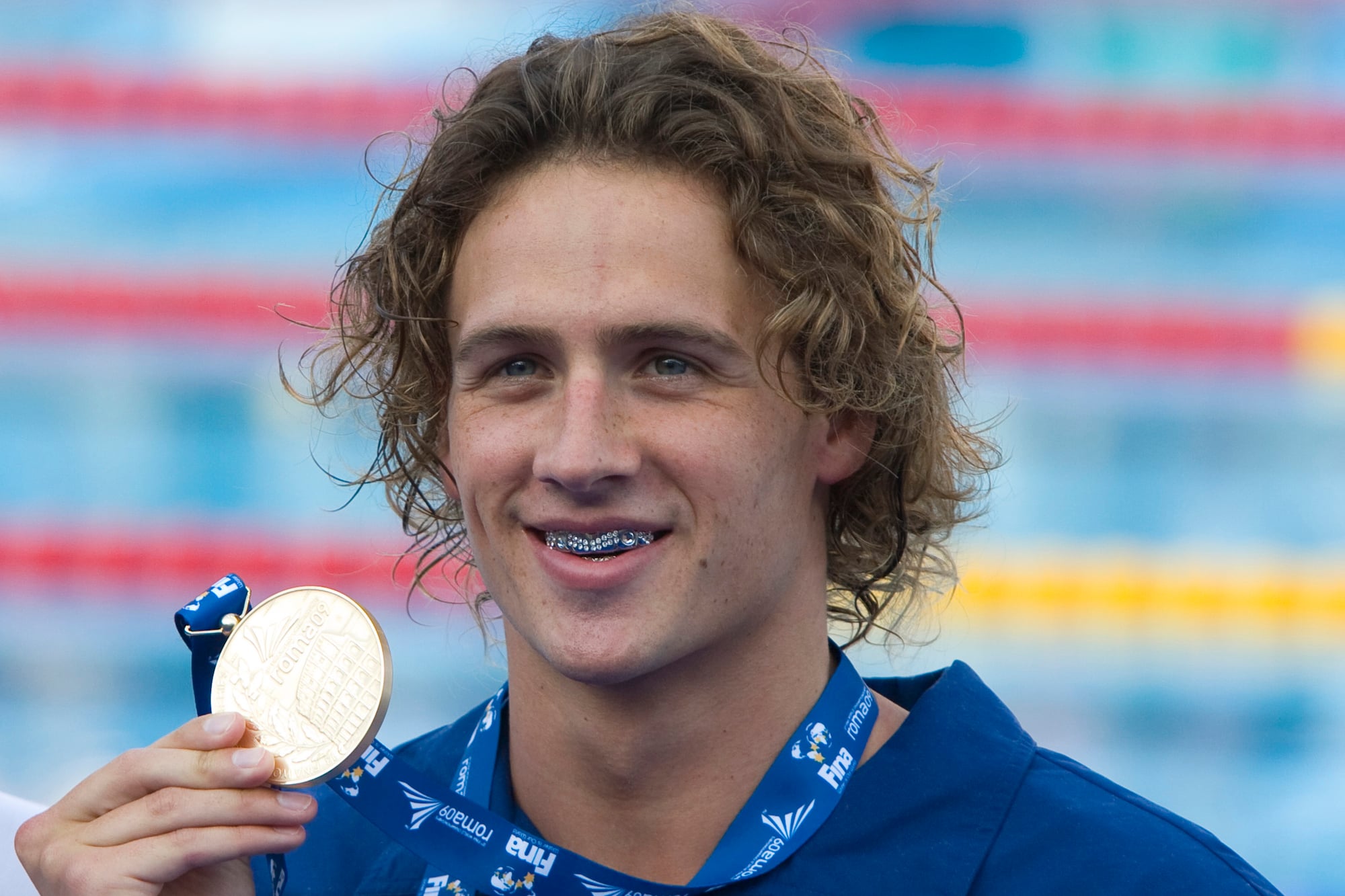
Ryan Lochte was one of the most decorated swimmers in Olympic history. He had won 12 Olympic medals, including six golds.
Then he told a lie that unraveled on the world stage. During the 2016 Rio Olympics, Lochte claimed that he and three other American swimmers were robbed at gunpoint.
The story dominated headlines. But inconsistencies emerged.
Security footage contradicted the robbery story. Brazilian authorities investigated and determined that the swimmers had vandalized a gas station bathroom and were confronted by security guards, not robbed.
Lochte eventually admitted to “over-exaggerating” the story. The fallout was swift.
Sponsors dropped him. He was suspended from swimming for 10 months.
His reputation went from celebrated Olympian to someone who lied about being robbed and caused an international incident. The incident damaged relationships between the United States and Brazil during the Olympics.
It made Americans look entitled and reckless. Lochte became a symbol of privilege and poor judgment at exactly the wrong moment.
Michael Vick: The Dog Fighting Scandal
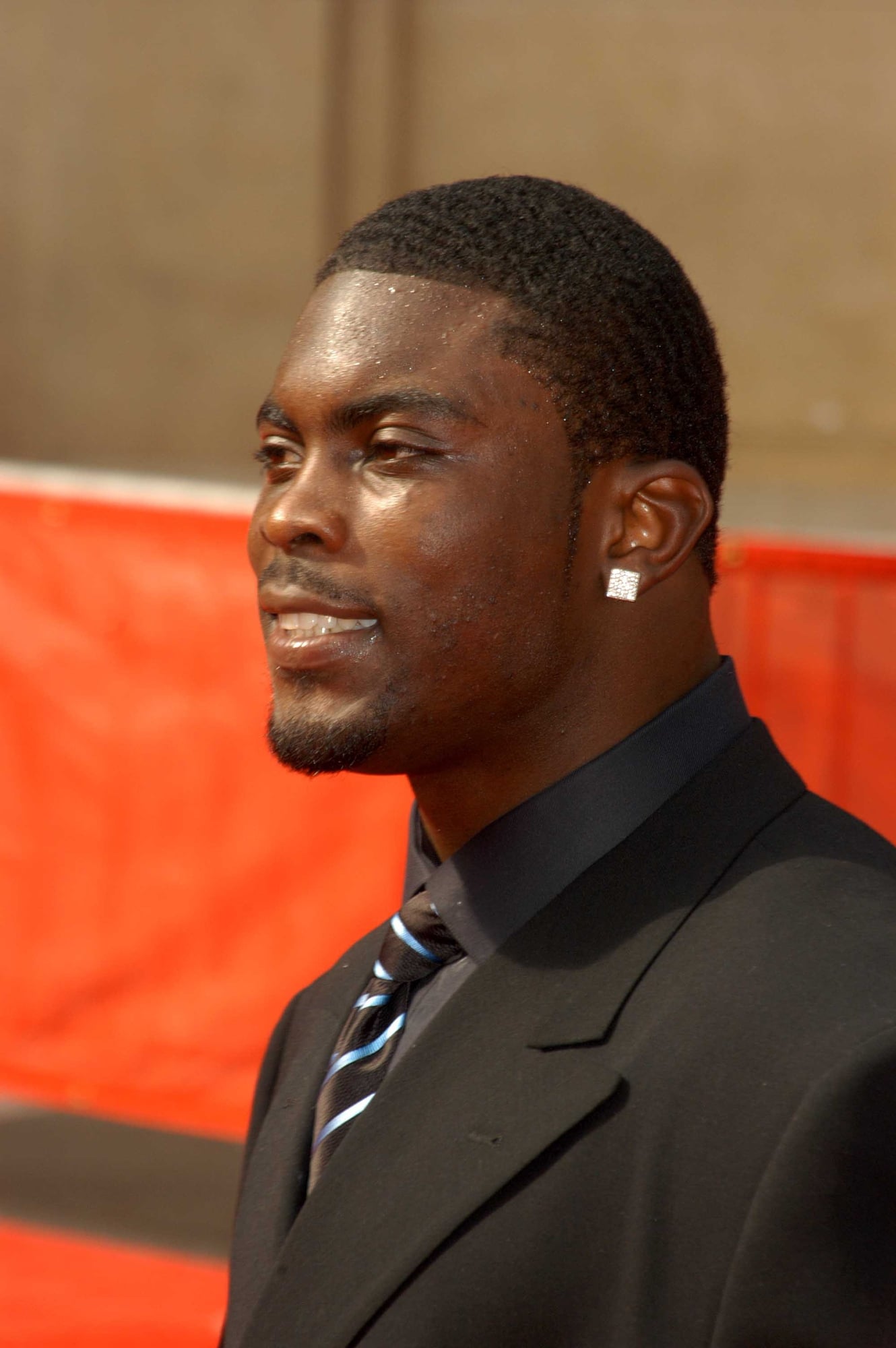
Michael Vick was one of the most exciting players in the NFL. He revolutionized the quarterback position with his running ability.
Then federal investigators discovered that he was running a dog fighting operation on his property. The details that emerged were disturbing.
Dogs were being bred to fight. Animals that didn’t perform were killed in brutal ways.
Vick wasn’t just aware of it. He was funding it and participating in it.
Vick pleaded guilty to federal charges and was sentenced to 23 months in prison. The NFL suspended him indefinitely.
Sponsors cut ties immediately. His reputation was destroyed.
Vick did something that many athletes in these situations don’t do: he genuinely seemed to change. He served his time, showed remorse, and worked with animal rights organizations after his release.
He made a comeback with the Philadelphia Eagles and played several more seasons in the NFL. But the dog fighting scandal will always be part of his legacy.
He lost years of his career during his prime and tarnished his reputation in a way that can never be fully erased.
Alex Rodriguez: The Doping Denials

Alex Rodriguez was one of the best baseball players of his generation. He was on pace to break all-time records for home runs.
Then came the performance-enhancing drug scandals that wouldn’t go away. Rodriguez initially denied using steroids when the issue first emerged in the mid-2000s.
Then in 2009, he admitted to using them early in his career but claimed he had stopped. Then came the Biogenesis scandal in 2013.
MLB suspended Rodriguez for the entire 2014 season for his involvement with the Biogenesis clinic, which was distributing performance-enhancing drugs. Rodriguez appealed but lost.
He missed 162 games during what should have been a productive year of his career. Rodriguez returned in 2015 but was never the same player.
He retired in 2016. His statistical accomplishments are impressive, but they’re forever tainted by the drug use and the years of denials.
He’s not in the Hall of Fame, and it’s unclear if he ever will be. The pattern of denying, admitting partially, then getting caught again made Rodriguez look worse than if he had just been honest from the start.
Each revelation damaged his credibility more than the last.
Aaron Hernandez: The Ultimate Tragedy
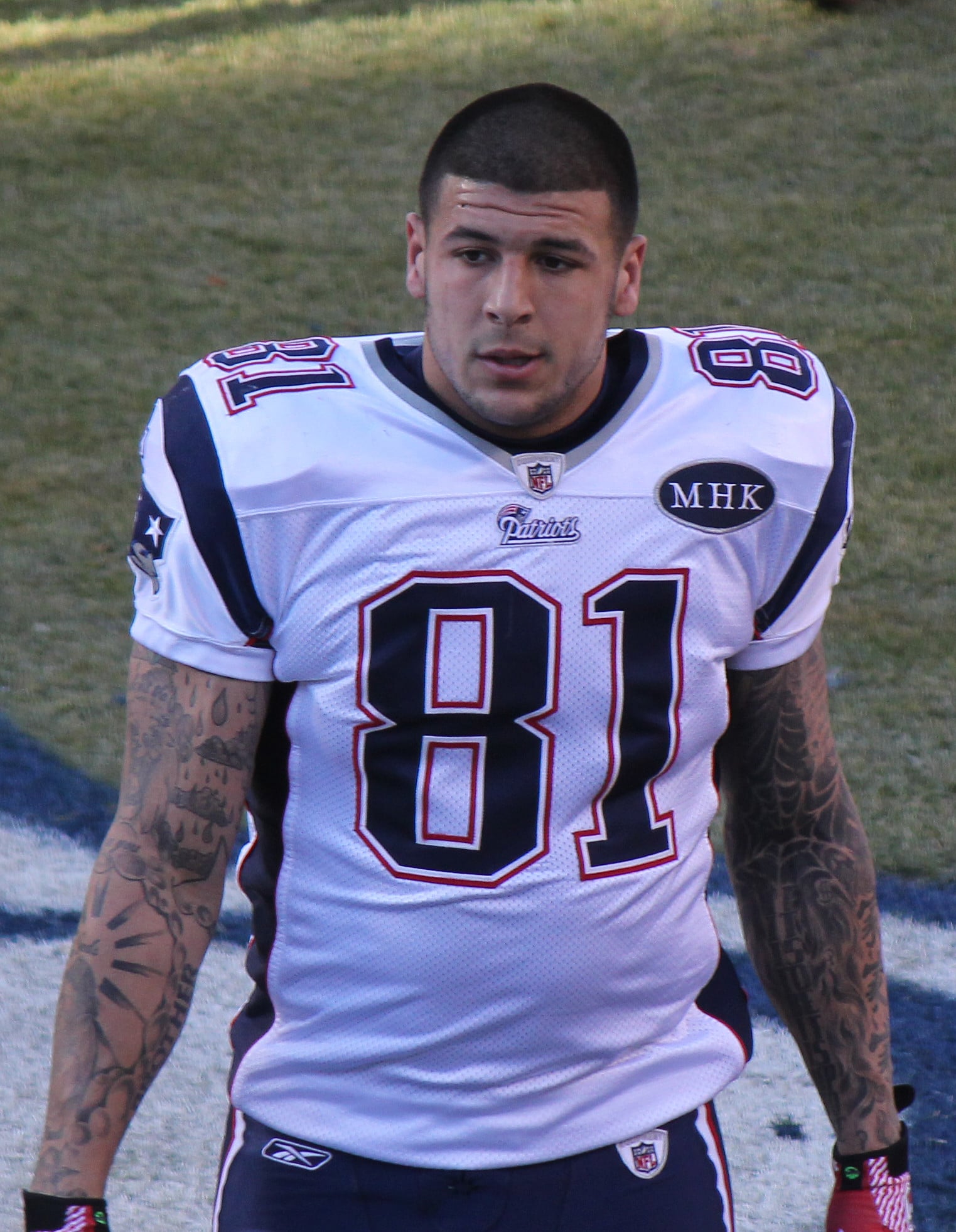
One moment Aaron Hernandez was climbing fast – top player, big deal with the Patriots. A fresh $40 million agreement locked his spot.
Things moved quickly after that, but not how anyone expected. Arrest lights flashed following a killing charge.
One moment he seemed ordinary, next thing known, accusations surfaced. A murder charge tied him to Odin Lloyd’s death back in 2013.
Behind the scenes, clues began pointing toward more gun violence linked to his name. What looked like one crime slowly unraveled into something wider.
Life behind bars without chance of release followed Hernandez’s conviction for killing someone in a planned way. Though he challenged the court’s decision, inside a jail room he ended things himself during 2017.
At just twenty-seven, it stopped. Years afterward, doctors found deep damage in Hernandez’s brain – a result of too many blows to the head over time.
This injury makes some question whether it shaped the way he acted. Still, one truth stays: what he chose took another person’s life and ended his own path in ruins.
One moment you’re a star, next thing – everything slips away. What happened to Hernandez wasn’t just poor choices piling up.
A life built so high came down through quiet turns no one saw coming. Success didn’t protect him.
Instead, paths he walked led straight into darkness. Outcomes weren’t sudden – they grew from roots laid long before.
The fall wasn’t loud. It was steady.
Final.
When Talent Isn’t Enough
These athletes had gifts that most people can only dream about. They were faster, stronger, more skilled than almost everyone who ever played their sports.
But physical talent doesn’t protect you from poor judgment, addiction, ego, or desperation. The saddest part isn’t just what these athletes lost.
It’s what they took from fans who believed in them, from teams that invested in them, and in some cases, from people whose lives were damaged or ended because of their actions. Talent creates opportunity, but character determines whether that opportunity becomes a legacy worth remembering.
More from Go2Tutors!

- The Romanov Crown Jewels and Their Tragic Fate
- 13 Historical Mysteries That Science Still Can’t Solve
- Famous Hoaxes That Fooled the World for Years
- 15 Child Stars with Tragic Adult Lives
- 16 Famous Jewelry Pieces in History
Like Go2Tutors’s content? Follow us on MSN.



