What Diners Menus Say About US Regional History
Diners may all have that same cozy feel—shiny booths, hot coffee, and a server who somehow knows your name. But take a closer look at the menu, and you’ll find a much deeper story.
It’s not just about food. It’s about where you are, who lives there, and what people have held onto over time. Just like a town’s accent or favorite team, a diner’s menu tells you something about its roots. Let’s dig into how these menus serve up more than just pancakes and burgers.
New England clam chowder still makes waves

Walk into a diner anywhere in the Northeast, and chances are you’ll see clam chowder on the menu. Thick, creamy, and full of potatoes, this dish goes back centuries.
It reflects the strong fishing history of the region and how people made use of what was around them. Even in warm weather, locals often still order it.
It’s comfort food with a splash of local pride.
Green chile pops up in the Southwest

In New Mexico and nearby states, green chile isn’t just a topping—it’s the main event. Diners in this region often serve green chile stew or smother breakfast burritos in it.
The chile’s deep flavor and heat reflect Native and Hispanic traditions in the area. Over time, it became a must-have in local kitchens and menus. You’ll rarely find a diner in that region without it.
Like Go2Tutors’s content? Follow us on MSN.
Scrapple tells a Pennsylvania story

This dish doesn’t show up in most places, but in diners around Pennsylvania, it’s a breakfast staple. Made from pork scraps and cornmeal, scrapple has Dutch and German roots.
It started as a way to avoid waste, but locals grew up on it and kept the tradition going. It might confuse outsiders, but for many in the area, it tastes like home.
Fried catfish says “down South” loud and clear
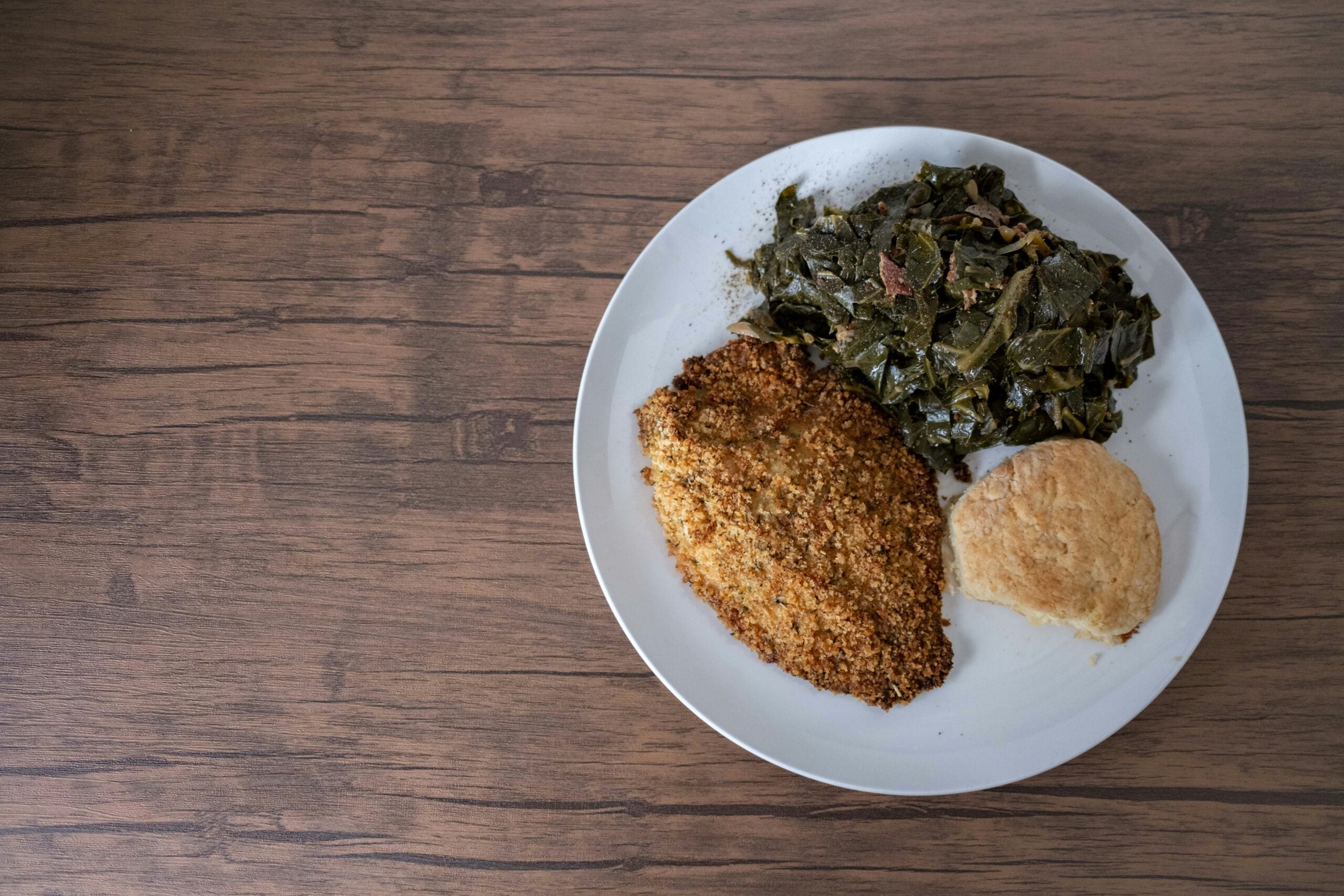
Diners across the South often serve fried catfish with hush puppies and slaw. This meal points to both African American food traditions and the importance of rivers in the region.
The dish is often fresh, crispy, and shared with a side of storytelling. It’s simple, but it carries a lot of history with it.
Cheesesteaks are more than just sandwiches
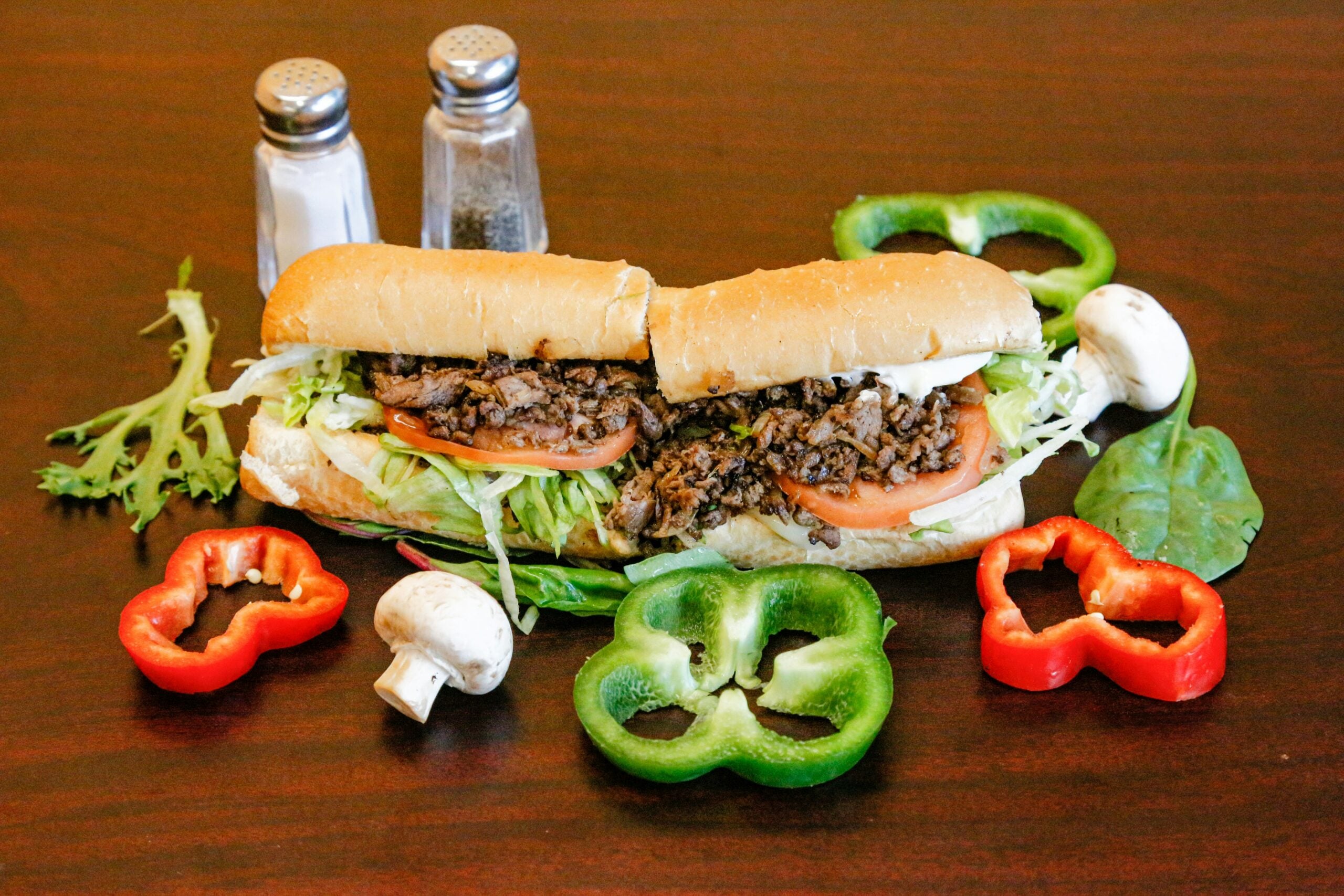
Philly diners and even some in nearby states proudly serve cheesesteaks. But this isn’t just about meat and cheese.
It’s about a working-class city finding its flavor and sticking to it. Local pride runs deep with this one, and even the way you order it (with or without onions) can spark a debate.
Like Go2Tutors’s content? Follow us on MSN.
Loco moco brings island flavor to the table

In Hawaii, diners serve up a dish called loco moco: rice, a hamburger patty, gravy, and a fried egg on top. It sounds unusual at first, but it makes perfect sense when you learn about the islands’ mix of cultures and love for hearty meals.
The dish blends American, Asian, and Polynesian tastes in one plate. It’s a perfect example of how diner menus adjust to local culture.
Coney dogs hold tight in Michigan
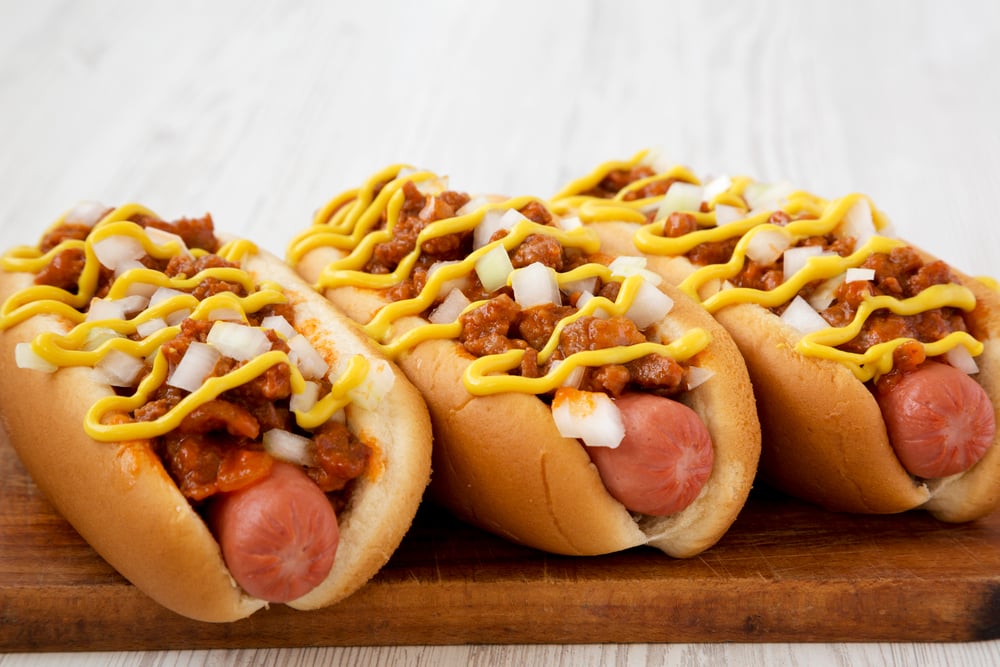
In many Michigan diners, especially around Detroit, you’ll find Coney dogs—hot dogs topped with chili, onions, and mustard. They didn’t come from New York’s Coney Island, but from Greek immigrants who opened diners in the area.
The name stuck, and so did the dish. It became part of local identity, even if the backstory gets mixed up.
Lobster rolls stay strong in the Northeast
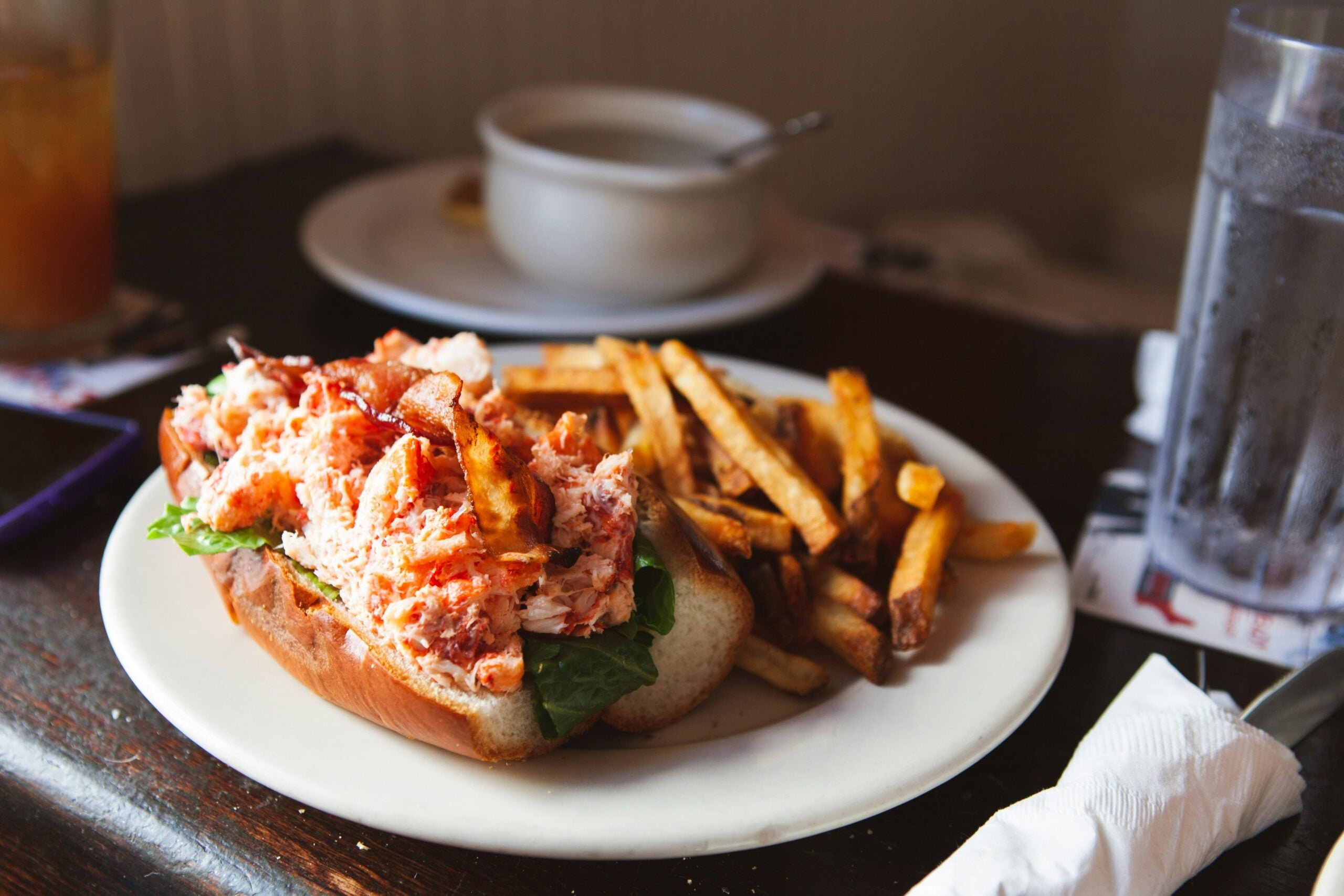
Diners in Maine and nearby states often serve lobster rolls, even in the most casual places. The sandwich may be simple—just lobster, butter or mayo, and a soft bun—but it ties directly to the fishing life that shaped the region.
Some places serve it cold, others warm, and everyone has an opinion. It shows how local ingredients can turn into local pride.
Like Go2Tutors’s content? Follow us on MSN.
Tex-Mex adds heat to diner classics
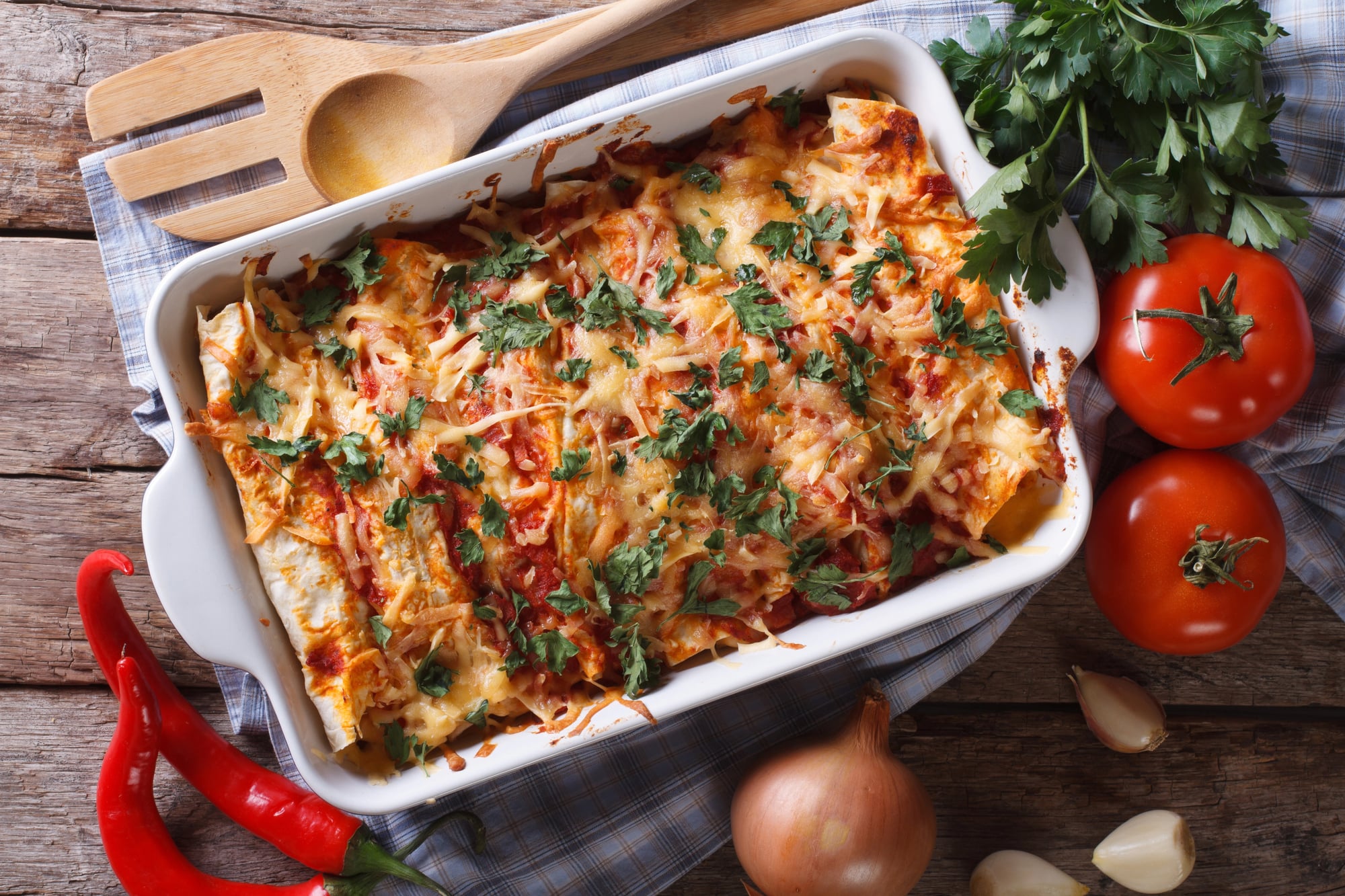
In Texas and across the Southwest, many diners include Tex-Mex dishes like enchiladas or breakfast tacos. These plates mix Mexican flavors with American-style portions and sides.
Over time, what started as border food became a standard part of local menus. It’s tasty, fast, and full of history.
Pork tenderloin sandwiches stand tall in the Midwest
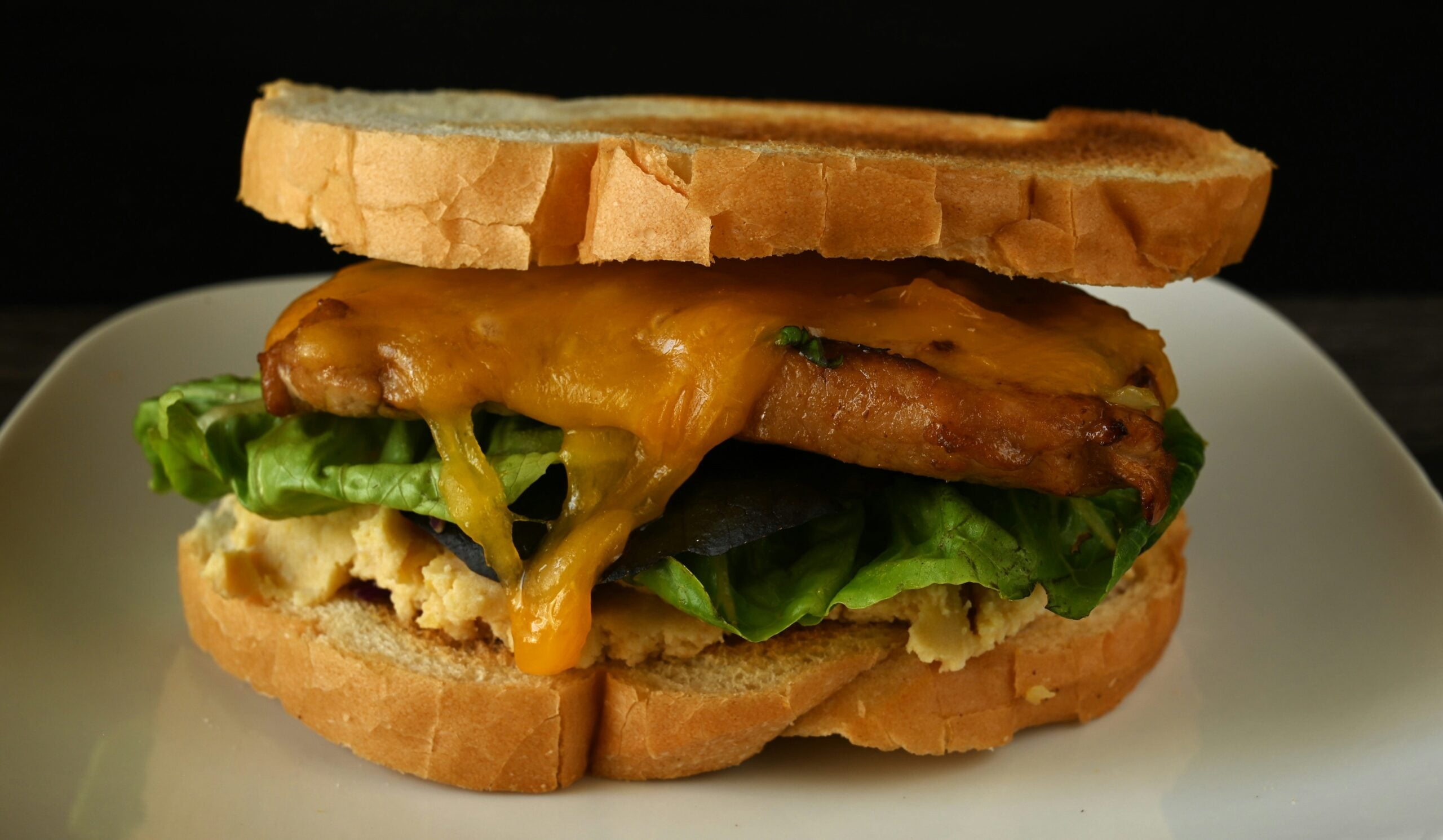
Some Midwestern diners serve pork tenderloin sandwiches so large they hang off the bun. This dish, especially popular in Indiana and Iowa, came from German immigrants who loved fried meat.
Locals love it fried and piled high with pickles. It’s big, it’s filling, and it tells a story of working towns and hearty appetites.
Grits still fill plates across the South
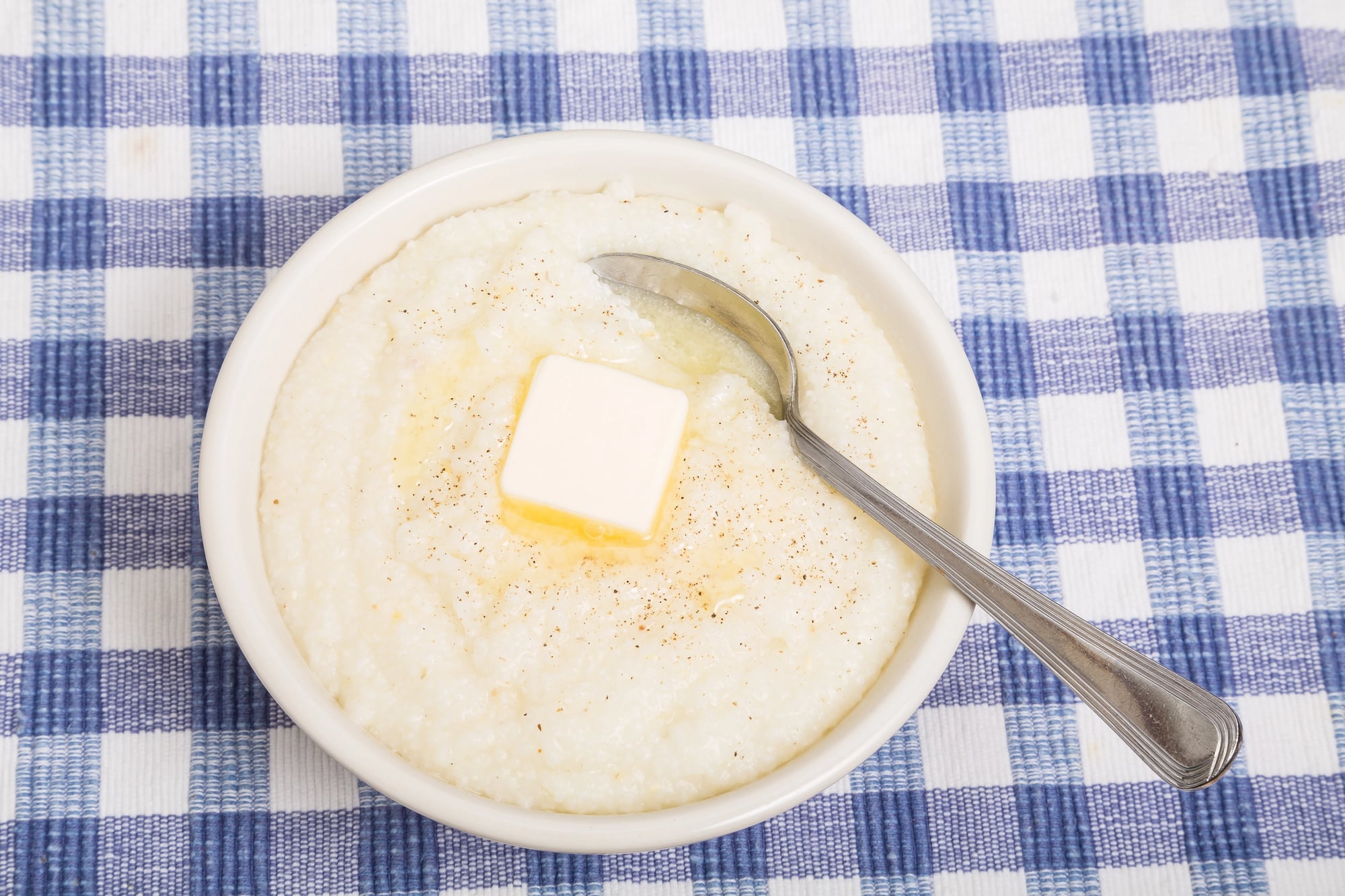
Southern diners keep grits on the menu morning, noon, and night. Whether served plain, with cheese, or next to shrimp, grits come from early Native American cooking.
They stuck around through generations, often passed down by families who made it their own way. It’s more than just a side dish—it’s a piece of history on the plate.
Like Go2Tutors’s content? Follow us on MSN.
Deep-dish pizza points to Chicago’s strong roots
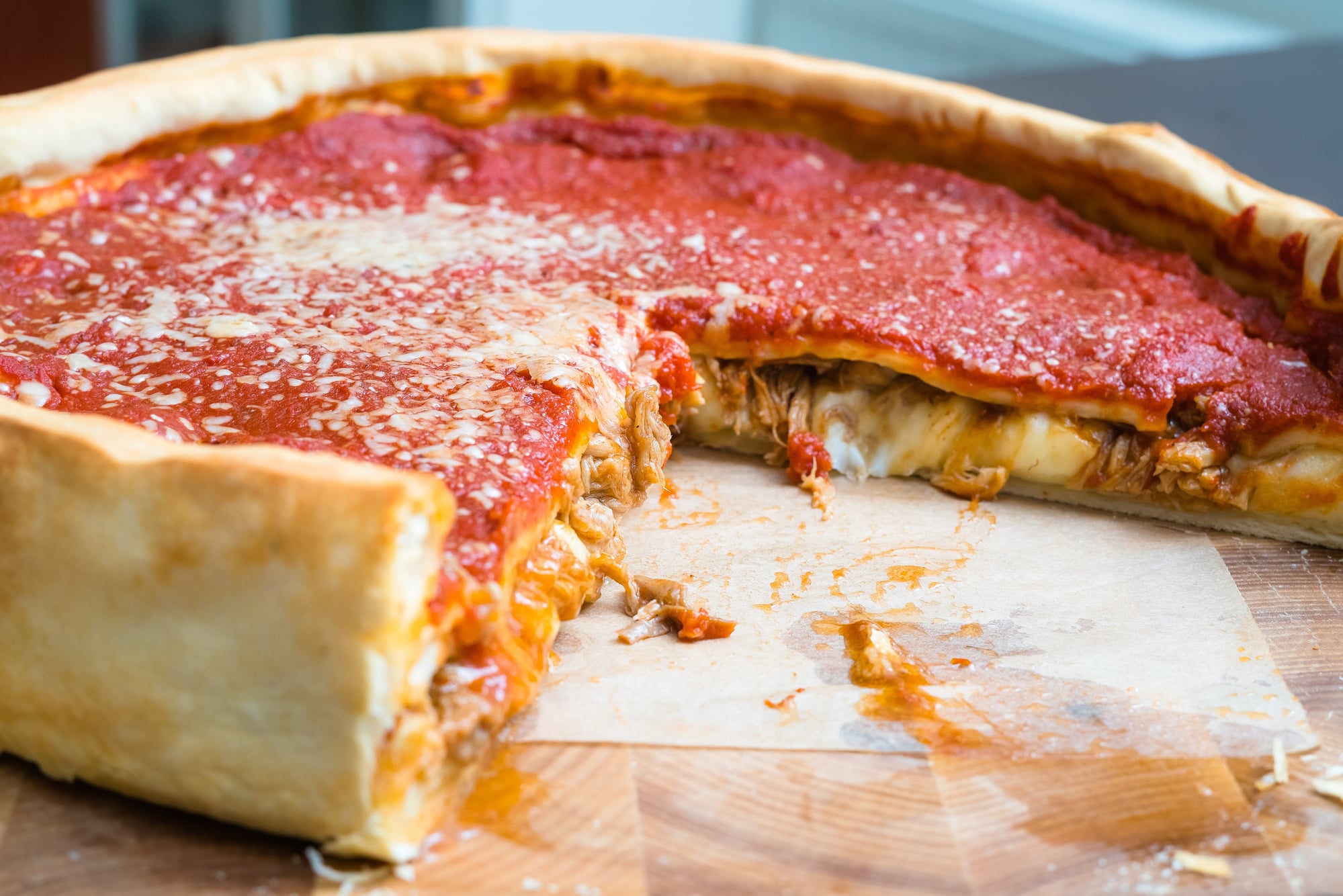
Some diners in the Chicago area offer deep-dish pizza alongside eggs and pancakes. This thick, cheesy pie reflects the city’s immigrant background and love of bold flavors.
It’s filling, often shared, and made with care. Even outside of pizza places, it still shows up because locals ask for it.
Chili keeps the West warm

Diners across the Western states often include chili on the menu—served alone, on fries, or poured over burgers. The dish comes from cowboy cooking, Mexican influence, and long workdays that needed hearty meals.
Even with endless versions out there, the love for chili sticks around. It’s a dish that speaks of long roads and wide-open spaces.
Butter burgers hint at Wisconsin’s dairy pride

In Wisconsin, some diners serve burgers with a big swipe of butter on the bun or even on the patty. It might sound odd, but in a dairy-loving state, it fits right in.
This small twist shows how local ingredients shape even the most common foods. Diners use what’s nearby—and make it delicious.
Like Go2Tutors’s content? Follow us on MSN.
Regional sodas sneak into drink menus

Food isn’t the only clue—look at what’s on tap. Some diners stock regional sodas like Cheerwine in North Carolina or Faygo in Michigan.
These drinks show up because locals ask for them, and they become part of the meal. A simple drink choice can say a lot about where you are.
From blue-plate specials to local staples

Diners may change over time, but their menus still keep one foot in the past. Every dish has a story—where it came from, why it stuck around, and what it says about the people who eat it.
Even new items often build on old favorites, blending tradition with today’s tastes. That’s why walking into a diner feels both familiar and different, depending on where you are.
The menu is more than just a list—it’s a snapshot of history served hot.
More from Go2Tutors!

- 16 Historical Figures Who Were Nothing Like You Think
- 12 Things Sold in the 80s That Are Now Illegal
- 15 VHS Tapes That Could Be Worth Thousands
- 17 Historical “What Ifs” That Would Have Changed Everything
- 18 TV Shows That Vanished Without a Finale
Like Go2Tutors’s content? Follow us on MSN.