Historical Significance of Common Vegetables
Onions, carrots, tomatoes, and potatoes are all piled high in the produce section of any grocery store.
It’s easy to forget they haven’t always been here because they are so commonplace.
However, these inconspicuous vegetables have influenced empires, triggered conflicts, prevented famine in populations, and even altered the path of human history.
The history of these everyday foods is anything but dull, and what seems ordinary now was revolutionary once.
Let’s examine how some common vegetables turned into remarkable figures in the history of humanity.
Potatoes
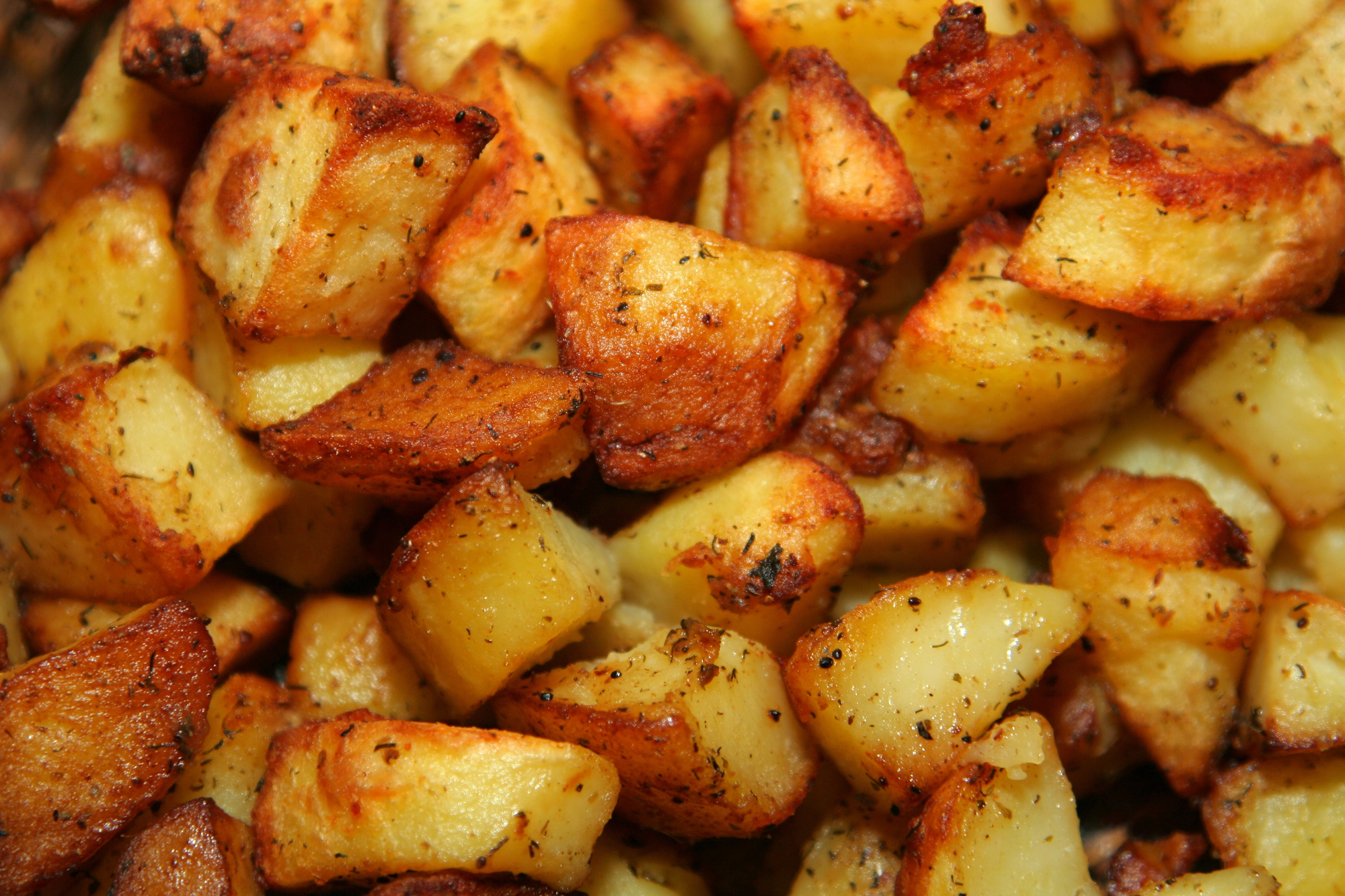
The potato might be the most historically significant vegetable that nobody gives enough credit to.
Genetic evidence places their origin in the Andes mountains of South America, specifically in southern Peru and northwestern Bolivia, where they were domesticated somewhere between 7,000 and 10,000 years ago.
Indigenous peoples cultivated hundreds of potato varieties long before Spanish conquistadors encountered them and brought them back to Europe in the mid-16th century.
Europeans were deeply skeptical at first—some thought potatoes caused leprosy, others considered them fit only for livestock.
But once people figured out how nutritious and easy to grow they were, everything changed.
Potatoes thrived in cold, wet climates where wheat struggled, and one acre of potatoes could yield more calories than the equivalent area of many grains in certain climates.
By the 1700s, they’d become a staple crop across northern Europe, fueling population booms in countries like Ireland, Germany, and Russia.
The Irish became so dependent on potatoes that when a fungal blight destroyed crops between 1845 and 1852, roughly one million people died and another million emigrated.
The Great Famine wasn’t just a tragedy—it permanently altered Ireland’s population, culture, and relationship with England.
Tomatoes
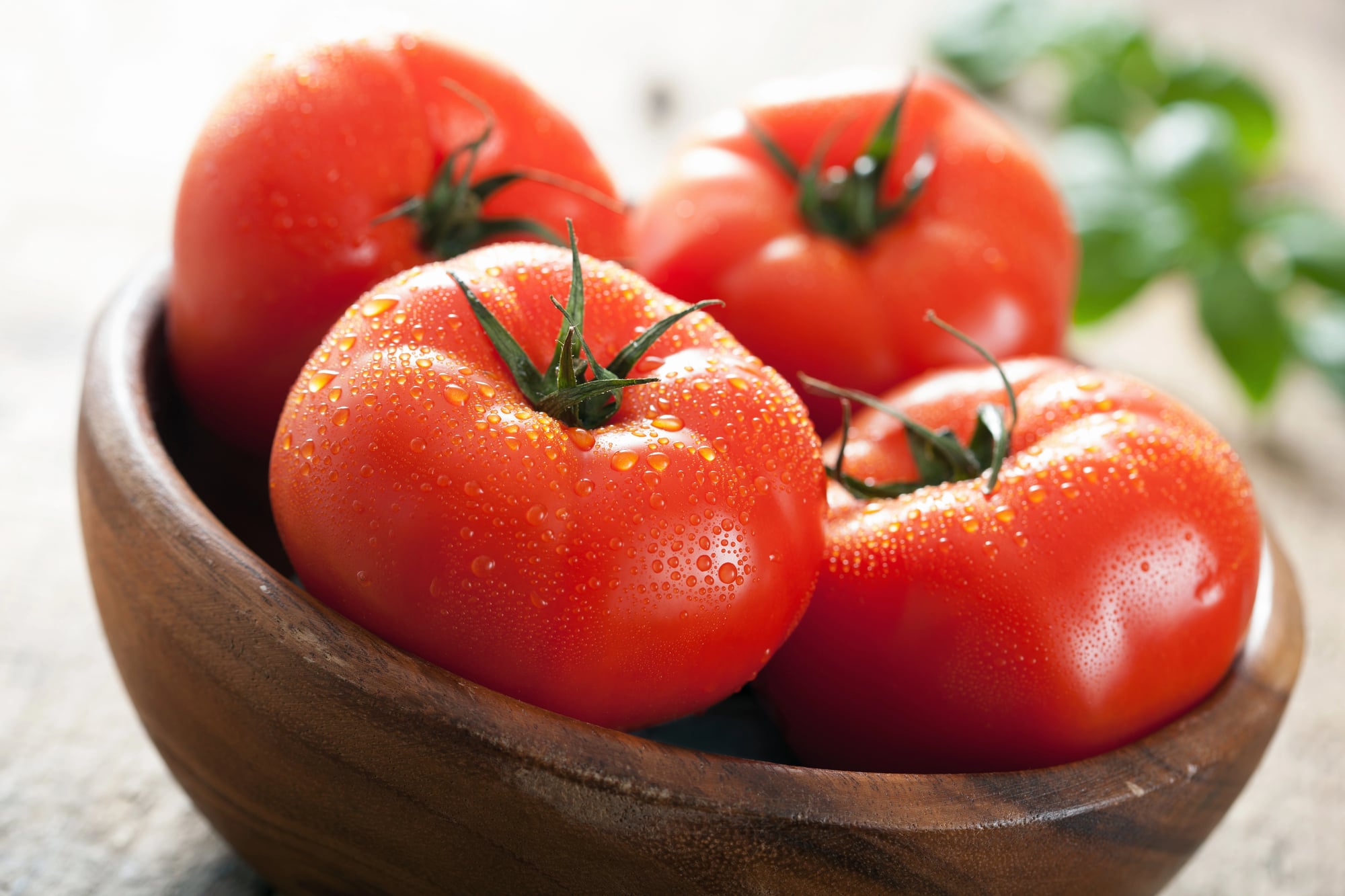
Tomatoes were domesticated in Mexico and Central America about 7,000 years ago, but their journey to global acceptance was rocky.
Though botanically a fruit, tomatoes have always been used as a vegetable in cooking, which adds to their odd cultural status.
For centuries, Europeans thought they were poisonous.
They weren’t entirely wrong to be suspicious—tomatoes belong to the nightshade family, which includes some genuinely toxic plants.
Some historians suggest that early fear of tomatoes may have been linked to lead-leaching from pewter plates when the fruit’s acidity made contact with the metal, exacerbating suspicion.
That reputation didn’t help matters.
Italians were among the first to embrace tomatoes in cooking, but even then, it took until the 1700s for them to become common.
Tomatoes didn’t catch on in North America until the 1800s, partly because of lingering fears and partly because they were seen as exotic.
Once people got over their hesitation, though, tomatoes became indispensable.
Italian cuisine as we know it—pizza, marinara sauce, caprese salad—wouldn’t exist without them. Neither would ketchup, salsa, or a decent BLT.
The tomato’s journey from suspected poison to pantry staple shows how cultural perceptions can take generations to shift.
Carrots

Wild carrots originated in Central Asia, likely in what is now Afghanistan, and came in purple, white, and yellow varieties—not orange.
The orange carrot we know today was deliberately bred by Dutch farmers in the 1600s, possibly as a tribute to William of Orange during the Dutch fight for independence.
Before that, carrots had been cultivated for over a thousand years, prized for their seeds and leaves as much as their roots.
Ancient Greeks and Romans ate carrots, though they considered them medicinal rather than delicious.
The vegetable spread slowly across Europe during the Middle Ages, but it wasn’t until those Dutch farmers created sweeter, less bitter orange varieties that carrots became a popular food.
During World War II, British propaganda claimed that eating carrots improved night vision, which helped explain why Royal Air Force pilots were so successful at intercepting enemy bombers.
The real reason was radar technology, but the carrot myth stuck and helped popularize the vegetable during rationing.
Today, orange carrots dominate global markets, though purple and rainbow varieties are making a comeback among specialty growers.
Onions
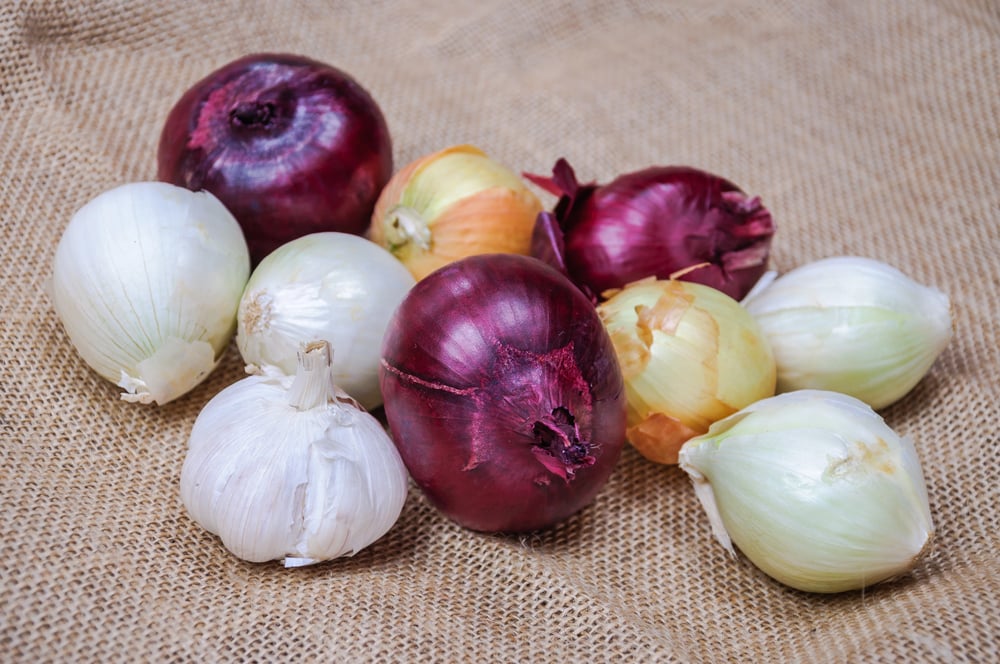
Because onions are so old, historians are unable to determine when people first began eating them.
They may have been cultivated much earlier, but evidence points to at least 5,000 years ago.
Onions were revered by the ancient Egyptians, who thought that their spherical shape and concentric rings represented eternal life.
In addition to radishes and garlic, workers who constructed the pyramids were compensated in part with onions—high praise for a vegetable.
On long campaigns, Roman soldiers carried onions and ate them to gain strength.
Onions were so valuable in the Middle Ages that they were used as currency and to pay rent; in some regions of Europe, they were considered genuine legal tender.
Since onions grew easily, stored well, and added flavor to otherwise bland diets, European colonists saw their value right away and planted them as one of the first vegetables in North America.
Prior to the development of contemporary antibiotics, onions also had an unexpected medical use.
With differing degrees of success, people used them to treat wounds, infections, and even the plague.
Although they aren’t miracle remedies, onions do contain antimicrobial compounds, so ancient healers weren’t totally off base.
Corn
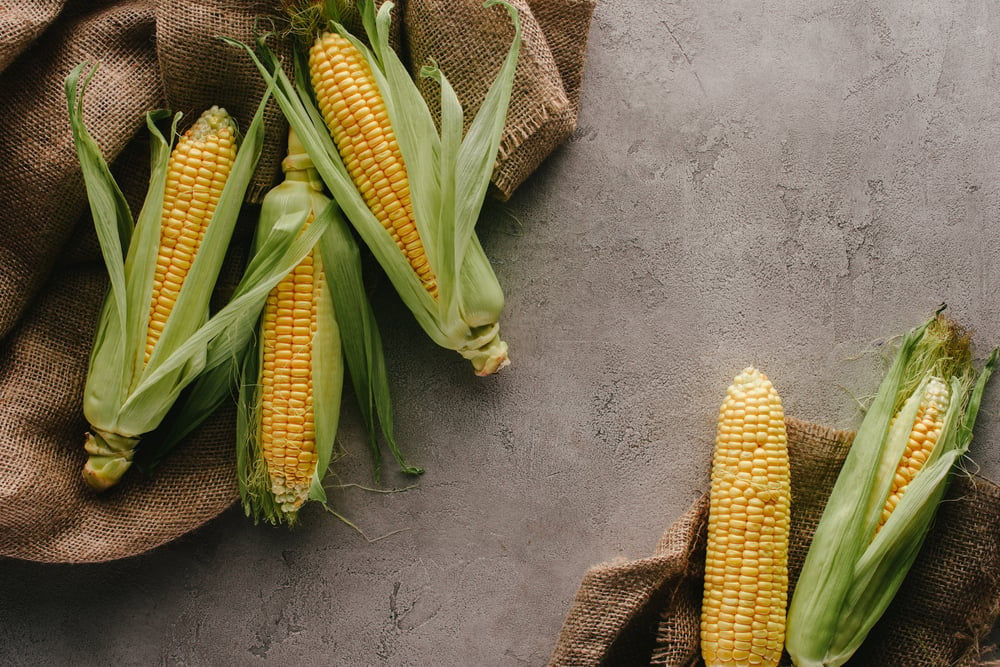
Corn, also known as maize outside of the United States, is a product of human invention.
The ancestor of corn, wild teosinte, does not resemble the plump golden ears of modern corn.
Through selective breeding, indigenous peoples in southern Mexico domesticated teosinte some 9,000 years ago, turning a grass with small, hard kernels into one of the most significant crops in the world.
Ancient civilizations throughout the Americas, including the Inca and Aztec empires, were built on corn.
Corn was so essential to their cultures that it was mentioned in many creation myths.
When Europeans arrived in the Americas, they initially dismissed corn as inferior to wheat, but they eventually recognized its value.
Corn spread globally, adapting to climates from Canada to southern Africa.
Today, corn remains one of the most widely cultivated crops on the planet, though much of it goes toward animal feed, biofuels, and processed ingredients rather than direct human consumption.
Without indigenous innovation over thousands of years, none of that would exist.
Cabbage
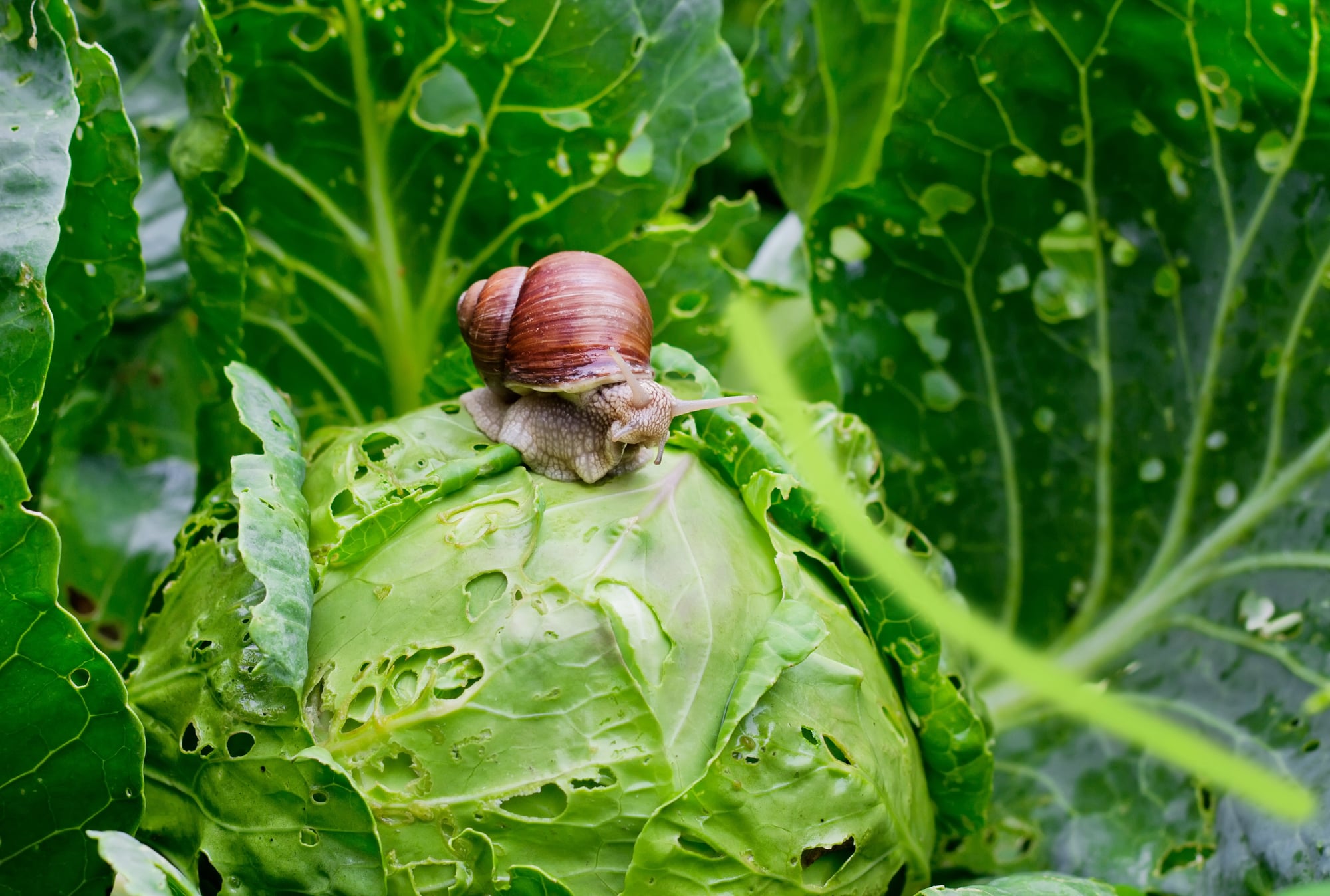
Cabbage doesn’t get much glory, but it’s been keeping people alive for millennia.
Wild cabbage grows along the Mediterranean and Atlantic coasts of Europe and is the ancestor of many vegetables we eat today—broccoli, cauliflower, Brussels sprouts, and kale all descend from the same plant.
Humans have been cultivating cabbage for at least 4,000 years. Ancient Greeks and Romans ate cabbage regularly, and Roman scholar Cato the Elder wrote extensively about its medicinal properties, claiming it could cure everything from hangovers to the plague.
Cabbage became crucial in northern Europe because it grew well in cool climates and could be stored through harsh winters.
Fermented cabbage—sauerkraut—became particularly important for preserving food before refrigeration existed, and the fermentation process increased its vitamin C content.
Captain James Cook is credited with using sauerkraut aboard his vessels on long Pacific voyages to prevent scurvy among his crew, though nobody understood at the time that vitamin C was the reason it worked.
Cabbage also played a quieter role in social history. In many cultures, cabbage was poor people’s food, cheap and filling but unglamorous.
That association stuck for centuries, even as cabbage remained a nutritional powerhouse.
Beans
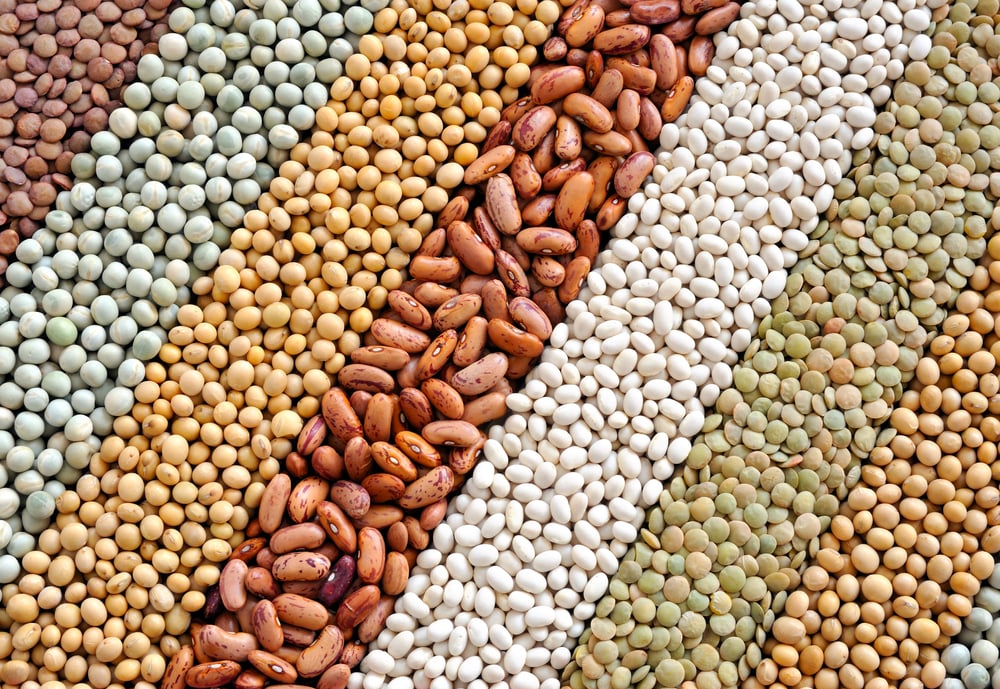
Perhaps the most underappreciated food in history is beans.
For thousands of years, a number of varieties were independently domesticated on several continents: fava beans in the Mediterranean and Middle East, soybeans in East Asia, and common beans in the Americas.
There is evidence that beans have been cultivated for at least 7,000 years, making them one of the earliest domesticated crops.
Not only did people eat beans, but they also revolutionized agriculture, which is what makes them important historically.
Beans restore nutrients that other crops deplete by fixing nitrogen in the soil.
Indigenous peoples in the Americas practiced companion planting, growing corn, beans, and squash together in a system called the Three Sisters.
The corn provided a structure for beans to climb, beans enriched the soil through nitrogen fixation, and squash leaves shaded the ground to retain moisture.
This sustainable farming method supported large populations for centuries and represents sophisticated agricultural knowledge.
Beans also became a staple protein source for people who couldn’t afford meat, shaping diets across Latin America, Africa, Asia, and Europe. They’re still doing that work today.
Why They Still Matter
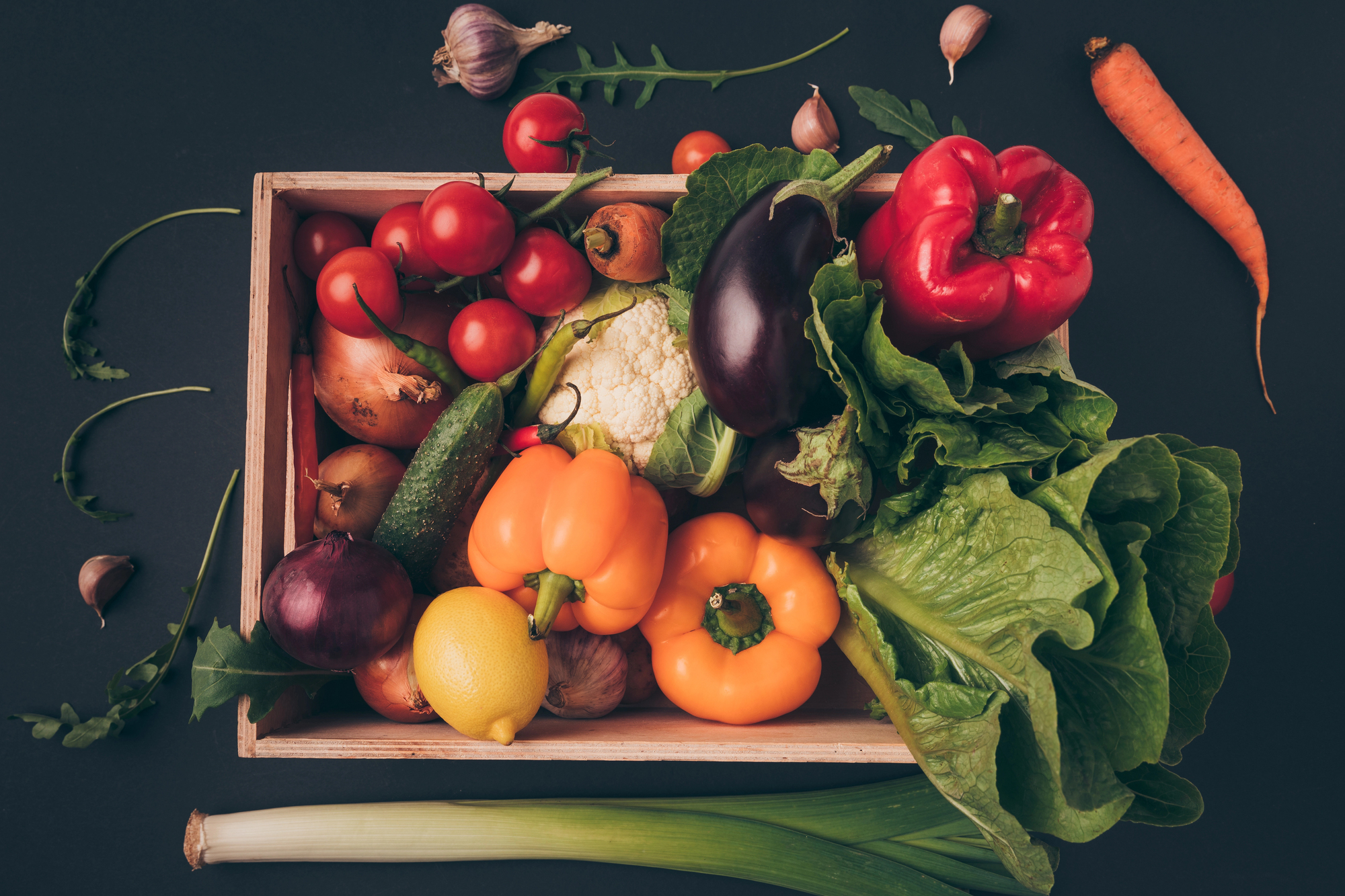
In addition to providing food, these vegetables fostered innovation, united disparate regions of the world, and created societies.
In areas where farming had previously been marginal, potatoes allowed populations to increase. Whole cuisines were changed by tomatoes.
Long before Europeans arrived, corn was the foundation of sophisticated civilizations.
These everyday vegetables tell tales of human survival, adaptation, and inventiveness.
It’s difficult to imagine life without them because we bred, transported, and assimilated them into our cultures so completely.
The next time you chop an onion or roast carrots, keep in mind that you are taking part in a custom that dates back thousands of years and links you to cooks, builders, farmers, and sailors from many eras and continents.
That is something to be grateful for.
More from Go2Tutors!

- The Romanov Crown Jewels and Their Tragic Fate
- 17 Halloween Costumes Once Considered Taboo
- Famous Hoaxes That Fooled the World for Years
- 15 Child Stars with Tragic Adult Lives
- 16 Famous Jewelry Pieces in History
Like Go2Tutors’s content? Follow us on MSN.