28 Chores Kids Finished Before Dinner Without Being Asked Twice
Certain household responsibilities motivated children so thoroughly that parents never needed to repeat requests more than once. These tasks carried urgency, appeals to children’s independence, or immediate consequences for non-completion that created natural accountability.
Whether driven by upcoming social engagements, hunger, or genuine desire to contribute to family functioning, specific chores mobilized children into immediate action without requiring parental enforcement or repeated directives.
The specific tasks varied by family, but patterns emerged around responsibilities with visible results, social consequences, or personal motivations. Children willingly completed these duties because completing them offered advantages more compelling than the effort required, establishing self-directed work habits that outlasted childhood and influenced adult attitudes toward household responsibility.
Clearing the Table After Dinner
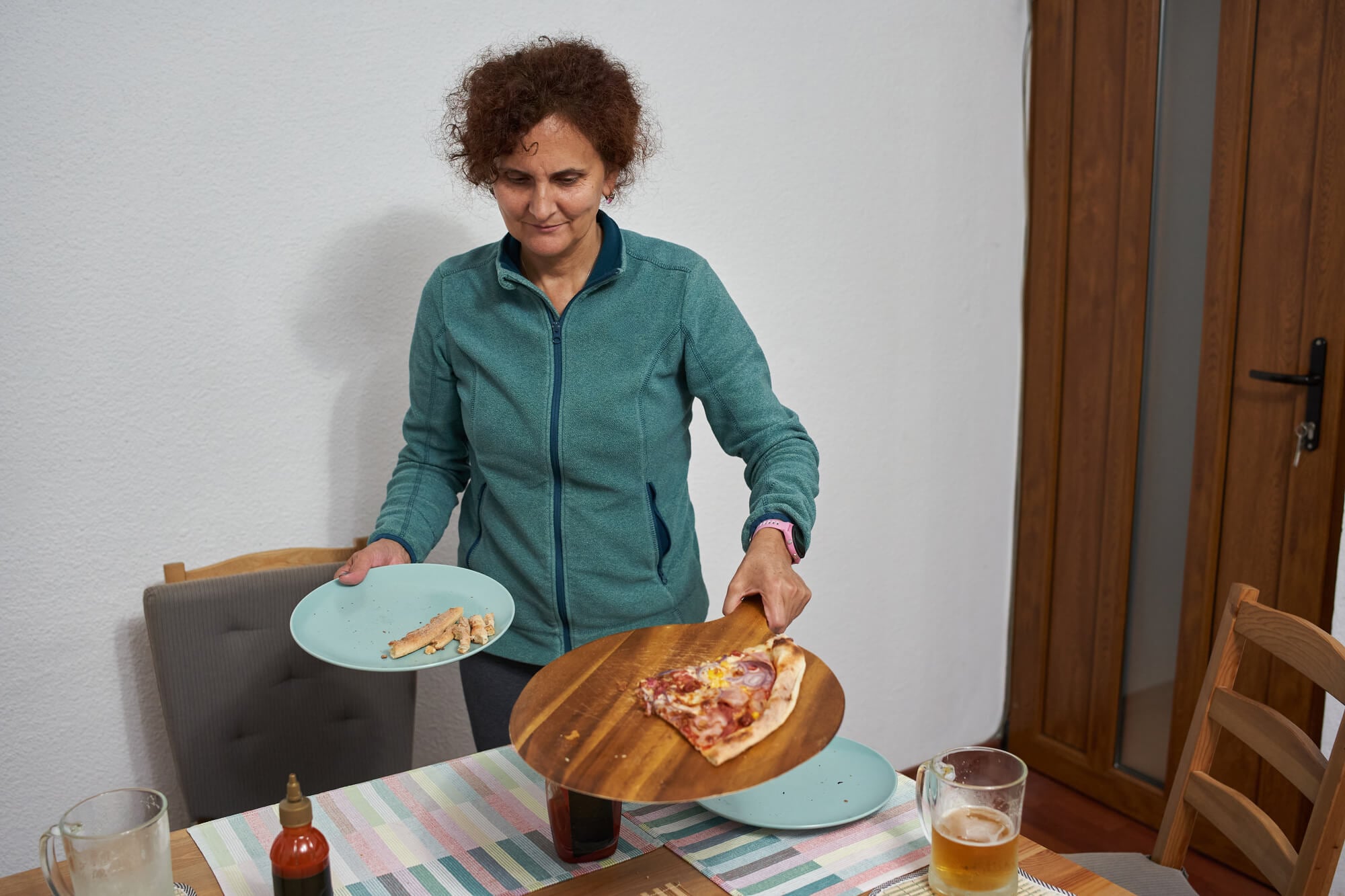
Children raced to finish dinner and clear their plates knowing they needed to complete the task before engaging in evening activities. The immediate consequence of sitting at the table watching others play incentivized rapid completion without parental reminder.
Feeding the Pets
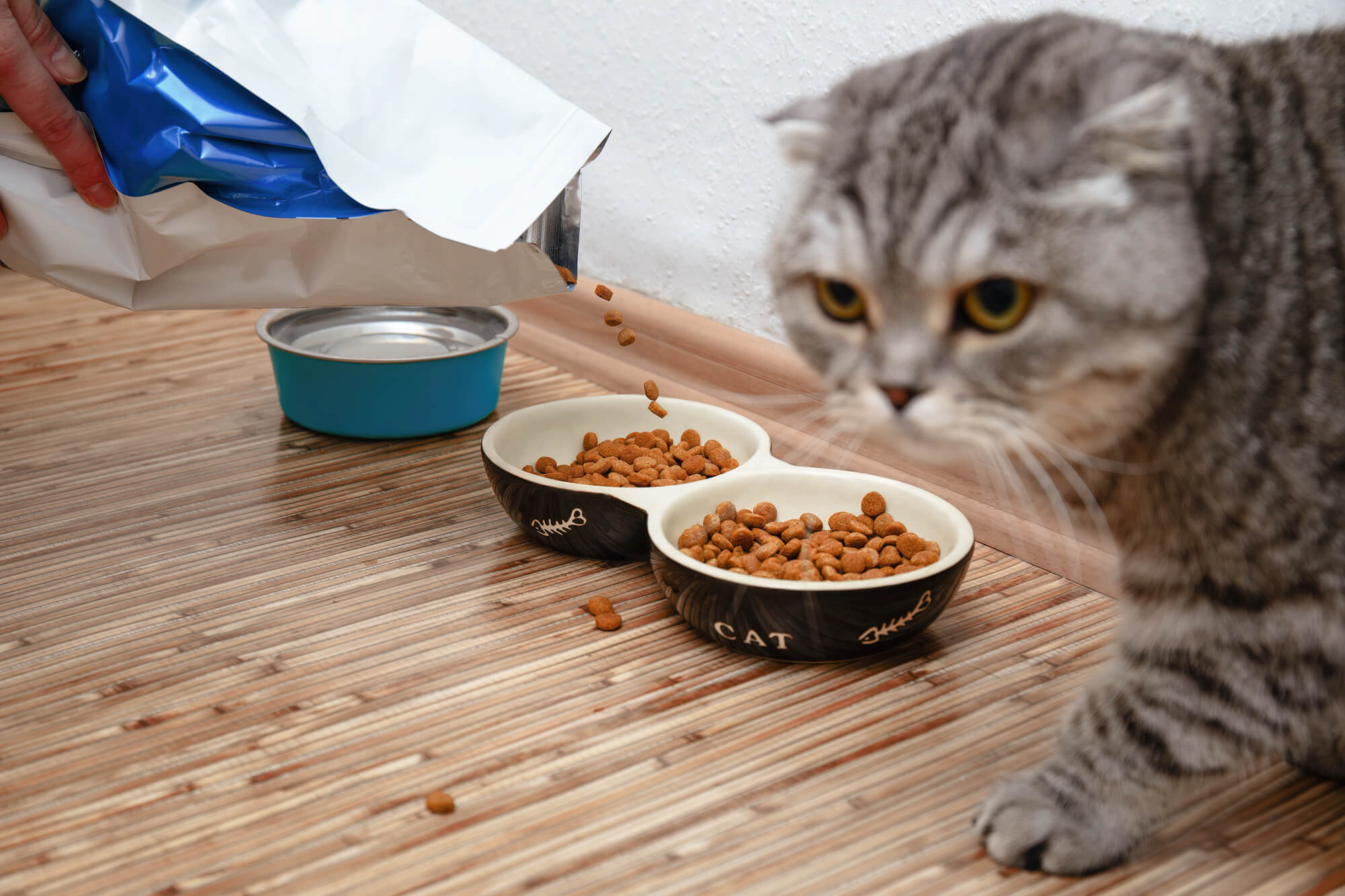
Most children remembered feeding pets without prompting when understanding existed that hungry animals might not eat otherwise. The responsibility toward the pet’s welfare created internal motivation that parents never needed to enforce through repeated requests.
Setting the Table for Dinner

Kids who understood that dinner couldn’t start until the table was set rushed to place plates, utensils, and napkins without parental reminder. The obvious consequence—delayed gratification for themselves—motivated urgent completion.
Taking out the Trash
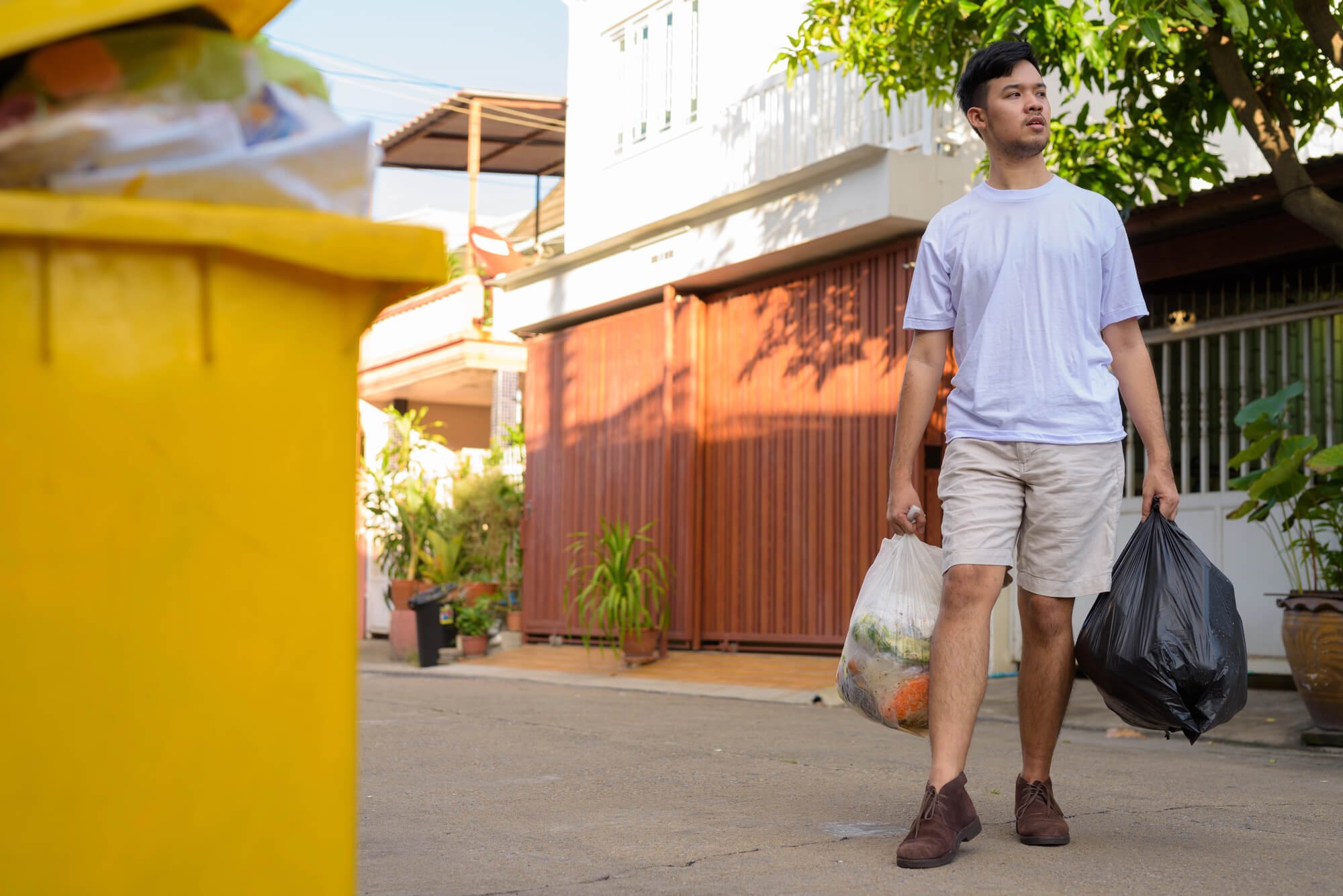
Children finished this task quickly when understanding existed that full trash bags would overflow or attract pests. The logical consequence and sense of household contribution often meant kids completed it willingly.
Watering the Garden

Children tended to plants with diligent watering when invested in seeing them grow. The daily motivation of plant care and visible results of their labor created self-directed responsibility without parental enforcement.
Bringing in the Mail

Kids completed this task promptly when interested in checking for their own mail or packages. The personal investment in mail delivery meant the task was finished eagerly rather than reluctantly.
Gathering Firewood

In households with fireplaces, children gathered firewood for evening fires without hesitation when understanding existed that they’d enjoy the warmth. The trade-off between effort and immediate comfor motivat rapid completion.
Organizing the Garage

Children systematized garages when given autonomy to organize according to their own logic. The opportunity to create order and the knowledge that “their system” would be used motivated thorough completion.
Pulling Weeds from the Garden
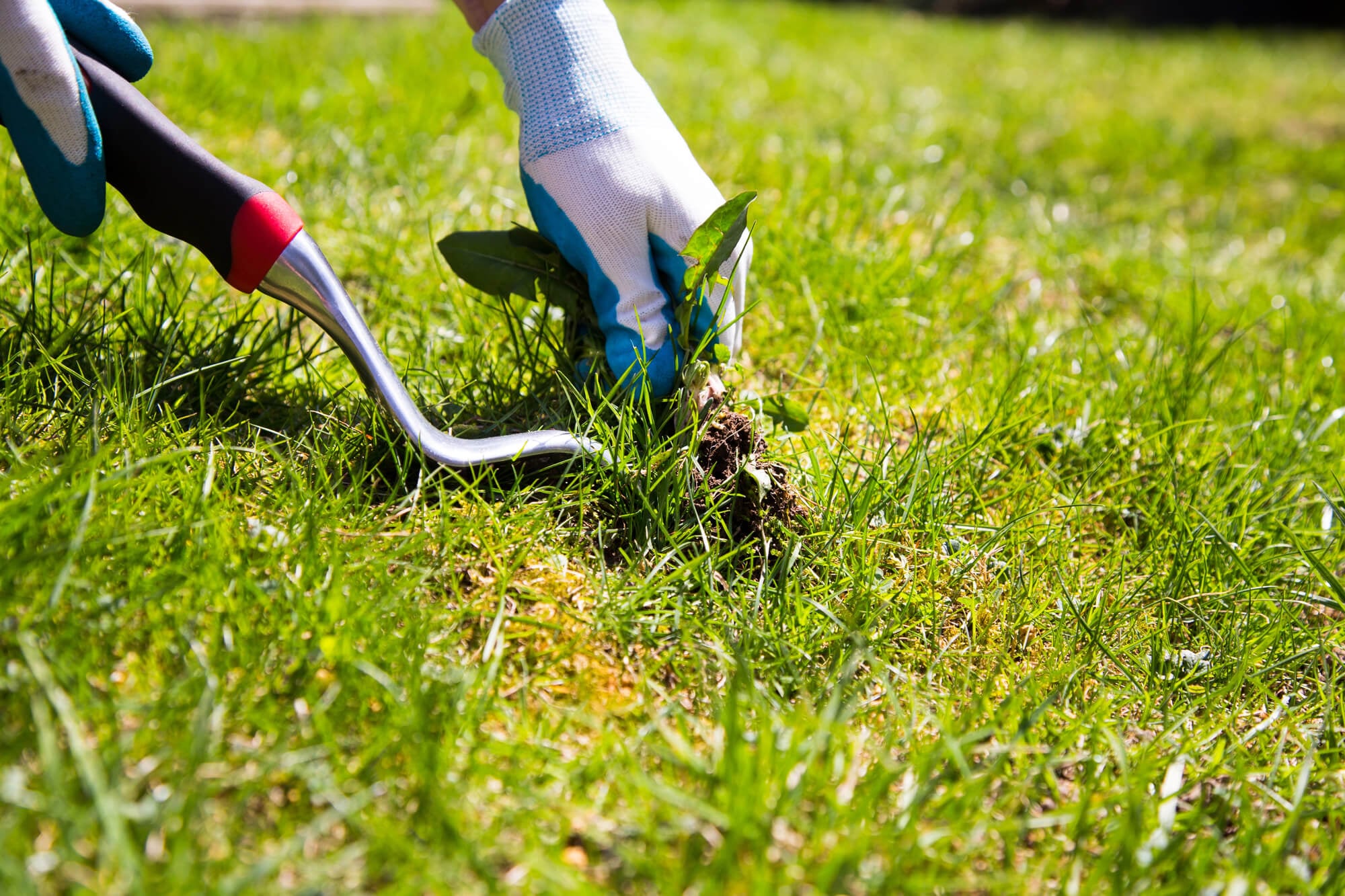
Kids approached weeding promptly when understanding existed that garden health depended on their effort. The sense of protecting their family’s garden plants motivated diligent completion.
Vacuuming Specific Rooms
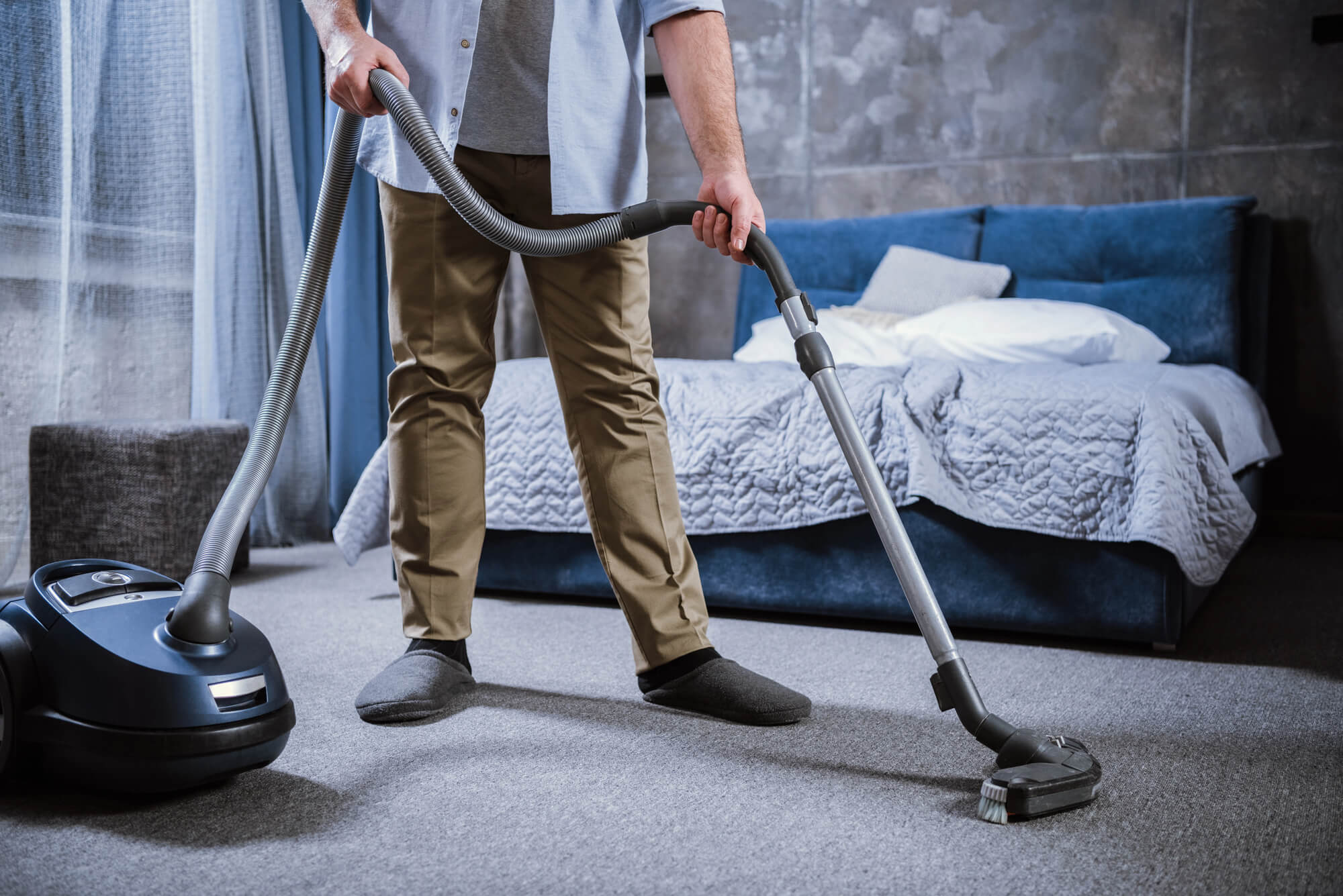
Children vacuumed without repeated reminders when certain privileges (having friends over, attending specific events) depended on household cleanliness. The connection between task completion and desired outcomes motivated immediate action.
Washing the Family Car
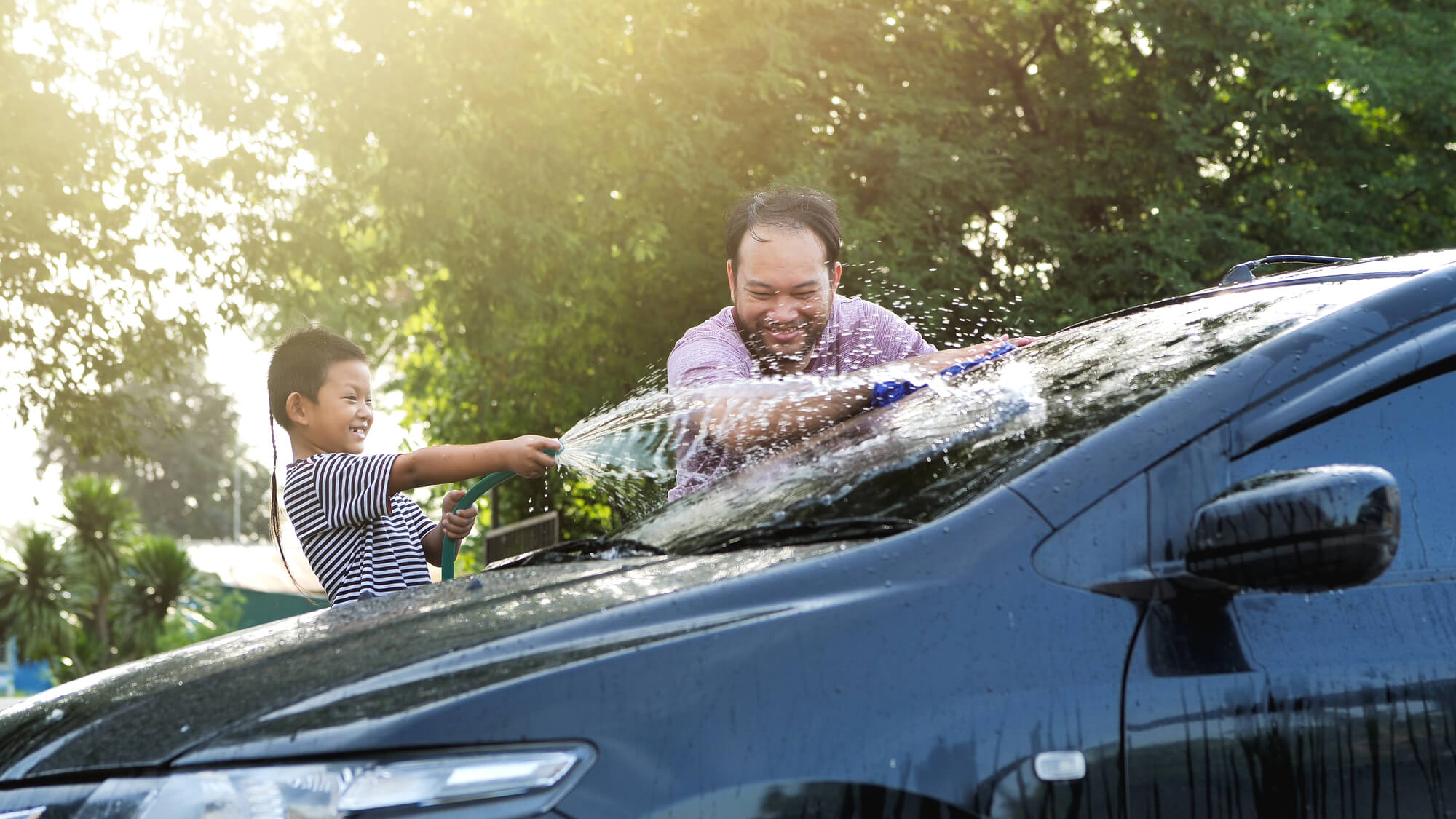
Kids washed the family vehicle enthusiastically when interested in learning to drive it, understanding that vehicle maintenance was part of driving privileges. The long-term consequence motivated present action.
Raking Leaves

Children raked leaves without protest when understanding existed that their finished work would enable activities they wanted (jumping in leaf piles, community events). The purpose made effort feel worthwhile.
Sweeping the Porch
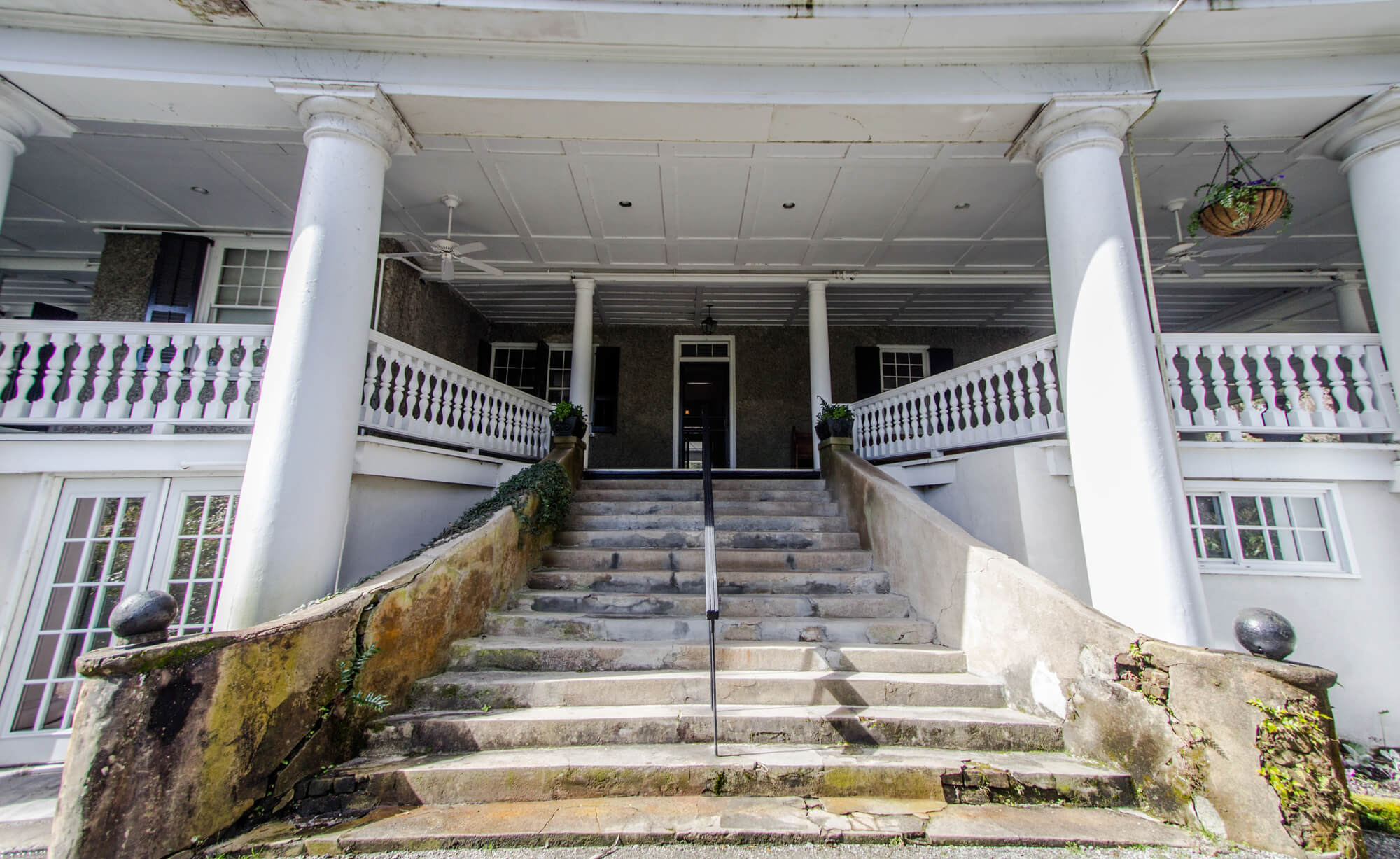
Kids swept porches promptly when invited friends were arriving, recognizing the connection between household cleanliness and social impression. The immediate social consequence motivated rapid completion.
Organizing Their Closets

Children reorganized closets eagerly when having input on the organization system and understanding that finding clothes would become easier. The personal benefit motivated thorough completion.
Washing Dishes
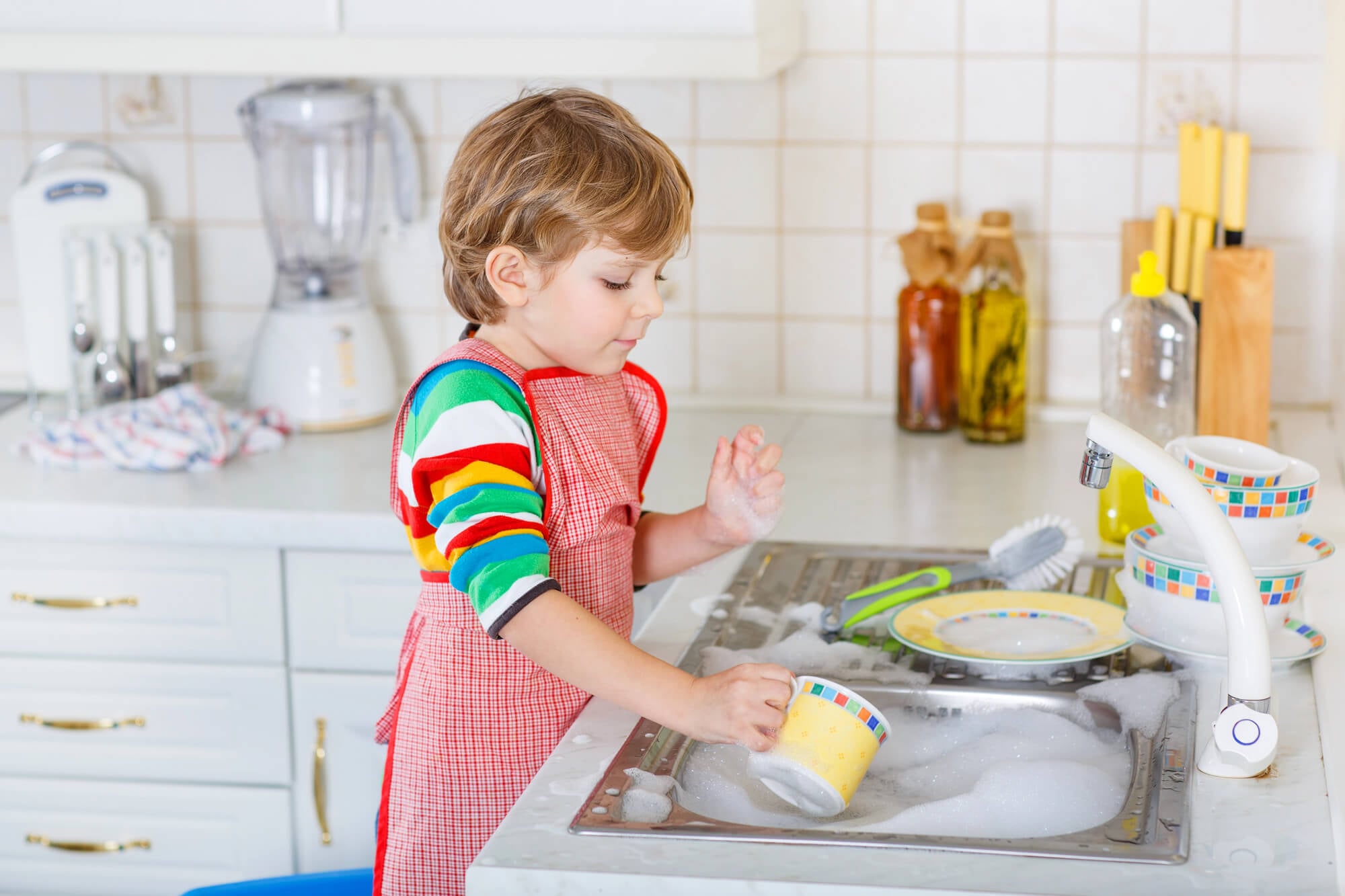
Though not universally beloved, children washed dishes promptly when understanding existed that they couldn’t leave the table until finished. The immediate trap of dish-bound time incentivized speed.
Sorting Laundry

Kids sorted laundry when understanding existed that clean clothes resulted from their sorted effort. The visible consequence of organized laundry motivated prompt completion.
Mowing the Lawn
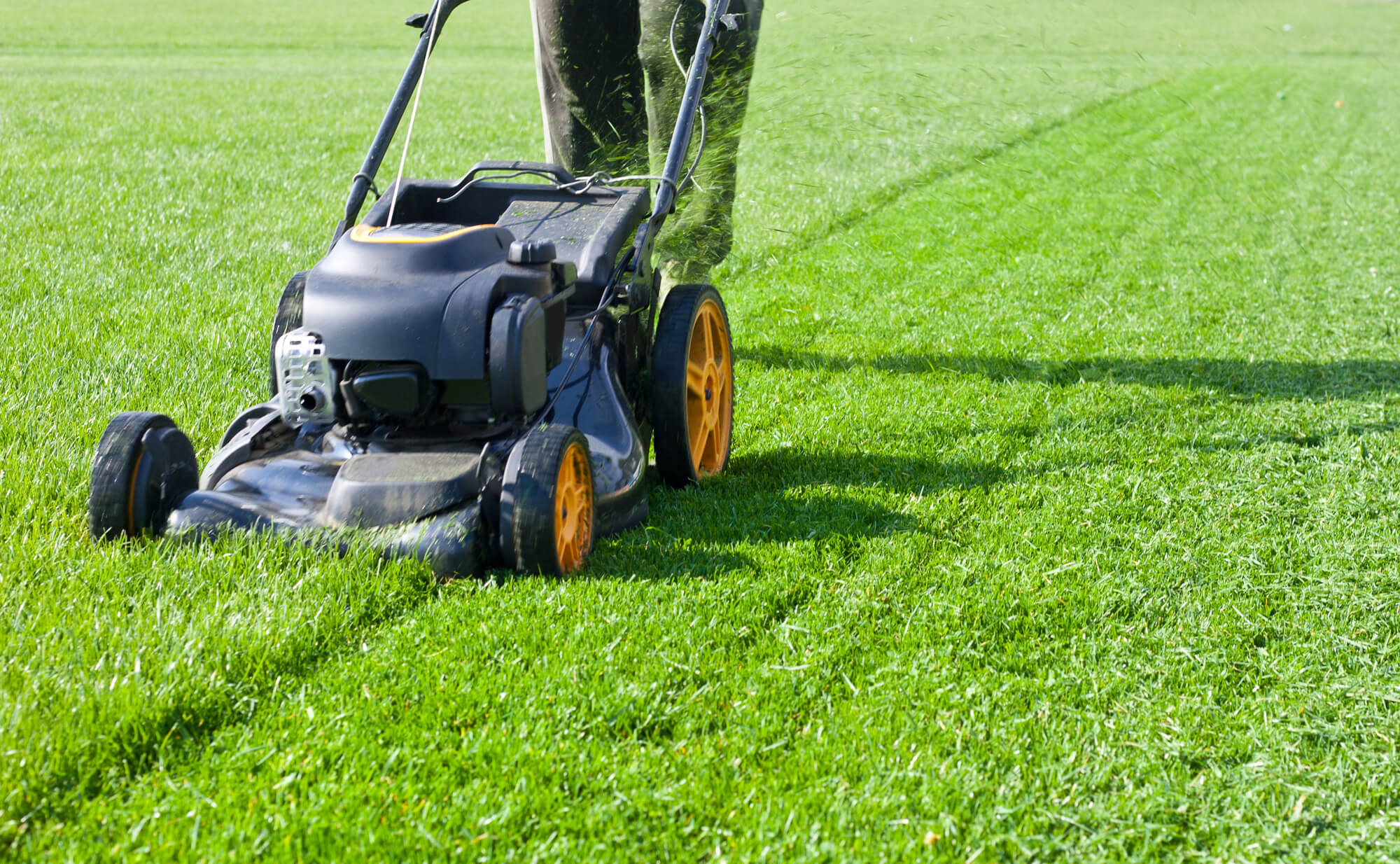
Teenagers mowed lawns without reminder when understanding existed that their effort directly enabled their allowance or driving privileges. The financial or freedom-based consequence motivated immediate action.
Collecting Recyclables

Children gathered recyclables promptly when invested in environmental conservation or when understanding existed that recyclables meant family outings to recycling centers. The purpose motivated completion.
Dusting Furniture
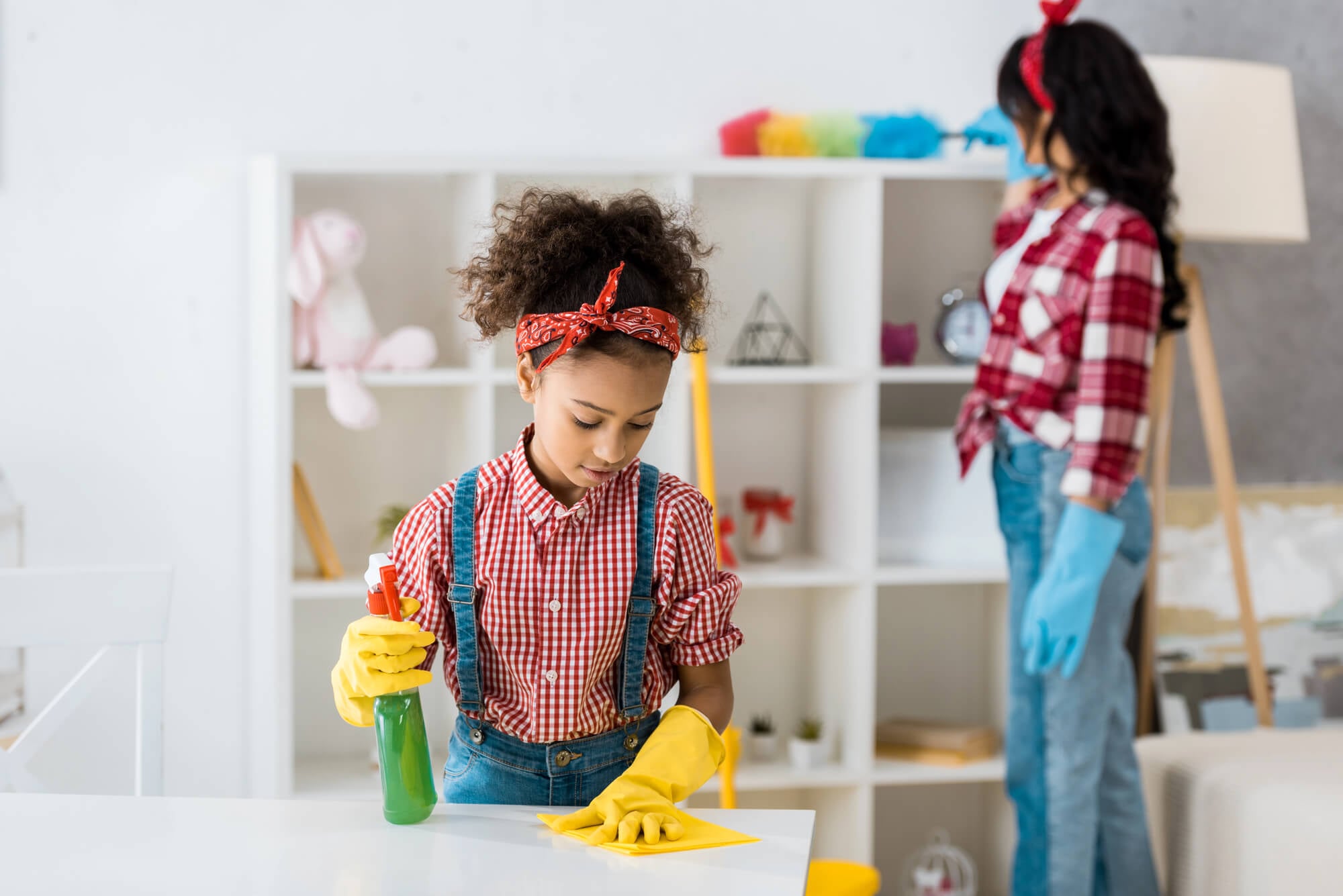
Kids dusted furniture without repeated reminding when understanding existed that guests were arriving. The social preparation motivation made the task feel urgent rather than burdensome.
Organizing the Pantry

Children reorganized pantries when given autonomy to create systems they understood. The sense of ownership and the convenience of their own system motivated diligent completion.
Feeding the Chickens or Livestock
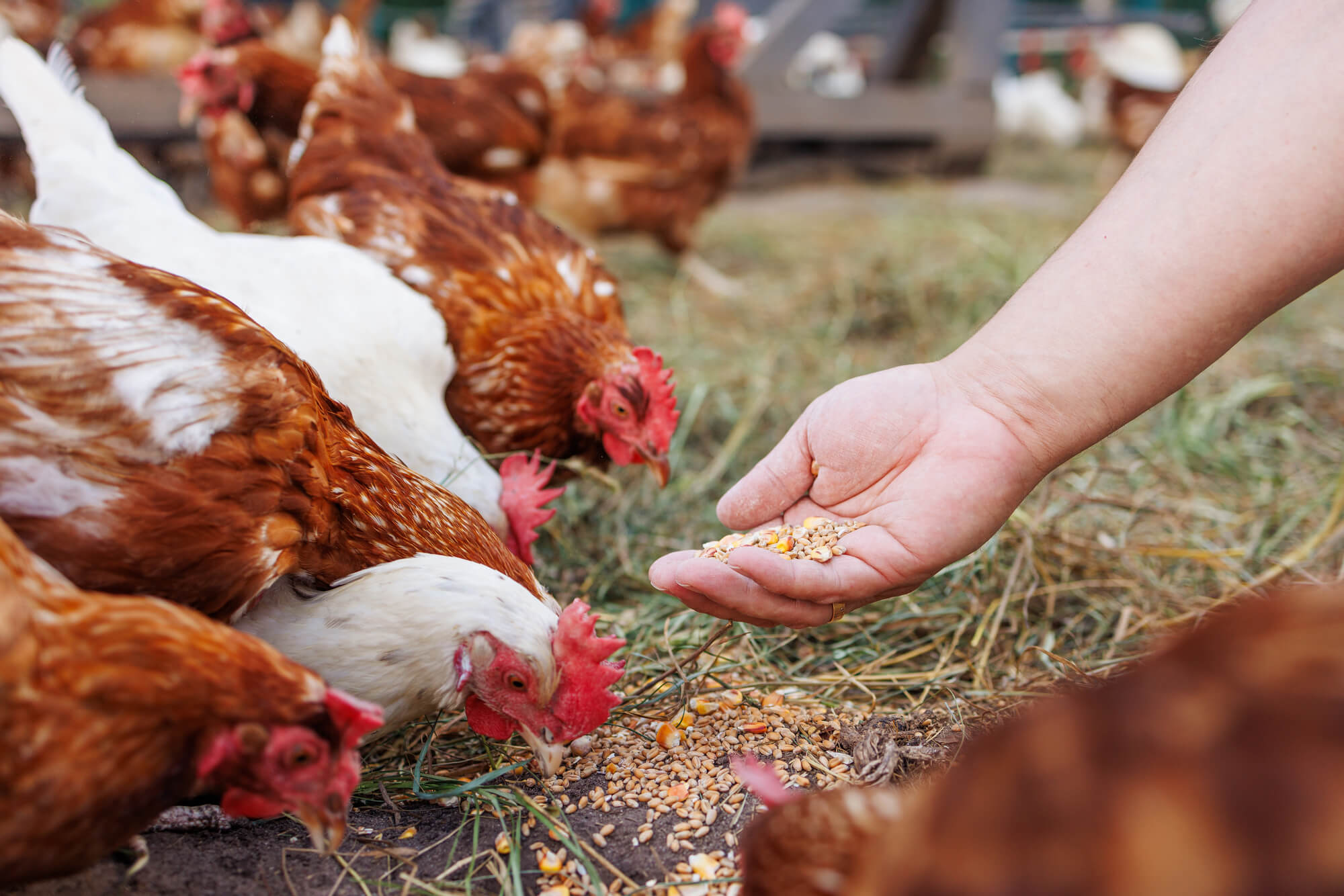
Rural children completed daily livestock feeding without reminder when understanding existed that animals depended on their effort. The responsibility to living creatures motivated consistent completion.
Bringing in Groceries

Kids rushed to unload groceries promptly when understanding existed that ice cream wouldn’t unload itself and frozen items required rapid unpacking. The invested interest in food availability motivated speed.
Cleaning Their Fish Tank or Pet Habitat

Children cleaned pet environments without excessive reminder when invested in their pet’s wellbeing. The care for their animal motivated regular maintenance without parental enforcement.
Organizing the Garage Tools

Kids organized tools promptly when granted access to use tools and understanding existed that organized tools could be found and used. The autonomy motivated proper maintenance.
Blowing Leaves from the Driveway
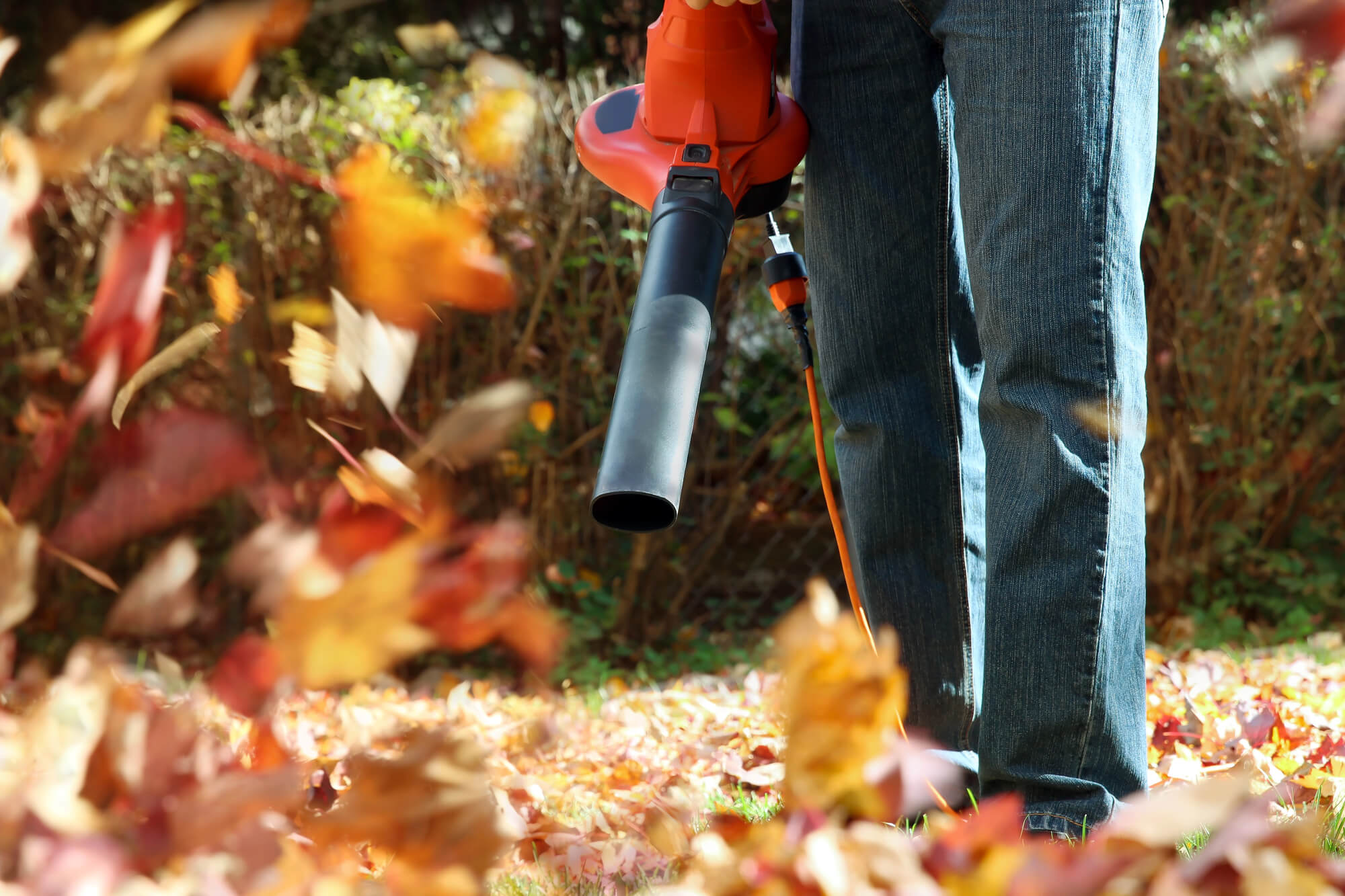
Children cleared driveways without reminder when understanding existed that completed work enabled activities (driveway games, vehicle parking). The logical consequence motivated rapid completion.
Straightening the Living Room Before Guests

Kids tidied common areas without excessive nagging when friends or family were arriving. The social preparation motivation transformed a usually-reluctant task into urgent priority.
Starting a Fire
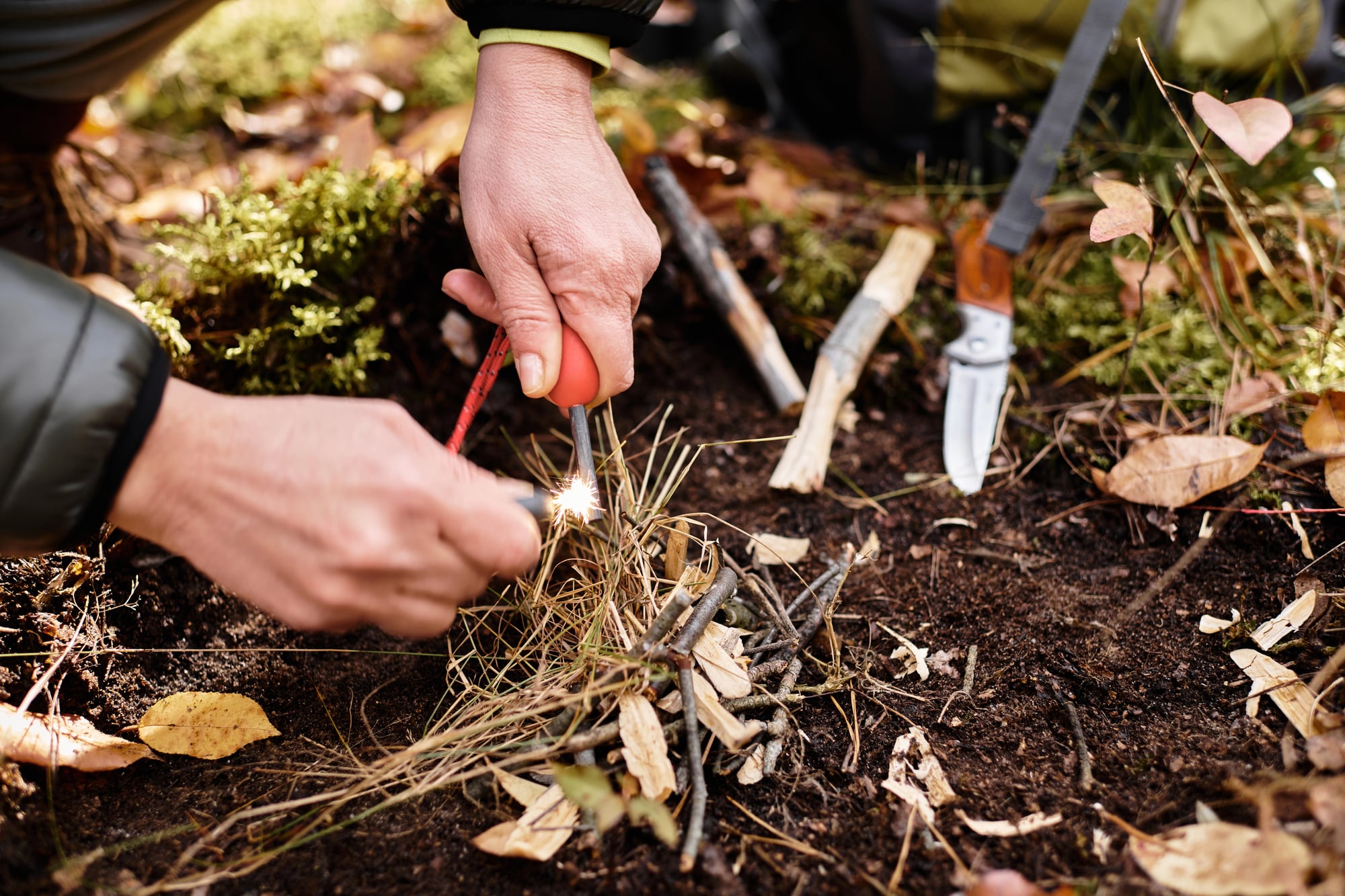
Teenagers prepared fires without reminder when understanding existed that their effort directly enabled evening comfort and family togetherness. The purpose motivated immediate action.
Watering Houseplants

Children remembered to water indoor plants when understanding existed that visible plant death would result from neglect. The consequence of dead plants motivated regular attention without reminder.
The Self-Directed Child
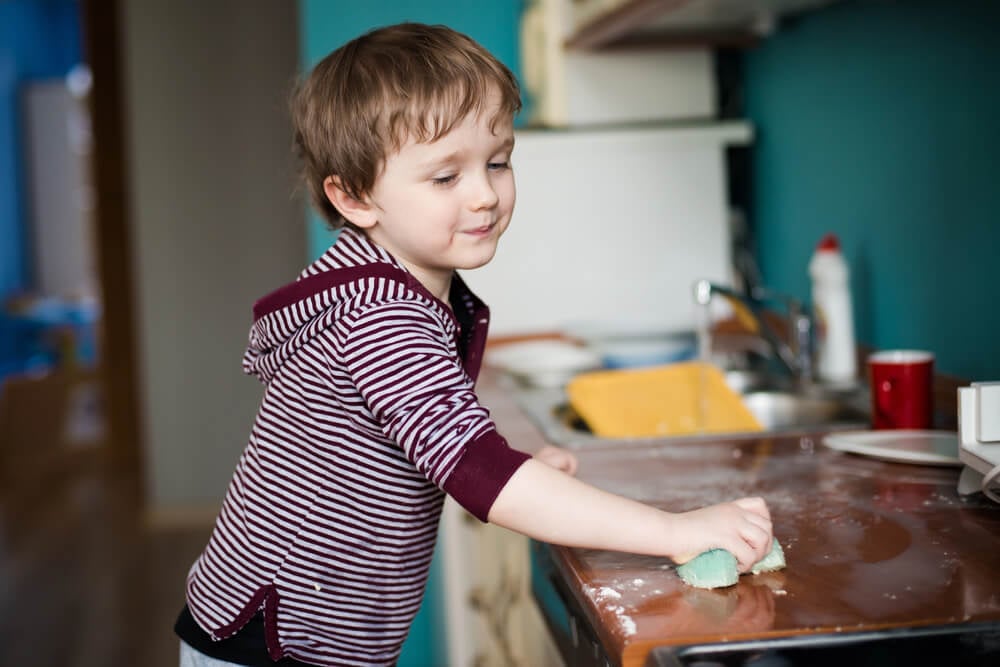
These tasks created independence and responsibility not through punishment or reward systems but through establishing direct connections between effort and valued outcomes. Children understood that completing these specific responsibilities enabled outcomes they wanted, creating internal motivation that transformed household management from parental enforcement into self-directed contribution.
More from Go2Tutors!

- The Romanov Crown Jewels and Their Tragic Fate
- 13 Historical Mysteries That Science Still Can’t Solve
- Famous Hoaxes That Fooled the World for Years
- 15 Child Stars with Tragic Adult Lives
- 16 Famous Jewelry Pieces in History
Like Go2Tutors’s content? Follow us on MSN.