Jokes That Have Been Around Forever
You know that moment when someone starts telling a joke and you already know the punchline before they finish? That happens because some jokes refuse to die. They get passed down through generations, told at dinner tables, repeated on playgrounds, and somehow they still get laughs.
The delivery changes, the context shifts, but the core remains the same. These jokes survive because they tap into something basic about how humor works—pattern recognition, surprise, absurdity, or just pure silliness.
Knock-Knock Started Simple

The knock-knock joke structure hasn’t changed much since it became popular in the 1930s. Someone says “knock knock,” you say “who’s there,” they give a name, you repeat it with “who,” and then comes the punchline.
The format is so rigid that even young children can master it, which explains why every kid goes through a phase of telling terrible knock-knock jokes. The beauty lies in the predictability.
You know exactly what’s coming, but the specific wordplay still catches you off guard. “Boo who? Don’t cry, it’s just a joke.”
Simple, groan-worthy, and somehow still effective. Adults pretend to be annoyed by them, but they keep telling them anyway.
The Chicken Had Reasons
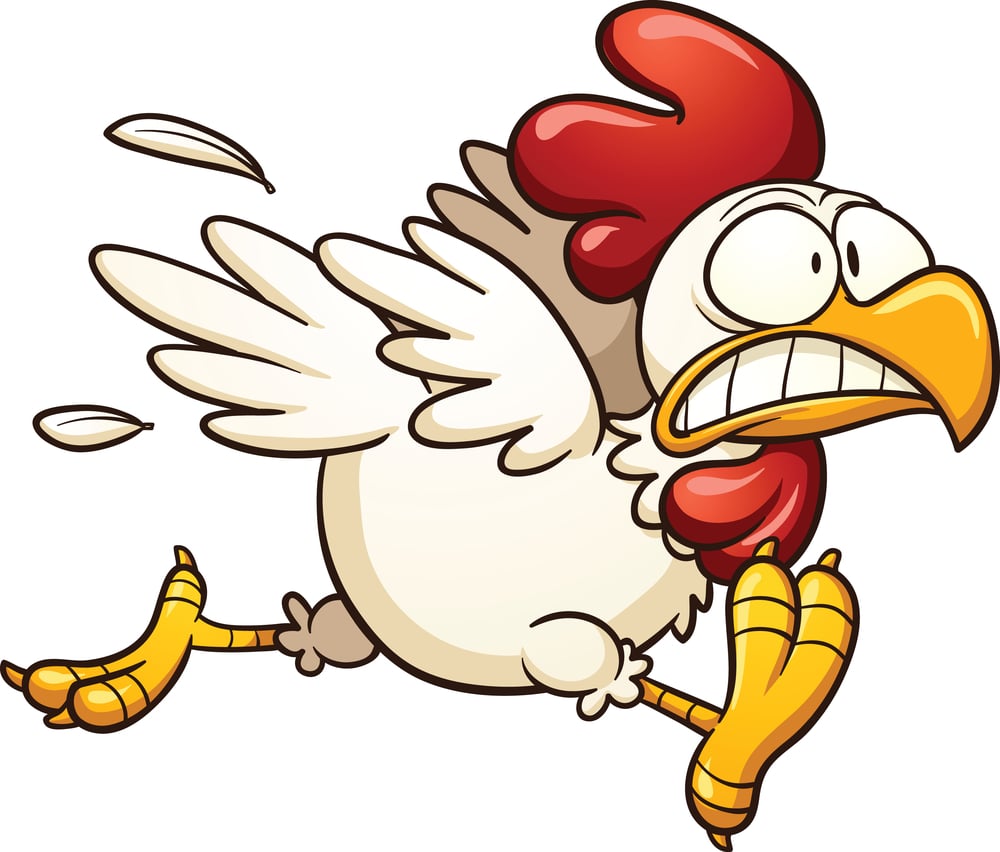
“Why did the chicken cross the road? To get to the other side.” This might be the most analyzed joke in history.
People have written essays trying to explain why it’s funny, or whether it’s funny at all. The answer is so obvious that it circles back to being unexpected.
You’re waiting for something clever, and instead you get the plainest possible response. What makes it endure is the anti-climax.
Your brain gears up for a twist, and the twist is that there is no twist. Kids love it because it’s easy to remember and they can be in on the joke.
Adults appreciate the meta-humor of a joke that’s funny because it’s not trying to be funny.
Light Bulbs Needed Help

“How many [insert group] does it take to screw in a light bulb?” This template joke works because you can customize it for any stereotype or profession. How many psychologists? One, but the light bulb has to want to change.
The format invites creativity while providing structure. These jokes spread quickly because anyone can make their own version.
You don’t need to be a comedian. You just need to know one characteristic about a group and you can build a light bulb joke around it.
That accessibility keeps the format alive even as specific versions come and go.
Bar Jokes Welcome Everyone
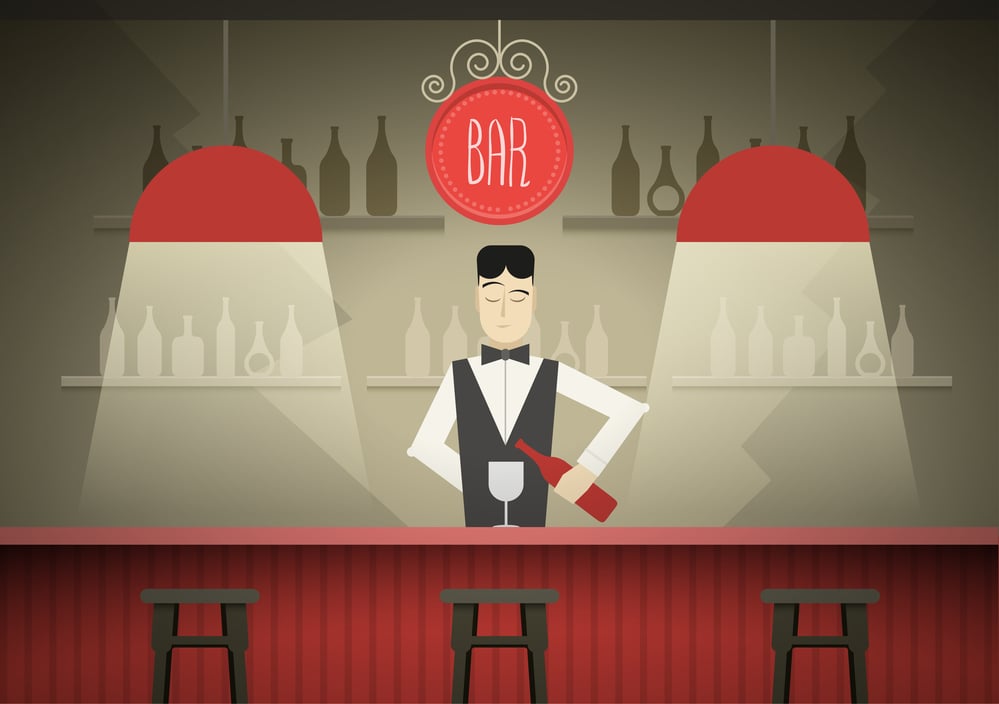
A man walks into a bar. So does a priest, a rabbi, and a minister. Maybe a horse joins them.
The “walks into a bar” setup signals that absurdity is about to follow. Sometimes the punchline involves wordplay about the bar itself, turning the drinking establishment into a literal bar that someone collides with.
Other times, it sets up a situation where unlikely characters interact. The bar becomes a neutral space where normal rules don’t apply.
You can put anyone in a bar—animals, religious figures, inanimate objects—and the audience accepts it. The setup is so familiar that you can skip right to the weird part.
Orange You Glad Plays With Patience

This joke takes advantage of repetition to build frustration. “Knock knock.” “Who’s there?” “Banana.” “Banana who?” “Banana.”
The banana part repeats several times until the person answering gets annoyed, and then comes “Orange you glad I didn’t say banana?” It’s a test of patience disguised as a joke.
The humor comes partly from the wordplay of “orange” sounding like “aren’t,” but mostly from the journey. You make someone sit through multiple nonsensical exchanges just to deliver a mediocre pun.
The audacity is the point.
The Interrupting Cow Cut In

“Knock knock.” “Who’s there?” “Interrupting cow.” “Interrupting cow w—” “MOOO!” This joke teaches timing.
The whole thing depends on cutting off the other person at exactly the right moment. Kids love it because they get to be rude in a socially acceptable way.
The physical component makes it memorable. You’re not just telling a joke, you’re performing it.
The louder and more enthusiastic the “moo,” the better it works. Simple structure, clear execution, instant payoff.
Dad Jokes Embrace The Groan

Dad jokes occupy a special category where the goal isn’t to make people laugh—it’s to make them groan. “I’m hungry.” “Hi Hungry, I’m Dad.”
These jokes succeed through failure. The worse they are, the better they are.
They’re anti-comedy that becomes comedy through sheer commitment. What makes something a dad joke isn’t the content but the delivery.
It’s told with complete confidence despite being terrible. There’s no winking at the audience, no acknowledgment that the joke is bad.
That earnestness transforms the groan into affection. Puns form the backbone of most dad jokes.
“Why don’t scientists trust atoms? Because they make up everything.” The wordplay is obvious, the setup is transparent, and everyone sees the punchline coming.
That’s exactly what makes it work.
That’s What She Said Added Context

This phrase turns innocent statements into innuendos by implying a suggestive context. Someone says “It’s too hard” or “I can’t fit it in” and someone else responds “That’s what she said.”
The joke works through juxtaposition—taking something mundane and reframing it. The format became so popular that it evolved into a reflex.
People started saying it automatically, even when it didn’t quite fit. That overuse turned it into a joke about itself, a commentary on how memes spread and die and somehow keep going anyway.
Walks Into A Bar Goes Physical

Sometimes the “walks into a bar” joke doesn’t involve a drinking establishment at all. “A man walks into a bar. Ouch.”
The wordplay turns “bar” into a physical object—a metal bar, a wooden bar, something to collide with. The surprise comes from the sudden shift in meaning.
This version works because it subverts the expectation. You think you’re getting a story about someone entering a tavern, and instead you get a moment of physical comedy.
The punchline is just one word, but it reframes everything that came before.
Riddles Pretended To Be Jokes

Some jokes pose as riddles even though they’re not really meant to be solved. “What’s black and white and red all over?” The answer depends on wordplay—a newspaper, because it’s “read” all over.
Or a zebra with a sunburn. Or an embarrassed penguin.
The multiple answers reveal that solving it wasn’t the point. These riddle-jokes survive because they’re easy to remember and share.
Kids learn them and pass them along, each generation discovering them fresh. The wordplay is simple enough that once you hear the answer, you can’t forget it.
The One-Liner Stayed Efficient

“Take my wife—please!” Henny Youngman turned this into his signature, but the format predates him. One-liners compress entire setups and punchlines into single sentences.
They rely on timing and delivery rather than elaborate storytelling. The efficiency makes them portable.
Short jokes spread faster because they’re easier to remember and repeat. You don’t need to be a good storyteller to deliver a one-liner.
You just need to remember a few words in the right order. That accessibility keeps them circulating.
Pull My Finger Crossed Boundaries

Not funny? More like a trick hiding behind laughter. A hand reaches out, invites a tug on the finger, suddenly there’s that crude noise.
Little ones crack up – anything from the body feels like peak humor if you’re younger than ten. Grown-ups repeat it just to make children squirm, passing down the awkwardness.
A kid cracks up laughing, just like kids did before them. Adults let it slide since they once giggled at it themselves.
Nasty? Sure. But dead easy – no prep needed, only a single line asked straight out.
Shaggy Dog Stories Test Commitment

A twist comes slowly, not fast. One person begins a tale that feels worth hearing – people involved, things happening, pressure growing. It drags, adding bits that look meaningful at first glance.
Time passes while you wait for something clever. Then, out of nowhere, the ending arrives – weak by design, almost insulting.
What makes it funny is the letdown. After paying close attention, you receive only a weak punchline or silence instead of payoff.
It’s not about where it ends, but how irritated you are when it does. The real trick lies in seeing who stays until the last word – listeners become players by sticking around.
Anti-Jokes Broke The Rules

Nothing beats biting into an apple only to meet a worm inside. Except maybe remembering history’s worst moments. Joke formats can mislead when the laugh never arrives.
Structure stays familiar: beginning, then twist. But here, the twist hits too hard to be funny.
Humor steps aside for shock instead. Expectation cracks when nothing lands as it should.
What makes these click is how they twist the usual setup. Your brain waits for a familiar pattern, then – surprise – it gets something else entirely.
That jolt? Not always laughter. Sometimes it’s just noticing: hey, the rules were bent here. And somehow, it worked.
Why These Return
A joke sticks around when it works like a mold. Swap the parts, keep the frame, and it still fits.
Simplicity drags some along – they’re easier held than dropped. Certain ones stay put by showing kids the gears behind laughter: first comes setup, then pause, then snap.
Stillness hides inside motion. Because the bird moves, it stays the same.
Bright ideas fit into old jokes now. Places open doors for different faces.
What matters never wavers, even when everything around it does. What keeps them around isn’t just how they make us laugh, but the way loose ideas fit into tight formats.
Laughter comes not from fresh twists, yet from a rhythm built over time. The past shapes each punchline, making familiarity the quiet engine behind the grin.
More from Go2Tutors!

- The Romanov Crown Jewels and Their Tragic Fate
- 13 Historical Mysteries That Science Still Can’t Solve
- Famous Hoaxes That Fooled the World for Years
- 15 Child Stars with Tragic Adult Lives
- 16 Famous Jewelry Pieces in History
Like Go2Tutors’s content? Follow us on MSN.