13 Shortest-Lived Countries in Modern History
The concept of a ‘country’ seems permanent when you look at a world map today, but national borders have been remarkably fluid throughout history. Some nations have appeared and disappeared so quickly that they barely had time to print postage stamps or establish diplomatic relations.
Here is a list of 13 fascinating countries whose existence was measured in days, weeks, or months rather than decades or centuries.
Carpatho-Ukraine

This tiny Eastern European state declared independence from Czechoslovakia on March 15, 1939. Unfortunately for its citizens, the celebration was extremely short-lived. Hungary invaded the fledgling nation almost immediately, and by March 16, it was all over.
With just one day of sovereignty, Carpatho-Ukraine holds the dubious distinction of being one of the shortest-lived independent states in modern history.
Republic of Crimea
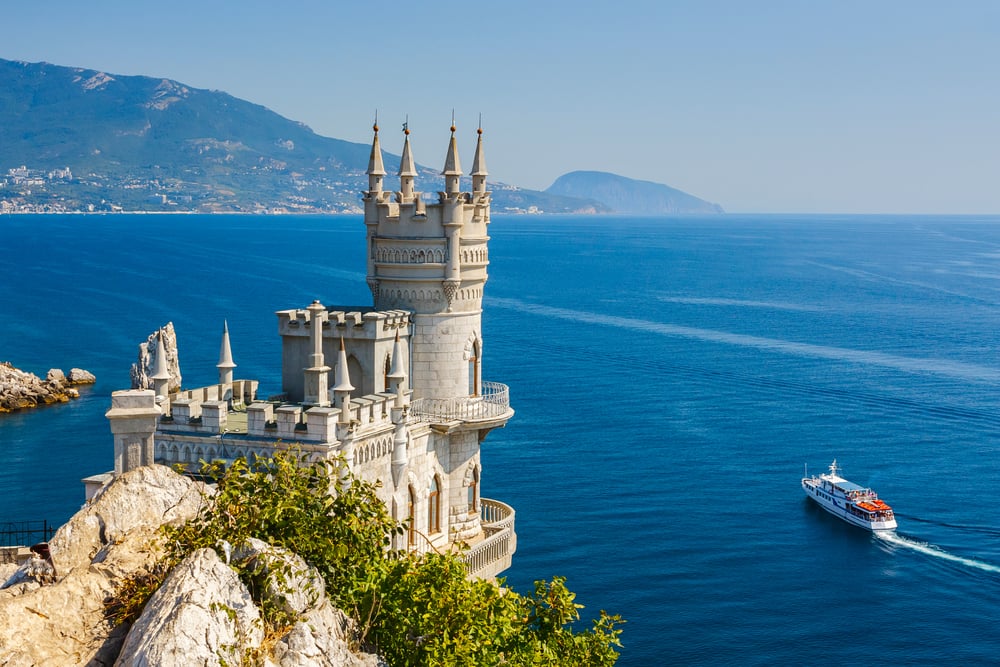
When the Soviet Union collapsed in 1991, Crimea declared itself an independent republic on May 5, 1992. The newly formed nation quickly realized it couldn’t sustain itself economically and politically.
Just 13 days later, Crimean leaders backtracked and agreed to remain part of Ukraine with autonomous status. The brief republic ceased to exist before it could establish international recognition.
Like Go2Tutors’s content? Follow us on MSN.
Republic of West Florida

In 1810, American settlers in Spanish territory revolted and established the Republic of West Florida, complete with a flag featuring a single white star on a blue background (which later inspired the ‘Lone Star’ flag of Texas). The republic encompassed parts of what are now Louisiana, Mississippi, and Alabama.
Their independence lasted only 90 days before President James Madison annexed the territory, claiming it was part of the Louisiana Purchase.
Ruthenian National Republic
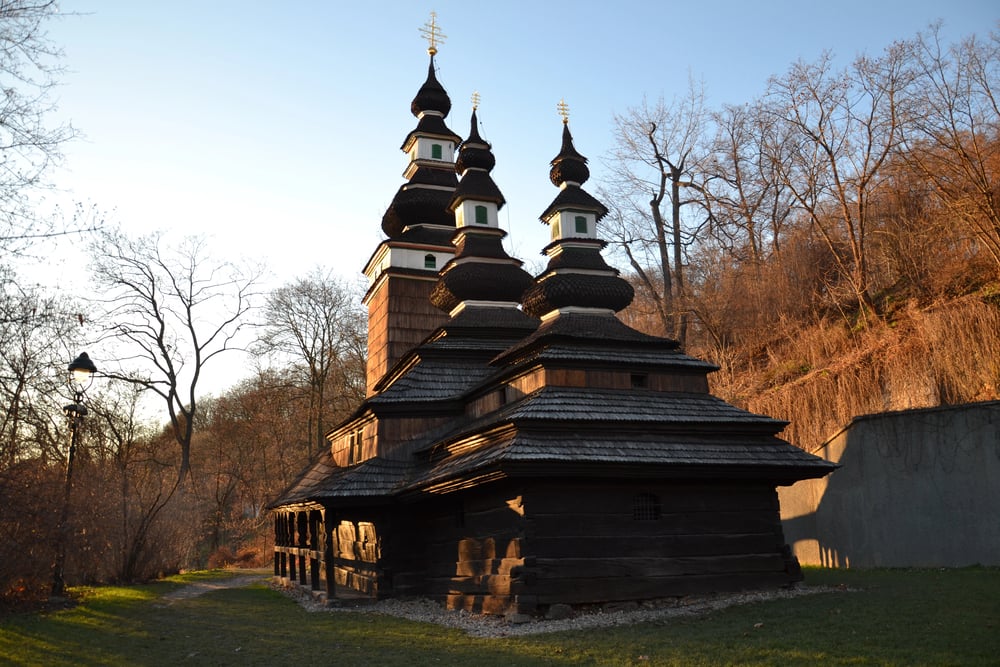
Following the collapse of the Austro-Hungarian Empire after World War I, the Ruthenian National Republic was established on December 18, 1918, in what is now western Ukraine. The republic struggled to gain international recognition amidst the chaotic post-war environment.
Just four months later, in April 1919, the territory was absorbed into the newly formed Czechoslovakia, ending its brief experiment with independence.
Republic of Connacht

French troops arrived in County Mayo to aid Irish rebels fighting British rule during the Irish Rebellion of 1798. On August 27, 1798, they swiftly declared the Republic of Connacht, with John Moore serving as its president. At the Battle of Ballinamuck on September 8, British forces put an end to the rebellion, which had only lasted 12 days.
This short-lived Irish state was never given the opportunity to grow past military declarations.
Like Go2Tutors’s content? Follow us on MSN.
Free City of Fiume

After World War I, the port city of Fiume (now Rijeka, Croatia) became a hotly contested territory between Italy and the newly formed Kingdom of Serbs, Croats and Slovenes. Italian poet and war hero Gabriele D’Annunzio seized the city with a band of Italian nationalists in September 1919 and established the Free City of Fiume.
His constitutional experiment lasted about 15 months until December 1920, when the Treaty of Rapallo forced him out and established Fiume as an independent free state.
Mountainous Republic of the Northern Caucasus
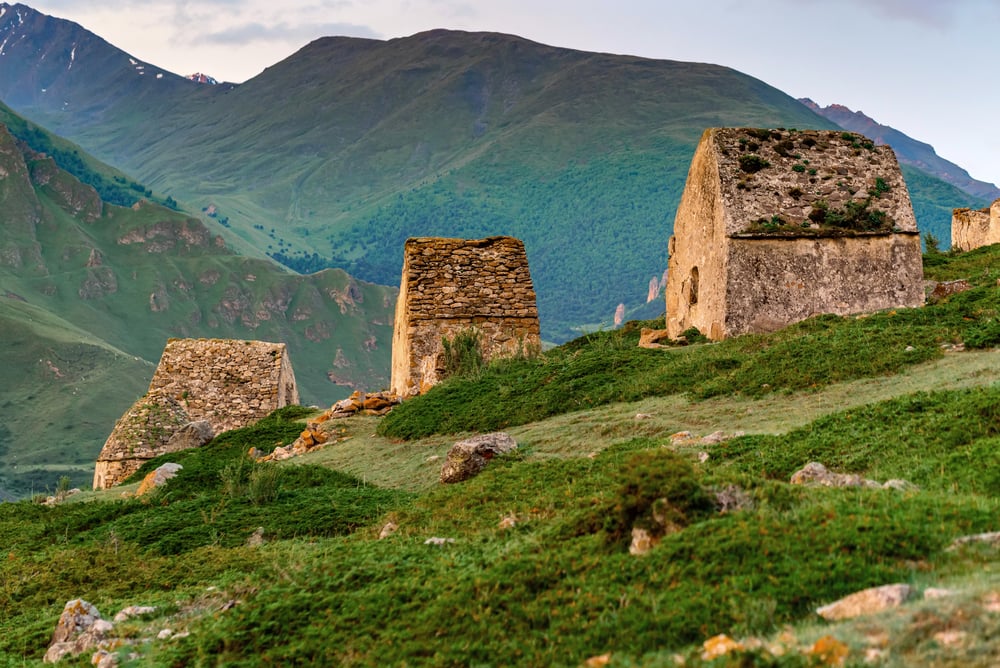
In the chaos following the Russian Revolution, the peoples of the North Caucasus region declared independence on May 11, 1918. The Mountainous Republic included Chechens, Ingush, Ossetians, and other ethnic groups seeking autonomy from Russia.
Despite recognition from major powers like Germany and the Ottoman Empire, the republic couldn’t withstand the pressures of the Russian Civil War. By early 1919, most of its territory had fallen to the White Army, and by 1920, the Bolsheviks had taken control.
Republic of Prekmurje

As the Austro-Hungarian Empire disintegrated after World War I, the Slovenian region of Prekmurje declared independence on May 29, 1919. The tiny republic was led by Vilmos Tkálec and had its own currency and postal stamps.
However, its existence was almost comically brief—just one week. On June 6, troops from the Kingdom of Serbs, Croats and Slovenes occupied the territory and incorporated it into their new nation.
Like Go2Tutors’s content? Follow us on MSN.
Tannu Tuva

This Central Asian republic between Mongolia and Russia existed as a nominally independent state from 1921 to 1944. Initially breaking away from China during the Russian Civil War, Tannu Tuva became a Soviet satellite state with its own government, constitution, and even colorful, diamond-shaped postage stamps that became collectors’ items worldwide.
Despite maintaining the appearance of sovereignty for over two decades, Tannu Tuva was eventually annexed by the Soviet Union during World War II.
East Turkestan Republic
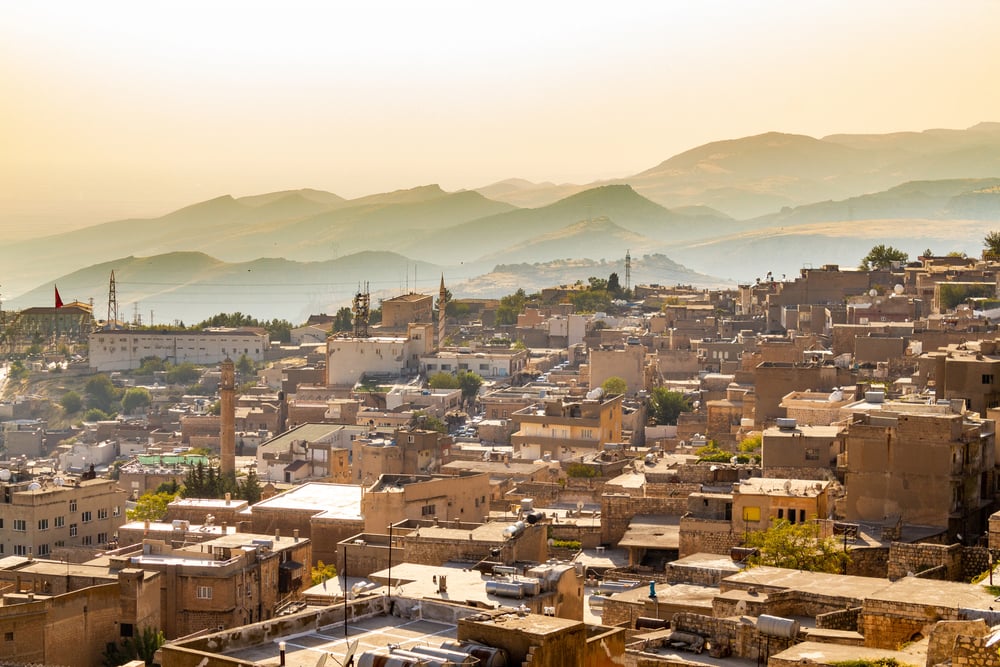
With Soviet support, Turkic peoples in the present-day Chinese region of Xinjiang founded the East Turkestan Republic in 1944. For over five years, the Muslim-majority state remained independent, maintaining its own currency, postal service, and military.
East Turkestan’s leadership was called to Beijing for “negotiations” after Communist forces seized mainland China in 1949. Their plane inexplicably crashed, killing everyone on board, and the area was swiftly absorbed into the People’s Republic of China.
Republic of Texas

Before it became the 28th state of the United States, Texas was an independent republic after it broke away from Mexico in 1836. The Lone Star Republic enjoyed diplomatic relations with major powers like France and the United Kingdom during its nine-year existence.
Despite all this foreign recognition, economic adversity and the threat of being reconquered by Mexico led Texas agreed to be annexed by the United States in 1845, ending its brief but meaningful independence.
Like Go2Tutors’s content? Follow us on MSN.
United Arab Republic

In 1958, Egypt and Syria merged to form the United Arab Republic in an ambitious experiment in pan-Arab unity under Egyptian President Gamal Abdel Nasser. The union soon faced difficulties as many Syrians felt dominated by Egyptian interests and policies.
The experiment in Arab nationalism lasted just three years before Syria seceded following a military coup in 1961. Egypt continued using the name United Arab Republic until 1971, though it was effectively a single-nation state.
People’s Republic of Zanzibar

After gaining independence from British rule in December 1963, the island nation of Zanzibar experienced a violent revolution just a month later. On January 12, 1964, leftist rebels overthrew the sultanate and established the People’s Republic of Zanzibar.
The new revolutionary government existed for only three months before merging with Tanganyika to form Tanzania in April 1964, creating one of the most stable unions in post-colonial Africa.
The Legacy of Short-Lived Nations

These fleeting countries remind us that nations aren’t permanent fixtures but rather ongoing political projects that require stability, international recognition, and practical governance to survive. Their brief existences have left lasting marks—from legal precedents and constitutional experiments to cultural identities that continue long after the countries themselves have disappeared from maps.
In our current age of seemingly fixed borders, these historical footnotes serve as fascinating reminders of how quickly political realities can change when the right—or wrong—conditions align.
Like Go2Tutors’s content? Follow us on MSN.
More from Go2Tutors!

- 18 Unexpectedly Valuable Collectibles You Might Have Lying Around
- 15 Things Every Teenager in the ’70s Did That Teens Today Wouldn’t Understand
- 15 Strange Things People Have Tried to Ban (And Failed)
- 15 Inventions That Were Immediately Banned After Being Created
- 20 Actors Who Were Almost Cast in Iconic Roles
Like Go2Tutors’s content? Follow us on MSN.