Lakes with Dangerous Gas Concentrations
Some lakes look peaceful on the surface. Clear water, gentle waves, maybe a few fish jumping.
But underneath that calm exterior, certain lakes hold something far more sinister: massive concentrations of dissolved gases that can kill without warning.
These bodies of water sit mostly in volcanic regions, quietly accumulating carbon dioxide and sometimes methane in their deepest layers. The gases seep up from magma chambers and volcanic vents below, dissolving into the cold, high-pressure water at the lake bottom.
For years, decades, even centuries, the gases build up. And then, sometimes triggered by a landslide, an earthquake, or even just the weight of accumulation reaching a tipping point, the lake explodes.
Scientists call this phenomenon a limnic eruption. The rest of us might just call it terrifying.
The Night Everything Died at Lake Nyos
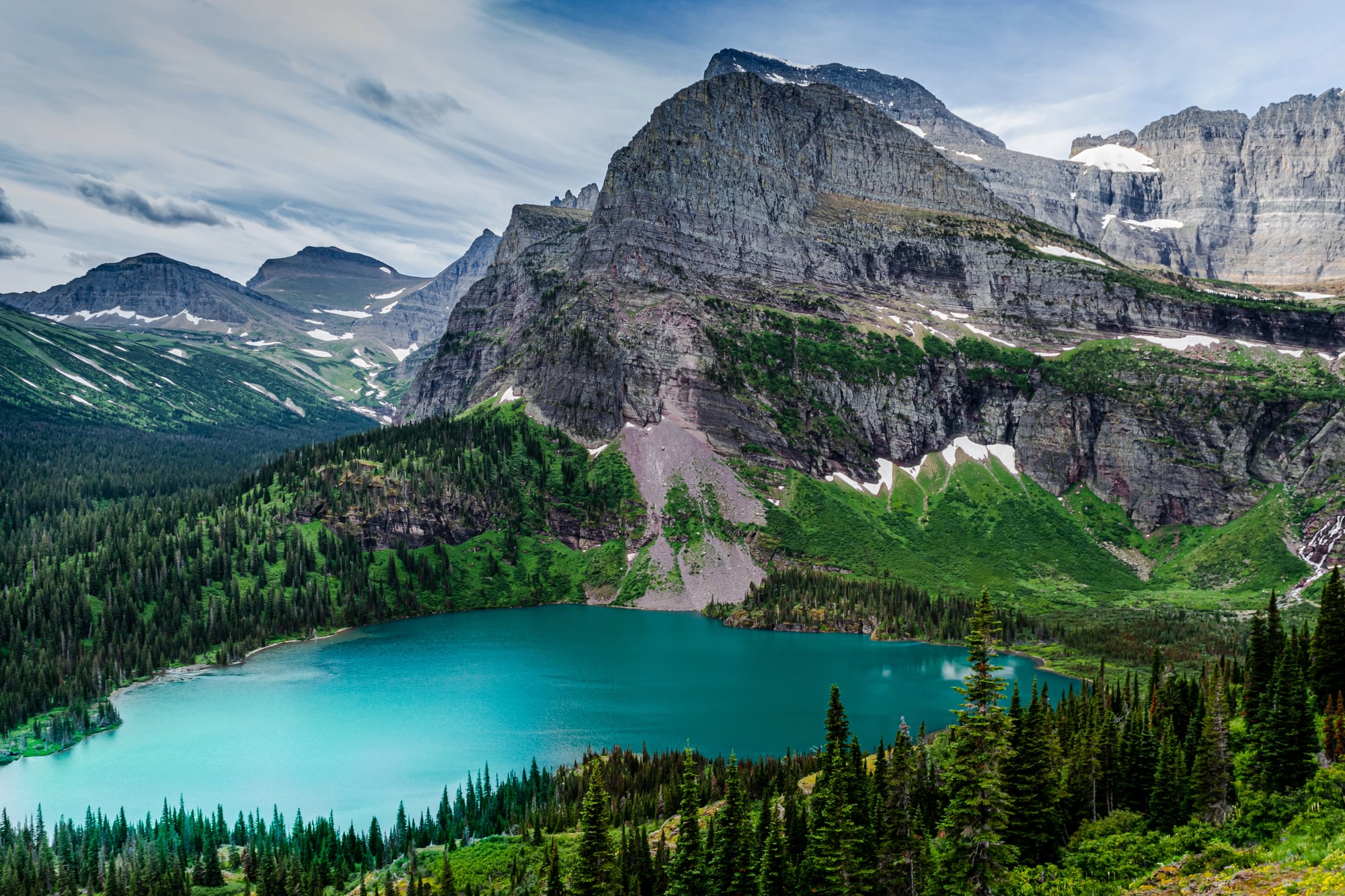
On August 21, 1986, villagers living near Lake Nyos in northwestern Cameroon heard a strange rumbling sound around 9 pm. Those closest to the water described something like bubbling. Then white smoke began rising from the lake’s surface.
Within hours, approximately 1,746 people were dead. So were 3,500 cattle and countless birds, insects, and other animals. The villages of Nyos, Kam, Cha, and Subum fell silent.
What happened defied easy explanation at first. There was no fire, no explosion damage to buildings, no obvious catastrophe. People and animals simply lay where they had fallen, with no signs of struggle. Reporters arriving at the scene described it as looking like the aftermath of a neutron bomb.
The culprit was carbon dioxide. Lake Nyos sits in a volcanic crater, and for years, CO2 from magma deep below had been dissolving into the lake’s cold bottom waters. That night, something disturbed the lake, possibly a landslide. The water overturned, and somewhere between 100,000 and 1.6 million tons of carbon dioxide burst free, with about 1.2 cubic kilometers of gas released in total.
The gas cloud rose initially at nearly 100 kilometers per hour, then settled because CO2 is heavier than air. It flowed downhill through the valleys like an invisible flood, about 50 meters thick, traveling at 20 to 50 kilometers per hour. People in its path simply stopped breathing. Many died in their sleep without ever knowing what happened.
Survivors woke from comas lasting anywhere from six hours to two days. When they opened their eyes, everyone they knew was gone.
Lake Monoun: The First Warning
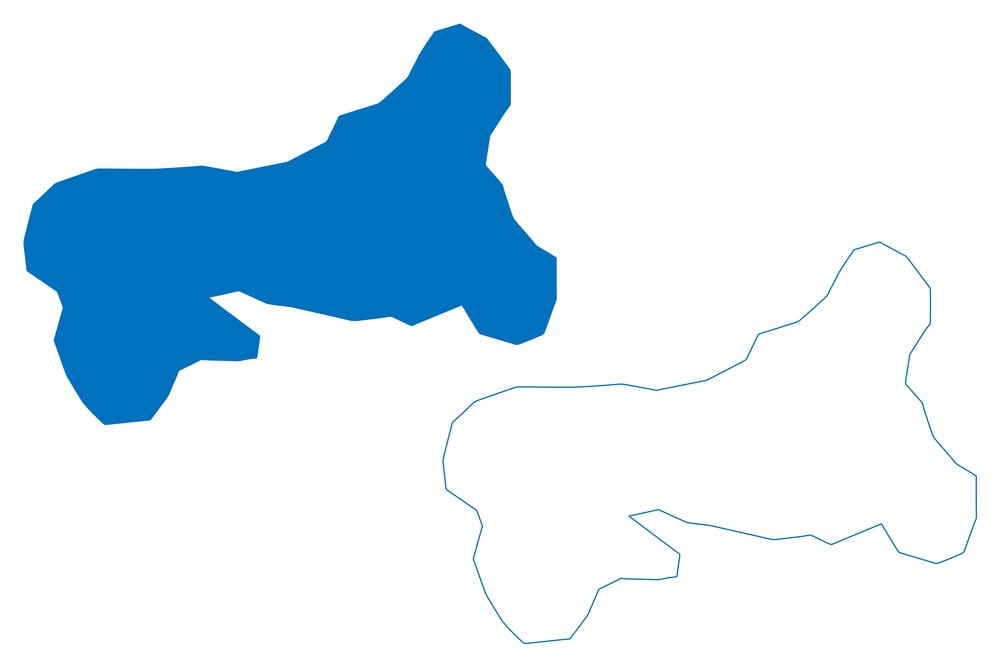
Two years before Lake Nyos erupted, a smaller but equally mysterious event occurred at Lake Monoun, about 100 kilometers to the southeast. On August 15, 1984, 37 people died near this Cameroonian lake under similarly puzzling circumstances.
At the time, nobody quite understood what had happened. The deaths were attributed to various causes, but the pattern of silent suffocation without visible injury baffled investigators.
It wasn’t until after the much larger Lake Nyos disaster that scientists connected the dots and recognized both events as limnic eruptions. Lake Monoun became a crucial case study. Researchers discovered that the lake was still accumulating CO2 and could erupt again. By 2009, after the installation of degassing pipes, the lake was considered safe.
Lake Kivu: The Giant Waiting in the Rift

If Lake Nyos is concerning, Lake Kivu is genuinely frightening. Sitting on the border between the Democratic Republic of the Congo and Rwanda, Lake Kivu holds roughly 256 cubic kilometers of dissolved carbon dioxide and 65 cubic kilometers of methane, laced with toxic hydrogen sulfide. For perspective, Lake Nyos released about 1.2 cubic kilometers of gas in 1986.
Lake Kivu contains hundreds of times more. The lake stretches about 90 kilometers long and 50 kilometers across at its widest point, reaching depths of nearly 475 meters. Around two million people live in its vicinity, including the city of Goma.
If Lake Kivu experienced a full limnic eruption, the death toll could potentially reach into the millions. Sediment samples from the lake bottom reveal what researchers call “brown layers,” evidence of mixing events in the past. Some scientists interpret these as signs that limnic eruptions have occurred roughly every thousand years over the lake’s history.
The last major event may have happened between 3,500 and 5,000 years ago. Making matters worse, Lake Kivu sits in an active volcanic zone. Mount Nyiragongo, one of Africa’s most active volcanoes, looms nearby.
When Nyiragongo erupted in May 2021, killing dozens and displacing 450,000 people, scientists nervously watched the lake. A volcanic eruption could theoretically trigger the kind of lake overturn that releases the trapped gases.
Rwanda has turned this danger into an opportunity of sorts. Since 2010, a project called KivuWatt has been extracting methane from the lake to generate electricity. The process also removes some CO2. Whether the extraction will be enough to eliminate the danger remains unclear.
Lake Albano: Ancient Danger Near Rome
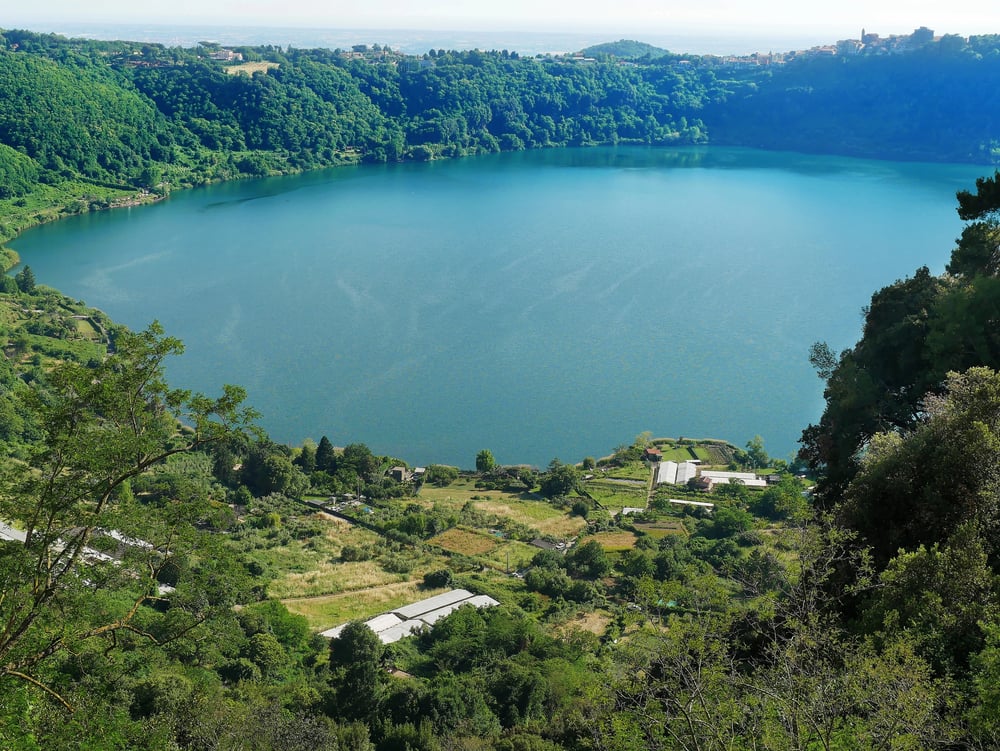
Not all dangerous lakes sit in tropical Africa. Lake Albano, located just 20 kilometers southeast of Rome in Italy, has its own ominous history. Ancient historians recorded an unusual event around 398 BC during Rome’s siege of the Etruscan city of Veii. Lake Albano suddenly rose and flooded over its banks during calm weather, with no rain or tributaries to account for the surge.
The water destroyed fields and vineyards before pouring into the sea. Modern scientists believe this was likely a limnic eruption. Volcanic gases trapped in the lake bed built up until they suddenly released, displacing the water and causing the flood that the Romans witnessed.
The local population at the time attributed supernatural significance to the event, believing it was an omen related to their siege of Veii. Lake Albano sits within the Alban Hills volcanic complex, which has been dormant but not extinct for about 20,000 years. At about 170 meters deep, it’s the deepest lake in the Lazio region.
The area still experiences seismic activity, ground deformation, and gaseous emissions. In September 1999, 30 cows died from asphyxiation near the village of Cava dei Selci when a sudden flux of CO2 released during local seismic activity.
The soil throughout the Alban Hills area emits hydrogen sulfide and carbon dioxide. These gases represent an ongoing health risk to the millions of people who now live in the expanded suburbs of Rome that have grown onto the volcano’s slopes. The danger is subtle but real: CO2 is colorless, odorless, and heavier than air, meaning it can accumulate in low-lying areas and basements without anyone noticing until it’s too late.
Lake Pavin: France’s Youngest Volcano
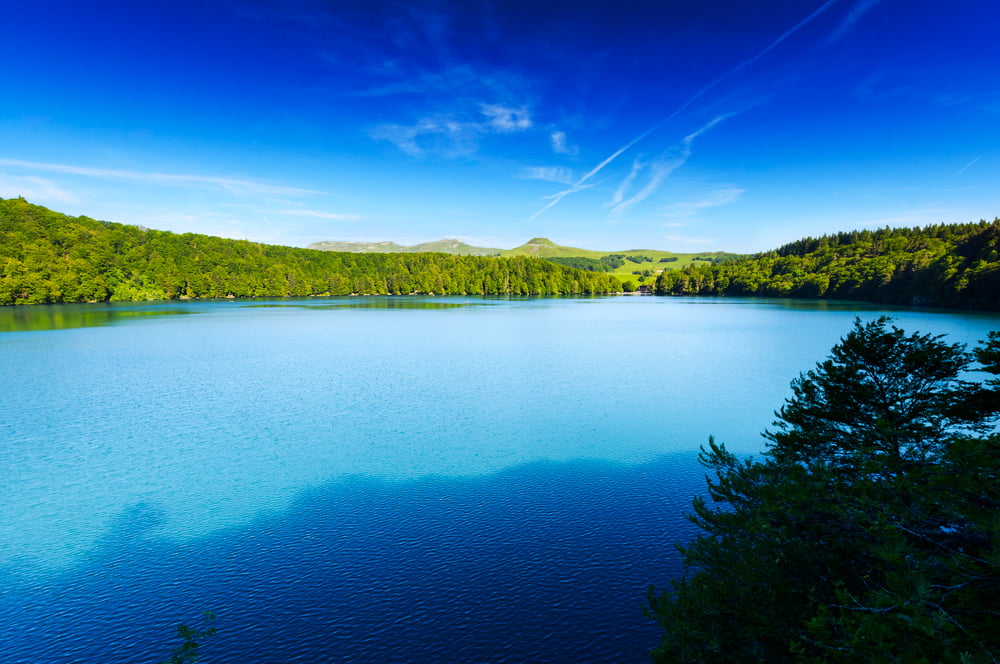
In the Auvergne region of central France, Lake Pavin fills a crater formed approximately 6,900 years ago during the last volcanic eruption on mainland France. The lake is small, only about 750 meters in diameter, but it’s remarkably deep at 92 meters and holds dissolved gases in its bottom waters.
The deep layer below 60 meters contains significant concentrations of carbon dioxide, methane, nitrogen, and hydrogen sulfide. These waters never mix with the upper layers, creating what scientists call a meromictic lake.
The gas content is monitored because an increase could theoretically lead to catastrophic degassing. Local folklore has long surrounded Lake Pavin with dark legends. Medieval inhabitants believed the lake was bottomless and guarded by the Devil himself.
They claimed that throwing a stone into its waters would summon hailstorms. One nineteenth-century historian recorded the belief that disturbing the lake during calm weather would stir up the water and produce electrical storms.
University of Paris geologist Michel Meybeck has suggested that these legends may preserve cultural memory of actual gas releases. He believes the most recent limnic eruption at Lake Pavin occurred in August 1785, a date within range of oral tradition.
Current scientific consensus holds that Lake Pavin does not present an imminent threat. The gas partial pressure remains well below the hydrostatic pressure at the lake bottom. But the lake is monitored, and researchers continue to study sediment records that show evidence of past mixing events and possible mudflows into the valley below.
The Monticchio Lakes: Twin Maars in Southern Italy
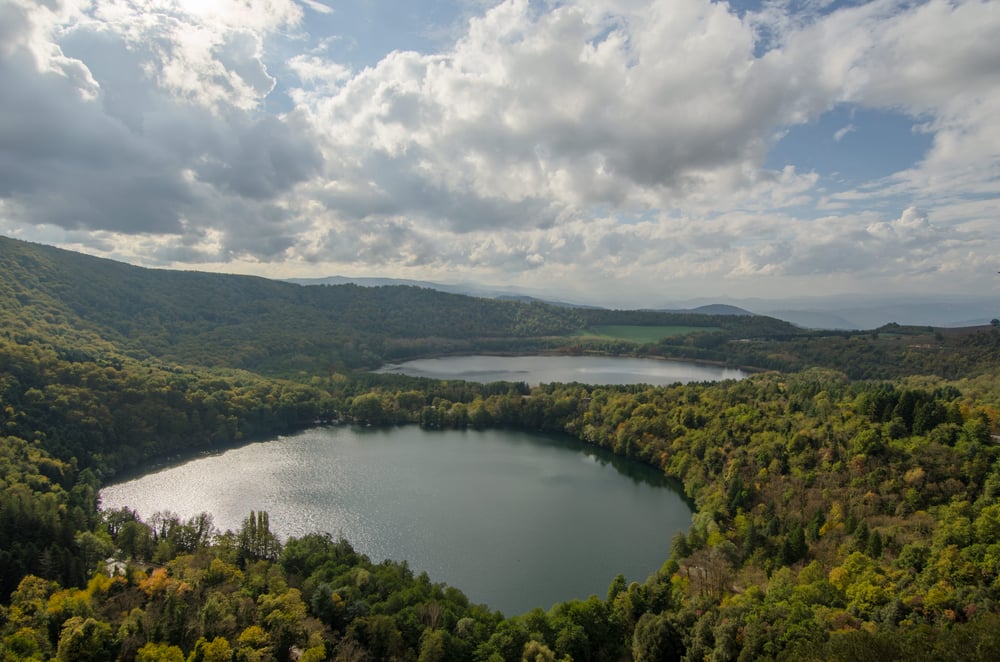
On the southwestern flank of Mount Vulture in Basilicata, southern Italy, two volcanic crater lakes sit side by side. Lake Grande and Lake Piccolo together form the Monticchio Lakes, considered among Italy’s most beautiful volcanic features.
Lake Piccolo, the smaller but deeper of the two at 38 meters, is a meromictic lake that accumulates dissolved CO2 and methane in its bottom waters. Its neighbor Lake Grande is shallower at about 35 meters.
The gases come from both biological processes and volcanic sources beneath the lake floor. In January 2017, Lake Piccolo turned red when cold winter temperatures caused the water layers to mix, bringing iron-rich anoxic water to the surface. Fish died in significant numbers.
While concerning for the local fish population, scientists actually found the 2017 overturn somewhat reassuring. Periodic mixing events in temperate lakes release accumulated gases gradually rather than allowing them to build to dangerous concentrations.
The Monticchio Lakes are much smaller and shallower than the African lakes that have caused fatalities, making explosive gas releases unlikely.
Still, these lakes demonstrate that the phenomenon of dissolved gas accumulation isn’t limited to tropical locations. Any deep lake near volcanic activity has the potential to accumulate dangerous gases under the right conditions.
How Limnic Eruptions Work
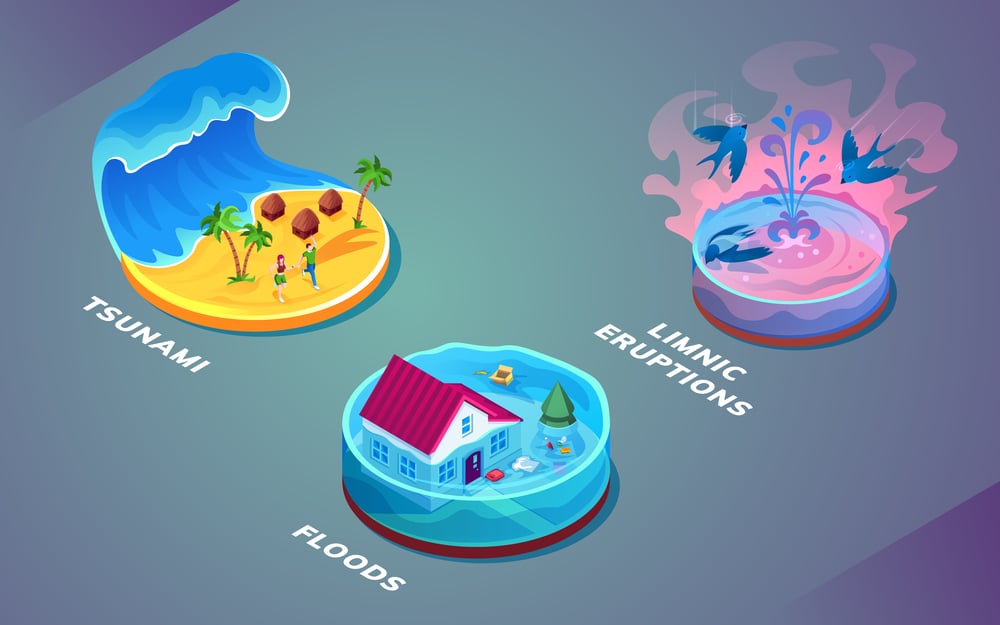
Understanding limnic eruptions requires thinking about pressure, temperature, and solubility. Carbon dioxide dissolves much more readily in cold water under high pressure. The bottom of a deep lake offers both conditions: water gets colder with depth, and the weight of the water column above creates tremendous pressure.
A lake 200 meters deep has roughly 20 times the atmospheric pressure at its bottom. This means the deepest parts of certain lakes can hold enormous quantities of dissolved CO2, far more than the same volume of surface water could contain. The gas saturates the water, waiting for any disturbance that might reduce that pressure.
When something triggers an overturn, whether a landslide, earthquake, volcanic activity, or simply reaching a saturation threshold, the deep water rises. As it ascends, pressure decreases.
Suddenly, all that dissolved gas can no longer stay in solution. It effervesces violently, like opening a shaken bottle of carbonated water. The rising bubbles create a self-reinforcing cycle. Gas release reduces the density of the water, causing it to rise faster, which releases more gas, which causes it to rise even faster.
Within minutes, millions of cubic meters of CO2 can burst from the lake surface. Once released, the gas cloud behaves according to simple physics. Carbon dioxide is about 1.5 times denser than air. The cloud hugs the ground and flows downhill, pooling in valleys and low spots. Anything breathing in those areas suffocates.
Conditions That Create Killer Lakes
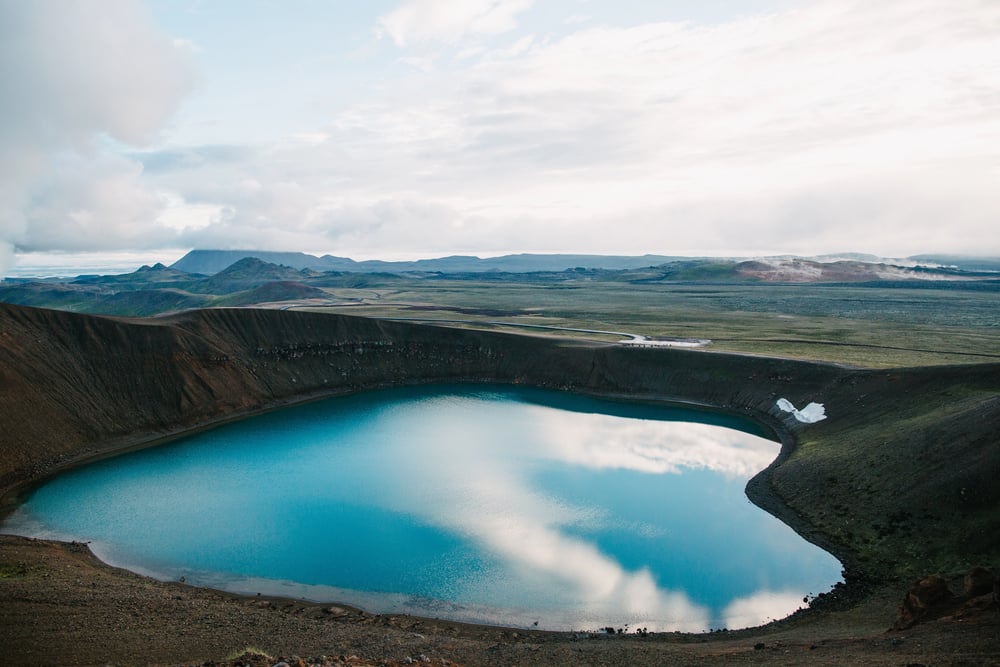
Not every lake can experience a limnic eruption. Several specific conditions must align. The lake must be deep, typically more than 50 meters at minimum. Shallow lakes don’t generate enough bottom pressure to hold significant dissolved gas.
The water must be stratified, meaning the layers don’t mix regularly. In temperate climates, most lakes turn over seasonally when surface water cools in autumn and sinks, mixing with deeper water. This regular mixing prevents gas accumulation. Tropical lakes often lack seasonal turnover, allowing bottom layers to remain undisturbed for decades or centuries.
There must be a source of gas. Volcanic regions provide continuous CO2 from magma and thermal vents. Some biological processes also produce methane and CO2, though typically at slower rates.
The lake’s shape matters. Steep crater walls create funnel-shaped basins where gas can concentrate. These volcanic maars are particularly prone to limnic eruptions because they combine depth, stability, and volcanic gas sources.
Finally, there needs to be a trigger. Landslides, earthquakes, and volcanic eruptions can all disturb stable stratification. Even gradual gas accumulation can eventually reach a point where bubbles form spontaneously, setting off the chain reaction.
Prevention Through Degassing
After the Lake Nyos disaster, scientists and engineers worked to find ways to prevent future tragedies. The solution they developed is elegantly simple: controlled degassing.
In 1995, feasibility studies began at Lake Nyos. Engineers installed a pipe extending from a floating platform down to the gas-saturated bottom water. Initially, pumps lifted the deep water through the pipe. But once the water reached a certain height, dissolved CO2 began bubbling out of solution, making the water less dense.
This created a self-sustaining fountain, with buoyant water rising continuously through the pipe and releasing gas harmlessly into the atmosphere.
The first permanent degassing pipe was installed at Lake Nyos in 2001. Two more pipes followed in 2011.
By 2019, scientists declared the lake essentially emptied of hazardous gas concentrations. A single pipe now operates continuously to balance the natural CO2 recharge from below, maintaining safe conditions indefinitely. Lake Monoun was similarly degassed and declared safe by 2009.
Lake Kivu presents a much larger challenge. Its massive size and gas volume would require an operation costing millions of dollars and taking years to complete. The methane extraction project provides some degassing benefit, but the CO2 remains largely unaddressed.
The Messel Pit: Evidence from Deep Time

Germany’s Messel Pit, now a UNESCO World Heritage Site, provides evidence that limnic eruptions occurred in the deep past as well.
About 47 million years ago during the early Eocene, a volcanic lake existed at this location. Today, the pit preserves remarkably detailed fossils of the animals that died there: insects, frogs, turtles, crocodiles, birds, anteaters, insectivores, early primates, and ancient horse ancestors called paleotheres.
The exceptional preservation and the diversity of victims suggest a limnic eruption killed these animals suddenly and simultaneously. They were caught at the water’s edge and quickly buried in the anoxic lake bottom sediments, which prevented decomposition.
These fossils demonstrate that limnic eruptions have occurred throughout Earth’s history, wherever the right conditions existed. The phenomenon isn’t new. Only our awareness of it is.
Living Near Dangerous Waters
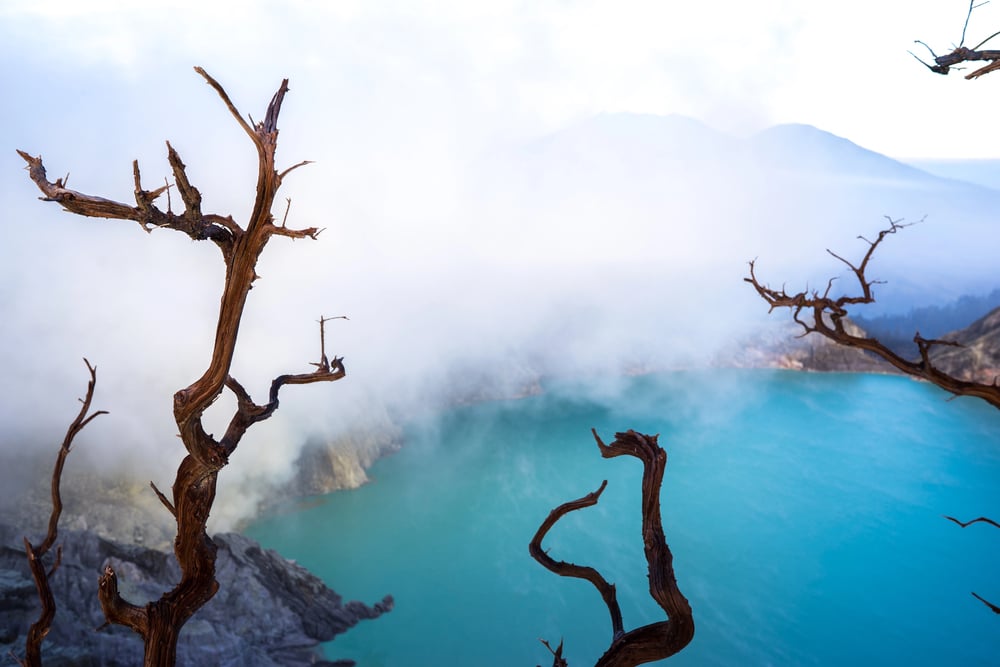
For the communities around Lake Kivu, dangerous gases are a fact of daily life. Fishermen work the lake’s waters, tourists visit its shores, and two million people have built their lives nearby.
The gas isn’t something they can simply avoid. The survivors of Lake Nyos have faced a different kind of hardship. After the 1986 disaster, over 12,000 survivors were relocated to seven resettlement camps.
Decades later, many still live in these camps, lacking adequate healthcare, education, and basic infrastructure. They have repeatedly asked to return to their ancestral lands, but the Cameroonian government has been slow to facilitate resettlement.
Adding to their troubles, the ongoing Anglophone conflict in Cameroon’s Northwest Region has brought violence to some of the resettlement camps. In 2020, the Bua-Bua camp was burned down amid the civil conflict.
Survivors of one disaster found themselves refugees from another. The desire to return home persists despite the risks. People have deep connections to the land where their families lived for generations.
The Invisible Threat
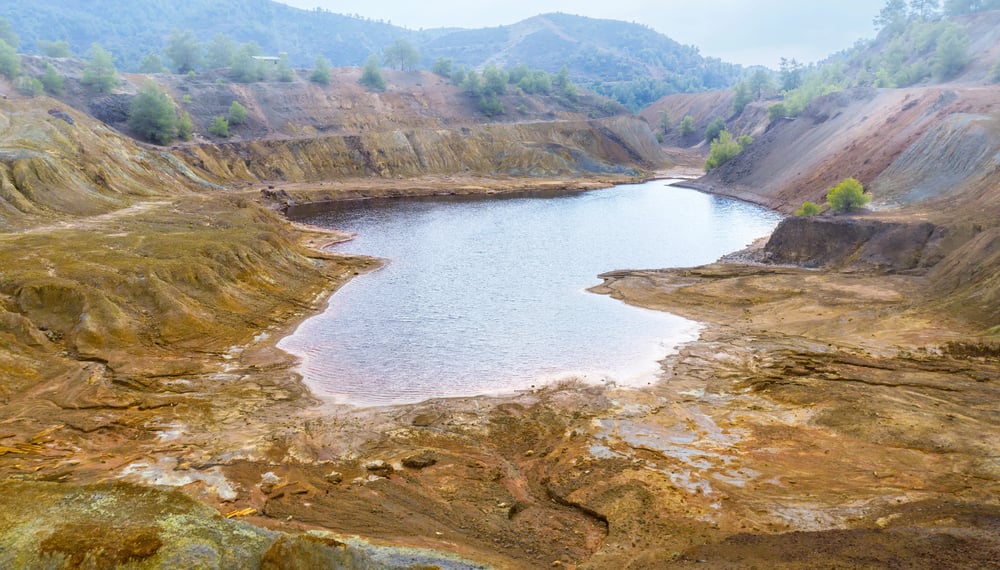
What makes limnic eruptions particularly frightening is their invisibility. Carbon dioxide is colorless and odorless. Victims don’t see or smell anything approaching. They simply stop breathing.
At low concentrations, CO2 causes increased breathing rate, headaches, and dizziness. At higher concentrations, it produces confusion and loss of consciousness within seconds. At the levels released during a limnic eruption, where CO2 can reach 10 percent of the air or more, death comes quickly.
Unlike fires, floods, or earthquakes, there’s no warning that allows people to flee. The gas moves silently through valleys at speeds that can outpace a running person. Those caught in its path have almost no chance.
This invisibility also means the danger can be hard to take seriously. A lake looks peaceful. The gas concentration builds slowly over time, invisible beneath the surface. It’s tempting to assume that if nothing has happened recently, nothing will happen at all.
Monitoring and Warning Systems
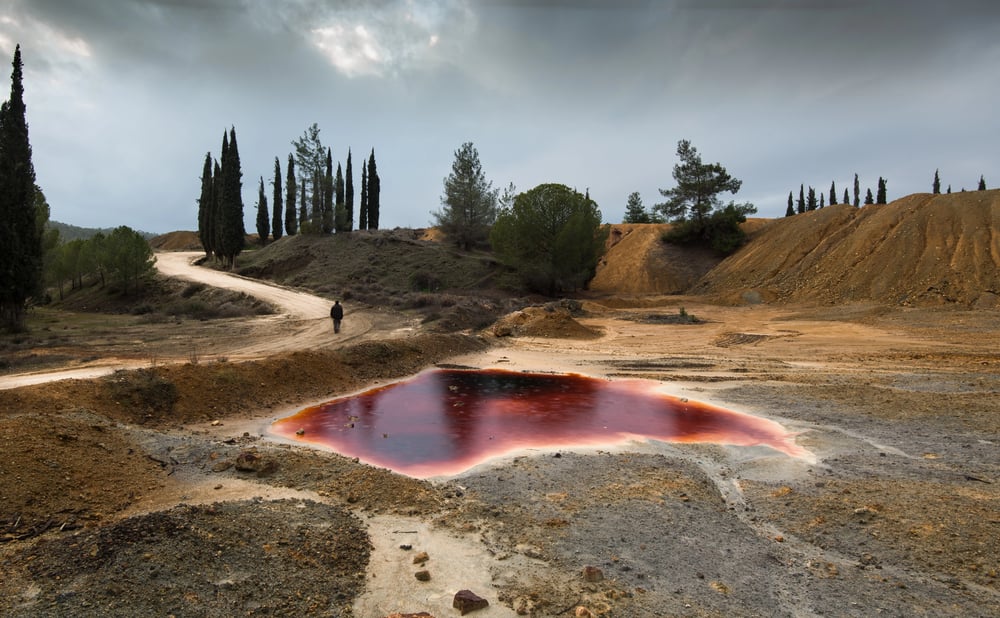
Today, scientists monitor known dangerous lakes using various methods. Depth profiles measure temperature, pressure, and gas concentrations at different levels.
Satellite imagery tracks changes in water color and surface conditions. Seismic stations detect earthquakes that might trigger eruptions. At Lake Kivu, researchers have installed monitoring equipment and developed models to predict how the lake might respond to various triggering events. The ongoing volcanic activity at Mount Nyiragongo adds urgency to this work.
Early warning systems remain challenging to implement. A limnic eruption can happen within minutes of triggering, leaving virtually no time for evacuation. The best approach is prevention through degassing and avoiding development in the most vulnerable areas downstream from dangerous lakes.
In Cameroon, the degassing systems at Lakes Nyos and Monoun have proven effective. The technology works. The challenge now is applying it to larger and more complex situations.
Where Water Holds Its Breath
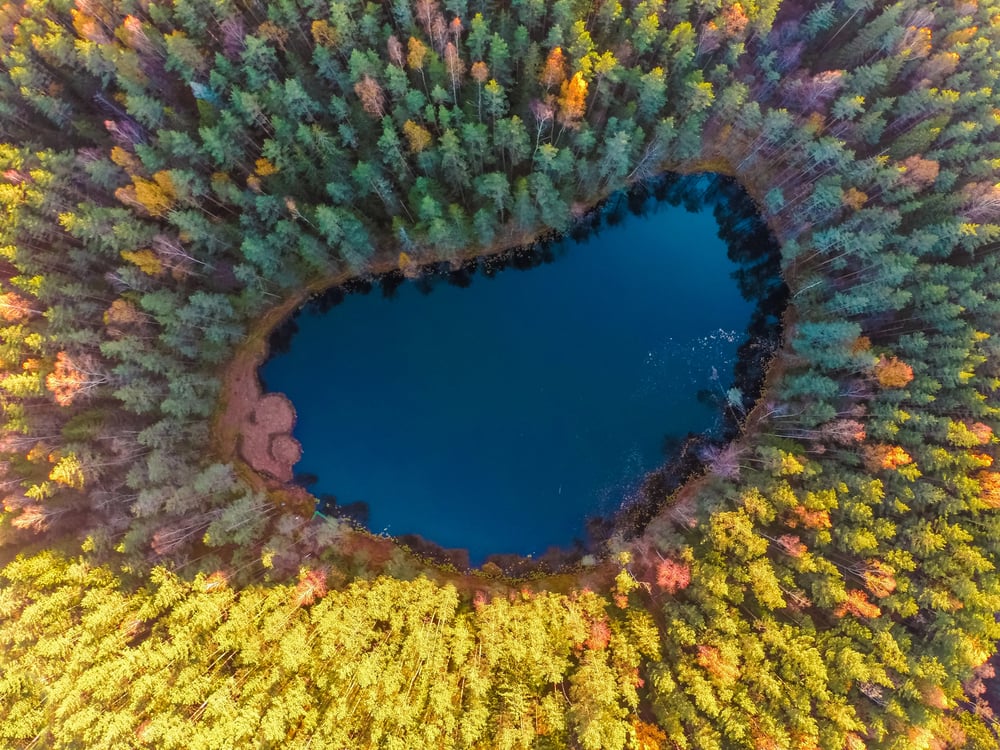
There’s something almost mythological about a lake that can kill. Ancient peoples attributed supernatural forces to these waters. Medieval Europeans believed demons lurked in Lake Pavin’s depths. Roman augurs saw omens in Lake Albano’s strange behavior.
Modern science has replaced superstition with understanding. The gases accumulate according to physics. The eruptions follow predictable patterns. The dangers can be measured and, in many cases, mitigated.
But the fundamental strangeness remains. These bodies of water hold their breath for centuries, absorbing gas molecule by molecule, until one day they exhale all at once. The living things nearby never see it coming.
For the millions of people who live near Lake Kivu, for the communities rebuilding around Lake Nyos, for the residents of Rome’s suburbs built on volcanic slopes, the knowledge that such dangers exist changes nothing about daily life.
You can’t spend every day thinking about what lies beneath the water. And yet the lakes remember what they hold. The pressure builds in silence, patient as geology, waiting for whatever comes next.
More from Go2Tutors!

- The Romanov Crown Jewels and Their Tragic Fate
- 13 Historical Mysteries That Science Still Can’t Solve
- Famous Hoaxes That Fooled the World for Years
- 15 Child Stars with Tragic Adult Lives
- 16 Famous Jewelry Pieces in History
Like Go2Tutors’s content? Follow us on MSN.



