Largest Diamonds Recovered
Beneath the ground, enormous diamonds start out dull and jagged, nothing like the shiny gems seen in stores. Long before tools shape them, they exist untouched, formed under pressure deep within Earth’s crust.
Their worth comes not from brightness but from how seldom such massive pieces emerge whole. What matters is size, scarcity, one-in-a-million survival through eons underground.
Beauty arrives later – nature gives only mass and mystery at first. The biggest diamonds found on Earth aren’t only oddities beneath the ground.
One ties back to how tools changed digging deep, another links to old empires reaching farther, some connect to factories growing fast, others simply fell into hands by random luck. These stones carry more than size – they cross paths with kings, power moves, shifts in who buys and sells across continents.
Thinking along those lines, take time now to see which giant gems have been pulled from rock, then trace where each ended up once unearthed.
Cullinan Diamond

The Cullinan Diamond remains the largest gem-quality diamond ever recovered. Discovered in South Africa in 1905, the stone weighed an astonishing 3,106 carats in its rough form.
Its size was so unexpected that initial reactions included disbelief, with some suspecting it was a crystal or imitation. The Cullinan was eventually presented to the British monarchy and transported under heavy security.
Cutting such a massive stone was considered extremely risky, requiring months of planning and a single, decisive strike. The diamond was ultimately divided into several major stones and numerous smaller ones.
The largest pieces, known as Cullinan I and Cullinan II, are now part of the British Crown Jewels. The original rough stone no longer exists, but its fragments remain among the most famous diamonds in the world.
Lesedi La Rona

Discovered in Botswana in 2015, Lesedi La Rona is the largest diamond found in over a century and the second-largest gem-quality diamond ever recovered. Weighing 1,109 carats, its clarity and size immediately set it apart from most modern finds.
Unlike many large diamonds of the past, Lesedi La Rona was discovered using advanced imaging technology rather than traditional manual sorting. This reduced the risk of damage and preserved the stone in near-perfect condition.
The diamond was later cut into several stones, including a primary gem of remarkable clarity. Its discovery reinforced Botswana’s position as one of the world’s most important diamond-producing regions.
Excelsior Diamond

The Excelsior Diamond was discovered in South Africa in 1893 and weighed 995 carats in its rough form. At the time, it was the largest diamond ever found, briefly holding the title before being surpassed by later discoveries.
Rather than being cut into one dominant stone, the Excelsior was divided into multiple gems. This decision reflected the cutting practices and economic considerations of the era, prioritizing yield over spectacle.
Although none of the resulting diamonds became as famous as Cullinan fragments, the Excelsior remains a landmark discovery that demonstrated how massive diamonds could exist in nature.
Star of Sierra Leone
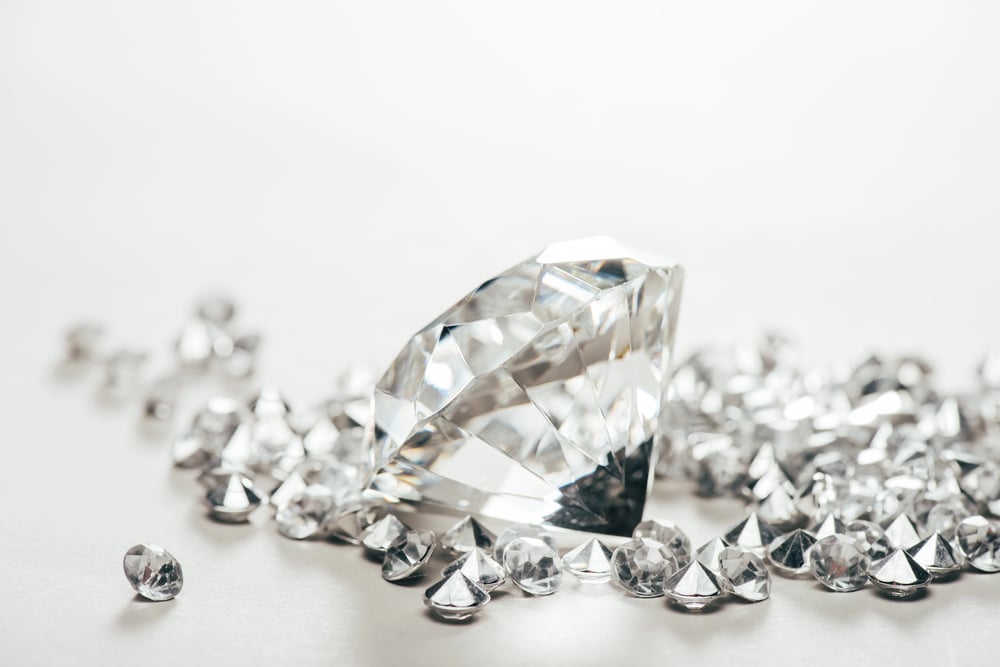
The Star of Sierra Leone was discovered in 1972 and weighed 969 carats. Found in alluvial deposits, it stood out not only for its size but for its exceptional clarity, which made it particularly valuable.
Cutting the Star of Sierra Leone required careful planning to preserve as much usable material as possible. The result was a collection of finished diamonds, the largest of which became a prominent gemstone used in high jewelry.
The diamond’s discovery came at a time when large finds were becoming increasingly rare, making it a reminder that extraordinary stones could still emerge even after centuries of mining.
Incomparable Diamond

Discovered in the Democratic Republic of Congo in the 1980s, the Incomparable Diamond weighed approximately 890 carats in its rough state. Its unusual yellow-brown color distinguished it from many other large diamonds.
Unlike most major finds, the Incomparable was discovered by chance rather than through industrial mining. Its discovery story added to its mystique, highlighting the unpredictable nature of diamond formation and recovery.
After cutting, the largest finished stone weighed over 400 carats, making it one of the largest internally flawless diamonds ever produced. It has since appeared in high-profile jewelry designs.
Millennium Star Rough

The Millennium Star began as a rough diamond weighing 777 carats, discovered in the Democratic Republic of Congo. Its transformation into a flawless pear-shaped gem weighing 203 carats is considered one of the most technically impressive diamond cuts ever achieved.
What set the Millennium Star apart was not just its size, but its clarity. The cutting process took several years and involved advanced planning to avoid any internal stress that could damage the stone.
The finished diamond became a centerpiece of international exhibitions, symbolizing modern expertise in diamond cutting and preservation.
Woyie River Diamond

Discovered in Sierra Leone in 1945, the Woyie River Diamond weighed 770 carats. Found in river deposits, it reflected a pattern seen in several major discoveries from the region, where water movement carried diamonds far from their original geological sources.
The diamond was eventually cut into multiple gems, with the largest becoming a prominent centerpiece. Like many diamonds from Sierra Leone, its story is closely tied to both natural processes and complex regional history.
The Woyie River Diamond remains one of the largest and most important discoveries of the mid-twentieth century.
Golden Jubilee Diamond
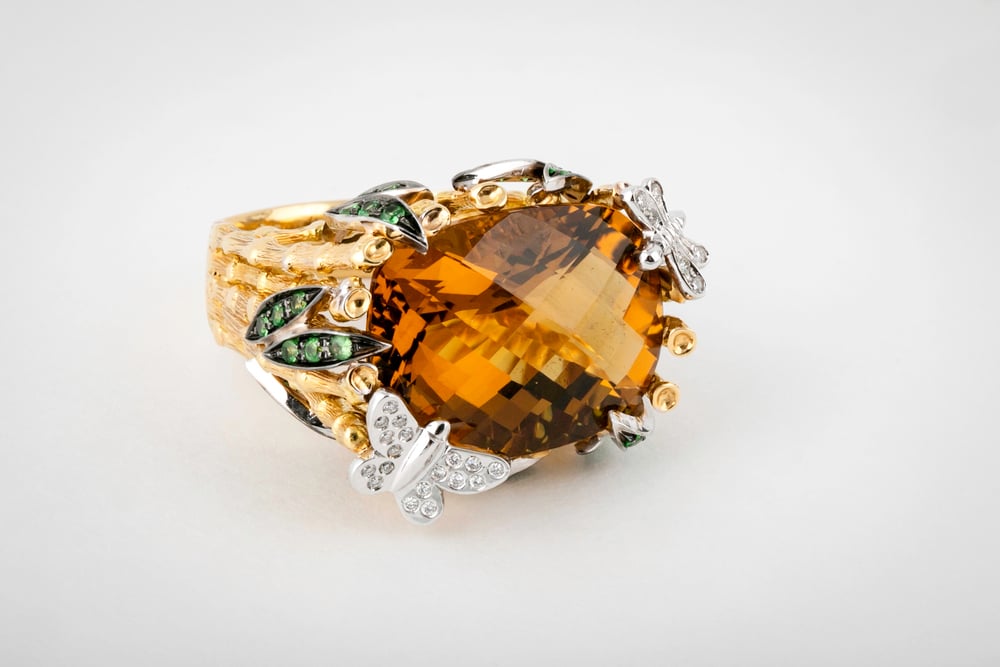
Originally discovered in South Africa, the Golden Jubilee Diamond weighed 755 carats in its rough form. Its brownish color initially made it less desirable by traditional standards, but expert cutting transformed it into the largest faceted diamond in the world.
The finished diamond weighs 545 carats and is part of the Thai royal collection. Its transformation demonstrated how cutting skill can redefine a diamond’s value and status.
The Golden Jubilee’s story highlights the shift in how diamond color and uniqueness are appreciated in modern times.
Lesotho Promise
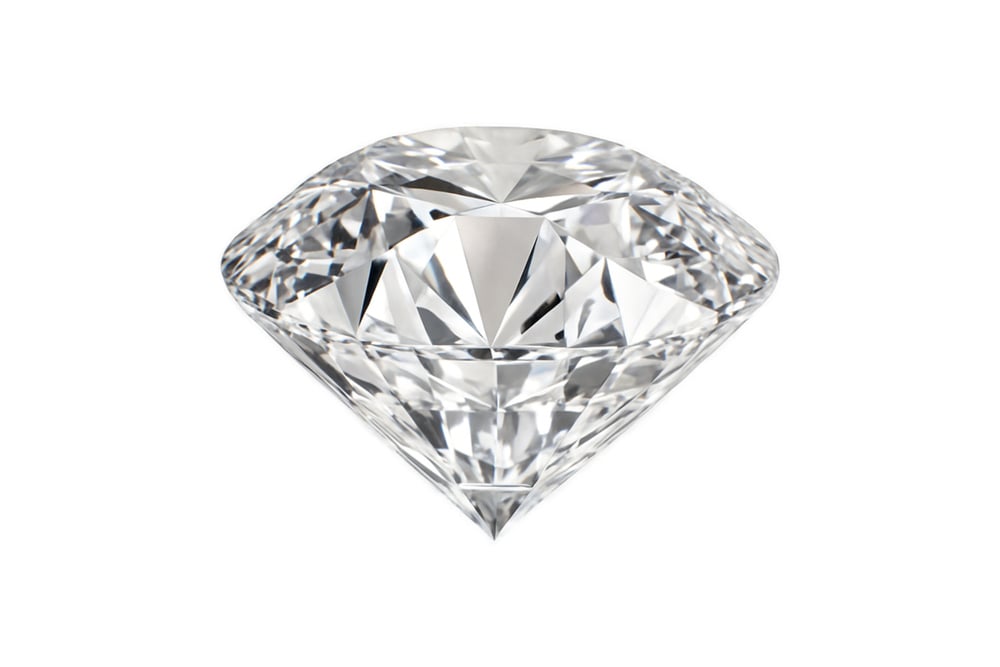
Discovered in 2006 in the Kingdom of Lesotho, the Lesotho Promise weighed 603 carats. Its exceptional quality allowed cutters to produce multiple high-value gems from a single stone.
The diamond’s recovery reinforced Lesotho’s reputation for producing large, high-quality diamonds despite its relatively small geographic size. The resulting stones were used in luxury jewelry collections.
Lesotho Promise stands as an example of how modern mining operations continue to yield remarkable discoveries.
Why These Diamonds Matter
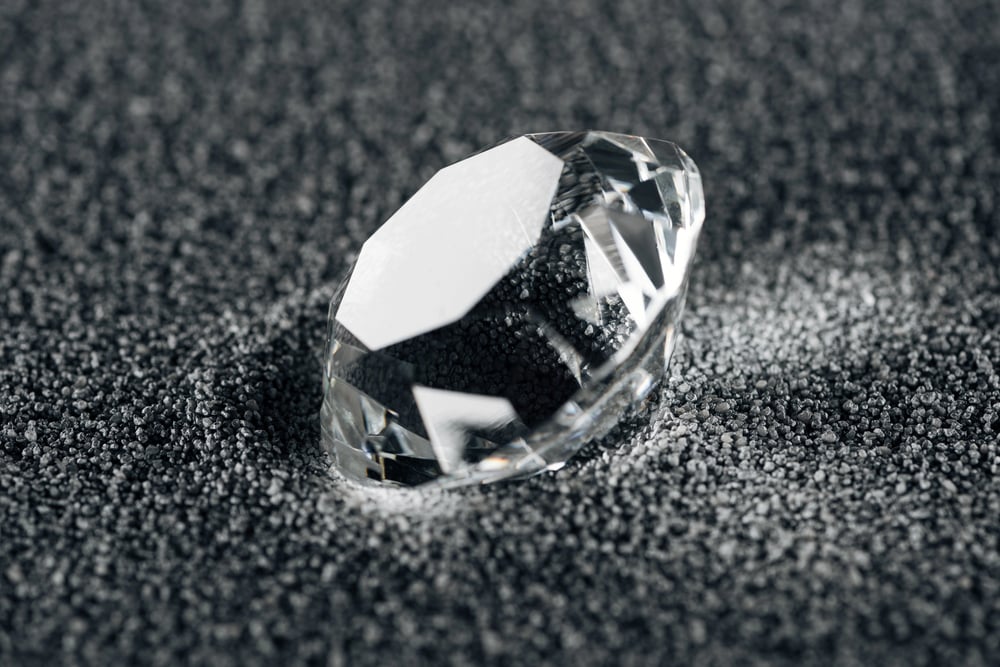
The largest diamonds recovered are more than records of size. They represent rare geological circumstances that allowed carbon crystals to grow undisturbed over immense spans of time.
Their survival through volcanic transport and erosion makes each discovery statistically extraordinary.
These diamonds also mark turning points in mining history. Early discoveries relied on manual labor and chance, while modern finds increasingly depend on technology that can detect and preserve large stones intact.
Each era leaves its imprint on how diamonds are recovered and valued.
Beyond geology, these stones influenced global markets, royal collections, and public imagination. They became symbols of wealth, power, and rarity, shaping how diamonds are perceived across cultures.
From Rough Stone to Legacy
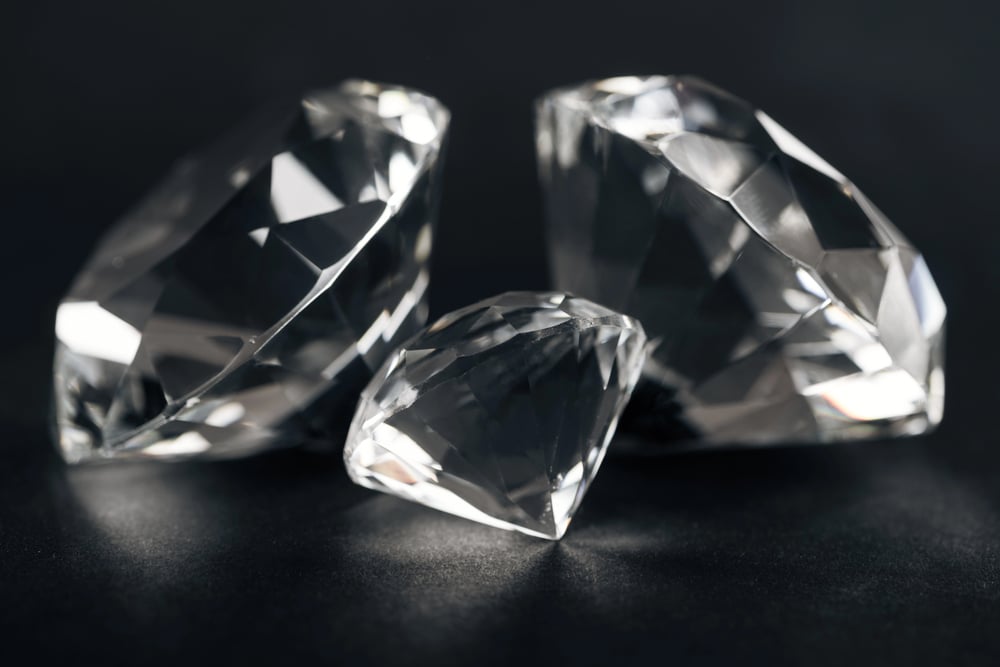
One of the most fascinating aspects of large diamond discoveries is what happens after recovery. Decisions about cutting, ownership, and display determine whether a stone becomes a singular icon or a collection of smaller gems.
Some diamonds, like the Cullinan, are forever altered through division. Others, like the Golden Jubilee, gain identity through transformation.
In each case, human choice plays a role equal to natural formation.
The tension between preserving size and maximizing brilliance reflects broader questions about value. Is rarity measured by weight alone, or by the story a diamond carries forward?
Why Massive Finds Are So Rare Today

As diamond mining has expanded globally, the likelihood of recovering massive diamonds has decreased. Many of the richest deposits have already been explored, and modern operations often focus on efficiency rather than singular discoveries.
That said, technology continues to improve. Advanced scanning methods reduce the risk of damaging large stones during extraction, offering hope that future discoveries may rival those of the past.
Even so, the odds remain incredibly slim. Each massive diamond recovered represents a near-perfect alignment of geological conditions and human timing.
What These Diamonds Reveal About the Earth

Buried secrets emerge through big gems, revealing Earth’s hidden mechanics. Inside them, traces lock in conditions – intense squeeze, extreme heat, distinct chemistry – from depths unreachable by drills.
Looking deep into how these stones formed helps reveal what happens far beneath our feet. Diamonds, it turns out, carry stories written in pressure and heat from ages long past.
Bigger stones pulled from mines give clearer insights since their bulk means scientists can test them thoroughly while keeping each piece intact.
Why the Fascination Endures
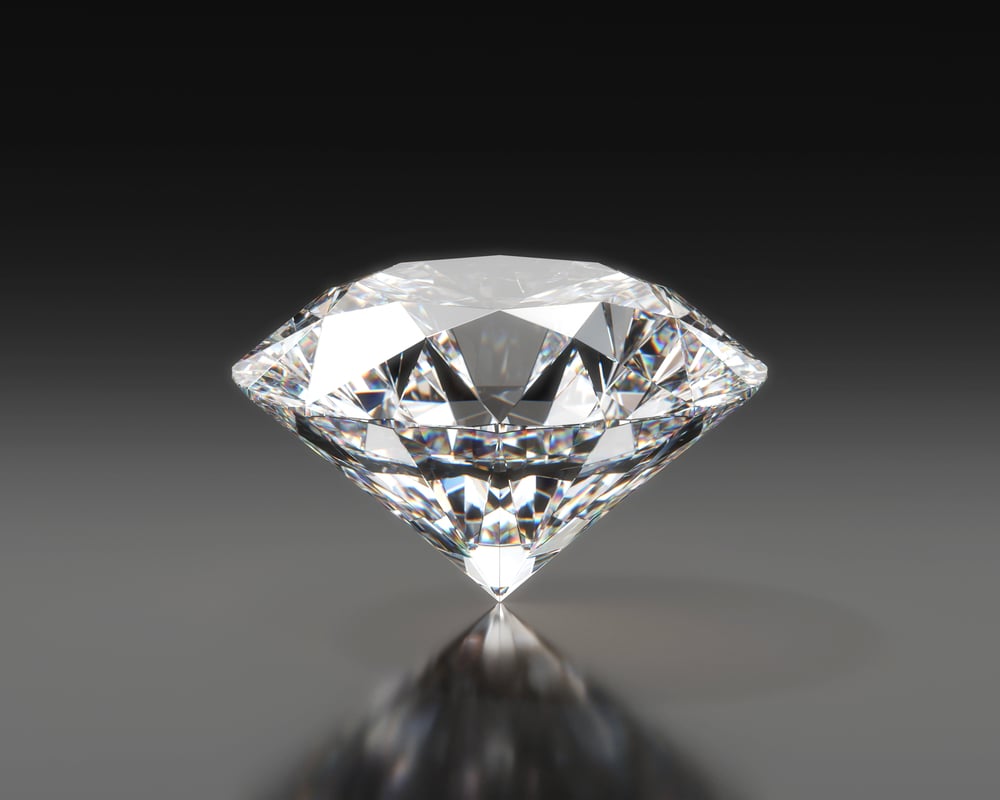
Biggest diamonds still draw eyes, even as trends shift. What makes them stand out isn’t just size or scarcity – it’s the tales people tell about them.
Now here comes a find that stops you cold – nature, showing off again. Just when we think we’ve mapped every corner, it slips another wonder through.
These rocks carry epochs inside them, quiet and heavy. They connect slow earth forces to our restless hands reaching for rarity.
Above all, big diamonds aren’t just about weight or purity. What matters is the unlikely path they took to surface – then the deep curiosity they awaken when seen.
More from Go2Tutors!

- The Romanov Crown Jewels and Their Tragic Fate
- 13 Historical Mysteries That Science Still Can’t Solve
- Famous Hoaxes That Fooled the World for Years
- 15 Child Stars with Tragic Adult Lives
- 16 Famous Jewelry Pieces in History
Like Go2Tutors’s content? Follow us on MSN.