19 Times Technology Failed at the Worst Moment
Technology promises to make our lives easier, but sometimes it picks the absolute worst moments to let us down. Whether it’s a critical system crash during a major event or a simple glitch that causes massive chaos, these failures remind us that our digital world isn’t as reliable as we’d like to think.
Here’s a list of 19 technology failures that couldn’t have happened at worse times, each one a perfect storm of bad timing and digital disaster.
The 2000 Millennium Bug Panic

Everyone was convinced that computers would crash when the calendar rolled over to 2000 — potentially causing global chaos. Most systems handled the transition fine, though some smaller glitches did occur.
Slot machines in Delaware stopped working, and spy satellites temporarily lost contact with Earth. The real failure wasn’t the computers themselves but the billions spent on a problem that turned out to be mostly manageable.
Hawaii’s False Missile Alert

Hawaii residents received an emergency alert in January 2018 warning of an incoming ballistic missile. The message told them to seek immediate shelter, yet it went out during a shift change at the Hawaii Emergency Management Agency.
It took 38 minutes to send a correction because the system had no quick way to retract false alarms — families said goodbye to each other while people hid in manholes before officials could fix their mistake.
The Flash Crash of 2010

The U.S. stock market dropped nearly 1,000 points in minutes on May 6, 2010, before recovering just as quickly. This wiped out nearly $1 trillion in market value temporarily.
High-frequency trading algorithms went haywire — creating a feedback loop where computers kept selling based on other computers’ trades. The crash lasted only 36 minutes, though it revealed how fragile our automated financial systems really are.
Apple’s iOS 11 Calculator Bug
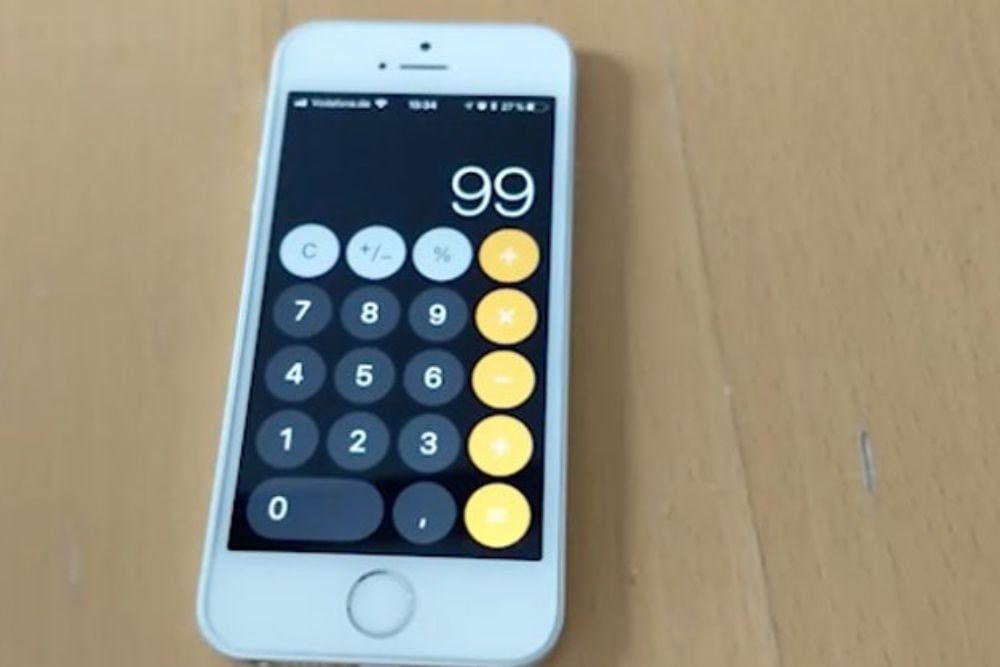
Apple released iOS 11 with a calculator app that couldn’t handle basic math if you typed too quickly. The animation effects were so slow that rapid inputs would get dropped, meaning 1+2+3 might equal 24 instead of 6.
This wasn’t just embarrassing for Apple — it affected millions of users who relied on their phones for quick calculations during important meetings and daily tasks.
The Mars Climate Orbiter Mix-Up

NASA lost a $125 million Mars probe in 1999 because one team used metric measurements while another used imperial units. The spacecraft approached Mars too closely and likely burned up in the atmosphere instead of entering orbit.
This wasn’t a computer glitch — it was a coordination failure that highlighted how even the most advanced organizations can be undone by basic communication problems.
Boeing 737 MAX Software Issues
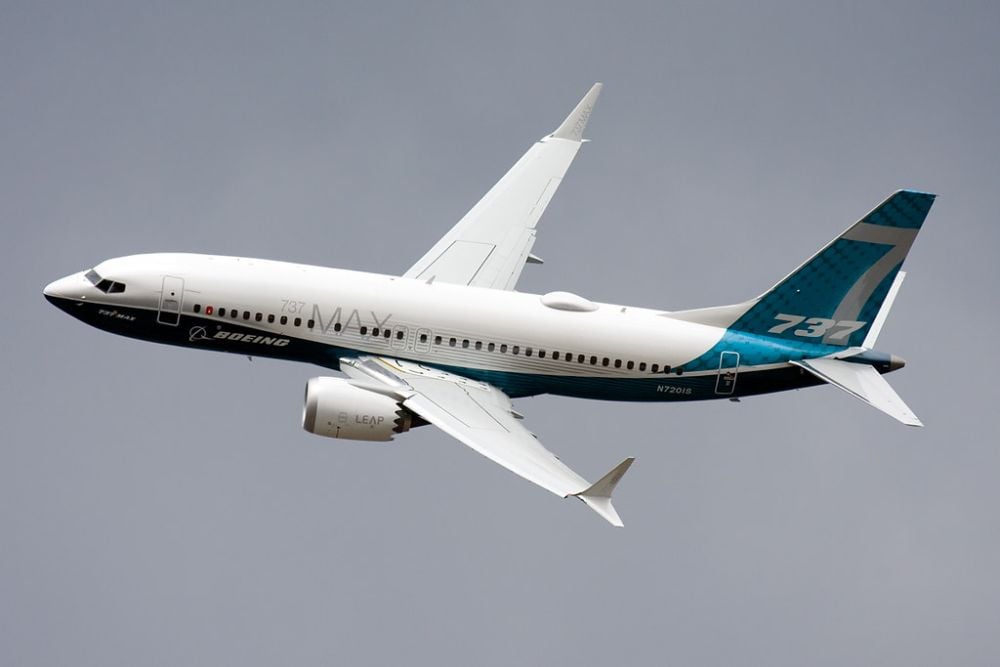
Boeing’s 737 MAX aircraft were grounded worldwide after two crashes killed 346 people. The problems largely stemmed from the MCAS flight control system — software designed to prevent stalls that went haywire when faulty sensor readings caused it to repeatedly push the nose down.
The timing couldn’t have been worse for Boeing, coming as airlines were expanding their fleets while passengers were becoming more safety-conscious.
The Great Facebook Outage of 2021

Facebook, Instagram, and WhatsApp went dark for nearly six hours in October 2021 — affecting billions of users worldwide. A configuration change disconnected Facebook’s servers from the internet, and the company’s own employees couldn’t access buildings or internal systems to fix it.
Small businesses that relied on these platforms for sales lost thousands of dollars during the outage.
Windows Vista’s Launch Disaster
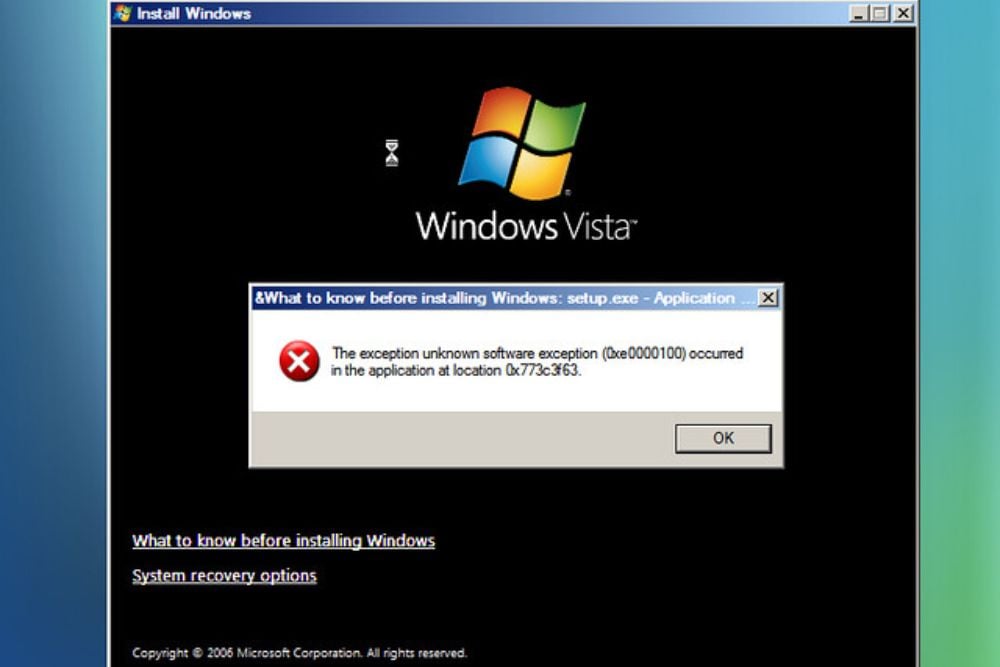
Microsoft’s Windows Vista launched in 2007 with so many compatibility issues that many users downgraded back to Windows XP. The operating system was slow, crashed frequently, and couldn’t run many existing programs properly.
The timing was particularly bad since Apple was gaining momentum with its Mac computers — Vista’s problems drove many frustrated users to switch platforms permanently.
The 2016 Delta Airlines Meltdown

A power outage at Delta’s Atlanta headquarters in August 2016 caused the airline’s computer systems to fail. This led to the cancellation of over 2,000 flights in three days — during peak summer travel season.
The outage stranded thousands of passengers and cost Delta an estimated $150 million, while the airline’s backup systems failed to kick in properly.
Samsung Galaxy Note 7 Battery Explosions

Samsung’s Galaxy Note 7 smartphones started catching fire and exploding shortly after launch in 2016. The company had to recall millions of devices — right before the iPhone 7 launch, giving Apple a huge advantage.
Airlines banned the phones from flights, and Samsung’s reputation took years to recover from the incident.
The Robinhood GameStop Trading Halt

During the GameStop trading frenzy in January 2021, Robinhood suddenly restricted trading on several popular stocks, enraging users who were trying to capitalize on the market volatility. The app claimed it was due to regulatory requirements, but users suspected the company was protecting hedge funds.
The restriction came at the worst possible moment for retail investors, many of whom were locked out of potentially profitable trades.
Tesla’s Autopilot Confusion

Tesla’s Autopilot system has been involved in several crashes where the car failed to recognize stationary objects or misinterpreted road conditions. One notable incident occurred when a Tesla on Autopilot crashed into a parked fire truck on a highway.
These failures are particularly problematic since they happen when drivers are relying on the technology to keep them safe, often during long highway drives when attention naturally wanes.
The 2008 Zune Leap Year Bug
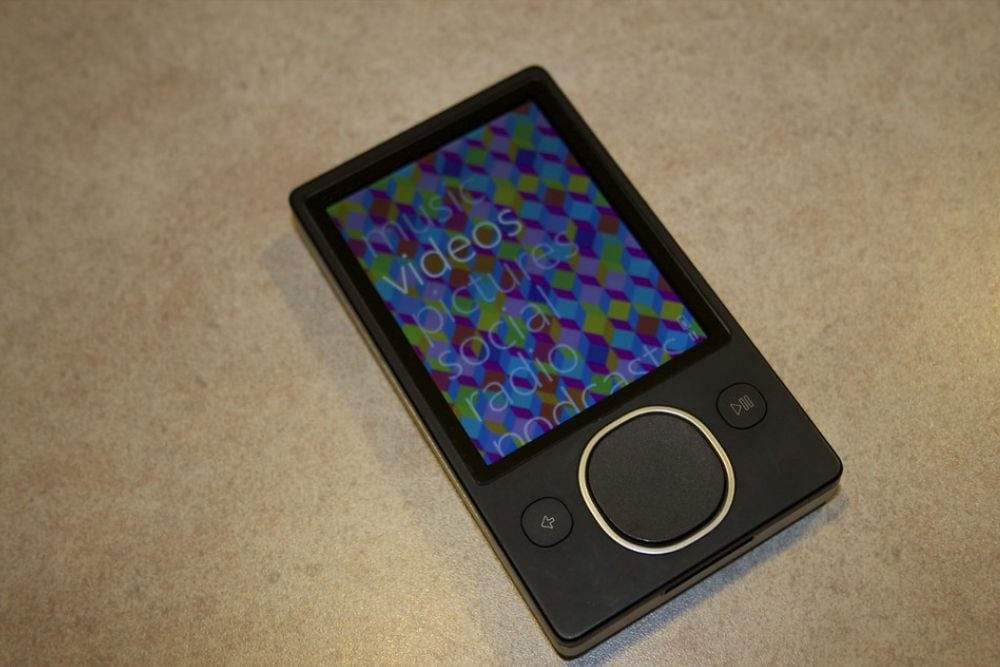
Microsoft’s Zune music players froze completely on December 31, 2008, due to a programming error in how the device handled leap years. The bug caused millions of Zunes to become completely unresponsive.
Users had to wait until January 1st for their devices to work again, which happened during the holiday season when people were showing off their new gadgets and trying to load music for New Year’s Eve parties.
Google’s Gmail Outage During COVID-19

Google’s services including Gmail, YouTube, and Google Drive went down for about an hour in December 2020, affecting billions of users worldwide. The outage happened during the pandemic when people were heavily reliant on these services for work and school.
Students couldn’t access their assignments, remote workers couldn’t check email, and online classes were disrupted at a time when digital connectivity was more critical than ever.
The Knight Capital Trading Glitch

Knight Capital’s trading software malfunctioned in August 2012 and bought and sold millions of shares in just 45 minutes, losing the company $440 million. The error occurred because new software was deployed incorrectly, causing the system to place massive, unintended trades.
The timing was particularly brutal since it happened during active trading hours, and the company couldn’t stop the hemorrhaging quickly enough to prevent near-bankruptcy.
Amazon Web Services Holiday Outage

AWS experienced a major outage on December 7, 2021, during the peak holiday shopping season, taking down Netflix, Disney+, and countless other services. The outage lasted several hours and affected the East Coast region, disrupting online shopping and entertainment when people were trying to buy gifts and stream holiday content.
Many businesses lost significant revenue during their busiest time of year.
The iPhone 4 Antenna Problem
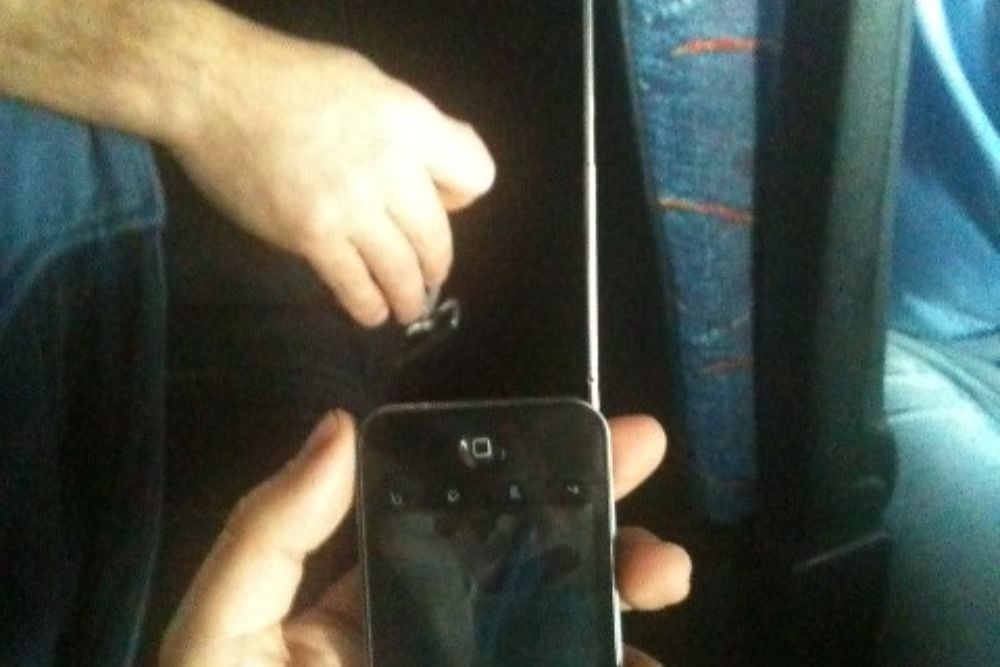
Apple’s iPhone 4 launched with a design flaw that caused dropped calls when users held the phone naturally, covering the external antenna with their hand. The issue became known as ‘Antennagate’ and overshadowed what was otherwise a successful product launch.
Apple’s initial response telling users they were holding their phones wrong made the situation worse and required the company to eventually offer free cases to fix the problem.
MySpace’s Redesign Disaster
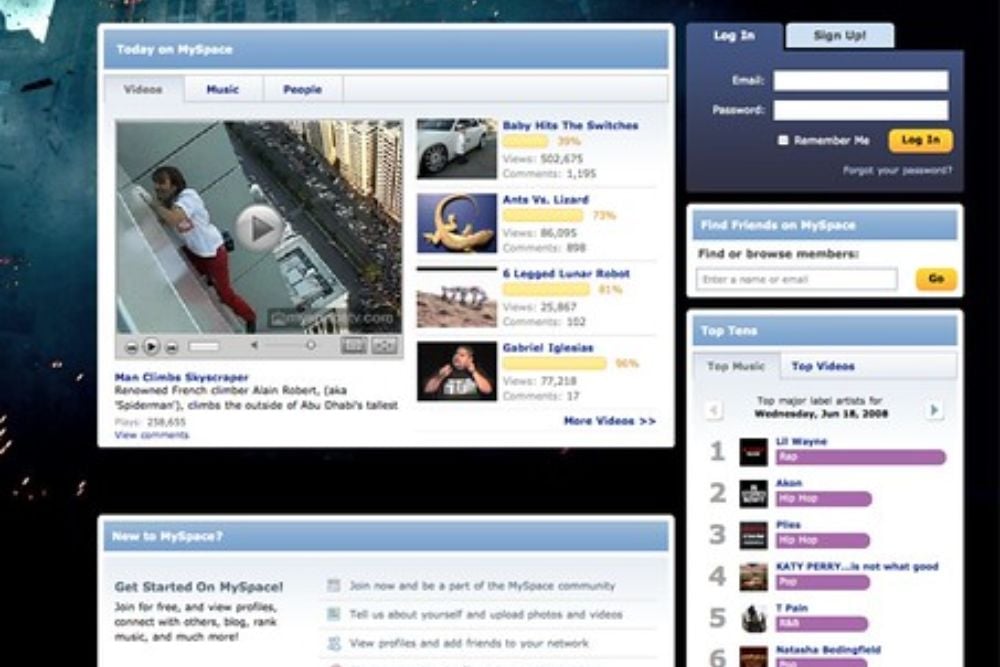
MySpace launched a major redesign in 2010 that alienated its remaining users and accelerated the platform’s decline. The new design was slow, confusing, and removed many features that users loved, coming at a time when Facebook was already dominating social media.
The timing was catastrophic since it eliminated MySpace’s last chance to compete in the social networking space.
The HealthCare.gov Launch Failure

The federal health insurance website launched in October 2013 with so many technical problems that most users couldn’t complete enrollment. The site crashed constantly, had security vulnerabilities, and couldn’t handle the traffic load during the critical first months of open enrollment.
The timing was particularly damaging since it was the centerpiece of the Affordable Care Act, and the failure gave political opponents ammunition to attack the entire healthcare program.
When Silicon Valley Meets Reality

These technology failures remind us that our increasingly digital world is built on systems that can break down at the most inconvenient moments. While we’ve become dependent on technology for everything from communication to transportation, these incidents show that backup plans and human oversight remain essential.
The silver lining is that each failure has led to better systems, stronger safeguards, and a healthier skepticism about putting all our eggs in the digital basket. Perhaps the real lesson is that technology works best when we remember it’s a tool, not a replacement for human judgment and preparation.
More from Go2Tutors!

- The Romanov Crown Jewels and Their Tragic Fate
- 13 Historical Mysteries That Science Still Can’t Solve
- Famous Hoaxes That Fooled the World for Years
- 15 Child Stars with Tragic Adult Lives
- 16 Famous Jewelry Pieces in History
Like Go2Tutors’s content? Follow us on MSN.