14 Foods That Are Fake
You trust what you eat. You read labels, check ingredients, and assume that what you’re buying matches what’s on the package.
But the food industry has other ideas. Fraud happens more often than most people realize, and some of your favorite foods aren’t what they claim to be.
Parmesan Cheese Contains Wood Pulp
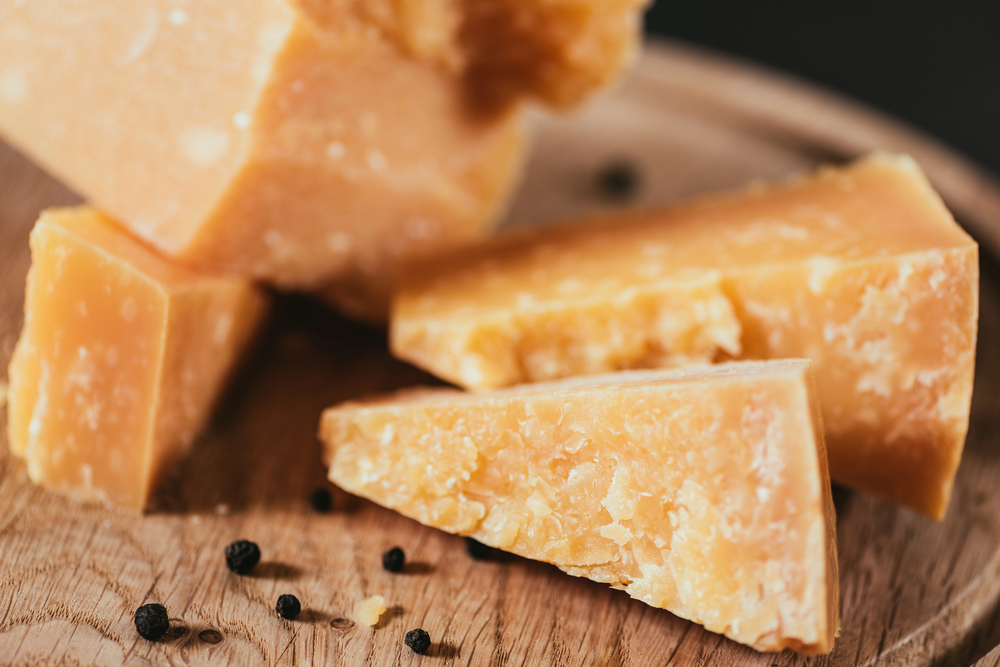
That container of grated Parmesan in your fridge probably has cellulose in it. Cellulose comes from wood pulp.
Food manufacturers add it to prevent clumping, but some brands go overboard. Tests have found products labeled “100% Parmesan” that contain almost no actual cheese—just fillers and additives mixed with a tiny amount of the real thing.
Even the expensive brands can disappoint you. The FDA has found retailers selling products with dangerous levels of cellulose or other cheeses mixed in.
Your safest bet is buying a block of Parmigiano-Reggiano and grating it yourself.
Wasabi Is Actually Horseradish
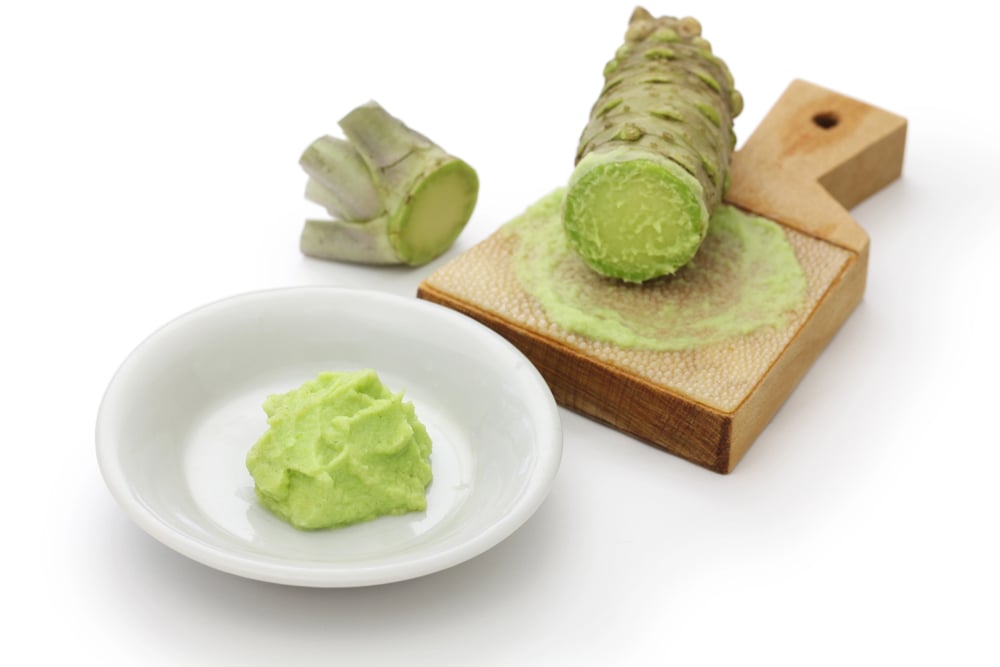
Real wasabi comes from a plant that’s incredibly hard to grow. It needs specific conditions—cool running water, shade, and two years to mature.
This makes authentic wasabi expensive and rare. What you get at most restaurants is a mixture of horseradish, mustard, and green food coloring.
The taste is similar enough that most people can’t tell the difference. Even in Japan, many sushi restaurants serve the fake version because real wasabi loses its flavor within 15 minutes of being grated.
Truffle Oil Has No Truffles
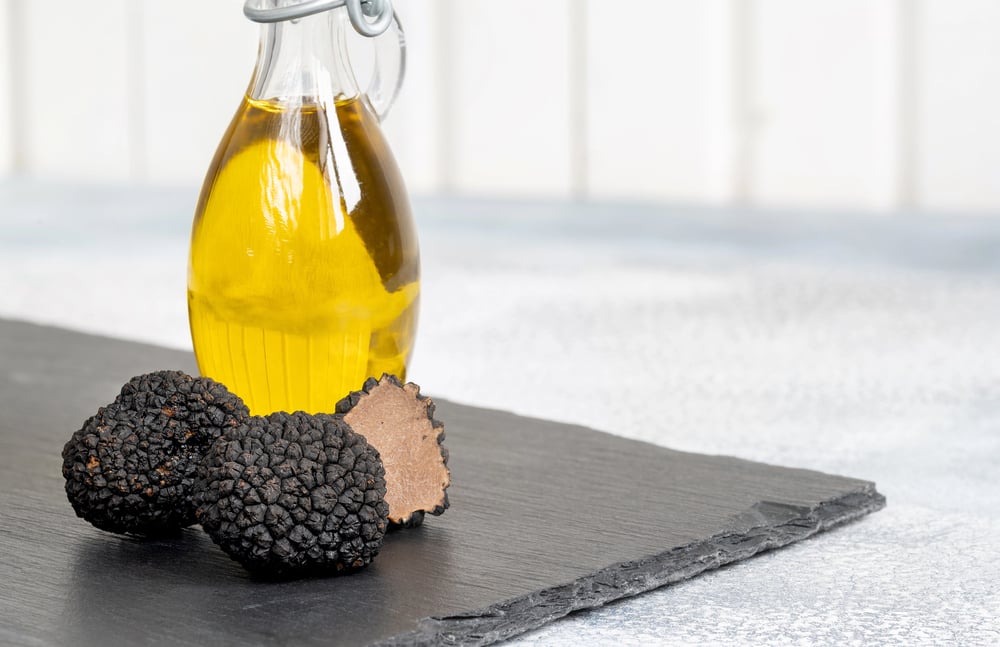
Truffle oil sounds luxurious. The price certainly suggests something special is inside that bottle.
But most truffle oil contains zero actual truffles. Instead, it’s olive oil mixed with a synthetic compound called 2,4-dithiapentane.
This chemical mimics the smell of truffles. Food scientists created it in a lab, and it costs almost nothing to produce.
Some premium brands do add tiny pieces of truffle to the bottle, but these serve as decoration more than flavoring. The oil itself still relies on synthetic compounds.
Honey Gets Cut with Corn Syrup
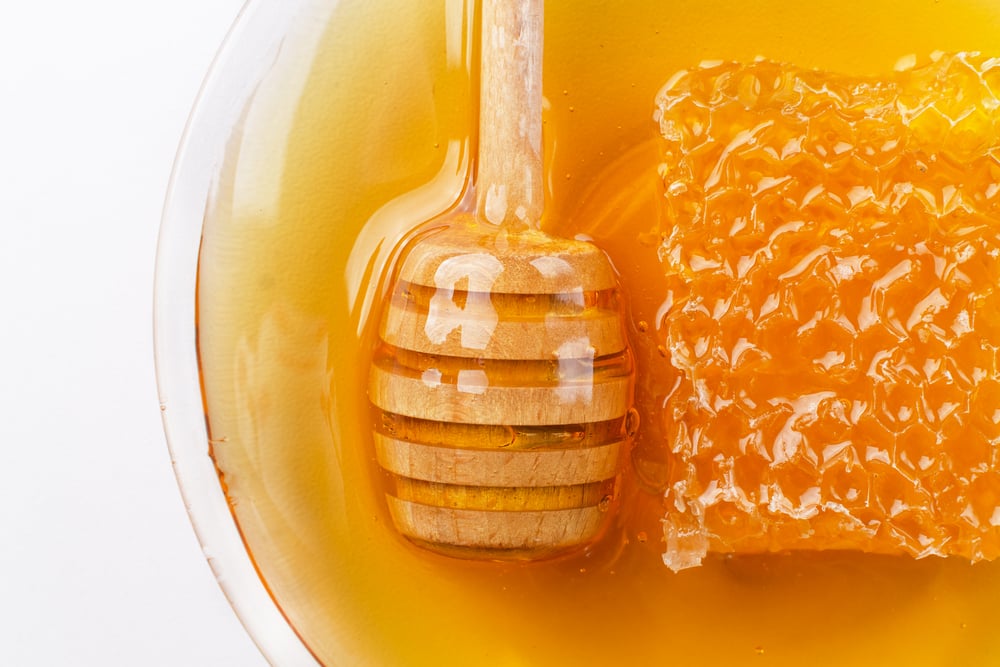
Pure honey should contain only honey. But suppliers often dilute it with cheaper sweeteners like high-fructose corn syrup or rice syrup.
The practice is so widespread that investigators call it “honey laundering.” Testing honey for authenticity is difficult.
Adulterators have become sophisticated at hiding their methods. They use enzymes to break down sugars in ways that fool standard tests.
Some estimates suggest that up to 76% of honey sold in grocery stores has been filtered to remove pollen, making it impossible to trace its origin.
Extra Virgin Olive Oil Is Often Neither

Extra virgin olive oil must meet strict standards. It should come from the first pressing of olives, with no chemicals or heat involved.
The oil must taste good and have low acidity. Many bottles claiming to be extra virgin fail these requirements.
Some contain refined olive oil mixed with a small amount of virgin oil. Others are cut with cheaper oils like soybean or sunflower.
The bottles might even contain no olive oil at all. Italy and Spain produce less olive oil than they export, which should tell you something about the math.
Tests show that many supermarket brands don’t meet the chemical or sensory standards for extra virgin. You’re paying premium prices for ordinary oil.
Kobe Beef in America Isn’t Kobe
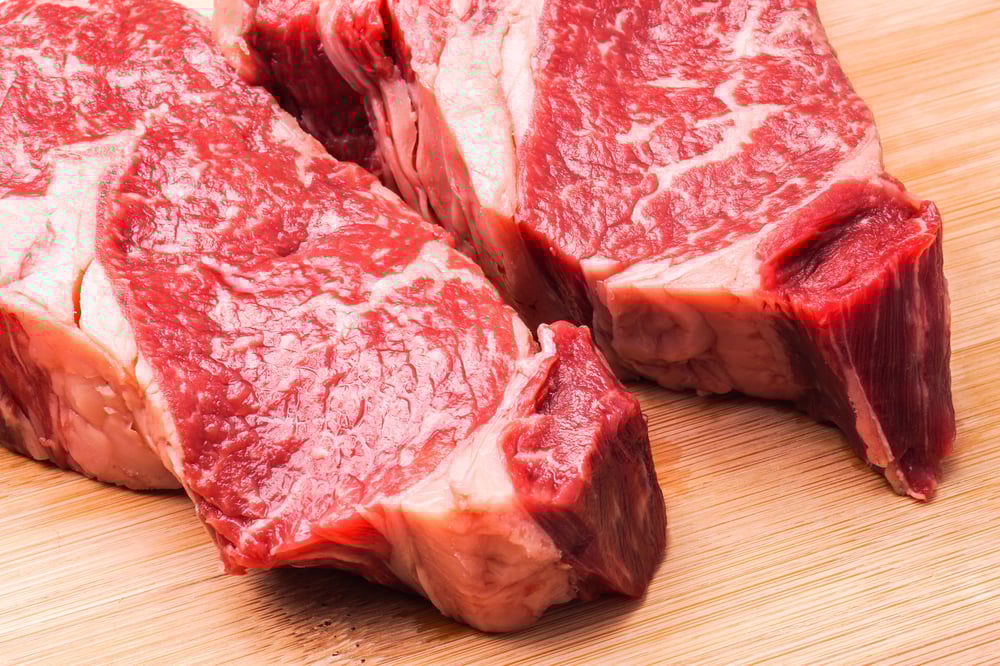
Kobe beef comes from a specific breed of cattle raised in a specific region of Japan. The cows receive special treatment and feed.
The meat is heavily marbled and expensive. Until 2012, Japan didn’t export Kobe beef to the United States at all.
Yet restaurants had been serving “Kobe beef” for years. What you got was regular beef, sometimes from the same cattle breed but raised in America without the strict protocols.
Even now, with limited exports, most “Kobe beef” you see on menus is fake. The USDA doesn’t regulate the term.
Restaurants use it to charge higher prices for regular Wagyu or domestic beef.
Red Snapper Is Usually Something Else
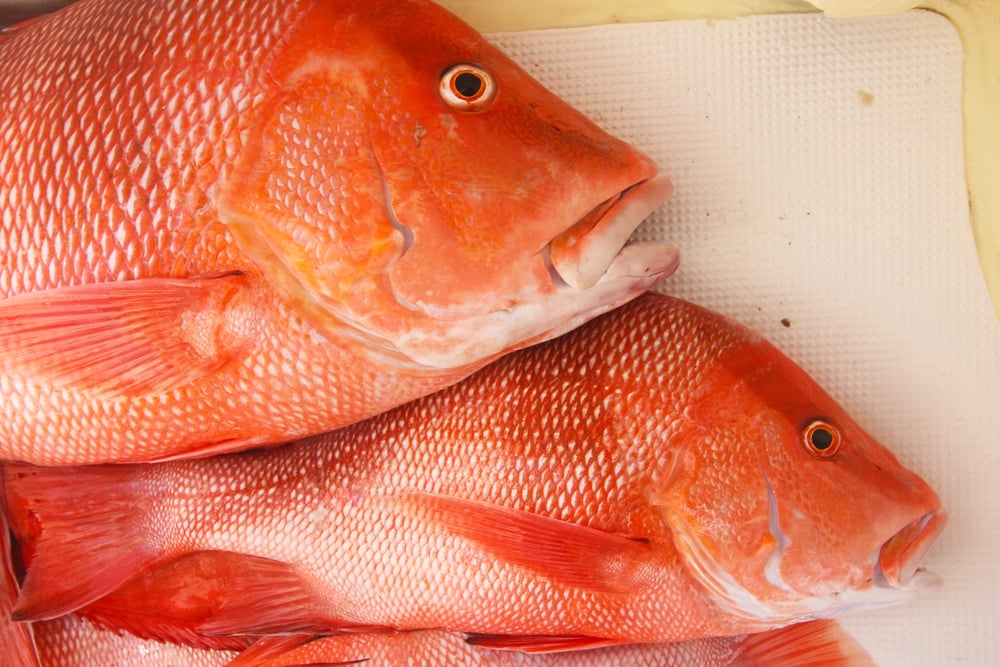
DNA testing reveals a problem with fish. A study found that 87% of fish labeled as red snapper in restaurants and stores was actually a different species.
You might be eating tilapia, rockfish, or something you’ve never heard of. The substitution happens throughout the supply chain.
By the time the fish reaches your plate, it’s been filleted and looks generic. Most people can’t identify fish by appearance alone, and restaurants count on that.
Some substitutes are harmless. Others contain higher mercury levels or come from unsustainable fisheries.
You’re not getting what you paid for, and you can’t make informed health choices when the label lies.
Vanilla Extract Contains Castoreum
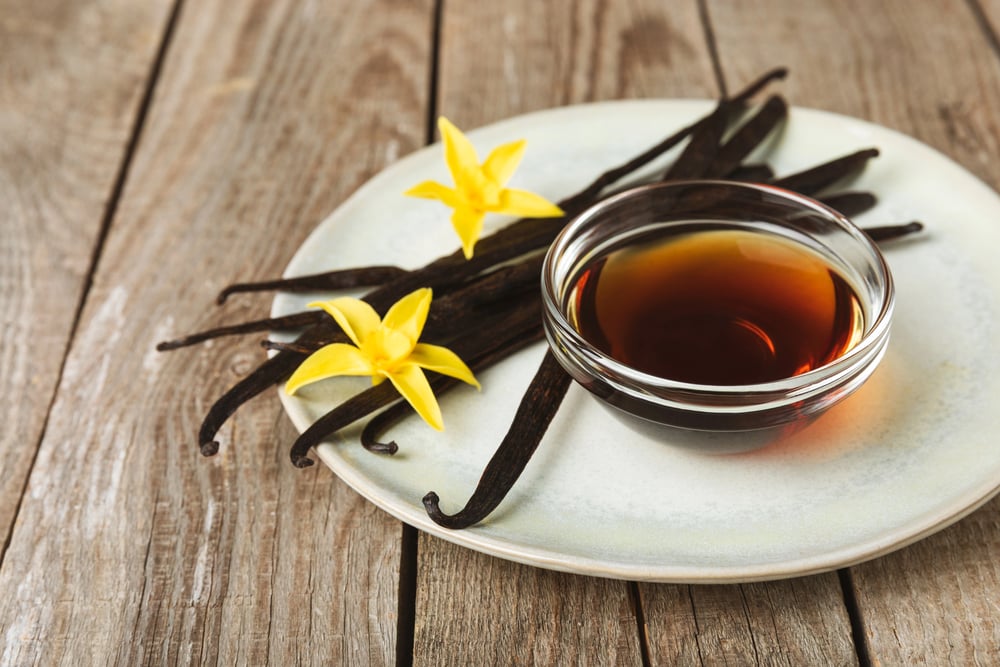
Natural vanilla extract should come from vanilla beans. But food manufacturers have found a cheaper alternative: castoreum.
This substance comes from the castor sacs of beavers, located near their anal glands. Before you panic, know that castoreum is rare in modern food production. It’s expensive to harvest, even compared to real vanilla.
But it does appear in some “natural flavoring” labels. The FDA allows it because it comes from a natural source—just not the source you’d expect.
Most fake vanilla uses vanillin made from wood pulp or petroleum. This costs almost nothing and tastes similar enough for baking.
Pomegranate Juice Is Mostly Other Juices
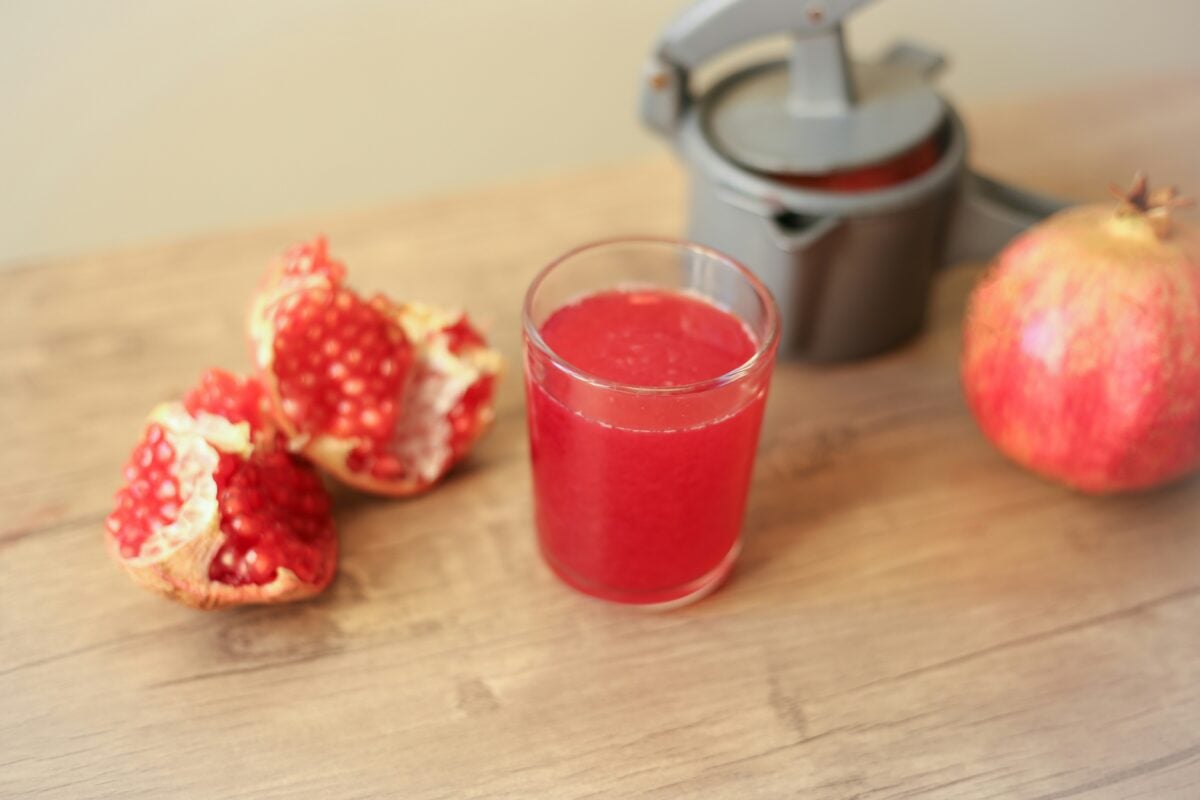
Pomegranate juice is expensive to produce. The fruit is labor-intensive to process, and you need a lot of pomegranates to make a small amount of juice.
So companies cut costs. Many brands labeled as pomegranate juice contain mostly grape juice, apple juice, or pear juice with a splash of pomegranate added.
The darker juices hide the deception. Food coloring and flavoring make it taste close enough to fool most consumers.
Even “100% juice” labels don’t guarantee pomegranate. The label might be technically true if the juice is 100% fruit juice, just not 100% the fruit on the label.
Crab in California Rolls Is Imitation
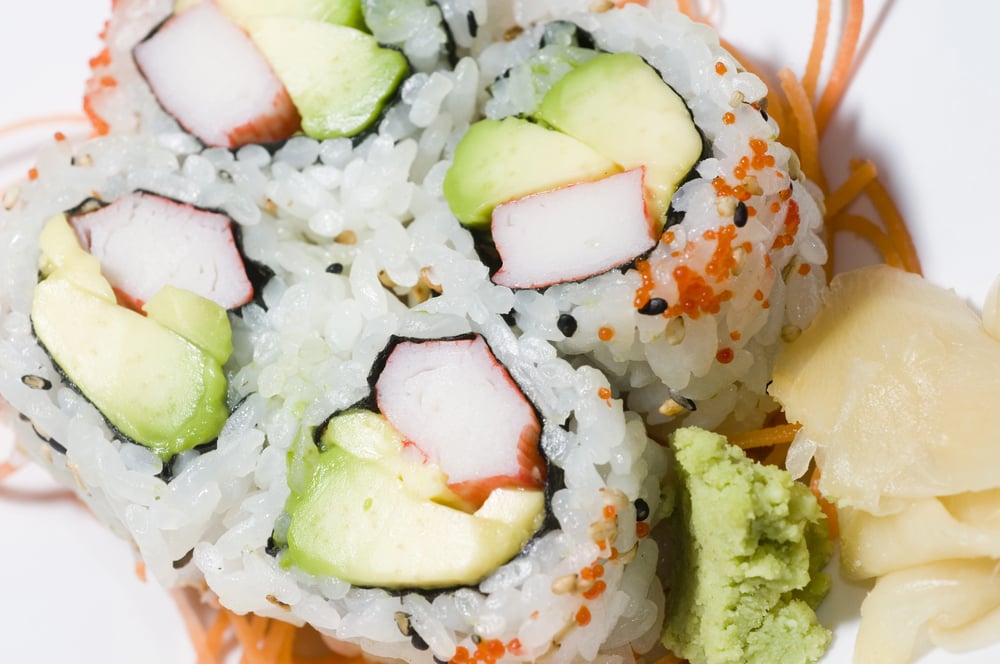
Surimi is fish paste molded to look like crab meat. It’s made from white fish like pollock, then flavored and colored to resemble crab. Almost every California roll you’ve eaten contains surimi, not crab.
The texture is different if you know what to look for. Real crab is stringier and flakes differently.
But most people don’t notice or don’t care. Surimi is cheaper and more consistent, which makes it perfect for high-volume restaurants.
Labeling laws require restaurants to call it “imitation crab” or “krab,” but these terms often appear in tiny print or get lost in menu descriptions. You assume you’re getting real crab because that’s the picture in your head when you order a California roll.
Saffron Gets Mixed with Cheap Substitutes
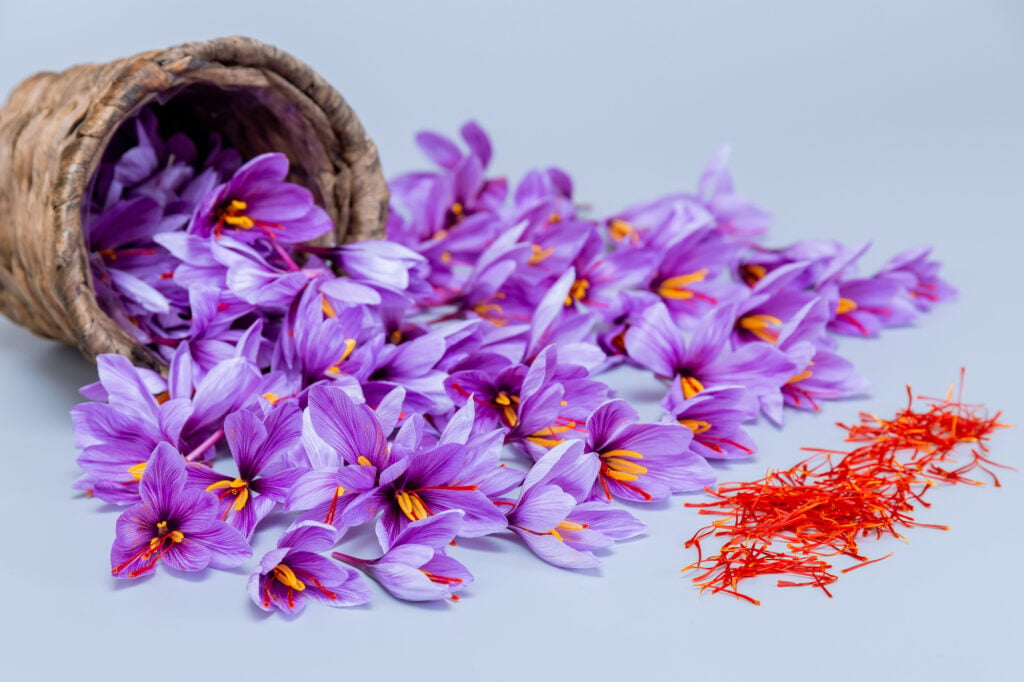
Saffron is the most expensive spice in the world. It comes from the stigmas of crocus flowers, and each flower only produces three threads.
Harvesting is done by hand. This explains why real saffron costs more than gold by weight.
Fraudsters sell safflower, turmeric, or dried red beet fibers as saffron. They mix real saffron with these substitutes to stretch the supply.
The color is similar, and unless you’re an expert, you can’t tell by looking. Some sellers spray substitutes with food coloring and flavor compounds.
Others sell “saffron powder” that contains almost no actual saffron. Testing requires expensive equipment, so most of what gets sold never gets verified.
Balsamic Vinegar Is Often Fake
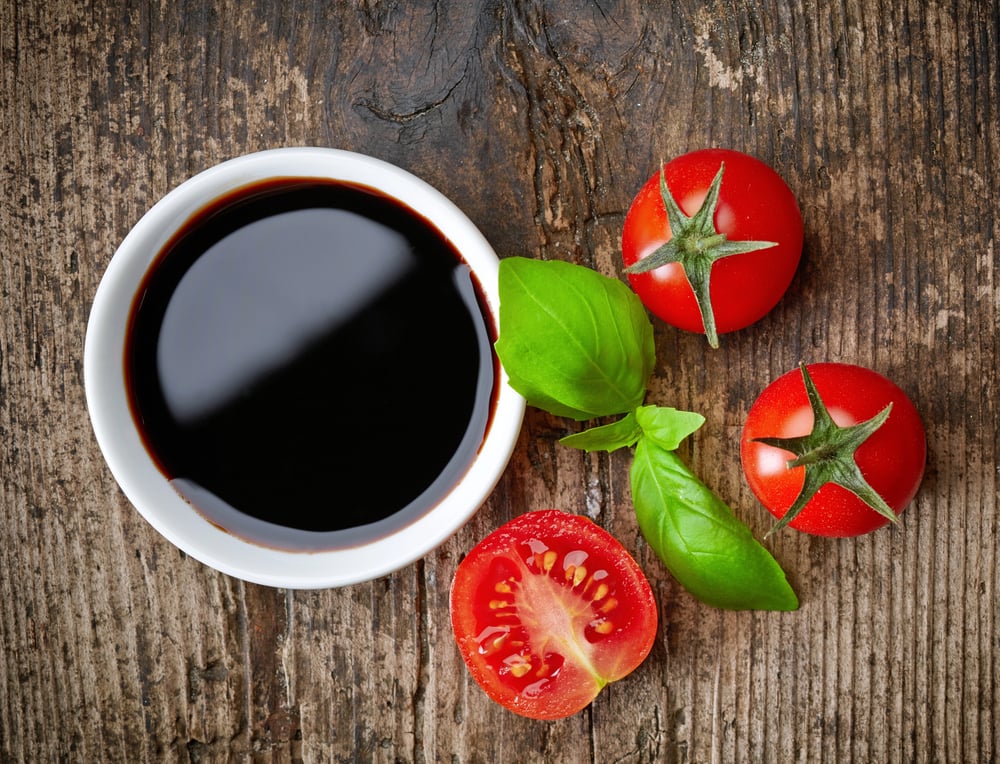
Traditional balsamic vinegar from Modena, Italy, ages for at least 12 years. The process is regulated and expensive.
Real balsamic vinegar costs upwards of $50 for a small bottle. Most grocery store “balsamic” is wine vinegar mixed with caramel coloring and corn syrup.
It tastes sweet and tangy, which is close enough for salad dressing. But it lacks the complexity of aged balsamic.
The labeling tricks you. Bottles might say “Balsamic Vinegar of Modena,” which sounds authentic but doesn’t mean it’s the traditional product.
Look for “Aceto Balsamico Tradizionale” if you want the real thing. Otherwise, you’re buying sweetened vinegar.
Maple Syrup Contains No Maple
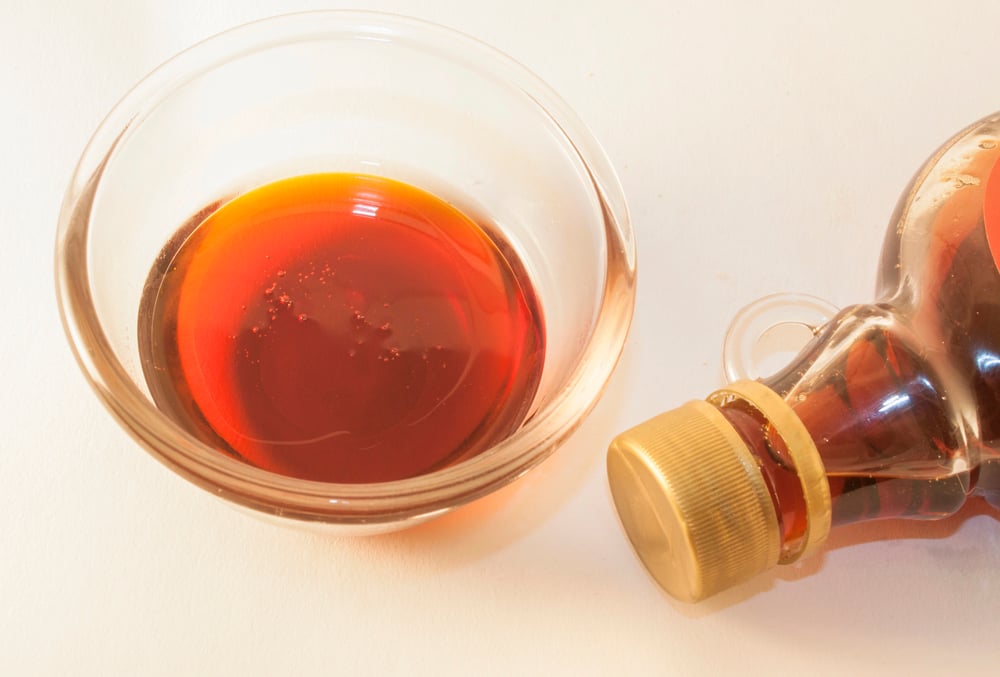
Pancake syrup on grocery store shelves usually contains zero maple. It’s corn syrup with caramel coloring and artificial maple flavoring.
Real maple syrup comes from tree sap boiled down to concentrate the sugars. The fake stuff is significantly cheaper to produce.
A gallon of real maple syrup requires 40 gallons of sap. The process takes time and equipment.
Corn syrup costs pennies and needs only flavoring added. Even some bottles labeled “maple syrup” are mostly cane sugar with a small percentage of real maple.
Check the ingredients. Real maple syrup should list only one ingredient: maple syrup.
Ground Coffee Contains Fillers
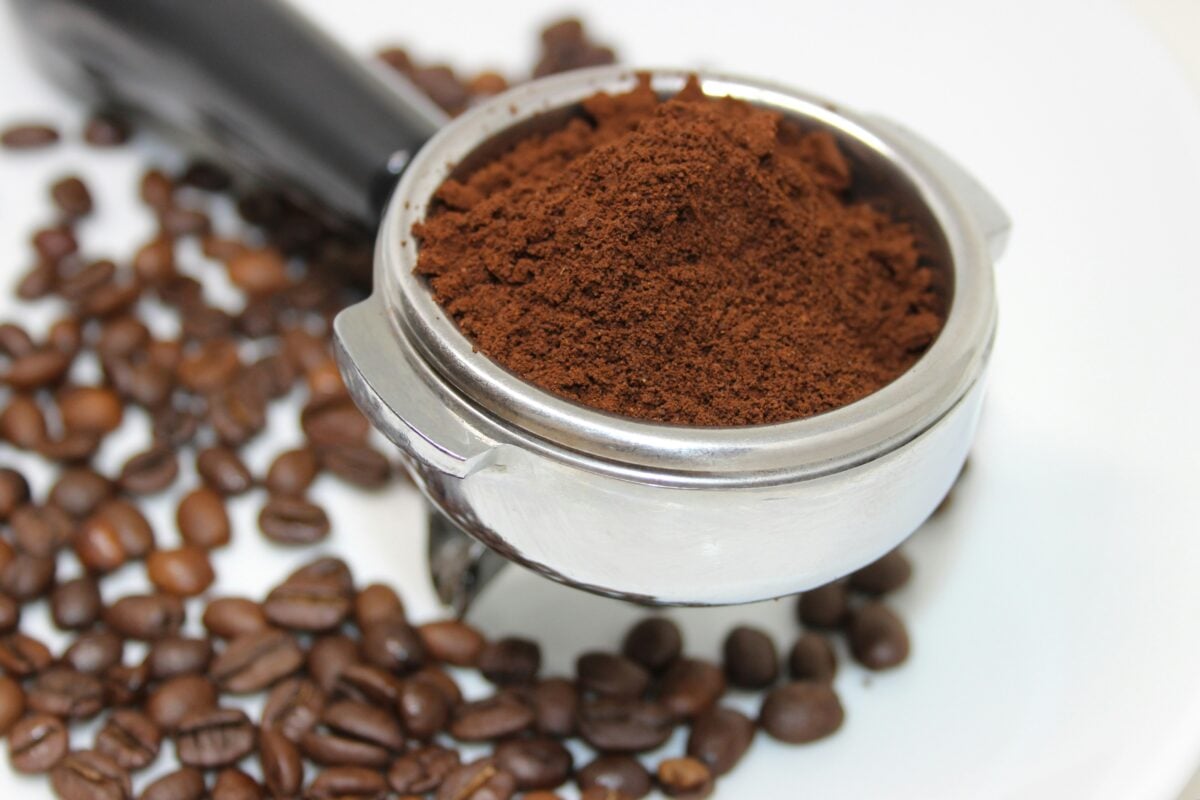
Sometimes coffee costs more when farms harvest less. Because of rising costs, certain brands mix in lower-priced ingredients.
Roasted grains like corn or barley show up in some packages. Even wood dust has turned up in powdered form inside jars.
Demand around the world pushes values higher now and then. Roasted bits mimic coffee’s look, close in shade and texture.
Yet they bring bulk, not taste – just extra heft in the bag. Ground blends hide it best, since nothing shows beneath the fine particles.
Not every instant coffee delivers what it seems. Instead of real grounds, certain versions blend extracted oils with added powders and artificial notes.
What ends up in your cup mimics a coffee taste – yet holds far less actual bean material than promised. Only when you take beans into your hands, crush them fresh, do you truly control what goes inside. Purity shows up that way.
The Reality Of Your Food
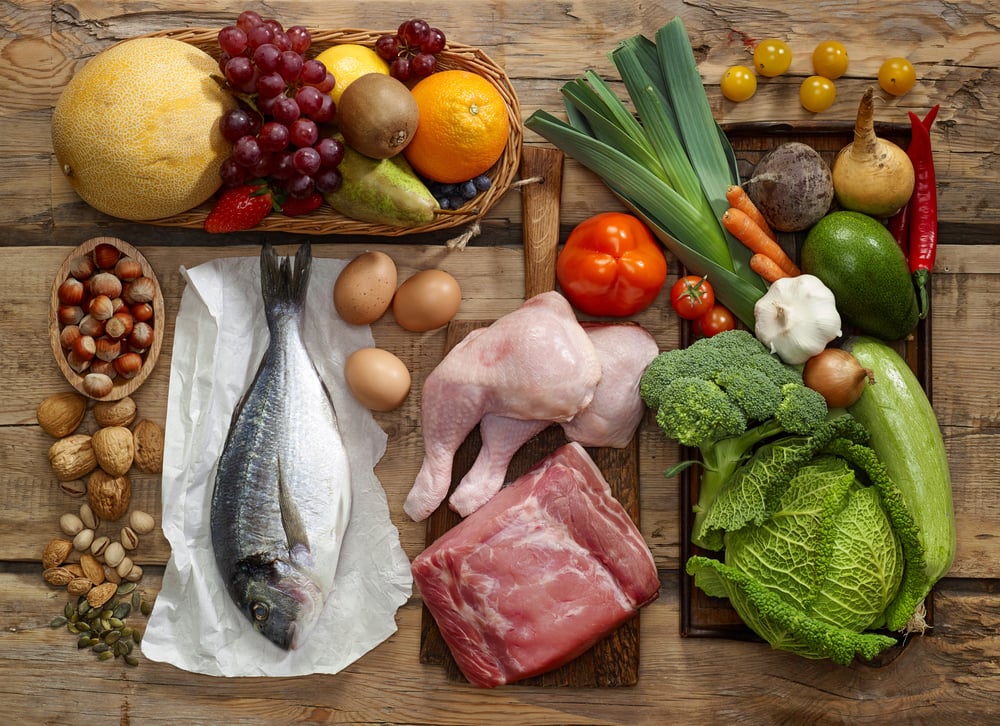
Money drives fake food. Crooks cash in as shoppers hand over top dollar for watered-down goods.
Rules are on the books – yet often ignored. Checking every item costs too much effort and time, leaving shelves full of unchecked items.
Quiet corners stay dark. Watch where you shop.
Trusted sellers often mean safer picks. Whole items beat factory-made every time.
Doubt a deal if it feels off. True Kobe isn’t cheap.
Neither is real balsamic or honest saffron. High value comes from how it’s made.
Pay much less? Then what’s inside likely changed.
More from Go2Tutors!

- The Romanov Crown Jewels and Their Tragic Fate
- 13 Historical Mysteries That Science Still Can’t Solve
- Famous Hoaxes That Fooled the World for Years
- 15 Child Stars with Tragic Adult Lives
- 16 Famous Jewelry Pieces in History
Like Go2Tutors’s content? Follow us on MSN.