Christmas Tree Decorating Trivia for Enthusiasts
Decorating the Christmas tree is one of those activities that brings families together every year, but most people don’t think much about why they do what they do. The ornaments, lights, and tinsel all have fascinating backstories that go way beyond just looking pretty.
Understanding these details makes the whole process feel more meaningful and gives everyone something interesting to talk about while hanging decorations. Ready to become the trivia expert at your next tree-decorating party? Here are some facts that will change how you look at every ornament and light.
Tinsel started as thin strips of real silver
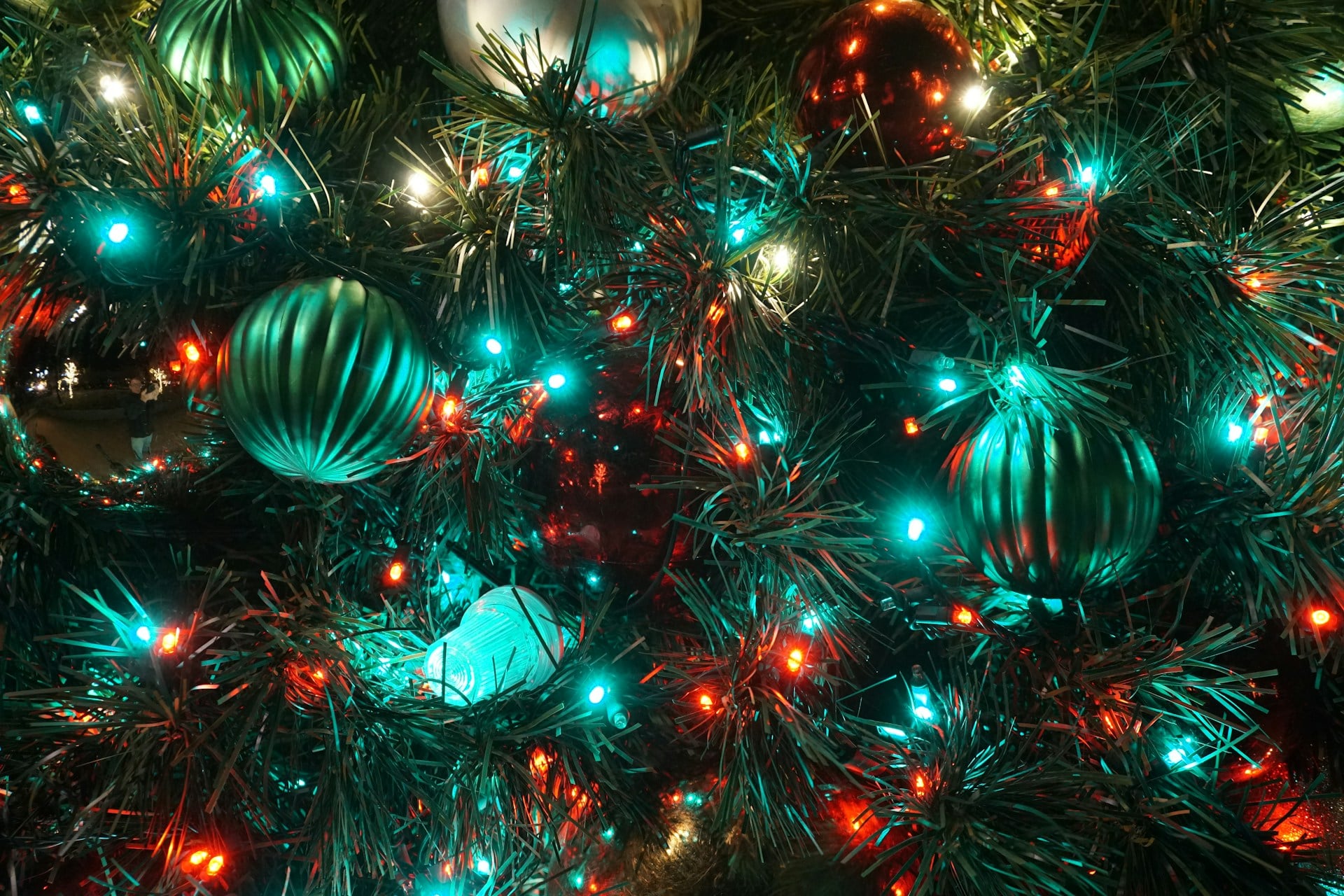
German craftspeople created the first tinsel in the early 1600s by pounding genuine silver into paper-thin strands. Wealthy families draped these precious strips over their trees, creating a shimmering effect that candlelight made even more dramatic.
The silver eventually tarnished and turned black, which meant families had to replace it every year. Later versions used cheaper metals like lead and aluminum before modern plastic tinsel took over. Some antique silver tinsel still exists in museum collections and costs a fortune at auctions.
Glass ornaments came from a German village tradition
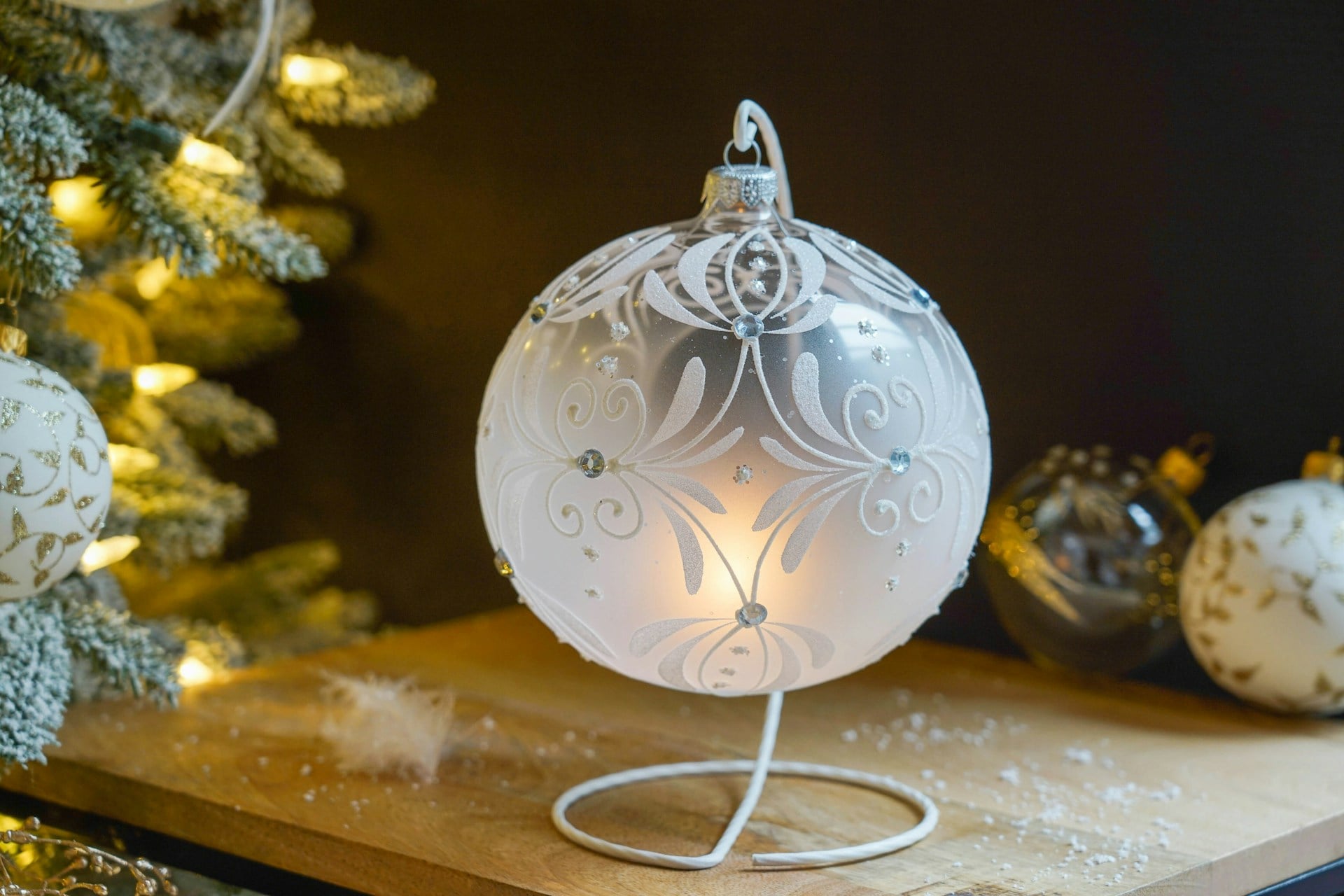
The town of Lauscha, Germany, became famous in the 1800s for producing delicate glass ornaments shaped like fruits, nuts, and vegetables. Local glassblowers used techniques they’d developed for making scientific instruments and eyeglasses.
These ornaments replaced the real fruits and nuts that families had been hanging on trees for centuries. F.W. Woolworth brought the tradition to America after visiting Germany and seeing the beautiful decorations. His stores sold millions of these German glass ornaments, making them affordable for average families.
The tree topper tradition has three competing symbols
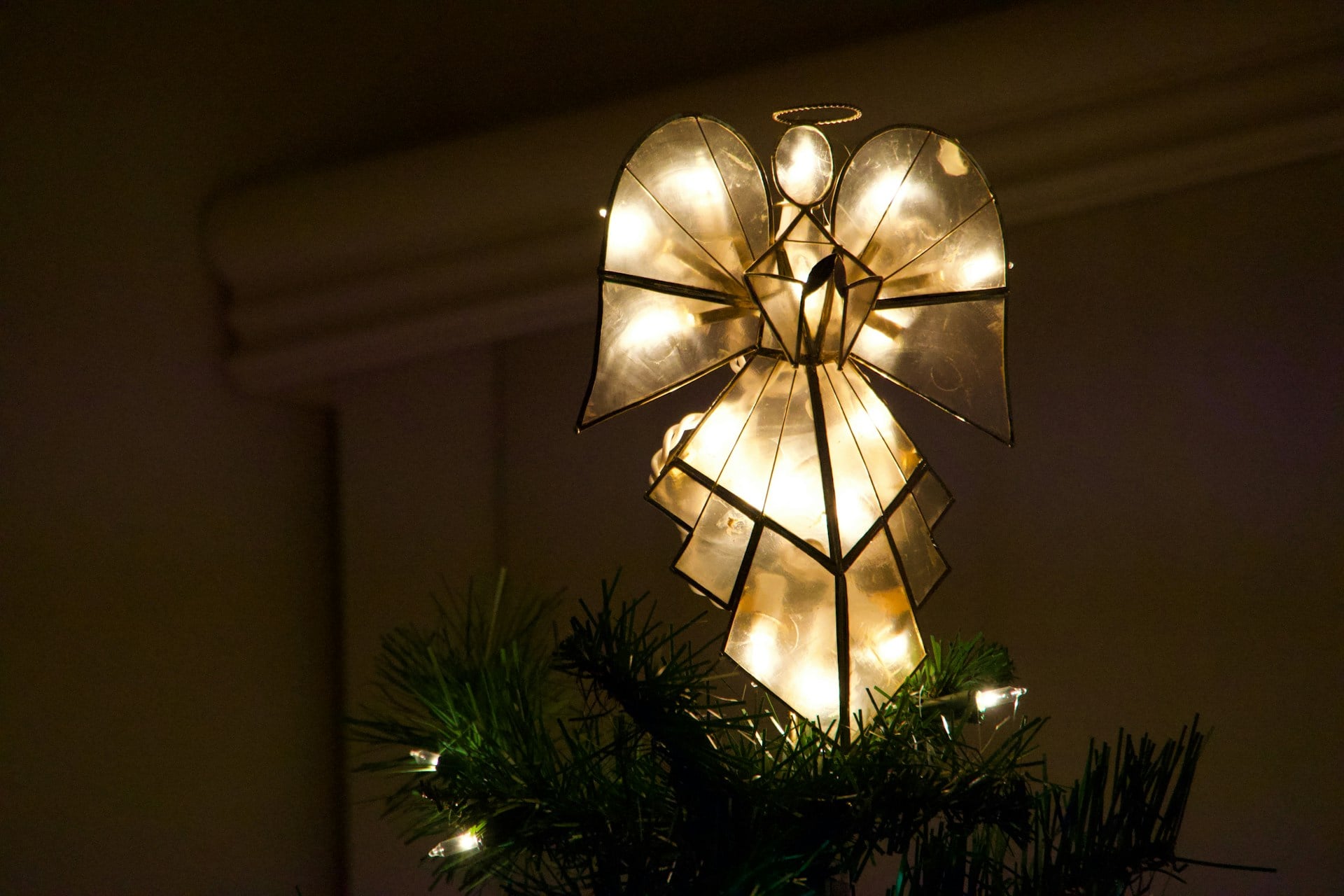
Stars, angels, and decorative points all claim the top spot on Christmas trees for different reasons. Stars represent the Star of Bethlehem that guided the wise men in the biblical story.
Angels symbolize the messengers who announced Christ’s birth to shepherds. Some families prefer elaborate bows or custom pieces that reflect their personal style. The competition between these symbols has created a huge market for specialty tree toppers, with some costing hundreds of dollars.
Electric tree lights were insanely expensive at first
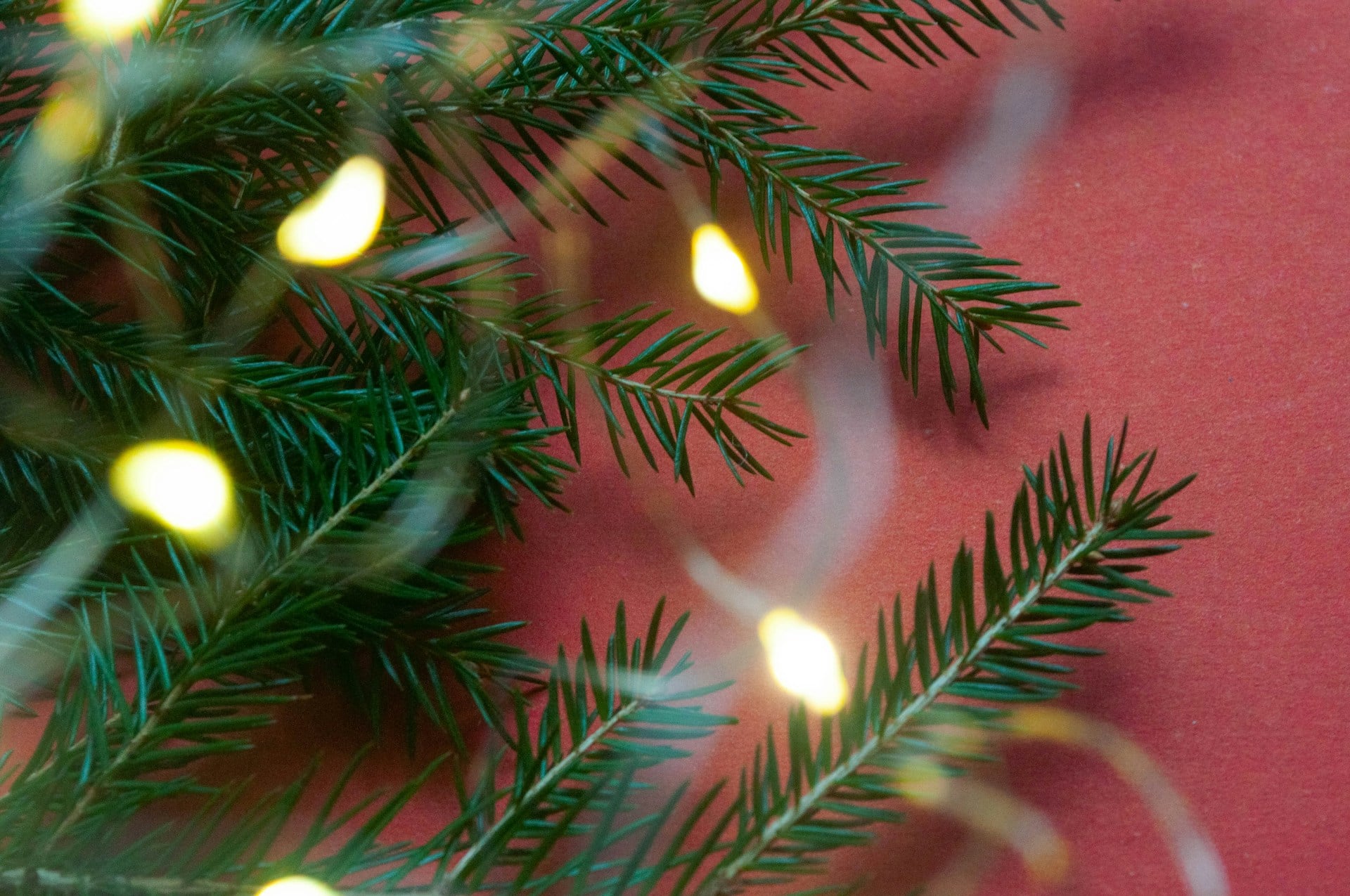
When Edward Johnson created the first string of electric Christmas lights in 1882, they cost about the same as a worker’s entire annual salary. Only the wealthiest families could afford them, while everyone else stuck with dangerous candles.
General Electric started mass-producing the lights in 1903, but they still remained a luxury item for decades. President Grover Cleveland put electric lights on the White House tree in 1895, making them fashionable among high society. Prices finally dropped enough for middle-class families in the 1930s and 1940s.
Popcorn garlands served a dual purpose

American families in the 1800s strung popcorn and cranberries into long chains to decorate their trees. These edible decorations looked festive and provided snacks throughout the holiday season.
Children ate pieces off the tree bit by bit, though parents discouraged taking too much at once. The tradition faded when glass beads and paper chains became available and affordable. Some families still make popcorn garlands today as a nod to simpler times, though most hang them on outdoor trees for birds to enjoy.
Icicles were designed to mimic winter frost

Decorators created icicle ornaments to capture the look of frozen water dripping from tree branches. The earliest versions were made from blown glass in Germany during the late 1800s.
Later manufacturers produced them from lametta, a metallic material that could be shaped and molded easily. Modern icicles come in plastic, metal, and acrylic versions that catch and reflect light. Some people hang them individually with care while others toss them on by the handful for a messy, natural look.
Pickle ornaments might be an American invention
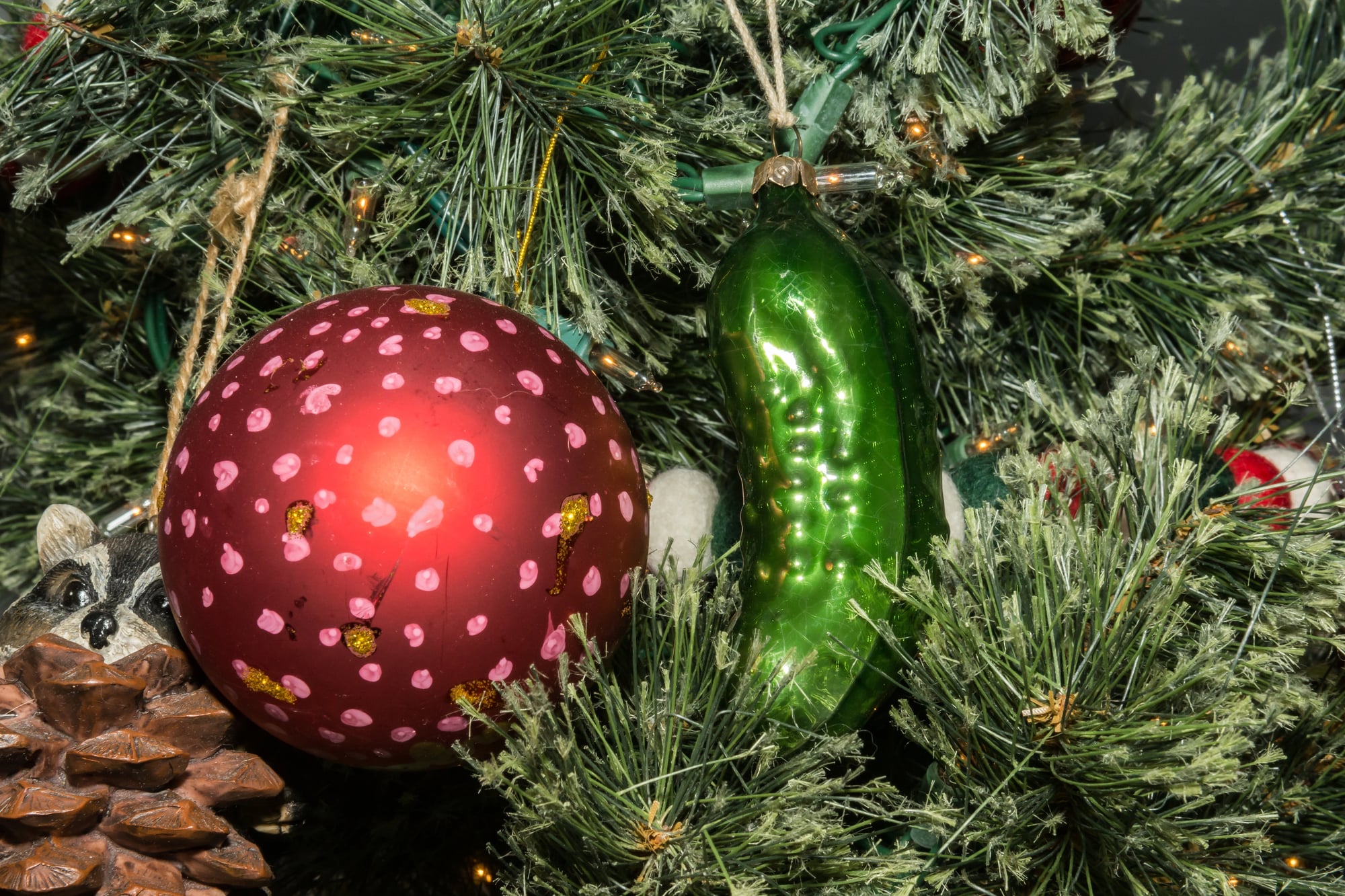
The legend claims that hiding a pickle-shaped ornament in the tree brings good luck to whoever finds it first on Christmas morning. Marketing materials attribute this to an old German tradition, but most Germans have never heard of it.
Historians suspect that German glass makers in America invented the story to sell more ornaments in the late 1800s. Regardless of its murky origins, the pickle tradition has caught on with thousands of American families. Stores now sell specialty pickle ornaments in various sizes and styles.
Bubble lights were a scientific accident
Carl Otis invented bubble lights in 1935 after years of experimenting with different liquids and heating elements. The ornaments contain a special liquid that heats up and creates rising bubbles when the light turns on.
His wife suggested adding the liquid to Christmas lights after seeing his laboratory experiments. The U.S. government restricted their production during World War II because they needed the materials for the war effort. Bubble lights made a huge comeback in the 1950s and remain popular with collectors who love their vintage appeal.
Ornament hooks weren’t always the standard
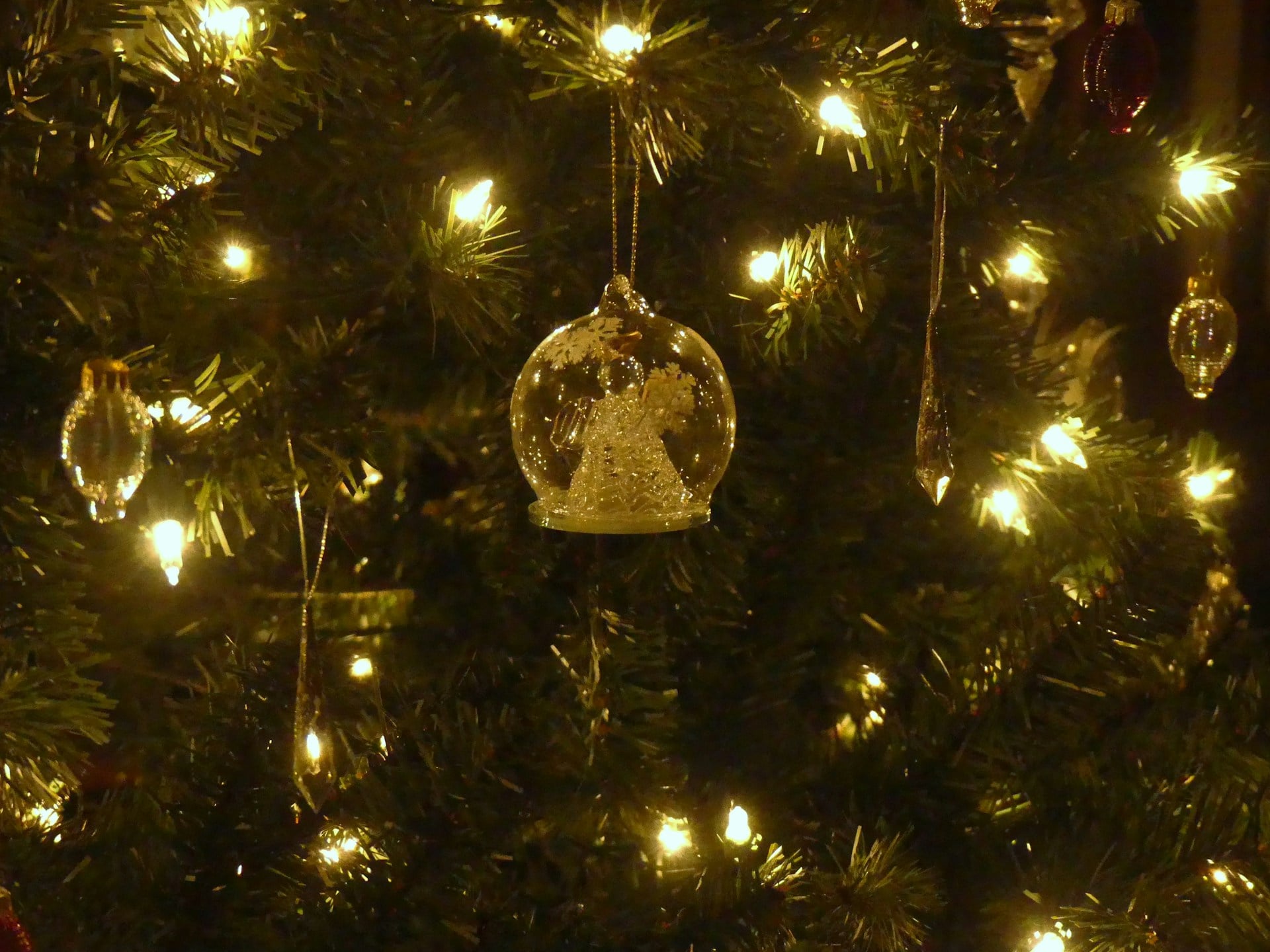
Before mass-produced metal hooks became available, people attached ornaments using thread, ribbon, or thin wire twisted by hand. Some families reused the same pieces of string year after year, carefully storing them with their decorations.
Paper clips served as makeshift hooks during the Great Depression when buying anything extra seemed wasteful. The simple S-shaped metal hooks didn’t become standard until the mid-1900s. Today’s hooks come in various colors to blend with different ornament styles and tree themes.
Flocked trees try to recreate snowy conditions
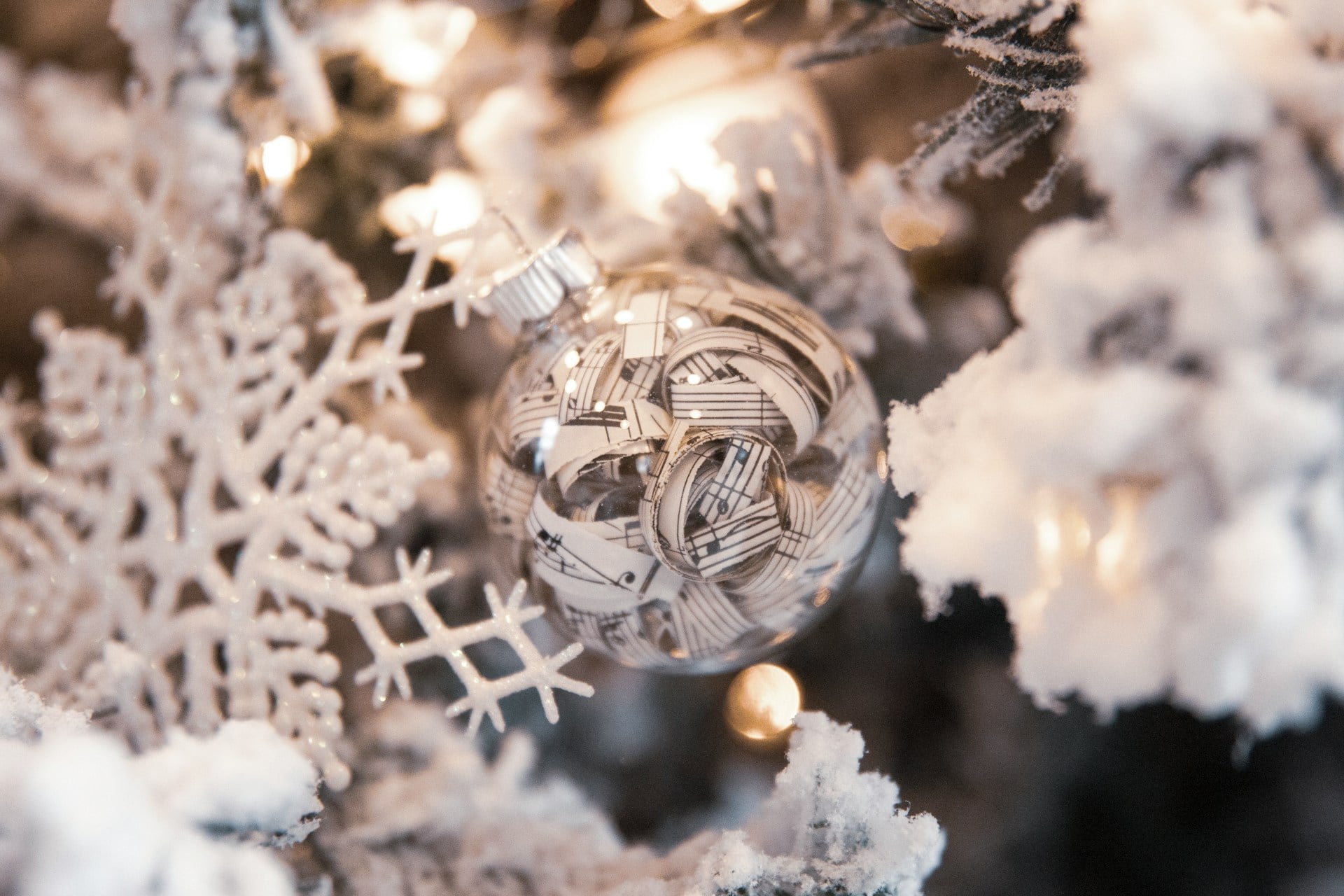
Manufacturers spray white material onto artificial trees to simulate snow-covered branches. The flocking material originally contained cotton fibers, then moved to paper pulp, and now uses mostly plastic compounds.
Real trees can also get flocked using specialized equipment at tree lots. The process became trendy in the 1950s and 1960s when white or pink flocked trees matched modern home decor. Flocking your own tree at home creates a huge mess and requires protective equipment, which is why most people buy them pre-flocked.
Certain colors dominated different decades

Silver and white decorations ruled the 1950s and 1960s as part of the futuristic, space-age aesthetic. The 1970s brought earth tones like orange, brown, and gold into Christmas decorating.
Red and green made a strong comeback in the 1980s as traditional themes regained popularity. Recent years have seen trendy color schemes like rose gold, navy and silver, or all-white minimalist designs. Color trends in tree decorating often mirror what’s happening in fashion and interior design at the time.
Beaded garlands originated in Victorian England
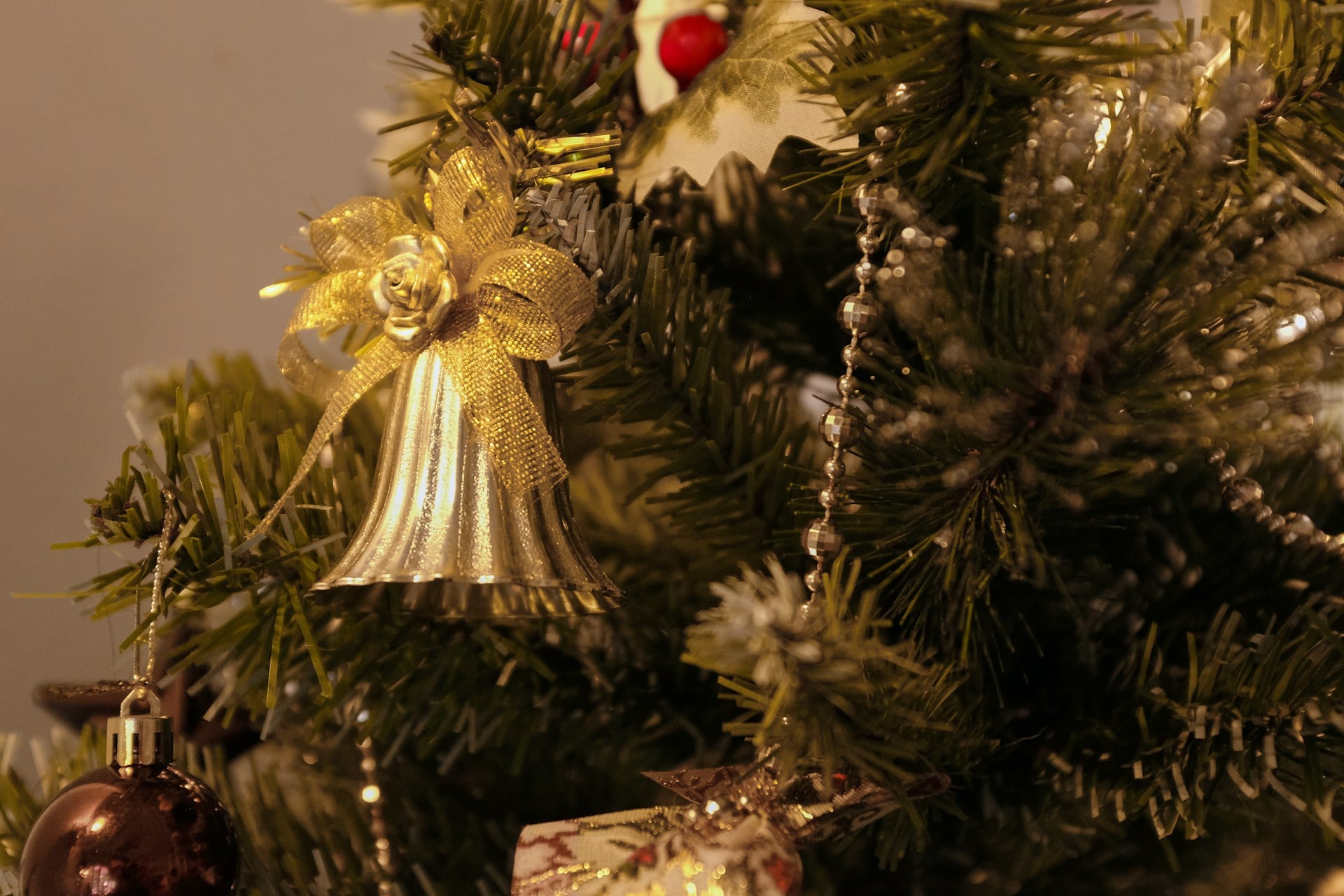
Upper-class Victorian families decorated their trees with elaborate beaded garlands made from glass, metal, or painted wood. Servants spent hours creating these garlands by stringing thousands of tiny beads onto thread or wire.
The garlands wrapped around trees in careful spirals to show off their intricate patterns. Less wealthy families made simpler versions using buttons, paper beads, or painted nuts. Beaded garlands saw a major revival in the 1990s and remain a popular way to add texture and color to trees.
Figural ornaments tell miniature stories
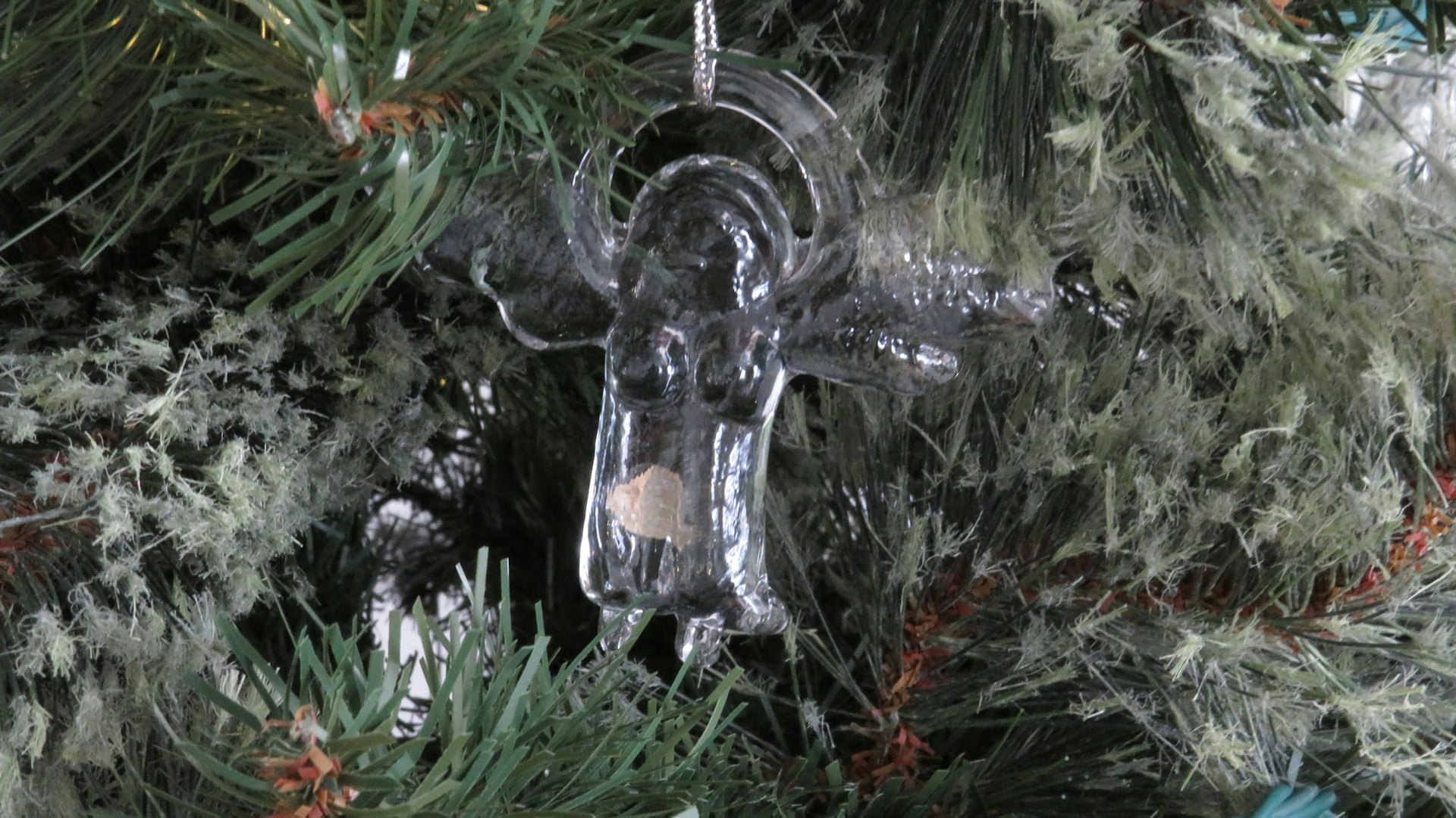
German and Czech craftsmen created ornaments shaped like people, animals, vehicles, and buildings starting in the mid-1800s. Each tiny figure required careful hand-painting and detailed work to capture realistic features.
Collections of these figural ornaments could create entire scenes on a tree, from circus performers to farm animals. Certain designs became highly collectible, with some antique pieces worth thousands of dollars. Modern versions use molds and mass production but still capture the charm of having tiny characters decorating the branches.
A skirt around the base of a tree covers up messy legs
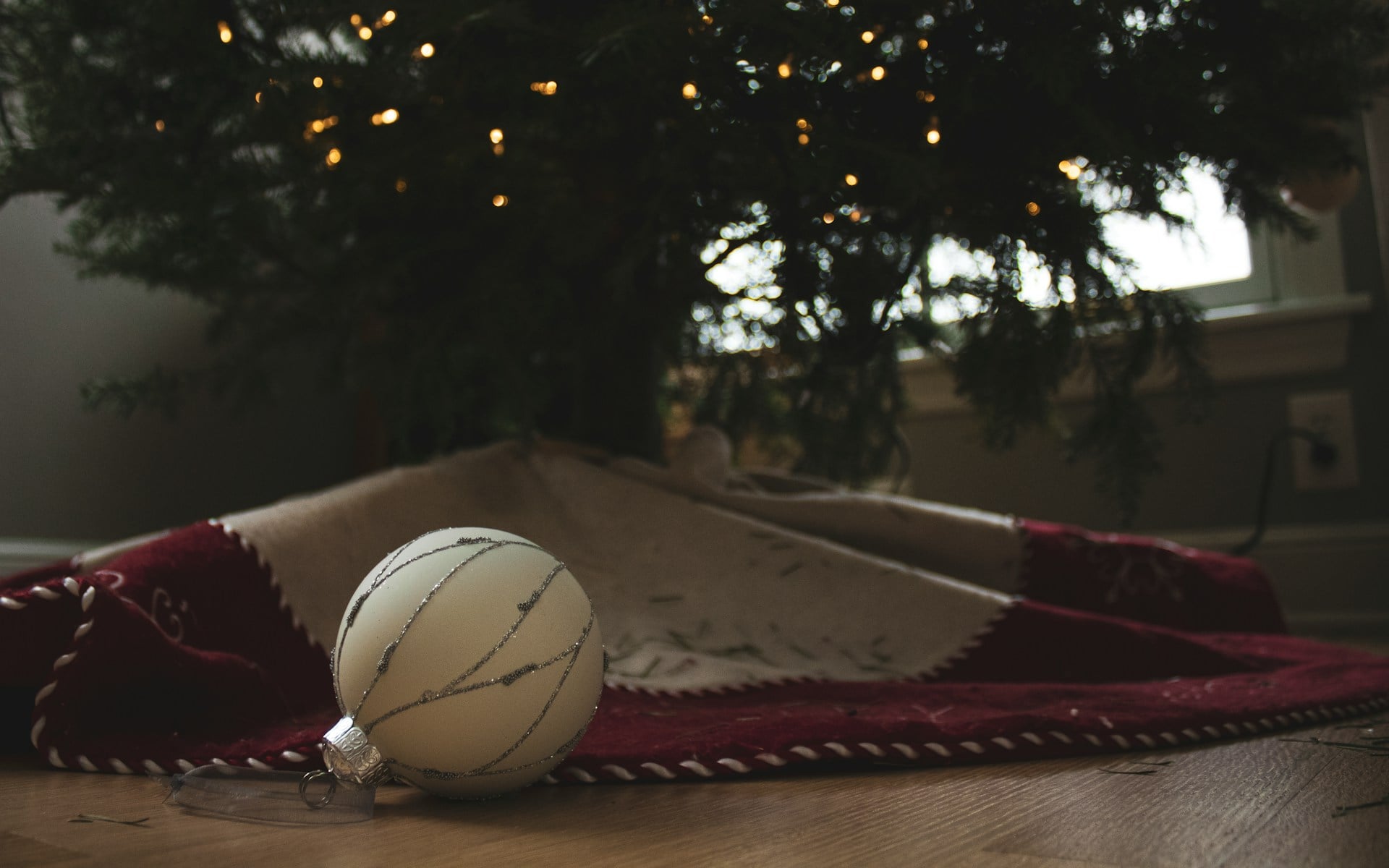
It also gathers falling bits before they scatter across the floor.Wrapped around the bottom of Christmas trees, those round cloth pieces gained favor during Victorian times. Fancy leftover linens or ornate spreads from rich homes first served this role.
By the 1900s, shops began offering special tree skirts inside seasonal decor bundles. Hiding the metal support is one job; another is trapping stray pine bits while adding cheer near gift piles. Old patchwork throws, woven covers, or even wicker trays sometimes take their place in family traditions.
Matching ornament sets replaced random collections
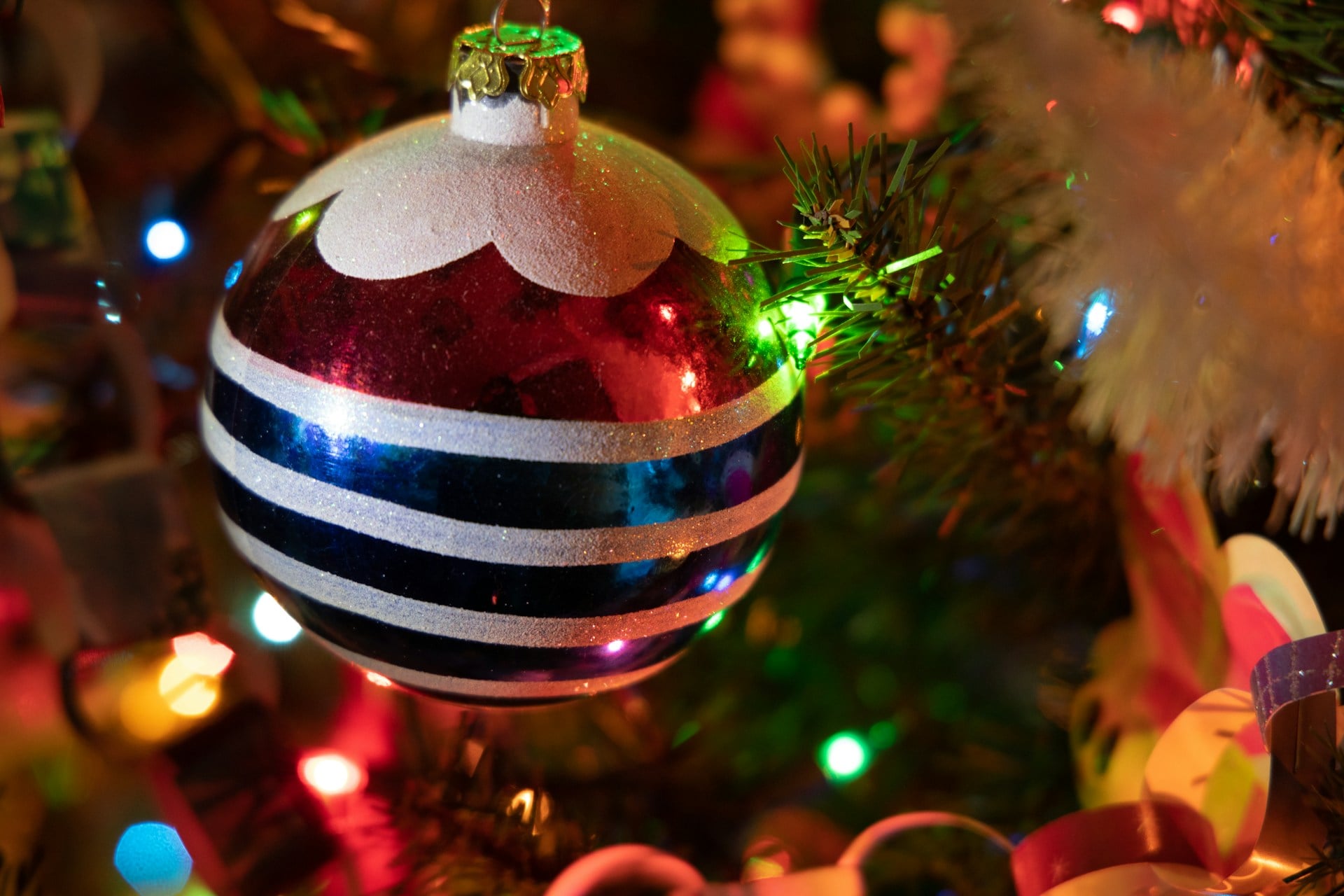
Back then, families picked up decorations bit by bit, ending up with odd mixes of shapes and eras. Shiny new department store kits changed everything – whole trees suddenly matched.
After the war, people had more money, plus they wanted things neat and tidy at home. These days, though, some folks hunt down old-timey baubles just to keep things uneven and real. One crowd loves order; another thrives on clutter – it still splits opinions every holiday season.
LED lights changed everything about decorating
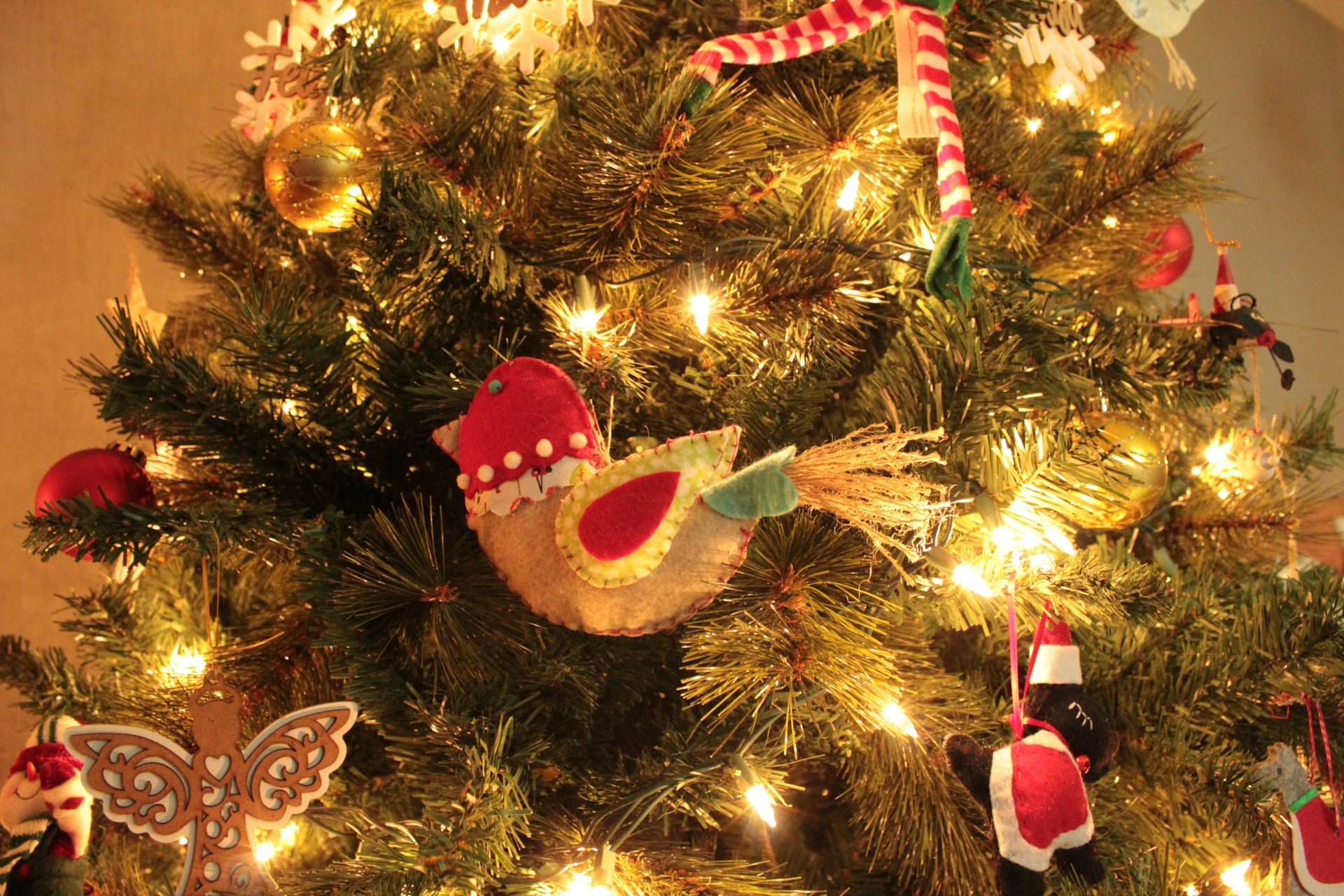
Heat poured out from old-style bulbs, using heavy power so few strings were safe together. Cool to touch now, modern strips sip energy – nearly ninety percent less – and link far beyond past limits.
Patterns shift by code, colors dance on command, phones tap into brightness choices. At first, the glow felt sharp, icy blue, unwelcoming to most eyes. Today’s models wrap spaces in soft amber, close to candlelight warmth. Whole rooftops blaze without spiking costs at month’s end.
Folks started saving decorations, turning it into something they truly cared about

Back in the seventies, companies such as Hallmark began putting out holiday decorations marked with a year – only available for a short time. These yearly releases attract buyers who want to track big life events through shiny little keepsakes that grow into timeline-filled trees.
Instead of random picks, some people gather only items tied to one idea – maybe baseball clubs, film sagas, or fashion from past decades. Thanks to websites where folks trade or sell old finds, hunting down missing pieces feels less like digging through attics. For those deeply into the habit, the collection stays visible all twelve months inside glass cases instead of boxes stored in closets.
Decorating styles reflect who we are
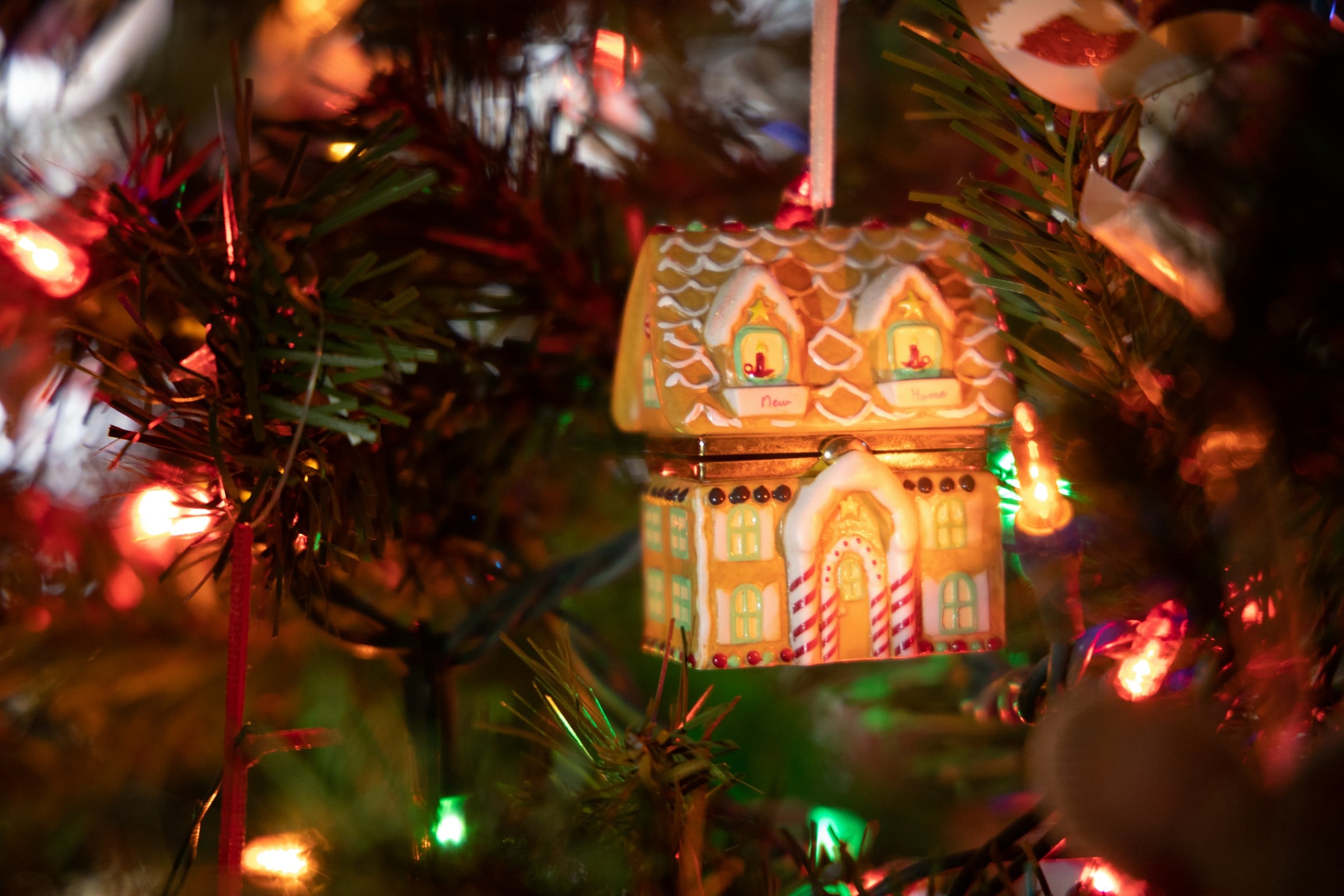
Who you are shows up in how your tree looks – colors, clutter, care. A planned palette might mean order matters; tangled tinsel could mean joy comes from mess.
Tradition slips in when certain baubles earn permanent spots, handed down like old stories. Each shiny piece holds a memory someone refused to let go. The past leans close when hands hang the same trinket year after year.
More from Go2Tutors!

- The Romanov Crown Jewels and Their Tragic Fate
- 13 Historical Mysteries That Science Still Can’t Solve
- Famous Hoaxes That Fooled the World for Years
- 15 Child Stars with Tragic Adult Lives
- 16 Famous Jewelry Pieces in History
Like Go2Tutors’s content? Follow us on MSN.



