Legendary Radio Moments Before Television
Radio owned the airwaves for decades before television changed everything. From the 1920s through the early 1950s, families gathered around their sets for entertainment, news, and shared cultural experiences.
These weren’t just broadcasts – they were events that stopped the nation in its tracks. Here’s a look at the moments that defined radio’s golden age and left marks on history.
The War of the Worlds Panic
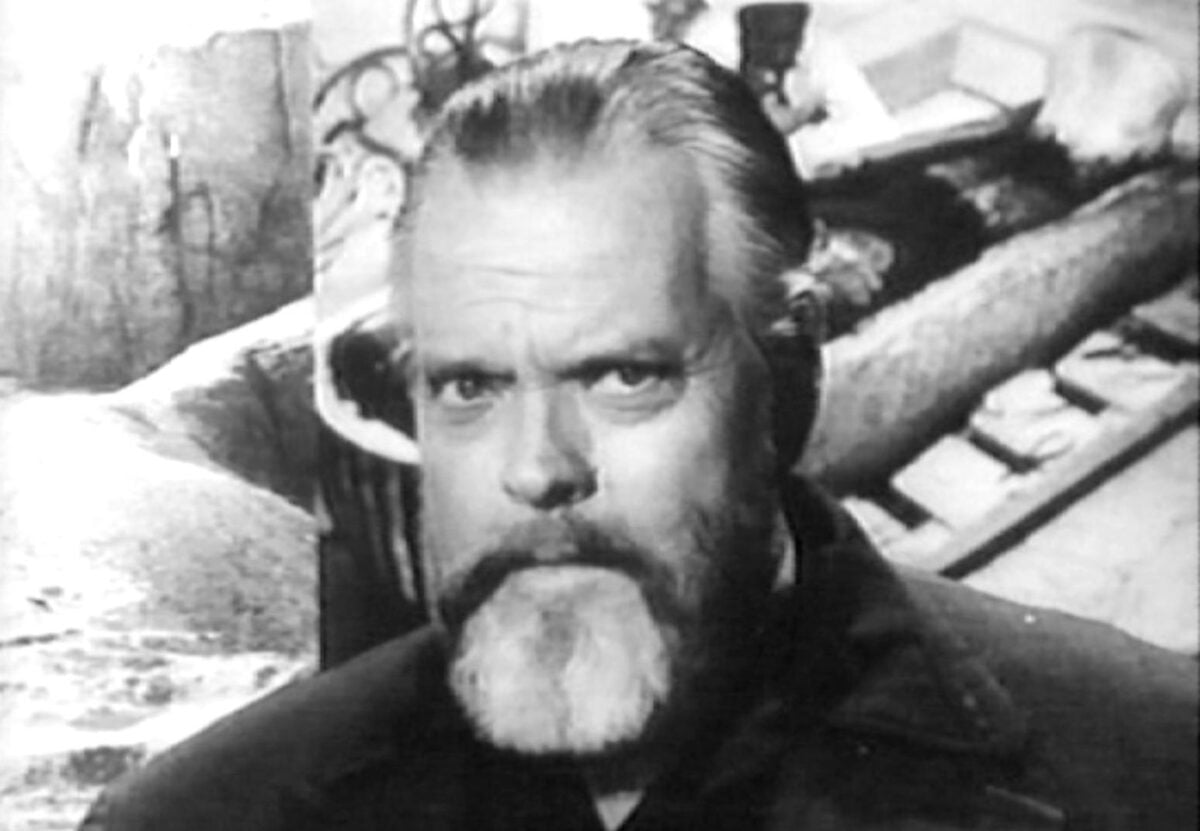
Orson Welles and his Mercury Theatre on the Air performed H.G. Wells’ science fiction novel on October 30, 1938, and the result was chaos. The broadcast presented the alien invasion as breaking news bulletins, complete with fake weather reports and on-scene descriptions of Martian tripods destroying New Jersey.
People missed the opening disclaimer and tuned in mid-broadcast, thinking they were hearing real news coverage. The panic was real, though historians debate its scale.
Newspapers reported thousands fleeing their homes, clogging roads, and preparing for the end of the world. Some loaded guns.
Others wet towels to protect against poison gas. CBS got flooded with calls, and Welles found himself facing potential legal action for inciting mass hysteria.
The broadcast proved radio’s power to blur fiction and reality in ways nothing else could at the time.
The Hindenburg Disaster
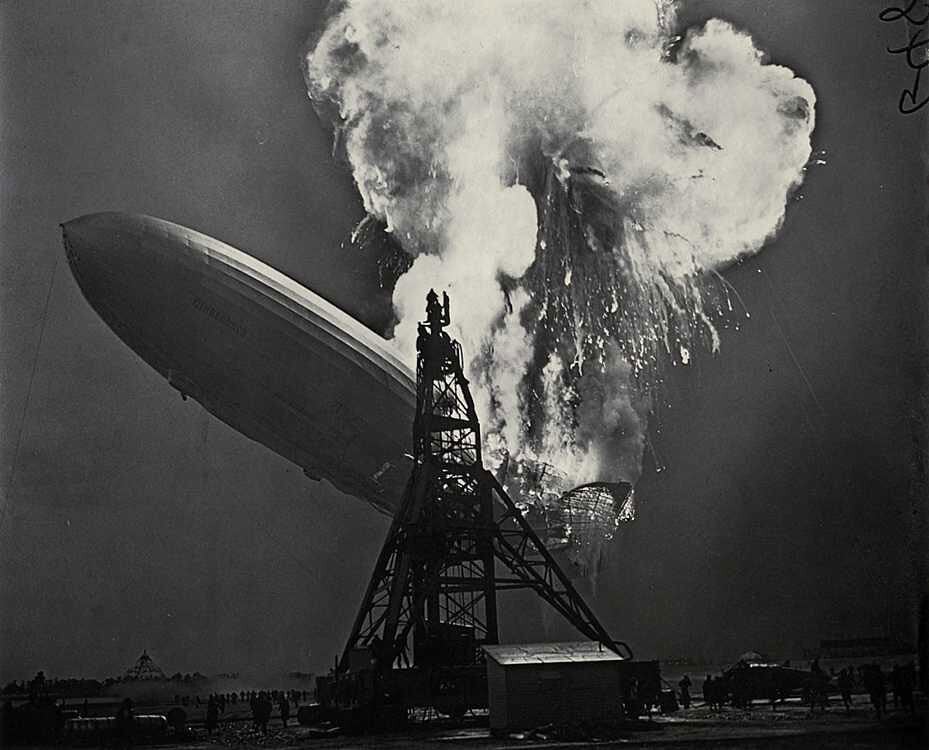
Herbert Morrison’s live coverage of the Hindenburg exploding on May 6, 1937, captured one of radio’s most visceral moments. Morrison was there to record the routine arrival of the German airship in Lakehurst, New Jersey.
What he got instead was 36 people dying in flames. His voice cracking with emotion as he described the disaster became the standard for broadcast journalism covering tragedy.
“Oh, the humanity!” entered the cultural lexicon immediately. The recording (broadcast the next day since it wasn’t truly live) brought listeners into the horror in ways print never could.
You heard the confusion, the fear, the helplessness in Morrison’s voice as he tried to process what he was witnessing.
FDR’s First Fireside Chat
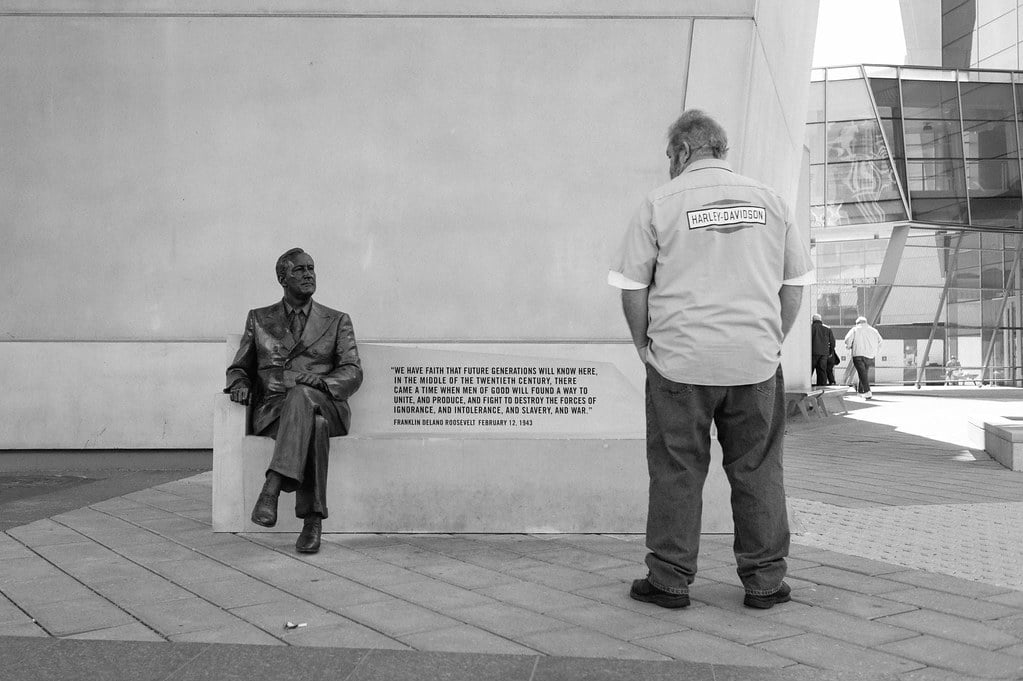
Franklin Roosevelt’s first fireside chat on March 12, 1933, changed how politicians communicated with the public. Eight days into his presidency, during the depths of the Great Depression and a banking crisis, Roosevelt spoke directly to Americans in their living rooms.
No formal speech. No political rhetoric.
He explained the banking system in plain language like he was sitting across from you. Sixty million people listened.
The next day, deposits exceeded withdrawals at reopened banks, which tells you everything about the broadcast’s impact. Roosevelt would deliver 30 of these chats over his presidency, but that first one established a new relationship between leader and citizen.
Radio made the president feel accessible in ways no medium had before.
The Joe Louis vs Max Schmeling Rematch

The June 22, 1938, heavyweight championship fight between Joe Louis and Max Schmeling transcended sports. Schmeling represented Nazi Germany. Louis represented America and became a symbol for Black Americans at a time when segregation was law.
The political weight was enormous. The fight lasted 124 seconds. Louis destroyed Schmeling in the first round, and the broadcast reached an estimated 70 million Americans – nearly half the country’s population at the time, which is staggering when you think about it.
NBC carried it live, and the streets emptied as people crowded around radios. When Louis won, celebrations erupted in Black neighborhoods across the country.
The broadcast became a cultural touchstone, proving sports radio could carry social and political significance beyond the game itself.
Pearl Harbor Announcement
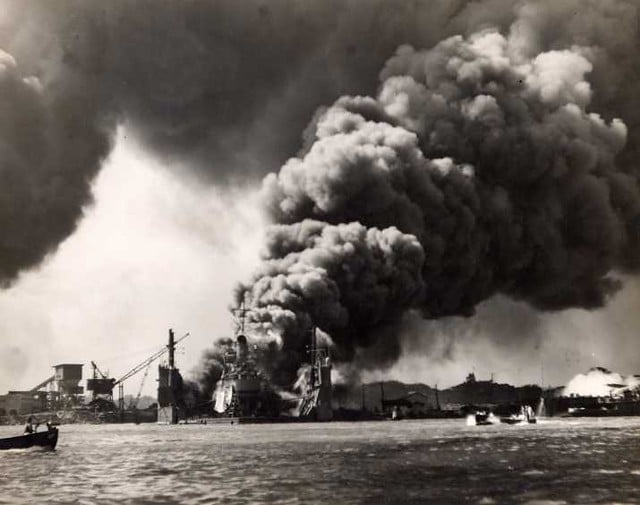
Regular programming stopped across all networks on December 7, 1941, as news of the Japanese attack reached the mainland. CBS interrupted a pro football game.
NBC broke into a music program. The initial bulletins were brief and confused, with details trickling in throughout the afternoon.
John Daly’s 2:26 PM bulletin on CBS marked the moment Americans learned their country was at war. Radio became the primary source of information as people stayed glued to their sets for updates.
The way networks handled that day set the template for breaking news coverage. No script, no preparation – reporters processing information in real time and conveying the gravity to listeners who were equally stunned.
Edward VIII’s Abdication Speech
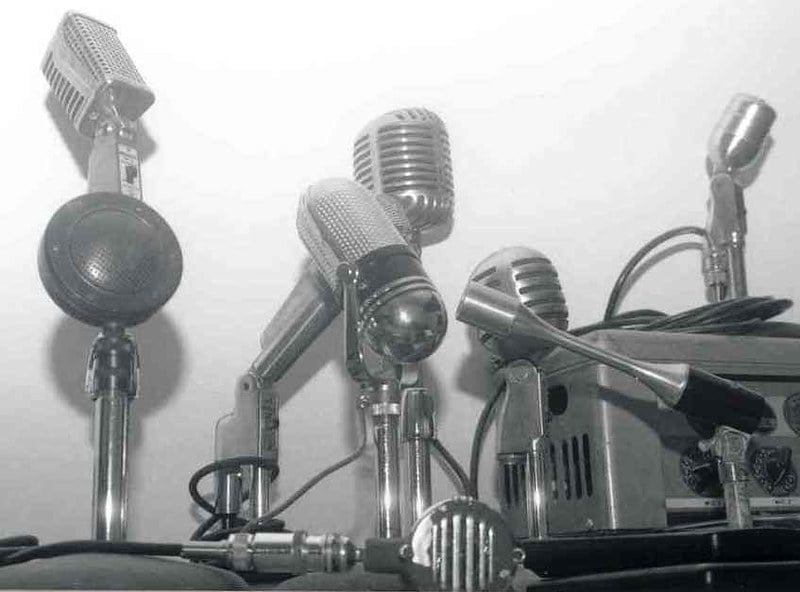
King Edward VIII’s abdication broadcast on December 11, 1936, reached a global audience unprecedented for the time. He was giving up the British throne to marry Wallis Simpson, an American divorcée.
The speech, delivered from Windsor Castle and carried by BBC and American networks, let the world hear a monarch explain why he was walking away from power. “I have found it impossible to carry the heavy burden of responsibility and to discharge my duties as king as I would wish to do without the help and support of the woman I love.”
The intimate tone and personal nature of the address felt revolutionary. Royalty didn’t speak this way.
Radio allowed Edward to bypass politicians and speak directly to his former subjects.
The Lone Ranger Debuts
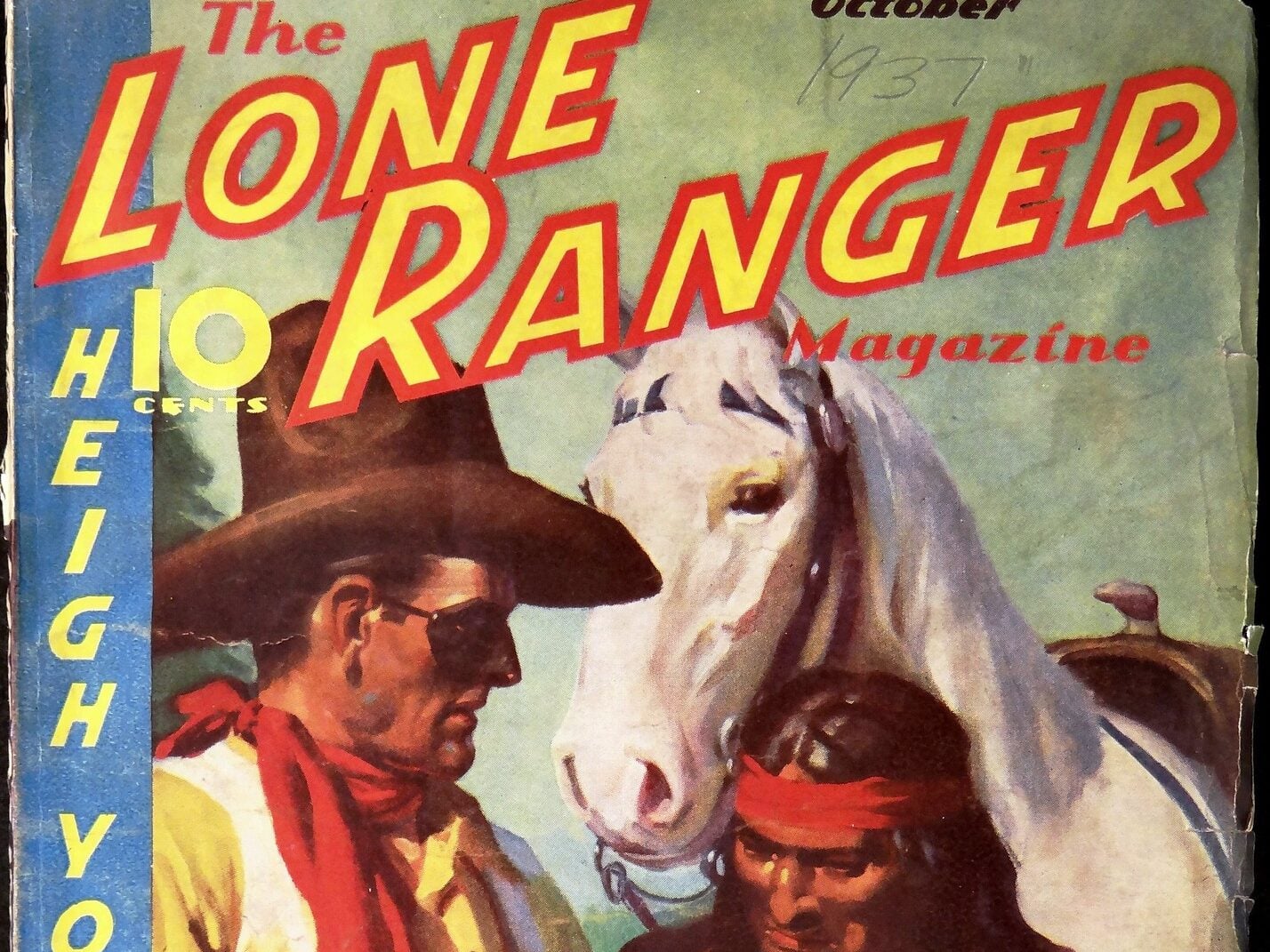
The Lone Ranger premiered on Detroit’s WXYZ on January 31, 1933, and became radio’s most successful Western series. The show created the template for the masked hero genre and introduced the William Tell Overture as the most recognizable theme in broadcasting.
“Hi-Yo, Silver! Away!” became part of American vocabulary. The show ran for 2,956 episodes over 21 years and spawned movies, comics, and eventually television adaptations.
What made the show significant beyond its popularity was how it proved radio drama could create lasting mythology. Listeners never saw the Lone Ranger’s face, yet the character felt more real than many people they knew.
Major Bowes Amateur Hour Discovers Stars
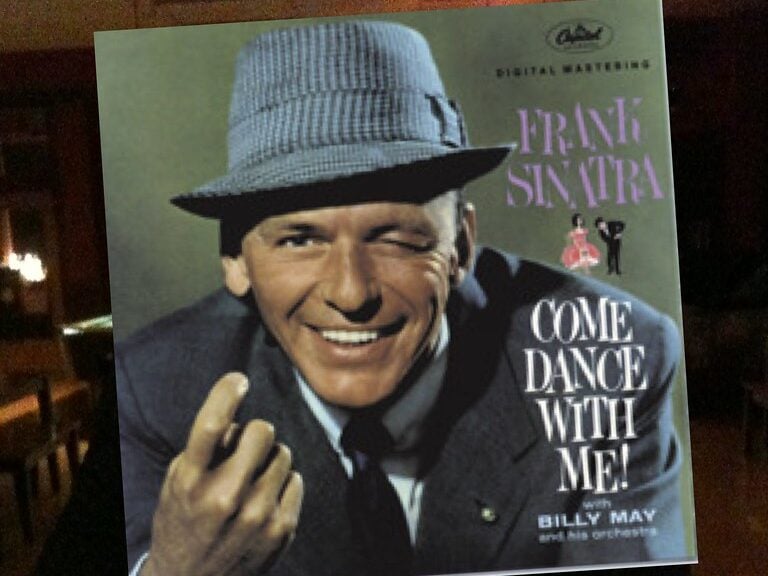
Major Bowes Amateur Hour, which started in 1934, gave unknown performers their shot at fame and introduced America to future stars. Frank Sinatra got his break when his group, The Hoboken Four, won in 1935.
The show’s gong sound, used to cut off bad acts, became iconic. Brutal but effective. At its peak, the show received 10,000 applications per week from performers desperate for their chance, and twenty million listeners tuned in weekly, which meant one in six Americans was listening.
The format influenced every talent competition that followed, from Star Search to American Idol. Radio’s ability to make someone famous overnight started here.
D-Day Coverage
June 6, 1944, brought the most extensive broadcast coordination in radio history up to that point. All networks interrupted regular programming as news of the invasion reached America.
Edward R. Murrow’s reports from London, combined with correspondents at various headquarters, kept Americans updated throughout the day. The coverage continued for days, with reporters working around the clock to bring information home.
No television cameras captured the beaches. No footage existed for the public to see.
Radio correspondents painted the pictures with words, and their descriptions of the Allied landing in Normandy became the way most people experienced the most significant military operation of the war.
Amos ‘n’ Andy Peak Popularity
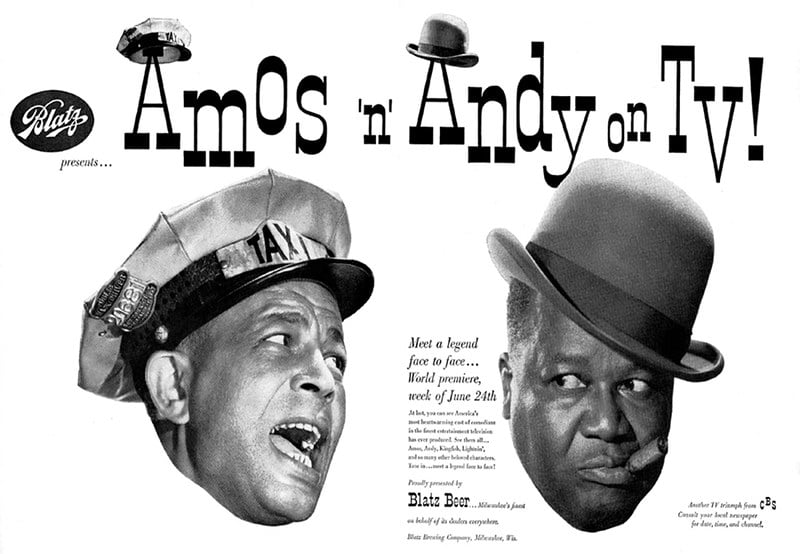
Amos ‘n’ Andy dominated American radio in ways difficult to comprehend today. At its peak in the early 1930s, the show reached 40 million listeners nightly.
Movie theaters stopped films to broadcast the show because ticket sales would plummet otherwise. Department stores played it over speakers so shoppers wouldn’t leave.
The show featured two white actors voicing Black characters in what would later be recognized as deeply problematic minstrelsy. The cultural influence was undeniable, though.
The show introduced phrases into everyday language and created a national ritual where everything stopped for 15 minutes each evening. The problematic racial elements don’t erase the broadcast’s historical significance as radio’s first megahit, even if they complicate how we remember it now.
The Shadow’s Introduction
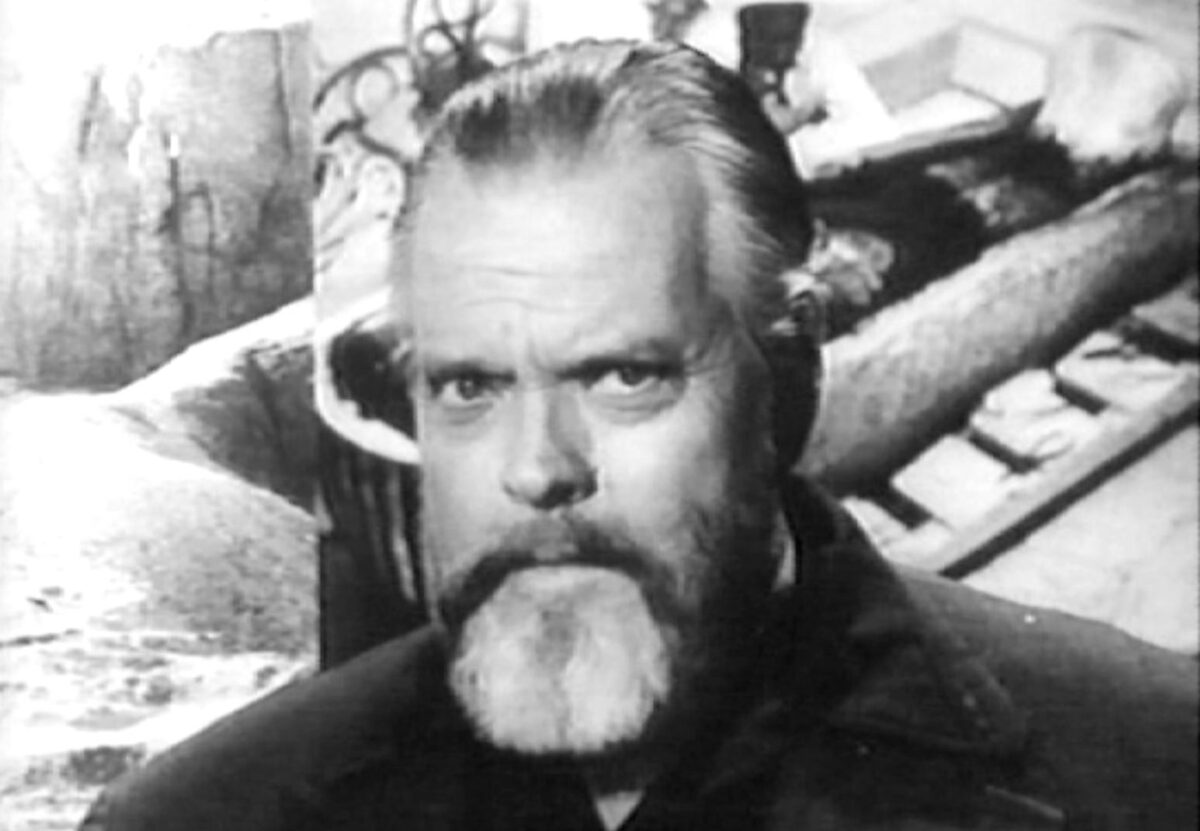
“Who knows what evil lurks in the hearts of men? The Shadow knows!” The show’s opening, first heard in 1937, introduced one of radio’s most enduring characters. The Shadow demonstrated radio’s unique advantage over other media – the ability to let listeners’ imaginations create the visuals.
Orson Welles voiced the character early in the show’s run before moving on to War of the Worlds and Hollywood. The program’s success proved radio could sustain serialized drama with recurring characters and ongoing storylines.
Comic books and eventually television would borrow the format, but The Shadow perfected it for audio.
Edward R. Murrow’s London Blitz Broadcasts
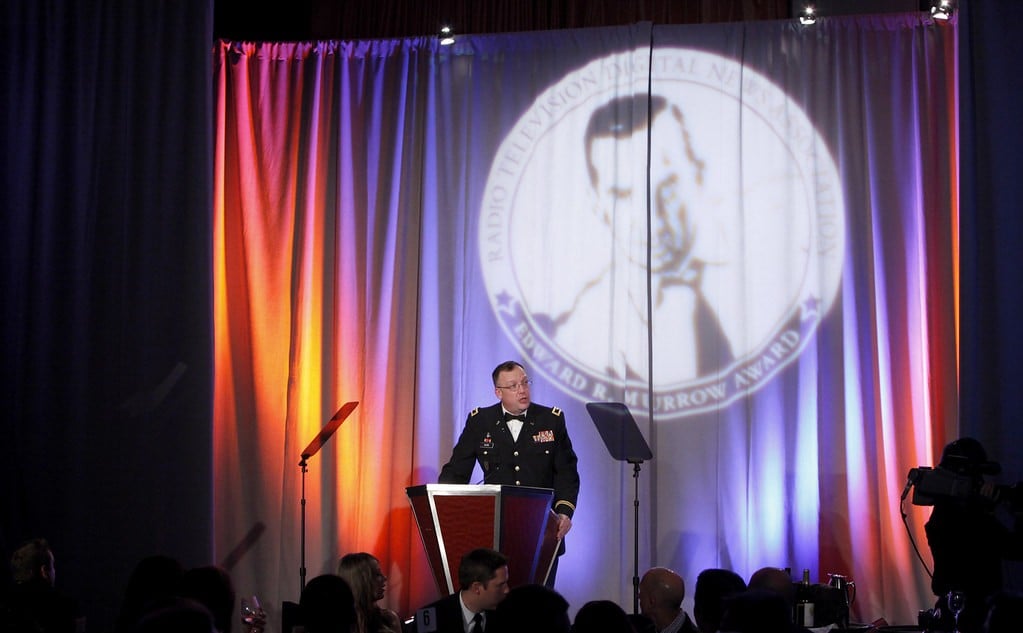
Murrow’s broadcasts from London during the Blitz brought World War II into American living rooms months before Pearl Harbor changed everything. His opening, “This is London,” became one of radio’s most famous phrases.
Standing on rooftops during bombing raids, describing the sounds and scenes around him, Murrow created immersive journalism. Television would later dominate war coverage, but radio proved words alone could convey the terror and courage of combat.
Murrow’s voice remained calm while chaos erupted around him, and listeners heard the explosions, the anti-aircraft fire, the drone of German bombers overhead. The broadcasts weren’t just reporting – they were experience translated through sound.
Jesse Owens at the Berlin Olympics
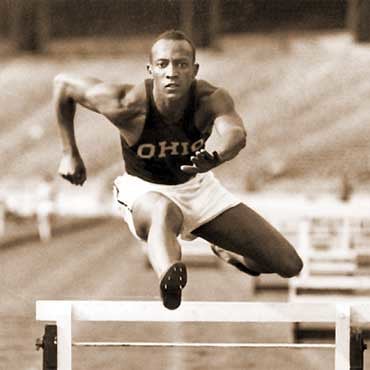
NBC’s coverage of Jesse Owens winning four gold medals at the 1936 Berlin Olympics brought American listeners into the stadium where Owens publicly humiliated Hitler’s racial theories. The time difference meant many broadcasts happened in the middle of the American night, yet people stayed up to listen.
Radio correspondents described Owens’ victories in the 100 meters, 200 meters, long jump, and 4×100 relay while providing context about the political tensions surrounding the games. The broadcasts made Owens a national hero and demonstrated sports radio’s ability to capture not only athletic achievement but historical significance.
Listeners couldn’t see Owens run, but they felt every victory through the announcers’ descriptions.
Jack Benny’s Vault Sketch
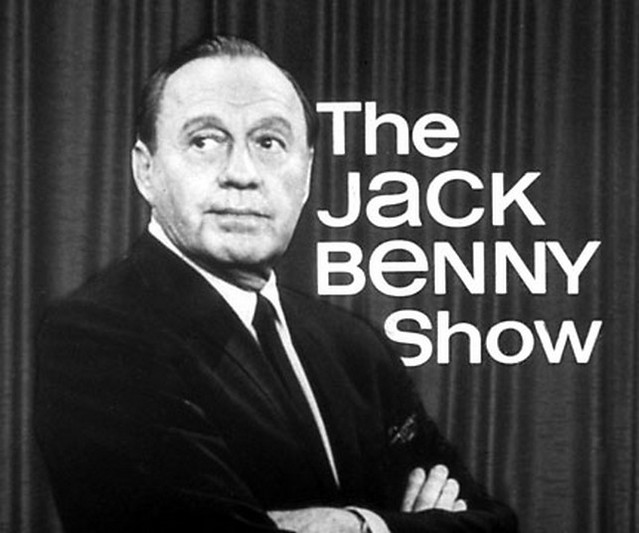
Jack Benny’s March 28, 1948, vault sketch became legendary as a perfect example of radio comedy’s unique strengths. The premise was simple – Benny, known for his miserly character, finally opened his vault that supposedly hadn’t been accessed in years.
The sketch built tension through sound effects: creaking doors, footsteps echoing in stone corridors, alarms blaring.
The comedy came entirely through audio cues and timing. When a guard emerged who’d been stationed inside since before the Civil War, the absurdity worked because listeners created the visual in their minds.
The sketch ran over six minutes with minimal dialogue, proving radio’s ability to use sound and silence for comedy. Television couldn’t have done the same sketch as effectively.
When Everything Changed
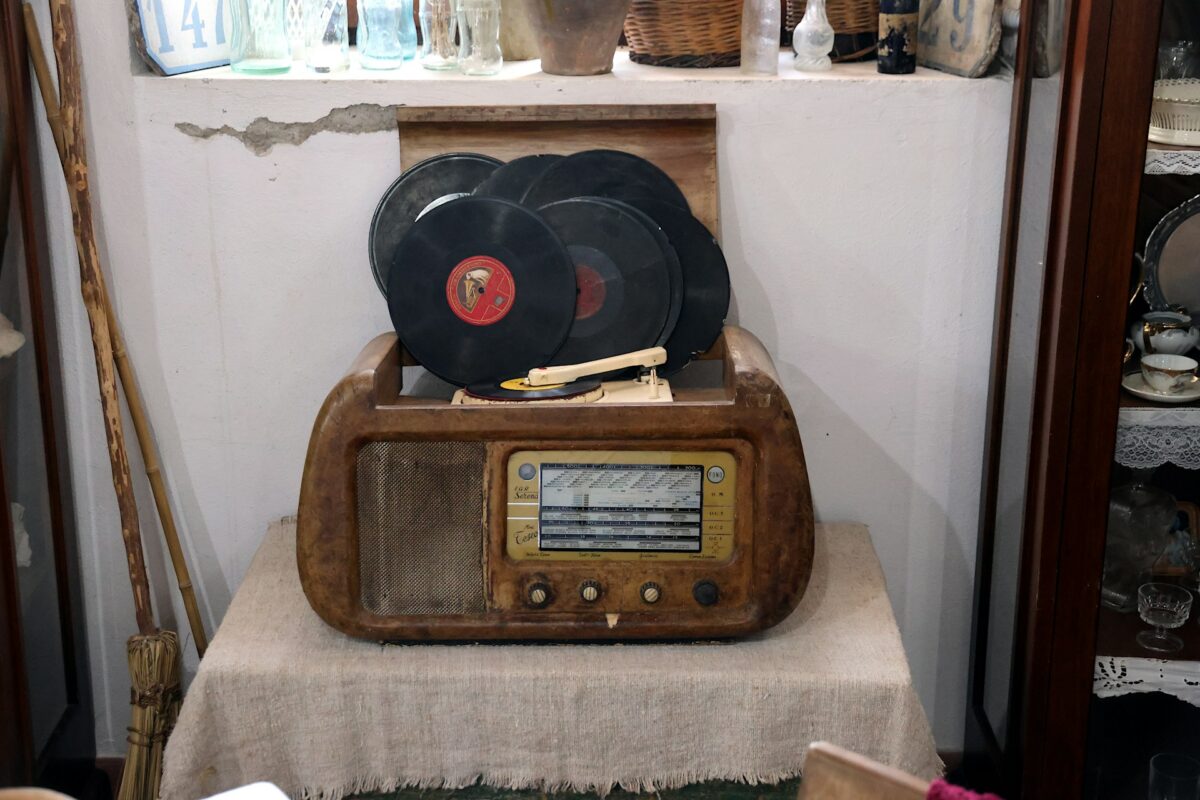
Radio’s dominance ended gradually, then suddenly. Television sets became affordable in the early 1950s, and families who once gathered around radios now stared at screens instead.
The medium adapted – becoming more music-focused, more mobile, more background noise than shared experience. Yet those decades when radio owned the culture produced moments nothing else could replicate.
The intimacy of voices in your living room, the way sound alone created entire worlds, the shared national experiences of millions listening simultaneously to the same broadcast – television brought pictures, but something was lost too. Radio’s golden age moments remind us what it meant when listening was enough.
More from Go2Tutors!

- The Romanov Crown Jewels and Their Tragic Fate
- 13 Historical Mysteries That Science Still Can’t Solve
- Famous Hoaxes That Fooled the World for Years
- 15 Child Stars with Tragic Adult Lives
- 16 Famous Jewelry Pieces in History
Like Go2Tutors’s content? Follow us on MSN.