10 Entire Expeditions That Vanished in Remote Locations
Curiosity, scientific advancement, or the promise of adventure have all motivated courageous explorers to enter the most remote and hazardous locations on Earth. Some just vanished without a trace, while others came back with amazing tales and ground-breaking discoveries. Only questions and theories about what might have gone wrong remain after these expeditions vanished, making them some of the most persistent mysteries in exploration history.
From the frozen Arctic to dense rainforests, these lost groups remind us that even with modern technology and careful planning, nature still holds the upper hand. This list of 10 complete expeditions that disappeared in isolated areas serves as a chilling reminder of the dangers associated with pushing the limits of human exploration.
Franklin Expedition

Sir John Franklin’s 1845 Arctic expedition stands as perhaps the most famous disappearance in exploration history. Franklin led 129 men aboard two ships, HMS Erebus and HMS Terror, searching for the Northwest Passage through the Canadian Arctic. The ships became trapped in pack ice near King William Island, and all crew members eventually perished, with evidence suggesting they resorted to cannibalism in their final months.
Leichhardt’s Third Expedition

German explorer Ludwig Leichhardt vanished completely during his ambitious 1848 attempt to cross Australia from east to west. His final expedition aimed to travel from Queensland to Western Australia, a journey of roughly 3,000 miles through largely uncharted territory. The seven-man expedition disappeared somewhere in the vast Australian outback, and despite numerous search efforts over the decades, no definitive trace has ever been found.
Fawcett’s Amazon Expedition
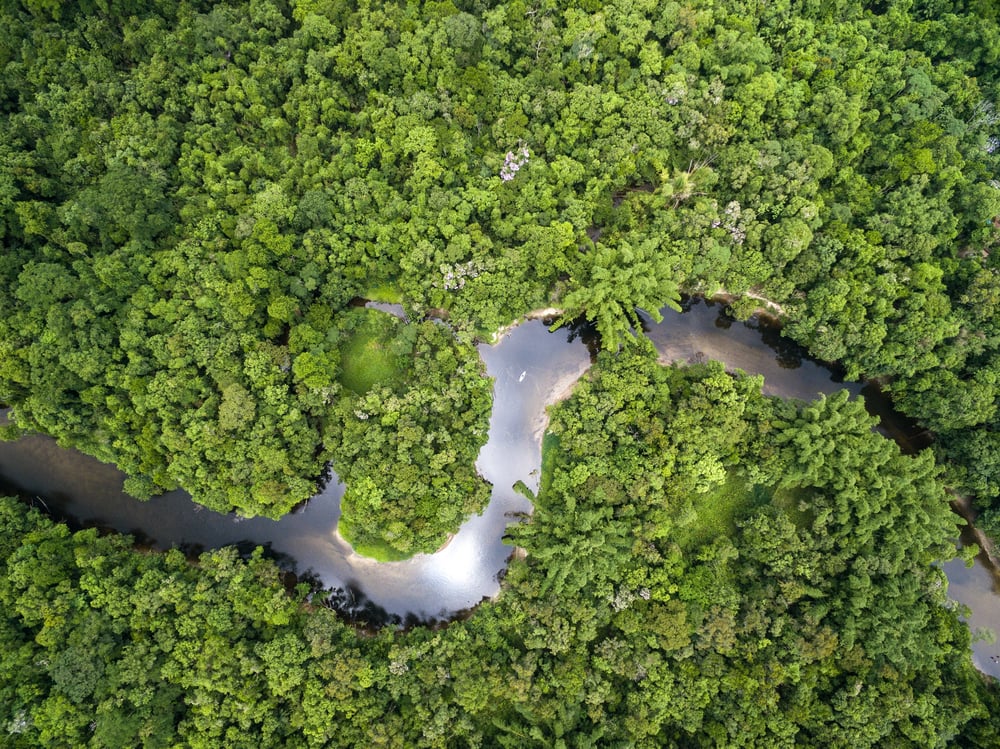
British explorer Percy Fawcett disappeared in 1925 while searching for what he called the ‘Lost City of Z’ deep in the Amazon rainforest. Fawcett, accompanied by his son Jack and Jack’s friend Raleigh Rimell, ventured into Brazil’s Mato Grosso region based on his belief that an advanced ancient civilization once thrived there. The three men were last seen at Dead Horse Camp before heading deeper into unexplored territory, and numerous rescue expeditions that followed also vanished or met tragic ends.
Nobile’s Italia Expedition
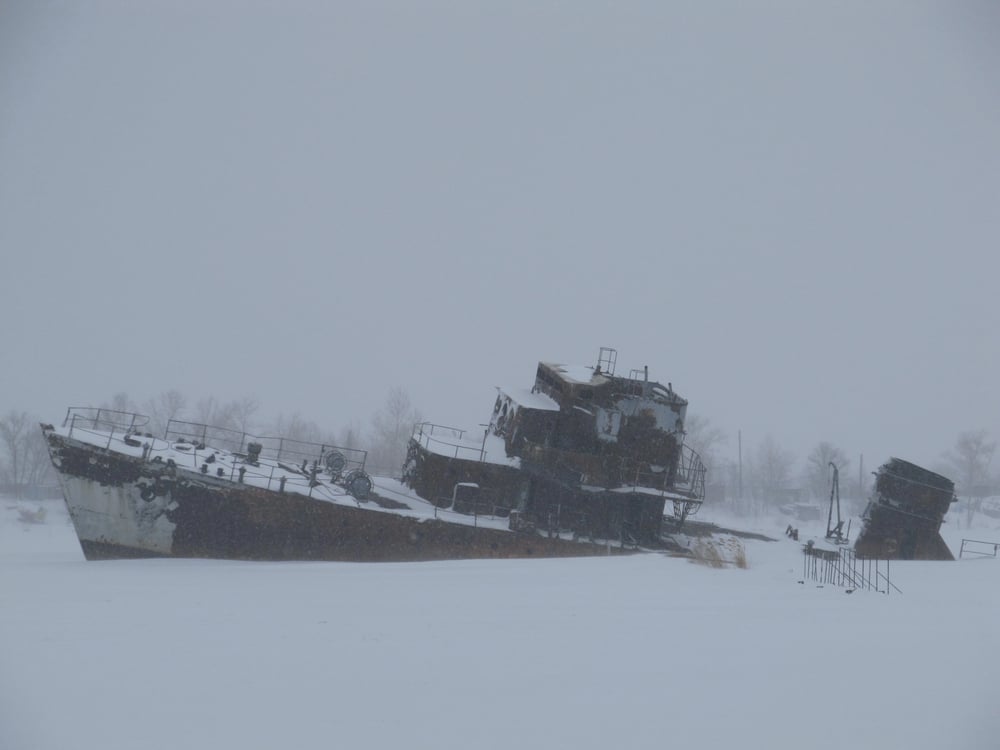
Italian explorer Umberto Nobile’s 1928 Arctic expedition aboard the airship Italia ended in disaster when the craft crashed on the ice near Svalbard. While Nobile and several crew members survived the initial crash, a group of six men who attempted to walk to safety across the ice completely vanished. The harsh Arctic conditions and vast expanse of shifting ice made any search for the missing men nearly impossible.
de Brazza’s Congo Expedition
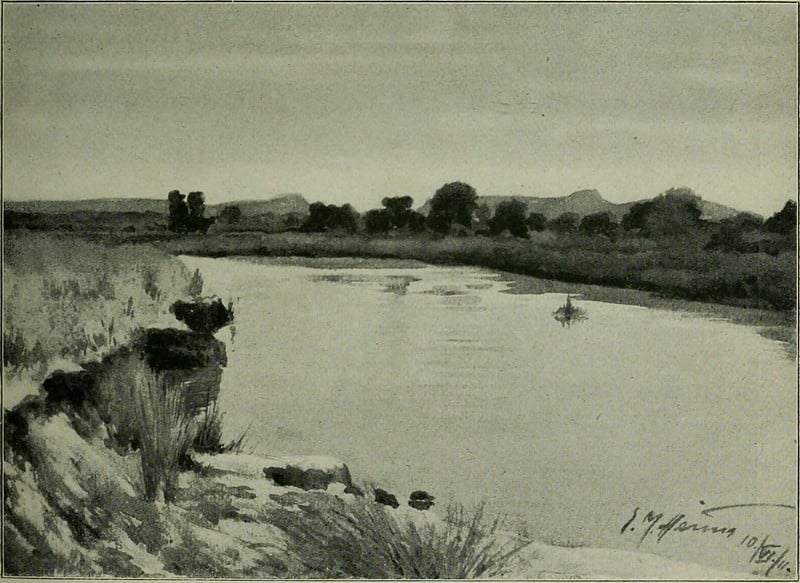
French explorer Pierre Savorgnan de Brazza’s 1905 expedition to investigate colonial abuses in the French Congo resulted in the mysterious disappearance of his entire investigation team. His mission was politically sensitive, as it threatened to expose widespread corruption and violence in the colonial administration. The expedition vanished somewhere along the Congo River, and de Brazza himself died under suspicious circumstances, leading many to suspect foul play rather than natural causes.
Mallory and Irvine
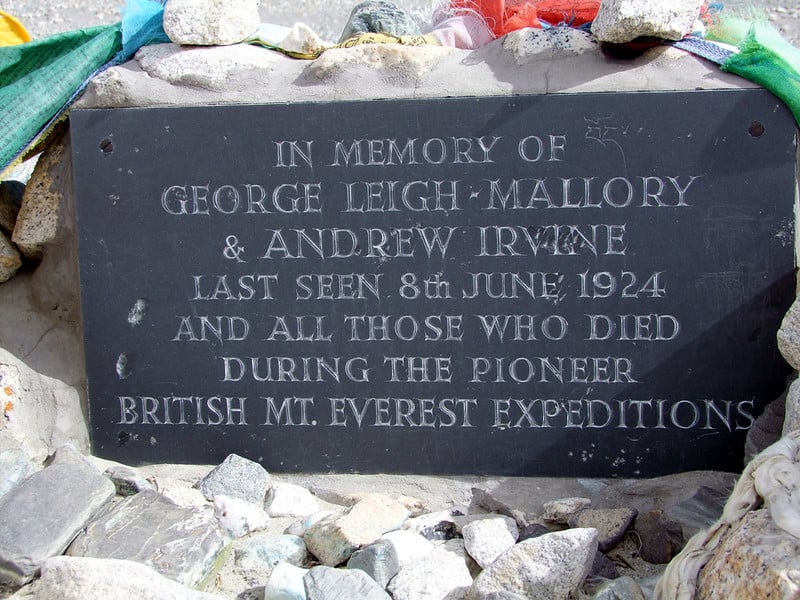
George Mallory and Andrew Irvine disappeared on Mount Everest in 1924 during their attempt to become the first climbers to reach the summit. The two British mountaineers were last seen climbing steadily toward the peak at around 28,230 feet before weather conditions deteriorated. Mallory’s body was discovered in 1999, but Irvine’s remains and their camera, which might contain proof of whether they reached the summit, have never been found.
Earhart’s Pacific Flight

Aviator Amelia Earhart and navigator Fred Noonan vanished over the Pacific Ocean in 1937 during their attempt to circumnavigate the globe. Their Lockheed Electra disappeared somewhere between New Guinea and Howland Island, with radio communications indicating they were running low on fuel and couldn’t locate their tiny refueling stop. The U.S. Navy and Coast Guard launched one of the largest search operations in history, covering over 250,000 square miles of ocean, but no conclusive evidence has ever been found.
Dundas Expedition

The 1845 British Dundas Expedition to explore the interior of Tasmania represents one of Australia’s most mysterious disappearances. Led by surveyor James Scott, the five-man team set out to chart unexplored regions of the island’s rugged interior but vanished without leaving any trace. Despite extensive searches by colonial authorities and volunteer parties, no remains, equipment, or evidence of their passage was ever discovered in Tasmania’s dense forests and deep gorges.
Vickers Antarctic Expedition

The 1911 Vickers Antarctic Expedition, a private venture led by explorer Ernest Joyce, disappeared completely during their attempt to reach the South Pole. The expedition consisted of eight men who planned to use motor sledges and dogs to traverse the Antarctic continent. Search teams found their abandoned base camp with supplies still intact, but no trace of the men, their vehicles, or their dogs was ever found on the vast Antarctic ice sheet.
Lost Squadron of the Amazon

In 1930, a joint Brazilian-American expedition of four aircraft vanished while conducting aerial surveys of uncharted Amazon territories. The squadron was part of an ambitious mapping project designed to identify potential sites for new settlements and resource extraction in Brazil’s remote interior. Radio contact was lost somewhere over the dense rainforest canopy, and ground search parties were unable to penetrate the thick jungle effectively to locate any crash sites.
Echoes Across Time

There are similarities among these lost expeditions that link historical perils to current exploration difficulties. Despite improvements in emergency rescue capabilities, GPS navigation, and communication technology, fatalities still occur in remote areas. The same basic dangers that struck these earlier expeditions still confront modern explorers: harsh weather, malfunctioning gear, human error, and the harshness of wilderness settings. Regardless of the time period or technology accessible to those who dare to venture into the most remote regions of the natural world, every disappearance serves as a sobering reminder that the environment requires respect and preparation.
More from Go2Tutors!

- 16 Historical Figures Who Were Nothing Like You Think
- 12 Things Sold in the 80s That Are Now Illegal
- 15 VHS Tapes That Could Be Worth Thousands
- 17 Historical “What Ifs” That Would Have Changed Everything
- 18 TV Shows That Vanished Without a Finale
Like Go2Tutors’s content? Follow us on MSN.