Legends Behind Natural Continental Wonders
Every towering peak and sprawling canyon holds more than geological history. For thousands of years, people have looked at these natural formations and seen the fingerprints of gods, spirits, and ancient heroes.
These stories shaped how communities understood their world long before science offered explanations. The legends endure because they capture something true about human nature—our need to make sense of the overwhelming beauty and power around us.
The Goddess Who Guards the Summit
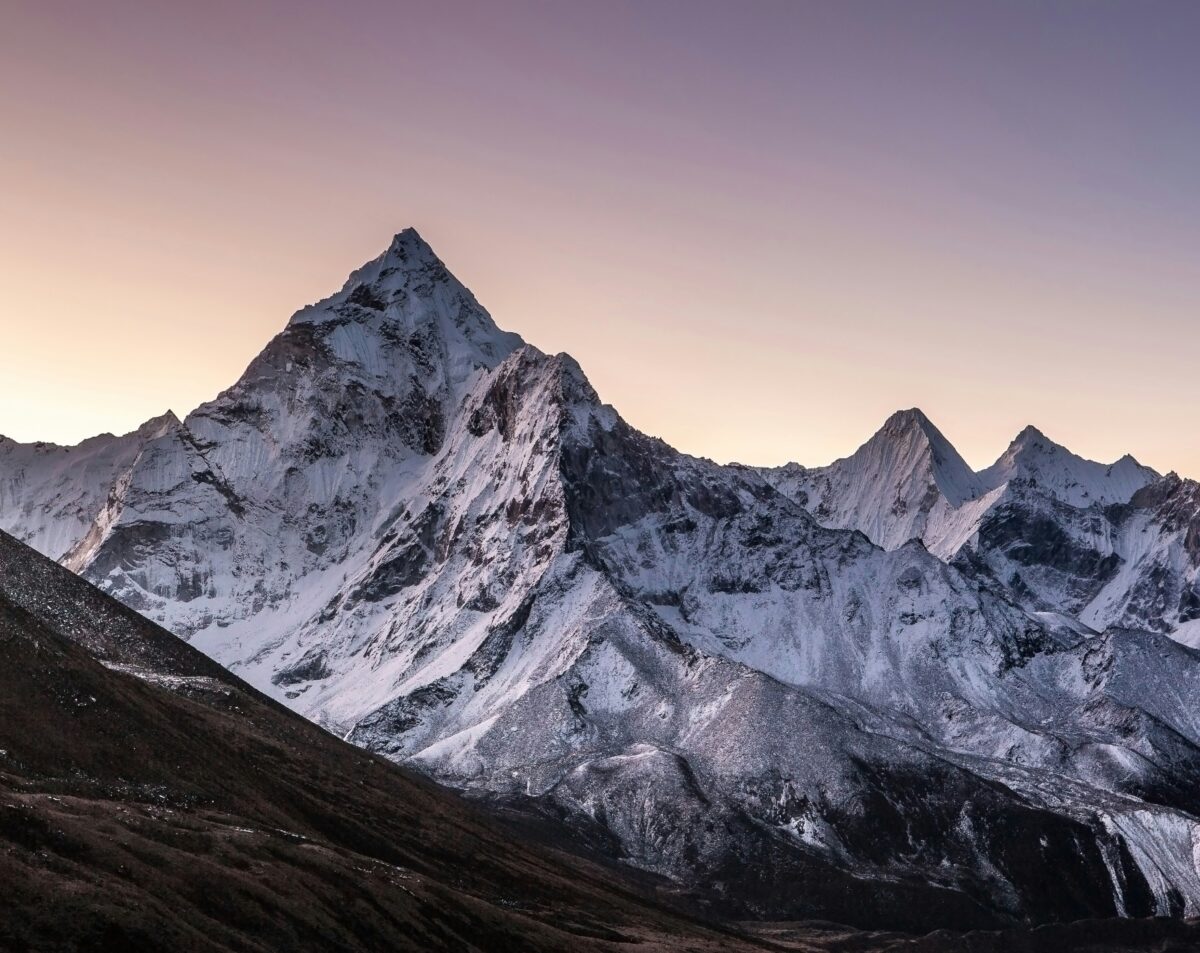
To the Sherpa, Everest isn’t simply a mountain—it’s Chomolungma, the “Mother Goddess of the World,” a being with her own will and temperament. People who grew up in her shadow believe she reacts to those who climb her slopes.
A lack of respect, they say, brings sudden storms or avalanches. That’s why before anyone sets foot on an expedition, Sherpas take time to offer prayers and blessings.
It’s their way of asking permission from the powerful spirit said to live at the summit.
The Rock That Remembers Everything
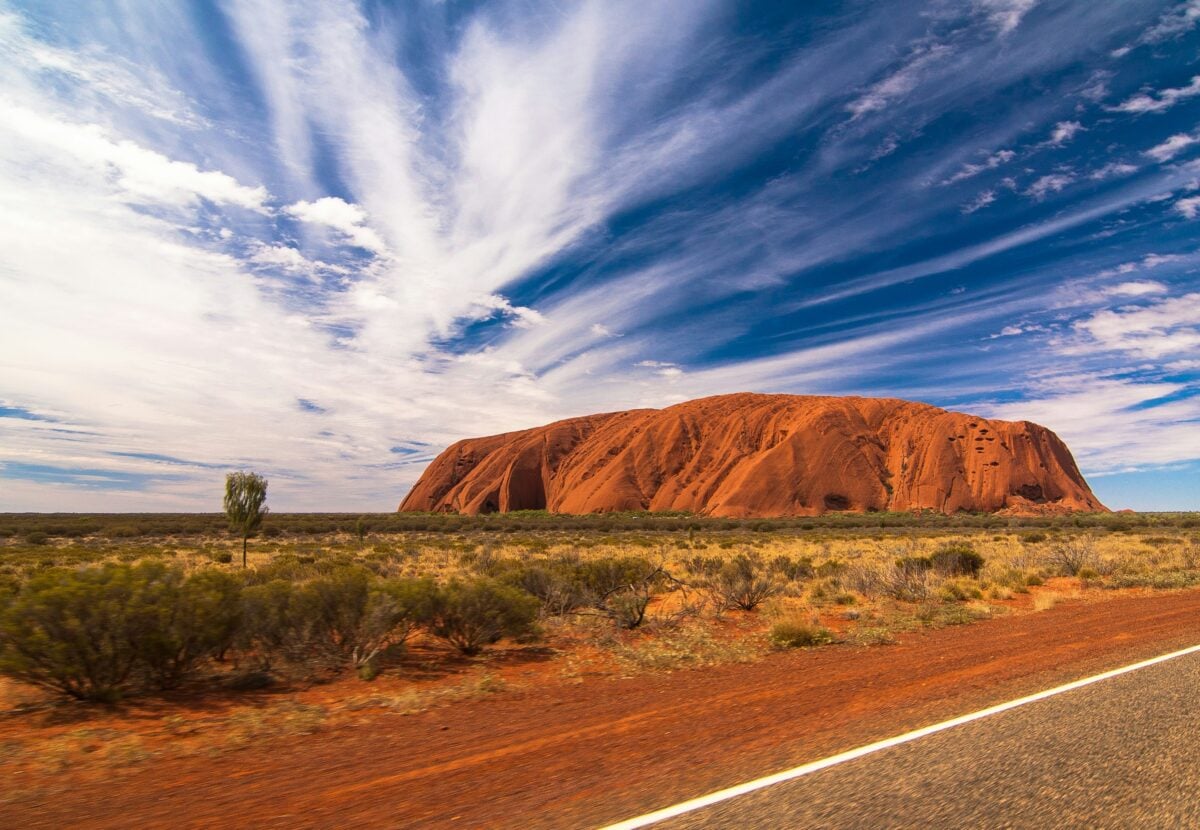
Uluru stands alone in the desert, but the Anangu people see it as a living archive. In their traditions, ancestral beings shaped the rock during the Dreamtime, leaving evidence of their journeys in the grooves, cracks, and caves carved into its surface.
Every mark has a story behind it. Because those spirits are believed to remain tied to the site, climbing Uluru isn’t just discouraged—it’s seen as deeply disrespectful.
Visitors are instead encouraged to walk around its base and listen to the stories tied to each feature.
The Smoke That Thunders
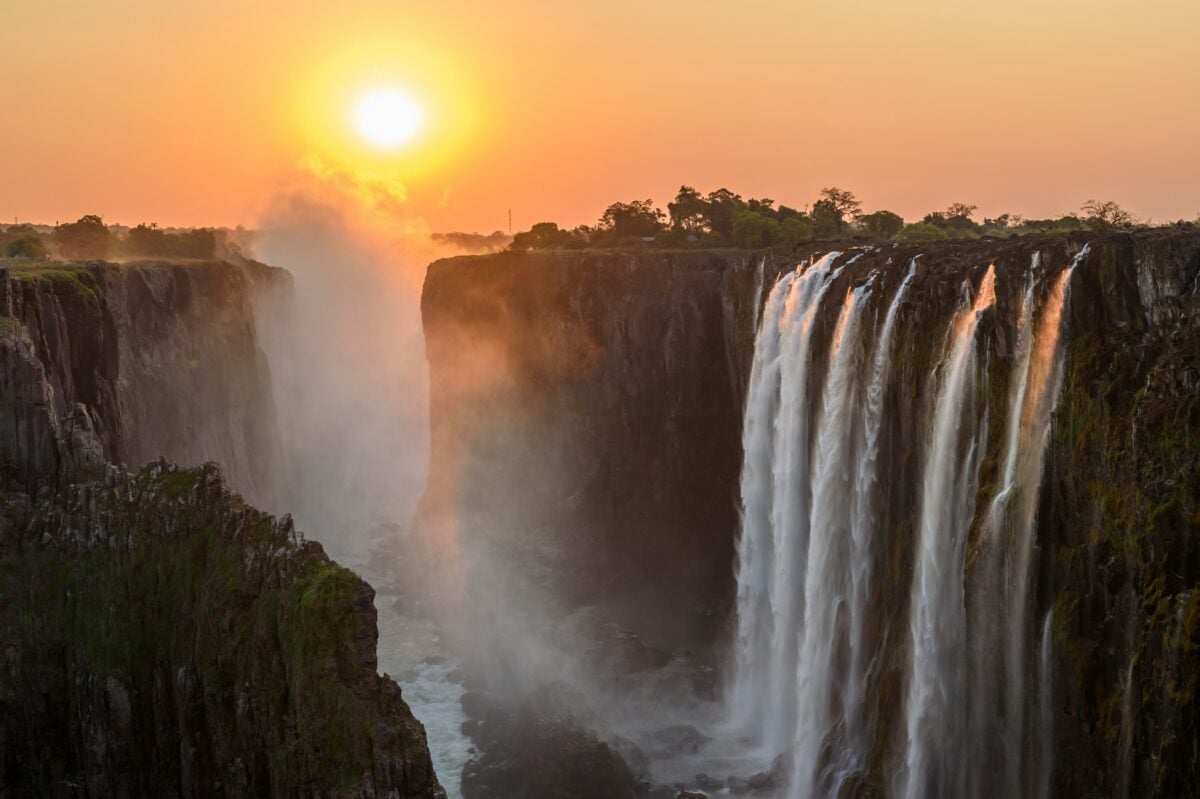
Victoria Falls announces itself long before you reach it. The Kololo people named it Mosi-oa-Tunya—“The Smoke That Thunders”—because the mist rises like a cloud above the roar. Legends weave another layer onto the spectacle: the belief that a river god, Nyami Nyami, lives in the waters upstream.
During the mid-20th century, when the Kariba Dam was being constructed, several violent accidents occurred. Locals claimed the disruptions angered Nyami Nyami, who was trying to reunite with his wife on the other side of the dam wall.
Dancers in the Sky
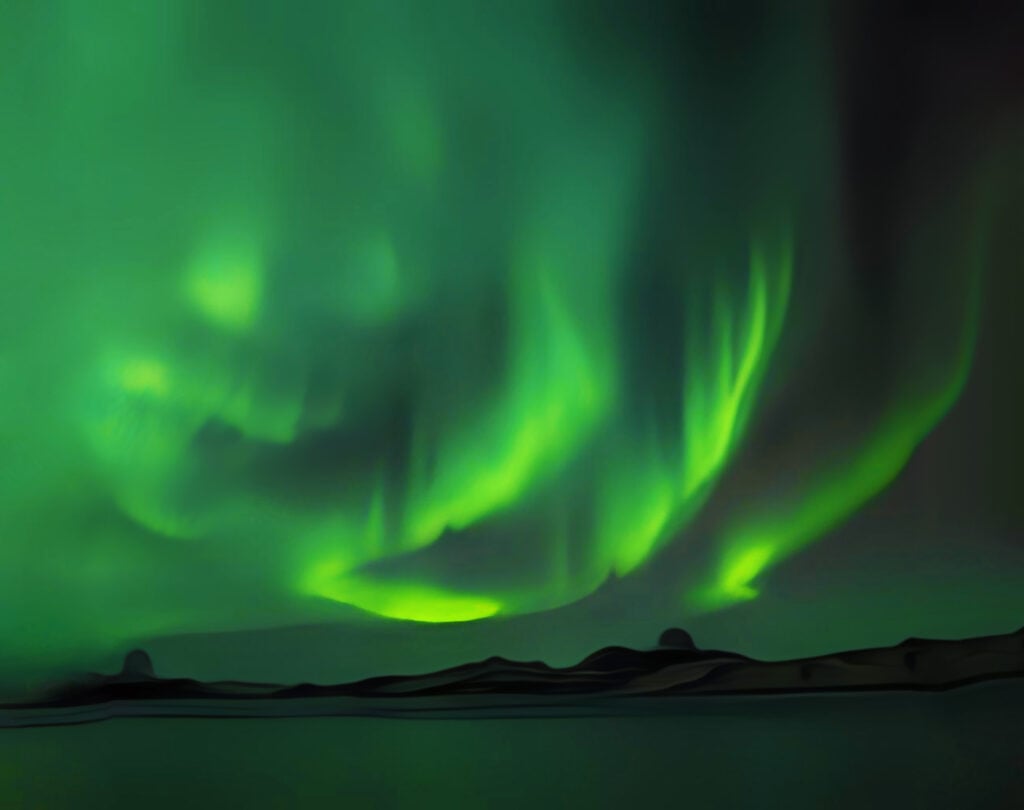
The Northern Lights have inspired entire mythologies. To the Norse, the shimmering bands of color were glints from the armor of Valkyries racing to the battlefield, deciding who would fall and who would fight another day.
Far to the west, some Inuit communities imagined the lights as spirits of loved ones, joyfully playing a game with a walrus skull. The rare nights when the aurora snapped and crackled were thought to be the sounds of the spirits cheering and calling out to each other.
The Princess Who Became a Mountain
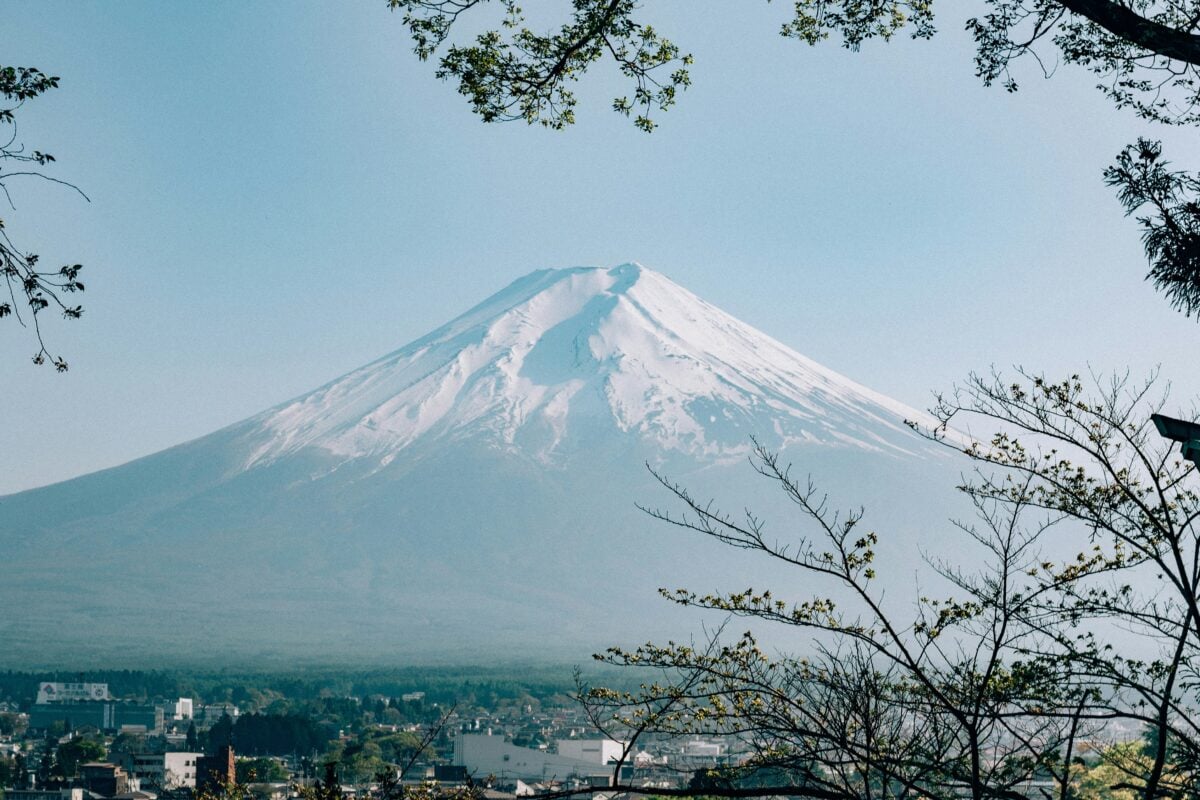
Mount Fuji’s precise shape and solitary presence made it a natural subject for old Japanese legends. One of the oldest centers on Konohanasakuya-hime, a goddess associated with blooming life and volatile fire—qualities tied to the mountain itself.
In one tale, she appears as a child discovered by a poor woodcutter. When she later returns to her divine form, she leaves Fuji behind as a reminder of her brief time as a mortal, embodying both beauty and danger.
Where the Bear Climbed
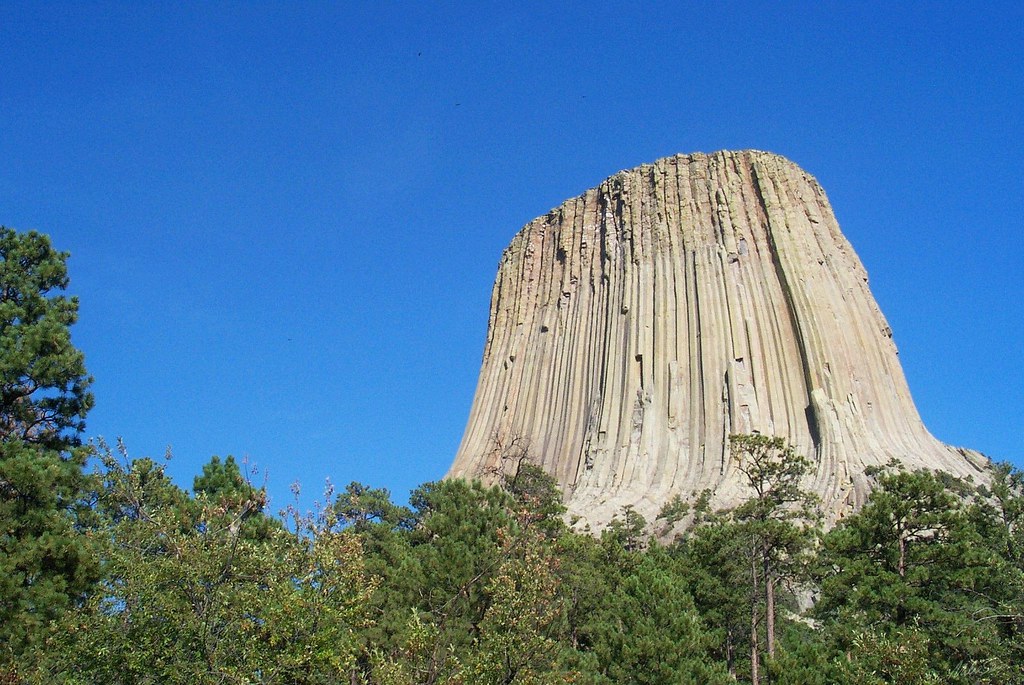
Devil’s Tower rises abruptly from the plains, and many Plains tribes tell versions of how it came to be. In the Kiowa story, seven young girls fled from a giant bear that meant to harm them.
As they prayed for help, the rock beneath their feet shot upward into the sky. The bear tried to follow, clawing deep grooves into the sides—marks still visible today.
The girls were lifted into the heavens, becoming the Pleiades constellation, forever out of reach of danger.
When Giants Fought
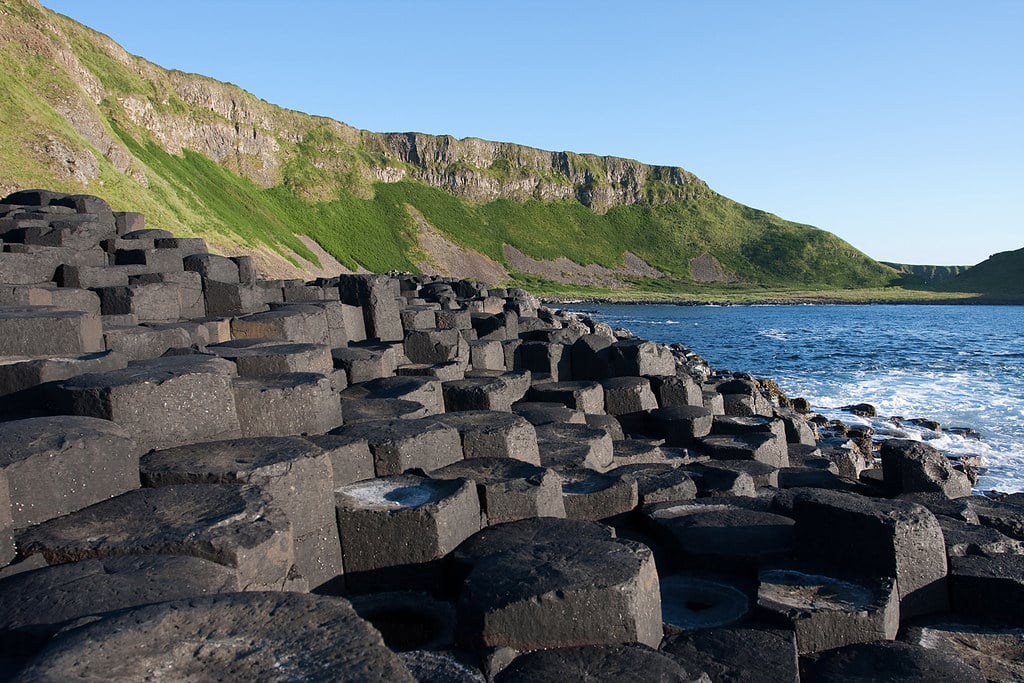
On Ireland’s northern coast, the Giant’s Causeway looks engineered, not natural—a perfect fit for a legend about giants. According to folk tradition, Finn McCool built the stone path as a bridge to Scotland to challenge the giant Benandonner.
But when Finn realized his opponent was far larger than expected, he ran home in terror. Finn’s wife disguised him as an enormous infant.
Benandonner, thinking any father of such a “baby” must be terrifying, sprinted back to Scotland, tearing up the bridge behind him in fear.
The Volcano Born from a Cornfield
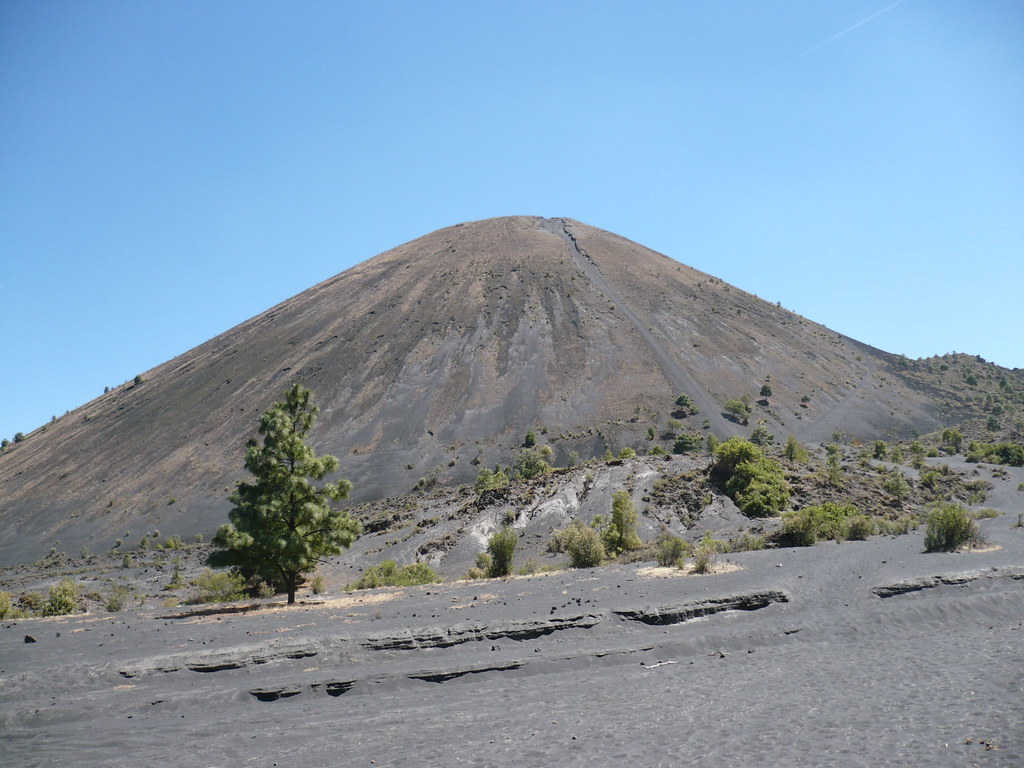
When Paricutin erupted in 1943, it didn’t emerge from a crater—it burst straight through the soil of a farmer’s field. Dionisio Pulido watched the earth beneath him crack open and spew ash.
Within months a full volcano stood where his crops once grew. Some locals insisted the eruption was a sign that people had strayed too far from old customs.
Others took it as a reminder that the earth still writes its own story, no matter how settled or familiar the land may seem.
The Sacred Sea
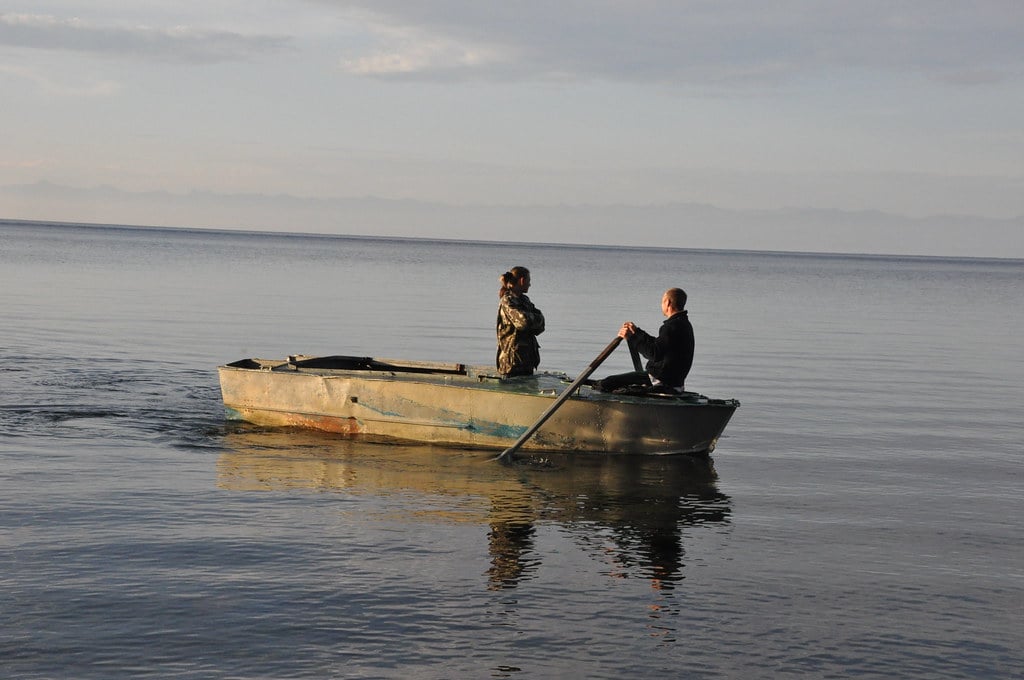
Lake Baikal’s immense depth and clarity left a strong impression on the Buryat people, who viewed it as a living spirit capable of kindness or fury. Stories say a dragon king dwells below the surface, shaping weather and controlling the lake’s bounty.
Fishermen traditionally left offerings on the shore so the water would treat them gently. And tales persist of those who ignored the lake’s warnings and vanished beneath its deceptively calm surface.
The Devil’s Waterfall
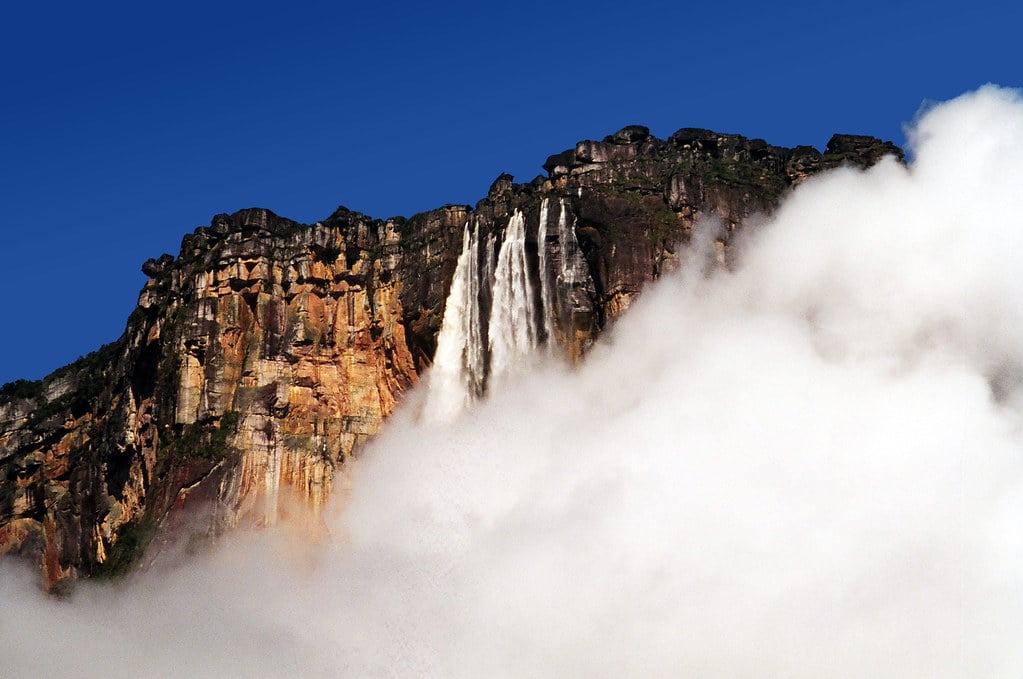
Long before explorers mapped Angel Falls, the Pemon people believed that the towering plateau above the waterfall—Auyán-tepui—belonged to dark spirits. They considered it a cursed place, one no person should climb.
So when Jimmie Angel crash-landed on the mountaintop in 1937, the event fed into existing fears. Though he survived, the ordeal only reinforced the idea that the peak was not meant for human footsteps.
Where Nothing Lives
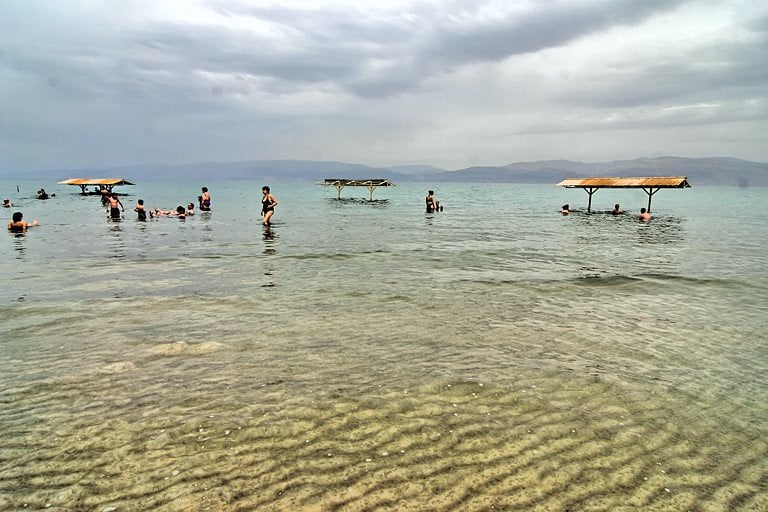
The Dead Sea’s heavy, salty waters prevent nearly any life from surviving in them. Its eerie stillness fed ancient beliefs that the area once held the cities of Sodom and Gomorrah, destroyed by divine punishment.
The salt formations near the shoreline—especially pillar-like shapes—were said to be remnants of the past, including the figure of Lot’s wife, who, according to legend, looked back at the condemned cities and turned into salt for her disobedience.
The Mountain of God
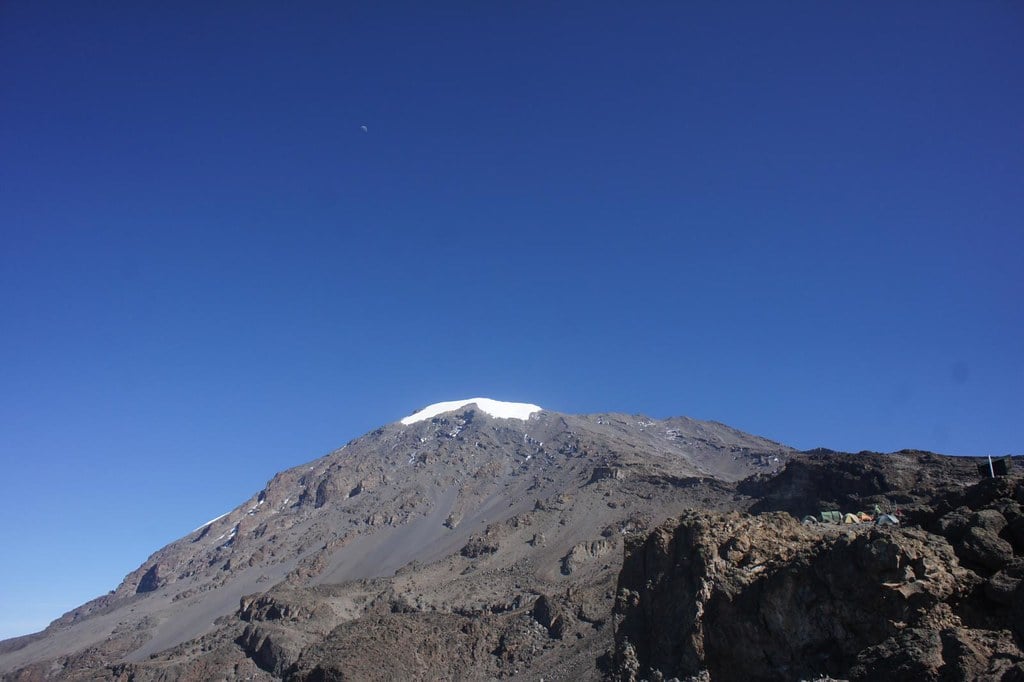
Kilimanjaro’s icy crown near the equator has always seemed otherworldly. Among the Chagga people, the two main peaks, Kibo and Mawenzi, are described as brothers whose differences shaped the mountain.
Kibo kept his fire alive, while Mawenzi let his burn out. When Mawenzi asked for help, Kibo responded harshly, leaving Mawenzi battered and craggy.
The story explains why one summit is smooth and snow-covered while the other is sharp and broken.
The Forest That Breathes
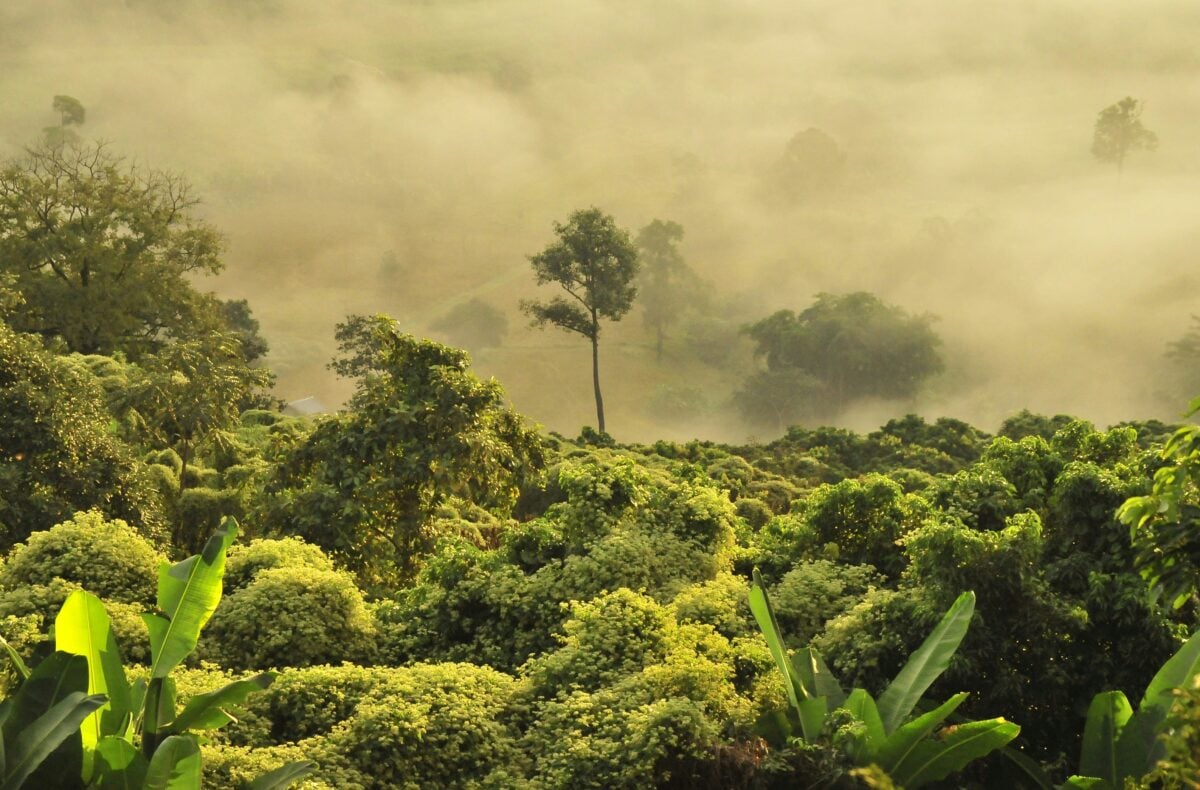
For many peoples of the Amazon, the rainforest isn’t just a setting—it’s a living force that communicates through wind, animals, and shifting light. Shamans who drink ayahuasca during ceremonies describe visions in which the forest shares warnings or guidance.
There are also stories of outsiders who tried to exploit the land and were never seen again, a reminder that the forest watches how people treat it and responds in its own way.
Stories Written in Stone and Water
Some myths echo each other, no matter where they’re told. Yet they turn earth-shaping forces into warnings or wisdom. Instead of cold facts, they give us characters and choices—so ancient times don’t seem so far away.
Yet perhaps it’s deeper than tales alone. These wild places spark wonder, quiet reflection.
They show we’re fleeting guests on a timeless world. Myths stick around since the emotion behind them hits true—the moment you face something way bigger than you.
More from Go2Tutors!

- The Romanov Crown Jewels and Their Tragic Fate
- 13 Historical Mysteries That Science Still Can’t Solve
- Famous Hoaxes That Fooled the World for Years
- 15 Child Stars with Tragic Adult Lives
- 16 Famous Jewelry Pieces in History
Like Go2Tutors’s content? Follow us on MSN.



