Little-Known Facts About Boxing Day Traditions
Boxing Day falls on December 26th, and most people outside the Commonwealth have never heard of it. Even in countries that celebrate it, confusion reigns about what the holiday actually means and why it exists.
The name doesn’t help—it has nothing to do with the sport of boxing or returning unwanted gifts in boxes. The real story involves servants, churches, charity, and the uncomfortable reality of class divisions that most modern celebrations prefer to ignore.
The Name Comes From Actual Boxes

Churches placed collection boxes near their entrances during the Christmas season, encouraging parishioners to donate money for the poor. These alms boxes stayed sealed until December 26th, when priests opened them and distributed the contents to those in need.
The day became known as Boxing Day because of this specific practice of opening charity boxes. This tradition dates back to the Middle Ages, though the exact origin point remains disputed.
Some historians trace it to ancient Rome, while others insist it started in Britain during the feudal period. Either way, the boxes were real, the charity was real, and the name stuck even after the original practice faded.
Servants Got Their Only Day Off

Wealthy British families required their servants to work on Christmas Day, preparing elaborate meals and managing household duties while the family celebrated. The next day, December 26th, servants finally got time off to visit their own families.
Employers gave them boxes containing leftover food, old clothes, and sometimes money as a gesture of seasonal generosity. This wasn’t kindness—it was obligation.
The social system depended on maintaining these gestures to prevent resentment from boiling over. Servants accepted their boxes, spent the day with their families, then returned to work.
The tradition of giving boxes to servants gradually evolved into modern employer Christmas bonuses, though few people connect the two.
It’s a Legal Holiday in Many Countries but Not America

Canada, Australia, New Zealand, and the United Kingdom all recognize Boxing Day as an official public holiday. Most businesses close, and workers get paid time off.
The United States never adopted the tradition, leaving Americans confused when British television shows reference it or when they travel abroad and find everything shut down. The divide reflects different colonial histories and social structures.
Countries with stronger ties to British traditions maintained Boxing Day, while America’s break from Britain meant rejecting associated customs. Americans get similar post-Christmas sales events, but without the historical baggage or official recognition.
Sports Became Central to the Celebration

British football (what Americans call soccer) matches on Boxing Day became a tradition in the late 1800s. The holiday offered workers rare time off, and sporting events provided entertainment for people who couldn’t afford elaborate celebrations.
The Premier League still schedules a full slate of matches every Boxing Day, drawing massive crowds and television audiences. Other sports followed suit. Horse racing, rugby, and cricket all developed Boxing Day traditions in various Commonwealth countries.
These events transformed the day from a religious observance and servant holiday into a major sporting occasion. Many families now plan their entire Boxing Day around watching these matches.
Fox Hunting Used to Dominate the Day

Upper-class British families traditionally went fox hunting on Boxing Day, a practice that continued for centuries despite growing opposition. Participants dressed in formal hunting attire, rode horses across the countryside, and used packs of dogs to chase and kill foxes.
The hunts served as social events for the wealthy, reinforcing class distinctions on a day supposedly about charity. Britain banned traditional fox hunting in 2004, though trail hunting (following a scent rather than a live animal) remains legal.
The ban sparked intense debate about tradition versus animal welfare, with Boxing Day hunts becoming protests and counter-protests rather than actual hunts. Some rural communities still organize trail hunts, maintaining the social aspects without the killing.
Shopping Sales Rival Black Friday

Boxing Day sales in Commonwealth countries generate the same shopping frenzy as American Black Friday. Stores open early, offer deep discounts, and crowds rush through doors looking for deals.
The tradition started when stores needed to clear Christmas inventory, but it evolved into a major retail event. Canadian Boxing Day sales particularly rival American Black Friday in intensity and scope.
Shoppers line up hours before stores open, and retailers advertise their Boxing Day deals for weeks in advance. The irony of celebrating a day rooted in charity by engaging in aggressive consumer spending seems lost on most participants.
The Day After Christmas Matters More in Some Places
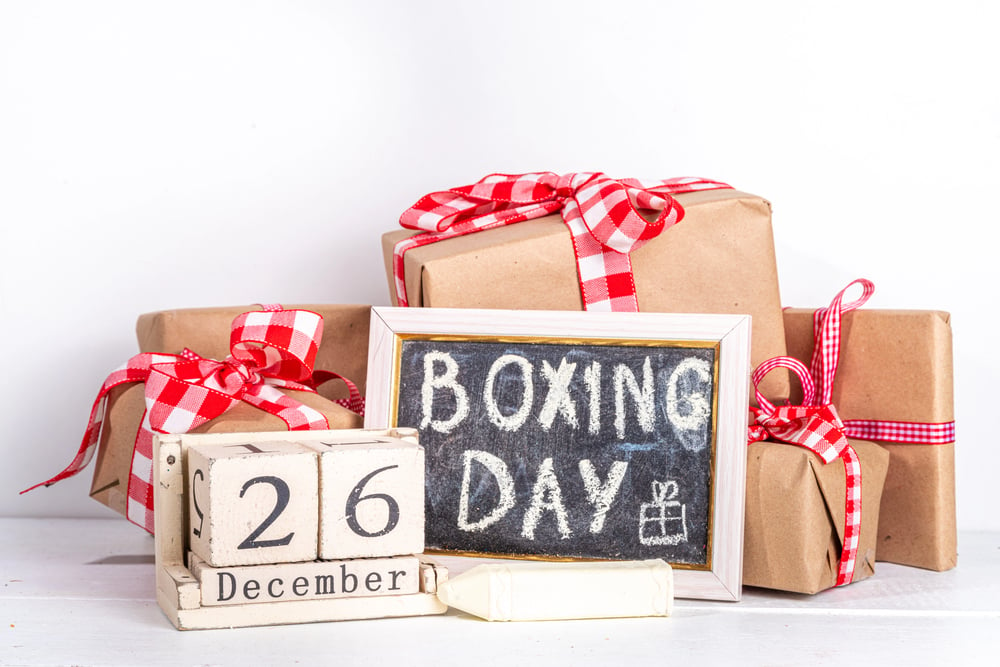
For many Commonwealth families, December 26th ranks as important as Christmas Day itself. Relatives gather for second meals, continue exchanging gifts, or simply extend the holiday celebration.
This extended Christmas period reflects cultural values that prioritize multiple days of rest and family time over single-day celebrations. The multi-day celebration creates different social rhythms than American holidays.
Where Americans might return to work on December 26th, Commonwealth workers often take the entire week off between Christmas and New Year. Boxing Day provides a buffer between the intense celebration of Christmas and the return to normal life.
Cricket Test Matches Start on Boxing Day

Australia hosts a cricket Test match starting on Boxing Day every year at the Melbourne Cricket Ground. This tradition began in 1968 and has become one of the most important fixtures in international cricket.
The Boxing Day Test regularly draws crowds exceeding 90,000 people, making it one of the best-attended sporting events globally. The match typically runs for several days, turning Boxing Day into the launch of a longer sporting event rather than a single-day occasion.
Families make attending the Boxing Day Test a yearly tradition, arriving early with picnic baskets and settling in for a full day of cricket. The atmosphere combines sporting competition with holiday celebration in ways unique to Australian culture.
Caribbean Countries Created Their Own Version
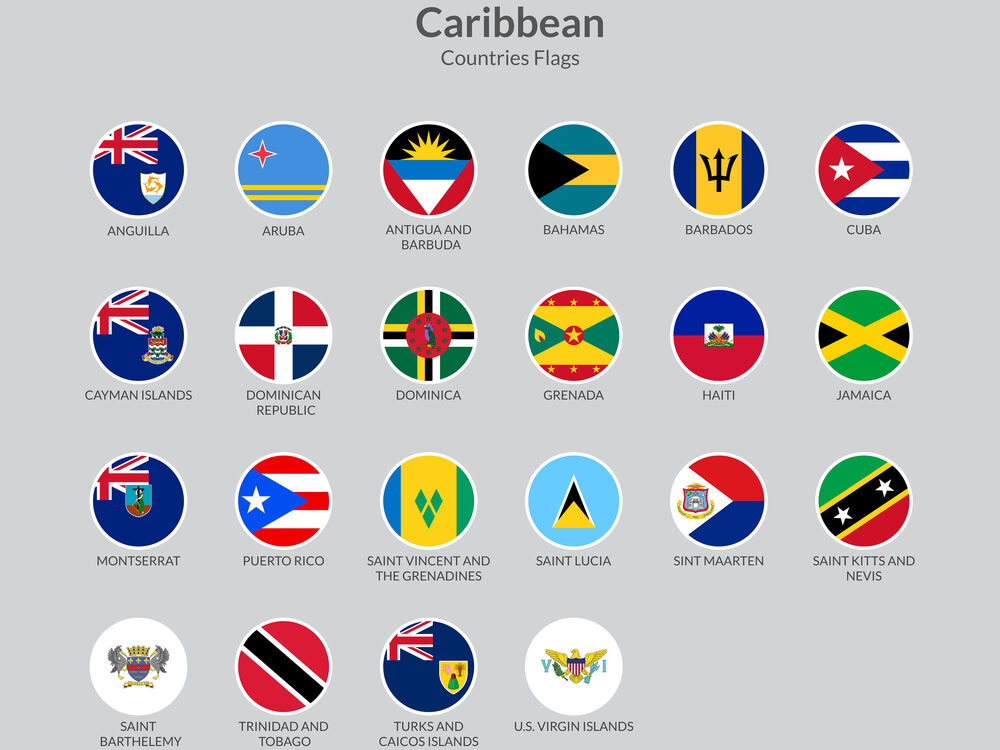
Several Caribbean nations celebrate Boxing Day but transformed it into something distinct from British traditions. Jamaica, Trinidad and Tobago, and other islands turned December 26th into a day for street parades, music festivals, and community gatherings.
Junkanoo, a vibrant Bahamian festival, takes place on Boxing Day with elaborate costumes, dancing, and music. These celebrations reflect African cultural influences and resistance to colonial traditions.
Rather than accepting the British version of Boxing Day, Caribbean communities created their own meanings and practices. The day became an expression of cultural identity rather than a continuation of servant holidays or charity distributions.
The Wren Boys Walked Door to Door
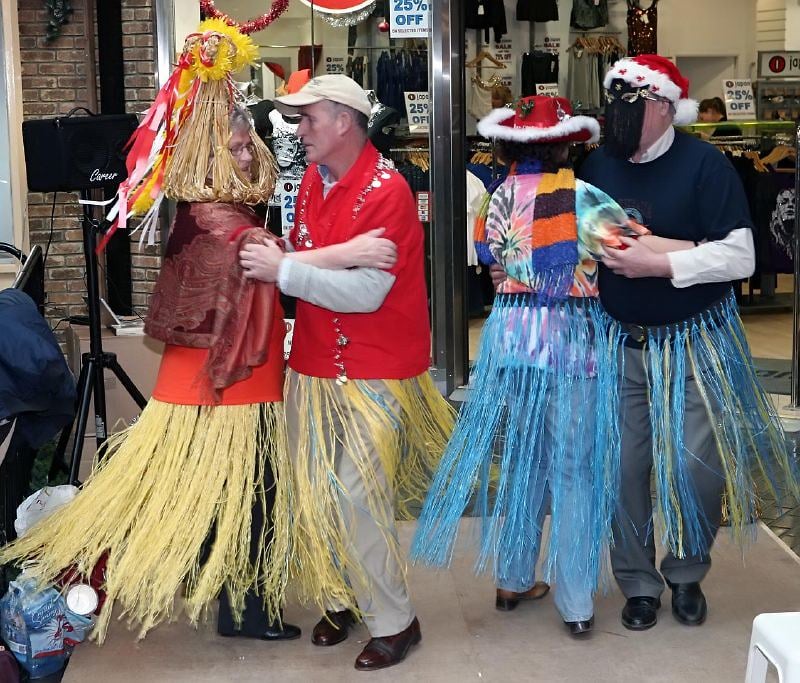
An Irish tradition called “Wren Day” or “Hunting the Wren” took place on December 26th, though it has largely died out. Groups of people called Wren Boys dressed in straw costumes and masks, going door to door with a dead wren (or a fake one in later years) while singing songs and asking for money.
The practice supposedly commemorated St. Stephen, who was betrayed by a chattering wren according to legend. The ritual combined pagan elements with Christian symbolism, creating something uniquely Irish that happened to fall on the same day as Boxing Day.
Modern revivals focus on the music and costumes while dropping the dead bird aspect.
Polar Bear Swims Attract Thousands

Some towns across the Commonwealth hold cold-water swims right after Christmas, tossing themselves into icy sea waves. This odd habit likely began in Vancouver around 1920, when men dared each other to jump in after holiday feasting.
Over time, it hopped from place to place along shorelines, growing into public gatherings. These days, they’re not just stunts; funds collected go toward helping others.
Thousands take part every year, often dressed up or barely clothed, even when it’s almost freezing. These events mix endurance with fun and fundraising – somehow mirroring Boxing Day’s old tradition without meaning to.
Leftover Management Became an Art Form

British and Commonwealth chefs came up with clever ways to use Christmas extras the day after. Instead of tossing things out, they made turkey curry – spiced-up meals from yesterday’s bird.
Leftover veggies? Fry them up into something called bubble and squeak.
Another favorite: layer bits into a deep dish, bake it, call it Boxing Day pie. Necessity shaped these eats – but over time, people started expecting them each year.
The attention on leftovers ties back to times when keeping food fresh was key, while tossing any bit felt wrong. Cooling tech later made that rush fade, yet those old cooking methods stuck around anyway.
Lots of households today treat these extra meals like part of the celebration itself – just as essential as the main feast – with folks even aiming to roast a big enough bird just so there’s plenty left for Boxing Day spices.
The Day Nobody Fully Understands Anymore
Boxing Day sticks around, even though it’s pretty far from what it started as. Instead of thinking about old traditions like giving to the poor, folks now focus on games or grabbing discounts.
Church ties have mostly disappeared, talking about social classes feels awkward, so people just do what works for them these days. That adaptability could be why Boxing Day sticks around when other old holidays faded away.
Instead of fading, it shifted – turning into what folks wanted: bargain hunting, games, extra festivities, or local gatherings. Customs differ wildly from place to place, even block to block, so saying it’s one unified event isn’t quite right.
Perhaps the true custom is simply using December 26th however suits you, instead of jumping straight back into routine. The original boxes? Long gone.
Domestic workers expecting gifts? Not anymore. Yet the break stays, shaped by whatever we choose to fill it with.
More from Go2Tutors!

- The Romanov Crown Jewels and Their Tragic Fate
- 13 Historical Mysteries That Science Still Can’t Solve
- Famous Hoaxes That Fooled the World for Years
- 15 Child Stars with Tragic Adult Lives
- 16 Famous Jewelry Pieces in History
Like Go2Tutors’s content? Follow us on MSN.



